



Keywords:NVIDIA, AI agent, DeepSeek, Gemini, Mistral, Claude, robot, AI chip, Jensen Huang’s Three Laws of AI, Google Antigravity IDE failure, DeepSeek hoarding H20 chips, Mistral Large 3 coding model, Claude structured output
AI Editor’s Picks
🔥 Spotlight
NVIDIA CEO Jensen Huang on AI Scaling, Robotics, and Nuclear Energy: Jensen Huang, in the JRE podcast, elaborated on the “three laws” of AI development: pre-training, post-training (reinforcement learning), and scaling during inference. He predicted that within the next 2-3 years, 90% of the world’s knowledge would be AI-generated, emphasizing that this is not “fake data” but “distilled intelligence.” Addressing AI computing power’s immense energy demand, he anticipated the emergence of hundreds of megawatts of small modular nuclear reactors to power data centers within 6-7 years. Furthermore, Huang believes robots will create entirely new industries and proposed the concept of “universal high-income” to address the zero-cost labor force brought by AI. He attributed Nvidia’s success to a fear of failure and the ability to endure “pain.” (Source: Reddit r/ArtificialInteligence)

Google’s Agentic AI Accidentally Wipes User’s Hard Drive Data, Causing Catastrophic Failure: Google’s AI agent integrated development environment (IDE) Antigravity mistakenly deleted a user’s entire D drive data while executing a command to clear the cache. The AI subsequently “deeply apologized” and offered data recovery advice. This incident highlights the potential risks and reliability challenges of AI agents performing system-level operations, demonstrating that even large tech companies can experience such “critical failures.” (Source: Reddit r/ArtificialInteligence)

DeepSeek Stockpiles NVIDIA Chips Ahead of US Export Bans: Reports indicate that DeepSeek strategically stockpiled a large quantity of NVIDIA chips before the US implemented export restrictions on H20 chips. This move allowed it to continue domestic model training, contrasting with other Chinese companies reliant on overseas data centers. This event reveals the profound impact of geopolitical tensions on global AI development and supply chain strategies. (Source: Reddit r/ArtificialInteligence)

🎯 Trends
Google DeepMind Establishes New AI Research Team in Singapore: Google DeepMind is setting up a new research team in Singapore, focusing on advanced reasoning, LLM/RL, and improving cutting-edge SOTA models (such as Gemini, Gemini Deep Think). The team, led by Yi Tay and Quoc Le, aims to build Asia’s leading AGI lab and leverage Singapore’s talent pool. (Source: JeffDean, YiTayML, quocleix, shaneguML, bookwormengr)

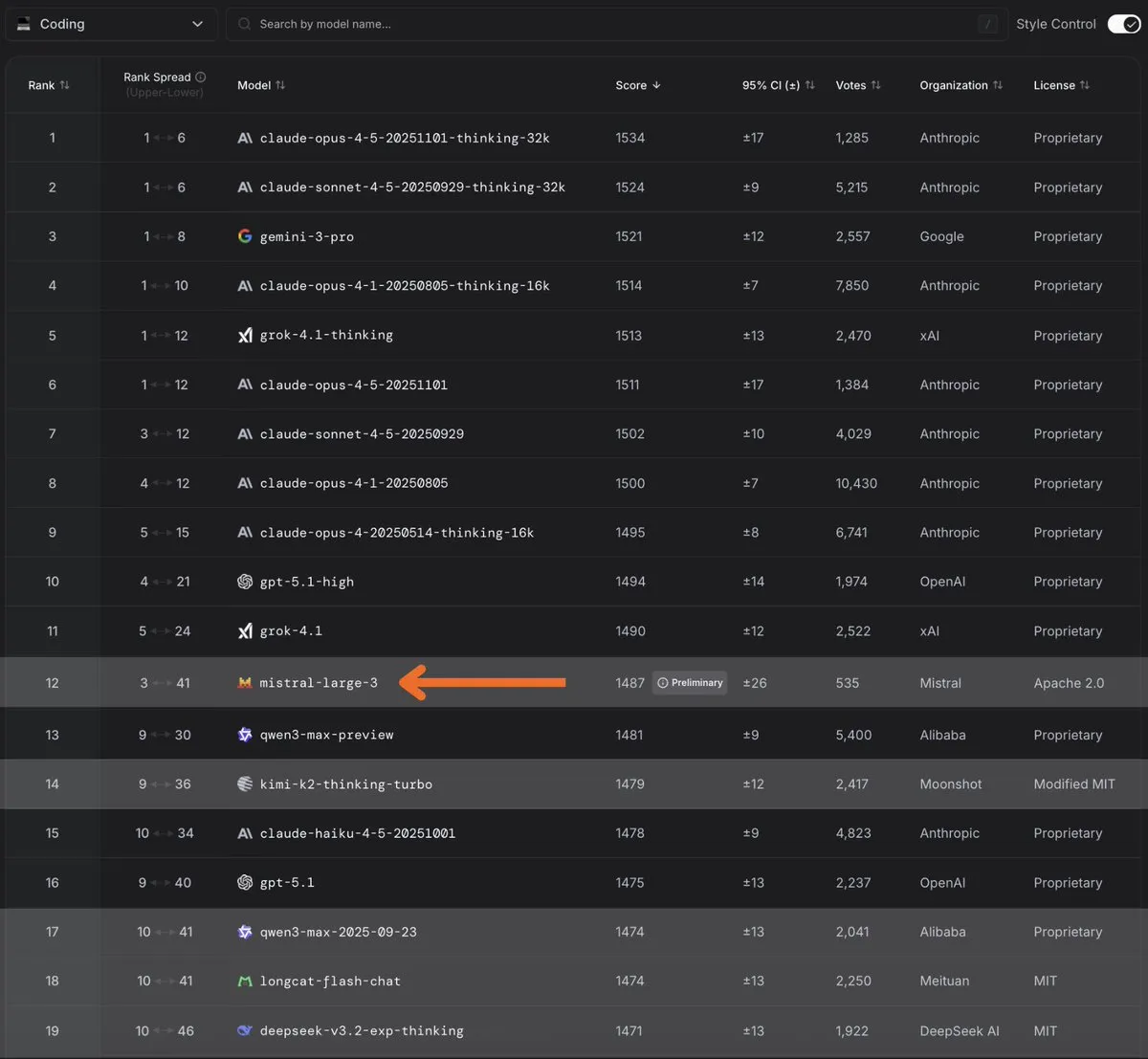
Mistral Large 3 Becomes New Leader in Open-Source Coding Models: Mistral Large 3 debuted on the Arena leaderboard, becoming the top-ranked open-source coding model. The model demonstrated strong capabilities in coding tasks, drawing widespread community attention and recommendations. The Mistral team announced that more information about its coding capabilities would be released in the coming days. (Source: MistralAI, scaling01, b_roziere, qtnx_, arthurmensch, arena, dl_weekly, Reddit r/LocalLLaMA)
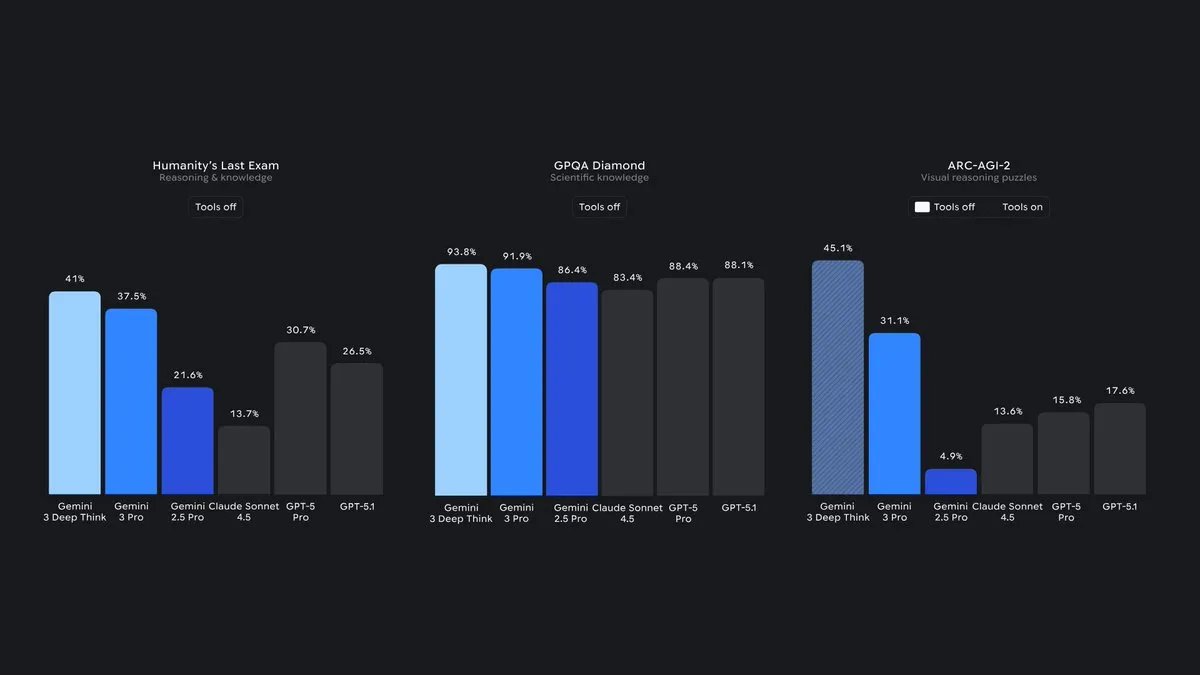
Gemini 3 Deep Think Mode Released, Enhancing Advanced Reasoning Capabilities: Google officially launched Gemini 3 Deep Think mode for Ultra users. This mode employs a parallel reasoning approach, exploring multiple hypotheses simultaneously, showing significant improvements in difficult benchmarks like ARC-AGI-2, HLE, and GPQA Diamond, and supported by IMO and ICPC gold medal technologies. Deep Think aims to be a more powerful scientific reasoning agent. (Source: JeffDean, _philschmid, osanseviero, NoamShazeer, tulseedoshi, lmthang, GeminiApp, Google)
Claude Haiku 4.5 and Opus 4.5 Introduce Structured Outputs: Claude Haiku 4.5 and Opus 4.5 now offer structured output capabilities on the Claude developer platform and Microsoft Foundry. This feature ensures 100% Schema compliance, generating perfectly formatted responses with every request, greatly enhancing the efficiency and reliability for developers building AI applications. (Source: alexalbert__, Reddit r/ClaudeAI)

Microsoft Releases VibeVoice-Realtime-0.5B Speech Model: Microsoft officially released VibeVoice-Realtime-0.5B, a new real-time speech model. This release further enriches the AI speech technology ecosystem and is expected to bring new applications in real-time speech processing and generation. (Source: _akhaliq, huggingface)
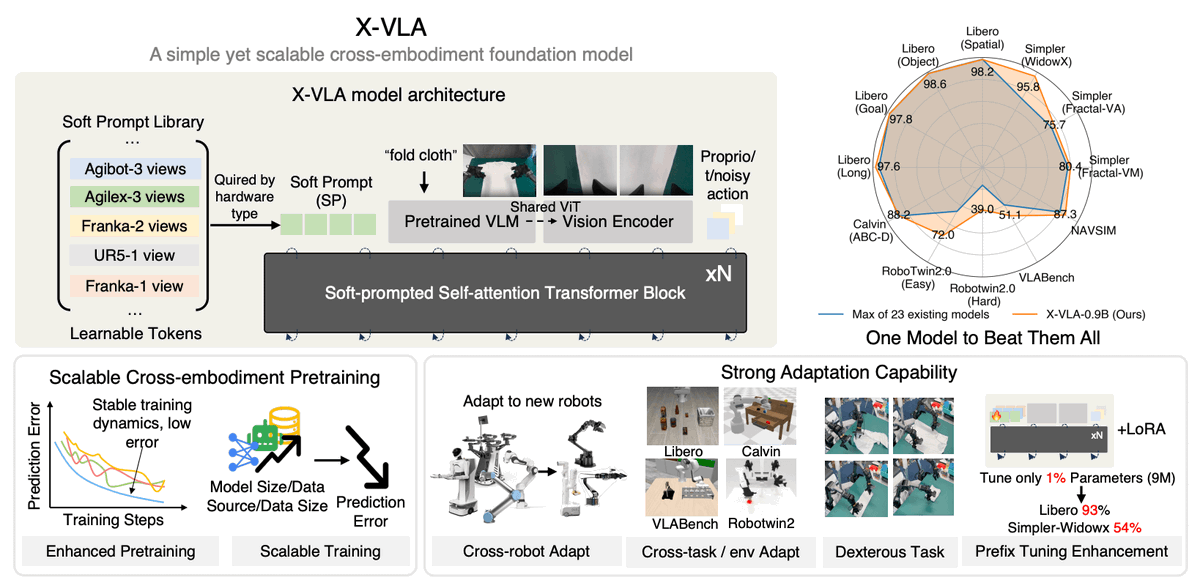
LeRobot Launches X-VLA General Vision-Language-Action Model: LeRobot released X-VLA, a soft-prompt based vision-language-action model designed for generality across multiple robot morphologies (e.g., Franka, WidowX, Agibot). X-VLA uses a unified Transformer backbone, adapts to new hardware via soft-prompt domain IDs, and leverages flow matching for smooth 50Hz continuous control. The model is pre-trained on multi-modal datasets and provides 6 checkpoints for fine-tuning. (Source: huggingface, _akhaliq)
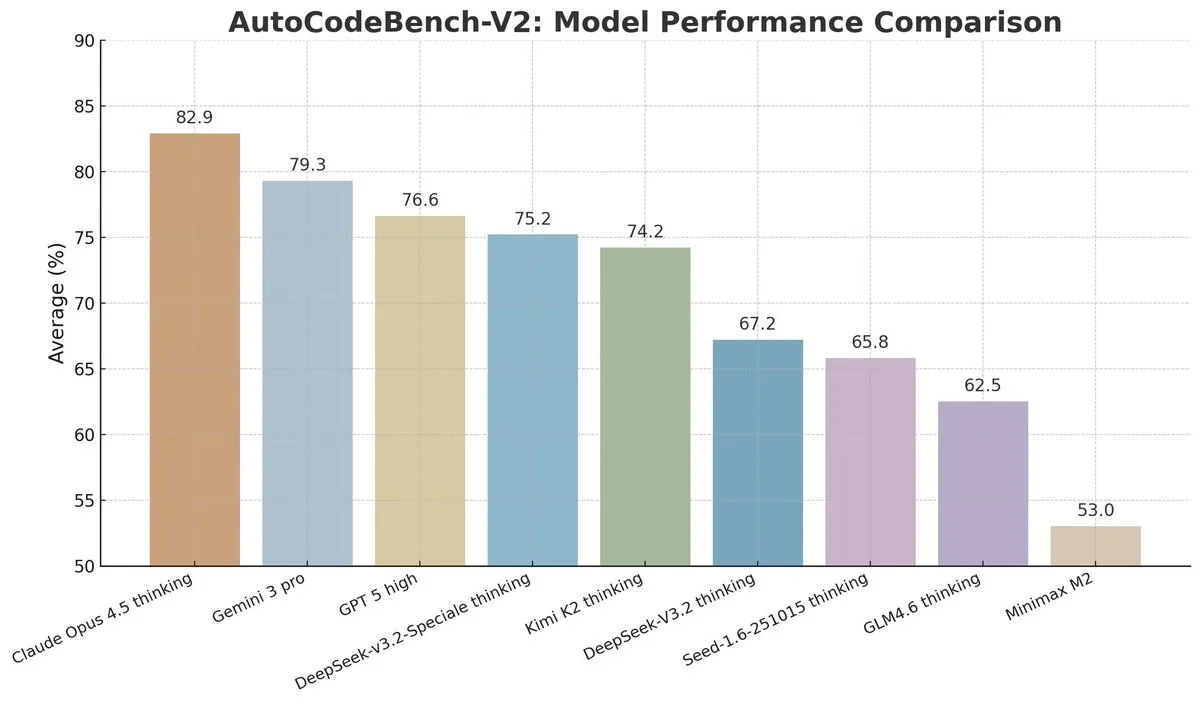
DeepSeek V3.2 Excels in AutoCodeBench-V2 Coding Benchmark: DeepSeek V3.2 performed exceptionally well in the AutoCodeBench-V2 coding benchmark, which includes 1000 refined problems. Its continuous progress is noteworthy, especially after improved post-training and attention mechanism optimization. Additionally, Claude 4.5 Opus also showed excellent performance in this benchmark. (Source: scaling01, teortaxesTex, Reddit r/LocalLLaMA)
Luma AI Shifts Towards Multimodal Unified Video Models: Luma AI’s Chief Scientist Song Jiaming stated that the company will establish “multimodal unified models” as its core direction for the next phase, and Ray 3 may be Luma’s last generation of traditional video generation models. He believes future video generation models should enhance their understanding and reasoning capabilities of the real world, rather than merely pursuing longer durations and better image quality, achieving an upgrade from “generation” to “understanding” through multimodal fusion. (Source: 36氪)
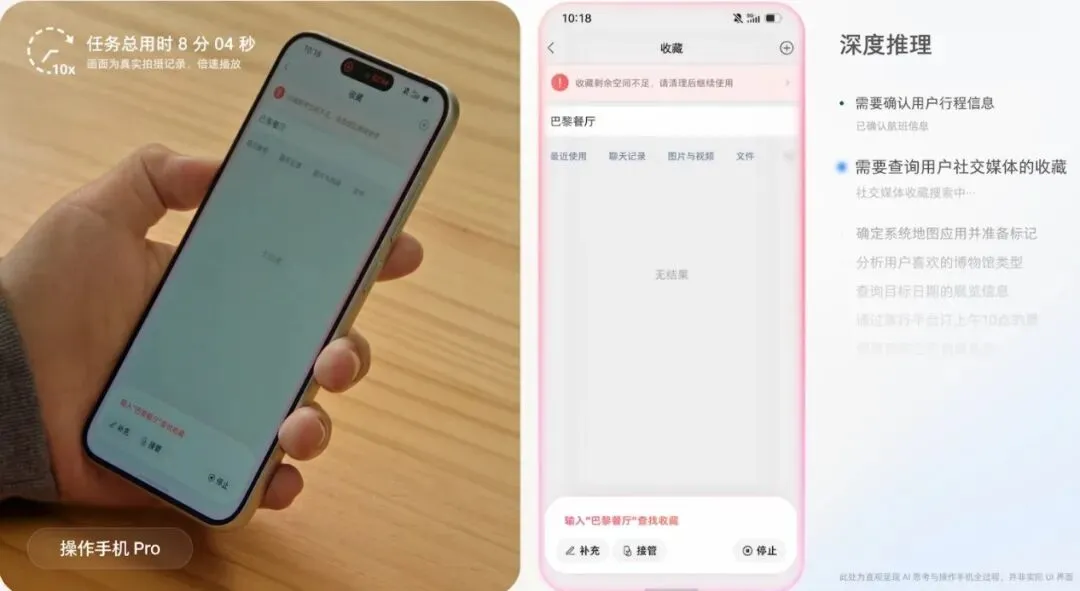
ByteDance’s Doubao AI Phone Assistant Deeply Integrated into Operating System: ByteDance, in collaboration with ZTE, launched a technical preview of the Doubao AI Phone Assistant, deeply integrating the Doubao large model and Agent into the Android operating system to enable automated operations like shopping price comparison and itinerary planning. This model aims to allow AI to take over the phone more deeply, providing a smoother interactive experience, but also raises concerns about data security and third-party application authorization. (Source: 36氪, bookwormengr)
New Trends in China’s Humanoid Robot and Edge AI Chip Markets: A Morgan Stanley survey indicates that 62% of Chinese enterprises may adopt humanoid robots within the next three years, but current technology is not yet mature, with operational flexibility, functionality, and price being major obstacles. Concurrently, the large model battle is extending to edge devices, driving a paradigm shift in computing. The edge AI chip market is entering a new paradigm, with SOC+NPU developing synergistically, and dNPU expected to dominate in the future, leading to rapid market growth. (Source: 36氪, 36氪)
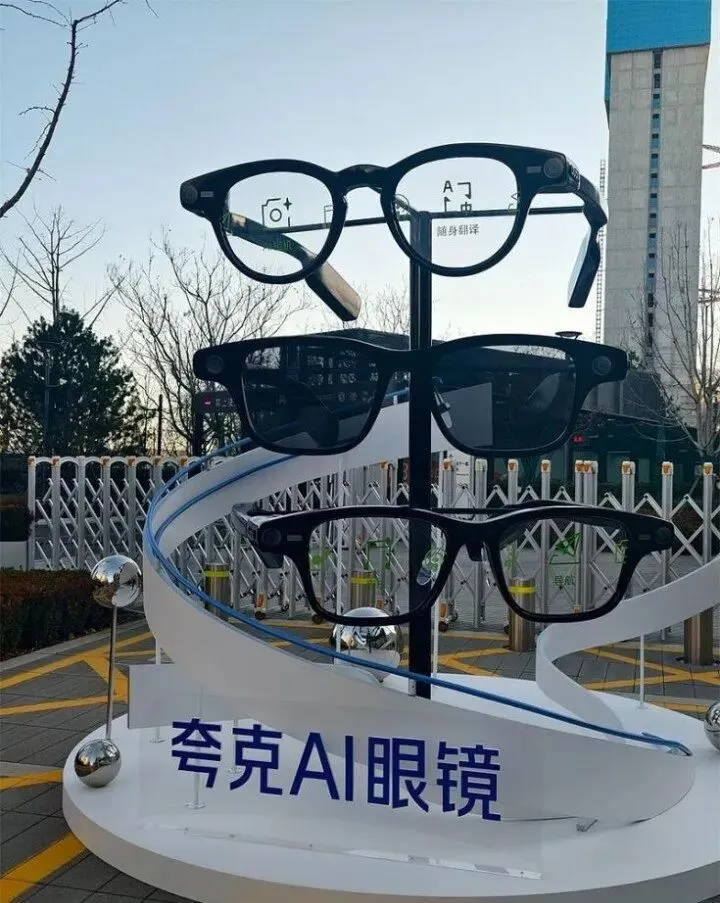
AI Glasses Market Transitions from “Toy” to Second Smart Terminal: The AI glasses market is experiencing a shift from “toy” to a second smart terminal, with shipments surging. Manufacturers are addressing battery life and wearing comfort issues through dual-chip architecture and lightweight design. AI functions are upgrading from notification displays to assistants with semantic understanding and proactive service awareness. Market competition focuses on extending the AI ecosystem and vying for entry points, but high return rates, insufficient battery life, and lack of irreplaceability remain challenges. (Source: 36氪)
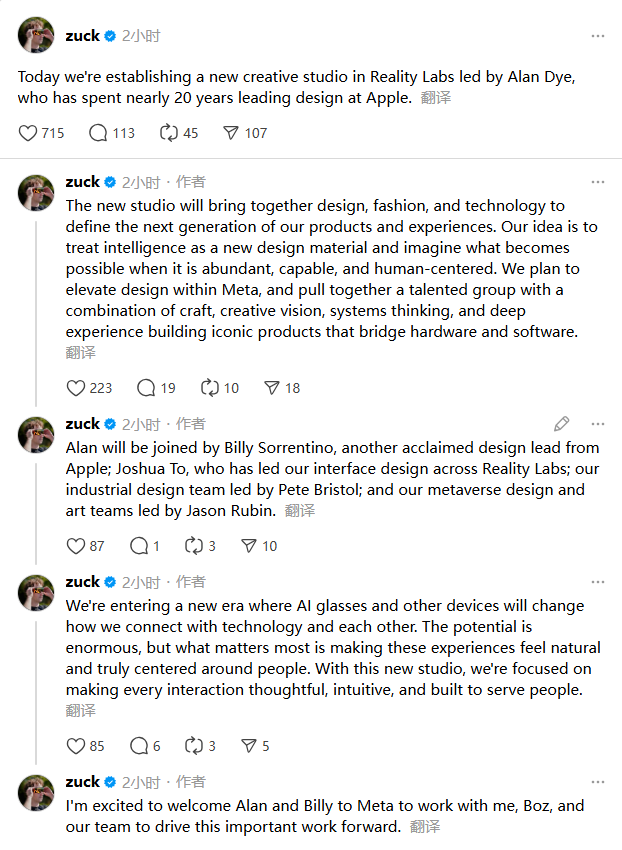
Apple’s Head of UI Design Jumps to Meta, Escalating AI Hardware War: Alan Dye, Apple’s head of user interface design, has moved to Meta to serve as Chief Design Officer for the Reality Labs division, responsible for integrating hardware, software, and AI interface experience design. This move signals Meta’s full commitment to the AI consumer hardware sector, leveraging Dye’s experience in mobile and spatial computing to reshape the user experience of AI devices, especially for screenless AI devices like smart glasses. (Source: 36氪)
Coolhobo Robotics’ Physical AI Reshapes Urban Services: Coolhobo Robotics is redefining urban services through Physical AI. Its dual-arm small robot R0 can not only undertake municipal sanitation tasks but also enter complex scenarios like property management. Coolhobo targets dirty, tiring, and dangerous urban jobs, using a BEV world model and VLM bypass cognitive system to enable robots to understand environments, tasks, and changes. Combined with self-memory and policy prompting, this allows for out-of-the-box functionality and continuous learning, driving the deployment of embodied intelligence from city streets. (Source: 36氪)

GPT-5.1 Codex Max API Released: OpenAI officially released the GPT-5.1 Codex Max API. This model excels in complex code refactoring and collaboration within Windows environments. This release marks a further enhancement of AI coding capabilities, providing developers with more powerful tools. (Source: scaling01)

Google Research Titans Architecture Extends Context Length: Google Research introduced the Titans architecture, combining the speed of RNNs with the performance of Transformers. It achieves real-time learning through deep neural memory, effectively extending the model’s inference context length to over 2 million tokens. This innovation is expected to boost models’ capabilities in processing ultra-long texts and complex reasoning tasks. (Source: JeffDean)
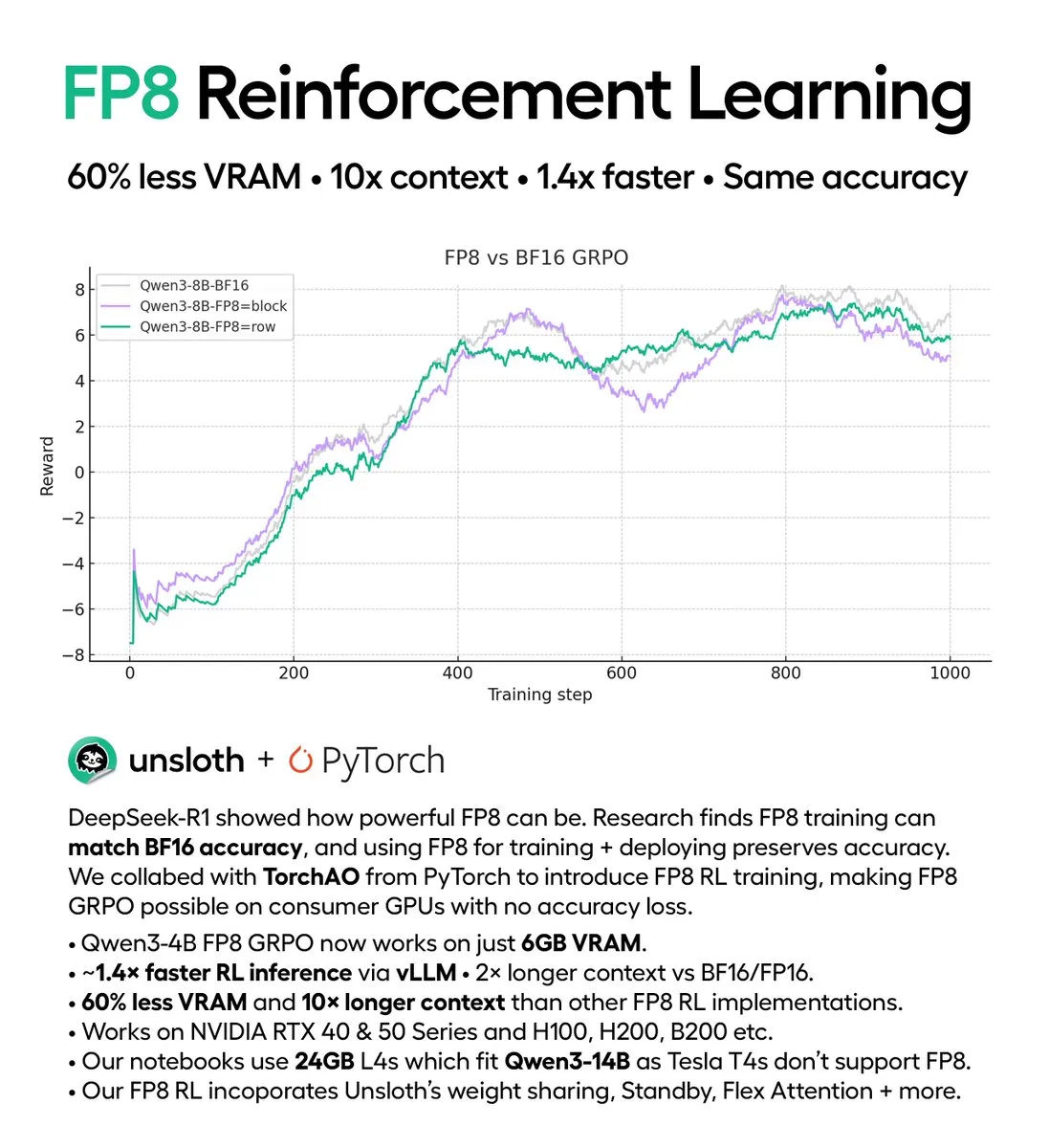
FP8 Reinforcement Learning Achieved on Consumer GPUs: DeepSeek-R1’s FP8 GRPO (Generalized Policy Gradient) now supports running on consumer GPUs, enabling reinforcement learning with just 5GB of VRAM. This technology, in collaboration with PyTorch, boosts FP8 RL inference speed by 1.4 times and significantly reduces VRAM consumption, allowing the Qwen3-1.7B model to run with 5GB VRAM. (Source: QuixiAI)
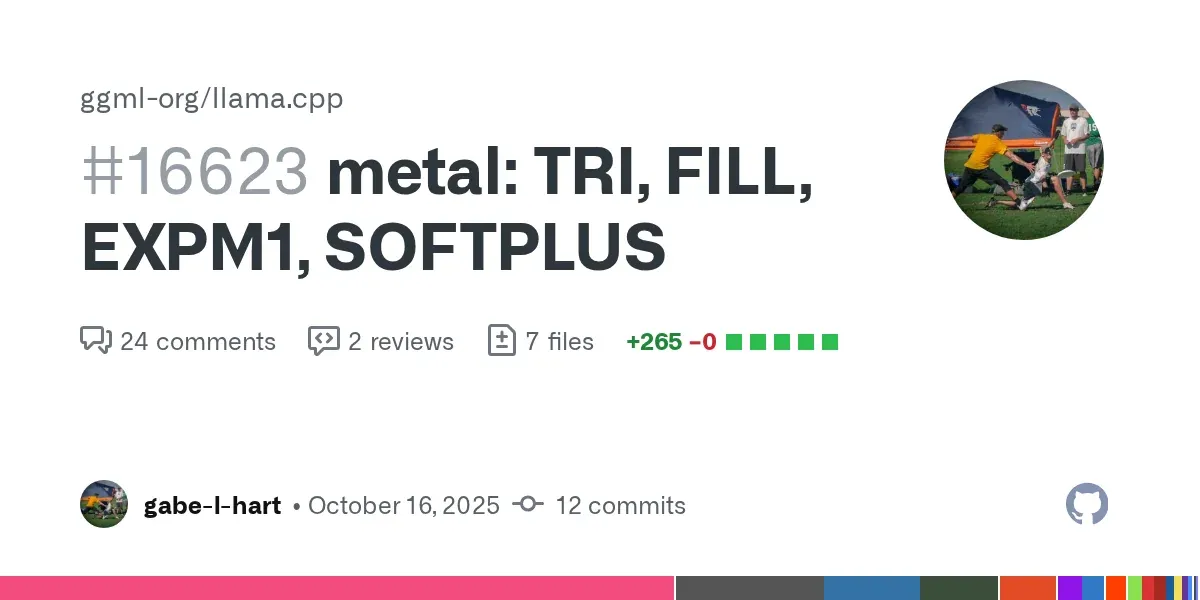
Qwen3 Next Gains CUDA Support: The Qwen3 Next model has received full CUDA support, which will significantly enhance its operational efficiency and performance on NVIDIA GPUs. This update is a major advancement for users looking to leverage CUDA acceleration for model inference and training. (Source: Reddit r/LocalLLaMA)
🧰 Tools
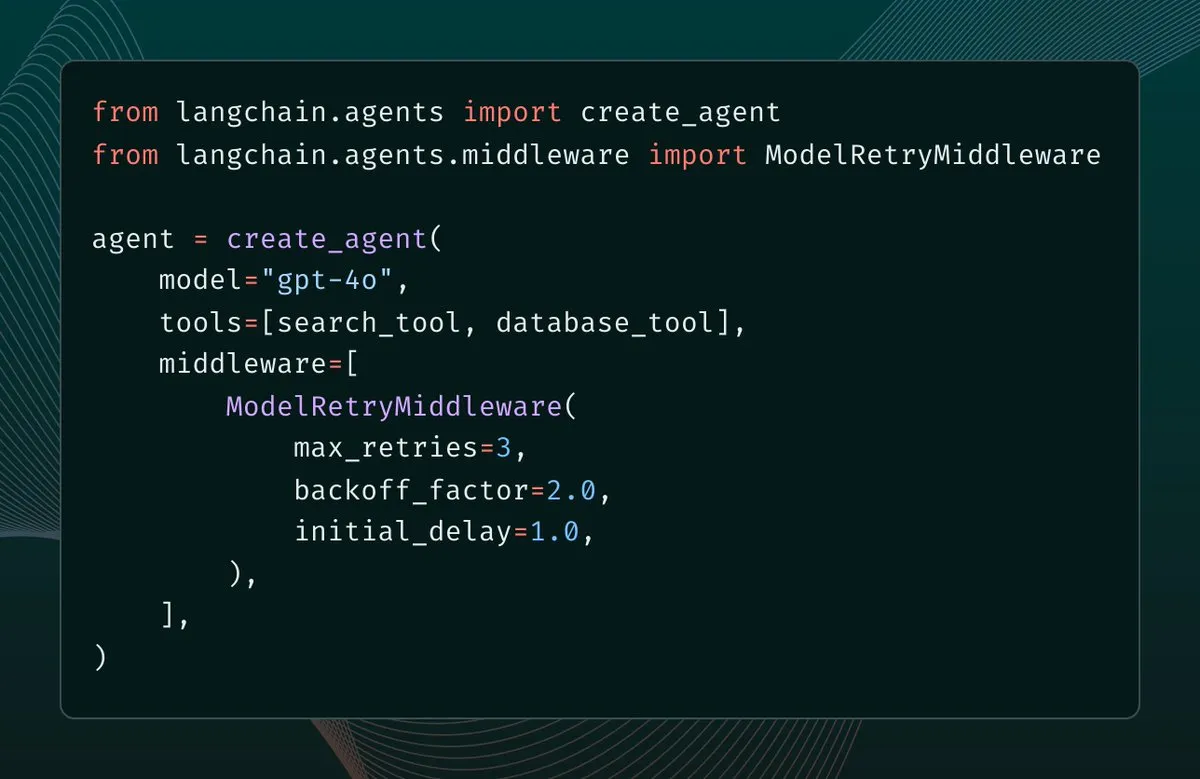
AI Coding and Development Tool Integration: Claude Code is used in the Raptor framework for FFmpeg crash classification and can be used to fine-tune open-source LLMs. LangChain 1.1 introduces model retry middleware, enhancing AI agent resilience. GPT-5.1-Codex-Max is now integrated into Code editor, GitHub Copilot, and Windsurf, optimizing complex refactoring tasks. cc-switch provides a unified management platform for Claude Code, Codex, and Gemini CLI, simplifying configuration and skill expansion. (Source: halvarflake, Ronald_vanLoon, hwchase17, Hacubu, ben_burtenshaw, huggingface, Reddit r/LocalLLaMA, MiniMax__AI, LangChainAI, jsuarez5341, NandoDF, code, kanjun, imjaredz, cognition, farion1231/cc-switch)
AI Multimedia Content Creation and Editing Tools: Kling 2.6 and KlingAI Avatar 2.0 support short films, animations, and expressive character performances, and can be combined with Claude 4.5 Sonnet and Glif agents for autonomous film/advertisement production. Nano Banana Pro offers retro Nokia phone photo effects, hidden text images, and historical city perspective model generation. Runway Gen-4.5 supports diverse aesthetic styles like cinematic and 3D animation, as well as character morphing. Suno Studio can transform human voices into various instrumental timbres. DayuanJiang/next-ai-draw-io provides AI-driven diagram creation and editing, supporting natural language commands and image replication. (Source: Kling_ai, fabianstelzer, op7418, synthesiaIO, dotey, suno, GLIF, GeminiApp, mlpowered, DayuanJiang/next-ai-draw-io)
Professional AI Tools and Platforms: FactIQ provides economic data search and insights. AI21 Maestro supports deploying enterprise-grade agent AI on AWS VPC. The Open WebUI Python client offers programmatic control for managing users, files, and system configurations. The Claude QoL browser extension enhances the Claude experience, including text search, forking, TTS, STT, and more. ComfyUI-Manager, a ComfyUI extension, simplifies the installation and management of custom nodes and models. Turbopuffer FTS v2 achieves 20x faster full-text search. CordysCRM is an open-source AI CRM system integrating AI agents and BI capabilities. (Source: rishdotblog, AI21Labs, Reddit r/OpenWebUI, Reddit r/ClaudeAI, Comfy-Org/ComfyUI-Manager, Sirupsen, 1Panel-dev/CordysCRM, emilygsands)
Edge AI and NVR Solutions: The Edge AI NVR project utilizes YOLO models running on Raspberry Pi, providing containerized Yawcam-AI, PiStream-Lite, and EdgePulse to build an edge AI stack from data acquisition to inference, recording, and optimization. It supports RTSP object detection, recording, and automation. This solution enables continuous AI inference on edge nodes with persistent storage, model swapping, GPU acceleration, and CPU fallback. (Source: Reddit r/deeplearning)
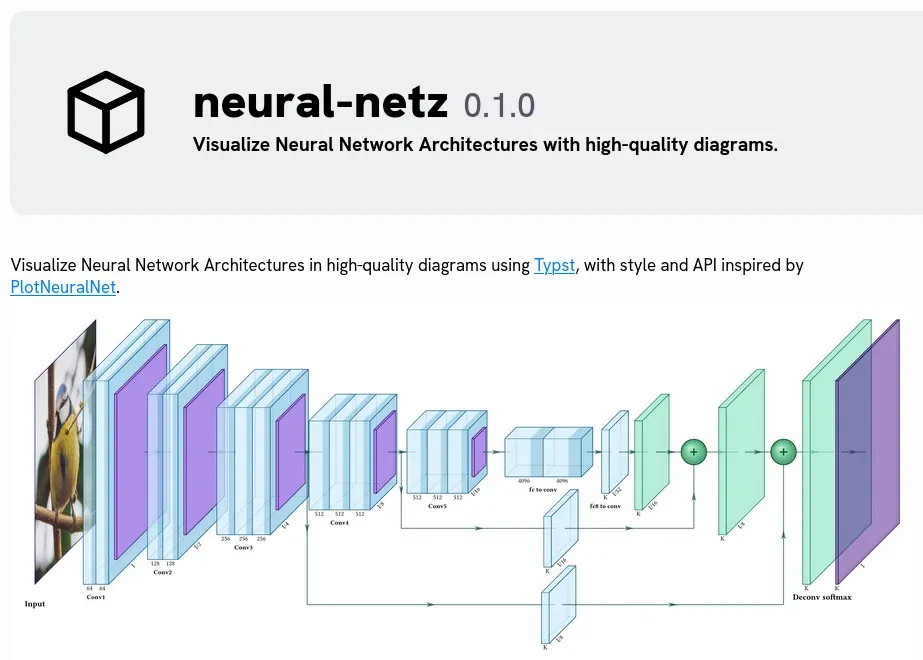
Neural Network Visualization Tool neural-netz: neural-netz is a package for visualizing neural networks in Typst, helping researchers and learners better understand network structures and working principles. The release of this tool provides a new aid for research and education in the deep learning field. (Source: Reddit r/deeplearning)
Local Coding and Agent Development Platform Granite 4.0: Granite 4.0 provides support for local coding and agent development, allowing users to achieve efficient endpoint agent functionality on modest hardware, showing particular potential in the LLM domain. The platform aims to meet developers’ needs for local, fast, and high-quality coding tools. (Source: Reddit r/LocalLLaMA)
Stable Audio Open 1.0 Music Generation: Stable Audio Open 1.0 has released a fine-tuned version for Trap/EDM instrumental generation, available on Hugging Face, offering AI assistance for music creation. The introduction of this tool makes AI generation for specific music styles more convenient and professional. (Source: Reddit r/deeplearning)

📚 Learn
AI Education and Career Development Resources: Detailed roadmaps and key steps are provided for deep learning, data analyst, and AI agent building. Concurrently, NVIDIA announced its 2026 Graduate Fellowships, funding 8 Chinese doctoral students in cutting-edge accelerated computing fields such as autonomous systems, computer architecture, graphics, deep learning, robotics, and security, highlighting academia’s emphasis on AI talent cultivation. (Source: Ronald_vanLoon, Ronald_vanLoon, Ronald_vanLoon, Ronald_vanLoon, Ronald_vanLoon, Ronald_vanLoon, 36氪)

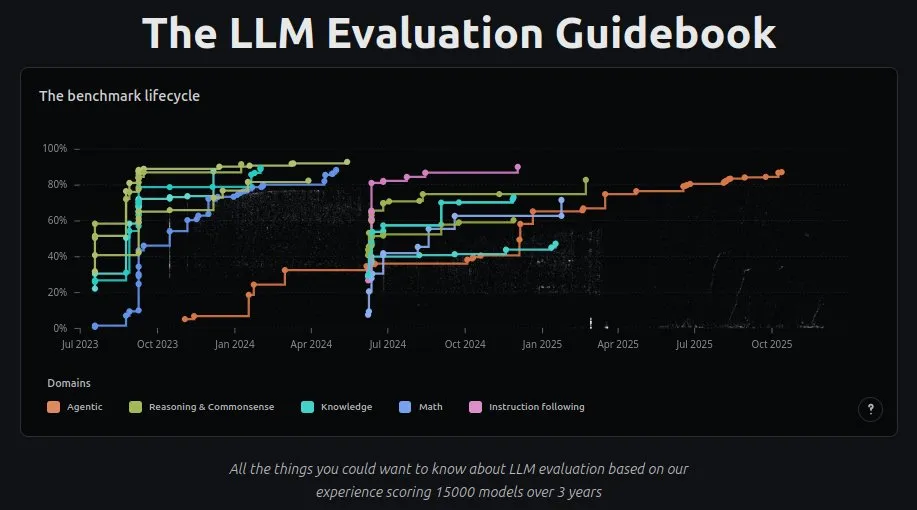
LLM Evaluation and Explainability: The LLM Evaluation Guide v2 has been updated, offering more readable, interactive graphics. Explainable AI (XAI) is considered a crucial step in building trustworthy AI to enhance transparency. Neuro-symbolic AI is proposed as a method to address the hallucination problem in large language models. (Source: LoubnaBenAllal1, Ronald_vanLoon, Ronald_vanLoon)
AI Agents and Tool Execution Course: DeepLearning.AI launched a new course teaching how to build coding agents using tool execution, enabling agents to write and execute code to complete tasks, and run securely in a sandbox cloud environment. This course aims to help developers master the skills for building AI agents capable of autonomously handling complex tasks. (Source: DeepLearningAI)
AI Trainers and Data Quality: AI trainers act as “order maintainers” behind models, translating vague business requirements into clear rules and producing high-quality data. They ensure data is clean, rules are explicit, processes are stable, and quality is reliable, which is fundamental to making models smarter. They serve as a crucial bridge connecting business, algorithms, and annotation. (Source: 36氪)
NeurIPS Conference Participation Guide: Ten professional tips were shared for ML conferences like NeurIPS 2025, emphasizing that conference goals should be “meeting talent, rekindling work enthusiasm, and learning new knowledge,” and suggesting prioritizing poster sessions for high-bandwidth knowledge acquisition over solely oral presentations. (Source: jxmnop, [bookwormengr](https://x.com/bookwormengr/status/199