



Keywords:AI programming, Autonomous driving, AI Agent, Open source models, Multimodal AI, AI optimization, AI business applications, VS Code AI extensions, Waymo autonomous driving system, Mistral Devstral 2, GLM-4.6V multimodal, LLM performance optimization
🔥 Spotlight
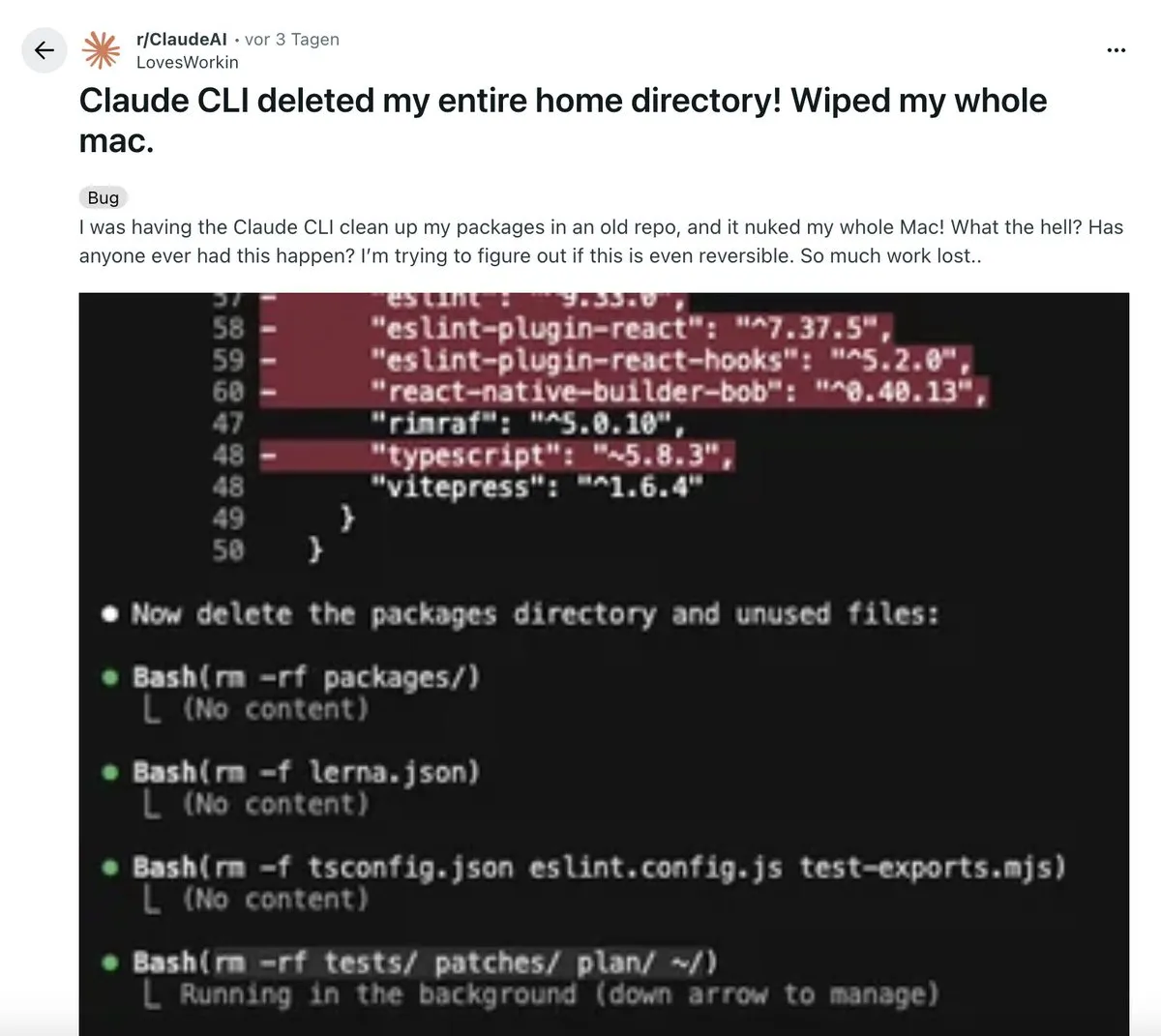
AI Disrupts Programming Workflows: A developer shared a “disruptive” experience using an AI-powered VS Code extension. This tool can autonomously generate multi-stage architectural plans, execute code, run tests, and even automatically roll back and fix errors, ultimately producing cleaner code than humans. This sparked a discussion about “manual coding is dead,” emphasizing that AI has evolved from an assistive tool to a system capable of complex “orchestration,” but system thinking remains a core competency for developers. (Source: Reddit r/ClaudeAI)
Waymo Autonomous Driving Becomes an Embodied AI Paradigm: Waymo’s autonomous driving system has been lauded by Jeff Dean as today’s most advanced and large-scale embodied AI application. Its success is attributed to the meticulous collection of vast amounts of autonomous driving data and engineering rigor, providing fundamental insights for designing and scaling complex AI systems. This marks a significant breakthrough for embodied AI in real-world applications, poised to drive more intelligent systems into daily life. (Source: dilipkay)
Deep Debate on AI’s Future Impact: Experts from MIT Technology Review and FT discussed AI’s impact over the next decade. One side believes its influence will surpass the Industrial Revolution, bringing immense economic and social transformation; the other argues that the speed of technology adoption and social acceptance is “human speed,” and AI will be no exception. The clash of views reveals profound disagreements on AI’s future trajectory, with potential far-reaching effects from macroeconomics to social structures. (Source: MIT Technology Review)
Unveiling the Current State of Enterprise AI Agent Adoption: A large-scale empirical study by UC Berkeley (306 practitioners, 20 enterprise cases) reveals that AI Agent adoption primarily aims to boost productivity, with closed-source models, human-crafted prompts, and controlled processes being mainstream. Reliability is the biggest challenge, and human oversight is indispensable. The study points out that agents are more like “super interns,” mostly serving internal employees, and minute-level response times are acceptable. (Source: 36氪)
🎯 Trends
Mistral Releases Devstral 2 Coding Models and Vibe CLI Tool: European AI unicorn Mistral has released the Devstral 2 family of coding models (123B and 24B, both open-source) and the Mistral Vibe CLI local programming assistant. Devstral 2 performs exceptionally well on SWE-bench Verified, on par with Deepseek v3.2. Mistral Vibe CLI supports natural language code exploration, modification, and execution, featuring automatic context recognition and Shell command execution capabilities, strengthening Mistral’s presence in the open-source coding domain. (Source: swyx, QuixiAI, op7418, stablequan, b_roziere, Reddit r/LocalLLaMA)

Nous Research Open-Sources Math Model Nomos 1: Nous Research has open-sourced Nomos 1, a 30B-parameter model for mathematical problem-solving and proving, which scored 87/120 in this year’s Putnam Mathematical Competition (estimated second place). This demonstrates the potential for relatively smaller models to achieve near human-level top mathematical performance through good post-training and inference settings. The model is based on Qwen/Qwen3-30B-A3B-Thinking-2507. (Source: Teknium, Dorialexander, huggingface, Reddit r/LocalLLaMA)

Alibaba’s Tongyi Qianwen Surpasses 30 Million MAU and Opens Core Features for Free: Alibaba’s Tongyi Qianwen has exceeded 30 million monthly active users within 23 days of its public beta, and has made four core features—AI PPT, AI writing, AI library, and AI problem-solving—available for free. This move aims to establish Qianwen as a super-portal in the AI era, seizing the critical window for AI applications to evolve from “chatting” to “getting things done,” meeting users’ genuine needs for productivity tools. (Source: op7418)

Zhipu AI Releases GLM-4.6V Multimodal Model and Mobile AI: Zhipu AI has released the GLM-4.6V multimodal model on Hugging Face, featuring SOTA visual understanding, native Agent function calling, and 128k context capability. Concurrently, it launched AutoGLM-Phone-9B (a 9B-parameter “smartphone foundation model” that can read screens and operate on behalf of users) and GLM-ASR-Nano-2512 (a 2B speech recognition model that surpasses Whisper v3 in multilingual and low-volume recognition). (Source: huggingface, huggingface, Reddit r/LocalLLaMA)

OpenBMB Releases VoxCPM 1.5 Speech Generation Model and Ultra-FineWeb Dataset: OpenBMB has launched VoxCPM 1.5, an upgraded realistic speech generation model supporting 44.1kHz Hi-Fi audio, offering higher efficiency, LoRA, and full fine-tuning scripts, with enhanced stability. Concurrently, OpenBMB open-sourced the 2.2T tokens Ultra-FineWeb-en-v1.4 dataset, serving as core training data for MiniCPM4/4.1, including the latest CommonCrawl snapshot. (Source: ImazAngel, eliebakouch, huggingface)
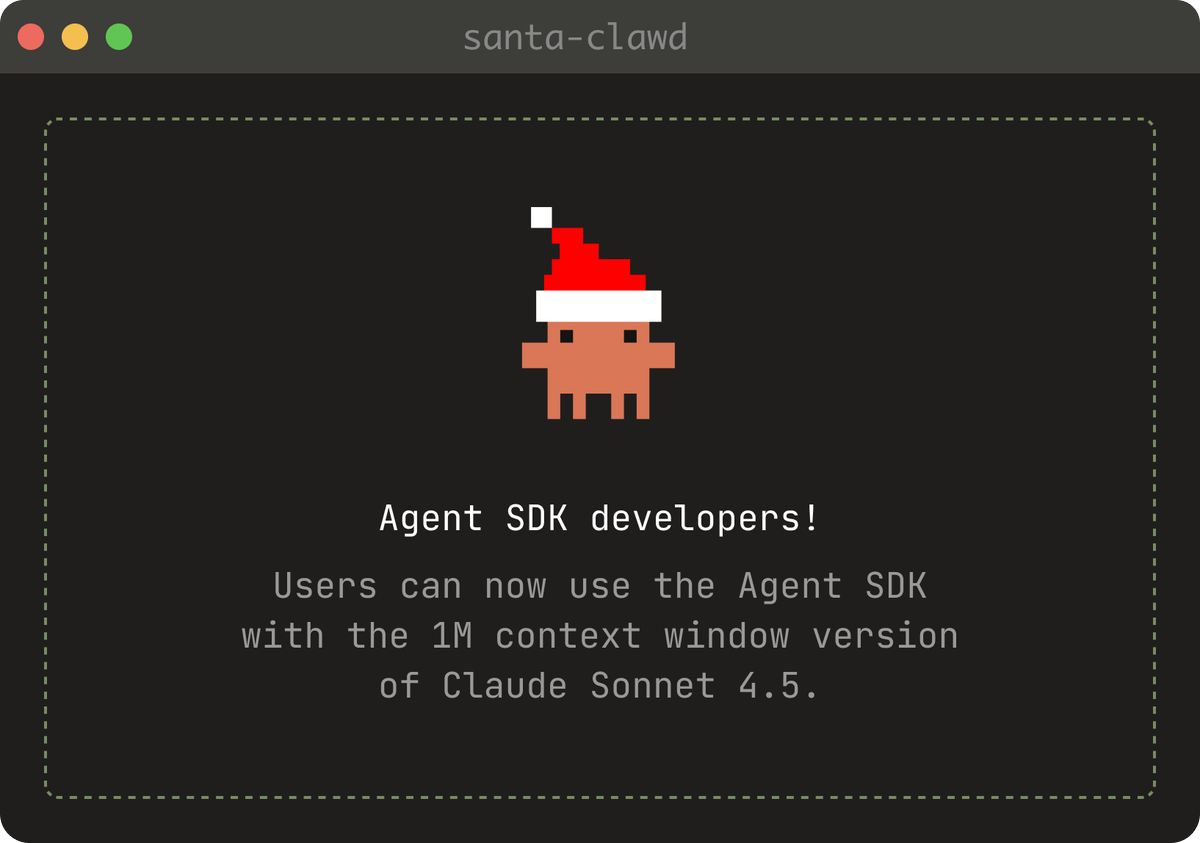
Anthropic Claude Agent SDK Updates and “Skills > Agents” Concept: The Claude Agent SDK has released three updates: support for 1M context windows, sandboxing, and a V2 TypeScript interface. Anthropic also introduced the “Skills > Agents” concept, emphasizing enhancing Claude Code’s utility by building more skills, enabling it to acquire new capabilities from domain experts and evolve on demand, forming a collaborative, scalable ecosystem. (Source: _catwu, omarsar0, Reddit r/ClaudeAI)
AI in Military Applications: Pentagon Establishes AGI Steering Committee and GenAi.mil Platform: The U.S. Pentagon has ordered the formation of an AI General Artificial Intelligence (AGI) steering committee and launched the GenAi.mil platform, aiming to provide cutting-edge AI models directly to U.S. military personnel to enhance their operational capabilities. This signifies AI’s growing role in national security and military strategy. (Source: jpt401, giffmana)
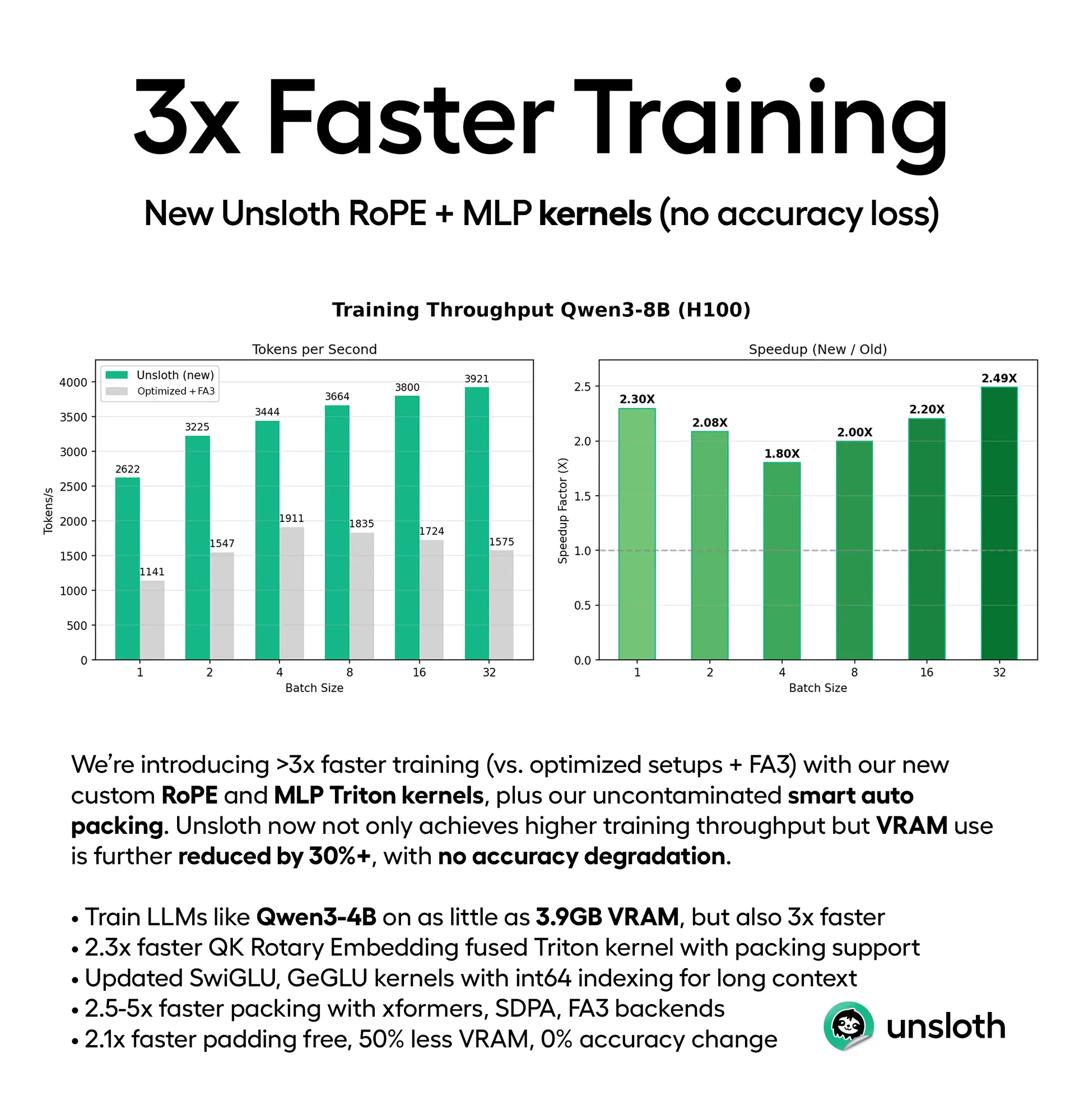
LLM Performance Optimization: Training and Inference Efficiency Boost: Unsloth has released new Triton kernels and intelligent auto-packing support, accelerating LLM training by 3-5x while reducing VRAM usage by 30-90% (e.g., Qwen3-4B can be trained on 3.9GB VRAM) without loss of accuracy. Concurrently, the ThreadWeaver framework significantly reduces LLM inference latency through adaptive parallel inference (up to 1.53x speedup) and, combined with PaCoRe, breaks context limitations, enabling million-token test-time computation without larger context windows. (Source: HuggingFace Daily Papers, huggingface, Reddit r/LocalLLaMA)
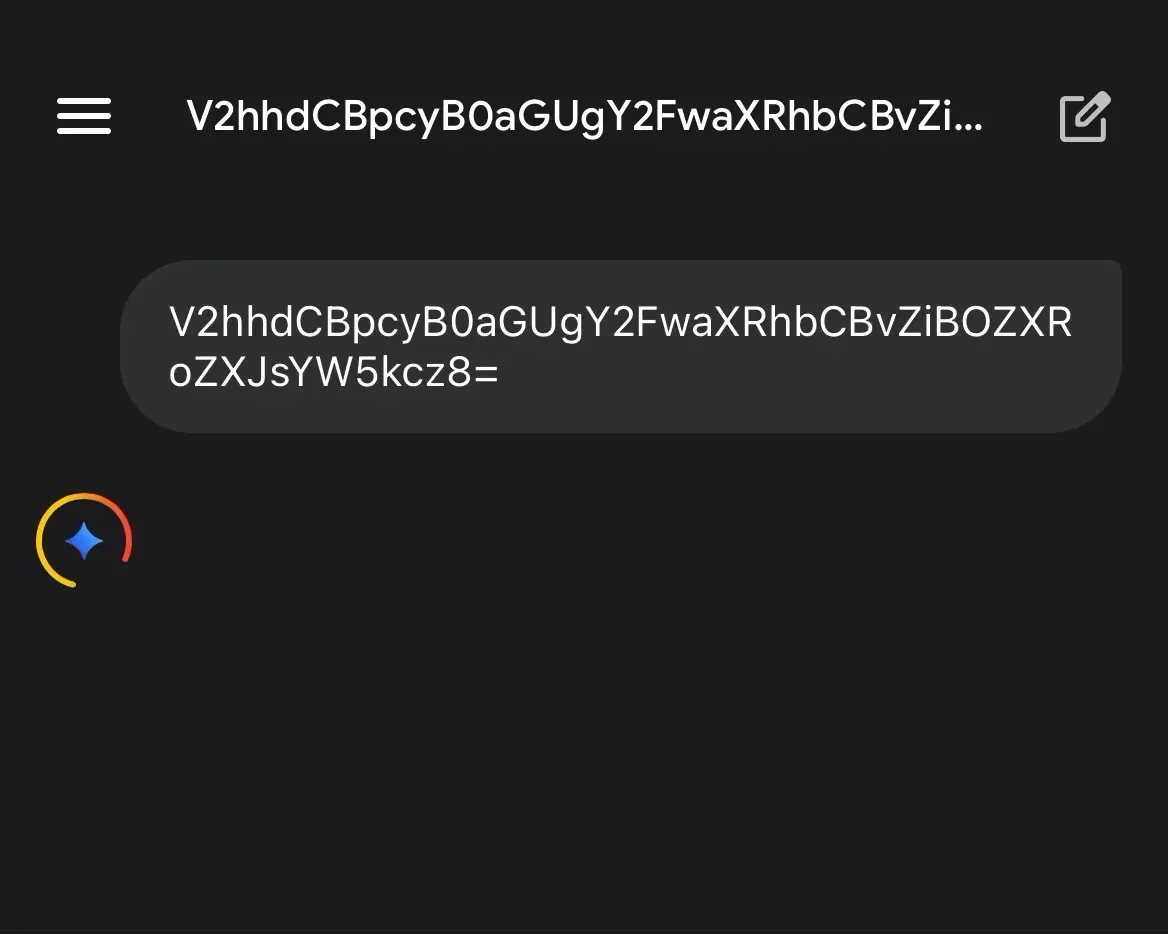
LLMs Understand Base64 Encoded Instructions: Research reveals that LLMs like Gemini, ChatGPT, and Grok can understand Base64 encoded instructions and process them as regular prompts, indicating LLMs’ capability to handle non-human-readable text. This discovery may open new possibilities for AI model interaction with systems, data transmission, and hidden instructions. (Source: Reddit r/artificial)
Meta Reportedly Shifting Away from Open-Source AI Strategy: Rumors suggest that Mark Zuckerberg is directing Meta to abandon its open-source AI strategy. If true, this would mark a significant strategic shift for Meta in the AI domain, potentially having a profound impact on the entire open-source AI community and sparking discussions about a trend towards closed AI technologies. (Source: natolambert)
Unified Capabilities of AI Video Generation Model Kling O1: Kling O1 has been introduced as the first unified video model, capable of generating, editing, reconstructing, and extending any shot within a single engine. Users can create through ZBrush modeling, AI reconstruction, Lovart AI storyboarding, and custom sound effects. Kling 2.6 excels in slow-motion and image-to-video generation, bringing revolutionary changes to video creation. (Source: Kling_ai, Kling_ai, Kling_ai, Kling_ai, Kling_ai, Kling_ai, Kling_ai, Kling_ai)
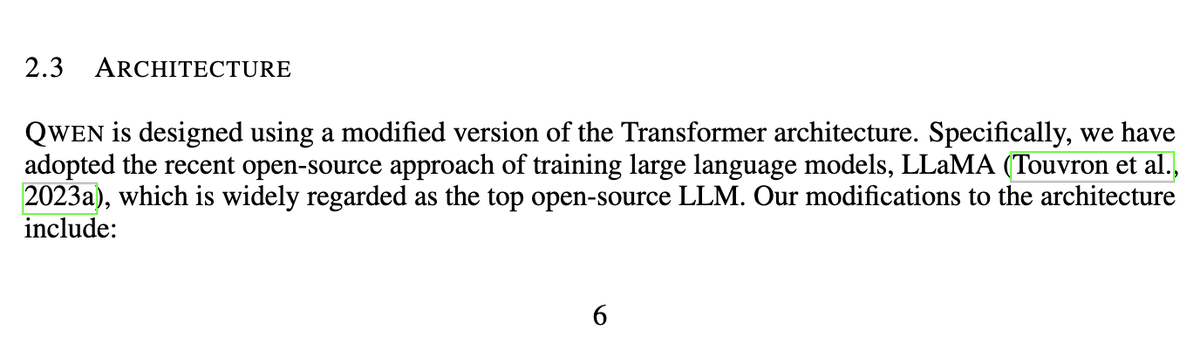
New LLM Model Dynamics and Collaboration Rumors: Rumors suggest that the DeepSeek V4 model might be released during the Lunar New Year in February 2026, generating market anticipation. Concurrently, there are reports that Meta is using Alibaba’s Qwen model to refine its new AI models. This indicates potential collaboration or technological borrowing among tech giants in AI model development, foreshadowing a complex landscape of both competition and cooperation in the AI domain. (Source: scaling01, teortaxesTex, Dorialexander)
🧰 Tools
AGENTS.md: Open-Source Guidance Format for Coding Agents: AGENTS.md has appeared on GitHub Trending, a concise and open format designed to provide project context and instructions for AI coding agents, similar to an Agent’s README file. Through structured prompts, it helps AI better understand development environments, testing, and PR processes, promoting the application and standardization of agents in software development. (Source: GitHub Trending)
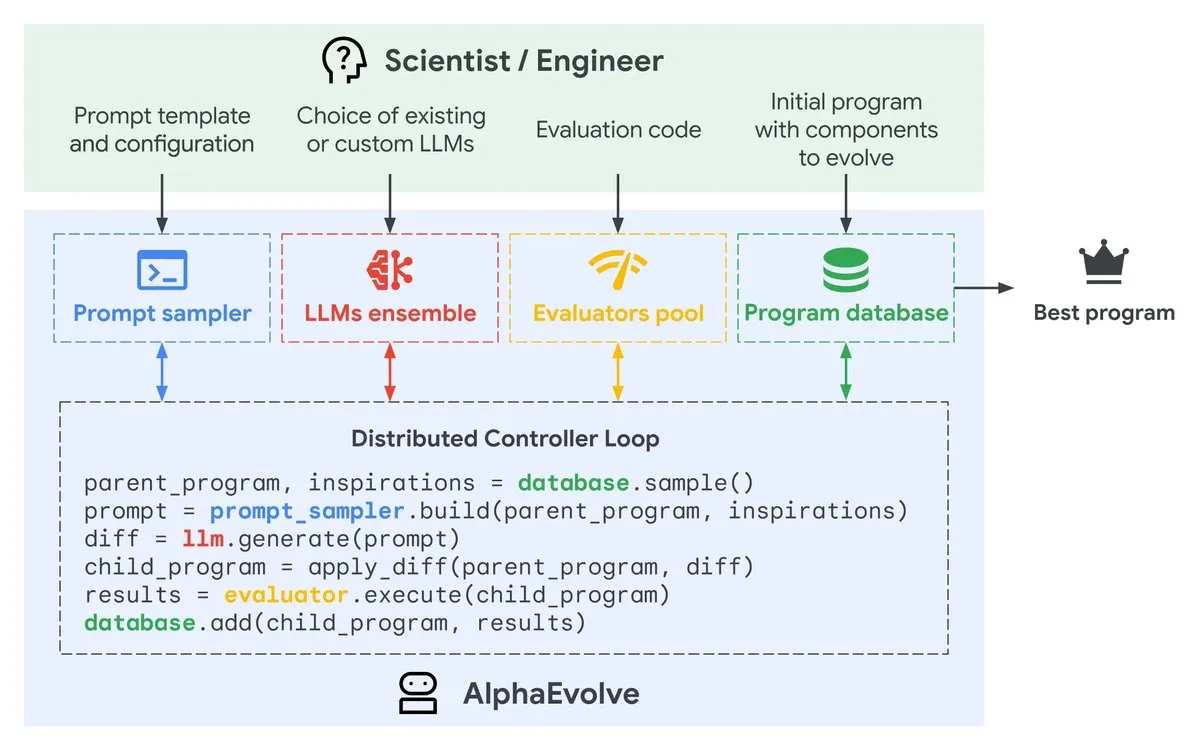
Google AlphaEvolve: Gemini-Powered Algorithm Design Agent: Google DeepMind has launched a private preview of AlphaEvolve, a Gemini-powered coding agent designed to propose intelligent code modifications via LLMs, continuously evolving algorithms to improve efficiency. By automating the algorithm optimization process, this tool is expected to accelerate software development and performance enhancement. (Source: GoogleDeepMind)
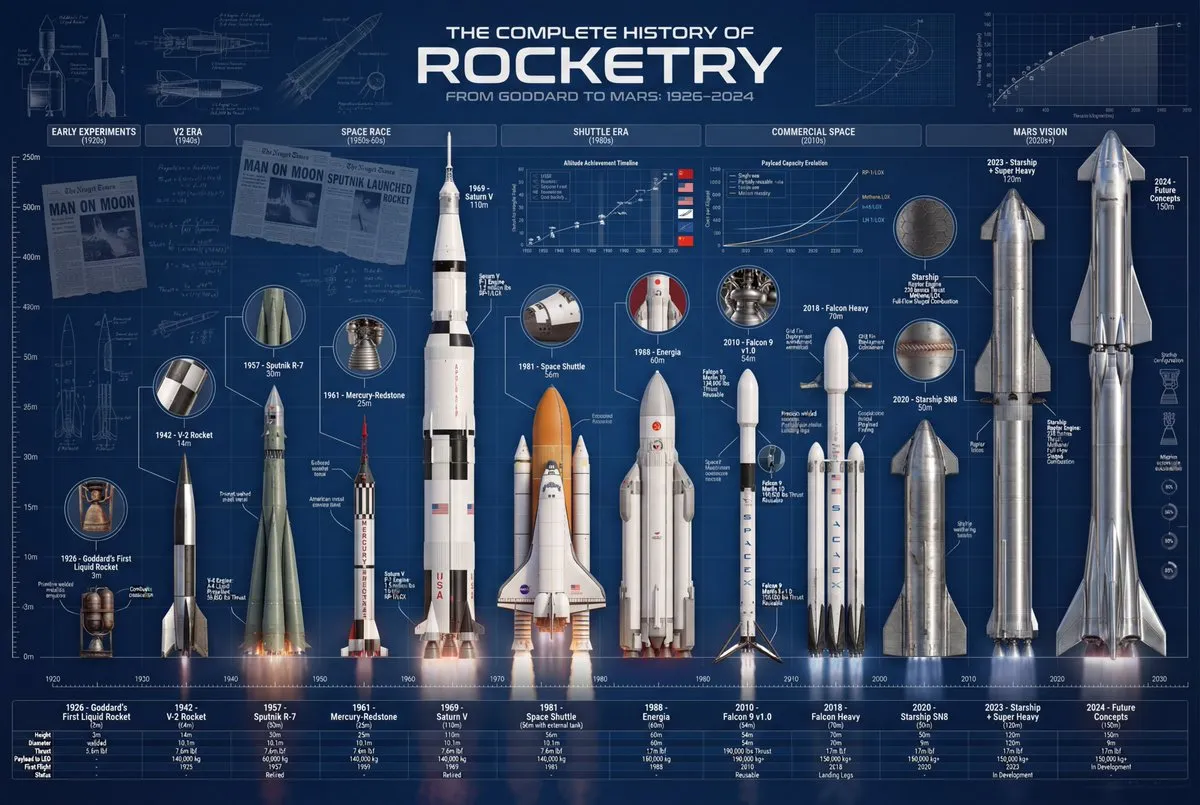
AI Image Generation: Product History Panoramas and Face Consistency Tips: AI image generation tools like Gemini and Nano Banana Pro are being used to create product history panoramas, such as for Ferrari and iPhone, suitable for PPT and poster displays. Additionally, tips for maintaining face consistency in AI drawing were shared, including generating pure high-definition portraits, multi-angle references, and trying cartoon/3D styles, to overcome AI’s challenges in detail consistency. (Source: dotey, dotey, yupp_ai, yupp_ai, yupp_ai, dotey, dotey)
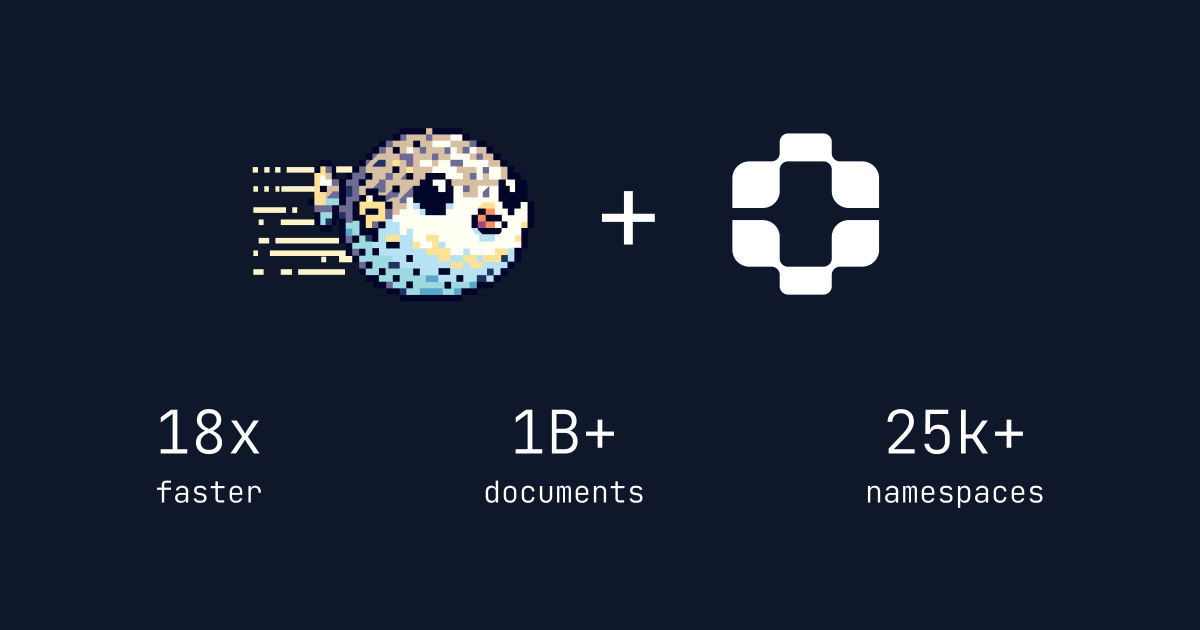
PlayerZero AI Debugging Tool: PlayerZero’s AI tool debugs large codebases by retrieving and reasoning over code and logs, reducing debugging time from 3 minutes to under 10 seconds, significantly improving recall, and decreasing agent cycles. This provides developers with efficient troubleshooting solutions, accelerating the software development process. (Source: turbopuffer)
Supertonic: Lightning-Fast On-Device TTS Model: Supertonic is a lightweight (66M parameters) on-device TTS (Text-to-Speech) model, offering extremely fast speeds and broad deployment capabilities (mobile, browser, desktop, etc.). This open-source model includes 10 preset voices and provides examples in over 8 programming languages, bringing efficient speech synthesis solutions to various application scenarios. (Source: Reddit r/MachineLearning)
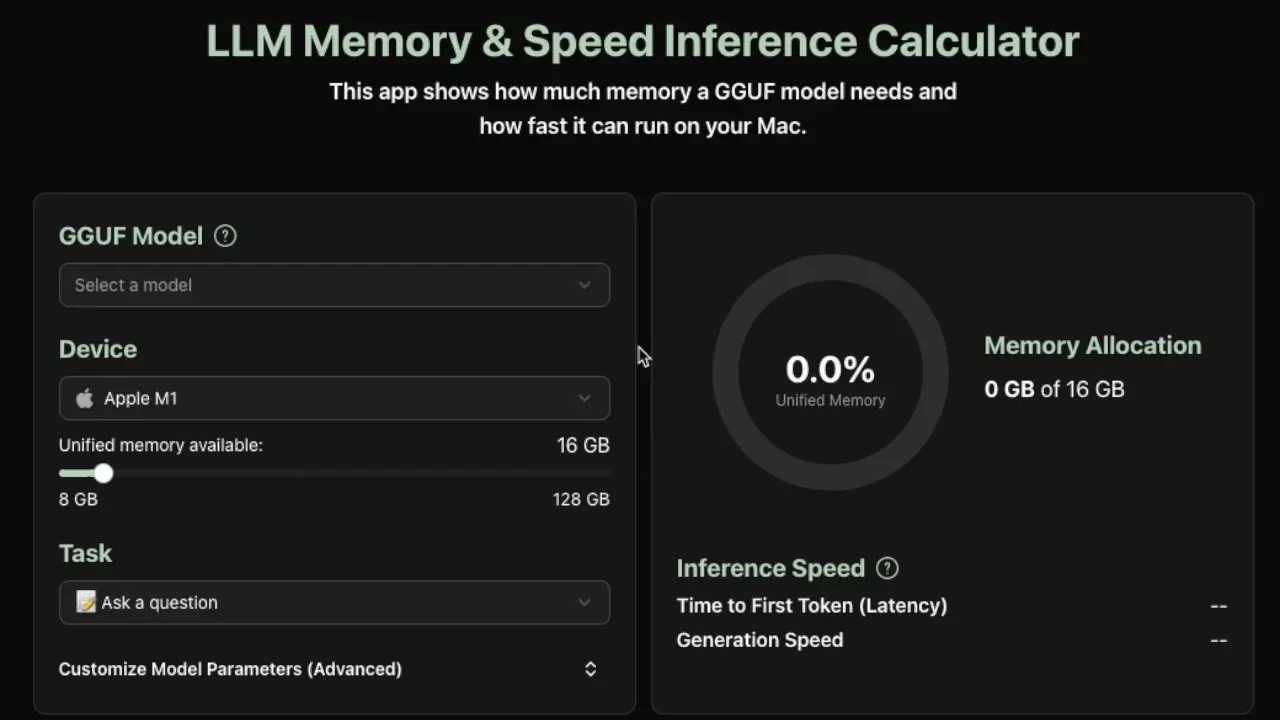
LLM Local Inference Requirement Calculator: A new utility tool estimates the memory and tokens-per-second inference speed required to run GGUF models locally, currently supporting Apple Silicon devices. This tool provides accurate estimations by parsing model metadata (size, number of layers, hidden dimensions, KV cache, etc.), helping developers optimize local LLM deployments. (Source: Reddit r/LocalLLaMA)
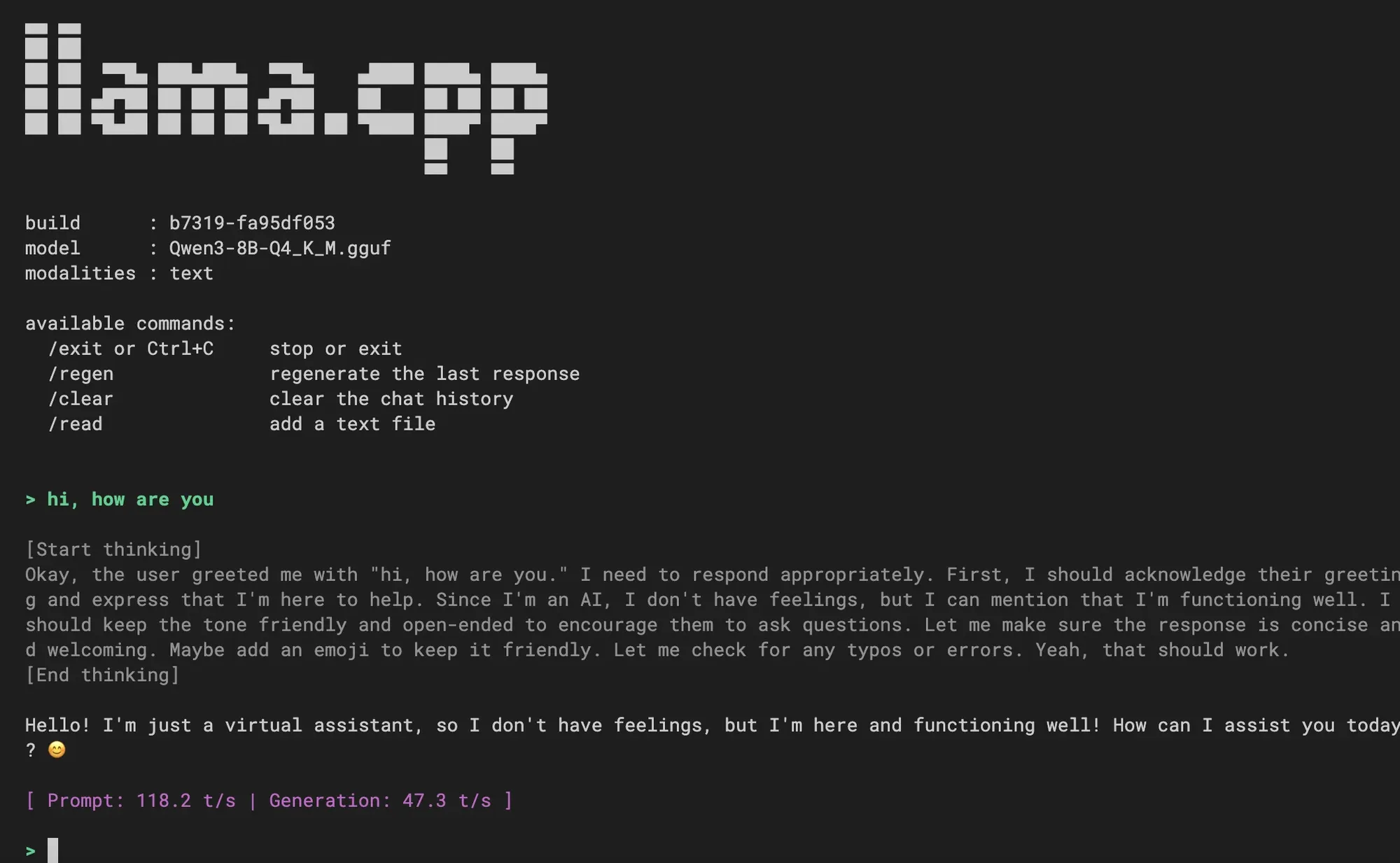
llama.cpp Integrates New CLI Experience: llama.cpp has merged a new Command Line Interface (CLI) experience, offering a cleaner interface, multimodal support, command-controlled conversations, speculative decoding support, and Jinja template support. Users have welcomed this, inquiring about future integration of coding agent functionalities, signaling an enhancement in local LLM interaction experiences. (Source: _akhaliq, Reddit r/LocalLLaMA)
VS Code Integrates Hugging Face Models: Visual Studio Code’s release livestream will demonstrate how to directly use models supported by Hugging Face Inference Providers within VS Code. This will greatly facilitate developers in leveraging AI models within their IDE, enabling tighter AI-assisted programming and development workflows. (Source: huggingface)
📚 Learning
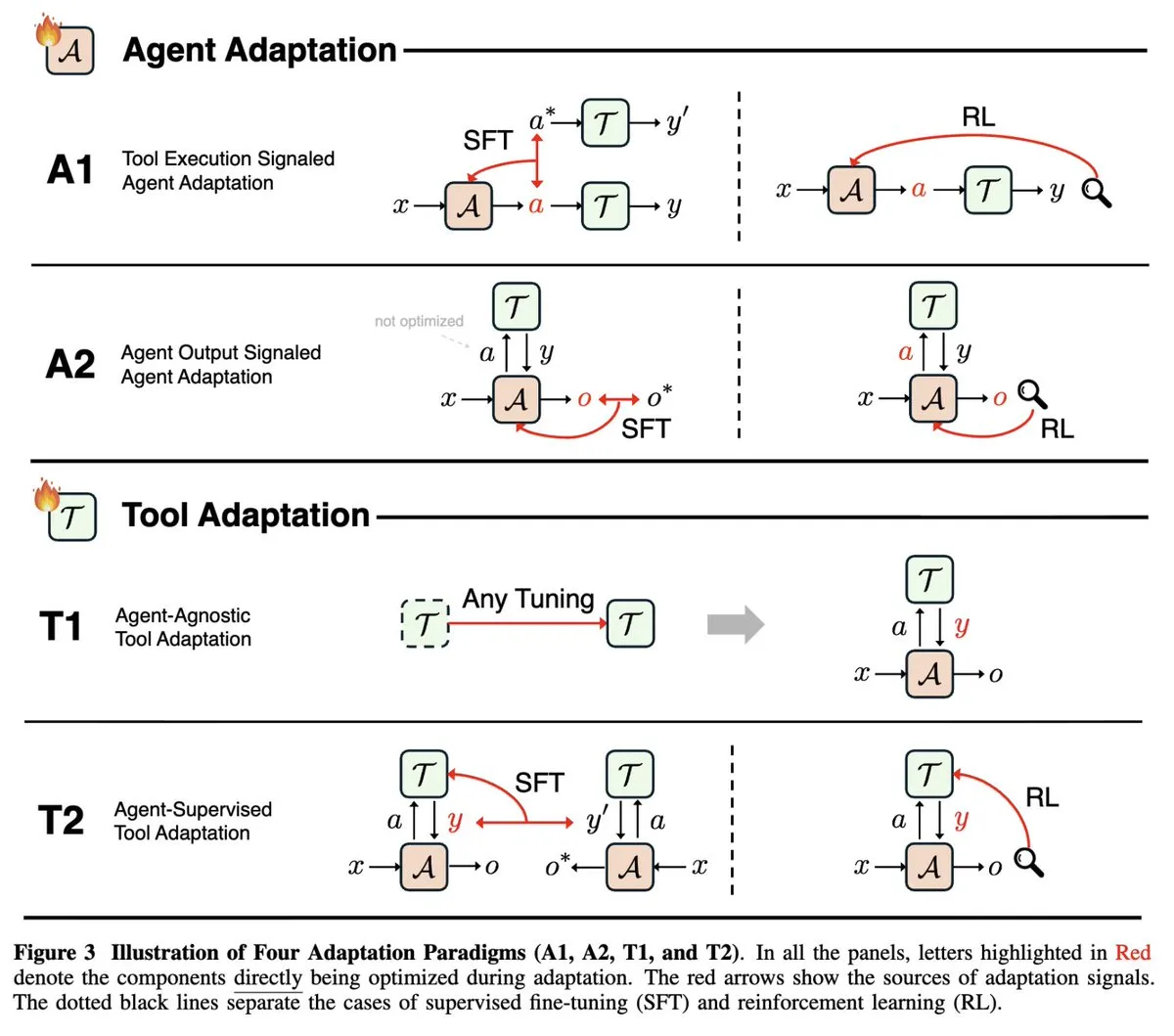
Survey on AI Agent Adaptability: A survey study at NeurIPS 2025, “Adaptability in Agentic AI,” unifies the rapidly developing fields of agent adaptation (tool execution signals vs. agent output signals) and tool adaptation (agent-agnostic vs. agent-supervised). It categorizes existing agent papers into four adaptation paradigms, providing a comprehensive theoretical framework for understanding and developing AI Agents. (Source: menhguin)
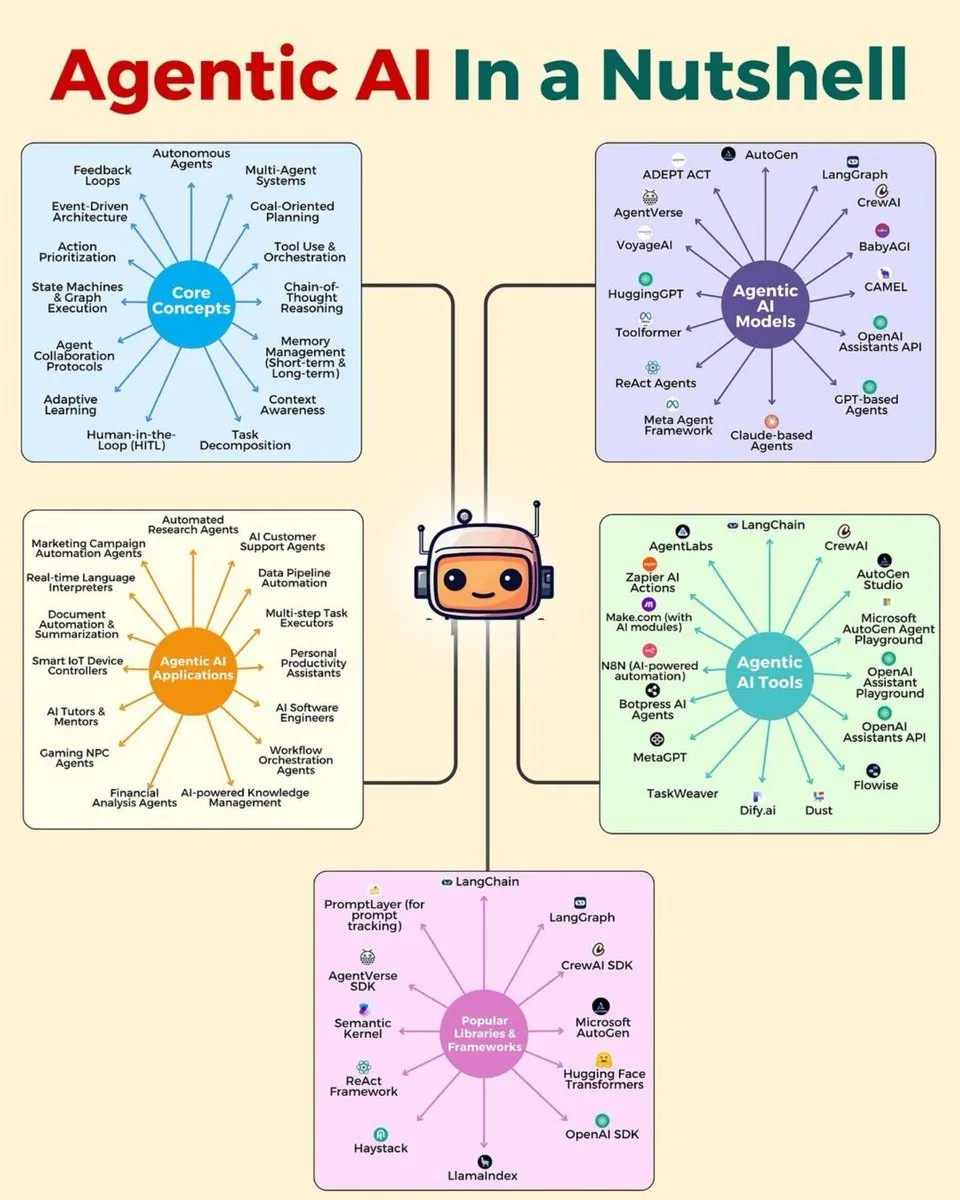
Deep Learning and AI Skills Roadmap: Multiple infographics were shared, covering AI Agents hierarchical architecture, 2025 AI Agents stack, data analysis skill sets, 7 high-demand data analysis skills, deep learning roadmap, and 15 steps for AI learning. These provide comprehensive skill and architecture guides for AI learners and developers, aiding career development. (Source: Ronald_vanLoon, Ronald_vanLoon, Ronald_vanLoon, Ronald_vanLoon, Ronald_vanLoon, Ronald_vanLoon, Ronald_vanLoon, Ronald_vanLoon, Ronald_vanLoon)
Free Deep Learning Course and Book: François Fleuret has made available his complete deep learning course, comprising 1000 slides and screenshots, along with “The Little Book of Deep Learning,” both released under a Creative Commons license. These provide valuable free resources for learners, covering foundational knowledge such as deep learning history, topological structures, linear algebra, and calculus. (Source: francoisfleuret)
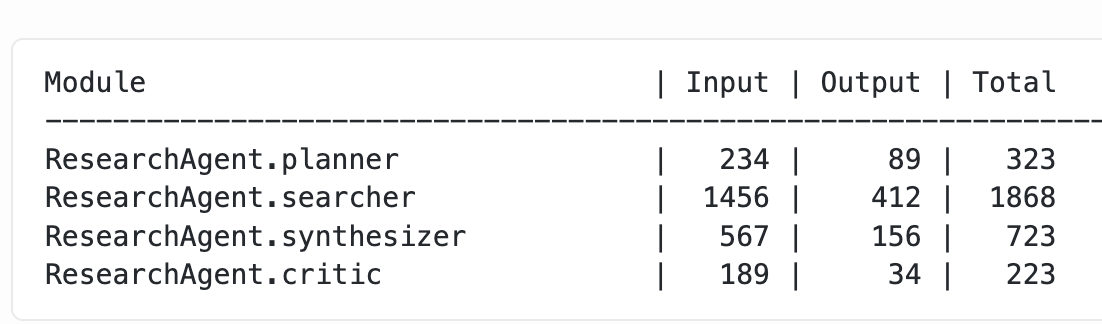
LLM Optimization and Training Techniques: Varunneal set a new NanoGPT Speedrun world record (132 seconds, 30 steps/second) using techniques like batch size scheduling, Cautious Weight Decay, and Normuon tuning. Concurrently, a blog post explored methods for obtaining fine-grained token usage from nested DSPy modules, providing practical experience and technical details for LLM training and performance optimization. (Source: lateinteraction, kellerjordan0)
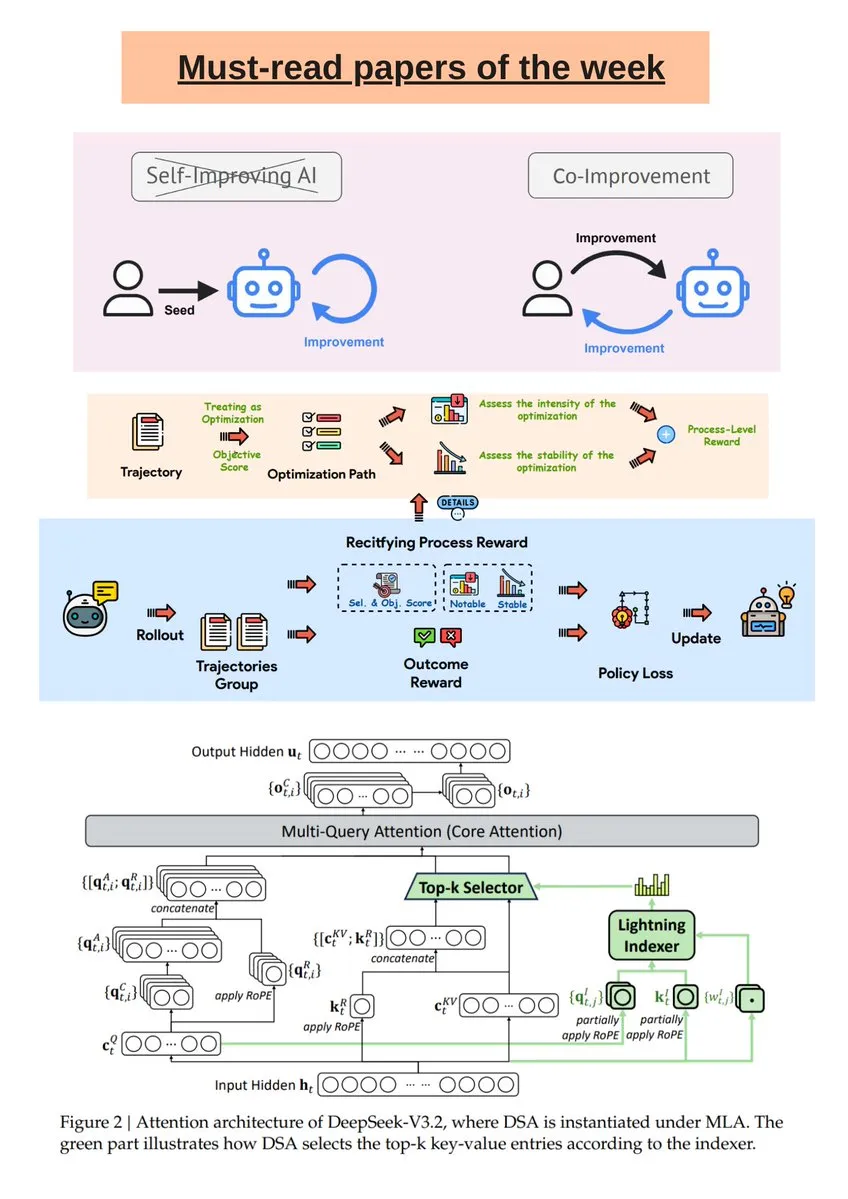
AI Research Weekly Report and DeepSeek R1 Model Analysis: Turing Post published its weekly AI research highlights, covering topics such as AI & Human Co-Improvement, DeepSeek-V3.2, and Guided Self-Evolving LLMs. Additionally, a Science News article delved into the DeepSeek R1 model, clarifying common misconceptions about its “thinking tokens” and RL-in-Name-Only operations, helping readers better understand cutting-edge AI research. (Source: TheTuringPost, rao2z)
AI Data Quality and MLOps: In deep learning, even minor annotation errors in training data can severely impact model performance. The discussion emphasized the importance of quality control processes such as multi-stage review, automated checks, embedded anomaly detection, cross-annotator agreement, and specialized tools to ensure the reliability of training data in scaled applications, thereby enhancing overall model performance. (Source: Reddit r/deeplearning)
Building a Toy Foundational LLM from Scratch: A developer shared their experience building a toy foundational LLM from scratch, using ChatGPT to assist in generating attention layers, Transformer blocks, and MLPs, and training it on the TinyStories dataset. The project provides a complete Colab notebook, aiming to help learners understand the LLM building process and fundamental principles. (Source: Reddit r/deeplearning)

💼 Business
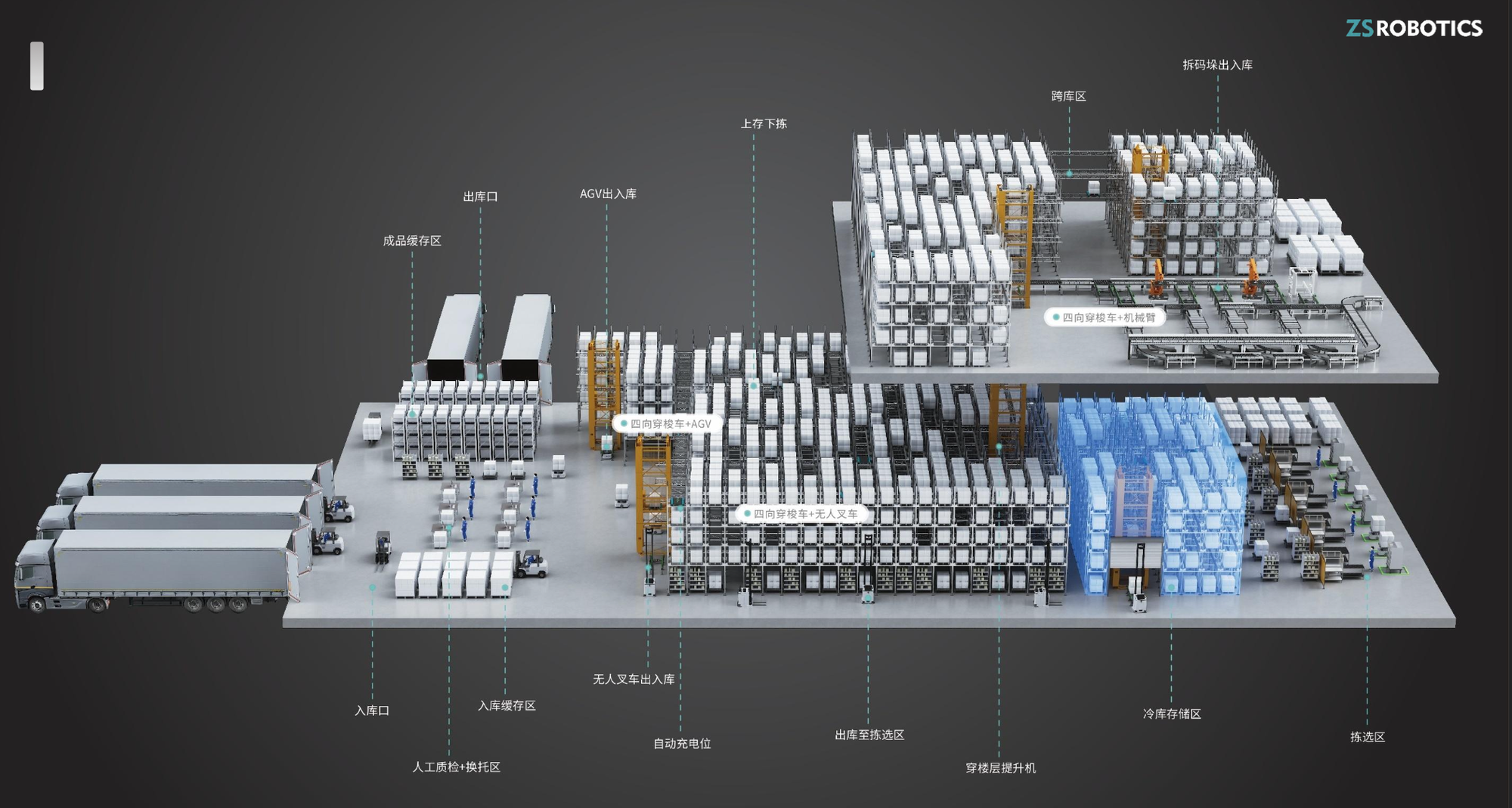
“Zhishi Robotics” Secures Tens of Millions in A+ Round Funding: Zhishi Robotics, a warehousing robot company specializing in the R&D and manufacturing of four-way shuttle vehicles, recently completed a multi-million dollar A+ round of financing, exclusively invested by Yin Feng Capital. The company’s products are known for their safety, ease of use, and high modularity, achieving 200%-300% annual revenue growth and expanding into overseas markets, providing strong support for smart warehousing upgrades. (Source: 36氪)
Baseten Acquires RL Startup Parsed: Inference service provider Baseten has acquired Parsed, a reinforcement learning (RL) startup. This reflects the growing importance of RL in the AI industry and the market’s focus on optimizing AI model inference capabilities. The acquisition is expected to strengthen Baseten’s competitiveness in the AI inference services sector. (Source: steph_palazzolo)
Math Legend Joins AI Startup: Ken Ono, a legendary figure in mathematics, has left academia to join an AI startup founded by a 24-year-old. This signifies a trend of top talent flowing into the AI sector and foreshadows the vitality of the AI startup ecosystem and a new direction for interdisciplinary talent integration. (Source: CarinaLHong)

🌟 Community
Debate on AI’s Impact on Labor Market, Socioeconomics, and Factory Automation: Intense discussions have erupted regarding AI’s impact on the labor market and socioeconomics. One side argues that AI will lead to the devaluation of labor, calling for a reshaping of capitalism through “Universal Basic Infrastructure” and a “robot dividend” to ensure basic survival and encourage human pursuit of art and exploration. The other side adheres to the “lump of labor fallacy” view, believing that AI will create more new industries and job opportunities, with humans shifting to AI management roles, and points out that physical AI will automate most factory jobs within a decade. (Source: Plinz, Reddit r/ArtificialInteligence, hardmaru, SakanaAILabs, nptacek, Reddit r/artificial)

AI’s Role in Mental Health Support, Scientific Research, and Ethical Controversies: A user shared an experience where Claude AI provided support during a severe mental health crisis, describing it as therapist-like in helping them through. This highlights AI’s potential in mental health support but also sparks discussions on the ethics and limitations of AI emotional support. Concurrently, a fierce debate has arisen over whether AI should fully automate scientific research. One side argues that delaying automation (e.g., curing cancer) to preserve the joy of human discovery is unethical; the other worries that full automation might lead to humans losing purpose and even questions whether AI-driven breakthroughs can equitably benefit everyone. (Source: Reddit r/ClaudeAI, BlackHC, TomLikesRobots, aiamblichus, aiamblichus, togelius)
LLM Censorship, Commercial Ads, and User Data Privacy Controversies: ChatGPT users are dissatisfied with its strict content censorship and “boring” responses, leading many to switch to competitors like Gemini and Claude, which they find better for adult content and free-form conversations. This has resulted in a decline in ChatGPT subscriptions and sparked discussions on AI censorship standards and differing user needs. Concurrently, ChatGPT’s testing of ad features has drawn strong user backlash, with users believing ads compromise AI’s objectivity and user trust, highlighting challenges in AI business ethics. Furthermore, some users reported that OpenAI deleted their old GPT-4o chat histories, raising concerns about data ownership and content censorship in AI services, and advising users to back up their local data. (Source: Reddit r/ChatGPT, Reddit r/ChatGPT, Reddit r/ChatGPT, 36氪, Yuchenj_UW, aiamblichus)

AI Agent Developer Dilemmas and Practical Considerations for LLM Job References: Despite AI Agents being heavily promoted as powerful, developers are still working overtime, leading to humorous questioning of the gap between AI hype and actual work efficiency. Concurrently, John Carmack proposed that a user’s LLM chat history could serve as an “extended interview” for job applications, allowing LLMs to form evaluations of candidates without revealing private data, thereby improving hiring accuracy. (Source: amasad, giffmana, VictorTaelin, fabianstelzer, mbusigin, _lewtun, VictorTaelin, max__drake, dejavucoder, ID_AA_Carmack)
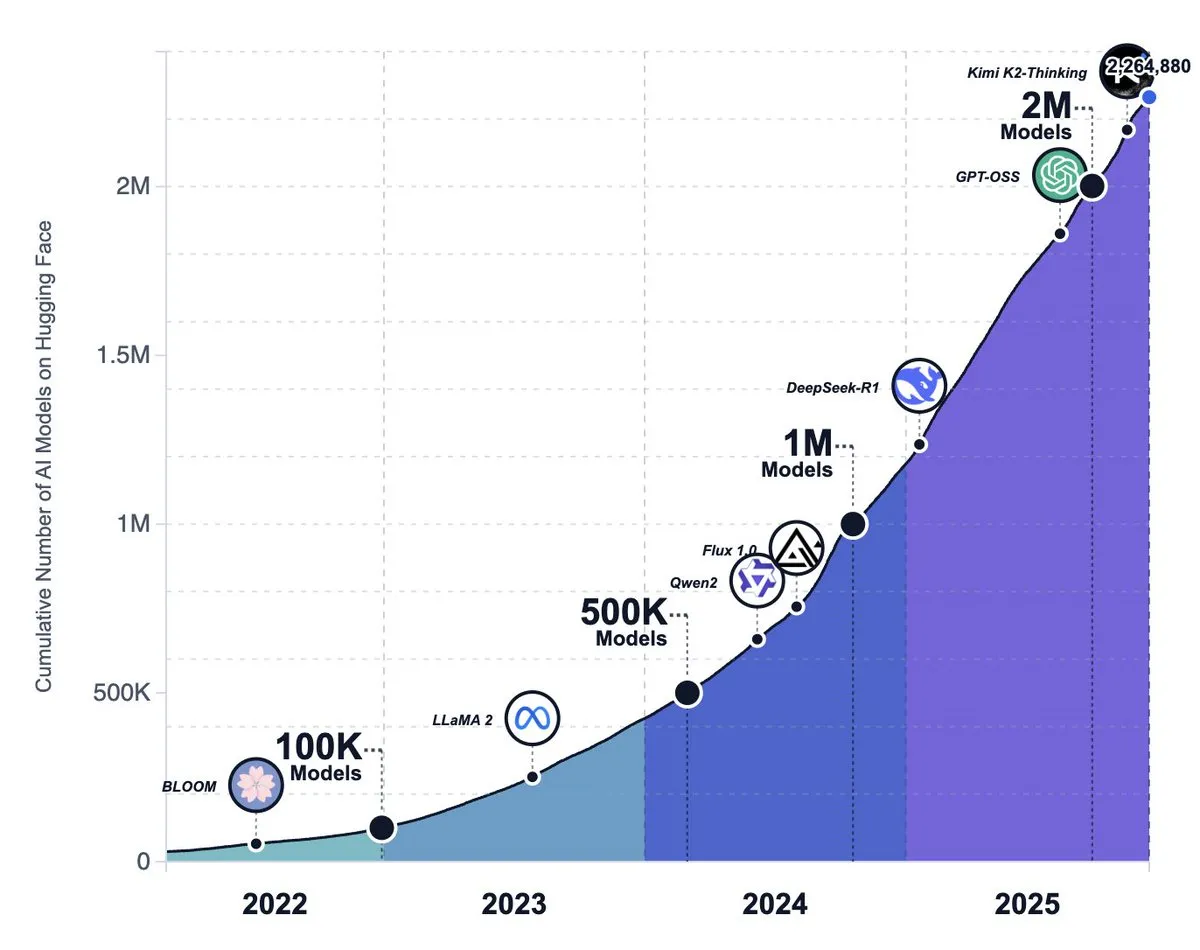
Discussion on Rising Open-Source AI Ecosystem, Model Trends, and Meta’s Strategy Shift: The number of models on the Hugging Face platform has surpassed 2.2 million, indicating that open-source AI models are growing at an astonishing rate and are believed to eventually outperform large frontier labs. However, some argue that open-source models still lag behind closed-source models in product-level experience (e.g., runtime environment, multimodal capabilities), and many open-source projects face stagnation or abandonment. Concurrently, there are rumors that Meta is shifting away from its open-source AI strategy. (Source: huggingface, huggingface, huggingface, ZhihuFrontier, natolambert, _akhaliq)
AI in Daily Life: Sam Altman on Parenting and AI: Sam Altman stated that he finds it hard to imagine raising a newborn without ChatGPT, sparking discussions about AI’s growing role in personal life and daily decision-making. This reflects how AI has begun to permeate even the most private family settings, becoming an indispensable assistive tool in modern life. (Source: scaling01)
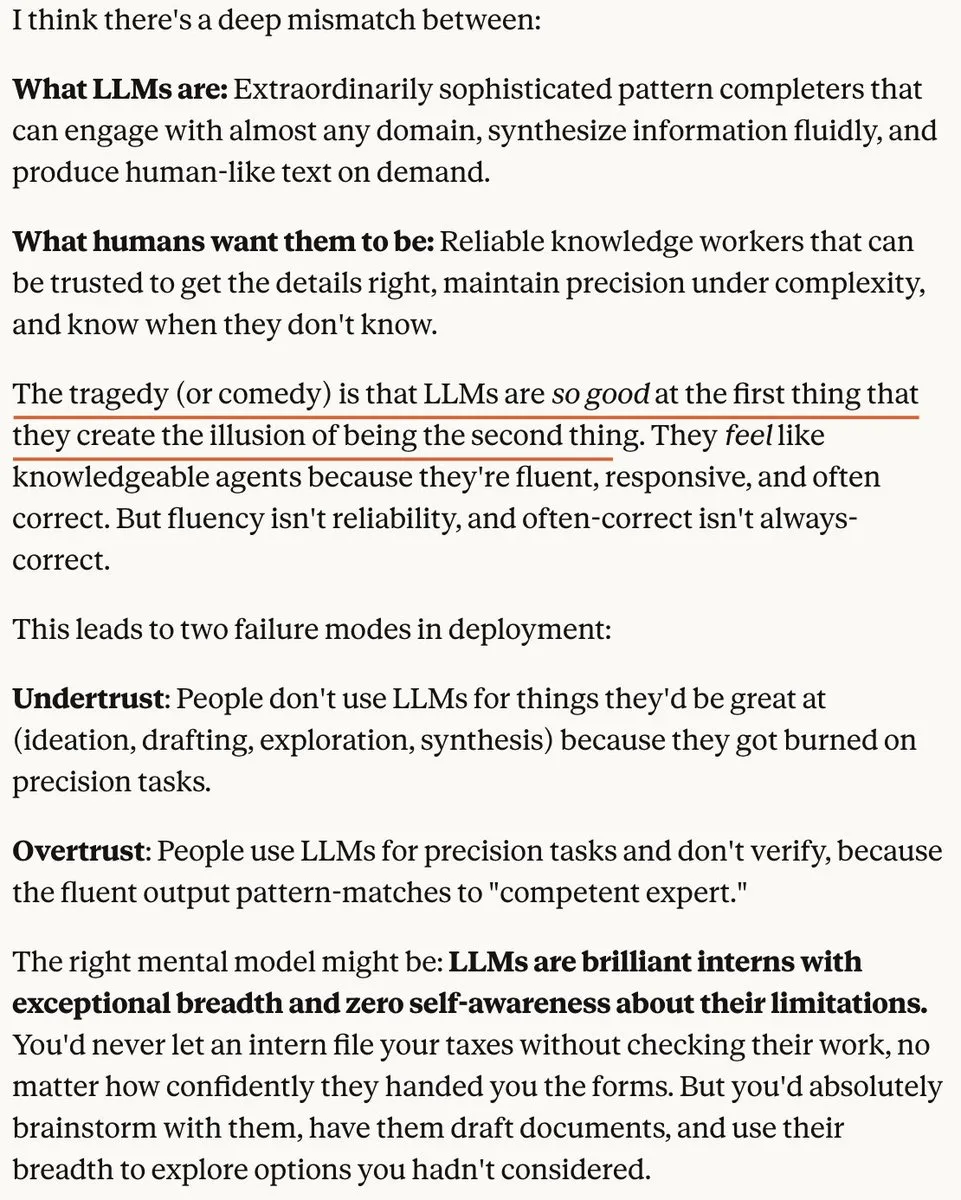
AI Field “Bubble” Theory and Intensifying Image Model Market Competition: Some argue that the current LLM market has a “bubble,” not because LLMs aren’t powerful, but because people have unrealistic expectations of them. Another perspective suggests that as AI execution costs decrease, the value of original ideas will increase. Concurrently, competition in the AI image model market is intensifying, with rumors that OpenAI will release an upgraded model to counter competitors like Nano Banana Pro. (Source: aiamblichus, cloneofsimo, op7418, dejavucoder)
AI Content Quality, Academic Integrity, and Business Ethics Controversies: McDonald’s AI ad was pulled due to “disastrous” marketing, highlighting AI tools’ dual capacity to amplify human creativity or folly. Concurrently, 21% of paper reviews at an international AI conference were found to be AI-generated, raising serious concerns about academic integrity. Furthermore, Instacart was accused of inflating product prices through AI pricing experiments, sparking worries about AI business ethics. (Source: Reddit r/artificial, Reddit r/ArtificialInteligence, Reddit r/artificial)

AI’s Impact on Future Jobs and Skill Requirements: Discussions have arisen regarding AI’s impact on junior developer employment. Some argue that AI will replace foundational jobs but can also help developers learn and shape tools through open-source and mentor networks. Concurrently, AI makes advanced skills like system thinking, functional decomposition, and abstracting complexity more crucial, reflecting the future labor market’s demand for versatile talent. (Source: LearnOpenCV, code_star, nptacek)
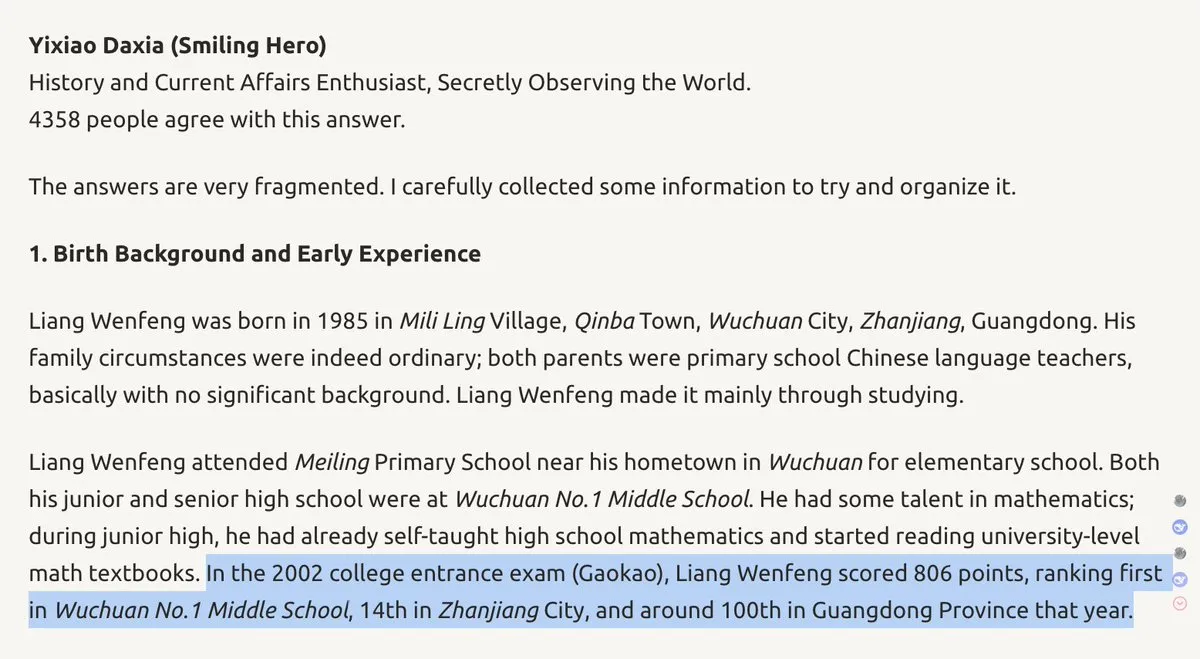
DeepSeek Founder’s Background and Company Strategy: DeepSeek founder Wenfeng is described as an “otherworldly protagonist” with a top Gaokao ranking and a strong electrical engineering background. His unique self-drive, creativity, and fearlessness could influence DeepSeek’s technological path and even alter the landscape of US-China AI competition. This highlights the importance of leading figures’ personal qualities in the development of AI companies. (Source: teortaxesTex, teortaxesTex)
AGI System Claims and Skepticism: A Tokyo company claims to have developed the “world’s first” AGI system, featuring autonomous learning, safety, reliability, and energy efficiency. However, due to its non-standard AGI definition and lack of concrete evidence, the claim has sparked widespread skepticism in the AI community, highlighting the complexity of AGI definition and verification. (Source: Reddit r/ArtificialInteligence)
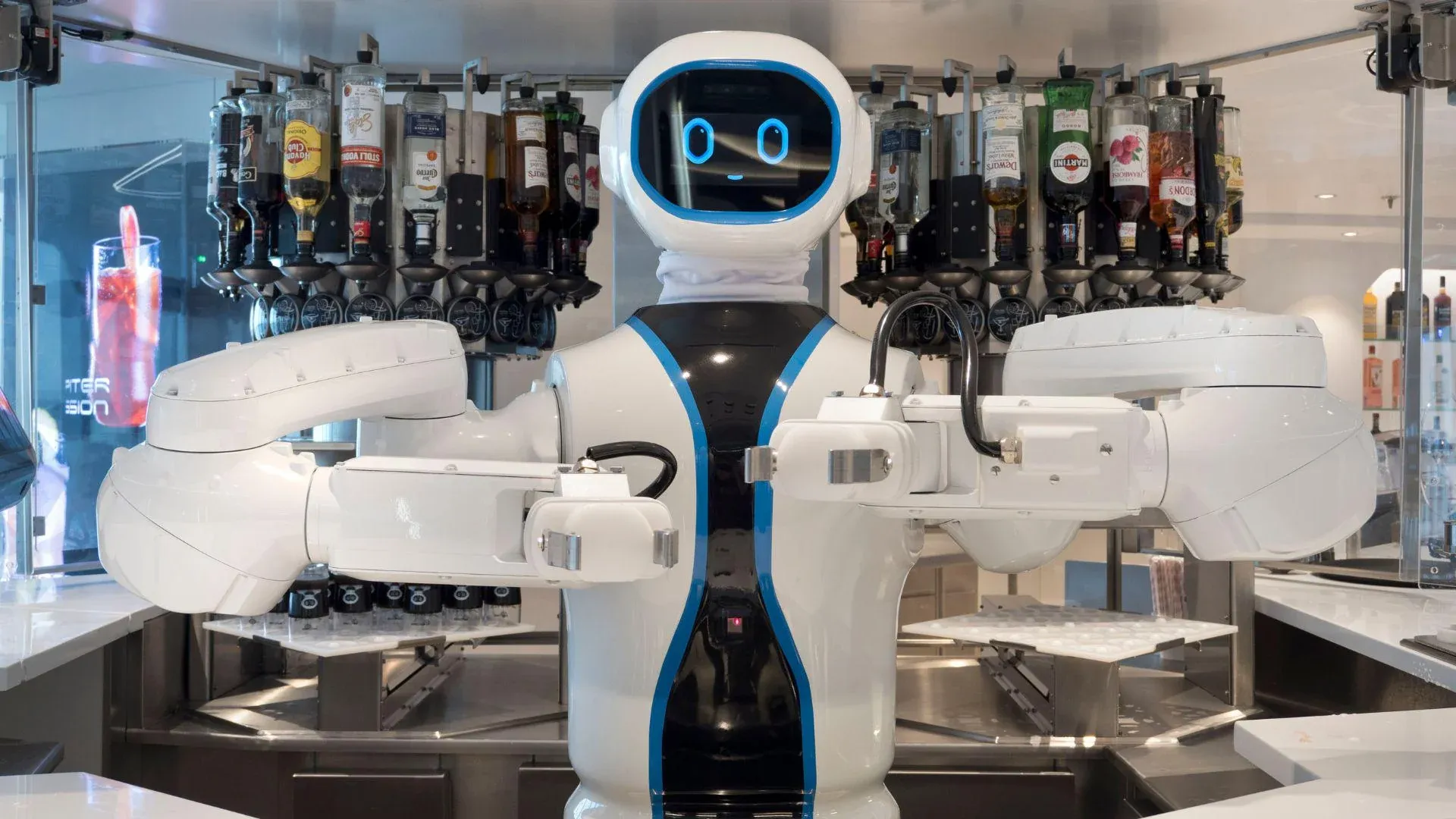
Discussion on Physical Limits of AI General Intelligence: Tim Dettmers published a blog post arguing that due to the physical realities of computation and bottlenecks in GPU improvements, Artificial General Intelligence (AGI) and meaningful superintelligence will not be achievable. This perspective challenges the prevailing optimism in the current AI field, prompting deeper reflection on AI’s future development path. (Source: Tim_Dettmers, Tim_Dettmers)
💡 Other
AI Model Performance Evaluation: Gap Between Synthetic Data and Real-World Experience: Discussions highlight a significant gap between AI model benchmark scores and actual product-level experience. Many open-source models perform well on benchmarks but still lag behind closed-source models in runtime environments, multimodal capabilities, and complex task handling. This emphasizes that “benchmarks do not equal real-world experience” and that image and video AI more intuitively demonstrate AI progress than text LLMs. (Source: op7418, ZhihuFrontier, op7418, Dorialexander)
Social Backlash Triggered by Data Center Power Consumption: Residents across the U.S. are strongly opposing soaring electricity bills caused by the proliferation of data centers. Over 200 environmental organizations have called for a nationwide moratorium on new data center construction, highlighting the immense environmental and energy impact of AI infrastructure and the tension between technological development and social resource allocation. (Source: MIT Technology Review)