



🔥 Spotlight
MIT SCIGEN: AI-Driven Breakthroughs in Materials Science : MIT’s SCIGEN tool combines generative models with physical constraints to invent novel stable materials from scratch, shortening R&D cycles from decades to days. This technology is expected to revolutionize the discovery process for materials like catalysts or alloys, marking AI’s shift from scientific analysis to actively “creating” science, and foreshadowing potential revolutionary applications in energy, medicine, and computing. (Source: Reddit r/ArtificialInteligence)

OpenAI, Oracle, and SoftBank Expand Stargate Data Center Footprint : OpenAI, Oracle, and SoftBank are collaborating to expand the “Stargate” project, adding five new AI data center sites. This massive infrastructure investment, potentially reaching $500 billion, aims to meet the immense computing power demands of future advanced AI models. This move underscores the strategic importance of AI infrastructure development and the vast capital required to achieve next-generation AI capabilities. (Source: Reddit r/ArtificialInteligence)

NVIDIA and OpenAI’s Billion-Dollar Partnership Contrasts with UN’s Call for AI Red Lines : NVIDIA’s $100 billion investment in OpenAI stands in stark contrast to the UN General Assembly’s call for global AI safety rules. This reflects a dual trend in AI development: on one hand, capital-driven technological acceleration, and on the other, growing concerns about potential risks. This event highlights the urgency of ensuring responsible and safe deployment of AI while pursuing its capabilities. (Source: Reddit r/ArtificialInteligence)

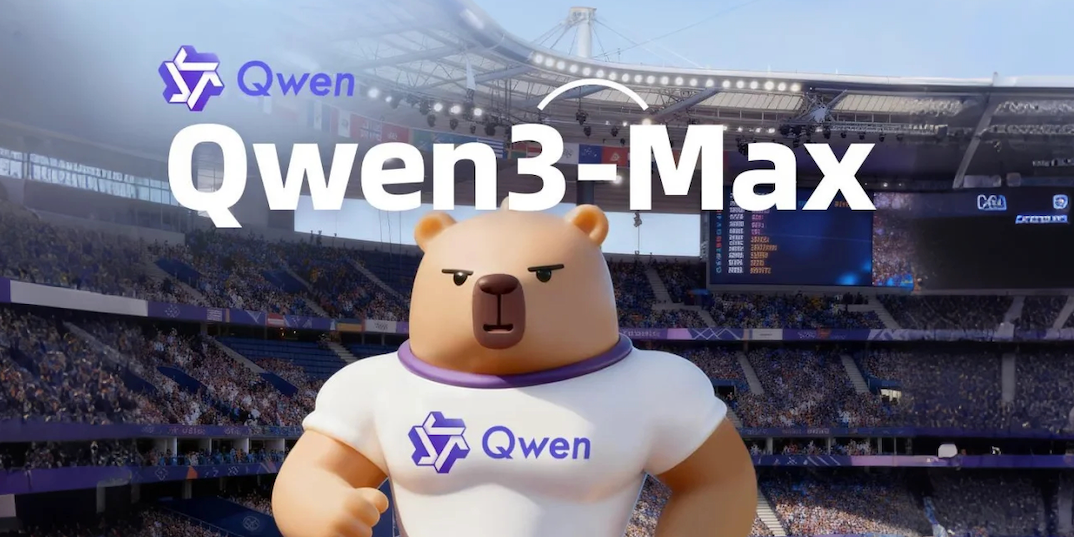
Alibaba Cloud’s Qwen3-Max Achieves Perfect Score in Math Benchmarks, Full Model Family Update : Alibaba’s Qwen3-Max large language model achieved a perfect score in the AIME25 and HMMT math benchmarks, becoming the first domestic model to do so. This comprehensive update also includes models like Qwen3-VL (vision), Qwen3-Omni (multimodal), and Qwen3-Coder (code), demonstrating Alibaba’s aggressive “full-stack” strategy and rapid iteration capabilities in the AI domain. (Source: 量子位)
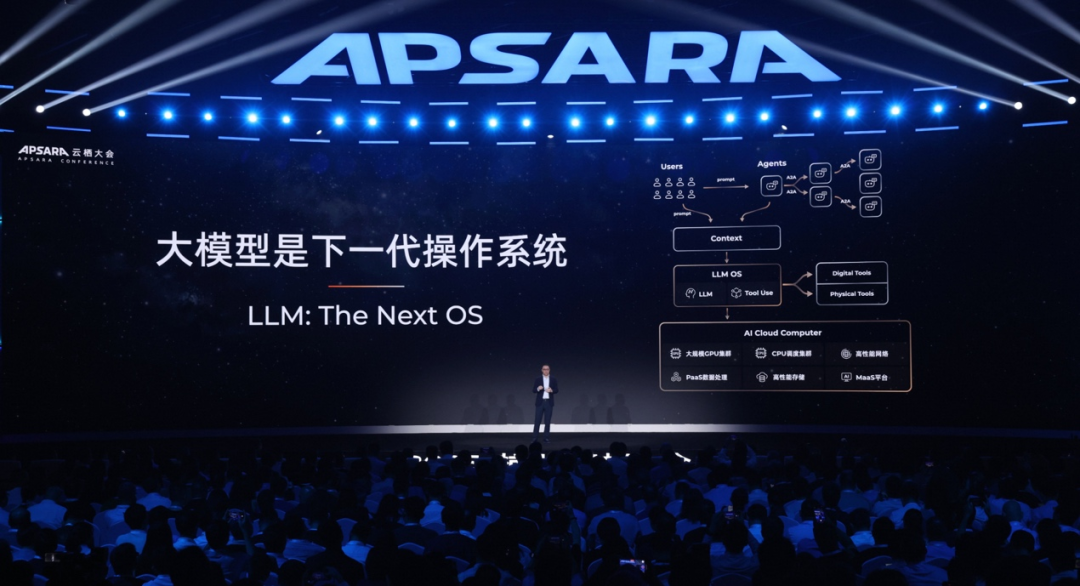
Alibaba CEO Eddie Wu: AGI is Just the Beginning, ASI is the Ultimate Goal : At the Apsara Conference, Alibaba CEO Eddie Wu stated that Artificial General Intelligence (AGI) is merely the starting point, with Artificial Superintelligence (ASI) as the ultimate goal. He outlined three stages of AI development: intelligence emergence, autonomous action, and self-iteration, emphasizing that AI will become the next-generation operating system, and “Super AI Cloud” will be the next-generation computer. This vision highlights Alibaba’s aggressive and long-term strategic布局 in AI. (Source: 36氪)
🎯 Trends
Kuaishou KwaiLing 2.5 Turbo Video Model: 30% Cost Reduction, Leap in Gymnastics Action Generation : Kuaishou’s KwaiLing 2.5 Turbo video generation model has significantly improved performance, especially in handling complex human actions like gymnastics, eliminating “glitchy” phenomena while reducing generation costs by nearly 30%. The new model enhances text responsiveness, dynamic effects, and aesthetic quality, demonstrating its strong competitiveness in the AI video market. (Source: 量子位)

Alibaba Cloud and NVIDIA Partner to Accelerate Embodied AI Applications : Alibaba Cloud’s AI platform PAI will integrate NVIDIA’s Physical AI software stack (including Isaac Sim, Isaac Lab, and Cosmos) to provide full-lifecycle platform services for embodied AI and assisted driving applications, covering data preprocessing, simulated data generation, model training and evaluation, robot reinforcement learning, and simulation testing. This aims to shorten the development cycle for physical AI applications. (Source: 量子位)

Ant Digital Technologies Releases New Privacy-Preserving AI Algorithms, Boosting Inference Efficiency Hundredfold : Ant Digital Technologies has launched innovative privacy-preserving AI algorithms, including the Gibbon framework for secure two-party GBDT training (2-4x speed increase) and decision graph inference technology based on homomorphic lookup tables (100-1000x efficiency increase). These breakthroughs address the “security vs. efficiency” dilemma in cross-institutional joint modeling, enabling high-performance and privacy-compliant data collaboration. (Source: 量子位)

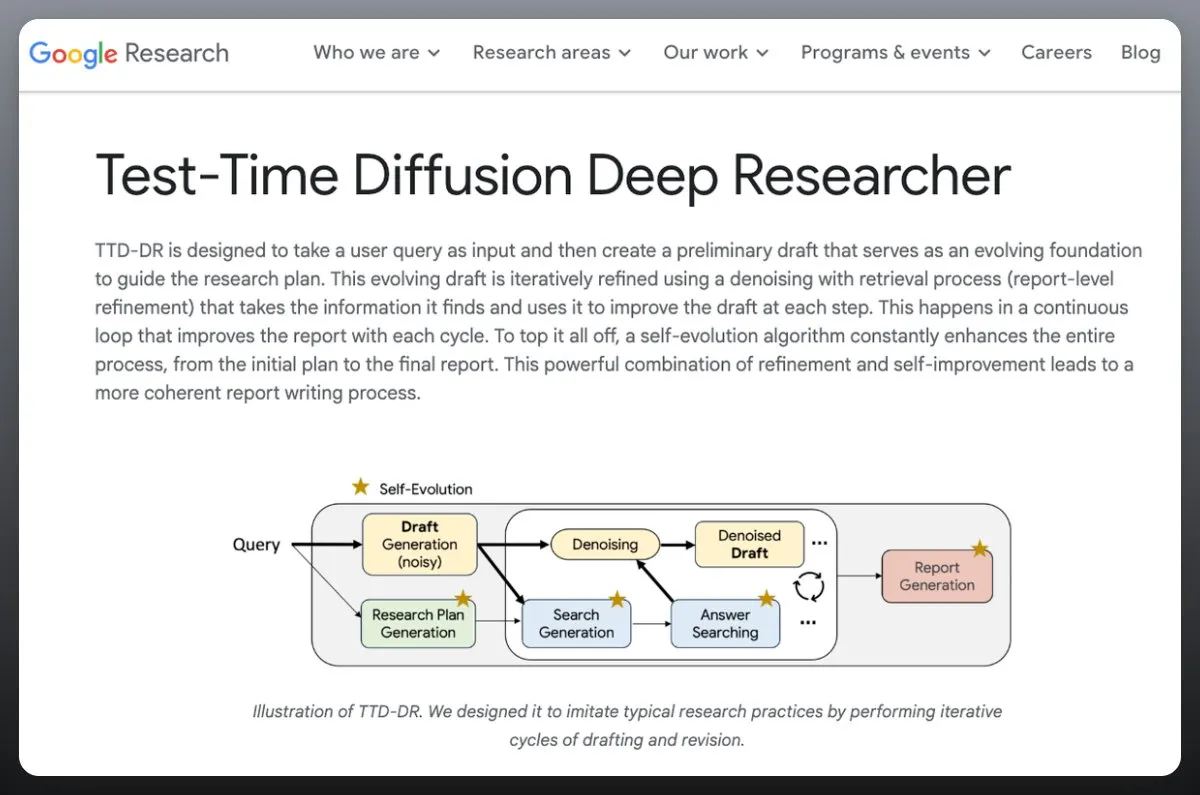
Google Introduces “Test-Time Diffusion Deep Researcher” (TTD-DR) AI Agent : Google has unveiled TTD-DR, a deep research agent that models research writing as a diffusion process. It drafts and refines reports through iterative search and self-evolution, mimicking human research methods. TTD-DR surpasses OpenAI’s Deep Research in long-form tasks and multi-hop reasoning, demonstrating a scalable approach to achieving high-quality research automation. (Source: omarsar0)
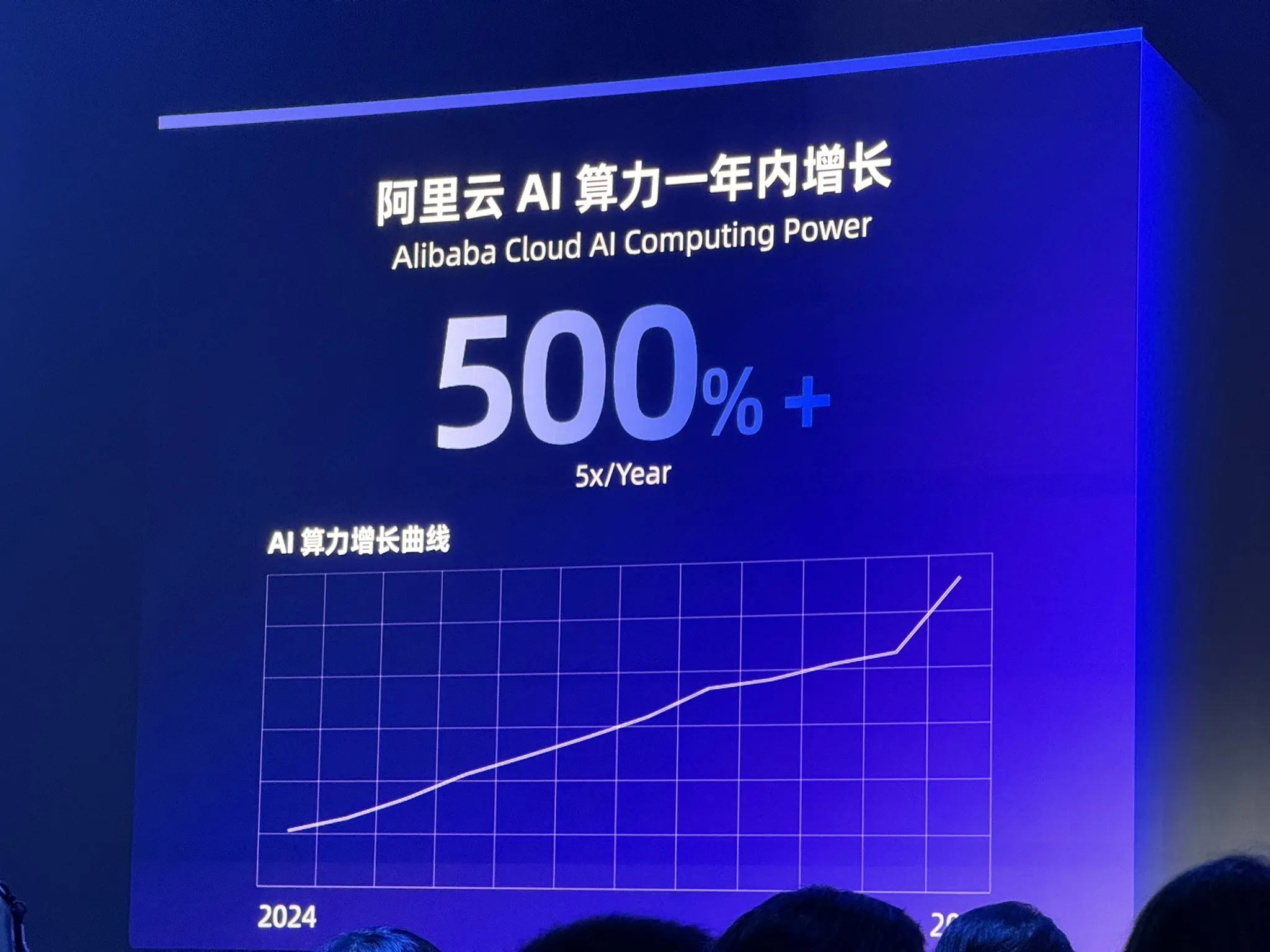
Alibaba Cloud’s AI Infrastructure Achieves 5x Computing Power Growth : Alibaba Cloud reports a 5x year-on-year increase in its AI computing power and a 4x increase in storage capacity. Currently, over half of China’s large foundation model companies and Fortune 500 enterprises run on its GenAI platform. This rapid expansion highlights Alibaba Cloud’s leadership in AI infrastructure and its strong commitment to advancing AI development. (Source: scaling01)
Google Photos Android Adds AI Conversational Editing Feature : Google Photos Android users can now edit photos by conversing with AI or sending text commands. This feature integrates advanced generative AI capabilities directly into a popular consumer application, simplifying the photo processing experience and enhancing user convenience. (Source: Reddit r/ArtificialInteligence)
MiniModel-200M-Base: A Milestone for Efficient Small LLMs : MiniModel-200M-Base is a 200M parameter LLM trained from scratch on 10B tokens of data in just one day on a single RTX 5090. The model employs techniques such as adaptive optimizers, Float8 pre-training, and bin-packing to achieve extremely high training efficiency and demonstrates surprising capabilities for a small model, providing a solid foundation for local AI experiments. (Source: Reddit r/LocalLLaMA)
