



🔥 Spotlight
Google Quantum AI Scientists Win Nobel Prize in Physics : Google Quantum AI Chief Scientist Michel Devoret and team members John Martinis and John Clarke have been awarded the 2025 Nobel Prize in Physics for their pioneering work in quantum mechanics. Their research paves the way for error-corrected quantum computers, highlighting Google’s long-term commitment and leading position in quantum AI, marking a significant milestone in the field. (Source: Google, demishassabis, Yuchenj_UW)
GPT-5 Shows Breakthrough Potential in Scientific Research : Kevin Weil stated that GPT-5 has crossed a significant threshold, with scientists successfully guiding GPT-5 to conduct novel research in fields such as mathematics, physics, biology, and computer science. Although still in the “lemma” stage, its ability to perform limited original scientific work under expert guidance is encouraging, signaling AI’s immense potential in accelerating scientific discovery. (Source: SebastienBubeck, ericmitchellai, BorisMPower, lateinteraction)
🎯 Developments
Google Gemini 2.5 Computer Use Released : Google DeepMind has launched the Gemini 2.5 Computer Use model, enabling AI agents to directly interact with web pages and applications through actions like clicking, scrolling, and typing. This model demonstrates leading performance in multiple benchmarks, offers faster speeds, and incorporates multi-layered security mechanisms to address potential risks. This marks a significant advancement for AI agents in simulating human computer operations, foreshadowing a transformation in future human-computer interaction. (Source: 36氪, GoogleAIStudio, demishassabis, abacaj, scaling01, dotey, algo_diver)
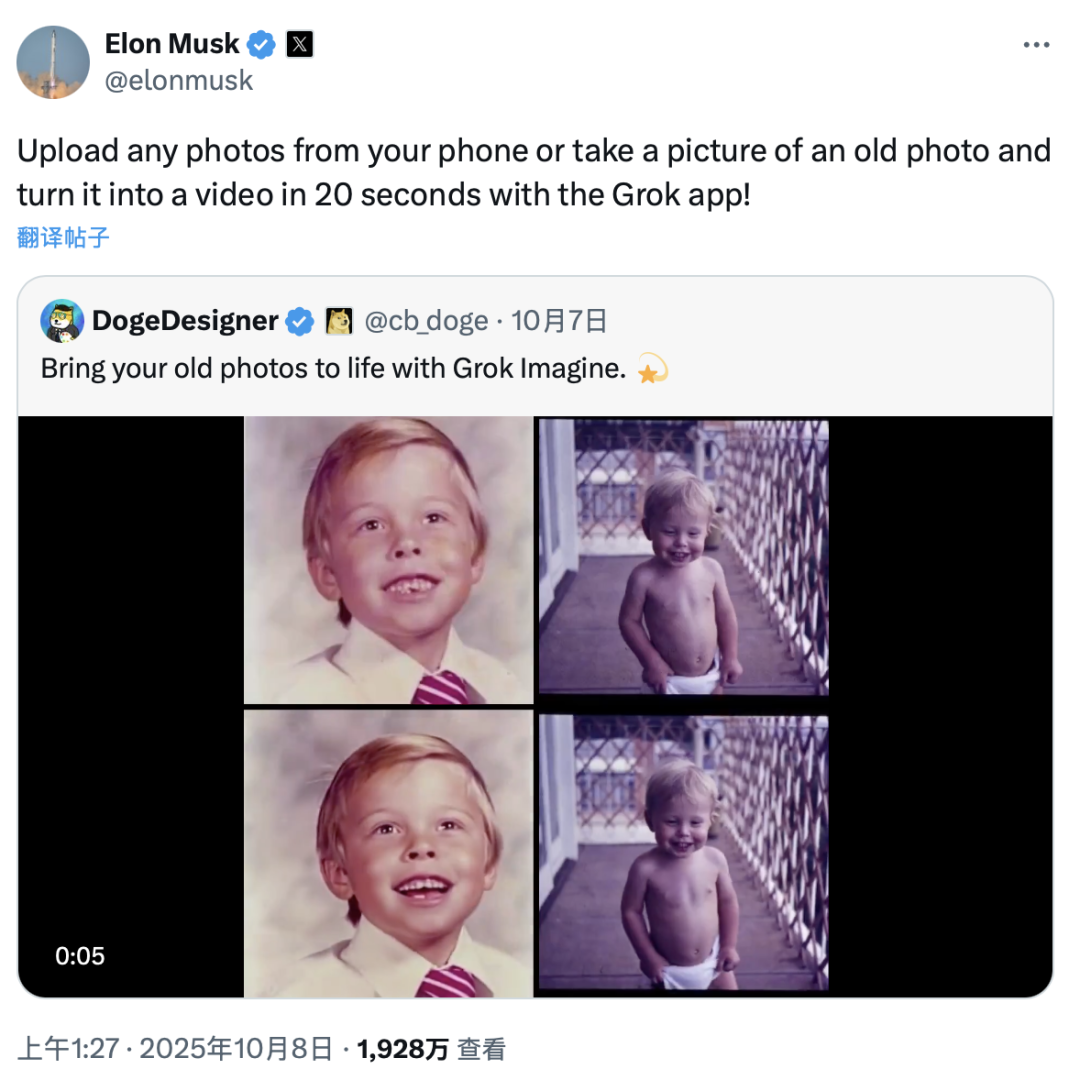
xAI Releases Imagine v0.9 Video Generation Model : Elon Musk’s xAI has released its latest video generation model, Imagine v0.9, making it freely available to all users. The model features upgrades in visual quality, motion, and audio generation, boasts fast generation speeds, and supports custom voice functionality. Despite some shortcomings in understanding complex prompts and Chinese language support, and the presence of deepfake risks, its free availability and rapid generation capabilities have garnered widespread attention, putting it in direct competition with OpenAI’s Sora 2. (Source: 36氪, scaling01, nptacek, op7418, nptacek, TomLikesRobots)
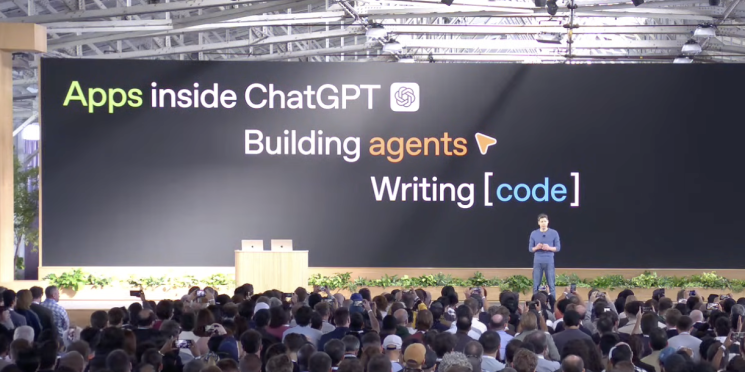
ChatGPT Integrates App Functionality : OpenAI announced at its Developer Day that ChatGPT now supports embedded apps such as Booking.com, Canva, and Spotify. Users can directly invoke these apps via prompts or have ChatGPT recommend them based on needs. These applications seamlessly integrate into conversations and provide interactive interfaces. OpenAI also launched the Apps SDK to encourage developers to build and test applications, and plans to launch a dedicated app directory to deepen the AI application ecosystem. (Source: 量子位, TheRundownAI)

GPT-5 Pro and GPT-Realtime-Mini Released : OpenAI opened API access for GPT-5 Pro at its Developer Day, priced at $15 per 1M input tokens and $120 per 1M output tokens, with both performance and price higher than GPT-5 and o3-pro. Concurrently, a smaller, more affordable speech model, GPT-Realtime-Mini, was introduced. It offers the same speech quality and expressiveness as existing speech models but at a 70% lower price. (Source: 量子位, TheRundownAI)
Sora 2 Preview Released : OpenAI unveiled the Sora 2 preview at its Developer Day, showcasing its capabilities in synchronized audio-video generation, video duration, aspect ratio, and resolution control. This advancement further solidifies OpenAI’s leading position in video generation, providing creators with more powerful tools and foreshadowing a significant transformation in future video content creation. (Source: 量子位, TheRundownAI)

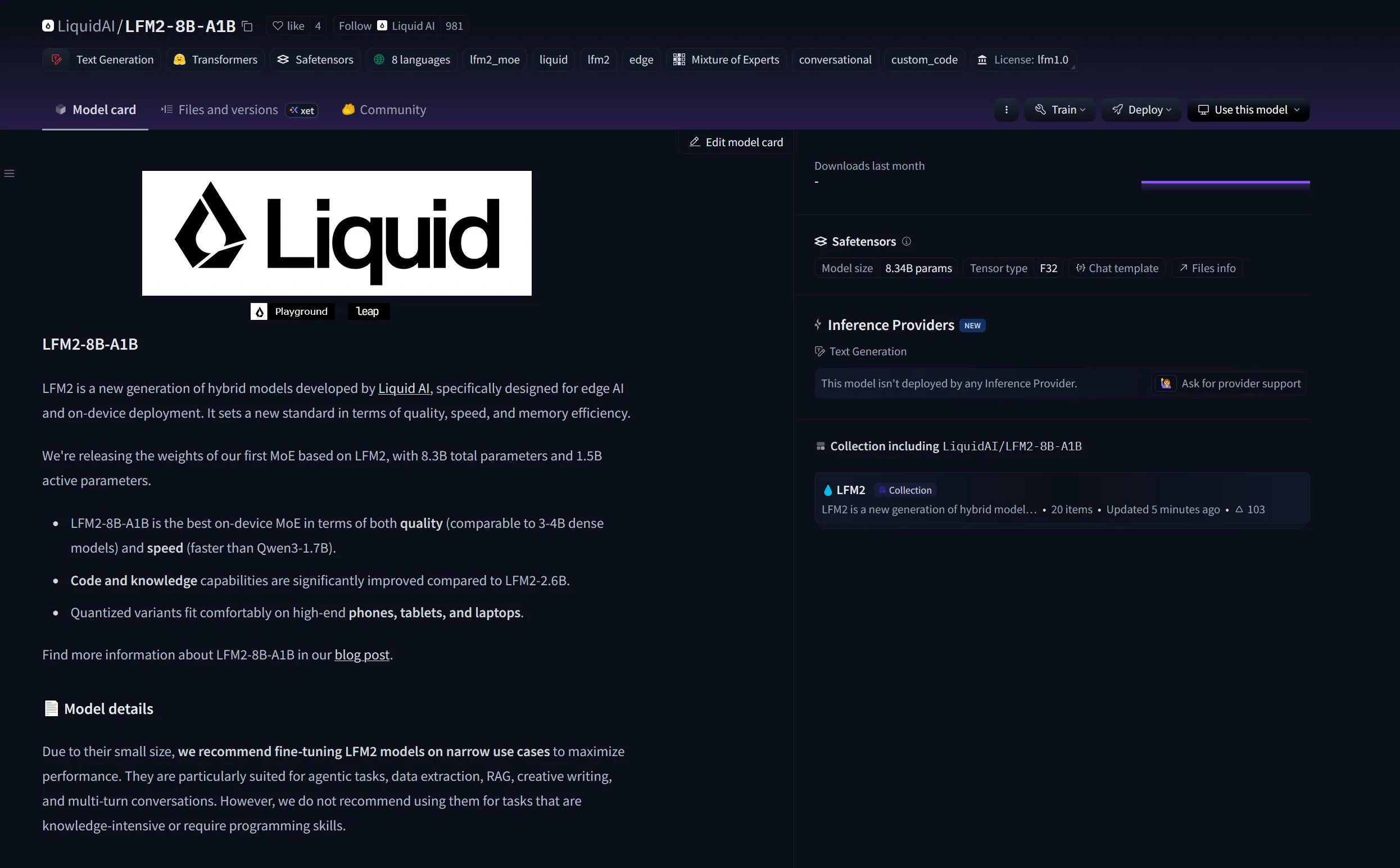
Open-Source MoE Model LFM2-8B-A1B Released : Liquid AI has released its first on-device MoE model, LFM2-8B-A1B, with a total of 8.3B parameters, activating only 1.5B parameters per token. This model rivals 3-4B dense models in quality but runs faster than Qwen3-1.7B. Designed specifically for devices like mobile phones and laptops, it was pre-trained on 12T tokens of data and excels in mathematics, code, and IF tasks. (Source: huggingface, huggingface, mervenoyann, tokenbender, dl_weekly, teortaxesTex, Plinz)
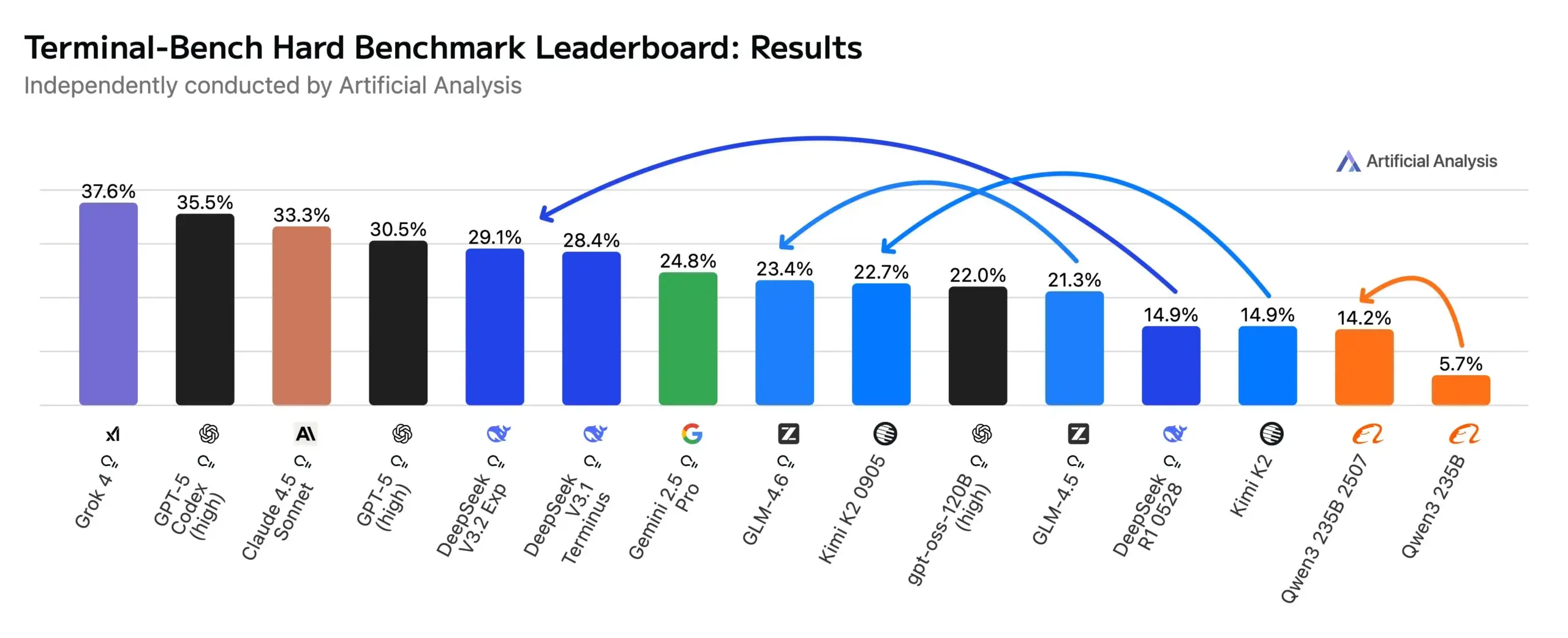
Open-Source AI Models Approach Frontier Models in Agentic Workflows : Open-source models like DeepSeek V3.2 Exp, Kimi K2 0905, and GLM-4.6 have made significant strides in agentic coding and terminal usage evaluations (Terminal-Bench Hard), with DeepSeek even surpassing Gemini 2.5 Pro. This indicates a substantial improvement in the capabilities of open-source models for agent applications, offering developers a wider range of choices and fostering open competition in the AI field. (Source: huggingface)
Meta Showcases AI Glasses and Neural Wristband : Meta has unveiled AI glasses with built-in displays, controlled by a neural wristband that reads muscle signals. Mark Zuckerberg discussed the potential of these glasses to replace mobile phones, enable super-intelligence, and integrate with the metaverse, demonstrating AI’s vision for wearable devices and future human-computer interaction, and emphasizing the innovative direction of combining AI with hardware. (Source: rowancheung)
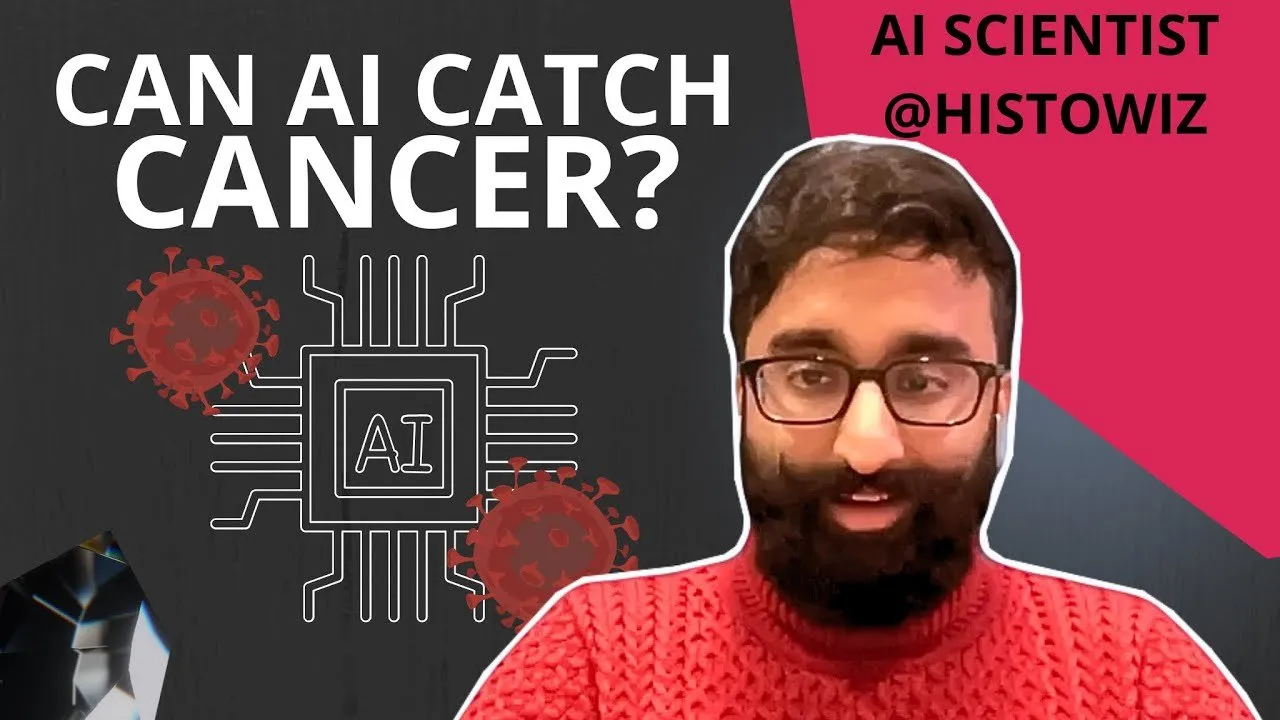
Advancements in AI Application for Medical Diagnosis : TuringPost reported on AI’s application in cancer diagnosis, particularly HistoWiz’s PathologyMap™ system, which identifies tumor patterns by analyzing high-resolution digital pathology images. Over the next 2-3 years, we can expect to see FDA-approved assistive AI, the digitization of millions of hospital slides, and the widespread adoption of high-level diagnostics, signaling AI’s immense potential in the healthcare sector. (Source: TheTuringPost, TheTuringPost)
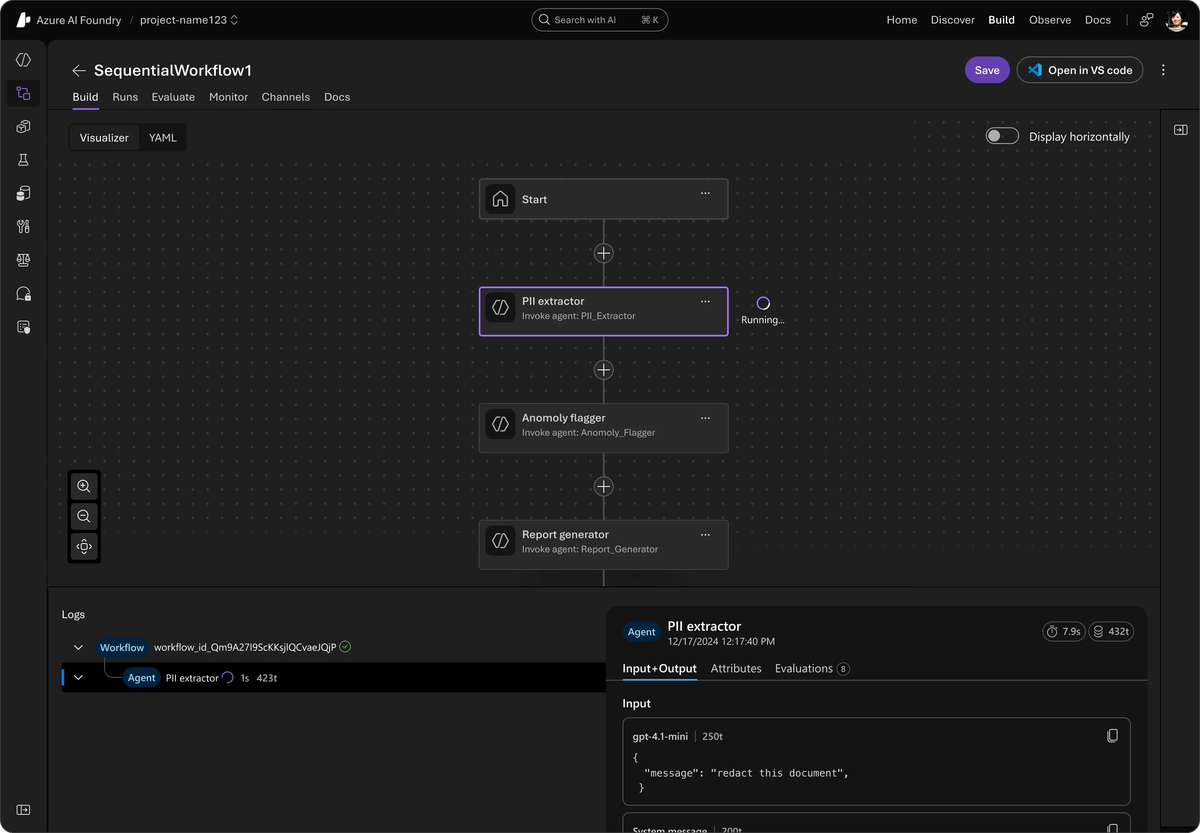
Microsoft Launches Agent Framework : Microsoft has released the Agent Framework, a unified open-source SDK that integrates AutoGen and Semantic Kernel for building enterprise-grade multi-agent AI systems. The framework supports Azure AI Foundry, simplifying orchestration and observability, and is compatible with any API. It also provides long-term processes, cross-framework tracing, and responsible AI tools, aiming to drive the development and deployment of enterprise AI agents. (Source: TheTuringPost)
🧰 Tools
LlamaIndex Advances Code-Based Agent Workflows : jerryjliu0 highlighted the potential of code-based orchestration and coding agents in bridging the gap between low-code and advanced applications. LlamaIndex’s AgentKit supports building processes like document comparison and basic assistants, and can be exported as code for maintenance. The latest LlamaAgents alpha version allows deploying custom code workflows on LlamaCloud, supporting state management, checkpoints, and human-in-the-loop collaboration. (Source: jerryjliu0, jerryjliu0)
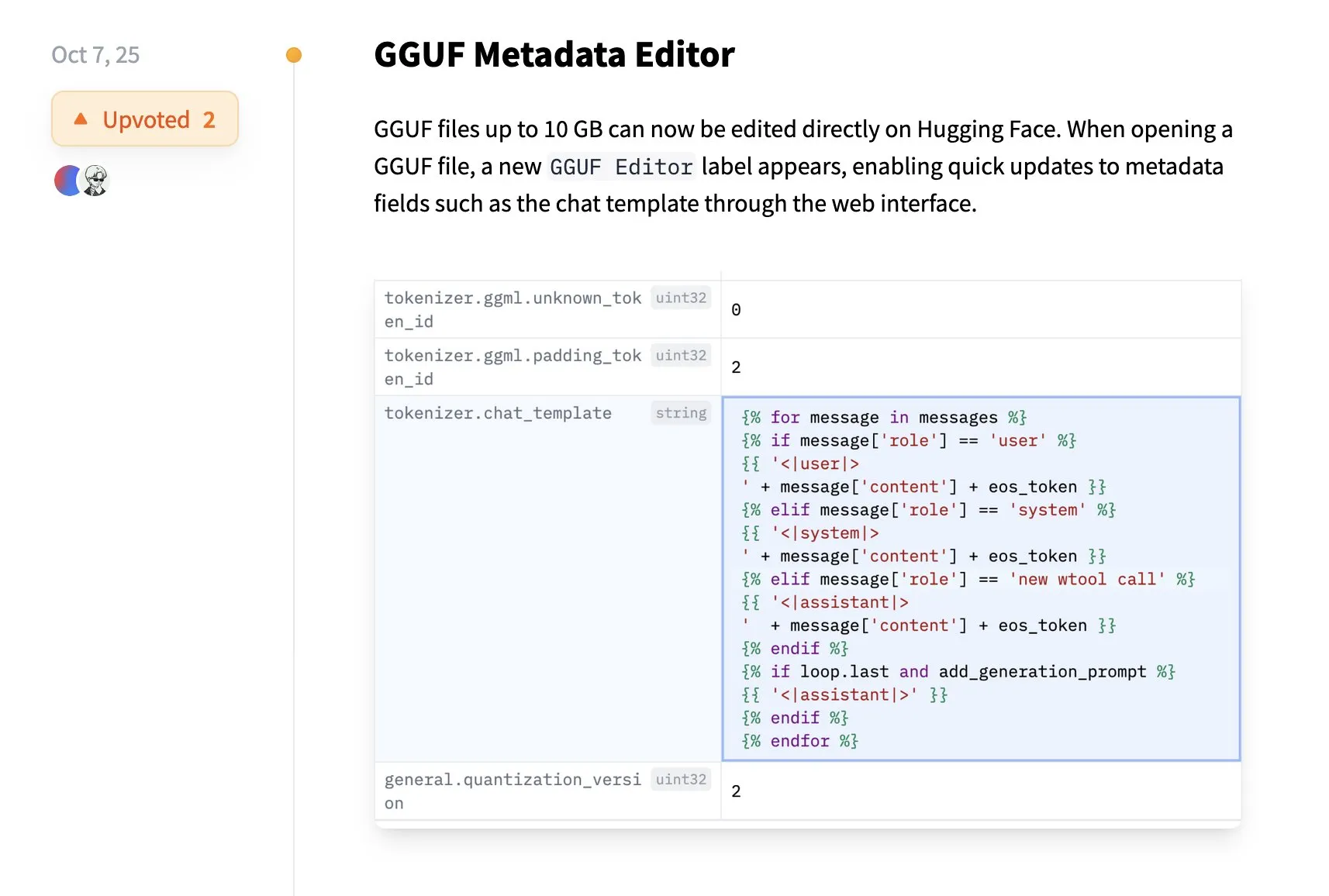
Hugging Face Supports Direct Editing of GGUF Metadata : The Hugging Face platform has added a new feature, allowing users to directly edit GGUF model metadata on Hugging Face without needing to download the model locally. This improvement simplifies model management and collaboration processes, enhancing user experience, especially for developers, by leveraging the convenience brought by Xet data transfer technology. (Source: huggingface)
DevinAI: Autonomous AI Software Engineer : Cognition’s DevinAI is being promoted as the world’s most advanced autonomous AI software engineer, capable of handling bugs, feature development, and complex refactoring, and generating Pull Requests for review. Hailed by multiple enterprise users as an efficient “code contributor,” it can significantly boost development efficiency, covering various tasks from QA to data analysis, bringing disruptive change to software development. (Source: cognition)

Imbue Launches Sculptor for Parallel Coding Agents : Imbue has released Sculptor, a tool that allows users to run multiple coding agents in isolated containers and easily review code changes via “pairing mode.” This tool aims to support parallel coding agent workflows, improving development efficiency, especially when handling complex tasks, and providing developers with a more flexible and efficient programming experience. (Source: kanjun)
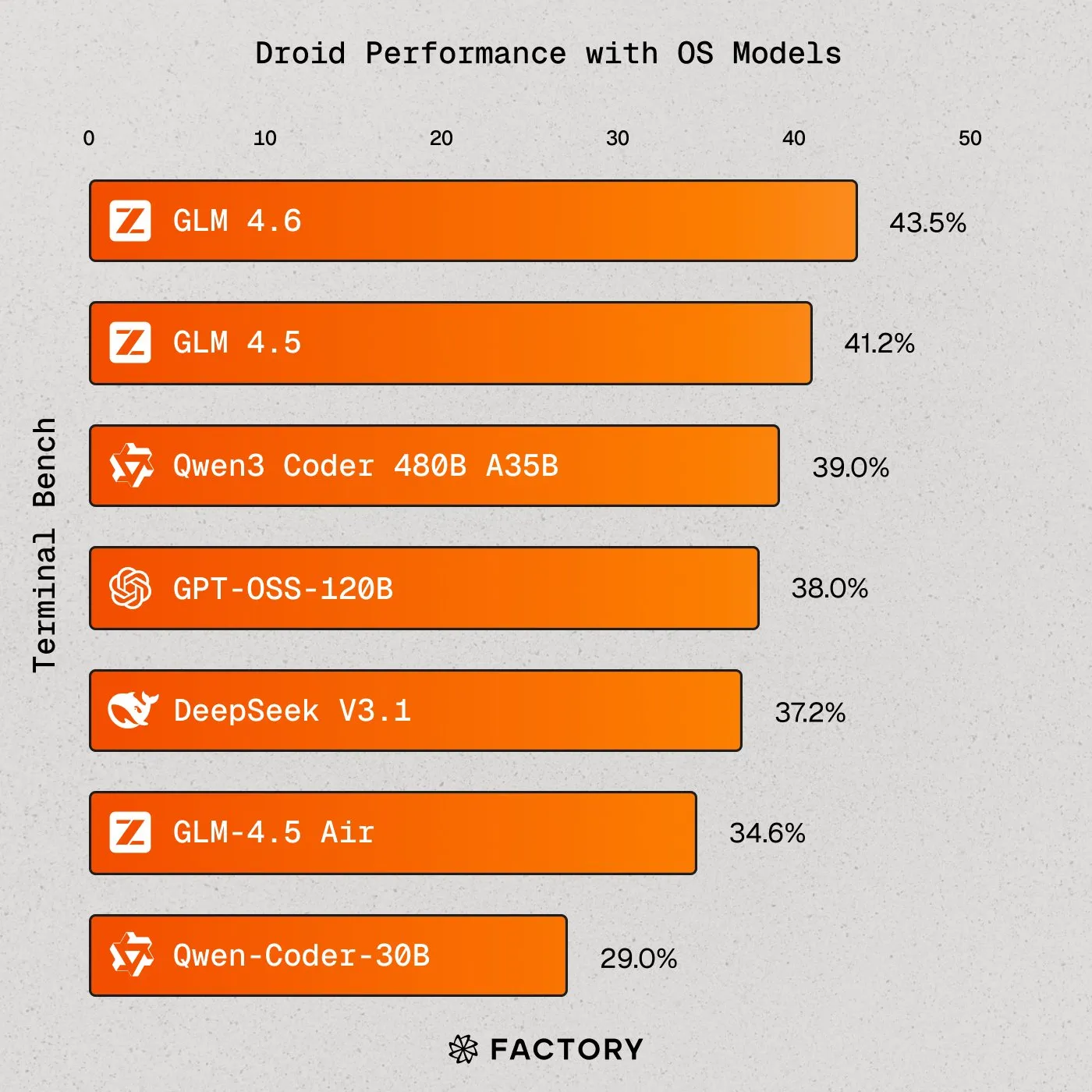
Factory AI Enables Open-Source Models to Drive Droids : Factory AI announced that its Droids can now be driven by any open-source model, achieving the highest scores among all open-source models on Terminal-Bench, with GLM 4.6 performing exceptionally well, even surpassing Sonnet 4 in Claude Code. This provides developers with greater flexibility and stronger performance options, fostering the development of open-source AI agents. (Source: matanSF, scaling01, Zai_org, QuixiAI)
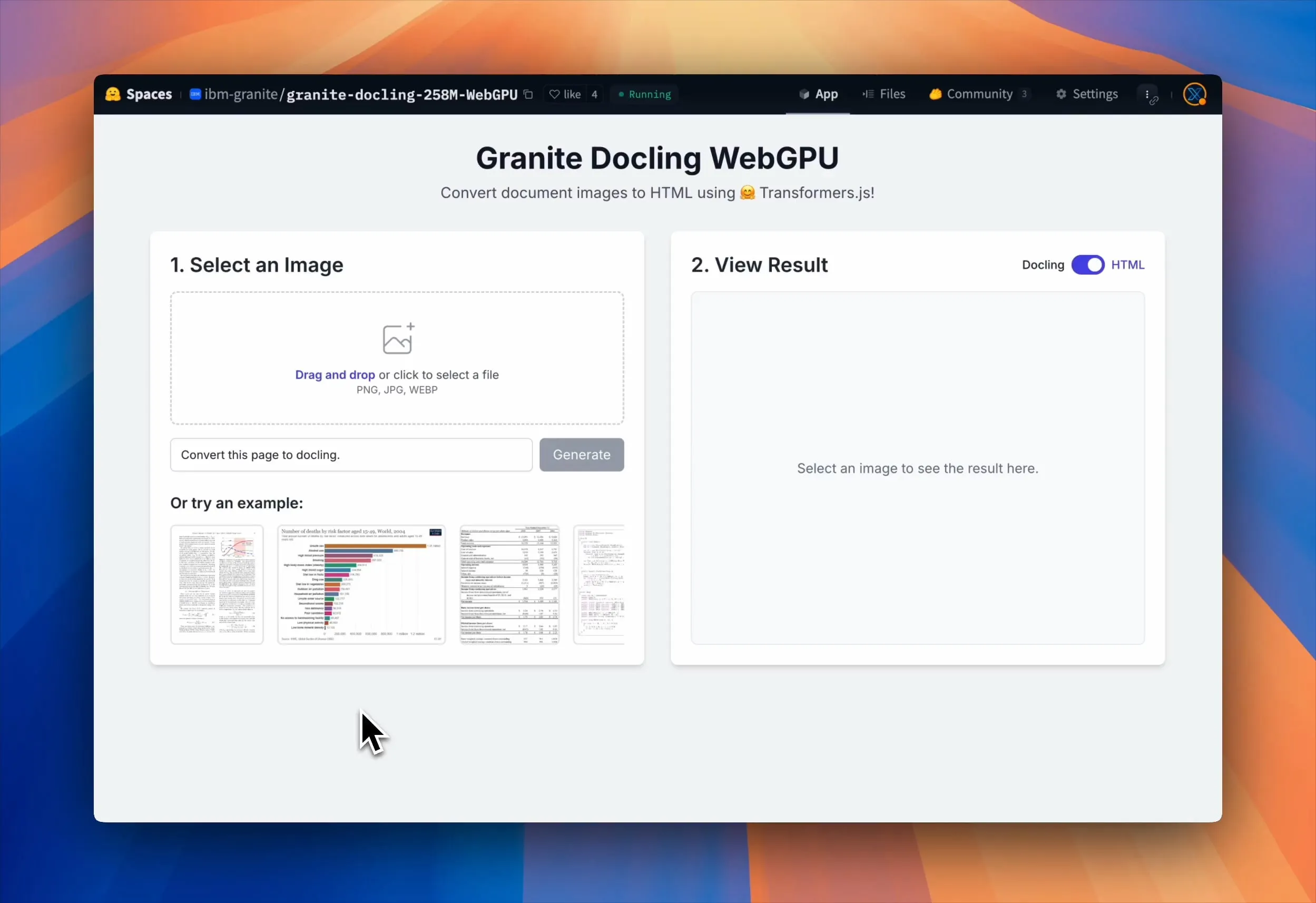
Granite Docling WebGPU Enables In-Browser Document Parsing : IBM has released Granite Docling, a 258M-parameter VLM for efficient document conversion. Now, the model can run 100% locally in the browser, accelerated by WebGPU, without sending data to a server, ensuring privacy and security. This offers users a free, efficient, and secure document processing solution, particularly suitable for handling private and sensitive files. (Source: Reddit r/LocalLLaMA, huggingface, mervenoyann)
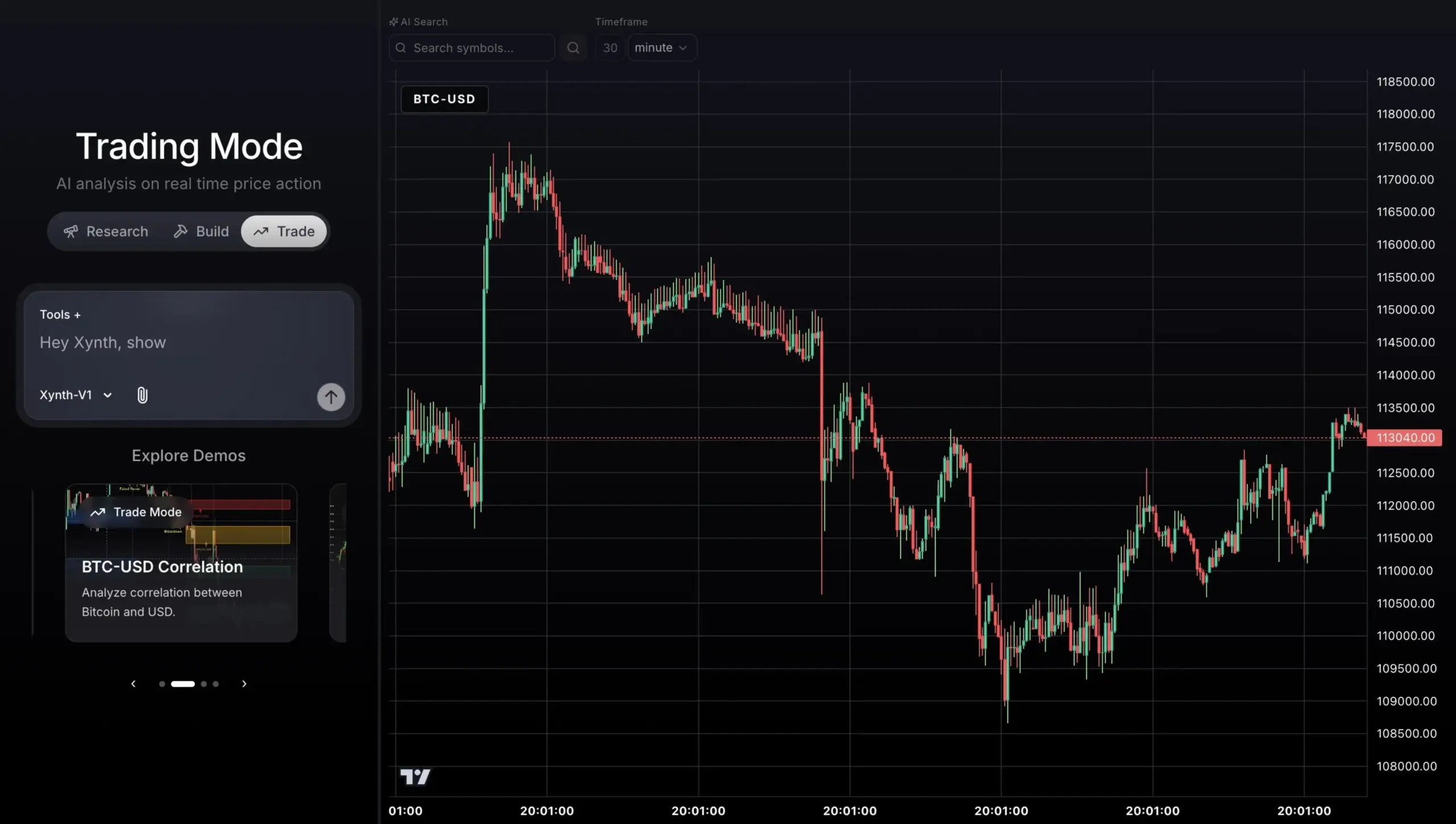
GPT-5 Powered Real-time Market Data Trading Agent : A GPT-5 based trading agent project, built using Python SDK, FastAPI, and Next.js, can connect to AlphaVantage’s real-time market data and TradingView charts for analysis, signal generation, and trade execution. The agent aims to achieve stable, explainable trading performance rather than blindly pursuing high returns, showcasing AI’s potential application in financial trading. (Source: Reddit r/ChatGPT)
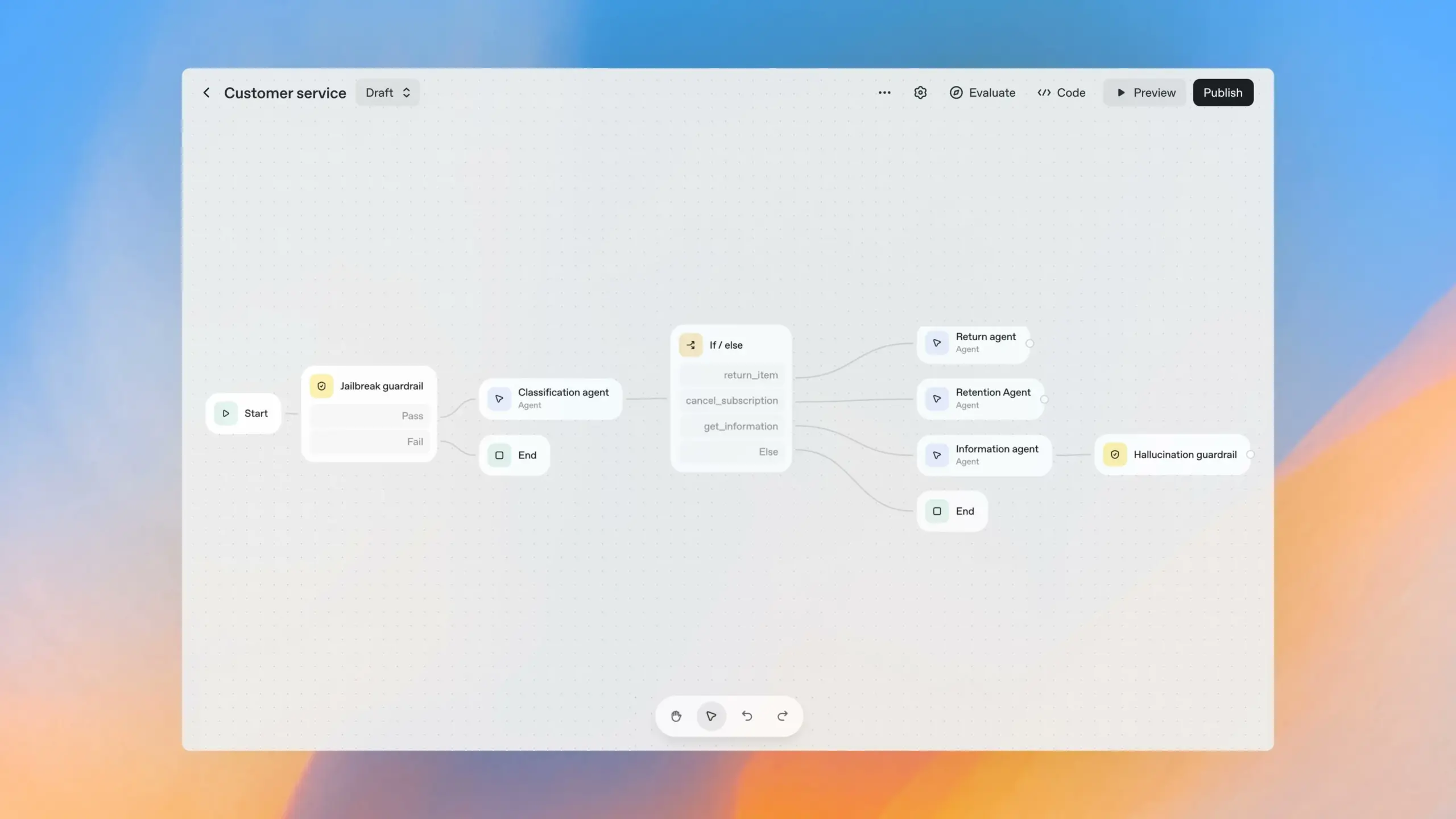
OpenAI AgentKit Toolkit : OpenAI launched the AgentKit toolkit at its Developer Day, aiming to provide developers and enterprises with a complete set of tools for building, deploying, and optimizing agents. AgentKit includes modules like the visual Agent Builder, Connector Registry, and ChatKit, significantly simplifying the AI agent development process through drag-and-drop nodes, centralized connection management, and embedded chat interfaces. (Source: 量子位, TheRundownAI)

OpenAI Codex Officially Released with New Features : OpenAI announced that its AI coding powerhouse, Codex, is now generally available and introduced three new features: Slack integration allows teams to delegate tasks directly within Slack; the Codex SDK enables developers to embed Codex agents into workflows; and new management tools facilitate administrators in monitoring usage and code review quality. These updates aim to enhance Codex’s efficiency and security in team collaboration and software development. (Source: 量子位, TheRundownAI)

📚 Learning
Andrew Ng Launches Agentic AI Course : Andrew Ng has released a new course titled “Agentic AI,” designed to teach how to build AI agents, covering core design patterns such as reflection, tool use, planning, and multi-agent collaboration. The course emphasizes a disciplined process of evaluation and error analysis to guide improvements in complex agent workflows, and uses native Python instruction in a vendor-agnostic manner. (Source: AndrewYNg, DeepLearningAI, dotey)
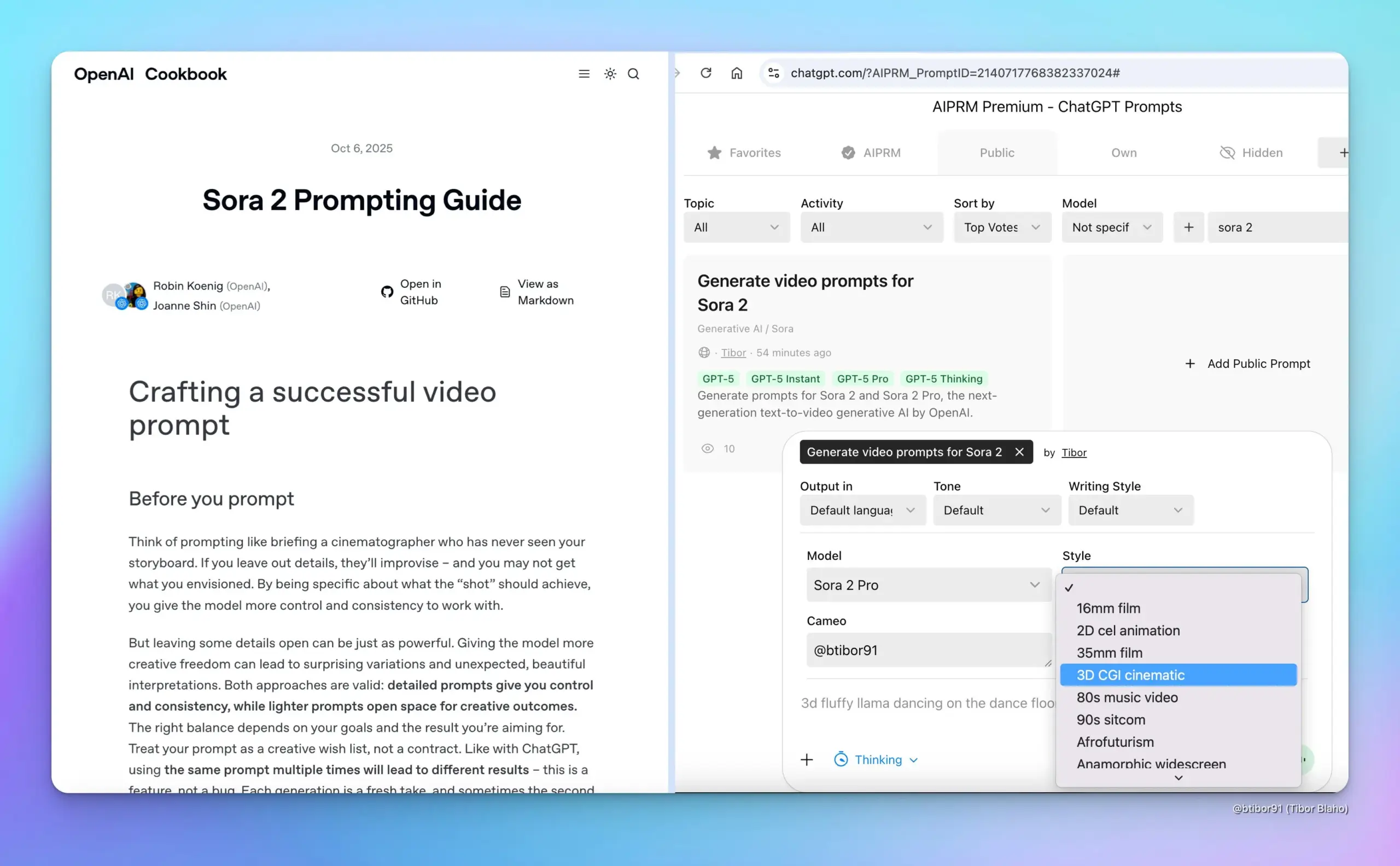
Sora 2 Prompt Guide Released : OpenAI has released a prompt guide for Sora 2, offering practical advice on how to create successful video prompts. The guide emphasizes balancing detailed descriptions with creative freedom, and provides specific instructions on video resolution, length, structure, visual cues, motion, lighting, color, dialogue, and sound effects. It also introduces the Remix feature for iterative optimization, helping users better master video generation techniques. (Source: dotey)
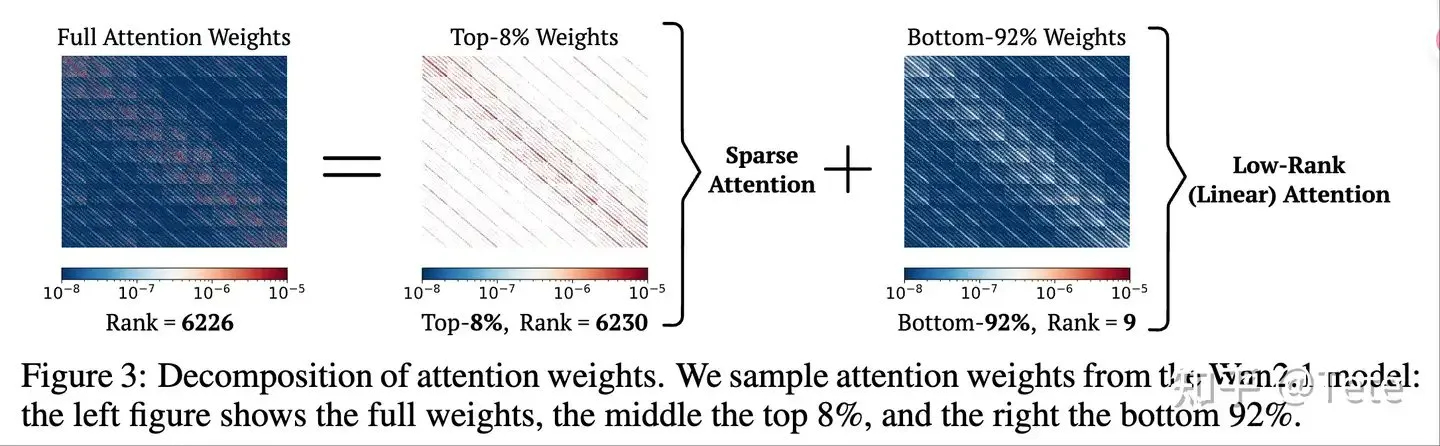
LLM Inference Optimization and Architecture Discussion : ZhihuFrontier discussed the future of model architectures like DeepSeek-V3.2-Exp and Qwen3-Next, focusing on hybrid modes of sparse and linear attention. The core argument is that sparse attention (write-all, intelligent read) and hybrid architectures (a few full attention layers + linear attention) can provide a balance of efficiency and performance, especially in long-context recall and KV cache. (Source: ZhihuFrontier)
Optimization Methods for RL-Enhanced LLM Inference : HuggingFace Daily Papers introduced two reinforcement learning optimization methods: Slow-Fast Policy Optimization (SFPO) and M2PO (Second-Moment Trust Policy Optimization). SFPO improves the stability of LLM inference RL training, reduces rollouts, and accelerates convergence by decomposing update steps. M2PO, by constraining the second moment of importance weights, effectively utilizes stale data for stable offline training, matching online training performance. (Source: HuggingFace Daily Papers, HuggingFace Daily Papers)
A Comprehensive Review of LLM Privacy Risks : A HuggingFace Daily Paper emphasized that LLM privacy risks extend far beyond verbatim memorization of training data, also encompassing data collection, context leakage during inference, agent autonomy, and surveillance through deep inference attacks. The article calls on the research community to broaden the scope of LLM privacy research and adopt interdisciplinary approaches to address these socio-technical threats for more comprehensive user privacy protection. (Source: HuggingFace Daily Papers)
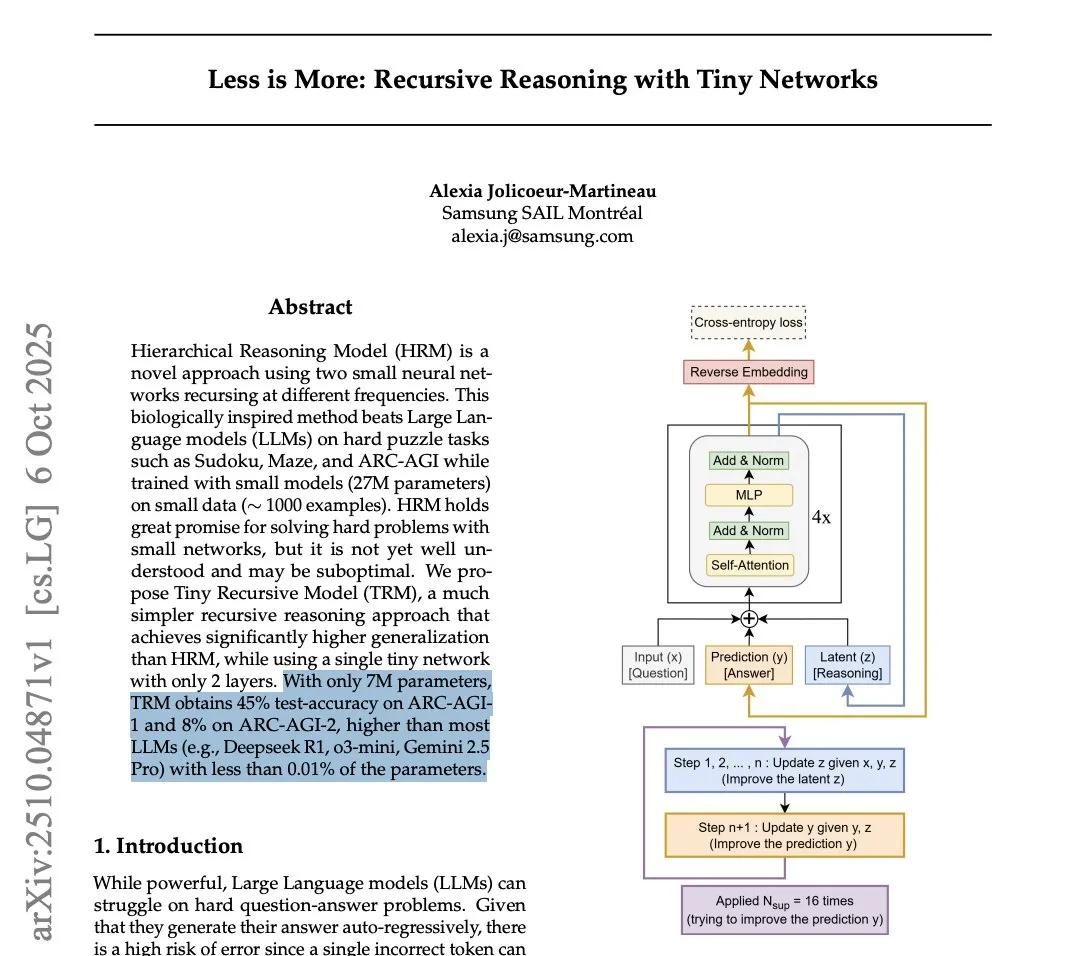
Tiny Recursion Model (TRM) Performance on ARC-AGI Benchmarks : A Samsung paper revealed the Tiny Recursion Model (TRM), a model with only 7M parameters, which surpassed DeepSeek-R1 and Gemini 2.5 Pro in the ARC-AGI-1 and ARC-AGI-2 benchmarks. Although its application might be very narrow, this finding has sparked discussions about small models achieving high intelligence on specific tasks, as well as questions regarding the validity of benchmarks. (Source: Reddit r/LocalLLaMA, arohan, paul_cal, halvarflake, teortaxesTex)
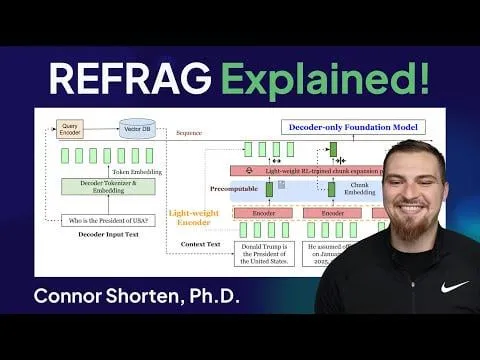
REFRAG: Meta’s Breakthrough in LLM Inference Optimization : Meta Superintelligence Labs’ REFRAG framework, by cleverly integrating context vectors with LLM decoding, accelerates TTFT (Time-to-First-Token) by 31x, TTIT (Time-to-Iterative-Token) by 3x, boosts overall LLM throughput by 7x, and can handle longer input contexts. This could trigger a second wave of vector database popularity, bringing significant improvements to LLM inference efficiency. (Source: Reddit r/deeplearning)
Impact of DDR6 Memory on Local LLM Performance : The Reddit community discussed the potential impact of increased DDR6 memory bandwidth on local LLM performance. The prevailing view is that DDR6, combined with intelligent quantization and small model optimization, is expected to enable consumers to run large models at acceptable speeds within the next 5 years, reducing reliance on expensive workstation GPUs. This will significantly boost local AI development, especially in CPU+GPU hybrid inference scenarios. (Source: Reddit r/LocalLLaMA)
AInstein: Evaluating the Feasibility of AI-Generated Research Methods : A HuggingFace Daily Paper introduced the AInstein framework, designed to test whether LLMs can generate effective solutions to AI research problems without domain-specific fine-tuning or external assistance. Evaluation results show that LLMs can rediscover viable solutions and occasionally propose innovative methods, but their problem-solving ability remains unstable and sensitive to the framework, revealing both the potential and limitations of LLMs as autonomous scientific problem solvers. (Source: HuggingFace Daily Papers)
WebDetective: Deep Search Evaluation for RAG Systems and Web Agents : A HuggingFace Daily Paper proposed the WebDetective benchmark to evaluate the performance of RAG systems and web agents in unprompted multi-hop deep search tasks. Through a controlled Wikipedia sandbox and a decomposed evaluation framework, the benchmark reveals systematic weaknesses in existing models regarding search sufficiency, knowledge utilization, and refusal behavior, providing a diagnostic tool for developing truly autonomous reasoning systems. (Source: HuggingFace Daily Papers)
💼 Business
MiniMax Faces Hollywood Copyright Lawsuit : Chinese AI company MiniMax is being jointly sued by three Hollywood giants (Disney, Universal Pictures, Warner Bros.) for copyright infringement over its image and video generation service “Haikou AI”. The lawsuit alleges that MiniMax systematically copied copyrighted characters to train its AI and generated unauthorized videos for profit. This case could become a landmark in AI copyright law, posing a significant challenge to MiniMax’s funding and IPO plans. (Source: 36氪)
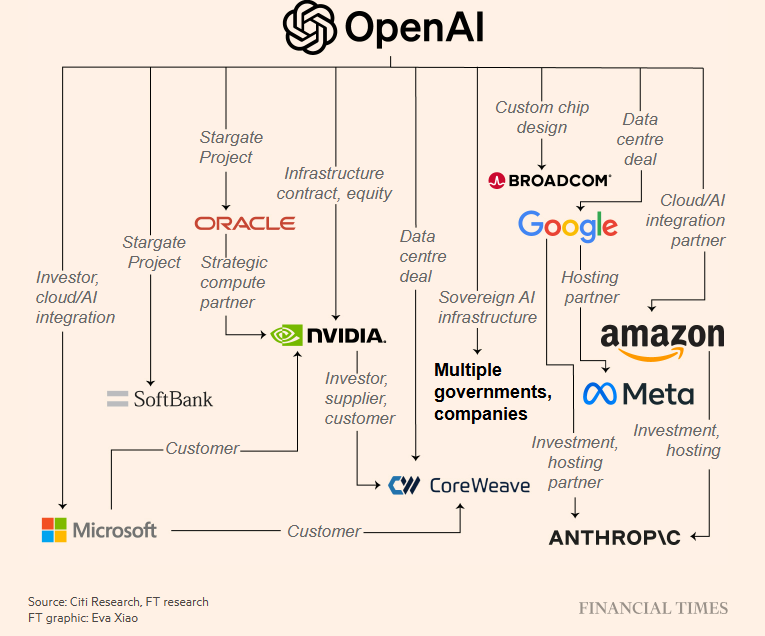
AI Infrastructure Investment Overheating and Bubble Concerns : Prominent media outlet The Information questioned Oracle’s profitability from leasing Nvidia chips to clients like OpenAI, pointing out that its gross margins are significantly lower than its overall average. OpenAI has signed trillion-dollar computing power contracts and entered into massive investment/cooperation agreements with Nvidia and AMD, raising market concerns about overheating AI infrastructure investment and a potential repeat of the “dot-com bubble.” (Source: 36氪, steph_palazzolo, Reddit r/ArtificialInteligence)
Radical Ventures Closes $650 Million Early-Stage AI Fund : Radical Ventures successfully raised $650 million for its early-stage AI fund. This capital will be used to invest in AI startups, demonstrating the capital market’s continued enthusiasm for AI innovation and early-stage projects, injecting new vitality into the AI ecosystem, and potentially accelerating the commercialization of emerging AI technologies. (Source: aidangomez)
🌟 Community
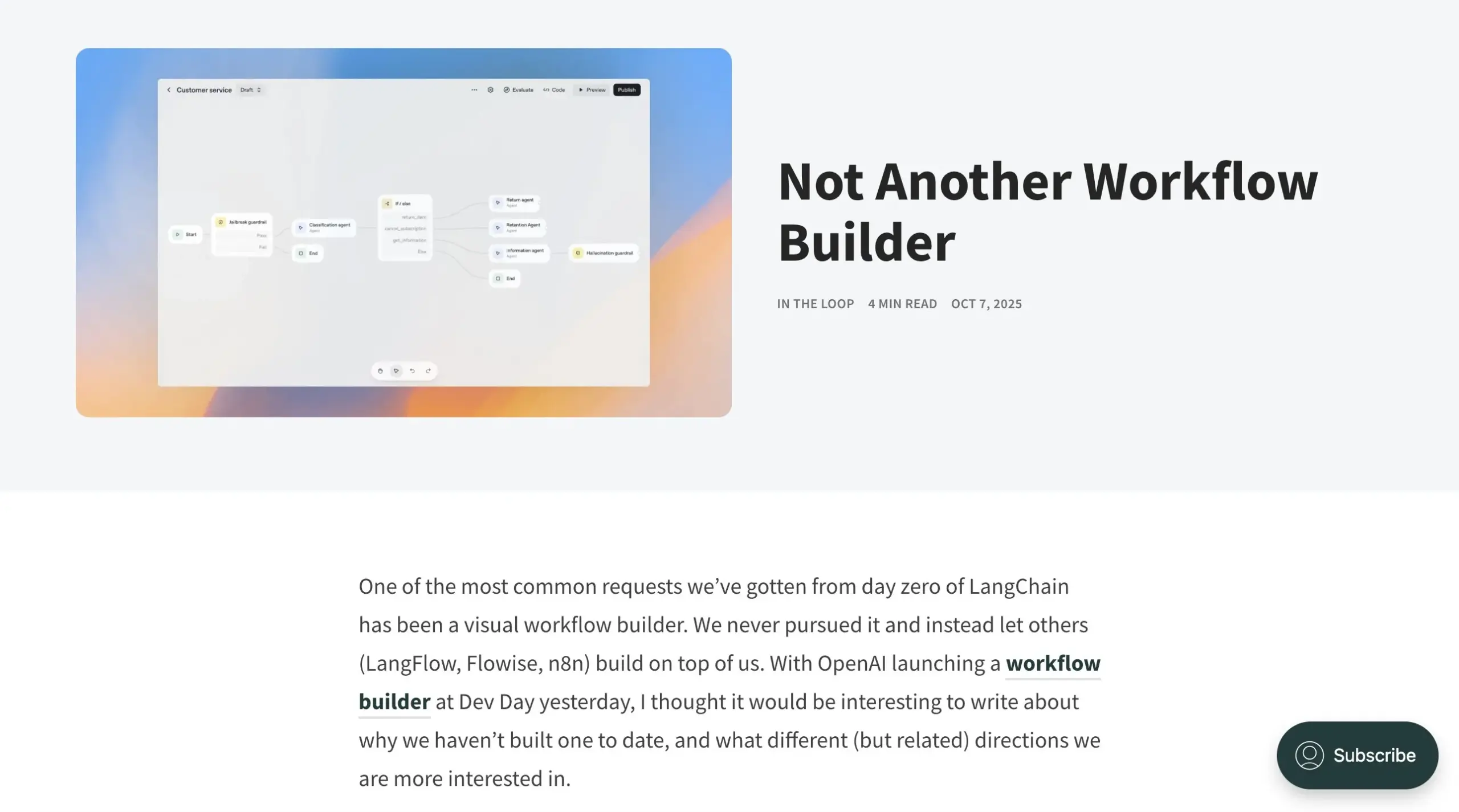
Utility and Controversy of AI Agent Development Tools : The community is hotly debating the utility of visual workflow building tools like OpenAI Agent Builder. Harrison Chase, founder of LangChain, believes these tools are not simple enough for average users and difficult to scale for complex use cases. Many developers consider them essentially low-code tools, not no-code, with risks of vendor lock-in and functional limitations, making them more suitable for rapid prototyping than production environments. (Source: hwchase17, hwchase17, hwchase17, ReamBraden, HamelHusain, dotey)
AI’s Impact on the Job Market and Societal Concerns : Senator Bernie Sanders’ report warns that AI and automation could displace 100 million jobs in the US within the next decade, particularly in sectors like fast food, accounting, trucking, nursing, and education. The community widely fears that AI will lead to mass unemployment and questions whether governments are aware of the loss of employment taxes and VAT, and whether AI can create enough new jobs to compensate. (Source: Reddit r/artificial, Reddit r/ArtificialInteligence, zacharynado)

AI-Generated Content and Copyright, Ethical Debates : Robin Williams’ daughter, Zelda Williams, publicly called for an end to the dissemination of AI-generated videos of her father, describing them as “disgusting, over-processed sausage” and disrespectful to the deceased’s legacy. This incident has sparked widespread discussion on copyright, ethics, and deepfake risks associated with AI-generated content, especially when involving public figures and deceased relatives. (Source: Reddit r/artificial, Reddit r/artificial)

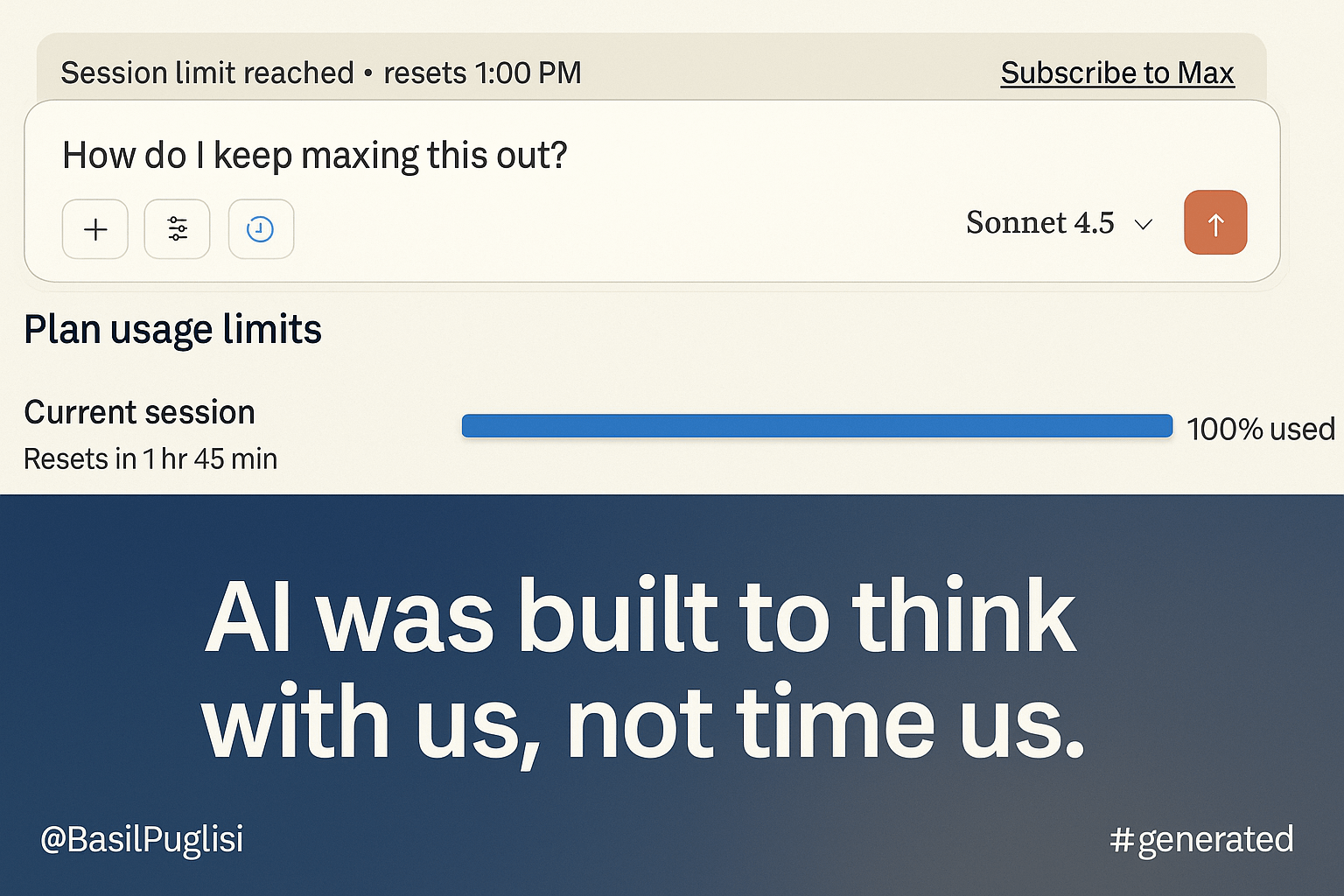
ClaudeAI’s New Quota Policy Sparks User Dissatisfaction : ClaudeAI’s Max subscribers expressed strong dissatisfaction with its new quota policy, which drastically cut usage limits to 20% of the original, severely impacting normal workflows. Users questioned whether this move was for “reliability” or “intelligence limitation” and believe that its financial strategy and neglect of the consumer market could lead to a competitive disadvantage. (Source: Reddit r/ClaudeAI, Reddit r/ClaudeAI, Reddit r/ClaudeAI)
Discussion on Whether AI Agents Can Complete a ‘Full Day’s Work’ : The community discussed whether AI agents can complete a full day’s work without human intervention. The general consensus is that while AI agents excel at specific tasks, they still require human supervision and intervention to complete complex or large-scale tasks. However, they can significantly boost human productivity, freeing engineers from repetitive work to focus on high-level design and architecture. (Source: Reddit r/LocalLLaMA)
Evolution of Software Development in the AI Era: ‘Vibe Engineering’ : Simon Willison introduced the concept of “Vibe Engineering,” aiming to distinguish casual “Vibe Coding” from experienced engineers responsibly using LLMs to enhance efficiency. He emphasized that AI tools amplify the value of good software engineering practices, such as automated testing, upfront planning, comprehensive documentation, and code reviews. He also predicted that future architectures will shift towards microservices, with human focus moving to requirements definition and test acceptance. (Source: dotey, swyx, jeremyphoward)
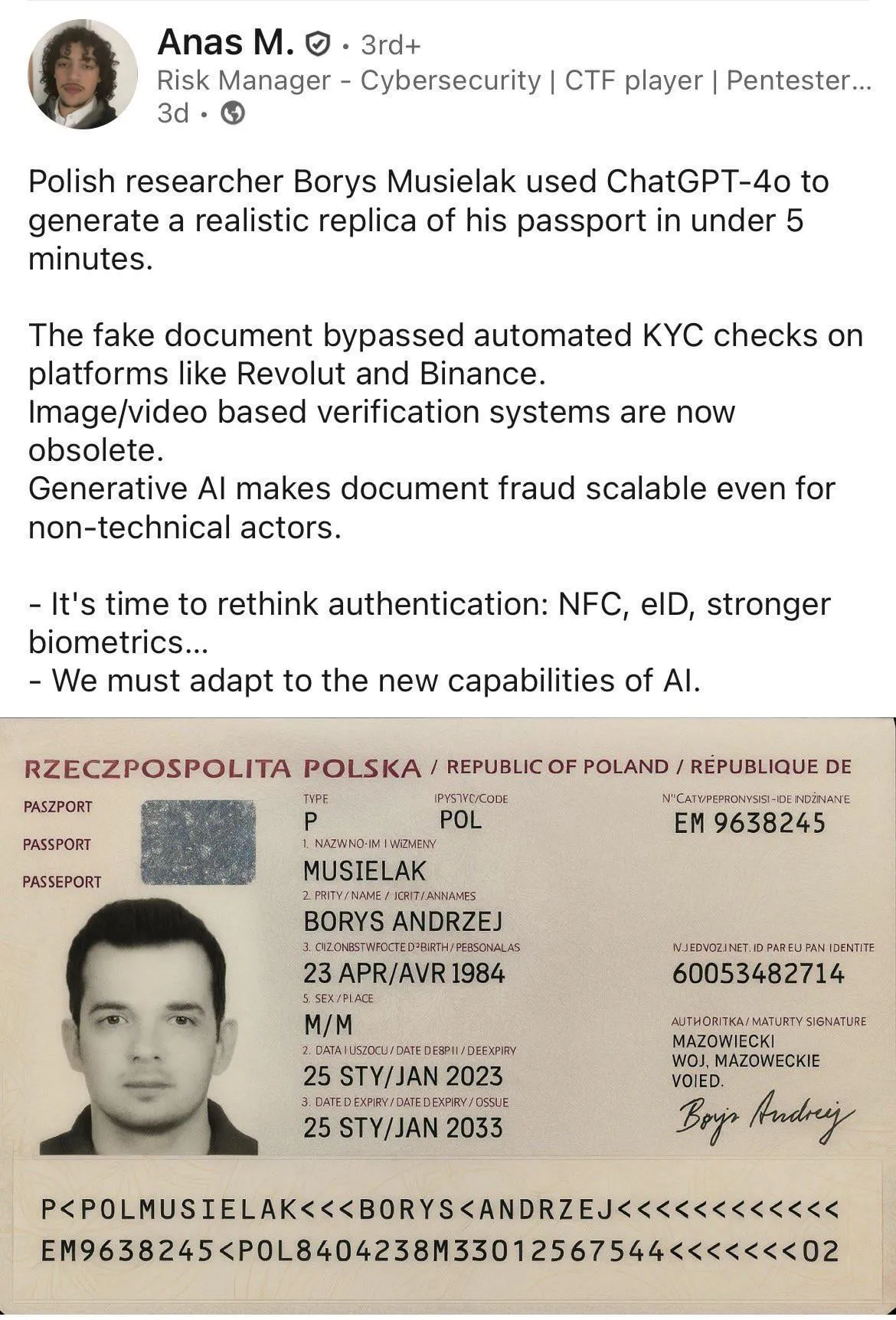
AI-Generated Misinformation and Scam Risks : The community discussed AI’s application in scams, such as using AI to generate fake documents. Some argue that this is not a problem unique to AI, as tools like Photoshop have long been able to achieve similar effects; the key lies in the recipient’s ability to identify forged images and the completeness of KYC systems. Meanwhile, there are also cases where AI was used in live streams to trick users into providing phone numbers and verification codes. (Source: Reddit r/ChatGPT, dotey)
Leaked Meta AI Chatbot Policy Raises Child Safety Concerns : Leaked internal Meta documents revealed that its AI chatbots were allegedly allowed to engage in inappropriate conversations with minors, raising serious concerns about safety safeguards and accountability for AI in child-facing scenarios. The community calls for standardized external red-teaming for high-risk AI products and questions whether children should interact with AI, to ensure the responsible development of AI technology. (Source: Reddit r/ArtificialInteligence)
💡 Other
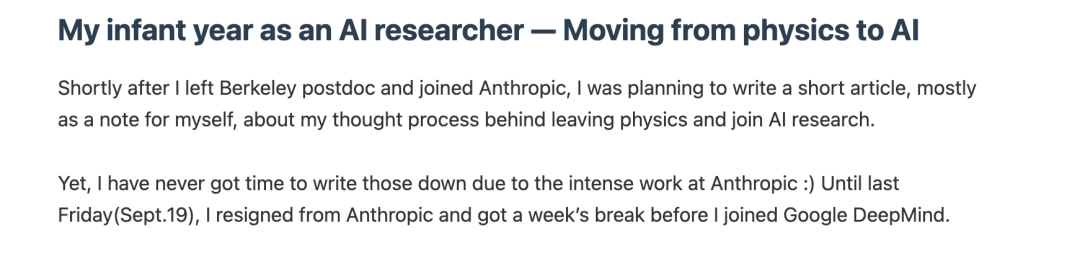
Tsinghua Physics Alumnus Yao Shunyu Joins Google DeepMind : Yao Shunyu, a top award winner from Tsinghua University’s Physics Department, has left Anthropic to join Google DeepMind. He transitioned from theoretical physics to AI primarily because the AI field offers more opportunities for young people, and its experimental-driven nature allows for faster resolution of disagreements. At Anthropic, he contributed to the improvements of Claude 3.7 to 4.5 but chose to leave due to disagreements with some of Anthropic’s strategies and values. (Source: 36氪)
Neuralink Achieves Mind-Controlled Robotic Arm : Nick Wray, implanted with a Neuralink brain-computer interface, successfully controlled a robotic arm with his thoughts, completing daily tasks such as putting on a hat, heating chicken nuggets, and opening a refrigerator, and setting new records for moving cylinders and flipping pegs. This breakthrough demonstrates the immense potential of BCI in assisting individuals with disabilities, promising to significantly improve quality of life and marking a significant advancement in human-computer interface technology. (Source: dotey)
Shaping Product Delight in the AI Era : Lenny interviewed Nasin Shenal, former Product Director at Google and Spotify, who emphasized that true product “delight” lies in simultaneously meeting users’ functional and emotional needs, rather than superficial special effects. By eliminating friction (e.g., Uber refunds), anticipating needs (e.g., Revolut eSIM cards), and exceeding expectations (e.g., Edge browser coupons), user loyalty and product growth can be effectively enhanced, offering new directions for product design. (Source: dotey)