



🔥 Focus
OpenAI Legal Battle Escalates: Altman Releases 2017 Call Notes to Counter Musk: In response to Elon Musk’s recent allegations against OpenAI, Sam Altman has published internal call notes from 2017 and excerpts from Greg Brockman’s diary. The documents reveal that Musk pushed heavily for OpenAI to transition to a for-profit structure and attempted to gain absolute control, contrasting sharply with his current claim of “defending the non-profit mission.” Community reaction is polarized: some view Musk as trying to “claim the fruits of others’ labor,” while others are weary of the political donations and internal power struggles among early core members. This marks the evolution of the competition between top global AI labs into a public legal and PR war. (Source: Reddit, Plinz)

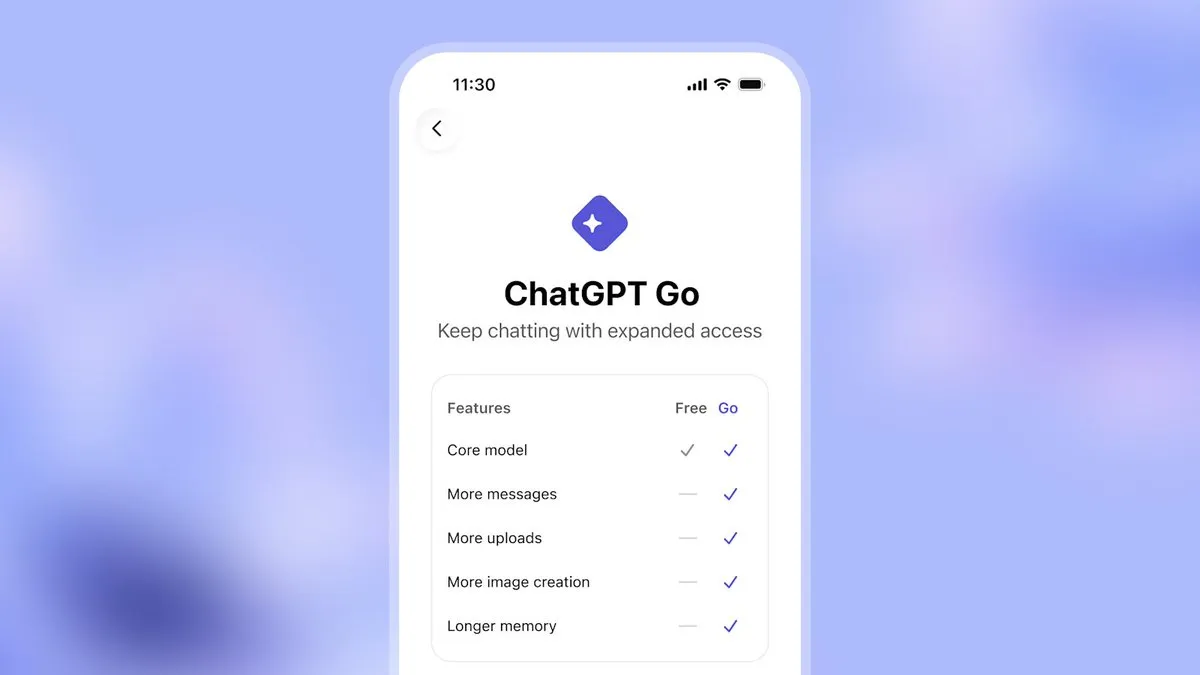
Business Model Turning Point: ChatGPT Officially Tests Ads and Launches Low-Cost “Go” Plan: OpenAI announced global testing of an ad-supported model alongside the launch of “ChatGPT Go,” an $8/month subscription. The plan offers 10x more message limits than the free version, file uploads, and image generation, but excludes Thinking models and includes ads. Altman described ads as a “last resort” to balance high inference costs. The move sparked strong community backlash, with some users threatening to switch to Perplexity or Claude, arguing that ads compromise the neutrality of AI responses. This signals the AI industry’s shift from “burning cash for users” to “refined monetization.” (Source: Reddit, op7418)
DeepSeek Releases Engram Architecture: Decoupling LLM Storage and Inference: The DeepSeek team published a paper introducing the Engram architecture, providing models with “native storage units” via scalable lookup tables. This technology allows models to directly retrieve static knowledge (facts, patterns) with O(1) complexity, rather than recomputing through expensive Transformer layers. By separating “memory” from “inference,” Engram significantly frees up GPU resources to focus on global logical reasoning. This is seen as a major breakthrough for long-context processing bottlenecks and model efficiency, potentially making RAG technology obsolete in certain scenarios. (Source: Reddit, DeepSeek)
“Vibe Coding” Sweeps the Developer Community: With the explosion of tools like Claude Code and Replit Agent, developers can now generate complex applications simply by describing their intent—a mode defined as “Vibe Coding.” Replit founder Amasad demonstrated a user developing a full financial simulator in 19 minutes for less than $4. While senior developers worry about code bloat and readability, the community generally believes this raises the “level cap” of software engineering, allowing developers to move from tedious syntax to high-dimensional system architecture and product design. (Source: amasad, nptacek)

🎯 Trends
Anthropic Launches Claude Cowork Feature: Now available to Pro subscribers, this feature allows the AI to directly manipulate computer folders for document summarization, spreadsheet creation, and report writing. User feedback indicates it excels at local file directory management, though it still faces failure rates with complex external actions like Google Docs operations or social media posting. This marks Claude’s transition from a conversational assistant to an automated office Agent. (Source: op7418, dotey)
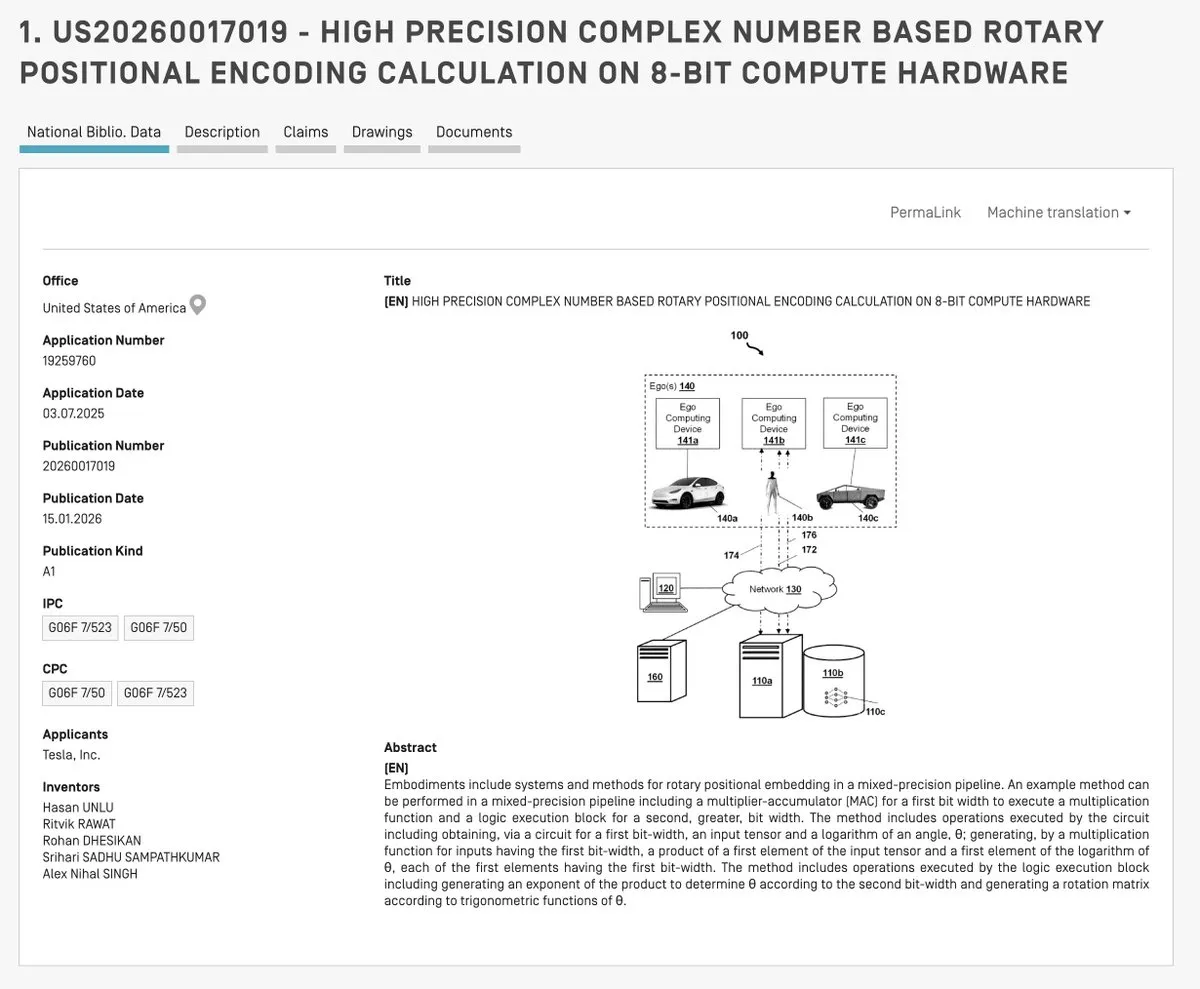
Tesla Files “Mixed-Precision Bridge” Patent to Optimize AI Chips: A new Tesla patent reveals a mathematical “cheat code” that allows low-power 8-bit chips to run AI models with 32-bit precision. Through Mixed-Precision Bridge technology, Optimus robots and FSD can maintain high-precision computation without increasing power consumption. This breakthrough addresses the “object permanence” issue in autonomous driving, allowing AI to accurately locate objects even when visually obstructed. (Source: ziran_pu)
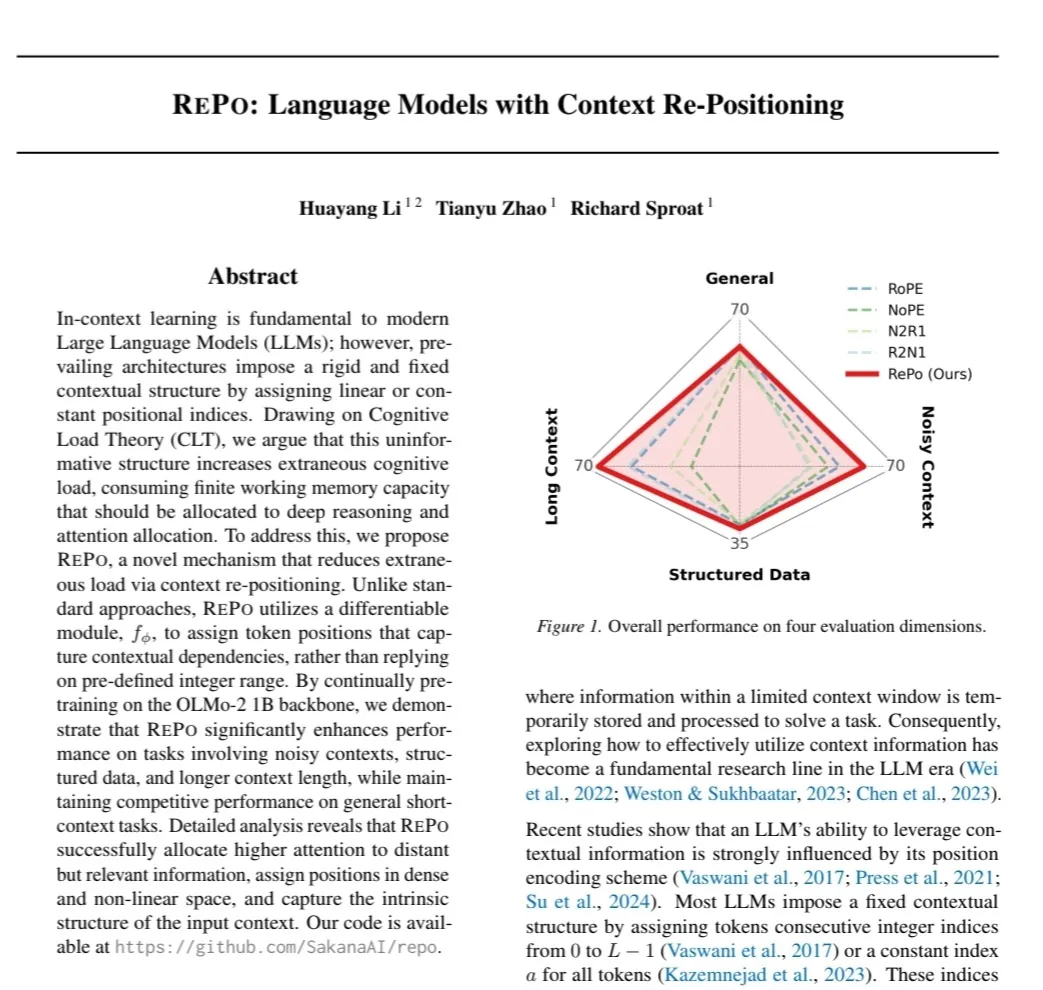
Sakana AI Introduces RePo Mechanism to Optimize Long-Context Attention: Sakana AI Labs proposed the Context Repositioning (RePo) mechanism, breaking the rigid sequential processing of information. RePo learns the true correlations between information based on content structure, reducing attention waste when processing noisy long inputs while maintaining strong short-text performance. This provides a new path for improving LLM reasoning quality in ultra-long context environments. (Source: TheTuringPost)
YOLO26 Series Released: A New Benchmark for Edge Computing: Ultralytics released the YOLO26 family, featuring 30 models for object detection, segmentation, and keypoint detection. All models have fewer than 50M parameters and can run smoothly even on CPUs. This means edge devices—from smart ovens to low-power security cameras—can now possess efficient real-time visual perception. (Source: mervenoyann)
Performance Test: GPT 5.2 vs. Claude Opus 4.5 “Coding Duel”: Community developers tested both models on the same bug. Results showed GPT 5.2 failed to resolve the issue after 24 minutes of complex debugging, while Opus 4.5 completed it in just 4 minutes. Although GPT 5.2 is considered stronger in reasoning breadth, Claude maintains a high reputation for precision in specific code logic. (Source: entirelyuseles)
🧰 Tools
Paper2Any: One-Click Editable Scientific Charts and PPTs: This open-source project converts research PDFs, screenshots, or text into editable model architecture diagrams, technical roadmaps, and presentations. It addresses the pain point of drawing for researchers, supports PPTX and SVG formats, and integrates MinerU layout analysis to ensure aesthetic and easily modifiable results. (Source: GitHub)

Dexter: An Autonomous Agent for Deep Financial Research: Designed specifically for financial research, this autonomous Agent breaks down complex financial inquiries into multi-step research plans. It accesses real-time market data, automatically retrieves income statements and balance sheets, and uses a self-reflection mechanism to verify calculations until a detailed analysis report is provided. The experience is similar to a financial version of Claude Code. (Source: GitHub)
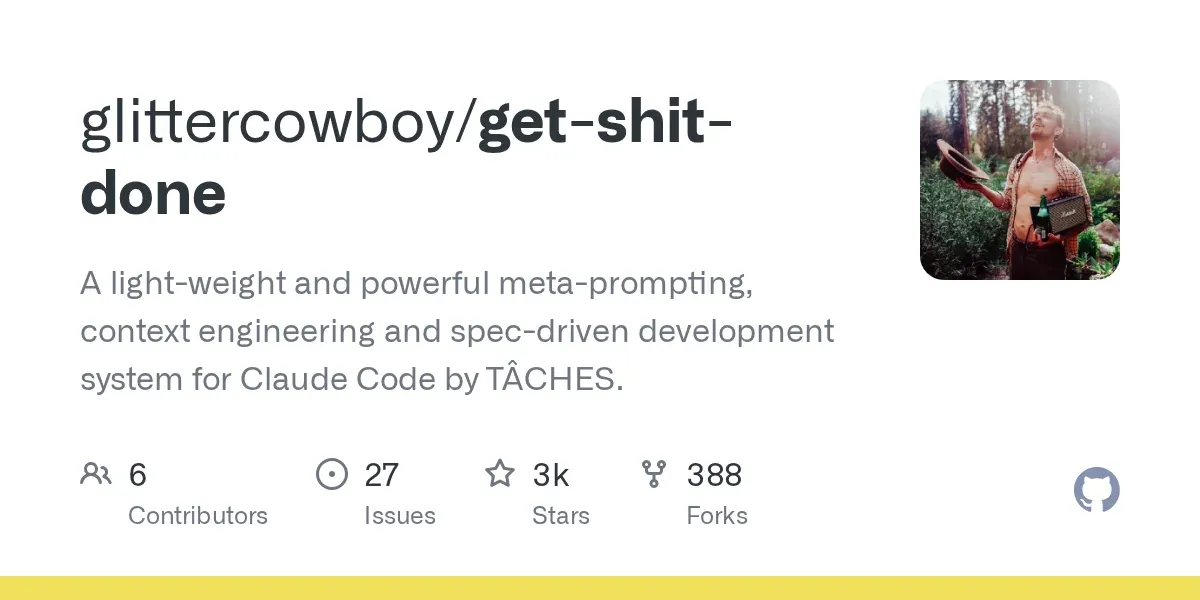
Get Shit Done (GSD) Upgrades to Multi-Agent Collaboration Framework: The open-source project GSD released a major update supporting the parallel generation of specialized Agents. It introduces a “Plan-Verify-Modify” loop to ensure logic is correct before code generation. The new version also adds the /gsd:verify-work auto-debug command, achieving high execution success rates over long task cycles through isolation between main and sub-contexts. (Source: Reddit)
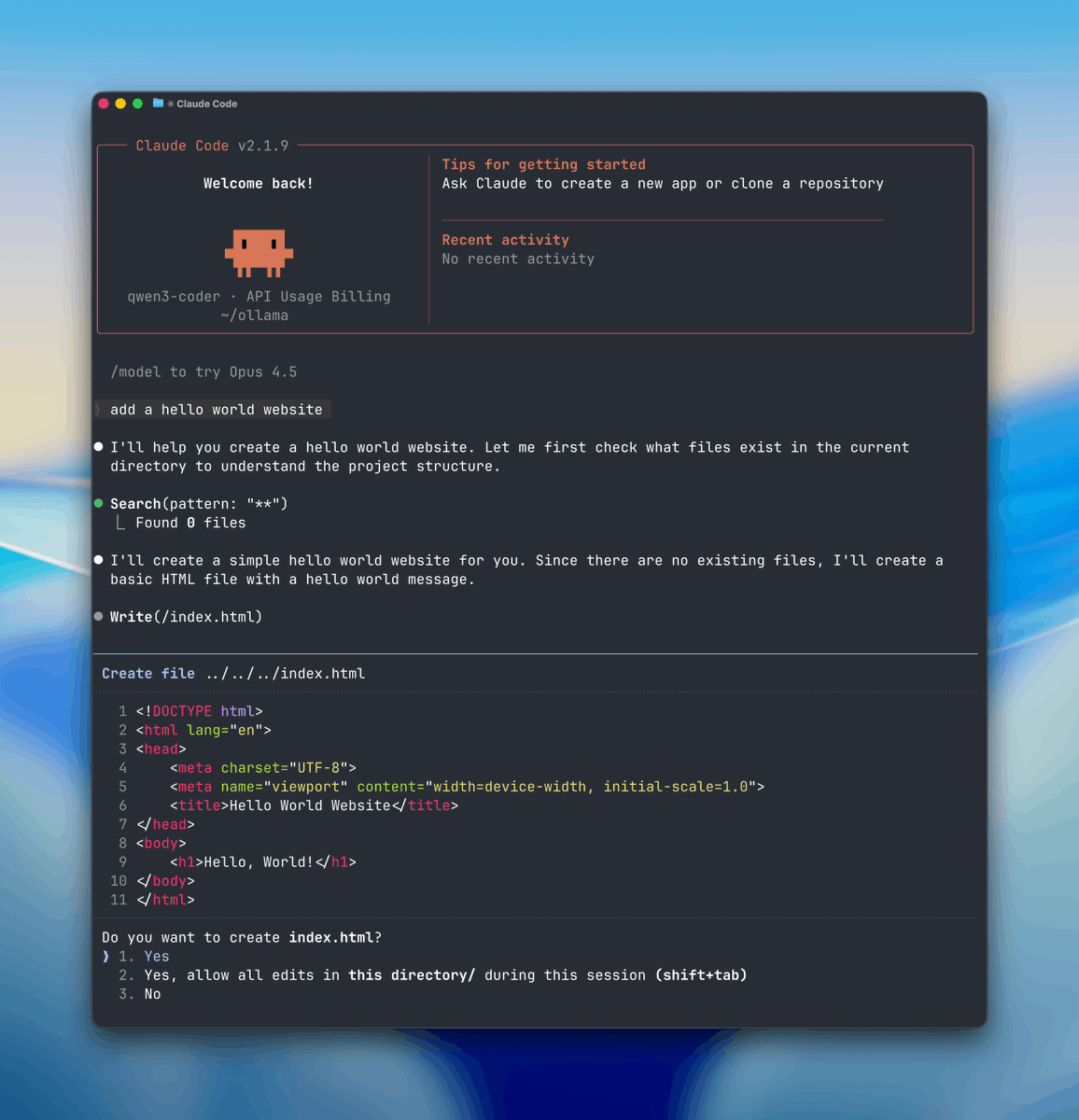
Ollama Implements Anthropic API Compatibility: Ollama now natively supports the Anthropic API format, meaning developers can use advanced tools like Claude Code to call locally deployed open-source models (e.g., Llama 3 or DeepSeek). This update significantly broadens the scope of local AI toolchains and reduces developer reliance on cloud APIs. (Source: algo_diver)
Awesome Claude Skills Repository: A curated list of various Claude Skills covering document processing, coding, data analysis, and more. These preset skills allow users to quickly expand Claude’s capabilities, such as auto-generating changelogs, operating iOS simulators, or performing PostgreSQL database queries. (Source: GitHub)

📚 Learning
Practical Guide to Implementing a GPT-style Model from Scratch: Based on Sebastian Raschka’s book, a developer fully implemented a 124M parameter GPT-2 architecture in PyTorch. The project covers the entire lifecycle from regex tokenizers and causal masked attention to instruction fine-tuning, providing detailed annotations for tensor shape transformations—an excellent reference for understanding Transformer logic. (Source: Reddit)
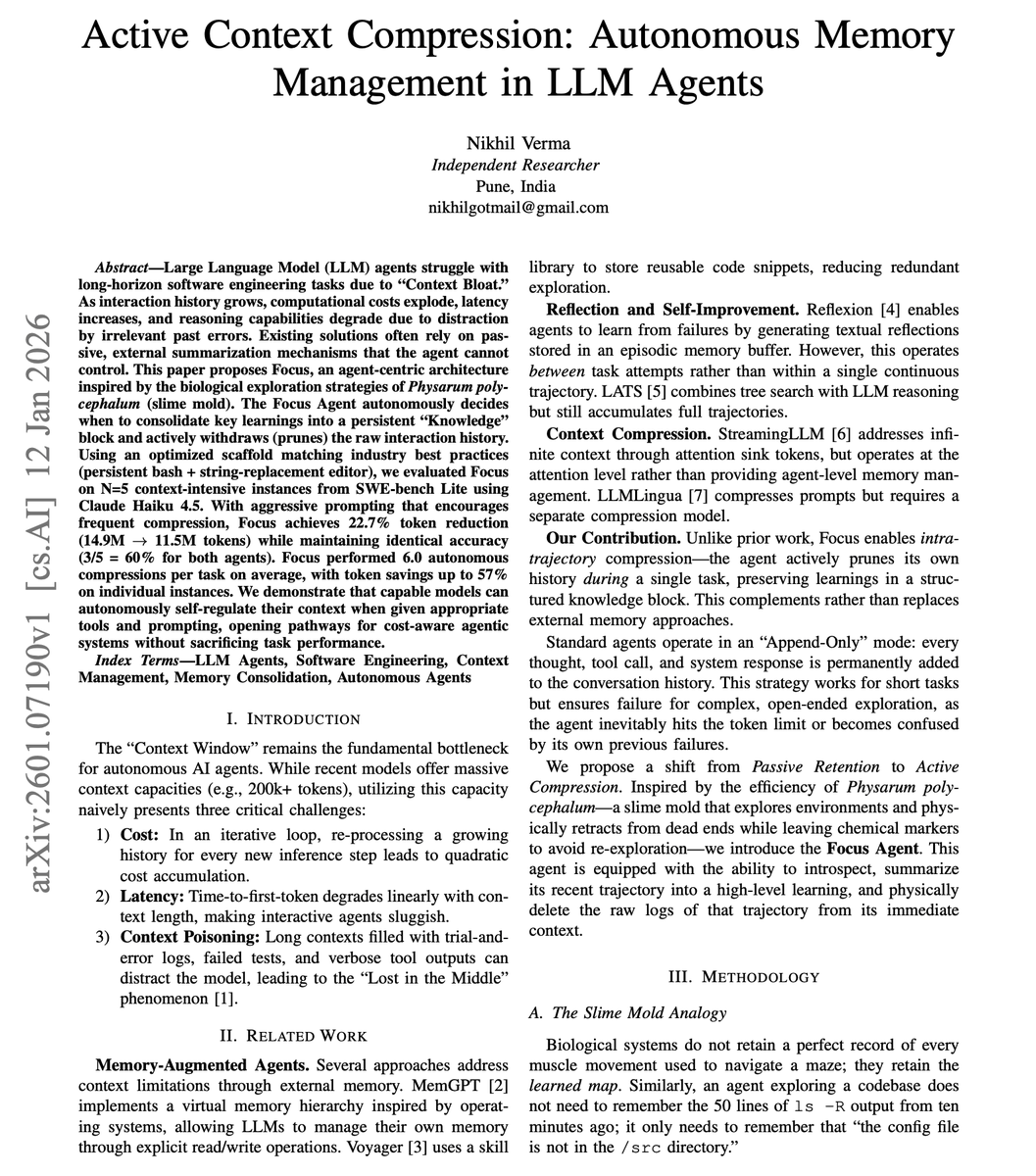
Focus: A Slime Mold-Inspired Agent Memory Management Architecture: Researchers proposed Focus, an architecture mimicking slime molds that retain maps rather than movement records. Focus instructs Agents to actively prune raw history and consolidate knowledge chunks. Experiments show Focus can reduce token consumption by 22.7% without losing accuracy, effectively solving context bloat in long-range tasks. (Source: dair_ai)
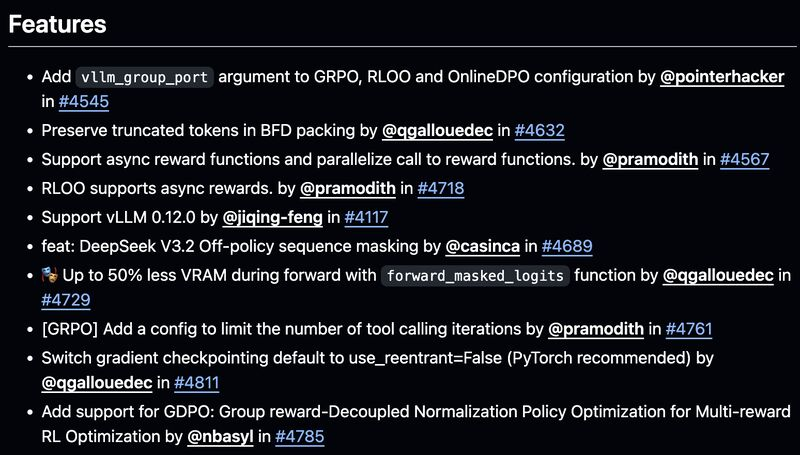
GDPO: Multi-Reward Reinforcement Learning Optimization Algorithm: For RLVR (Multi-Reward Reinforcement Learning) tasks, researchers introduced the GDPO algorithm. Compared to traditional GRPO, GDPO significantly improves convergence speed in multi-reward environments through decoupled normalized policy optimization. The algorithm is integrated into Hugging Face’s TRL library, providing a more stable training solution for complex alignment tasks. (Source: _lewtun)
💼 Business
Yunpeng Technology Releases AI+Health Products: In Hangzhou, Yunpeng Technology unveiled smart kitchen appliances developed with Sacon and Skyworth. The highlight is a smart refrigerator equipped with an AI Health Large Model. The model provides personalized health management via “Health Assistant Xiaoyun,” signaling AI’s deep integration into daily home health scenarios. (Source: 36Kr)
Sakana AI Continues to Attract Top Kaggle Talent: Social media observations show several top Kagglers recently announced joining Sakana AI as Applied Research Engineers. With its unique approach to model evolution algorithms, Sakana AI is becoming a premier destination for AI talent in Japan and globally. (Source: hardmaru)
Anthropic Forms Education Team Focused on Global Equity: Anthropic is hiring an Education Program Manager to leverage AI for improving education in the world’s poorest regions and US K-12 schools. The team’s KPI is set to “reaching underserved communities,” reflecting the company’s social responsibility orientation beyond commercial competition. (Source: RichardMCNgo)
🌟 Community
Discussion on AI Labs’ “No Scandal” Culture: The community is buzzing about Anthropic’s unique advantage over OpenAI: no exodus of founders, no high-profile lawsuits, and no secret romance scandals. Users believe Dario has established a “geek culture” focused on coding, and this stability is becoming a key intangible asset for attracting enterprise clients. (Source: Yuchenj_UW)
Local LLM Users’ Concerns Over ChatGPT Privacy Leaks: Reddit users warned that ChatGPT might log every character typed into the chat box, even if deleted before sending. This has sparked widespread discussion regarding API keys and sensitive information leaks, further driving users toward local models (like Llama or DeepSeek) for absolute privacy. (Source: Reddit)
Vibe Coding Keyboards and Hardware DIY Craze: Developers have begun designing custom hardware for “Vibe Coding,” such as dedicated keyboards with voice input, LED status lights, and physical “Approve/Reject” buttons. This attempt to materialize AI software workflows into physical interactions reflects the community’s enthusiastic exploration of AI-native development. (Source: op7418)
💡 Others
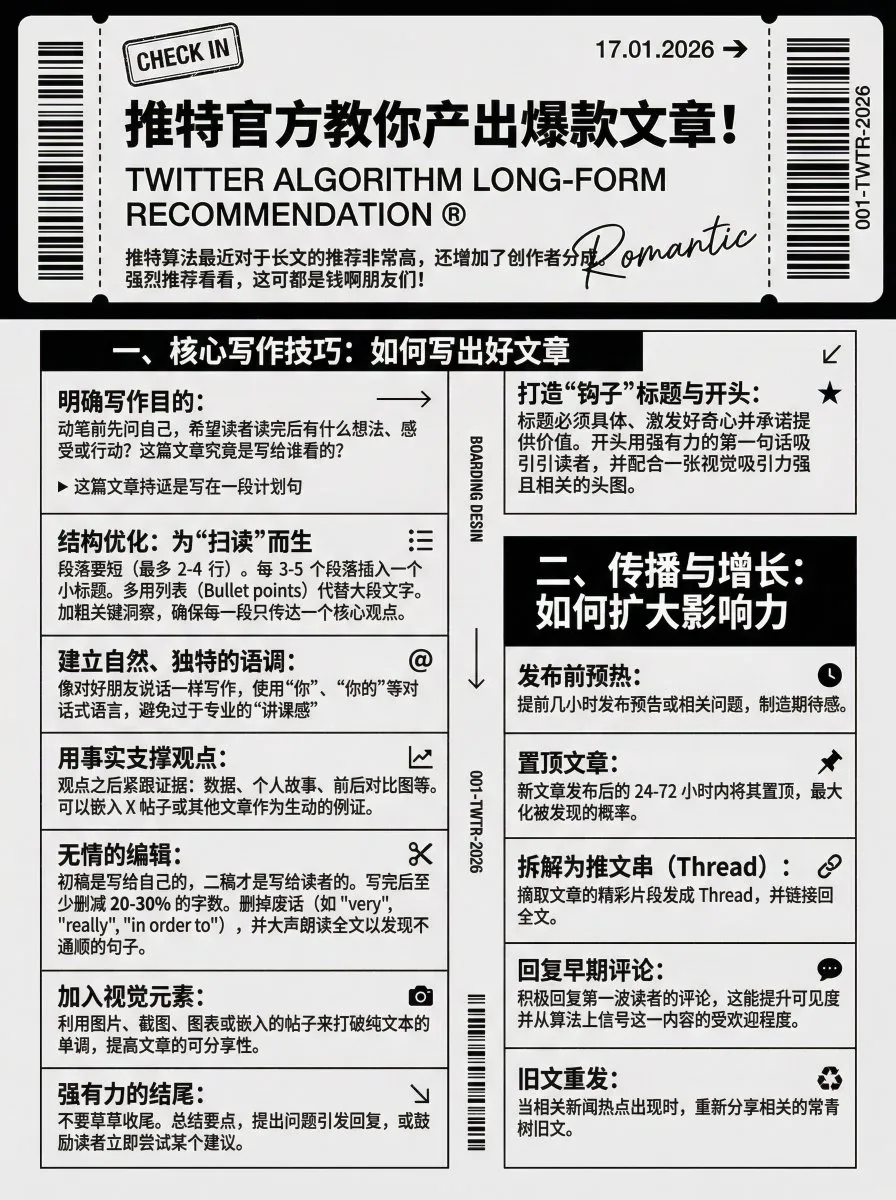
Official Twitter Guide for Viral Article Writing: Twitter recently adjusted its algorithm to favor long-form content. Official tips include: using specific “hook” headlines, keeping paragraphs to 2-4 lines, and using lists and bold text for key insights. Additionally, actively replying to early comments and breaking long posts into Threads has been proven to significantly boost exposure. (Source: op7418)
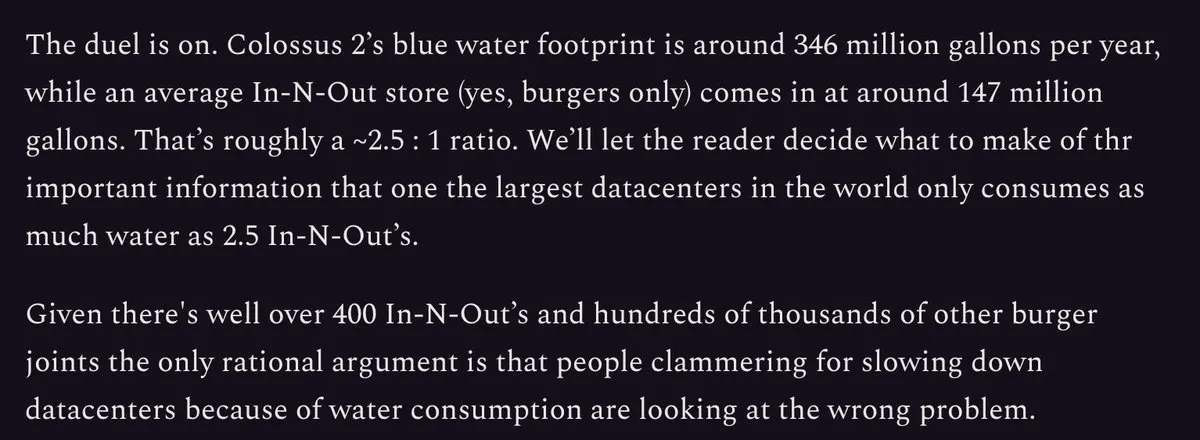
Narrative Counter-Attack on AI Data Center Water Usage: In response to the view that “AI is extremely water-intensive,” counter-arguments have emerged in the community. Data shows that the world’s largest AI data centers consume water equivalent to only two fast-food restaurants. Critics argue that portraying AI as an environmental killer is a form of “techno-Luddism,” ignoring AI’s potential contributions to energy efficiency. (Source: timsoret)
Shenzhen Smart City Hardware: Smart Stone Benches with Screens: Smart stone benches integrated with built-in screens and charging ports have appeared on the streets of Shenzhen. This micro-innovation at the hardware level demonstrates the implementation of smart city concepts, as AI and IoT technologies subtly change urban living experiences through infrastructure. (Source: Ronald_vanLoon)