Kata Kunci:DeepSeek, Kompetisi AI, Model Besar, Modul Engram, Arsitektur mHC, Kode Claude
🔥 Focus
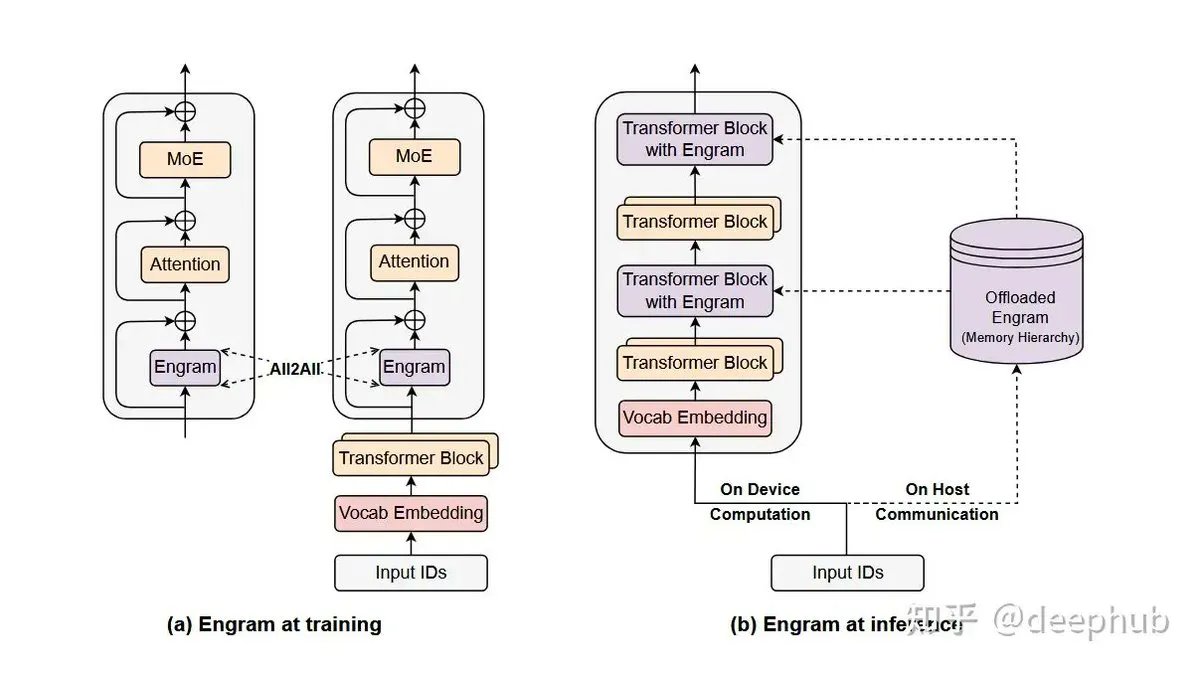
DeepSeek Releases Engram and mHC Architectures: Reconstructing LLM Memory and Stability : DeepSeek recently released two hardcore research papers. The Engram module, through a “conditional memory” mechanism, allows models to retrieve knowledge with O(1) complexity, similar to looking up a dictionary, solving the pain point of Transformer’s lack of native memory and reliance on computational simulation for retrieval. Experiments show that allocating 20%-25% of resources to Engram significantly improves reasoning and mathematical capabilities. Meanwhile, mHC (Manifold-constrained Hyper-connection) addresses the instability issues in training ultra-large-scale models. These two technologies suggest that DeepSeek V4 will be a “sophisticated beast” integrating extreme computational efficiency, massive low-cost memory, and high stability, once again demonstrating its leadership in architectural innovation. (Source: ZhihuFrontier)
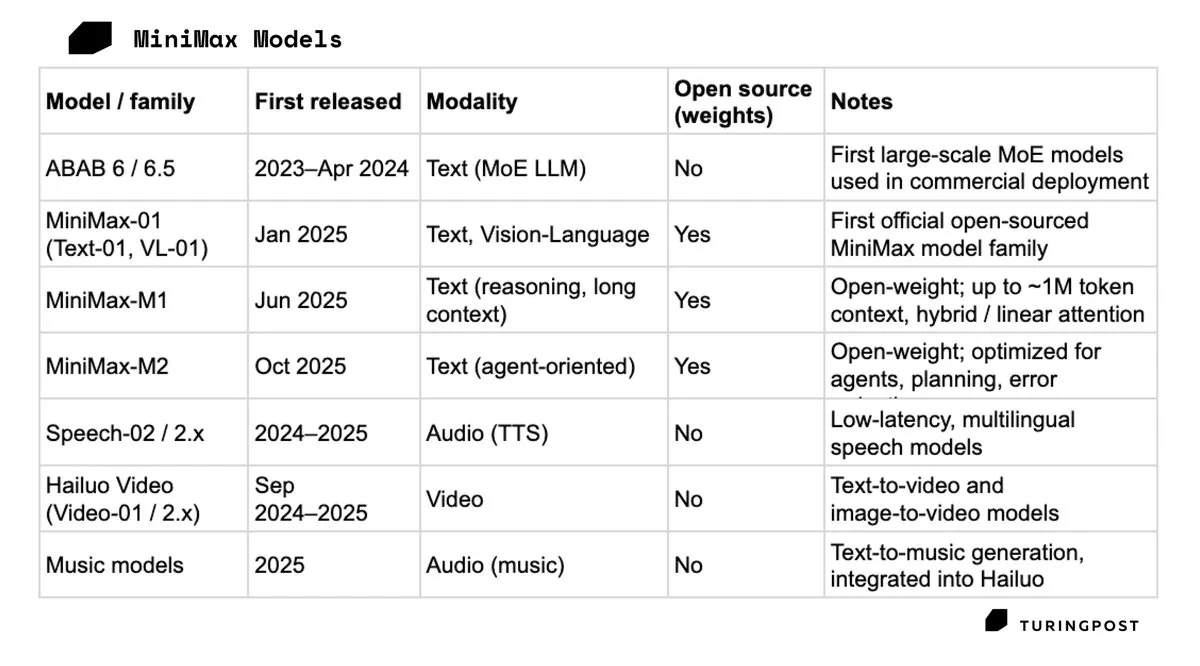
MiniMax Lists on HKEX: The Consumer-Side Breakthrough of a Chinese AI “Tiger” : Founded only four years ago, MiniMax successfully listed in Hong Kong, with its stock price surging 109% on the first day, reflecting capital market confidence in Chinese LLMs. Unlike most domestic players focusing on the B-end, MiniMax firmly pursues a C-end strategy. Its AI emotional companionship app Talkie and video generation tool “Hailuo AI” have already generated over 100 million in revenue. Co-founder Yan Yeyi, a female executive born in the 90s, led multiple financing rounds and drove product commercialization. This IPO is seen as a key move for MiniMax to seek “oxygen” in the intense LLM war of attrition, validating the feasibility of driving frontier AI development through multimodal consumer products. (Source: TheTuringPost)
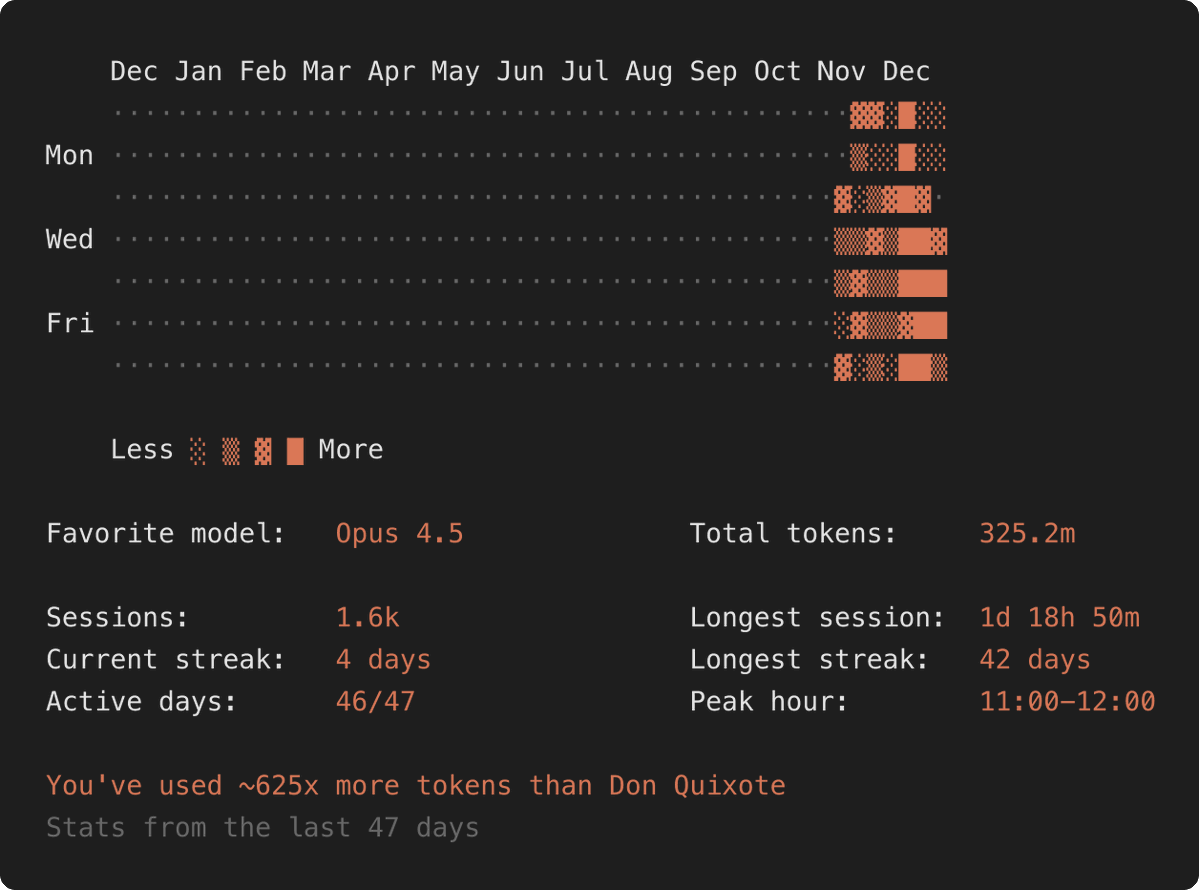
Anthropic Releases Claude Code and Cowork: AI Programmers Evolve from “Tools” to “Colleagues” : Anthropic’s Claude Code command-line tool and its derivative Cowork agent are fundamentally changing the software development process. Cowork can directly operate local file systems, handling backlogs and fixing bugs like a real junior engineer. Although Microsoft has been deep in the Copilot space for years, Anthropic built the more productivity-shattering Cowork in just 10 days. This “agentic” trend is causing industry tremors; some startups have begun replacing entire development teams with a single experienced engineer paired with Claude Code, greatly increasing the human efficiency ratio while signaling severe challenges for junior programmer roles. (Source: GavinSBaker)
The “Overt and Covert” US-China AI Race: Compute Gaps and Capital Shadow Wars : Domestic technical experts point out that the core of the US-China AI gap lies in a 10-100x difference in compute scale, allowing the US more resources for fault-tolerant exploration while China leans toward pragmatism. Meanwhile, foreign capital is achieving “De-Sinicization” of technology by acquiring domestic star teams like Manus at high prices and integrating them into US giant ecosystems. This “removal of core assets” is more threatening than simple technical blockades. The Ministry of Commerce’s assessment and investigation marks the state’s growing attention to the risk of AI core asset loss. Chinese AI needs to bridge the compute gap while holding the capital bottom line to avoid becoming a “technology nursery” for foreign capital. (Source: 36Kr)
🎯 Trends
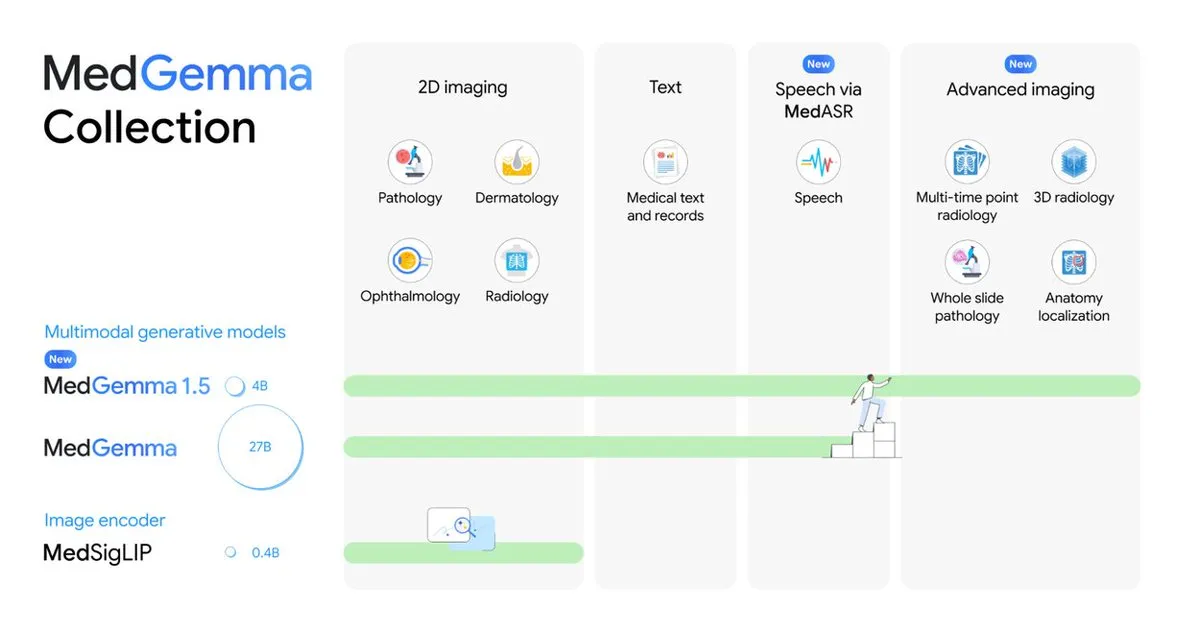
Google Releases MedGemma 1.5 and MedASR: Medical AI Moves Toward Multimodal Deep Understanding : Google DeepMind updated the MedGemma 1.5 model specifically for medical scenarios. Its 4B version can natively interpret full 3D scans (such as CT and MRI) and has achieved major breakthroughs in Electronic Health Record (EHR) analysis and anatomical localization. Coupled with the high-precision medical speech recognition model MedASR, Google is building a complete medical AI ecosystem aimed at improving clinical decision-making efficiency. These models are open to the community via Kaggle competitions, encouraging developers to build human-centric medical applications, marking the evolution of medical AI from simple text interaction to complex clinical multimodal analysis. (Source: JeffDean)
AI Video Generation Enters the Dual-Track Era of “Real-time” and “High-Precision” : The video generation field is seeing explosive updates. PixVerse R1 released the world’s first real-time video world model, supporting instant intervention and plot modification via prompts, blurring the boundary between video and games. Simultaneously, Google Veo 3.1 introduced multi-image referencing and 4K super-resolution technology, significantly enhancing character and object consistency, moving AI video from “experimental” to “industrial-grade usability.” This parallel development of real-time interaction and extreme image quality will create unprecedented space for live streaming, education, and interactive film. (Source: op7418)
Dell and Lenovo: Consumers Are Not Buying the AI PC Concept : At CES 2026, executives from Dell and Lenovo admitted that AI features have not yet become the core driver for average users to upgrade their devices. Dell decided to stop “AI-centric” marketing, believing that over-promotion might have a counterproductive effect. Currently, the advantages of AI PCs are mainly reflected in edge-side privacy and security, but faced with price premiums, most consumers prioritize traditional metrics like weight and battery life. This reflects that the AI ecosystem on the PC side is not yet mature, lacking “must-have” killer applications, and hardware manufacturers are shifting from blind following to pragmatic product strategies. (Source: 36Kr)

🧰 Tools
GLM-Image: Zhipu AI Releases Self-Developed Base Image Generation Model : Zhipu AI launched GLM-Image, the first open-source image model trained entirely on independent domestic compute (Huawei Ascend) to reach SOTA levels. The model adopts a hybrid architecture of a 9B autoregressive module and a 7B diffusion decoder, excelling in text rendering, complex logic processing, and semantic understanding. It supports high-quality text-to-image generation and possesses strong image editing and identity preservation capabilities. This breakthrough signifies that Chinese AI is breaking free from reliance on US chips, achieving full-link autonomy from training pipelines to model performance. (Source: bookwormengr)

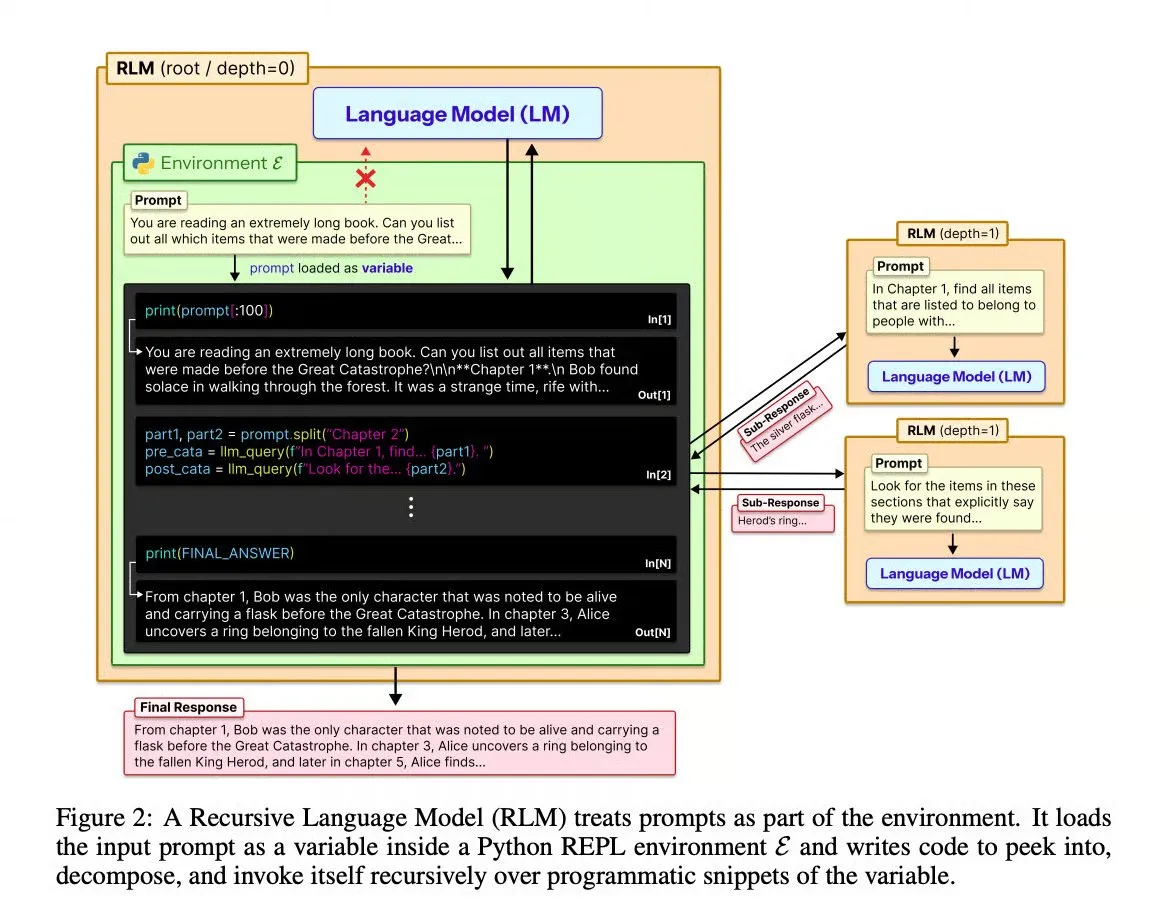
Recursive Language Models (RLMs): Breaking the 10 Million Token Context Barrier : A research team from MIT CSAIL proposed a new reasoning architecture, RLMs, enabling LLMs to handle infinitely long prompts. RLMs offload context to a Python REPL as variables, allowing the model to interact with long text symbolically through code. This method achieves 2x the accuracy of native models on long-text benchmarks like BrowseComp+ without retraining. RLMs fundamentally break the inherent context window limitations of Transformers, providing a new technical path for large-scale document analysis and complex reasoning. (Source: TheTuringPost)
Pocket TTS: A Voice Cloning Tool That Runs Smoothly on Laptop CPUs : Kyutai Labs introduced Pocket TTS, a lightweight text-to-speech model with only 100M parameters. The model supports high-quality voice cloning and requires no GPU, achieving efficient inference on standard laptop CPUs. Its open-source nature and extremely low compute threshold make personalized voice assistants and localized audio generation accessible. For developers seeking privacy and low-cost deployment, this is a highly competitive audio AI tool. (Source: Reddit r/artificial)
📚 Learning
Qdrant Launches Free Course on Production-Grade Vector Search : Qdrant released a 7-day practical course on production-grade RAG (Retrieval-Augmented Generation) on YouTube. Content covers HNSW indexing principles, hybrid search, vector quantization optimization, and multi-vector re-ranking, with the ultimate goal of helping engineers build scalable, production-ready document search engines. The course aims to break the monopoly of high-priced training programs and provide AI engineers with an advancement path from Demo to industrial-grade products. (Source: qdrant_engine)

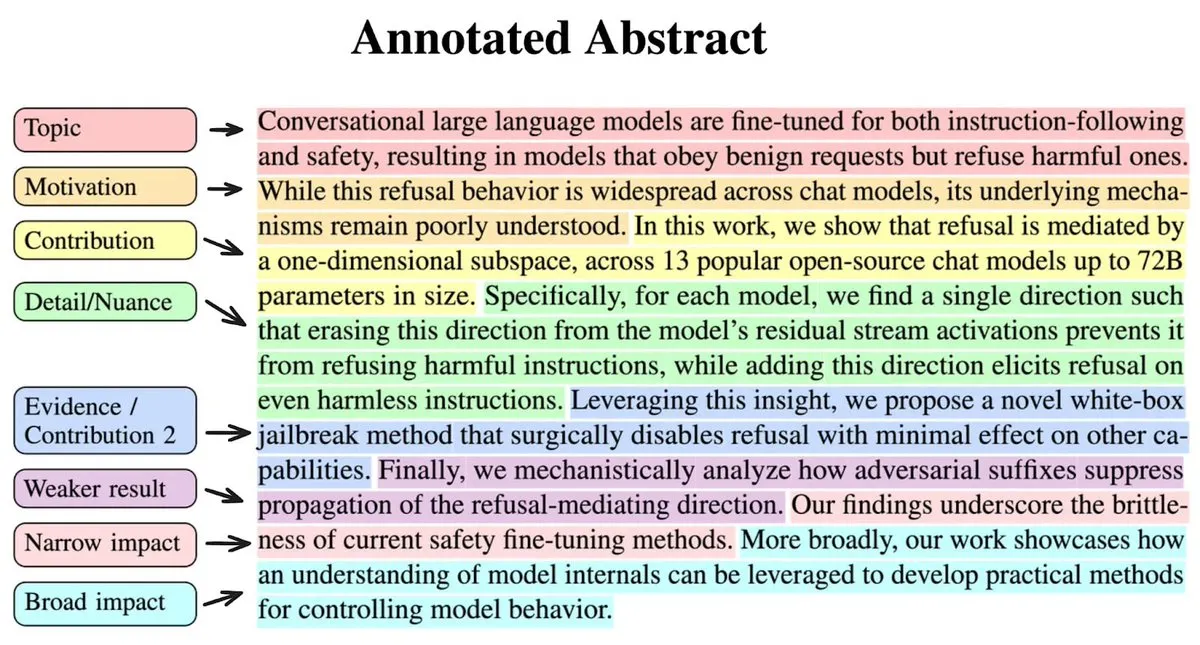
Neel Nanda Shares High-Quality ML Paper Writing Guide : Renowned AI researcher Neel Nanda, based on his experience mentoring over 20 papers, released a deep guide on how to write ML papers with scientific integrity and high quality. The guide explores in detail how to translate research insights into rigorous academic expression. For researchers preparing for ICML or NeurIPS, this is a highly valuable practical manual to enhance the reach and impact of research results. (Source: NeelNanda5)
💼 Business
Manus Acquisition by Meta Triggers Ministry of Commerce Tech Export Assessment : The AI agent application Manus, developed by a Chinese team, quickly initiated “De-Sinicization” after receiving massive investment from foreign capital Benchmark and was ultimately acquired by Meta for $2 billion. This event sparked widespread discussion regarding the loss of core technology. China’s Ministry of Commerce has intervened to conduct a comprehensive assessment of whether the transaction violates technology export restrictions. This reflects that in the global AI competition, capital operations have become a major means for technology transfer and talent acquisition. (Source: 36Kr)
Ahmad Al-Dahle Joins Airbnb as CTO : Ahmad Al-Dahle, the former head of Meta’s Generative AI team, announced he is joining Airbnb. During his time at Meta, he led the open-sourcing of the Llama series, contributing significantly to the global open-source AI ecosystem. His joining suggests Airbnb will accelerate the transformation of advanced AI capabilities into travel products users love. The flow of core talent from Meta also reflects a shift of AI leaders from base model R&D to vertical application implementation. (Source: Ahmad_Al_Dahle)
MiniMax IPO Details Disclosed: Talkie and Hailuo AI Anchor the Business Map : MiniMax’s prospectus shows significant revenue growth in the first nine months of 2025, primarily driven by the AI emotional companionship app Talkie and the video tool Hailuo AI. Talkie performed strongly in the US market with 20 million monthly active users; Hailuo AI saw a revenue explosion through viral social media spread. The two products run almost neck-and-neck, forming MiniMax’s unique C-end commercial loop and allowing it to successfully break through in a differentiated track against giants. (Source: 36Kr)
🌟 Community
AI Programmer Identity Anxiety: From “Creator” to “Reviewer” : The community is heatedly discussing the alienation of developers by AI. Many senior engineers feel that with the popularity of tools like Claude Code, the focus of work has shifted from creative coding to tedious “code review” and “cleaning up AI-generated junk.” Developers worry about losing the “mental map” of their code, leading to higher debugging costs. This struggle between “craftsmanship” and “delivery speed” is causing a profound psychological and professional transformation in the software development industry. (Source: Reddit r/ClaudeAI)
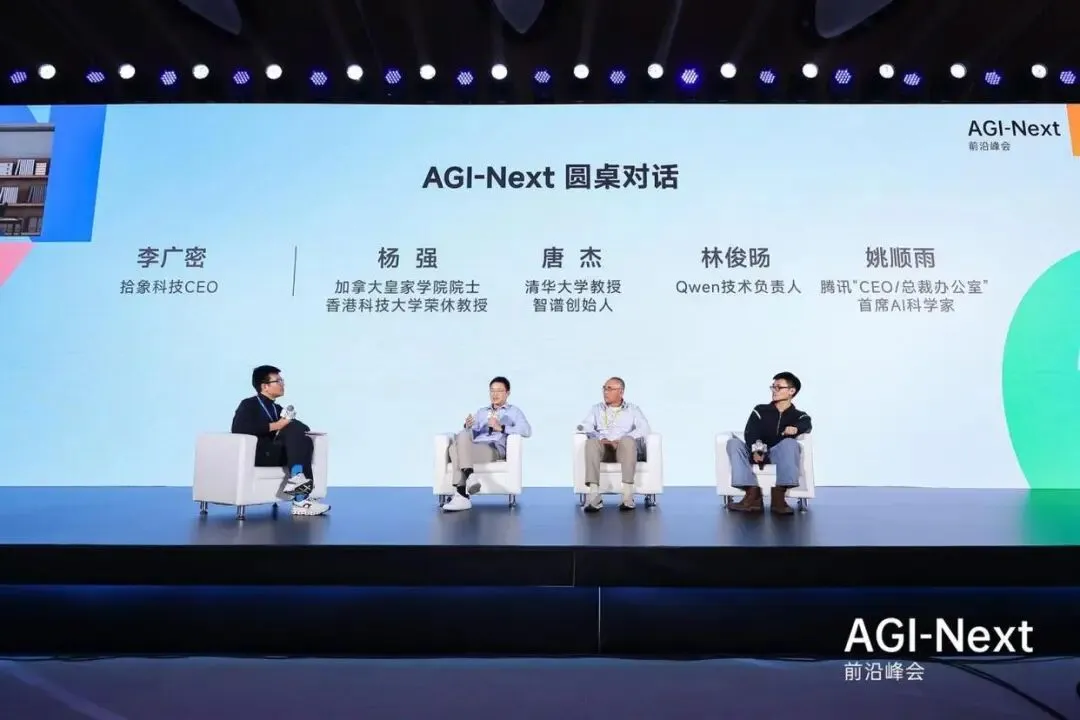
DeepSeek’s “Hidden Monk” Effect and Liang Wenfeng’s Technical Faith : The community expressed admiration for DeepSeek founder Liang Wenfeng’s intensive release of high-quality papers before the Spring Festival. In an industry often characterized by impetuosity and talk of commercialization, the DeepSeek team maintains high technical purity, personally solving underlying problems like architectural stability and memory mechanisms. This “tech-driven” style has earned high respect from the developer community and is seen as the hope for Chinese AI to truly compete with Silicon Valley. (Source: 36Kr)
Bandcamp Bans AI Music, Sparking Copyright and Art Debates : The independent music platform Bandcamp announced a total ban on AI-generated music, triggering polarized discussions. Supporters see it as a necessary move to protect human artists and original spirit; opponents argue AI is just a new type of instrument and that a blanket ban hinders tech-assisted artistic innovation. This event highlights the difficult choice traditional platforms face between maintaining ecological purity and embracing technological change as AI permeates creative industries. (Source: Reddit r/artificial)
💡 Others
Sodium-ion Batteries: A New Energy Tech Breakthrough Led by China : MIT Technology Review listed sodium-ion batteries as one of the top ten breakthrough technologies of 2026. Compared to lithium batteries, sodium resources are abundant and extremely low-cost. The rapid industrialization by Chinese companies in this field not only provides a more resilient alternative for electric vehicles and energy storage grids but also further consolidates China’s dominant position in the global new energy industrial chain. (Source: MIT Technology Review)

“Death Confirmation” App Goes Viral in China: A Lonely Projection of an Atomized Society : An app called “Dead or Not” has exploded on Chinese social media. Users simply click daily to confirm they are “still alive”; if the connection is broken, emergency contacts are notified. This app targeting solitary youth has extremely low costs but a valuation in the tens of millions, reflecting the loneliness of “atomized” individuals in modern cities and the fear of accidental death. In the AI era, this minimalist life-status monitoring tool has unexpectedly filled a gap in emotional and security needs. (Source: crystalsssup)

AAAI 2026 Moves to Singapore for the First Time: Focus on AGI Efficiency and AI Governance : The 40th AAAI Conference on Artificial Intelligence will be held in Singapore, marking the first time this top academic conference is held outside North America. The agenda focuses on “Specialized Generalists” and high-efficiency AGI paths, while establishing numerous workshops on AI safety, governance, and science communication. This signals that the center of gravity for AI research is globalizing, and academia is shifting from purely pursuing model performance to focusing on social responsibility and deployment reliability. (Source: aihub.org)