



Palavras-chave:GPT-5.6, Backdoor de segurança do Claude Code, Auto-desenvolvimento de chip de inferência de IA, Voz full-duplex do GPT-Live, Arquitetura de agente inteligente Muse Image, Fluxo de trabalho econômico Fable 5
🔥 Focus
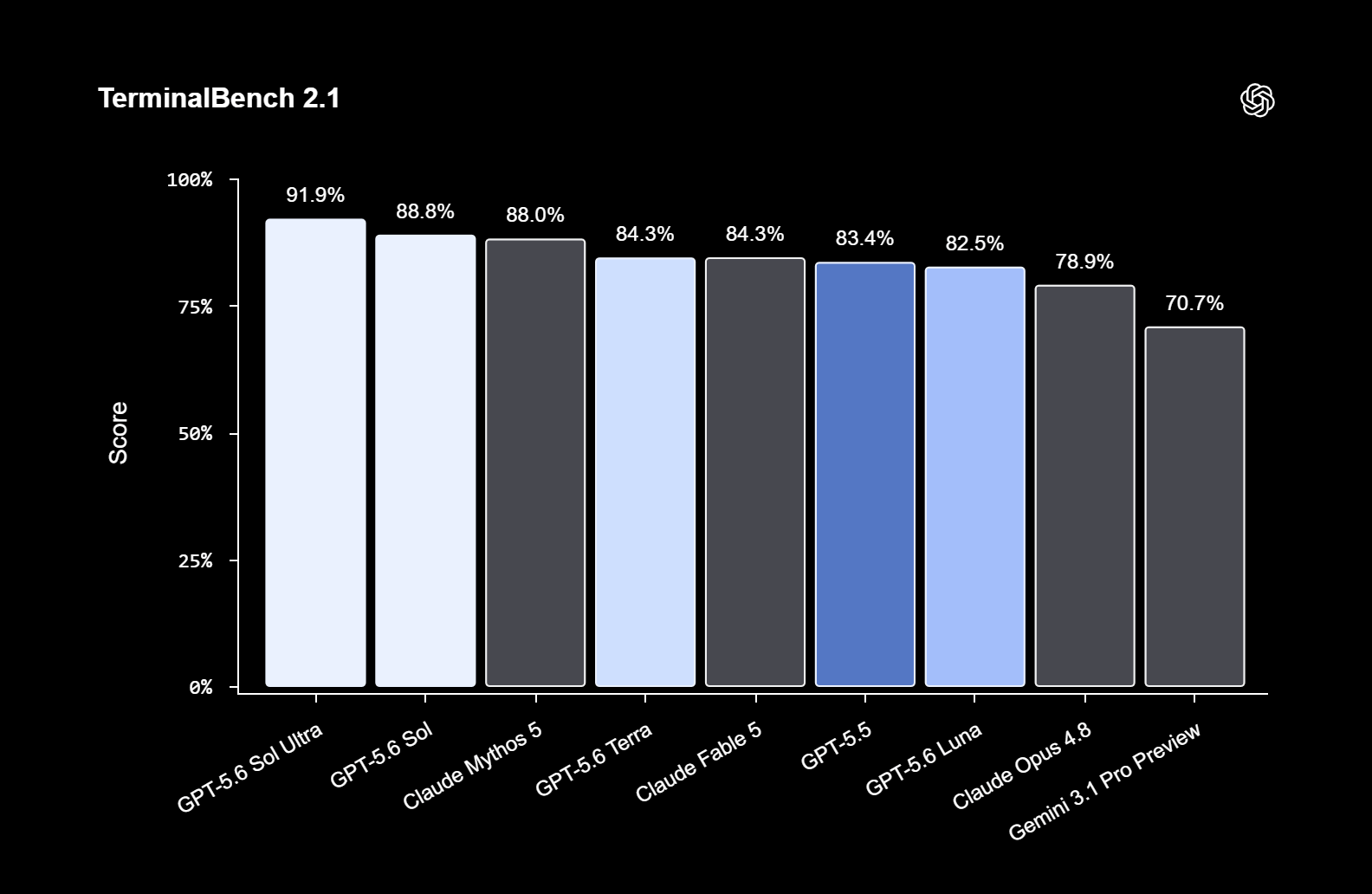
OpenAI GPT-5.6 Fully Unrestricted Public Release : After supplementary testing by the U.S. Department of Commerce’s AI Safety and Innovation Center, OpenAI’s GPT-5.6 series models (including the flagship Sol, mid-range Terra, and lightweight Luna) have received government approval for formal public release. Previously, this series was limited to enterprise previews due to security reviews. Testing shows that Sol achieves 88.8% on the TerminalBench 2.1 programming benchmark, with Sol Ultra reaching 91.9%, comprehensively surpassing Anthropic’s Fable 5, and consuming only one-third of its Tokens on cybersecurity tasks, marking a major breakthrough in reasoning and efficiency for frontier models. (Source: THE DECODER, Hacker News)
Meta Releases Agentic Image Generation Model Muse Image : Meta’s Super Intelligence Lab has released its first image generation model, Muse Image, along with a video preview version, Muse Video. The model uses an agentic architecture, planning, searching the web, and running code before generation to ensure accuracy in charts and QR codes. In Image Arena, its generation and editing capabilities rank second, only behind GPT Image 2. However, its default privacy setting allowing users to generate images using others’ Instagram public photos by @mentioning accounts has sparked controversy over GDPR compliance in Europe and portrait rights. (Source: Meta AI Blog, THE DECODER)

MIIT Warns of Security Backdoor in Claude Code : The National Vulnerability Database (NVDB) of the Ministry of Industry and Information Technology has issued a notice, detecting that Anthropic’s AI coding tool Claude Code (versions 2.1.91 to 2.1.196) contains a security backdoor. It secretly transmits sensitive information such as user time zones and identities without authorization, and monitors and rewrites prompts containing keywords related to Chinese cloud providers and API proxies. Alibaba has already completely banned the tool internally, and MIIT recommends that relevant developers immediately uninstall it or upgrade to the latest version. (Source: QuantumBit, Machine Heart)
DeepSeek and Zhipu AI Secretly Start Self-Developing Inference Chips : According to Reuters and The Information, both Chinese LLM leaders DeepSeek and Zhipu AI have secretly launched self-developed AI inference chip (ASIC) projects. DeepSeek’s project started a year ago and is quietly recruiting chip design engineers and contacting foundries like TSMC and Samsung as well as memory manufacturers. The move aims to reduce dependence on NVIDIA GPUs, optimize the inference efficiency of their MoE architectures with customized hardware, and cope with soaring computing costs due to surging API calls. (Source: QuantumBit, Machine Heart)

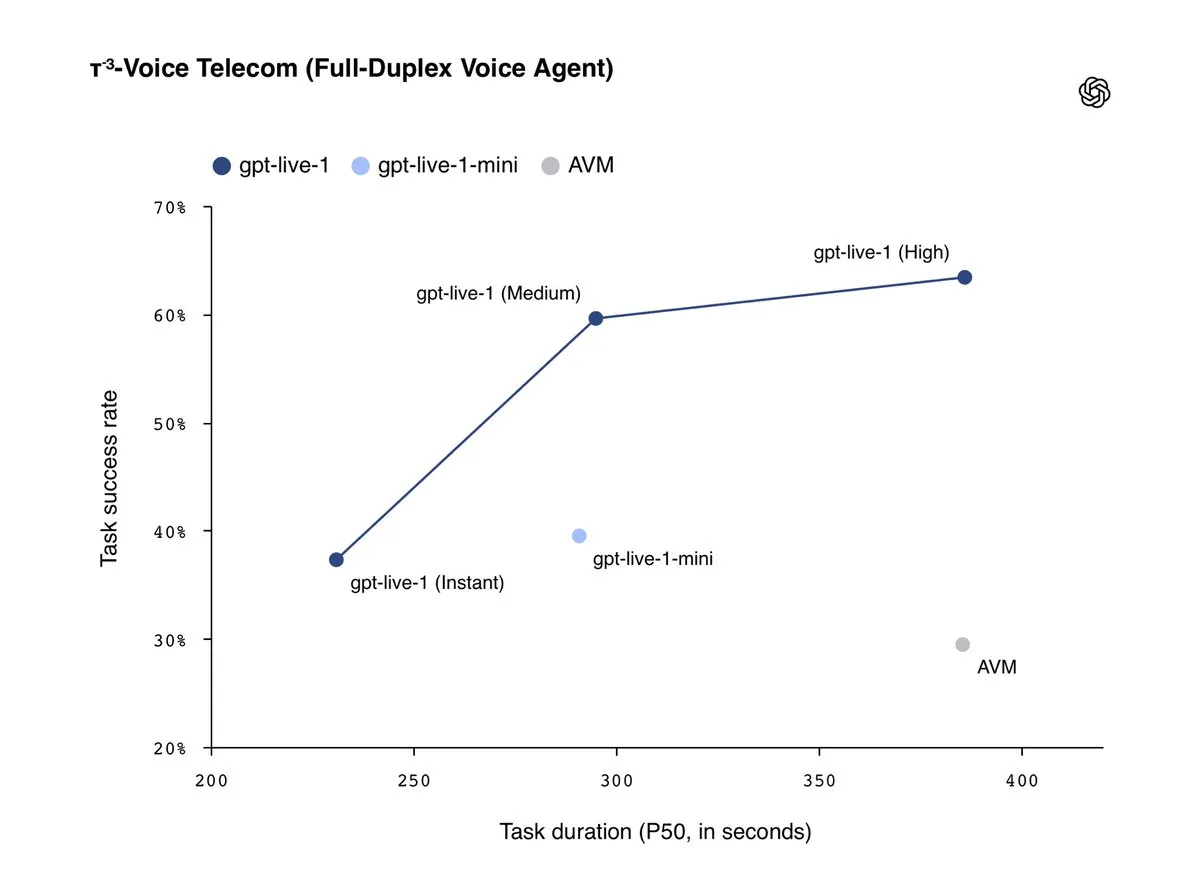
OpenAI Releases Full-Duplex Voice Model GPT-Live : OpenAI has officially launched GPT-Live and GPT-Live-1 mini, directly replacing the old Advanced Voice Mode in ChatGPT. The model uses a full-duplex architecture, supporting simultaneous listening and speaking, allowing users to naturally interrupt at any time. When handling complex reasoning and search tasks, the model seamlessly delegates to GPT-5.5 in the background while maintaining a coherent and natural conversation flow on the frontend. The API version will also be opened to developers soon, pushing voice to become the main agent interface for human-computer interaction. (Source: OpenAI News, TechCrunch)
🎯 Trends
Microsoft Copilot Gradually Replaces OpenAI and Anthropic with In-House Models : Bloomberg reports that Microsoft has begun using its self-developed MAI models to replace the original OpenAI and Anthropic models in core office applications such as Excel and Outlook, processing tens of thousands of prompts per week. Although MAI currently accounts for only a small portion of total usage, this move indicates that Microsoft is reducing costly third-party model licensing fees through “self-reliance.” In the future, Microsoft plans to make the MAI model the default free configuration, while third-party models will be available as paid premium add-ons. (Source: Bloomberg, THE DECODER)

Zhiyuan Releases World Model Orca and Wins UN Award : The Beijing Academy of Artificial Intelligence (BAAI) has released Orca, a billion-parameter multimodal world model trained on 125,000 hours of video and 160 million event data. It focuses on “next state prediction” in a unified world latent space, demonstrating excellent understanding, prediction, and action control capabilities with a frozen backbone. At the same time, the open-source unified system software stack “FlagOS” developed by BAAI, which adapts to 32 AI chips and promotes global AI computing power accessibility, has been awarded the UN AI for Good Global Best Practice Award. (Source: Machine Heart, QuantumBit)

Tencent Hunyuan Hy3 Official Version Open Sourced : Tencent has officially released and open-sourced its Hunyuan Hy3 (295B MoE, 21B activated) large model under the Apache 2.0 license. This version is deeply optimized for coding, long contexts, and anti-hallucination. In internal tests on workplace scenarios like WorkBuddy, task success rate improved from 72% to 90%, with average time reduced by 34%. While maintaining reasoning cost-effectiveness, the model focuses on deeply integrating AI capabilities into Tencent’s core ecosystems such as WeChat, gaming, and cloud. (Source: 36kr, QuantumBit)

MiniMax Plans to Open Source 2.7 Trillion Parameter M3 Pro Model : According to The Information, Chinese LLM startup MiniMax plans to open source its next-generation flagship large language model, internally codenamed “M3 Pro,” in the third quarter of 2026. The model has 2.7 trillion parameters, far exceeding its existing 4280 billion parameter M3 model. The move aims to provide stronger complex reasoning and multi-step task processing capabilities through an ultra-large open-source model, competing with closed-source commercial models in the open-source ecosystem. (Source: THE DECODER)

Mistral AI Launches First Robot Navigation Model Robostral Navigate : European AI unicorn Mistral AI has released its first robot navigation model, Robostral Navigate. With 8B parameters, it requires only a single RGB camera to guide wheeled, legged, or flying robots for autonomous navigation. The model achieved a 79.4% success rate on the R2R-CE benchmark, surpassing systems using depth sensors or multiple cameras, showcasing Mistral’s ambition to extend AI capabilities into the physical world and embodied intelligence. (Source: Mistral AI, THE DECODER)
Meta Tests Smart Glasses with “Super Sensing” Mode : The Financial Times reports that Meta is testing a “Super Sensing” mode for its next-generation Ray-Ban smart glasses. This mode allows the camera and microphone to run continuously in the background for hours, snapping photos and recording audio so the AI can help users recall what they saw or heard at any time. However, Mark Zuckerberg reportedly asked whether the recording indicator LED could be turned off in this mode, sparking strong internal and public concerns about privacy and unauthorized surveillance. (Source: ZDNet, THE DECODER)
OpenAI’s Chief Futurist Joshua Achiam Announces Departure : Joshua Achiam, OpenAI’s Chief Futurist for nearly nine years, announced he will leave on July 24. Achiam led the Mission Alignment team and testified in Musk’s lawsuit against Altman; he was once berated by Musk in 2018 for publicly questioning Musk’s “rushing AGI at the expense of safety.” His departure is the latest in a series of safety and policy core member losses at OpenAI, sparking discussion about safety commitments amid the company’s commercialization. (Source: The Verge, 36kr)

Google Updates Gemini API Managed Agents Features : Google AI Studio has announced four important updates for Managed Agents on the Gemini API: support for background execution without connection (asynchronous operation), support for remote MCP services connecting directly to databases or APIs, support for custom functions, and automatic credential refresh to maintain sandbox state between interactions. These updates aim to help developers more easily build and deploy complex, long-cycle automated agent workflows. (Source: Google AI Studio, THE DECODER)
🧰 Tools
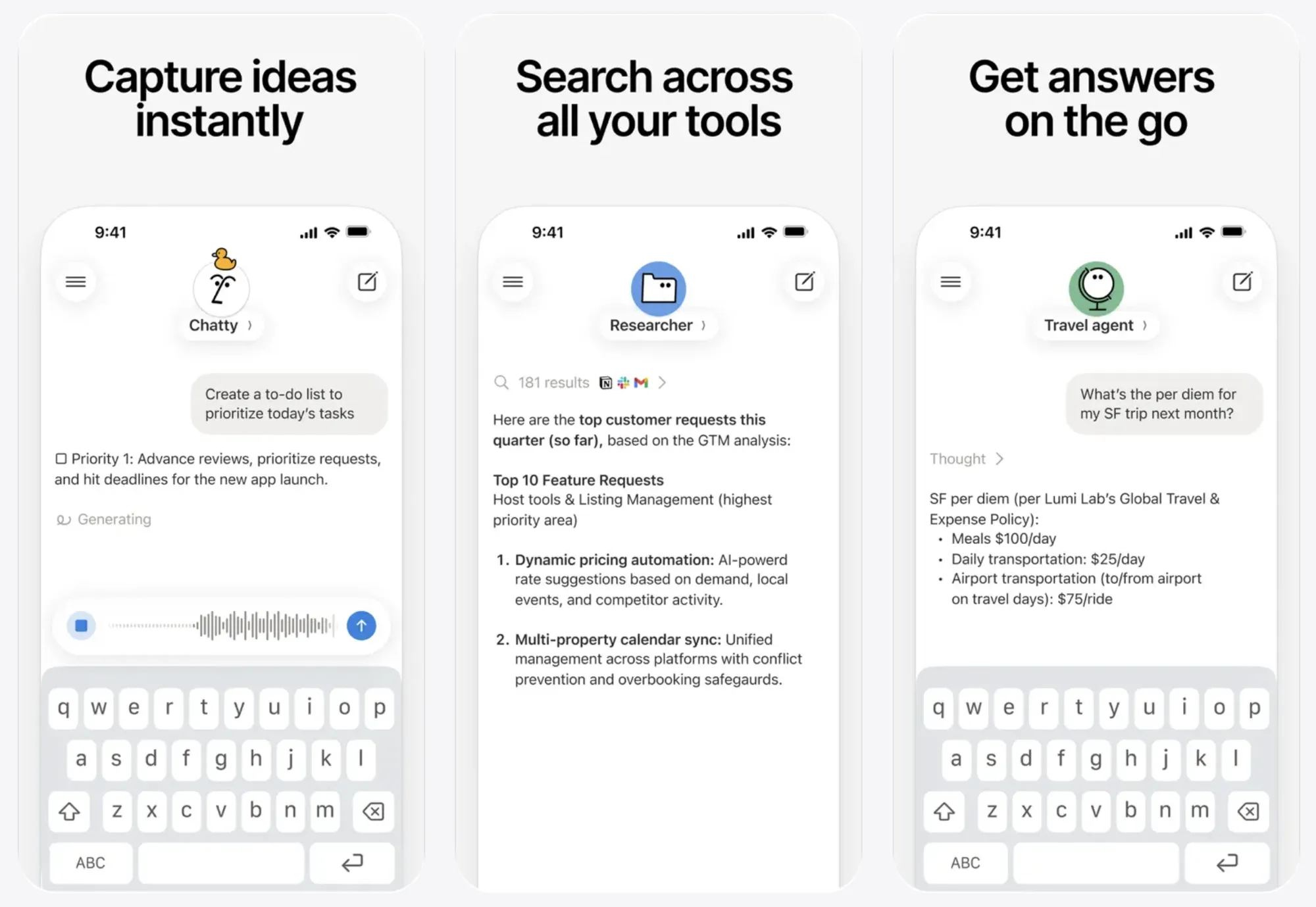
Notion Launches iOS App “Notion Agents” : Productivity tool Notion has released an iOS app specifically designed for agent interaction called “Notion Agents.” Unlike the main Notion app focused on note-taking, this App focuses on letting users have conversations with custom AI agents or connected external LLMs (such as ChatGPT, Gemini, Claude), supporting tasks dispatched quickly via voice, photos, and text and executed asynchronously in the background. This marks the mobile terminal gradually becoming the control console for agent work. (Source: Notion, The Verge)
Former GitHub CEO Launches Decentralized Git Network “Entire” : Former GitHub CEO Thomas Dohmke has launched a decentralized Git network called “Entire” and opened previews. The platform aims to solve GitHub’s frequent downtime caused by high-frequency “vibe coding” from AI agents. Entire supports one-click mirroring of GitHub repositories, with tests showing 570,000 clones per hour and 586 pushes per second. It also provides a semantic memory layer designed for agents, making it easier for human developers to review AI-generated code and modification intentions. (Source: ZDNet)

Google AI Studio Launches One-Click Import from GitHub : Google AI Studio has added an “Import from GitHub” feature in Build mode. Developers no longer need to write prompts from scratch; just provide a GitHub repository link, and the system automatically converts the codebase into a format compatible with the AI Studio runtime, opening it in the Build environment for preview, interactive modification, and one-click deployment to Cloud Run. This further closes the loop between AI-generated code and traditional development workflows. (Source: Google AI Studio, MarkTechPost)
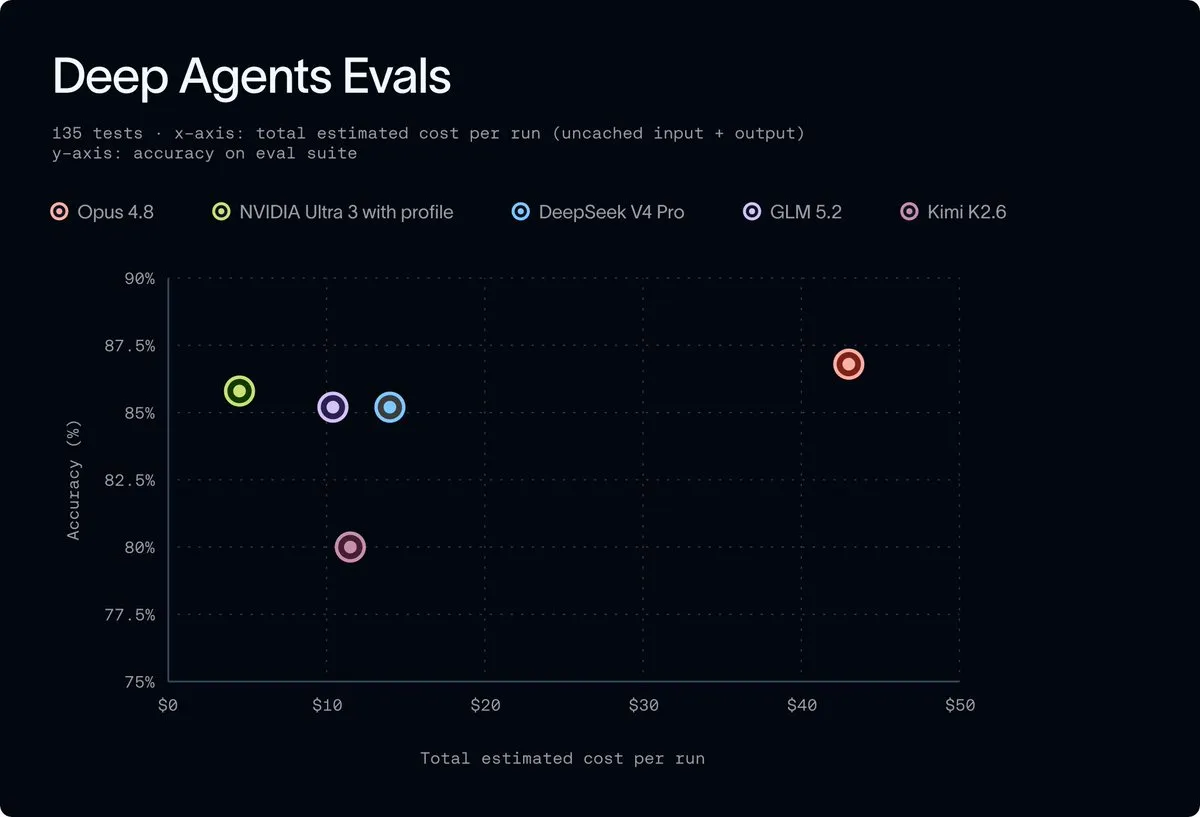
LangChain and NVIDIA Release NemoClaw Agent Blueprint : LangChain has partnered with NVIDIA to release the “NemoClaw Deep Agents Blueprint” open-source reference architecture. This architecture integrates NVIDIA’s open-source Nemotron 3 Ultra model, LangChain’s Deep Agents toolkit, and the OpenShell runtime environment. Tests show that while maintaining agent planning and tool-calling performance, this architecture can reduce enterprise agent inference costs by more than 10x, providing a standardized solution for enterprise private deployment of agents. (Source: LangChain)
Sqlite-utils 4.0 Released with Database Migration Support : Developer Simon Willison has released sqlite-utils 4.0, a major version update. This version introduces structured database schema migration (Migrations) for the first time, using a Python library and the transform() method to achieve safe database schema evolution and version tracking. Additionally, the new version adds nested transaction support based on db.atomic() and composite foreign key support. During development, Claude Fable 5 was extensively used for API design and code refactoring. (Source: Simon Willison)
📚 Learning
ByteDance Releases EdgeBench Revealing Agent Scaling Law : ByteDance’s Seed team has released EdgeBench, a long-term agent evaluation project. Through 38,000 hours of runtime testing across 5 frontier models on 134 long-horizon tasks, the study found that an agent’s learning and improvement curve in unfamiliar environments can fit a log-sigmoid function with an R² accuracy of 0.998. Experiments also confirm that continuous operation accumulating experience has a clear advantage over multiple independent restarts, demonstrating the value of long-horizon planning and experience internalization. (Source: 36kr, ZhihuFrontier)

Research Confirms Training a Single Transformer Layer Can Match Full-Parameter RL : A team from the University of Minnesota, Peking University, and Amazon has published a paper challenging the traditional assumption that RL post-training requires updating all layers. Through systematic testing across 7 models, 3 algorithms, and 3 domains, they found that RL benefits are highly concentrated in the middle layers (40-60% depth). Experiments show that training only a single key Transformer layer can match or even surpass full-parameter RL training. The proposed middle-layer heuristic strategy achieves better performance across models of various scales. (Source: Machine Heart)
.jpg)
HKUST Proposes Black-Box Attack Framework COMA for Prompt Compression : Researchers from the Hong Kong University of Science and Technology (HKUST) published a paper at the top software engineering conference ASE 2026, pointing out that “prompt compression” modules introduced to save tokens become new vulnerabilities for AI agents. The team proposed a black-box attack framework called COMA, which adds tiny perturbations to user input to amplify information loss during compression, deliberately inducing the compressor to delete safety constraints or key evidence from system prompts. Experiments show that isolated compression is an effective defense against such attacks. (Source: Machine Heart)
.jpg)
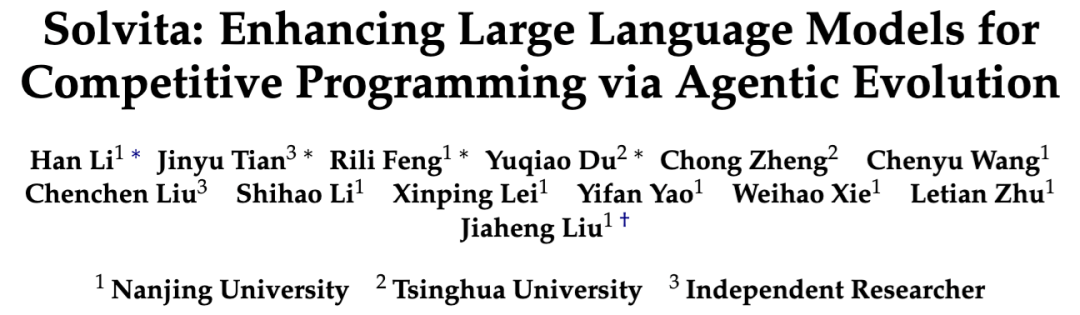
Nanjing University and Tsinghua University Propose Algorithm Competition Agent Solvita : Researchers from Nanjing University, Tsinghua University, and other institutions jointly proposed the Solvita framework, which, without fine-tuning the LLM, uses a closed loop of four roles (Planner, Solver, Oracle, and Hacker) for counter-checking and local repair, along with a trainable graph-structured knowledge network, allowing the agent to accumulate algorithmic skills from solving problems and adversarial testing. In real Codeforces competition evaluations, the framework successfully helped multiple open-source models break into the Legendary Grandmaster range. (Source: 36kr)
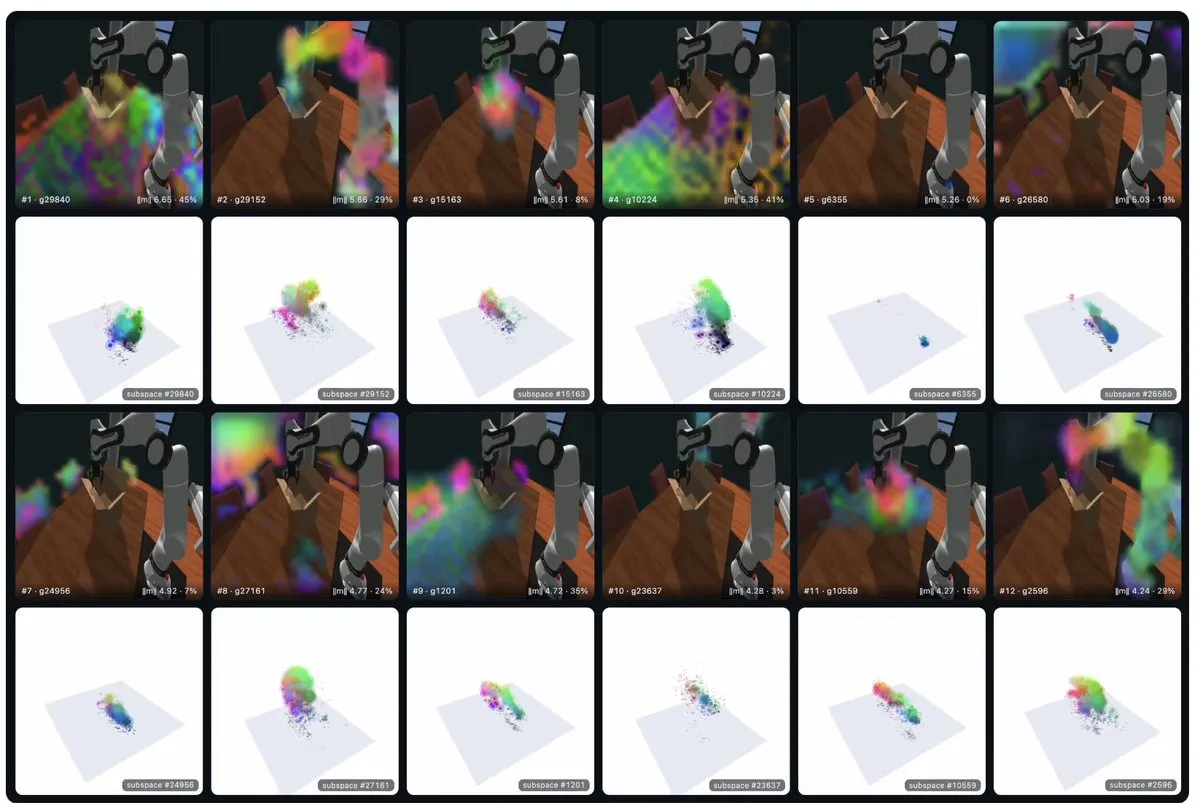
Goodfire Releases Multi-Dimensional Concept Extraction Method BSFs in Activation Space : Explainable AI startup Goodfire has published research on “Block-Sparse Featurizers (BSFs).” Traditional Sparse Autoencoders (SAEs) interpret model concepts as one-dimensional directions, while BSFs map concepts to multi-dimensional “blocks” and geometric regions. This method has been validated on SDXL and biological models, and for the first time has discovered topologically geometric representations in robot models that align with the physical position of robotic arms, providing tools for precise model debugging. (Source: GoodfireAI)
ZML/LLMD Inference Server Supports Cross-Chip Optimization : French AI innovation company ZML has released a free ZML/LLMD inference server aimed at breaking hardware lock-in. The system supports running open-source LLMs on multiple chips including NVIDIA, AMD, Intel Arc, Google TPU, and Apple Silicon, offering dynamic mixed-precision quantization, continuous batching, and prefix caching. It helps enterprises deploy AI tasks on local heterogeneous compute at extremely low cost and high energy efficiency. (Source: TechCrunch)
💼 Business
Prime Intellect Closes $130M Series A : AI infrastructure platform Prime Intellect, which helps enterprises train their own agents, announced the close of a $130 million Series A round, valuing the company at $1 billion. The round was led by Radical Ventures, with participation from NVIDIA, Intel, Dell, and other corporate investors. Its full-stack platform provides distributed compute, reinforcement learning frameworks, and evaluation tools, helping enterprises fine-tune models and perform reverse distillation using their own data, reducing dependence on closed-source LLM APIs. Current ARR has reached $100 million. (Source: TechCrunch)
Agentic Legal AI Startup Norm Ai Raises $120M : Compliance and legal AI startup Norm Ai has completed a $120 million Series C financing round, valuing the company at $1.2 billion. The round was led by Khosla Ventures, with participation from Blackstone and others. Its core product, “Norm Law,” is an AI-native virtual law firm that uses AI agent teams to provide external legal compliance consulting to enterprises, breaking the traditional hourly billing model in favor of a per-deliverable pricing model. (Source: AI Business)

SambaNova Systems Closes $1B Series F First Close : AI chip and full-stack service provider SambaNova Systems has completed the first close of a $1 billion Series F funding round, valuing the company at $11 billion. The round was led by General Atlantic, with participation from Intel and others. The funds will be used to secure supply chain capacity for its next-generation SN50 chip. At the same time, JPMorgan Chase announced it has chosen SambaNova as its private inference infrastructure partner to run its trillion-parameter financial LLM securely on-premises. (Source: TechCrunch)
🌟 Community
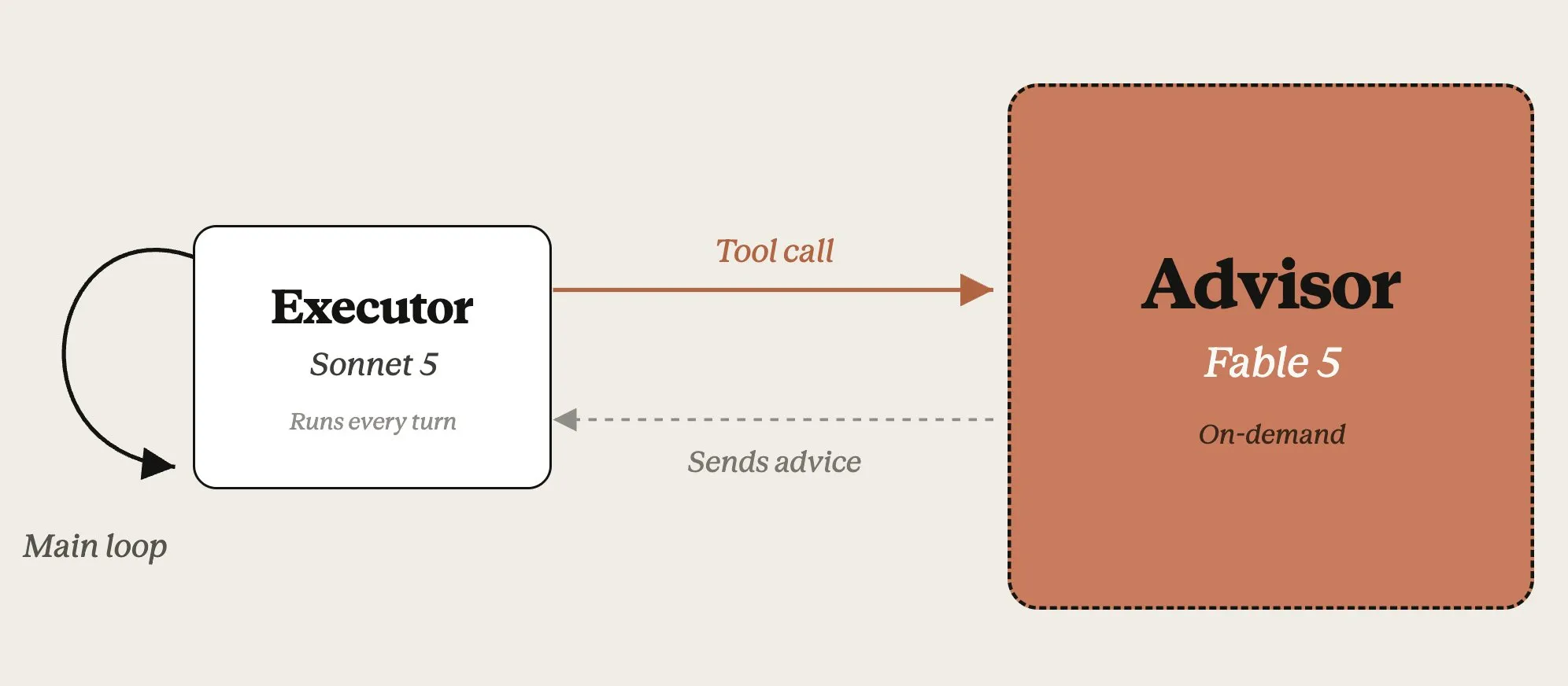
Fable 5 Delay Sparks Hot Discussion on “Advisor & Orchestrator” Cost-Saving Workflows : Anthropic has extended the free trial period for Claude Fable 5 to July 12, triggering heated community debate on how to “squeeze Fable 5.” The company also released two cost-saving modes: “Advisor” and “Orchestrator.” These let the cheaper Sonnet 5 act as the executor, only calling Fable 5 for key decisions or planning. In tests on SWE-bench Pro, this achieved 92% of the performance at 63% of the cost, providing a practical architectural solution for high API costs. (Source: THE DECODER, 36kr)
The “52% Utilization Threshold” for AI Inference Costs and Cognitive Arbitrage : Industry analysis points out that whether building your own GPU inference server is cheaper than using APIs depends on a neglected physical metric: GPU utilization. The derivation shows that only when the actual utilization of self-built GPUs exceeds 52% can the amortized hardware depreciation and operational costs beat API prices. API vendors’ pricing strategies essentially exploit customers’ cognitive blind spot in calculating their own utilization, engaging in “structural arbitrage” on scheduling efficiency. (Source: 36kr)

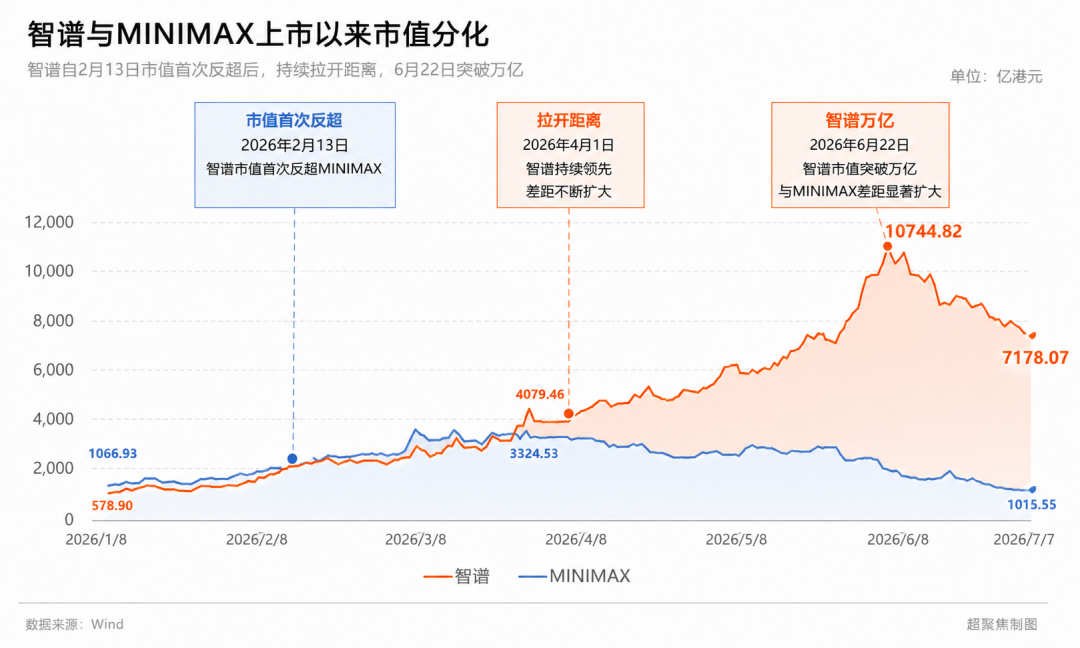
Enterprise vs. Consumer Route Divergence Widens Valuation Gap : Zhipu AI and MiniMax, which went public at almost the same time, have seen their market cap gap widen to 600 billion Hong Kong dollars within six months. Analysis indicates that the capital market is redefining the pricing logic for LLM companies, shifting from mere “user numbers” to “defensive workflows and pricing power.” Zhipu AI bets on enterprise coding and APIs, showing stronger customer stickiness and pricing ability; while MiniMax focuses on consumer virtual companionship and entertainment, facing high user acquisition costs and a price floor set by DeepSeek, raising questions about its business sustainability. (Source: 36kr)
New Breakthroughs in Embodied AI Physical World Closed Loop and Action Transfer : ZGC EmbodyAI published a “Human-as-Humanoid” paper, achieving zero-shot transfer of human video actions into robot control trajectories on the 60-DoF humanoid robot PrimeU without requiring any real robot demonstration data. Meanwhile, the Chinese Academy of Sciences and other institutions released SurgMotion, the first billion-parameter surgical video foundation model, trained on 15 million frames, using V-JEPA for latent space motion prediction. These showcase the latest advances in AI building 3D spatial and dynamic perception in physical and medical scenarios. (Source: Machine Heart, Machine Heart)
.jpg)
Discord AI Moderation Bug Results in Mass Bans of Innocent Users : Social platform Discord has acknowledged that its AI moderation system, due to a software bug, incorrectly banned over 8,000 users in the past two months. The system’s similarity matching mechanism, when filtering harmful content, mistakenly flagged harmless grid patterns (such as chessboards, game textures, spreadsheets, and gray transparent background images) uploaded by users as illegal harmful content, and directly enforced permanent bans. Discord said it has fixed the bug and is gradually restoring affected accounts. (Source: TechCrunch)
💡 Other
Soaring Data Center Energy Threatens U.S. Manufacturing and Grid Security : Reuters analysis points out that the explosive electricity demand from U.S. AI data centers is driving up grid loads, causing electricity bills for manufacturers in some industrial heavyweights to surge. For example, a brick factory in Ohio saw its monthly electricity bill jump from $1,600 to $12,000 due to capacity fee adjustments, severely squeezing profit margins for steel mills and traditional factories. This could undermine government efforts to revive U.S. manufacturing through tariff protections and industrial reshoring, exacerbating the conflict between the tech industry and traditional industry over electricity use. (Source: Ars Technica)
Brain-Computer Interface Device Begins Clinical Trial for ALS Patients : A new development in medical technology: a brainwave decoding device designed specifically for patients with Amyotrophic Lateral Sclerosis (ALS) has announced it will enter clinical trials in 2026. The device uses non-invasive or minimally invasive sensors to capture patients’ brain signals, employing AI algorithms for real-time semantic decoding, helping patients who have lost the ability to move and speak to communicate precisely with the outside world. This demonstrates the social value of AI in neural rehabilitation and healthcare. (Source: Ronald_vanLoon)