
Keywords:GPT-5, OpenAI, Yapay Zeka Modeli, Somutlaştırılmış Yapay Zeka, İnsansı Robot
🔥 Spotlight
Topic: OpenAI Officially Releases GPT-5: Unified Intelligent System, Exceptional Coding, and Accessible Pricing (Source: OpenAI, sama, scaling01, mustafasuleyman, gdb, lmarena_ai, claud_fuen, juberti, ananyaku, perplexity_ai)
OpenAI has officially released its new generation flagship model, GPT-5, along with GPT-5 Mini and Nano versions. This model functions as a unified system, intelligently selecting models via a real-time router, eliminating the need for users to manually switch. GPT-5 demonstrates exceptional coding capabilities, hailed as the “smartest coding model,” achieving new highs in benchmarks like SWE-Bench, and capable of handling complex frontend generation and debugging large codebases. Furthermore, it shows significant improvements in long-text understanding, instruction following, and hallucination reduction, and introduces four new experimental chat personas (Cynic, Robot, Listener, Nerd). In terms of pricing, GPT-5 is highly competitive, cheaper than GPT-4o, and significantly less expensive than Claude Sonnet/Opus, with GPT-5 Nano being the most economical inference model. ChatGPT free users can now access some GPT-5 features.
Topic: GPT-5 Benchmark Performance and Community Controversy: ‘Chart Crime’ and Discussions on AGI Progress Stagnation (Source: fchollet, jeremyphoward, scaling01, Teknium1, Dorialexander, teortaxesTex, nrehiew_, AymericRoucher, m__dehghani, LiorOnAI, gfodor)
GPT-5 performed well in the ARC-AGI-1 benchmark, but still lags behind Grok-4 in ARC-AGI-2. Following its release, there was widespread community controversy over the benchmark charts presented by OpenAI, with many criticizing their misleading Y-axis scales, labeling it “chart crime.” Some views suggest that GPT-5’s improvements are incremental rather than groundbreaking, indicating that large models may be approaching saturation, and the importance of Agent frameworks will surpass mere model capability enhancements in the future. Additionally, some point out that, apart from coding and long-text capabilities, GPT-5’s breakthroughs in other areas were less than expected, prompting a re-evaluation of the path to AGI.
🎯 Trends
Topic: Experiment Demonstrates Quadruped Robot Movement in Different Gravity Environments (Source: Ronald_vanLoon)
An experiment demonstrated how a quadruped robot moves in environments with gravity different from Earth’s. This research combines robotics, machine learning, and artificial intelligence to explore robot adaptability and motion control in complex and unknown environments, holding significant implications for future space exploration and robot design for extreme environment operations.
Topic: Google DeepMind Releases Perch 2 Model, Aiding Bioacoustic Data Analysis (Source: osanseviero)
Google DeepMind has released its latest open model, Perch 2, designed specifically for bioacoustic data analysis. This model can classify 15,000 species and generate audio embeddings for downstream applications, boasting 12 billion parameters. This technology leverages AI to advance bioacoustic science, with the potential to play a crucial role in endangered species conservation and ecological monitoring.
Topic: RoboFalcon Flight Test: Integration of Robotics and Artificial Intelligence (Source: Ronald_vanLoon)
RoboFalcon conducted flight tests, showcasing the latest advancements in robotic technology and artificial intelligence in biomimetic design. This robotic bird can move through the air like a real animal, combining advanced robotics, AI, and machine learning techniques, foreshadowing potential applications in reconnaissance, environmental monitoring, and complex terrain navigation.
Topic: Japan Develops AI-Powered Exoskeleton to Enhance Hand Speed and Precision (Source: Ronald_vanLoon)
Japan is developing an AI-powered exoskeleton designed to significantly increase hand speed and precision. This innovation combines emerging technologies, AI, and robotics, promising breakthroughs in medical rehabilitation, precision manufacturing, surgical operations, and other fields requiring high-dexterity operations, offering new possibilities for human augmentation.
Topic: NVIDIA AI Researchers to Discuss How AI Will Revolutionize Computer Graphics (Source: nvidia)
NVIDIA AI researchers will discuss how artificial intelligence is transforming the field of computer graphics at the SIGGRAPH 2025 conference, including synthetic data generation and intelligent content creation. This presentation will showcase AI’s potential in enhancing graphics rendering, animation production, and virtual reality experiences, signaling a major shift in future digital content creation.

Topic: GPT-5 Risk Assessment Report: No Catastrophic Risks in Short Term, but Rapid Capability Growth (Source: METR_Evals)
A new report assesses whether GPT-5 will bring catastrophic risks such as accelerated AI development, rogue replication, or lab destruction. The report concludes that these risks appear unlikely in the short term. However, it also notes that AI capabilities are still growing rapidly, and the model shows increasing evaluative awareness, suggesting a need for continuous attention to its development.

🧰 Tools
Topic: Orange.ai Releases FlowSpeech: World’s First Written-to-Spoken TTS Tool (Source: dotey)
Orange.ai has officially launched its new product, FlowSpeech, claiming it to be the world’s first written-to-spoken (TTS) tool. This tool can convert web pages, novels, and PPT content into natural spoken language, even supporting foreign language translation, aiming to serve as a user’s “AI mouthpiece” for voice expression anytime, anywhere. FlowSpeech emphasizes solving real user pain points rather than chasing concepts or model hype, reflecting a pragmatic product development philosophy.
Topic: LangChainAI Launches Deep Agents: Experimental Framework for Building MCP Servers (Source: hwchase17)
LangChainAI has released an experimental branch of Deep Agents, allowing users to launch deep agents and connect them to MCP (Claude-style) servers. This framework provides pre-built tools and specialized sub-agents via a simple command-line interface and supports the MCP registry for dynamic connection to remote servers and tool management. Additionally, it can create and load specialized sub-agents stored as human-readable Markdown files, dynamically loading them based on task requirements, aiming to become the standard for next-generation agent platforms.
Topic: Graphiti Simplifies Knowledge Graph Construction, Empowering LLM Agents and RAG (Source: yoheinakajima)
Graphiti (zep.ai) has launched, designed to simplify knowledge graph construction and support real-time, temporal data. This tool seamlessly integrates with FalkorDB, making it ideal for large language model (LLM) agents and advanced retrieval-augmented generation (RAG) pipelines. By converting faces into numerical vectors and performing large-scale similarity searches, it can effectively combat deepfakes, false endorsements, and impersonation accounts, automating content removal in compliance with the “Take Down Act” (2025).

Topic: SkyPilot Releases GPT-OSS Distributed Fine-tuning Solution (Source: skypilot_org)
SkyPilot has released a distributed fine-tuning solution for OpenAI GPT-OSS models, leveraging NebiusAI Infiniband and Hugging Face Accelerate for efficient training. This solution simplifies multi-node distributed fine-tuning deployment via the sky launch command, aiming to help users quickly adapt and optimize large language models to meet specific data needs, enhancing model performance and application scenarios.

Topic: Codegen Integrates GPT-5, Offering Smarter, Faster Code Generation Experience (Source: mathemagic1an)
Codegen announced its integration of GPT-5, bringing users a smarter and faster code generation experience. According to user feedback, GPT-5 performs excellently in Codegen, producing high-quality output, running quickly, and showing significant attention to UI/UX details, supporting multiple platforms like Web, GitHub, and Slack. This integration will significantly boost developers’ efficiency in code writing and debugging.
Topic: LangGraph Announces Support for OpenAI GPT-5, Aiding Agent Construction (Source: LangChainAI)
LangChainAI’s LangGraph announced its support for OpenAI’s GPT-5 model, providing developers with the latest tools for building agents. This integration means users can leverage GPT-5’s powerful reasoning and multimodal capabilities to design and deploy more complex AI applications within the LangGraph framework, thereby accelerating agent development and iteration for more efficient task execution.

Topic: LlamaCloud Index Empowers Enterprise AI Applications, Supporting Smart Tool-Calling Agents (Source: jerryjliu0)
LlamaCloud Index aims to help enterprises build AI applications and connect them with smart tool-calling agents capable of handling complex, multi-step queries. The platform supports parsing and indexing dense PDF documents, such as bank agreements and fee schedules, and can create multi-tool agents to handle complex scenarios across multiple data sources, such as calculating bank fees for multiple transactions and time periods. By real-time streaming the agent’s reasoning process, users can precisely understand how the AI system processes multi-step problems.
Topic: Gradio Launches GPT.gradio.app, Supporting Hugging Face Spaces as MCP Servers (Source: huggingface)
Gradio has launched gpt.gradio.app, allowing users to chat with OpenAI’s GPT-OSS models and leverage thousands of Hugging Face Spaces as MCP (Model Compute Provider) servers. This platform offers users a flexible and scalable way to experience and deploy applications based on large language models, fostering collaboration and innovation within the open-source AI community.
📚 Learning
Topic: Kaggle Launches NeurIPS 2025 Code Golf Competition: Challenging ARC-AGI-1 Tasks (Source: fchollet)
Kaggle has launched the NeurIPS 2025 Code Golf Competition, challenging participants to write the smallest possible Python solution programs for ARC-AGI-1 tasks. This competition not only tests programming ability but also encourages participants to deeply understand how to make programs capture the full logic of ARC tasks, thereby promoting advancements in inductive reasoning and code optimization for models, and exploring the potential of cutting-edge models in code generation.
Topic: TRL Framework Update: Supporting GRPO and MPO for Vision-Language Models (Source: mervenoyann)
The TRL (Transformer Reinforcement Learning) framework has released an update, adding support for GRPO (Generalized Reinforcement Learning with Policy Optimization) and MPO (Maximum a Posteriori Policy Optimization) for Vision-Language Models (VLMs). This update also provides detailed explanations and single-line command-line training guides, aiming to help researchers and developers more efficiently train and optimize vision-language models, advancing research in the multimodal AI field.

Topic: Hugging Face Launches Trackio: Experiment Data Tracking and Open Storage (Source: huggingface)
Hugging Face has launched Trackio, an experiment data tracking tool designed to address proprietary vendor data lock-in issues. Trackio stores all experiment metrics in Hugging Face datasets, whether public or private, allowing users to export data at any time. This provides researchers with greater data control and flexibility, promoting open science and reproducible research.

Topic: New Paper Explores AI Development Speed: Scale and Timeline of Intelligence Explosion (Source: ajeya_cotra)
A new paper delves into the speed and scale of AI’s “intelligence explosion,” analyzing the extent of AI progress possible within a year or even a month. This research compiles years of in-depth analysis on the speed of AI takeoff, aiming to provide a best answer for understanding the future trajectory of AI development, serving as an important reference for long-term planning and risk management in the AI field.

💼 Business
Topic: Andrew Ng Explains Meta’s High Salaries for AI Model Builders: Rational Investment in Capital-Intensive Business (Source: AndrewYNg)
Andrew Ng analyzed the phenomenon of Meta offering extremely high salaries to AI model builders, pointing out that it is not irrational. He explained that in AI model training, a capital-intensive business, hardware investment (such as GPUs) accounts for the vast majority of the total cost. Therefore, companies are willing to invest a small amount of extra capital to attract top talent, ensuring that billions of dollars in hardware investment are effectively utilized. High salaries not only attract talent but also gain technological insights from competitors, representing a rational business strategy for companies to address content generation threats and opportunities in the AI era.
Topic: Databricks Supports OpenAI GPT-5 Model via AI Gateway (Source: matei_zaharia)
Databricks announced that its AI Gateway now supports OpenAI’s GPT-5 model, effective immediately. This means Databricks users can leverage GPT-5’s new capabilities in inference, multimodal understanding, and task execution to build and deploy AI applications on their own platforms. This move strengthens Databricks’ position in enterprise-grade AI solutions and provides customers with more advanced AI model options.
Topic: Forbes Analysis: AI is Both the Biggest Business Opportunity and a Major Risk (Source: Ronald_vanLoon)
A Forbes article deeply analyzes the dual impact of artificial intelligence on the business sector, pointing out that AI is both the greatest business opportunity and a significant potential risk for enterprises. The article explores how AI creates value by improving efficiency and innovating products and services, while also highlighting risks such as data privacy, ethical challenges, employment impact, and technology misuse. Businesses need to fully understand and actively address these challenges to remain competitive in the AI era.

🌟 Community
Topic: GPT-5 Release Sparks Heated Community Discussion: From Anticipation to Controversy (Source: sama, tokenbender, doodlestein, scaling01, omarsar0, TheTuringPost, AravSrinivas, Vtrivedy10, Dorialexander, francoisfleuret, gfodor, cHHillee, TheRundownAI, mitchellh, jam3scampbell, VictorTaelin, Plinz, Teknium1, sohamxsarkar, shxf0072, typedfemale, itsclivetime, kylebrussell)
Social media discussions surrounding the GPT-5 release were fervent, ranging from pre-release countdowns and anticipation to initial feedback and evaluations post-release. Many expressed excitement, believing GPT-5 showed significant progress in coding, long-text processing, and hallucination reduction, and praised its accessible pricing strategy and availability for free users. However, there was also substantial criticism, primarily focused on OpenAI’s method of presenting benchmark charts (accused of “chart crime”), the model’s progress being less of a “leap” than expected, and its deprecation policy for older models. The community generally believes that while GPT-5 offers practical improvements, it is still far from AGI, and its release has sparked deeper discussions about model evaluation standards and the future path of AI development.
Topic: Deep Learning Decision Process: Can We Trust AI We Cannot Understand? (Source: Ronald_vanLoon)
A core question is hotly debated on social media: can we trust artificial intelligence if we cannot understand its decision-making process? This has sparked profound discussions about AI transparency, explainability (XAI), and the ethics of its application in critical domains such as healthcare and finance. The prevailing view is that a lack of understanding of AI’s internal mechanisms could lead to a crisis of trust, limit its deployment in highly sensitive scenarios, and emphasizes the importance of building trustworthy AI while pursuing AI capabilities.

Topic: AI Model Releases Tend to Be ‘Understated’: Practicality Improvements Rather Than Astonishing Leaps (Source: natolambert)
Some argue that while artificial intelligence still has immense room for development, future model releases may appear “more boring.” This implies that model iterations will focus more on practicality, efficiency, and cost optimization, rather than delivering the disruptive, astonishing leaps seen in the past. This trend suggests that AI will integrate more deeply into everyday applications, with its transformative nature manifesting in subtle improvements in practical use, rather than massive capability breakthroughs accompanying each release.
Topic: Large Language Model Development Bottleneck: Conflict Between AGI and Productized ‘Sprite’ AI Goals (Source: far__el, far__el)
A viewpoint has emerged on social media suggesting that large language models (LLMs) have hit a bottleneck, making it difficult to “squeeze out” general artificial intelligence (AGI) even with massive computational resources. The discussion points out that pursuing AGI and developing productized “sprite” AI (i.e., AI focused on specific tasks and practical functions) are two completely opposite goals. This reflects a deeper industry reflection on the direction of AI development: whether to continue pursuing the grand vision of general intelligence or prioritize commercialization and solving practical problems.
Topic: Closed-Source and Open-Source Model Gap Narrows: GPT-5 vs. Open-Source Model Performance Comparison (Source: Tim_Dettmers)
Commentary suggests that the performance gap between closed-source and open-source models is narrowing, leading to a more balanced market landscape. GPT-5’s coding ability is only 10% better than open-source models that can run on consumer desktops or even laptops. This raises questions about the future pace of AGI progress, implying that if leading companies like Anthropic cannot deliver significant breakthroughs, the realization of general artificial intelligence might take longer. This trend could prompt more developers to turn to open-source solutions, accelerating the popularization and innovation of AI technology.
Topic: Agent Evaluation and Model Saturation: Highlighting the Importance of Agent Frameworks (Source: nrehiew_)
Community discussions indicate that GPT-5’s progress on agent evaluation benchmarks like SWE-Bench is less than expected, which might suggest that the model itself is approaching saturation. This phenomenon emphasizes the importance of Agent Scaffolds in enhancing AI’s practical application capabilities, potentially even surpassing the pure capability improvements of foundational models. Some argue that now is the optimal time for “agent wrappers,” as optimizing agent architecture and tool usage will become key to driving AI system performance.

Topic: The Future of Transformative AI: Towards Specialized Models Rather Than General Agents (Source: scaling01)
One perspective suggests that future “transformative AI” will manifest in a large number of specialized models, rather than a single “universal agent.” These specialized models will focus on specific domains such as drug design, weather simulation, robotics, and supply chains. This trend indicates a significant increase in demand for AI researchers to develop and optimize AI solutions for these vertical sectors, rather than solely pursuing a single path to general artificial intelligence.
Topic: Initial GPT-5 Usage Experience in Cursor: Intelligence and Challenges Coexist (Source: Vtrivedy10)
A user shared their initial experience using GPT-5 in Cursor, noting that the main challenge lies in adapting to new command-line interface behaviors, such as plan mode shortcuts and the plan refinement process. Despite this, the user found GPT-5 to be very intelligent and proactive, successfully building working code frameworks, even generating TypeScript code without explicit language specification. This indicates GPT-5’s powerful capabilities in practical coding tasks, but also requires users to be more specific in their prompts to fully leverage its effectiveness.
💡 Other
Topic: OpenAI Announces GPT-5 Team AMA Event (Source: OpenAI)
OpenAI announced that CEO Sam Altman and some GPT-5 team members will hold an “Ask Me Anything” (AMA) event on Reddit tomorrow (11 AM Pacific Time). This event will provide the community with an opportunity to directly interact with the development team, gaining deeper insights into GPT-5’s technical details, development process, and future plans, and is expected to answer various user questions and feedback regarding the new model.
🔥 Spotlight
Topic: OpenAI Releases GPT-5, Emphasizing Practicality and Accessibility (Source: sama, OpenAI, Elaine Ya Le)
OpenAI has officially launched GPT-5, along with smaller mini and nano versions. Sam Altman stated that GPT-5’s core goals are to enhance practical application value, achieve mass accessibility, and affordability. The model offers a unified user experience for the first time, eliminating the need for manual model switching as the system automatically selects the optimal mode based on the task. It also features built-in “Thinking” capability, demonstrating excellent instruction following, tool calling, long-context understanding, and intent detection.
Topic: GPT-5 Achieves Significant Progress in Safety and Hallucination Suppression (Source: openai, METR, aidan_mclau)
OpenAI emphasized that extensive safety work was conducted on GPT-5 prior to its release, including factuality, deception detection, and new safety training techniques. Test results show GPT-5 has an extremely low hallucination rate, setting a new record of a perfect 0.1% score in the “Confabulations/Hallucinations on Provided Texts” benchmark, demonstrating significant improvements in behavioral safety and reliability.
Topic: GPT-5 Pricing Strategy Draws Market Attention, Future Reductions Possible (Source: bookwormengr, swyx, TheEthanDing)
OpenAI has set highly competitive API pricing for GPT-5, significantly lower than comparable products like Claude Opus. Sam Altman revealed that GPT-5’s pricing will be further reduced in the future, while GPT-6 will be launched at a higher price. This aggressive pricing strategy aims to drive widespread adoption and application of the model, using the higher price of the next-generation model to recoup R&D costs.
🎯 Trends
Topic: GPT-5 Performance Assessment Mixed, Coding and Reasoning Capabilities in Focus (Source: fabianstelzer, teortaxesTex, akbirkhan, VictorTaelin, mckaywrigley, dotey, teortaxesTex, tokenbender, karminski3, aidan_mclau, karminski3)
GPT-5 performed well in several benchmarks, for example, achieving a VPCT score of 66%, but user and developer opinions on its actual performance in coding and creative writing are divided. Some users found its debugging capabilities excellent, but still noted shortcomings in frontend code generation. Comparisons with models like Claude Opus 4.1 and Gemini 2.5 Pro show that GPT-5 still has room for improvement in certain specific tasks, especially in long-form creative writing.
Topic: OpenAI Adopts Model Routing Mechanism, New User Experience Challenges Emerge (Source: scaling01, dotey)
GPT-5 introduces an automatic model routing mechanism, aiming to provide a seamless experience. However, some ChatGPT Plus users reported that the system’s automatic routing to “non-reasoning” models restricted reliable access to older versions (e.g., o3, o4-mini), and the GPT-5 Thinking mode’s message limit (200 messages per week for Plus users) caused dissatisfaction, leading to a perceived decline in user experience. OpenAI stated that there is an issue with the model auto-switcher and will fix it as soon as possible.
Topic: New Trends in Model Deployment and Evaluation: Agentic Evals Highlighted (Source: douwekiela, Dorialexander, natolambert)
With the frequent release of new models, AI system drift has become a major bottleneck for adopting SOTA LLMs in production systems. The industry is beginning to emphasize the importance of high-quality benchmarks, particularly shifting towards Agentic Evals, to more comprehensively measure model performance and instruction following in complex tasks, rather than focusing solely on simple Q&A benchmarks.
Topic: Competitive Landscape: XAI Grok 4 vs. GPT-5 Comparison and Future Outlook (Source: Yuhu_ai_, AravSrinivas)
The XAI team is proud that Grok 4 has surpassed GPT-5 in some benchmarks (like ARC-AGI) and has teased more new models in the coming weeks. This indicates intense competition in the AI field, with companies seeking breakthroughs in different capability dimensions. Perplexity has also updated its list of available models, including mainstream models like GPT-5, Claude 4, and Grok 4.
🧰 Tools
Topic: Multiple Mainstream Development Tools and Applications Integrate GPT-5 (Source: scottastevenson
Following its release, GPT-5 was quickly integrated into several popular development tools and productivity applications, including Spellbook, Cursor, Notion AI, JetBrains AI Assistant, and Copilot. These integrations aim to enhance user efficiency and experience in scenarios such as contract analysis, code generation, complex task processing, daily chat, and programming assistance. Cursor users particularly praised GPT-5’s excellent performance in MAX mode, efficiently completing complex feature development and refactoring.
Topic: OpenAI Codex CLI Defaults to GPT-5, Enhancing Command-Line Development Experience (Source: gdb, dotey, amanrsanger)
OpenAI has released v0.16+ of its Codex CLI, setting GPT-5 as the default model and allowing ChatGPT paid plan users to use it directly without an API key. This move aims to bring GPT-5’s powerful coding capabilities to the command-line environment, supporting tasks like automated script writing, document updates, and security reviews, significantly boosting development efficiency.
Topic: Agentic AI Platform North Emphasizes Data Security and Privacy (Source: aidangomez
Cohere CEO Aidan Gomez launched North, a new Agentic AI platform designed to provide secure and work-focused AI agents for enterprises. The platform emphasizes that data privacy is the “most important, most underestimated, and most overlooked bottleneck” in AI applications, committed to ensuring extreme security for user data while delivering powerful AI capabilities.
Topic: GPT-5 Empowers Automated Code Review and Agent Behavior Optimization (Source: jerryjliu0, cline)
Developers have leveraged GPT-5 to build an automated code review tool, pr-checker-ai, which can directly review code and provide suggestions on GitHub PRs, supporting side-by-side comparison with Claude Opus 4.1. Additionally, GPT-5 excels in metaprompting, capable of optimizing its own system prompts based on user feedback, thereby improving agent planning and execution efficiency in complex tasks.
Topic: LlamaIndex Launches Agent Maze Benchmark and Supports Real-time Voice Data Processing (Source: jerryjliu0
LlamaIndex has released Agent Maze, a lightweight simulation environment for testing the agent capabilities of cutting-edge models in solving program-generated maze tasks, without the need for RL post-training. Concurrently, LlamaIndex is collaborating with Zoom Realtime Media Streams (RTMS) to support the construction of real-time AI agents that process live voice data from Zoom meetings, enabling features like conversation summarization and intent detection.
📚 Learning
Topic: Balancing Reinforcement Learning and Prompt Optimization to Advance Composite AI Systems (Source: stanfordnlp
Researchers at Stanford University propose that when building composite AI systems, both reinforcement learning (RL) and prompt optimization should be simultaneously focused on. This research direction aims to maximize model performance by combining both methods and explores “distilling” optimized prompt performance into the model for iterative improvement.
Topic: HuggingFace Releases Free AI Courses, Accelerating LLM and Agent System Learning (Source: ClementDelangue
HuggingFace has launched 9 free elite-level AI courses covering LLM, Agent, and AI systems, aiming to help developers and researchers master these cutting-edge technologies. This provides valuable resources for learners looking to enhance their skills in the AI field.
Topic: Cohere Labs Releases Hundred Papers, Promoting Openness in AI Research (Source: sarahookr
Cohere Labs announced it has published over 100 AI-related papers, collaborating with more than 150 institutions, showcasing its active contribution to AI research. This milestone emphasizes the importance of open science and community participation in accelerating AI development, facilitating knowledge sharing and technological advancement.
💼 Business
Topic: AI Market Discussion: Technology Cycles and Valuation Bubbles (Source: kylebrussell)
Discussions continue about whether AI is in a “bubble,” with some arguing that even if a financial bubble exists, the technology itself persists and continues to develop after the bubble bursts. This perspective reminds the industry to focus on substantive technological progress rather than short-term market fluctuations.
Topic: Enterprise AI Adoption Challenges: System Drift and Model Management (Source: douwekiela)
Despite the proliferation of new models, the pace of SOTA LLM adoption in enterprise production systems may be slower than expected, primarily due to AI system drift. Traditional CI/CD methods struggle to adapt to rapid model iteration, lacking effective control and evaluation mechanisms, which increases risks for users and clients. This highlights the importance of model management and continuous evaluation.
🌟 Community
Topic: GPT-5 Release Sparks Polarized Community Reviews (Source: iScienceLuvr, fabianstelzer, doodlestein, VictorTaelin, dylan522p, scaling01)
The release of GPT-5 has sparked widespread discussion in the community, with mixed reviews. Some users were amazed by its performance in coding, debugging, and instruction following, describing it as “very smart, intuitive, fast,” and even “breaking” their expectations. However, many users expressed disappointment, finding its performance mediocre, even inferior to older models in certain specific tasks, and complained that the new model routing mechanism led to a degraded experience for Plus users.
Topic: OpenAI Presentation Charts Spark ‘Chart Crime’ Controversy (Source: TheEthanDing


Some charts presented by OpenAI during the GPT-5 launch event were widely criticized on social media as “chart crime” due to unclear data representation or visual misleadingness, such as a bar for 52.8% being taller than one for 69.1%. This “visual deception” sparked widespread mockery and skepticism, being condemned as “shoddy PPT production” and “the biggest chart crime of the century,” impacting the credibility of the presentation.
Topic: ‘Prompt Engineering is Dead’ vs. ‘Metaprompting’ Debate (Source: dotey
GPT-5’s enhanced intelligence has sparked discussions about “prompt engineering is dead,” suggesting that the model can better understand vague intentions and plan automatically. However, “metaprompting”—where the model optimizes its own prompts—has simultaneously become a new hot topic, indicating an evolution in user-model interaction paradigms, from precise instructions to higher-level collaboration and optimization.
Topic: GPT-5 and the Distance to AGI: Community Takes a Rational View (Source: VictorTaelin)
Despite GPT-5’s impressive performance, the community generally believes it is not AGI, and is still far from it, possessing the same flaws as all LLMs. This perspective reflects the community’s rational expectations for AI technology development, emphasizing the need to acknowledge current model limitations even while significant progress is made.
Topic: Exploring AI Model ‘Personalities’ and ‘Role Space’ (Source: joannejang, joannejang
OpenAI researchers have trained “personality” features in GPT-5, making it more controllable and better able to capture subtle nuances in instructions. Community discussions suggest that future AI development will not be limited to intelligence enhancement but should also explore “role space,” which involves endowing models with different perspectives and behavioral patterns, potentially bringing immense value.
💡 Other
Topic: Robotics Advances Across Multiple Domains (Source: Ronald_vanLoon, Ronald_vanLoon, Ronald_vanLoon, Ronald_vanLoon)
The integration of AI and robotics shows potential in multiple fields, including no-code robot development, enhanced autonomous operations in agriculture, parcel sorting in logistics, and the launch of the humanoid robot Neo Gamma prototype by Norwegian company 1X Tech. Additionally, Chinese nurses are experimenting with using drones to transport hospital samples, demonstrating the application prospects of AI and robotics in the medical field.
Topic: Generative AI Empowers New Paradigms in Content Creation (Source: Ronald_vanLoon)
YouTube demonstrated the ability to create short videos solely from doodles, showcasing the immense potential of generative AI in content creation. This technological innovation will lower the barrier to content creation, offering individuals and businesses more opportunities for creative expression and scaled production.
🔥 Spotlight
Topic: GPT-5 Officially Released, Capabilities Fully Enhanced (Source: Reddit r/artificial, Reddit r/deeplearning)
OpenAI has released GPT-5, with Altman stating it has reached “PhD-level” intelligence, capable of solving problems like an expert. The model integrates reasoning with efficient modes, supporting “think-on-demand” and multimodal input (text, image). It performs excellently in areas such as programming, mathematics, visual perception, and health, notably setting new SOTA records in SWE-bench and Aider Polyglot programming benchmarks. Concurrently, its hallucination rate is significantly reduced, instruction following is more precise, and it introduces “personality” modes and memory functions, enhancing user experience.
Topic: OpenAI Releases GPT-OSS Open-Source Models (Source: TheTuringPost, saranormous)
OpenAI has launched GPT-OSS-20B and GPT-OSS-120B, two open-weight models under the Apache 2.0 license, supporting a 128k context window and local running. This move is seen as OpenAI’s return to the open-source ecosystem after years of closed-source development, aiming to expand model influence and improve end-side application efficiency, although its performance and censorship mechanisms have sparked community debate.

Topic: GPT-5 Presentation Chart Blunder Sparks Controversy (Source: Reddit r/LocalLLaMA, Reddit r/LocalLLaMA)
OpenAI’s benchmark charts presented during the GPT-5 launch event contained serious errors, such as a bar for 52.8% being longer than one for 69.1%. This “visual deception” sparked widespread mockery and skepticism on social media, criticized as “shoddy PPT production” and “the biggest chart crime of the century,” impacting the credibility of the presentation.
Topic: GPT-5 Reportedly Jailbroken (Source: Reddit r/ArtificialInteligence)
Researchers have reportedly bypassed GPT-5’s safety alignment mechanisms through a “prompt injection attack” (Task-in-Prompt, TIP), forcing it to perform restricted behaviors. Attackers successfully hid malicious requests within encrypted tasks, demonstrating that even the latest models have security vulnerabilities, posing new challenges for AI alignment and safety.
Topic: AI Surveillance Systems in Schools Spark Controversy (Source: Reddit r/ArtificialInteligence)
Schools in multiple U.S. locations are using AI surveillance software (such as Gaggle, Lightspeed Alert) to monitor student online activity, aiming to prevent self-harm or violent threats. However, these systems often generate numerous “false positive” alerts due to a lack of contextual understanding, leading to students being improperly interrogated or even arrested, raising concerns about privacy invasion and the criminalization of children.
🎯 Trends
Topic: GPT-5 User Experience Receives Mixed Reviews (Source: Reddit r/ChatGPT, Reddit r/ChatGPT, Reddit r/ChatGPT)
Following GPT-5’s launch, user feedback on its experience has been polarized. Some users praised its performance in code writing and complex problem-solving, but many also complained about shorter model responses, a more “AI-ish” feel, increased usage limits, and even finding it inferior to the older GPT-4o in creative writing and emotional communication, leading to user churn and subscription cancellations.
Topic: OpenAI GPT-5 API Pricing Strategy Draws Attention (Source: Reddit r/deeplearning, sarahookr)
OpenAI has provided highly competitive API prices for the GPT-5 series models, with the input/output Token prices for the standard GPT-5 being significantly lower than Anthropic Claude Opus 4.1. This aggressive pricing strategy is seen as OpenAI’s attempt to capture market share through cost-effectiveness, accelerate the popularization of AI applications, rather than solely relying on technological leadership to maintain barriers.
Topic: GPT-5 vs. Competitor Model Capabilities Comparison (Source: Reddit r/ClaudeAI, jeremyphoward)
GPT-5 performs excellently in multiple benchmarks, especially slightly surpassing Claude Opus 4.1 in programming capabilities. However, its generalization ability in specific niche application scenarios (such as niche low-code platforms) is said to be inferior to Claude Opus 4.1. Furthermore, Elon Musk claimed that Grok 4 beat GPT-5 on ARC-AGI-2, further intensifying the competition among top models.

Topic: LLM ‘World Model’ Discussion (Source: Reddit r/MachineLearning)
The industry is discussing whether LLMs can possess accurate “world models,” which is considered a key obstacle limiting their accuracy. Some argue that current LLMs rely on pattern matching rather than true world understanding. Whether this obstacle can be overcome in the future, and how to achieve it through architecture or training methods, is an important research direction in deep learning.
Topic: AI Energy Consumption Becomes New Focus (Source: 36氪)
Former Google CEO Eric Schmidt pointed out that the bottleneck limiting AI development has shifted from chips to electricity. OpenAI’s collaboration with Oracle to expand the Stargate data center cluster, planning for 4.5GW of power capacity (equivalent to the output of five nuclear power plants), foreshadows massive energy consumption in the AI era, prompting AI companies to transform into “power tech giants.”

🧰 Tools
Topic: Qwen Image Model Enhances UI Design Capabilities (Source: Reddit r/OpenWebUI)
The newly released Qwen Image model demonstrates strong capabilities in text and UI design, considered “solid” by community users, bringing new potential for image generation and design assistance to platforms like Open WebUI.
Topic: Google Jules Agent Exits Beta (Source: algo_diver)
Google’s Jules agent has officially exited its Beta phase and launched a paid plan, offering more features. This marks a significant step for Google in the commercialization of AI assistants, with JulesAgent aiming to provide a more mature user experience.
Topic: NotebookLLM Launches Video Overview Feature (Source: TheTuringPost)
NotebookLLM has added a “video overview” feature, which can convert research notes into explanatory videos. This innovative application aims to improve the efficiency of learning, sharing, understanding, and collaboration through visualization, offering a new perspective for knowledge dissemination.
Topic: Open WebUI Application in Small and Medium-sized Businesses (Source: Reddit r/OpenWebUI)
Open WebUI, an open-source AI interface tool, has been successfully deployed in small and medium-sized businesses, supporting multi-user collaborative work. Users are seeking best practices and experience sharing for scaling it to 50-100 people, demonstrating the potential of open-source AI tools in enterprise-grade applications.
Topic: CRINN Framework Accelerates Approximate Nearest Neighbor Search (Source: Reddit r/MachineLearning)
CRINN is a new reinforcement learning-based framework for optimizing Approximate Nearest Neighbor Search (ANNS) algorithms. By using execution speed as a reward signal, CRINN can automatically generate faster ANNS implementations, performing excellently in multiple benchmarks, and is particularly crucial for RAG and Agent-based LLM applications.
Topic: Qwen2.5-Omni Achieves Video Summarization (Source: Reddit r/deeplearning)
The Qwen2.5-Omni 3B model has been used to build a video summarization tool. As an end-to-end multimodal model, it can process text, image, video, and audio inputs, and generate text and natural speech outputs, demonstrating its powerful potential in video content understanding and summarization.
Topic: GPT-OSS 120B Model Runs on Low VRAM (Source: Reddit r/LocalLLaMA)
The GPT-OSS 120B model has been found to run efficiently on consumer graphics cards with only 8GB of VRAM. By offloading expert layers to the CPU and utilizing the GPU for attention layers, it achieves speeds of 18-122 tokens/second, significantly lowering the hardware barrier for local deployment of large open-source models.
📚 Learning
Topic: HuggingFace Releases Free AI Courses (Source: _lewtun)
HuggingFace has launched 9 free advanced AI courses covering LLM, Agent, and AI systems, providing high-quality learning resources for developers and researchers looking to delve deeper into AI technology.
Topic: Deep Learning Frameworks and Research Advice (Source: Reddit r/deeplearning, Reddit r/MachineLearning)
A user sought advice on how to advance a custom deep learning framework and secure research opportunities without a PhD. The discussion covered model selection (LSTMs vs. Transformers) and shared experiences in GANs training, including hyperparameter optimization and detecting underfitting layers.
Topic: LLM Document Summarization Evaluation Methods (Source: Reddit r/MachineLearning)
The community discusses effective evaluation methods for LLM-generated document summaries in 2025, including the limitations of traditional metrics like BERTScore, G-Eval, and ROGUE. They also explore combining new tools like RAGAS and LLMLingua for “factuality” and “coverage” checks to more accurately “score” summary quality.
💼 Business
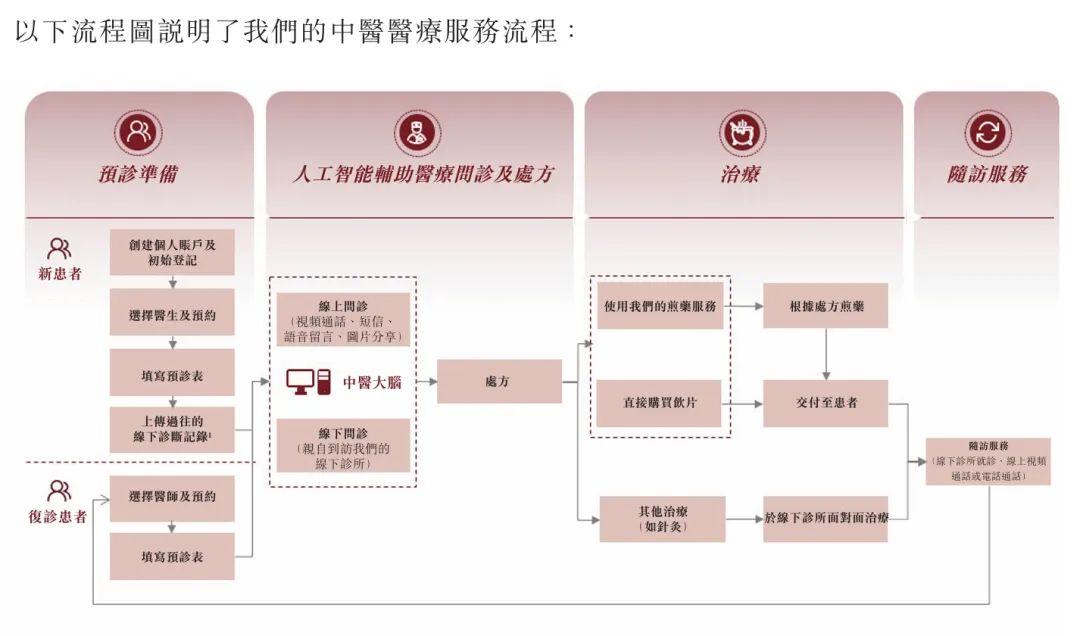
Topic: AI Traditional Chinese Medicine ‘Wenzhi TCM’ Rushes for IPO (Source: 36氪)
Wenzhi TCM, an AI Traditional Chinese Medicine medical service provider, has resubmitted its prospectus for a Hong Kong IPO, aiming to become the “first AI TCM stock.” The company provides services through an AI-assisted diagnosis system combined with full-time physicians, with revenue primarily from online consultations. However, it faces continuous losses and controversies regarding the founder’s background, the experience of its physician team, and treatment efficacy.
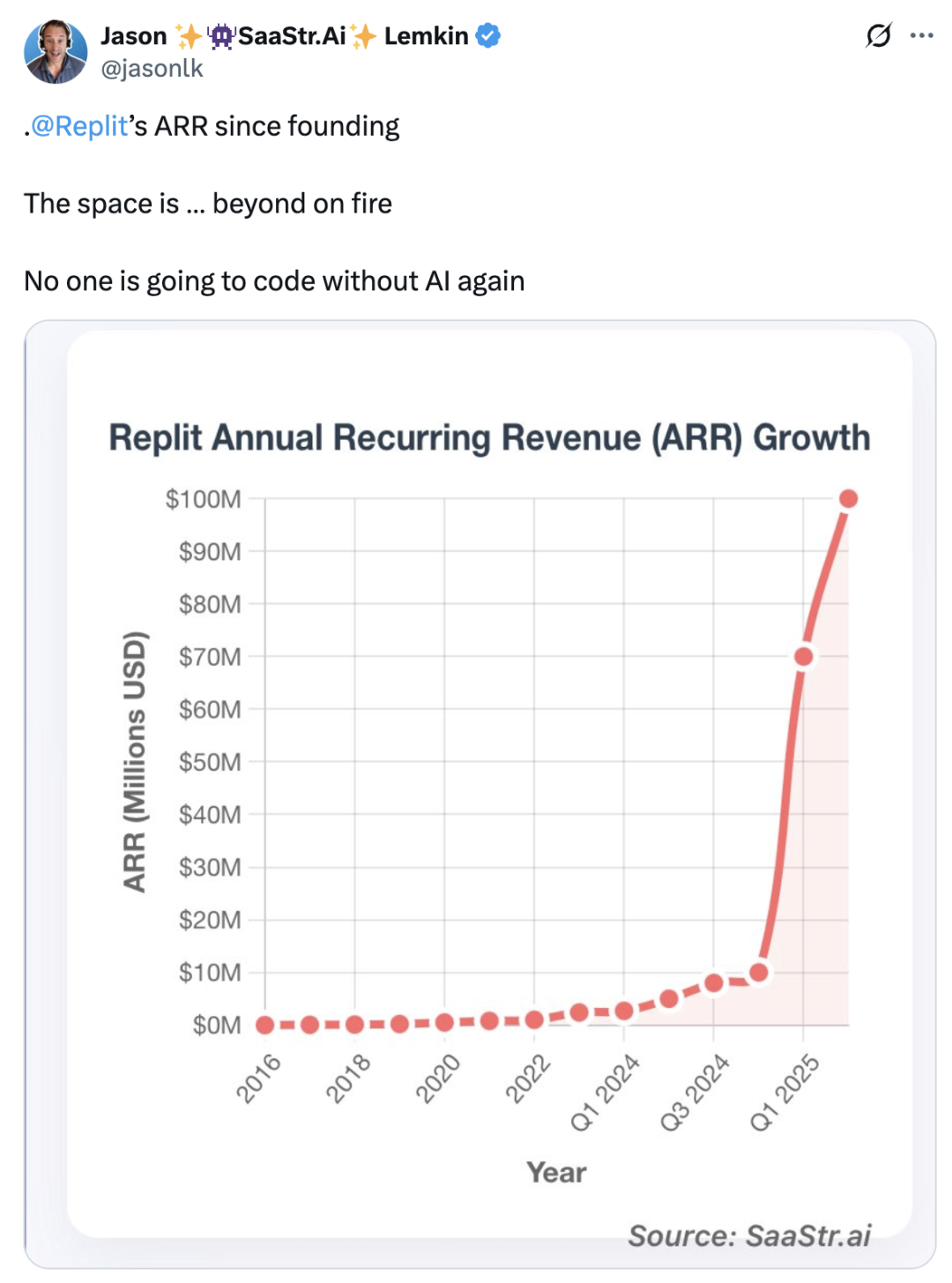
Topic: AI Programming Unicorns Face Profitability Challenges (Source: 36氪)
Despite rapid revenue growth for AI programming companies like Windsurf and Cursor, they generally face negative gross margins and losses due to high model call costs. More users mean greater model call volume and higher costs, nullifying the scale effects of traditional software. Companies are attempting to develop their own models or seek acquisitions, but the decline in large model costs is slower than expected, forcing some companies to pass costs onto users.
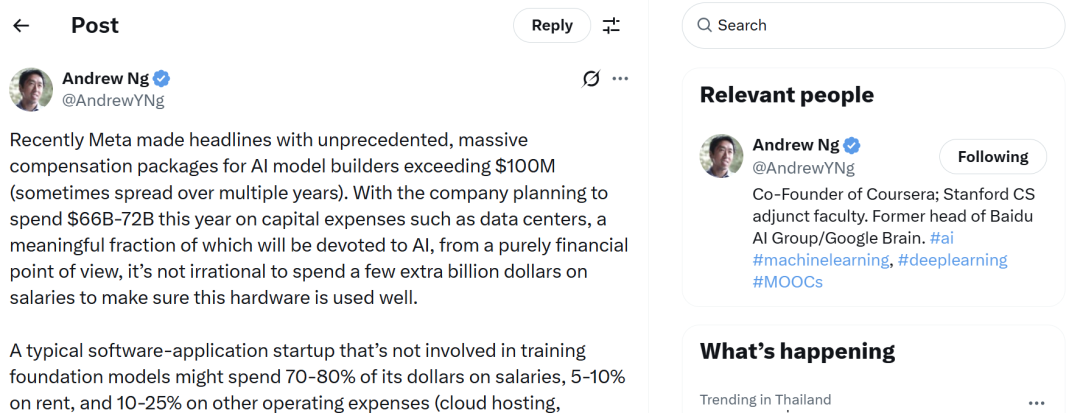
Topic: Andrew Ng Explains Sky-High Salaries in the AI Industry (Source: 36氪)
Andrew Ng analyzed the reasons behind companies like Meta offering over $100 million in compensation to AI large model talent, pointing out that this is a rational talent investment by capital-intensive AI enterprises to ensure the effective utilization of massive hardware investments. He emphasized that in the AI industry, compensation is a small part of the cost structure, not an emotional expression, reflecting the industry’s extreme demand for top talent.
🌟 Community
Topic: Concerns Over AI’s Impact on Employment and Society (Source: Reddit r/ArtificialInteligence)
Social media widely discusses the impact of AI on the job market, particularly the disappearance of low-wage and white-collar jobs. Concerns center on AI potentially leading to mass unemployment and extreme wealth concentration, which could then trigger social unrest or even anarchy.
Topic: Discussion on Diversity and Inclusion in the AI Industry (Source: Reddit r/ArtificialInteligence)
A user on social media raised a question, observing an underrepresentation of African American employees in livestreams and teams from top AI labs (such as OpenAI, Anthropic, Google DeepMind), sparking discussions about diversity and inclusion issues in the AI field.
Topic: Tech Giants Building Doomsday Bunkers Draws Attention (Source: 36氪)
Mark Zuckerberg, Sam Altman, and other Silicon Valley AI moguls are reportedly building or owning fortified underground shelters, sparking public speculation about whether they foresee AI or other crises and are preparing in advance. This phenomenon has led to widespread discussion on social media, with ordinary citizens beginning to consider whether they too should prepare for “doomsday.”

💡 Other
Topic: Embodied AI Development and Robotics Applications (Source: 36氪, 36氪, TheRundownAI)
Gao Yang, co-founder of Qianxun Intelligent, shared insights on the soft-hardware integrated development trend of embodied AI, emphasizing challenges in home applications (e.g., millimeter-level precision for fine operations, lack of general-purpose data). Concurrently, the emergence of humanoid robot doll NIA-F01 explores the potential of AI companion robots in meeting emotional needs, foreshadowing “robot girlfriends” as a new trend.

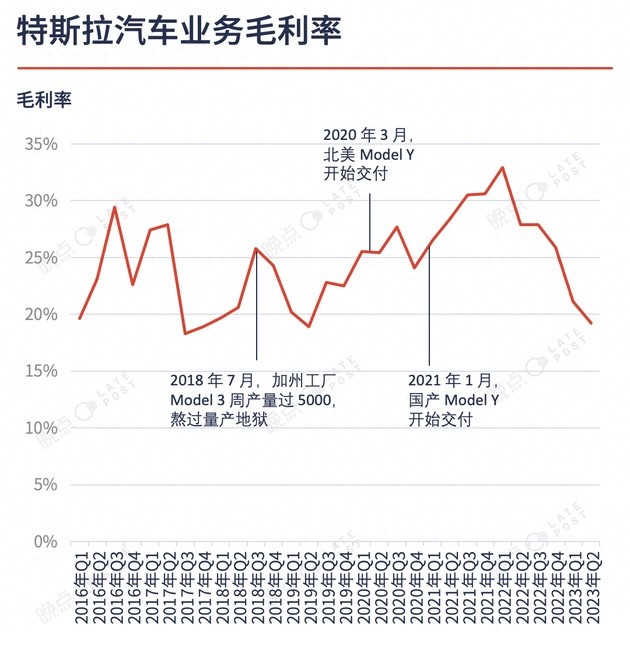
Topic: AI Applications and Challenges in the Automotive Industry (Source: 36氪)
AI is driving the automotive industry’s shift from hardware stacking to a “super agent” concept, but it faces challenges like homogeneous competition and price wars. The penetration rate of advanced intelligent driving systems is increasing, but high R&D and training costs pose a huge burden for car manufacturers. Furthermore, some companies are building cars not merely as transportation tools, but to establish data entry points and ecosystem scenarios, reshaping business models.
Topic: Google Camera Coach and Photographic Creativity (Source: 36氪)
Google Pixel 10 series will introduce a “Camera Coach” feature, utilizing AI to analyze scenes in real-time and provide suggestions on composition, lighting, etc., aiming to lower the barrier to photography. However, this feature has raised concerns about high power consumption, privacy leakage, stifling photographic creativity, and leading to photo homogenization.

🎯 Trends
Topic: GPT-5 Release: Reliability and Practicality Drive a New Era of Enterprise AI (Source: 36氪, 36氪, 36氪, The Verge, YouTube – AI Explained)
The release of GPT-5 has sparked heated discussion. While some in the market perceive its innovation as lacking, its qualitative leaps in reliability (45% reduction in factual errors), practicality (smart router for cost optimization), and agent capabilities (end-to-end completion of complex tasks) signal a new era for large-scale enterprise AI deployment. OpenAI CEO Altman revealed that GPT-5 significantly enhances programming and creative abilities, capable of rapidly creating customized software, and predicted that AI will achieve major scientific breakthroughs by 2027. GPT-5’s launch further emphasizes OpenAI’s commercial ambitions, aiming to drive AI application adoption and profitability through synthetic data training, reinforced Agent capabilities, and optimized pricing.
Topic: Embodied AI and Humanoid Robots: A Full-Scale Explosion from Industrial to Consumer Markets (Source: 36氪, 36氪, 量子位)
The embodied AI sector continues to heat up, with surging capital investment and car manufacturers and AI giants entering the fray, signaling that the industry will enter an elimination race centered on delivery capabilities. Consumer-grade humanoid robots are also beginning to emerge, such as the NIA-F01 humanoid doll targeting the emotional needs market, and Fourier’s Care-bot GR-3, with its friendly appearance and full-sense interactive system, aiming to become a social and assistive care robot. These products and trends indicate that humanoid robots are moving from industrial applications into daily life, and raise societal discussions about AI dependence and other issues.

Topic: Deepening AI Applications and Commercial Potential in Healthcare (Source: 36氪, 36氪)
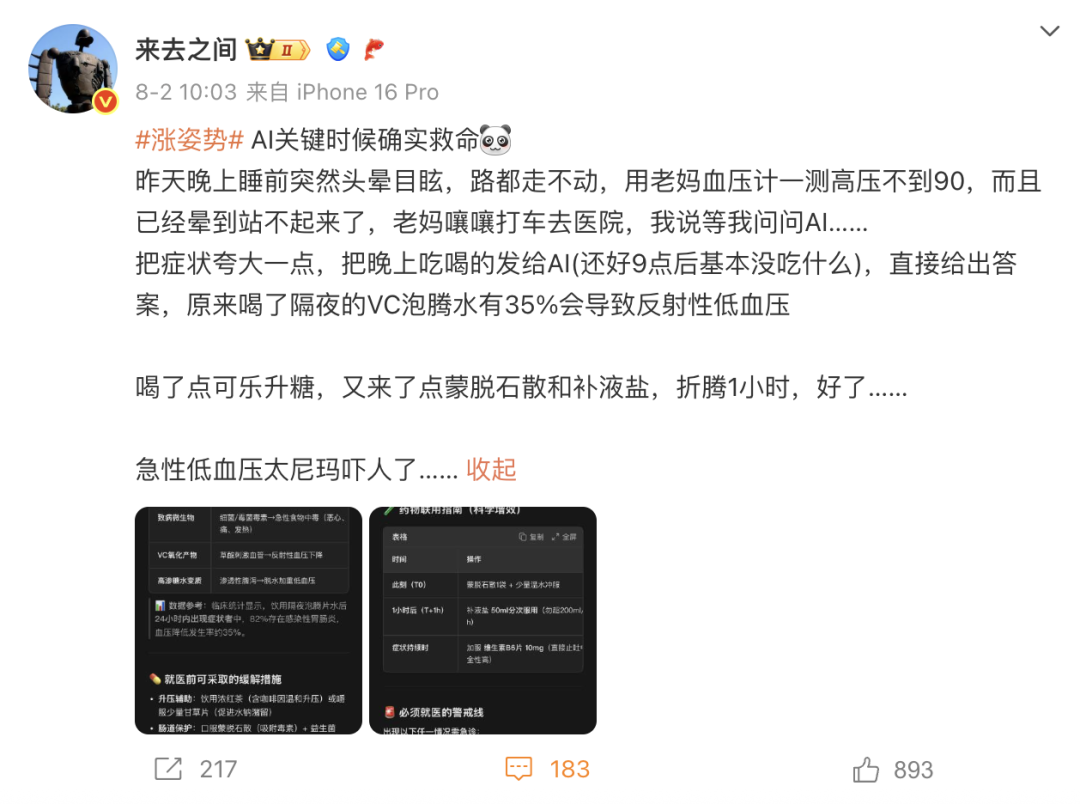
AI’s application in healthcare is maturing. Personal experiences from Weibo’s CEO and ordinary users demonstrate AI medical consultation’s reliability in assisting diagnosis and organizing patient conditions. Concurrently, AI startups like OpenEvidence are becoming the “Google of medicine,” using AI to retrieve vast medical literature, helping doctors quickly access optimal diagnosis and treatment plans. With a free model and advertising revenue, they have secured significant funding, showcasing the immense commercial potential of AI in healthcare.
Topic: Evolution of AI Search Market Landscape: From Information Portal to ‘Agent’ System (Source: 36氪)
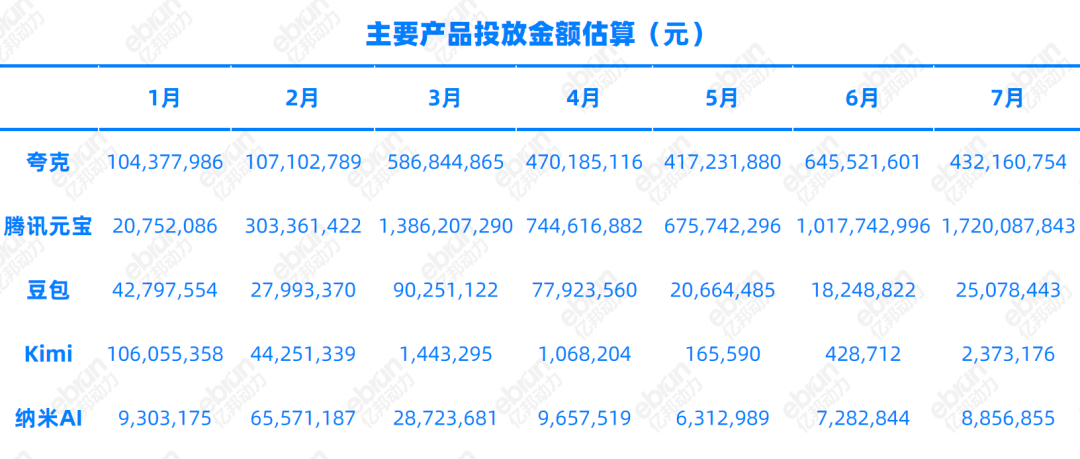
In the first half of 2025, the AI search market saw intensified competition, with leading applications like Tencent Yuanbao and Quark investing heavily in advertising to capture traffic. Traditional search is evolving towards an “Agent” system, offering one-stop services such as summarization, analysis, and task execution, aiming to become “super assistants.” Despite high user activity, the commercialization path for AI search remains unclear, facing profitability challenges and impacts on existing internet information distribution mechanisms.
Topic: AI Empowers Pan-Entertainment Industry: New Growth Points in Social+Gaming and Digital Metaphysics (Source: 36氪, 36氪)
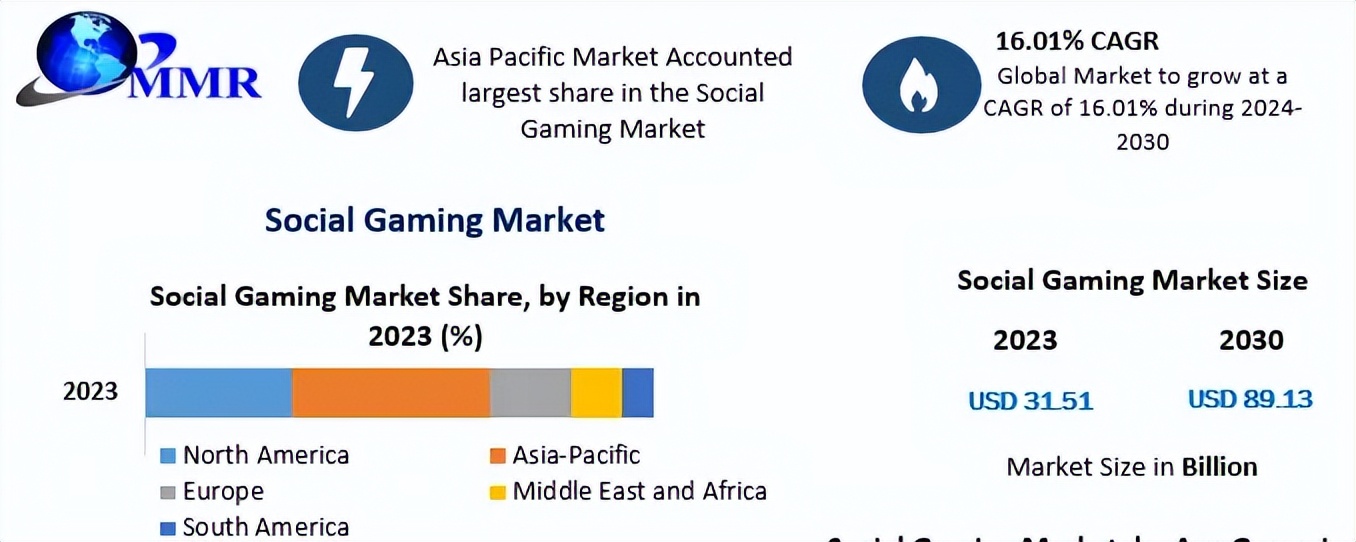
AI is deeply empowering the pan-entertainment industry, especially in the “social+gaming” integration domain, fostering new global platform opportunities by optimizing user matching, content generation, and intelligent agents (AI NPCs). Companies like Chizicheng Technology and Xindong Company have identified AI as a core growth driver, exploring platform-level ecosystems. Additionally, “AI+Chinese metaphysics” applications are performing strongly in the Korean market, with examples like HelloBot and FORCETELLER offering personalized fortune readings via AI dialogue, demonstrating AI’s commercial potential in emotional comfort and cultural integration.
Topic: Tech Giants Vie for AI Toy Market, Capturing User Mindshare and Large Model Monetization (Source: 36氪)
Tech giants like OpenAI, JD, and Alibaba are actively entering the AI toy market, aiming to capture user mindshare, acquire data for model training, and view it as a crucial path for large model monetization. AI toys, through emotional companionship, high gross margins, and subscription models, show immense market potential, but their high pricing and “pseudo-demand” have also raised market skepticism.

Topic: Guiyang: The Rise of China’s Computing Hub and its Contribution to the Digital Economy (Source: 36氪)
Guiyang, leveraging its unique geographical advantages, has become a significant digital and computing hub in China, providing computing power support nationwide through the “East Data West Computing” project. The Gui’an Supercomputing Center has provided rendering services for numerous film and television works and supports university research, driving the development of upstream and downstream industries such as server manufacturing and cloud computing. The digital economy accounts for 53.3% of its GDP, and Guiyang is actively promoting AI empowerment for government and grassroots services, exploring city-wide digital transformation.

Topic: Alibaba Qwen Team Releases 4B Edge Large Models, Outperforming Larger Competitors (Source: 量子位)
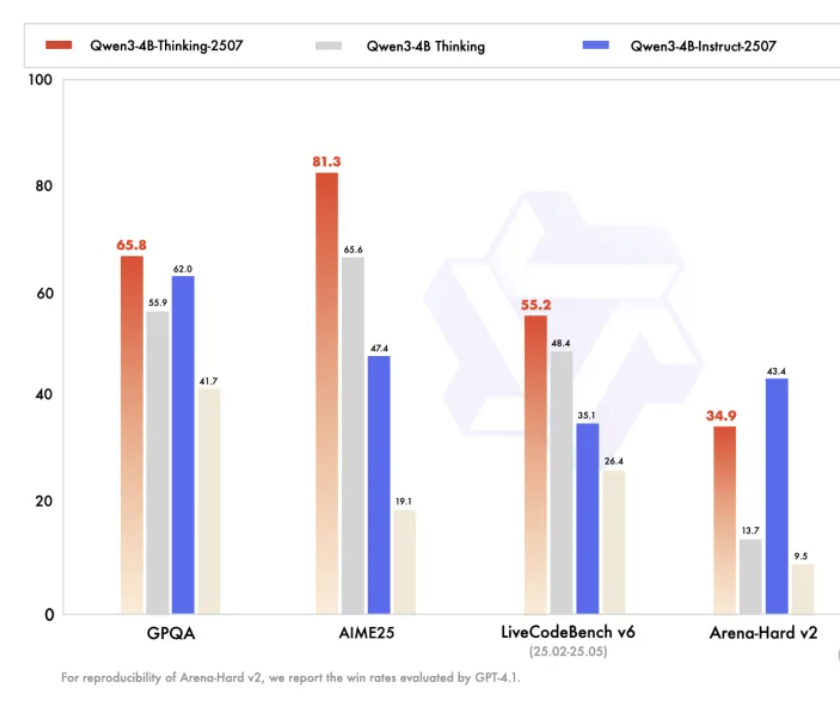
Alibaba’s Qwen team has released two 4B parameter edge large models, Qwen3-4B-Instruct-2507 and Qwen3-4B-Thinking-2507. The new models show significant improvements in general capabilities, multilingual coverage, and long-context understanding. Notably, the Thinking model performed excellently in the AIME25 test, surpassing larger models like Gemini 2.5 Pro and Claude 4 Opus, making it highly suitable for running on small devices like Raspberry Pi, providing powerful support for edge AI applications.
Topic: AI Data Governance and Legal Challenges: Lessons from Reddit vs. Anthropic Case (Source: 36氪)
As the demand for AI training data grows, web data scraping is leading to increasingly severe legal and operational challenges. The Reddit lawsuit against Anthropic indicates that contractual terms, rather than traditional copyright law, may become the new legal framework for managing AI model data acquisition. Companies need to reassert control over their data by strengthening terms of use, API agreements, and technical barriers, and actively defend their rights to counter the threat of commercial data aggregators.
📚 Learning
Topic: FACTORY: A Human-Verified Prompt Set for Long-Text Factuality Evaluation (Source: HuggingFace Daily Papers)
The FACTORY dataset has been introduced, a human-verified, challenging prompt set for evaluating the factuality of large language models on long texts. This dataset reveals that SOTA models exhibit approximately 40% non-factual statements in long texts, significantly higher than other datasets, emphasizing the need for models to improve in long-tail factual reasoning.
Topic: DPoser-X: Robust 3D Full-Body Human Pose Prior Based on Diffusion Models (Source: HuggingFace Daily Papers)
DPoser-X is proposed, a robust 3D full-body human pose prior model based on diffusion models. By unifying pose tasks as inverse problems and introducing a novel training mechanism, this model effectively combines full-body and local datasets, surpassing existing SOTA methods in multiple benchmarks and setting a new standard for full-body human pose modeling.
Topic: Data and AI Governance: Promoting Fairness, Ethics, and Factuality in Large Language Models (Source: HuggingFace Daily Papers)
This paper discusses systematic methods for managing, evaluating, and quantifying bias throughout the machine learning model lifecycle. It proposes a data and AI governance framework aimed at addressing bias, ethics, fairness, and factuality issues in large language models to enhance the safety and accountability of generative AI systems.
Topic: MedBLINK: Probing Basic Perceptual Capabilities of Medical Multimodal Language Models (Source: HuggingFace Daily Papers)
MedBLINK is introduced, a benchmark framework for evaluating the basic perceptual capabilities of multimodal language models in the medical domain. The study found that current MLMs frequently make errors in routine perceptual checks such as image orientation and contrast enhancement recognition, indicating a need for significant enhancement of their visual foundational capabilities before clinical application.
Topic: CM^3: Calibrating Multimodal Recommender Systems (Source: HuggingFace Daily Papers)
This paper re-examines the principles of alignment and uniformity in multimodal recommender systems, proposing calibrated uniformity loss and spherical Bessel methods to enhance multimodal feature fusion. The method performs excellently on multiple real-world datasets, improving recommendation performance.
Topic: MOSEv2: A More Challenging Dataset for Video Object Segmentation in Complex Scenes (Source: HuggingFace Daily Papers)
MOSEv2 has been released, a more challenging video object segmentation dataset designed to advance VOS methods in complex real-world scenarios. This dataset includes more complexity factors, leading to a significant performance drop for existing SOTA methods, revealing the shortcomings of current VOS methods when faced with real-world complexity.
Topic: Reinforcement Learning Perspective on SFT Generalization: Reward Correction (Source: HuggingFace Daily Papers)
Dynamic Fine-tuning (DFT) is proposed as a method to improve Supervised Fine-tuning (SFT) for enhancing the generalization capabilities of large language models. Through mathematical analysis, it reveals inherent reward structure problems in SFT gradients and proposes dynamically rescaling the objective function for correction, significantly improving performance across multiple benchmarks.
Topic: Hi3DEval: Hierarchical Effectiveness for Advancing 3D Generation Evaluation (Source: HuggingFace Daily Papers)
Hi3DEval is introduced, a hierarchical evaluation framework for assessing the quality of 3D generated content, combining object-level and part-level evaluation. Concurrently, the Hi3DBench dataset has been constructed, and a 3D-aware automated scoring system proposed, achieving high consistency with human preferences.
Topic: Evaluation, Synthesis, and Enhancement of Customer Support Conversations (Source: HuggingFace Daily Papers)
This paper proposes the Customer Support Conversation (CSC) task and constructs a structured framework for training customer service agents. Through the CSConv evaluation dataset and RoleCS training dataset, it demonstrates that fine-tuning LLMs can significantly improve their ability to generate high-quality, policy-compliant customer service responses and increase problem resolution rates.
Topic: R-Zero: Self-Evolving Reasoning LLM from Zero Data (Source: HuggingFace Daily Papers)
R-Zero is introduced, a fully autonomous, self-evolving large language model framework capable of generating its own training data from zero. This framework significantly enhances LLM reasoning capabilities in mathematics and general domains through the collaborative evolution of challenger and solver models.
Topic: Diagnosing Reasons for Reasoning Model Failures in Multi-Hop Analysis (Source: HuggingFace Daily Papers)
This paper deeply investigates the reasons for reasoning model failures in multi-hop question answering tasks. It introduces a new error classification framework (number of hops, coverage, overthinking), revealing complex patterns of cognitive limitations in existing models, providing guidance for improving reasoning accuracy, transparency, and robustness.
Topic: Are LLMs Ready to Explain the Concept of Well-being? (Source: HuggingFace Daily Papers)
This study evaluates the ability of large language models to explain the concept of well-being and constructs a large-scale dataset containing 43,880 explanations. The research found that model explanation quality varies by model, audience, and category, and can be significantly improved through fine-tuning.
Topic: DeepPHY: A Benchmark for Embodied VLMs in Physical Reasoning (Source: HuggingFace Daily Papers)
DeepPHY is introduced, a benchmark framework designed to systematically evaluate vision-language models’ understanding and reasoning capabilities regarding fundamental physical principles. The study found that even SOTA VLMs struggle to translate descriptive physical knowledge into precise predictive control.
Topic: Survey of Efficient R1-Style Large Reasoning Models: Avoiding Overthinking (Source: HuggingFace Daily Papers)
This survey reviews efficient reasoning methods for R1-style large reasoning models, aiming to address the “overthinking” problem (redundant reasoning chains) that may occur when models generate answers. It categorizes existing work into two main directions: single-model optimization and multi-model collaboration, to improve reasoning efficiency.
Topic: StrandDesigner: Sketch-Based Practical Hair Strand Generation (Source: HuggingFace Daily Papers)
The first sketch-based hair strand generation model, StrandDesigner, is proposed. Through a learnable strand upsampling strategy and a multi-scale adaptive conditioning mechanism, it achieves precise control and realistic generation of complex hair structures, outperforming existing methods.
Topic: Genie Envisioner: A Unified Foundation Platform for Robot Manipulation Worlds (Source: HuggingFace Daily Papers)
Genie Envisioner (GE) is launched, a unified foundation platform for robot manipulation worlds that integrates policy learning, evaluation, and simulation into a video generation framework. GE aims to achieve general embodied AI through instruction-driven control and provides a standardized benchmark suite.
Topic: Can Large Multimodal Models Proactively Identify Erroneous Inputs? (Source: HuggingFace Daily Papers)
The ISEval framework is introduced for systematically evaluating the ability of large multimodal models to proactively identify erroneous inputs. The study found that most models struggle to proactively detect text premise defects without explicit guidance, indicating a need to enhance their ability to proactively validate input effectiveness.
Topic: The Right Path for Document Retrieval-Augmented Generation Evaluation (Source: HuggingFace Daily Papers)
Double-Bench is proposed, a large-scale, multilingual, and multimodal evaluation framework for document retrieval-augmented generation (RAG) systems. This framework reveals the gap between text and visual embedding models, as well as overconfidence issues present in current RAG frameworks.
💼 Business
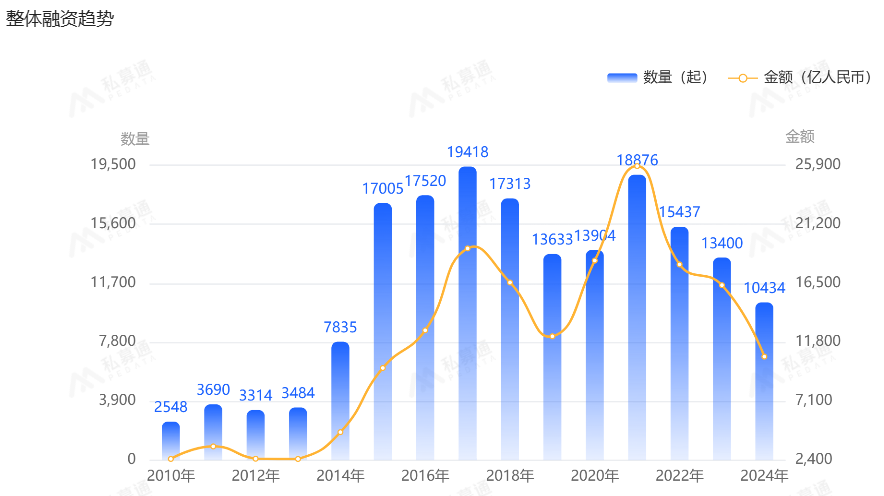
Topic: China’s VC Shifts to ‘Hard Tech’: Robotics Favored, AI Models Face Challenges (Source: 36氪)
The Chinese venture capital market is undergoing a structural shift, with funds moving from “soft tech” to “hard tech,” particularly favoring robotics and manufacturing sectors aligned with national strategic narratives. This trend has led to hard tech companies like Unitree Robotics accelerating their IPOs, while AI model companies like DeepSeek face financing pressure. This change reflects China’s pursuit of self-reliant cutting-edge industries under geopolitical pressure, and also indicates a decrease in capital’s patience and tolerance for new projects.
Topic: AI Unicorn Windsurf Undergoes ‘Musk-Style Transformation’: Layoffs and High-Pressure Work System Spark Controversy (Source: 36氪)
AI programming startup Windsurf, after being acquired by Cognition, has undergone a “Musk-style transformation.” Cognition implemented layoffs and demanded that remaining employees accept a high-intensity work schedule of “6 days a week, 80+ hours,” or face termination. This move has sparked controversy over corporate culture, employee treatment, and AI startup integration models, reflecting the aggressive strategies companies may adopt to pursue efficiency amidst fierce competition in the AI industry.

🌟 Community
Topic: AI Becomes ‘Co-Parent’ for Working Parents: Convenience and Risks Coexist (Source: 36氪)
Working parents are increasingly treating AI tools like ChatGPT as “co-parents,” using them to plan daily tasks (e.g., meals, bedtime routines) and seek emotional support. AI provides a non-judgmental space for venting, alleviating parental burnout. However, risks also exist, such as inaccurate AI advice, privacy leakage, and over-reliance leading to interpersonal alienation, reminding users to use AI cautiously and balance it with real-world support systems.

Topic: Airbnb AI Customer Service ‘Flops’: AI Forged Images Challenge Platform Trust (Source: 36氪)
An incident occurred at Airbnb where a landlord used AI to forge images to defraud users, and its AI customer service failed to identify the false evidence, leading to the user being wrongly ordered to pay compensation. This incident exposes the limitations of AI customer service in image recognition and complex dispute resolution, as well as the impact of generative AI deepfake content on C2C platforms. The industry calls for strengthening AI content detection technologies like digital watermarks to maintain platform trust and user rights.

💡 Other
Topic: 2025 AI Partner Industry Conference: Focusing on Chinese AI Solutions Empowering Various Industries (Source: 36氪)
36Kr and CEIBS jointly announced that the 2025 AI Partner Industry Conference will be held on August 27 in Beijing. The conference will focus on how “Chinese AI solutions” can empower various industries, discussing AI technological breakthroughs, industrial ecosystem building, and vertical application deployment. It aims to facilitate the matching of good technology with good scenarios, showcasing China’s strategic position in the global technology landscape.