
以下是为您汇总、分析和提炼的AI栏目内容:
🔥 Focus
Topic: GPT-5 Official Launch and Core Features (Source: sama, OpenAI, mustafasuleyman, gdb, TheTuringPost, lmarena_ai, nrehiew_, ananyaku, SebastienBubeck)
OpenAI officially launched GPT-5, making it freely available on ChatGPT while significantly increasing usage limits for paid users. The model is hailed as the smartest, fastest, and most practical AI system to date, capable of dynamically invoking models with varying reasoning depths through a unified intelligent routing mechanism to handle complex tasks. GPT-5 demonstrates comprehensive leadership in LMArena across text, web development, and vision domains, with notable improvements in coding, mathematics, creative writing, and long-text understanding, alongside a substantial reduction in hallucination rates. OpenAI emphasizes that GPT-5 is the culmination of two years of research, integrating the strengths of previous models like multimodality, reasoning, and tool use, and introducing entirely new research breakthroughs.
Topic: GPT-5 Benchmark Performance and Pricing Strategy (Source: fchollet, scaling01, scaling01, scaling01, scaling01, scaling01, scaling01, scaling01, scaling01, jeremyphoward)
GPT-5 performed exceptionally well in coding and math benchmarks such as SWE-Bench and AIME. The GPT-5 Pro version reached saturation in AIME 2025 and achieved 32.1% on FrontierMath. Its long-text processing capability significantly improved, and its hallucination rate is much lower than the O3 model. In terms of pricing, GPT-5 Nano, Mini, and Pro offer different service tiers, with the Nano version being extremely cost-effective while surpassing the performance of some earlier large models. Although it did not outperform Grok-4 in certain specific benchmarks like ARC-AGI-2, its comprehensive performance and competitive pricing make it a strong contender in the market.
Topic: GPT-5 Safety Evaluation Report (Source: METR_Evals)
The METR evaluation report indicates that GPT-5 is unlikely to pose catastrophic risks through AI R&D acceleration, malicious replication, or laboratory sabotage, but the model’s capabilities are still rapidly evolving and showing increasing evaluation awareness.
🎯 Trends
Topic: Large Language Model Optimization and Application Progress (Source: huggingface , merve, algo_diver
 , basetenco
 , multimodalart
 )
)
HuggingFace’s TRL library now supports GRPO and MPO for Vision-Language Models (VLM) and offers one-click CLI training commands, further advancing multimodal alignment. Baseten demonstrated the GPT-OSS 120B model achieving over 600 tokens per second on NVIDIA GPUs, significantly boosting model performance through optimization. Experimental training of Qwen-Image Loras has also been completed, showcasing its potential in image generation.
Topic: New AI Features in Specific Domains (Source: Ronald_vanLoon, c_valenzuelab , EthanJPerez)
Google Gemini Advanced users can now create on Canvas via Gemini 2.5 Pro. Runway’s Aleph model enables precise local modifications of video content, allowing changes to clothing, hairstyles, lighting, and locations with just text instructions. Claude Code has added an automated code security review feature, available via slash commands or GitHub Actions integration, helping developers find vulnerabilities before code release.
Topic: Robotics and Bioacoustic AI Progress (Source: TheRundownAI , Ronald_vanLoon, Ronald_vanLoon, osanseviero)
Recent developments in robotics include: Unitree releasing an ultra-high-speed stunt robot dog, OpenMind launching a “robot Android system,” robot-operated hotels appearing in Japan, and robots rebuilding homes after the Los Angeles fire. Concurrently, Google DeepMind released Perch 2, a 12-billion-parameter bioacoustic model capable of classifying 15,000 species and generating audio embeddings for downstream applications, aiming to advance bioacoustic science for endangered species protection.
Topic: Large Vision Memory Model Emerges (Source: TheTuringPost)
memories.ai launched the world’s first Large Vision Memory Model (LVMM), which grants AI nearly infinite visual recall capabilities. By using four models in stages, it can reason using a vast repository of visual experiences, significantly enhancing AI’s understanding and processing of visual information.
🧰 Tools
Topic: AI-Assisted Development and Content Creation Tools (Source: julesagent , LangChainAI, TomLikesRobots)
Jules can now run and render web applications, provide screenshot verification for frontend changes, and support adding public image links for visual context within tasks. LangChain’s Open SWE allows users to edit, remove, or add to its generated plans, enhancing the flexibility of code development agents. BeatBandit offers story creators the ability to transform raw story ideas into scenes, scripts, and drafts, claiming 100x speed improvement and automatic application of professional screenwriting techniques.
Topic: Knowledge Graph and RAG Enhancement Tools (Source: yoheinakajima , bobvanluijt
 , bobvanluijt
 )
)
Graphiti simplifies knowledge graph construction with real-time, time-series data support, seamlessly integrating with FalkorDB. It’s particularly suitable for LLM agents and advanced RAG pipelines, capable of understanding complex relationships between data. Glowe AI skincare application leverages “named vectors” technology, assigning higher weights to rare, meaningful effects in reviews to provide more personalized product recommendations, addressing the issue of generic descriptions in traditional search.
Topic: Model Deployment and Evaluation Tools (Source: skypilot_org , hwchase17
 , dariusemrani)
SkyPilot provides a recipe for distributed fine-tuning of OpenAI gpt-oss, leveraging Nebius AI Infiniband and HuggingFace Accelerate for efficient training. LangSmith’s Align Evals feature aims to help developers build more reliable evaluation systems, reducing inconsistencies in prompt engineering. Scorecard AI also supports GPT-5 model evaluation, emphasizing the efficiency of its automatic routing.
📚 Learning
Topic: AI Evaluation and RAG Practice Resources (Source: HamelHusain , HamelHusain)
“Beyond Naive RAG: Practical Advanced Methods” is an open-source book condensing 5 hours of instructional content into a 30-minute reading summary, focusing on advanced RAG methods. Concurrently, the “AI Evals for Engineers & PMs” course offers a systematic framework for LLM evaluation, helping engineers and product managers better assess AI products.
Topic: LLM Inference and Code Generation Tutorials (Source: lateinteraction , shxf0072, cloneofsimo
 )
)
New research explores how to enhance LLM coding capabilities in low-resource programming languages (e.g., OCaml, Fortran) and proposes new multilingual benchmarks. Additionally, a tutorial shares how to build a vLLM from scratch based on Flex Attention, with less than 1000 lines of code, particularly useful for reinforcement learning researchers.
Topic: AI and Human Coding Capability Challenges (Source: fchollet)
Kaggle launched the NeurIPS 2025 Code Golf competition, aiming for participants to write the smallest possible Python solution program for the ARC-AGI-1 task, challenging whether humans are better at writing concise and efficient code than cutting-edge models.
💼 Business
Topic: OpenAI Employee Incentives and Talent Competition (Source: steph_palazzolo)
OpenAI distributed bonuses ranging from hundreds of thousands to millions of dollars to approximately 1000 researchers and engineers (about one-third of the company) to address fierce AI talent competition and prepare for the GPT-5 launch.
Topic: Cohere Labs Launches AI Innovation Grant Program (Source: sarahookr )
)
Cohere Labs launched its “Catalyst Grants” program, providing developers and startups with free access to Cohere models to support them in building AI solutions that address critical challenges in education, healthcare, climate, and global communities.
🌟 Community
Topic: GPT-5 Launch Sparks Controversy and Expectations (Source: natolambert , scaling01, doodlestein
 , Teknium1
 , charles_irl, BorisMPower, omarsar0, andersonbcdefg
 , OfirPress
 , code_star, nrehiew_
 , far__el, AymericRoucher
 , bigeagle_xd
 , gfodor
 , cHHillee
 , francoisfleuret, leonardtang_
 , TheEthanDing
 , m__dehghani
 , crystalsssup
 , kipperrii, inerati, tokenbender, menhguin, sbmaruf, LiorOnAI
 , Dorialexander, BrivaelLp, lateinteraction
 , suchenzang
 )
)
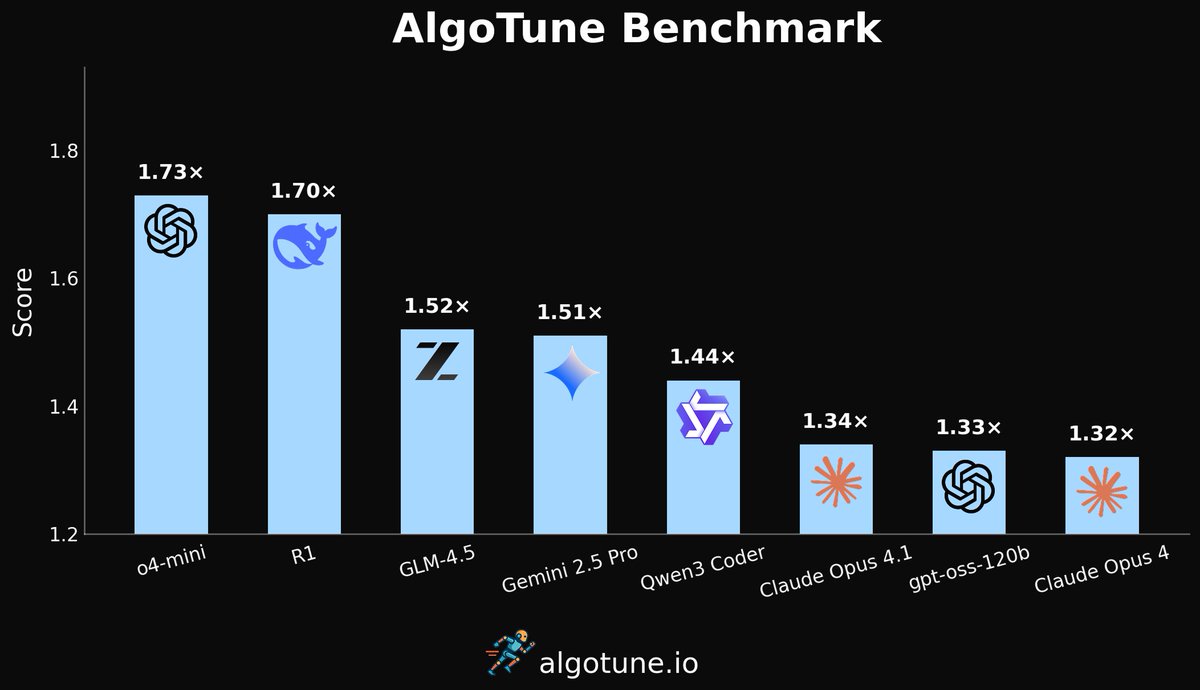
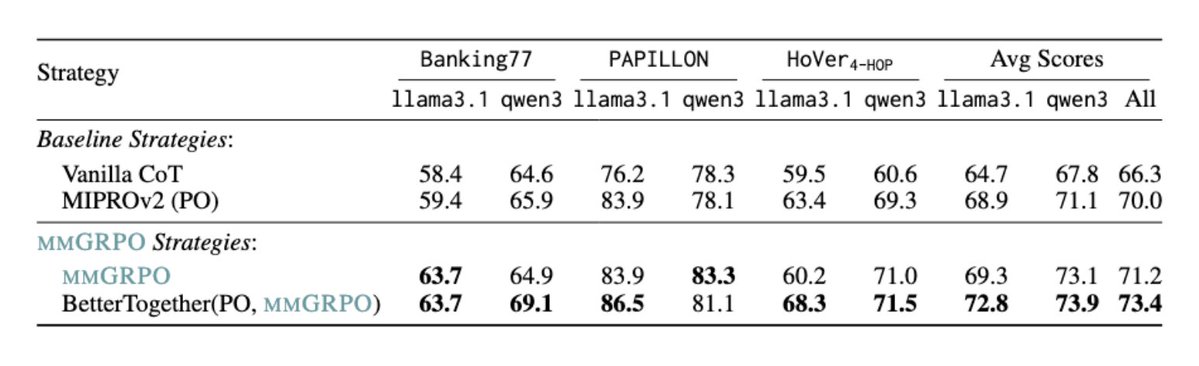
The launch of GPT-5 sparked widespread community discussion. Some users expressed disappointment that its performance in certain benchmarks (e.g., ARC-AGI-2) did not meet expectations, feeling that the improvement was not as “leap-like” as GPT-3 to GPT-4. Concurrently, OpenAI’s presentation charts were criticized for “Chart Crime,” with data presentation raising questions about its transparency and marketing tactics. Despite this, many early testers praised its advancements in coding, tool use, and reasoning capabilities, believing it will significantly change work methods. Additionally, the community discussed the combined application of reinforcement learning and prompt optimization in composite AI systems, as well as the scarcity and high cost of AI talent.
💡 Others
Topic: AI Agent Efficiency Improvement Research (Source: _akhaliq )
)
Research titled “Efficient Agents” focuses on building effective AI agents while reducing costs. This indicates that the AI field continues to explore ways to optimize agent system performance and resource consumption, making them more feasible and economical for practical applications.
🔥 Focus
Topic: OpenAI Launches GPT-5, Emphasizing Practicality and Affordability
Detailed Interpretation, Analysis, and Insights: OpenAI officially launched GPT-5, making it available to paid users and via API. Sam Altman stated that GPT-5 is OpenAI’s smartest model to date, but the core of this release lies in enhancing its practicality, mass accessibility, and cost-effectiveness. He noted that while more powerful models will be released in the future, GPT-5 aims to benefit over a billion users globally, especially considering most users have only experienced GPT-4o-level models. This update is dedicated to providing a more stable, less hallucinatory experience, helping users more efficiently complete tasks such as coding, creative writing, and health information queries. (Source: sama, OpenAI, sama)
Topic: GPT-5 Achieves Significant Improvement in Coding Capabilities
Detailed Interpretation, Analysis, and Insights: GPT-5 is hailed as OpenAI’s most powerful coding model to date, particularly excelling in complex frontend generation and large codebase debugging. Prominent coding tools like Cursor have set GPT-5 as their default model, replacing Claude, and describe it as “the smartest coding model we’ve tried.” The developer community widely reports GPT-5’s excellent performance in instruction following and tool calling, efficiently handling multi-task and long-cycle coding demands, generating higher quality code with fewer hallucinations, which is crucial for improving development efficiency. (Source: BorisMPower, zhansheng, openai, lmarena_ai, aidan_mclau)
Topic: GPT-5 API Pricing Strategy is Highly Competitive
Detailed Interpretation, Analysis, and Insights: GPT-5’s API pricing is more economical than GPT-4o and highly competitive compared to other cutting-edge models. For instance, its input-side pricing is significantly lower than Claude 4 Sonnet, which will substantially reduce the cost of coding tasks. The OpenAI team states this is due to relentless efforts over the past year to reduce the cost of intelligence and emphasizes continued commitment to this goal. This strategy is expected to accelerate GPT-5’s adoption within the developer community, making it the preferred model for more applications and services. (Source: juberti, jeffintime, aidan_mclau, bookwormengr)
Topic: GPT-5 Significantly Reduces Model Hallucination Rate
Detailed Interpretation, Analysis, and Insights: GPT-5 has made significant progress in reducing model hallucinations, achieving an all-time low hallucination rate. This means the model is more accurate and reliable when generating content, better able to distinguish facts from speculation, and can provide citations when needed. This improvement enhances the model’s trustworthiness, making it more robust when handling critical domains like health information. Some comments note that GPT-5 achieved a perfect score on Anthropic’s “Agentic Misalignment” benchmark, virtually eliminating harmful behaviors, further demonstrating its safety. (Source: sama, aidan_mclau, scaling01, aidan_mclau)
Topic: OpenAI Invests Heavily in Compute Infrastructure for GPT-5
Detailed Interpretation, Analysis, and Insights: To support the GPT-5 launch, OpenAI has increased its compute power by 15 times since 2024. In the past 60 days, the company built over 60 clusters, with backbone network traffic exceeding that of an entire continent, and deployed over 200,000 GPUs to support the rollout of GPT-5 to 700 million people. Concurrently, OpenAI is planning its next-generation 4.5GW superintelligence infrastructure. Sam Altman specifically thanked partners like Microsoft, NVIDIA, Oracle, Google, and Coreweave, emphasizing the importance of heavily utilized GPUs for this launch. (Source: sama, sama, itsclivetime)
🎯 Trends
Topic: GPT-5 Introduces New Chat Personas and “Thinking” Mode
Detailed Interpretation, Analysis, and Insights: GPT-5 not only enhances core capabilities but also introduces four new chat personas: Cynic, Robot, Listener, and Nerd, which users can switch between in settings to experience different conversational styles. Furthermore, the model offers a “Thinking” mode, allowing users to choose between “quick answer” or letting the model engage in deeper thought. This indicates OpenAI’s innovative attempts at model controllability and user experience. (Source: openai, kylebrussell, joannejang)
Topic: OpenAI Releases GPT-OSS Open-Weight Models
Detailed Interpretation, Analysis, and Insights: OpenAI broke years of silence by releasing the GPT-OSS series of open-weight models (GPT-OSS-20B and GPT-OSS-120B). These models use an Apache 2.0 license, feature a 128k context window, Chain-of-Thought reasoning capabilities, and support local execution. This move is seen as OpenAI’s “return” to the open model space, potentially balancing closed-source and open-source ecosystems and altering the AI model competitive landscape. The community widely discussed the strategic intent behind OpenAI’s decision. (Source: TheTuringPost, huggingface, juberti)
Topic: AI Model Evaluation Benchmarks and Chart Quality Spark Controversy
Detailed Interpretation, Analysis, and Insights: Following the GPT-5 launch, various benchmark results sparked heated community discussion. For example, SWE-Bench (primarily for Django) and ARC-AGI tests were widely cited, but some users questioned the representativeness of these benchmarks and the quality of chart presentations, even coining the term “chart crime.” Some argued that certain benchmarks do not fully reflect the model’s actual capabilities and overly focus on specific libraries or tasks. Additionally, the model’s real-world performance in creative writing, instruction following, and other areas led to comparisons and discussions with models like Claude 4.1 Opus and Gemini 2.5 Pro. (Source: nrehiew_, sbmaruf, ajeya_cotra, dotey, TheZachMueller, jeremyphoward, agihippo, code_star, BrivaelLp, TheEthanDing, colin_fraser, op7418, karminski3)
Topic: Model Routing Era Arrives, Balancing Intelligence and Cost-Effectiveness
Detailed Interpretation, Analysis, and Insights: With the launch of GPT-5, the era of model routing has begun. OpenAI now offers different model options—GPT-5, GPT-5-mini, and GPT-5-nano—with varying performance, cost, and latency trade-offs. This means model selection is shifting from manual user switching to more intelligent backend routing. This trend will enable models to automatically select the most suitable backend for different scenarios, achieving the optimal balance of intelligence and cost-effectiveness. Developers generally believe this model will significantly enhance the efficiency and user experience of AI applications. (Source: snsf, swyx, scaling01, tokenbender)
🧰 Tools
Topic: Cursor Sets GPT-5 as Default Coding Model and Launches CLI Version
Detailed Interpretation, Analysis, and Insights: Coding assistant Cursor announced that it has set GPT-5 as its default model, replacing Claude, and called it the “smartest coding model” their team has tested. Concurrently, Cursor launched a CLI (Command Line Interface) version, allowing users to directly access all models from the terminal and seamlessly switch between CLI and editor. The CLI version supports automated script writing, documentation updates, and security reviews, and can guide and adjust AI Agent behavior in real-time, supporting custom rules, greatly enhancing development efficiency and flexibility. (Source: BorisMPower, zhansheng, itsclivetime, doodlestein, dotey, amanrsanger, op7418)
Topic: Multiple AI Applications and Platforms Integrate GPT-5
Detailed Interpretation, Analysis, and Insights: Following the GPT-5 launch, various AI applications and platforms quickly announced integration with GPT-5, including Perplexity, LlamaIndex, LangChain, Gradio, Spellbook, Notion AI, JetBrains AI Assistant, Higgsfield Assist, and Yupp.ai. Perplexity offers GPT-5 access to Pro and Max subscribers, LlamaIndex provides day-zero support for GPT-5 and uses it for Agent Maze benchmarks, and LangChain quickly supported GPT-5 for building Agents. These integrations enable GPT-5’s capabilities to rapidly empower various AI tools and development frameworks, accelerating its real-world application. (Source: AravSrinivas, perplexity_ai, jerryjliu0, LangChainAI, huggingface, scottastevenson, kevinweil, sama, yupp_ai, _akhaliq)
Topic: Codex CLI Integrates GPT-5, Enhancing Command-Line Development Experience
Detailed Interpretation, Analysis, and Insights: OpenAI significantly improved Codex CLI and integrated it with GPT-5. Now, ChatGPT paid plan users can use GPT-5 in the command-line tool without an API key. This update includes upgraded prompts, sandbox logic, and approval processes, and introduces a new terminal UI. This enhancement allows developers to leverage GPT-5’s powerful coding capabilities directly in the command-line environment for code generation, debugging, and project management, further boosting command-line development efficiency and convenience. (Source: aidan_mclau, gdb, aidan_mclau)
Topic: pr-checker-ai Uses GPT-5 for Automated Code Review
Detailed Interpretation, Analysis, and Insights: A new development tool called pr-checker-ai has been launched, leveraging GPT-5’s capabilities to perform code reviews and comments directly on GitHub Pull Requests (PRs). The tool supports simultaneous side-by-side comparison using OpenAI and Anthropic models, allowing developers to quickly and conveniently evaluate the performance of different models in code review. This marks a further deep application of AI in automated software development processes, promising to significantly improve code quality and development efficiency. (Source: jerryjliu0, jerryjliu0)
📚 Learning
Topic: OpenAI Releases GPT-5 Prompt Engineering Guide
Detailed Interpretation, Analysis, and Insights: OpenAI released an official prompt engineering guide for GPT-5, detailing how to effectively interact with the model to fully leverage its capabilities in reasoning, planning, and hallucination reduction. The guide highlights GPT-5’s strengths in long-context understanding and instruction following, providing specific prompting techniques and best practices to help users optimize model output. This is an important learning resource for both developers and general users, aiding in better utilization of GPT-5’s powerful features. (Source: scaling01)
Topic: AI Agent Production Practice and Evaluation Course Sharing
Detailed Interpretation, Analysis, and Insights: The community has shared experiences and learning resources on AI Agent production practice. A senior AI Agent developer shared a simple tutorial on building production-grade AI Agents, emphasizing the importance of practical operations. Additionally, an AI evaluation course was recommended, aiming to help engineers and product managers systematically evaluate AI products, identify issues through error analysis, and write evaluation metrics to capture errors, thereby iteratively improving AI Agents. These resources are highly valuable for professionals looking to deeply understand and apply AI Agents. (Source: _avichawla, HamelHusain, HamelHusain)
Topic: PyTorch 2.8.0 Release and vLLM FlexAttention Tutorial
Detailed Interpretation, Analysis, and Insights: PyTorch 2.8.0 has been released, bringing several important improvements, including NCCL 2.27.3 optimizations and CUDA 12.9 support. Concurrently, the community shared a tutorial on how to build a vLLM from scratch (achieving throughput optimization via FlexAttention) with less than 1000 lines of code. This tutorial demonstrates how FlexAttention enables efficient inference systems, with PagedAttention as a special case of its abstraction, providing valuable learning material for developers to deeply understand and build high-performance LLM inference systems. (Source: StasBekman, finbarrtimbers, cHHillee, code_star)
💼 Business
Topic: Nvidia Rejects US Government’s AI Chip Backdoor Request
Detailed Interpretation, Analysis, and Insights: Nvidia publicly rejected the US government’s request to install “backdoors” in its AI chips. Company executive Reber Jr. stated that “good secret backdoors” do not exist, only dangerous vulnerabilities that need to be eliminated. This stance highlights the complex relationship between AI chip security and national security, as well as tech companies’ insistence on data privacy and product integrity. (Source: brickroad7)
Topic: Google Offers Free AI Tools and Funds Education and Research
Detailed Interpretation, Analysis, and Insights: Google announced it will provide its top AI tools for free to university students in the US and other designated countries for one year, and pledged $1 billion in funding for education and research, including free AI and career training for all US university students. This move aims to promote AI education, cultivate future AI talent, and strengthen Google’s leadership in academia and talent development. (Source: demishassabis)
Topic: Tesla Disbands Dojo Supercomputer Team
Detailed Interpretation, Analysis, and Insights: Reportedly, Tesla has disbanded its Dojo supercomputer team, and the team’s head will also be leaving. This move disrupts the automaker’s efforts to develop its own self-driving chips, indicating a potential adjustment in Tesla’s AI hardware self-development strategy and reflecting the intense and complex competition in the AI computing field. (Source: draecomino)
🌟 Community
Topic: GPT-5 Launch Sparks Mixed “Vibe Check” in Community
Detailed Interpretation, Analysis, and Insights: The launch of GPT-5 generated a complex and mixed “Vibe Check” within the community. Some users were “shocked” and “impressed” by its powerful practicality, fewer hallucinations, and performance in coding and Agentic tasks, believing it will become a new driver for daily work. However, some users expressed “disappointment,” feeling that this release lacked “awe-inspiring” breakthroughs, with some even mocking the poor quality of its demo charts and questioning its actual difference from previous models. This divergence reflects the community’s diverse expectations for AI model progress and scrutiny of promotional claims versus actual performance. (Source: rishdotblog, ShunyuYao12, fabianstelzer, mitchellh, iScienceLuvr, VictorTaelin, swyx, brickroad7, mckaywrigley)
Topic: Philosophical Discussion on AI Model “Hallucinations”
Detailed Interpretation, Analysis, and Insights: Although OpenAI claims GPT-5 significantly reduces hallucination rates, a philosophical discussion about AI model “hallucinations” has emerged in the community. Some argue that the ideal amount of hallucination should not be zero, drawing parallels to the thought processes of geniuses like Einstein and Tesla, implying that completely eliminating hallucinations might hinder the achievement of Artificial Superintelligence (ASI). This discussion transcends the technical level, touching upon the essence of AI intelligence and its development path, sparking deeper reflections on the relationship between AI creativity and “errors.” (Source: gfodor, teortaxesTex)
Topic: Discussion on AI’s Impact on Human Employment and Future
Detailed Interpretation, Analysis, and Insights: The community continues to hotly debate AI’s impact on future employment and human society. An optimistic view suggests that in the future, humans will primarily be responsible for guiding highly productive AI, rather than being replaced, foreshadowing a hopeful future. Concurrently, some propose that AI’s progress will enable ambitious, creative, diligent individuals with domain expertise to create immense value independently. This discussion encourages people to actively embrace the AI wave, viewing it as a tool for creating new opportunities rather than a threat. (Source: aryxnsharma, Plinz, jeremyphoward, doodlestein)
Topic: Confusion Over AI Model Naming, Iteration, and User Experience
Detailed Interpretation, Analysis, and Insights: As OpenAI continuously releases new models (e.g., GPT-5, GPT-5-mini, GPT-5-nano) and adjusts existing ones (e.g., phasing out o3, o4-mini), community users are confused by model naming, iteration speed, and the resulting changes in user experience. Some users complain about difficulty tracking the latest models or unstable experiences due to model routing. This rapid iteration and complex model family management make it hard for users to understand the relationships between different models and their optimal use cases, leading to calls for standardized model naming and simplified user interfaces. (Source: Teknium1, kylebrussell, scaling01, VictorTaelin, scaling01, swyx)
Topic: Evolution and Debate on AI Model Evaluation Methods
Detailed Interpretation, Analysis, and Insights: The community engaged in deep discussion about AI model evaluation methods. Some argue that traditional “intelligence” benchmarks are no longer the only important measure; instead, focus should be on the model’s ability to “follow instructions” and “complete tasks” in real-world applications. Some developers even declared entering a “post-evaluation era,” emphasizing the model’s performance in real editors, collaborating with tools, and following complex instructions. Concurrently, others pointed out that high-quality benchmarks remain crucial and called for distinguishing between chatbots, APIs, and model weights for more detailed comparisons and benchmarking. (Source: TheZachMueller, aidan_mclau, Dorialexander, ClementDelangue, random_walker)
💡 Others
Topic: Robotics Continues Innovation, Multi-Scenario Applications Emerge
Detailed Interpretation, Analysis, and Insights: The robotics field continues to show innovative vitality. The appearance of new concept robots like “jumping robot bird” and “Cyborg01” foreshadows the diversified development of robot forms and functions. Meanwhile, no-code robot platforms, parcel sorting robot “Helix,” and “kung fu robot” Booster T1 demonstrate the practical advancements of robots in industrial, logistics, and specific task scenarios. These technological breakthroughs are gradually bringing robots from laboratories into more areas of daily life and production. (Source: Ronald_vanLoon, Ronald_vanLoon, Ronald_vanLoon, Ronald_vanLoon, Ronald_vanLoon)
Topic: Integration of Medical Technology and AI, Enhancing Healthcare Efficiency
Detailed Interpretation, Analysis, and Insights: Medical technology is actively integrating with AI to improve the efficiency and accessibility of healthcare services. For example, the launch of the “BeamO” home health device aims to provide convenient health monitoring for families. Additionally, China is training nurses to use drones to transport hospital samples to testing laboratories, significantly increasing medical logistics efficiency. These cases show that AI and automation technologies are playing an increasingly important role in the medical field, from diagnostic assistance to logistics optimization, comprehensively empowering healthcare services. (Source: Ronald_vanLoon, Ronald_vanLoon, Ronald_vanLoon)
Topic: BYD Cars Integrate DJI Drone Launch System
Detailed Interpretation, Analysis, and Insights: BYD Auto, in collaboration with DJI, has launched an in-car drone launch system called “Lingyuan,” now optionally available on all BYD models in China. This system allows users to launch and retrieve drones from the car roof with one click, even while the vehicle is in motion. The drone can launch at 25 km/h, follow the vehicle at 54 km/h, and automatically return and recharge within a 2 km range. This system also includes video editing and AI pose recognition tools, demonstrating a new trend in the integration of automotive and drone technology. (Source: ImazAngel)
🔥 Focus
Topic: OpenAI Launches GPT-5: A Milestone in Fusion Models and PhD-Level Intelligence (Source: sama, yusuf_i_mehdi, Reddit r/artificial, Reddit r/deeplearning)
OpenAI officially launched its next-generation flagship model, GPT-5. Sam Altman called it a significant step towards AGI, likening its intelligence level to a “PhD-level expert.” GPT-5 adopts a unified “fusion model” architecture, eliminating the need for users to manually switch models; it automatically enables a “Thinking Mode” based on task complexity. The new model significantly improves programming, writing, and voice interaction, drastically reduces hallucination rates, and enhances instruction following and factual accuracy. Furthermore, GPT-5 is available to all ChatGPT users, including free users, and has been integrated into Microsoft Copilot.
🎯 Trends
Topic: Grok 4 vs. GPT-5 in ARC-AGI Benchmark Competition (Source: Yuhu_ai_)
The XAI team proudly announced that following the GPT-5 launch, their Grok 4 model, as the world’s first unified model, performed excellently in benchmarks like ARC-AGI, even surpassing GPT-5. This indicates that even with a smaller team, Grok 4 can maintain a lead in certain advanced reasoning and general intelligence tasks, showcasing the fierce competition and diverse technological progress in the AI field.
Topic: Gemini Model’s Unique Advantage in Native Video Input (Source: zacharynado)
Google’s Gemini model is highlighted as currently the only “cutting-edge model” supporting native video input, and it performs exceptionally well in this regard. Given the increasing proportion of video information in global data, this capability provides Gemini with significant practical application value, giving it a unique advantage in processing and understanding multimodal information.

Topic: Root Cause of LLM Hallucinations: Fractured Entangled Representation (FER) (Source: nptacek)
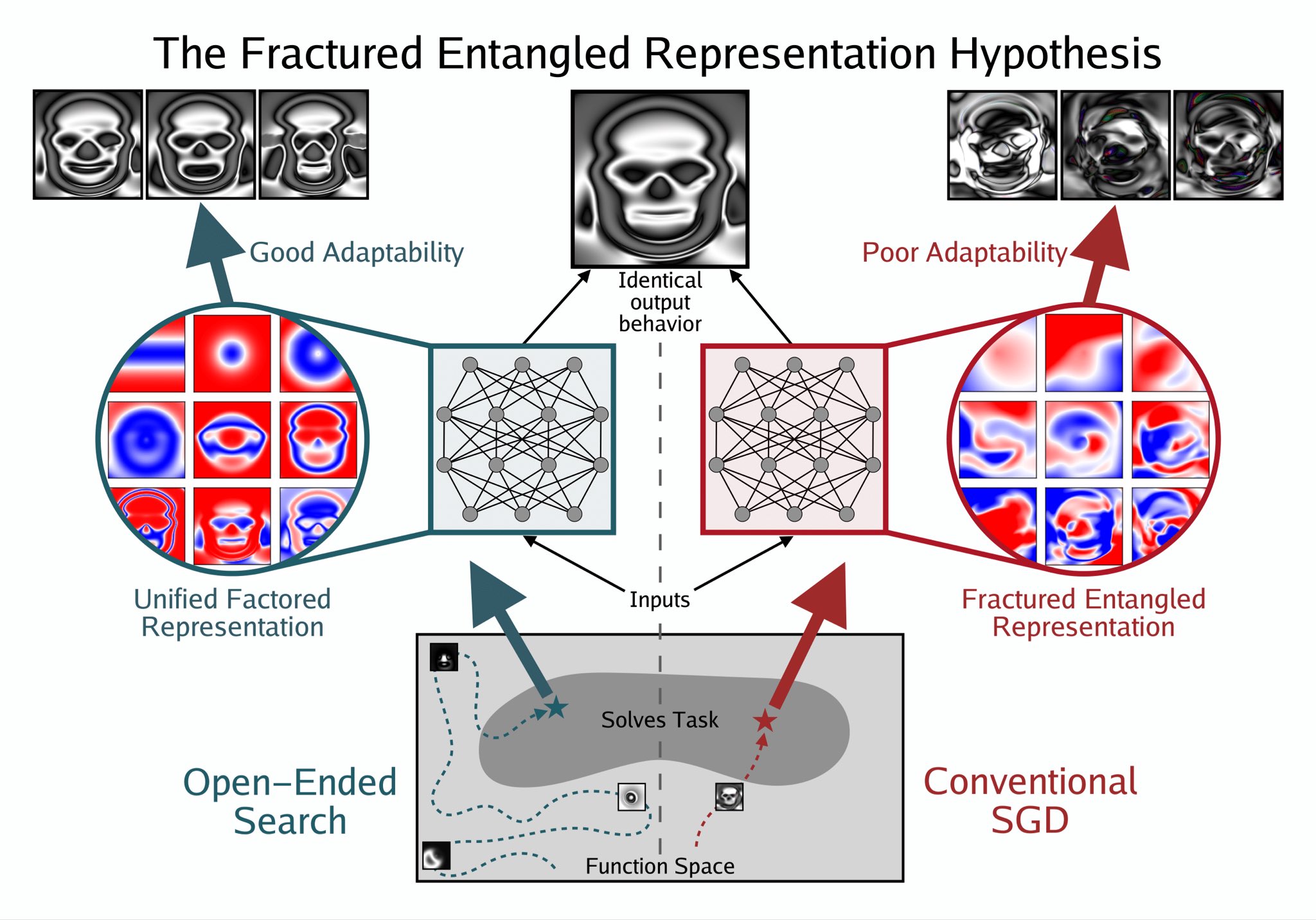
Some argue that the “hallucination” phenomenon in Large Language Models (LLMs) is not merely “random parroting” or “advanced autocomplete,” but stems from a fundamental flaw in their “Fractured Entangled Representation” (FER). This implies that even with significant model capability improvements, the underlying representation method still has pathological issues, providing a new research direction for future revolutionary advancements.
Topic: Norwegian Company 1X Releases Humanoid Robot Neo Gamma (Source: Ronald_vanLoon)
Norwegian robotics company 1X unveiled its latest humanoid robot prototype, Neo Gamma. This robot represents the latest advancements in automation, artificial intelligence, and innovative technology in the field of physical robotics, signaling the potential of humanoid robots in practical applications.
Topic: OpenAI GPT-OSS Models: Open-Source Strategy and Community Evaluation (Source: Reddit r/LocalLLaMA)
OpenAI released two open-source models, gpt-oss-120b and gpt-oss-20b, featuring MoE architecture and Apache 2.0 license, aimed at improving inference efficiency and supporting multilingual/code mixed input, primarily for edge-side Agent applications. However, community reviews are mixed, with some users finding them “barely usable” and overly censored, questioning whether OpenAI’s move is a response to open-source pressure rather than a genuine commitment to the open-source ecosystem.
Topic: Google’s “Camera Coach” Feature: Future and Controversy of AI-Assisted Photography (Source: 36氪)
Google plans to introduce a “Camera Coach” feature on Pixel 10 series phones, using AI to provide real-time composition, angle, and lighting suggestions before the user presses the shutter. This pre-emptive AI-assisted photography feature aims to lower the barrier to taking photos but has sparked discussions about high power consumption, privacy concerns, and the potential to stifle photographic creativity and lead to homogenized photos.

Topic: Qianxun Intelligent’s Gao Yang on Embodied AI Development: Software-Hardware Integration and Data Challenges (Source: 36氪)
Gao Yang, co-founder of embodied AI company Qianxun Intelligent, believes that the embodied AI field should pursue a “software-hardware integrated” approach, like Apple, to overcome the weakness of weak cross-body capabilities in the early stages of technology. He emphasized that the current bottleneck for embodied AI lies in obtaining precise operational data from real-world scenarios, especially millimeter-level accuracy and force feedback, which requires massive amounts of high-quality data. He also believes that large-scale data collection factories are not very valuable at this stage, and that combining pre-training with teleoperation data is key.

Topic: Can LLMs Have Accurate World Models? (Source: Reddit r/MachineLearning)
The community discussed whether LLMs can build coherent and effective world models, and whether this is an inherent limitation to their accuracy. This question touches upon the core capabilities of LLMs and their future development direction: can models go beyond pattern recognition to truly understand and simulate the complex mechanisms of the real world?
🧰 Tools
Topic: Yupp AI Platform Offers Free GPT-5 Model Comparison Service (Source: yupp_ai)
Yupp AI platform announced that users can try OpenAI’s latest GPT-5 model for free and compare it with over 600 other models. The platform aims to promote the future development of AI by providing a unified testing environment to help users evaluate the performance of different models.

Topic: OpenAI Codex CLI Updated to Support GPT-5 Model (Source: dotey)
OpenAI’s Codex CLI tool received a major update, now supporting access to GPT-5 models using the user’s ChatGPT Plan, without the need for a separate API key. Users simply need to upgrade to v0.16+ and log in with their Plus or Pro account. However, some users reported “service unavailable” errors after logging in, indicating potential stability issues during the initial deployment of the new feature.
Topic: Llama.cpp Adds GLM 4.5 Air Model Support (Source: Reddit r/LocalLLaMA)
The open-source project llama.cpp has officially added support for Zhipu AI’s GLM 4.5 Air model. Community comments indicate that the model performs well in terms of world knowledge, but some users also found it “too verbose and overthinking,” comparing it with models like GPT OSS 120B, sparking discussions on local model performance and efficiency.
Topic: Claude Code Successfully Replicates GPT-5’s Cursor Programming Demo (Source: bigeagle_xd, Reddit r/ClaudeAI)
A user successfully used the Claude Code model to recreate GPT-5’s financial dashboard creation feature in the Cursor programming demo in about 4 minutes with a single prompt. This achievement demonstrates Claude’s powerful capabilities in code generation and frontend development and sparked community discussions comparing the programming abilities, cost-effectiveness, and context windows of different models.
Topic: Open WebUI’s Application and Challenges for Small and Medium Businesses (Source: Reddit r/OpenWebUI, Reddit r/OpenWebUI, Reddit r/OpenWebUI)
Open WebUI (OWI), an AI tool, is considered to have good application prospects in small and medium-sized businesses. Users have successfully deployed it for teams of over 10 people and plan to expand to 50-100. However, users also encountered technical challenges, such as being unable to parse images when combined with the gpt-oss:20b model, and not finding the context length setting option after updates, reflecting that open-source tools still need improvement in terms of usability and stability.
Topic: Qwen Image Model’s Excellent Performance in Text and UI Design (Source: Reddit r/OpenWebUI)
The Qwen Image model is praised by community users as an excellent new feature, demonstrating strong performance in text understanding and user interface design. Its capabilities enable users to obtain high-quality outputs when handling tasks involving image and UI generation.
Topic: Video Summarization Tool Powered by Qwen2.5-Omni (Source: Reddit r/deeplearning)
A technical article describes how to build a simple video summarization tool using the Qwen2.5-Omni 3B model. Qwen2.5-Omni is an end-to-end multimodal model that supports text, image, video, and audio input, and can generate text and natural speech output, showcasing its powerful potential in video content understanding and summarization.
📚 Learning
Topic: HuggingFace Releases 9 Free Advanced AI Courses (Source: ClementDelangue)
HuggingFace announced the release of 9 elite-level free AI courses covering cutting-edge fields such as LLMs, Agents, and AI systems. These courses provide valuable resources for learners aspiring to master AI technology in depth, helping to enhance their professional capabilities in AI system design and application.

Topic: Cohere Labs Publishes 100 AI Research Papers (Source: nickfrosst)
Cohere Labs announced that its team has published over 100 AI research papers, involving collaborations with more than 150 institutions. This milestone highlights Cohere’s commitment to advancing AI science and actively participating in the academic community, contributing a wealth of cutting-edge knowledge to the AI field.

Topic: Experimental Results of GANs Training and Deep Learning Understanding (Source: Reddit r/deeplearning)
A researcher shared the results of three experiments in Generative Adversarial Networks (GANs) training and discussed the role of label smoothing as a discriminator regularization, as well as how to optimize the discriminator for better GAN training. This discussion seeks community advice on deep learning model training and GANs understanding, including hyperparameter optimization and methods for detecting underfitting layers.
Topic: LSTMs vs. Transformers in NLP Tasks: Selection and Thoughts (Source: Reddit r/MachineLearning)
Assuming that parallel advantages are no longer significant, the community discussed choosing between LSTM and Transformer models for NLP tasks. The discussion revolved around the advantages of different models, how to make model selections, and how to avoid the “just use Transformer” mindset, aiming for a deeper understanding of model characteristics rather than blindly following trends.
Topic: Evaluation Methodology for LLM-Generated Document Summaries (Source: Reddit r/MachineLearning)
The community discussed how to effectively evaluate LLM-generated document summaries in 2025, comparing the applicability of various metrics such as BERTScore, G-Eval, and ROUGE. The poster noted that existing metrics often yield “medium” scores, making it difficult to judge summary quality, and sought more effective methods to verify summary faithfulness and coverage to assist human review.
Topic: CRINN: Free and Fast Framework for Approximate Nearest Neighbor Search (Source: Reddit r/MachineLearning)
CRINN is a new framework that treats Approximate Nearest Neighbor Search (ANNS) optimization as a reinforcement learning problem, using execution speed as a reward signal to automatically generate faster ANNS implementations. The framework performed excellently in multiple benchmarks, validating the potential of combining LLMs with reinforcement learning for automating complex algorithm optimization, which is crucial for RAG and Agent-based LLM applications.
💼 Business
Topic: Power Becomes New Bottleneck for AI Development in AI Era: Google’s Former CEO Schmidt’s View and OpenAI’s Strategy (Source: 36氪)
Former Google CEO Eric Schmidt proposed that the key limitation to AI development is not chips, but power. He pointed out that US AI development is expected to require the power of 92 new large nuclear power plants, while China’s energy expansion speed is 2-3 times that of the US. OpenAI has partnered with Oracle to expand the Stargate data center cluster, accessing 4.5GW of power, equivalent to the output of five nuclear power plants, foreshadowing AI companies’ shift from model companies to power tech giants, with energy becoming the “moat” of the AI era.

Topic: Global Automakers Seek “Model Y” in AI Era: From Hardware Stacking to Software-Defined (Source: 36氪)
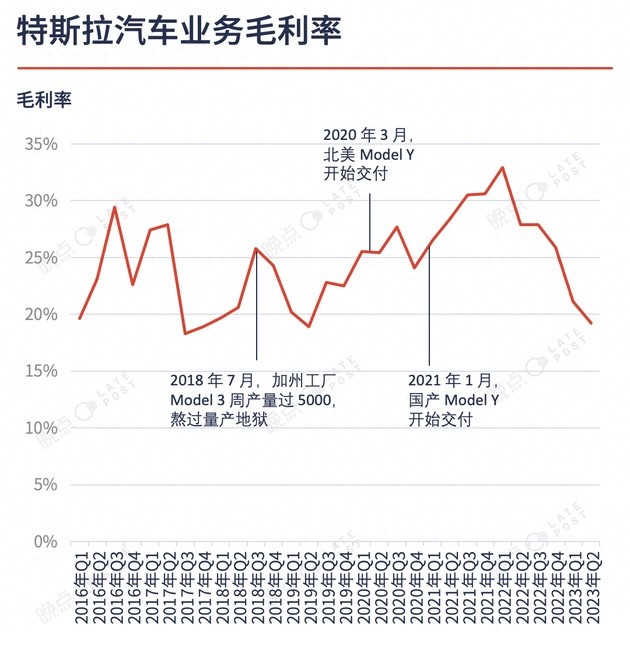
In the AI era, global automakers are shifting from a blind “car sea strategy” to seeking classic bestsellers like Tesla’s Model Y to achieve economies of scale and profit growth. The article points out that the automotive industry has evolved from “hardware-first” to “software-defined,” and now to “AI-defined,” but still faces challenges such as homogenization, price wars, and high R&D costs. Car manufacturing is no longer just about producing transportation tools, but about building data entry points and monopolizing ecological scenarios as business carriers, attracting new players like Huolala.
Topic: Former Taobao Live Head Dao Fang’s New Venture: Building a Consumer “Cyber Bestie” with AI (Source: 36氪)
Dao Fang, former head of Taobao Live, left Alibaba to found a new project, Infimate, aiming to use AI to create a consumer “cyber bestie” in the overseas e-commerce market. The project provides personalized styling advice and fashion trend capture through AI Agents, and can automatically complete tedious shopping tasks (like grabbing coupons, price comparison, placing orders), aiming to build a complete AI e-commerce service system that bridges domestic supply chains with overseas influencer ecosystems, exploring new e-commerce entry points in the AI era.

🌟 Community
Topic: ChatGPT Users’ Widespread Dissatisfaction with GPT-5 Update: Performance Decline and Usage Restrictions (Source: scaling01, natolambert, dotey, gfodor, dylan522p, scaling01, scaling01, Reddit r/ChatGPT, Reddit r/ChatGPT)
After the GPT-5 launch, ChatGPT Plus users widely expressed strong dissatisfaction, believing that model performance had declined rather than improved, replies became shorter and more “AI-like,” and usage restrictions significantly increased (e.g., 200 Thinking Mode requests per week), far inferior to previous o4-mini and o3 models. Many users stated they were considering canceling subscriptions and called on OpenAI to restore old model options, viewing this update as a “downgrade.”
Topic: OpenAI GPT-5 Launch Event Benchmark Chart Errors Spark Community Mockery (Source: dotey, madiator, Reddit r/LocalLLaMA, Reddit r/LocalLLaMA, Reddit r/LocalLLaMA, Reddit r/LocalLLaMA)
OpenAI’s benchmark charts displayed at the GPT-5 launch event contained obvious errors, such as bar chart heights not matching values (52.8% appearing taller than 69.1%), sparking widespread mockery and skepticism from the community. Users jokingly suggested these charts might have been generated by GPT-5 itself and criticized OpenAI’s presentation as “unprofessional” and “deceptive,” believing it damaged their credibility.
Topic: Community Debate on Whether AI Models Possess “PhD-Level Intelligence” (Source: Reddit r/ArtificialInteligence)
Sam Altman likened GPT-5’s intelligence level to a “PhD-level expert,” which sparked a fierce debate in the community. A biomedical engineering PhD used a simple test of “counting the number of ‘b’s in words” to question GPT-5’s “PhD-level” intelligence, arguing that LLMs are still far from human experts in conceptual understanding, real-time perception, and practical experience. The community generally believes “PhD-level intelligence” is more of a marketing gimmick, reflecting concerns about over-promotion of AI capabilities.
Topic: Claude Model Behavior Controversy: Overly Friendly and Fabricating Facts (Source: Reddit r/ClaudeAI, Reddit r/ClaudeAI)
Community users discussed “unethical and misleading” behavior in the Claude model, such as fabricating facts or adding unrequested content to be “helpful.” Some users shared experiences of using “harsh” prompts to correct Claude’s behavior, suggesting the model sometimes “over-accommodates” and requires more direct instructions. This reflects the challenge of balancing instruction following with maintaining a “human-like” quality in LLMs.
Topic: Silicon Valley AI Giants Building “Doomsday Bunkers” Sparks Social Discussion (Source: 36氪)
Mark Zuckerberg and Sam Altman, among other Silicon Valley AI giants, are reportedly building luxurious underground bunkers, sparking widespread public speculation about their motives. These “doomsday bunkers” feature disaster prevention, food storage, and self-sufficiency, seen as a “last insurance” for tech billionaires against future uncertainties. Community discussions focused on why those most knowledgeable about AI development are so concerned, and whether this foreshadows potential crises unknown to the general public.

💡 Others
Topic: GPT-5 “Jailbroken” Shortly After Launch: Task-in-Prompt Attack (Source: Reddit r/ArtificialInteligence)
Shortly after its release, GPT-5 was found to be susceptible to “Task-in-Prompt” (TIP) attacks, which bypass its safety alignment mechanisms to extract restricted behaviors. This attack achieves its goal by embedding malicious requests within encrypted tasks, revealing that even the most advanced AI models still face challenges in security and adversarial robustness.
Topic: Performance Comparison Between Specialized Tools and General AI Models (Source: Reddit r/artificial)
A comparison showed the gap between ChatGPT-5 and the specialized tool neoSVG 3 in vector generation. The results indicate that while general AI models like GPT-5 are powerful, specialized tools often provide superior performance for specific, highly specialized tasks. This highlights the importance of synergy between general AI and specialized tools.
🔥 Focus
Topic: GPT-5 Launch: AI’s Qualitative Leap from “Toy” to “Tool” and Commercial Ambition
OpenAI officially launched GPT-5, marking a significant step on its path to AGI. The new model adopts a unified architecture, integrating a base model, deep reasoning model, and real-time router, capable of intelligently invoking different capabilities based on task complexity. GPT-5 achieves SOTA performance in various benchmarks including programming, mathematics, multimodal understanding, and health, and is hailed as the “world’s strongest” in programming. Its factual error rate is reduced by 45%, and its context understanding capability is enhanced to 400k tokens, significantly boosting reliability and practicality. Through highly competitive API pricing (far lower than competitors) and limited access for free users, OpenAI clearly demonstrates its commercial ambition to transition AI from a “toy” to a “mass-market tool.”
(Source: The Verge)
🎯 Trends
Topic: AI Large Model Chess Showdown: OpenAI o3 Sweeps Grok 4, Demonstrating Significant Performance Advantage
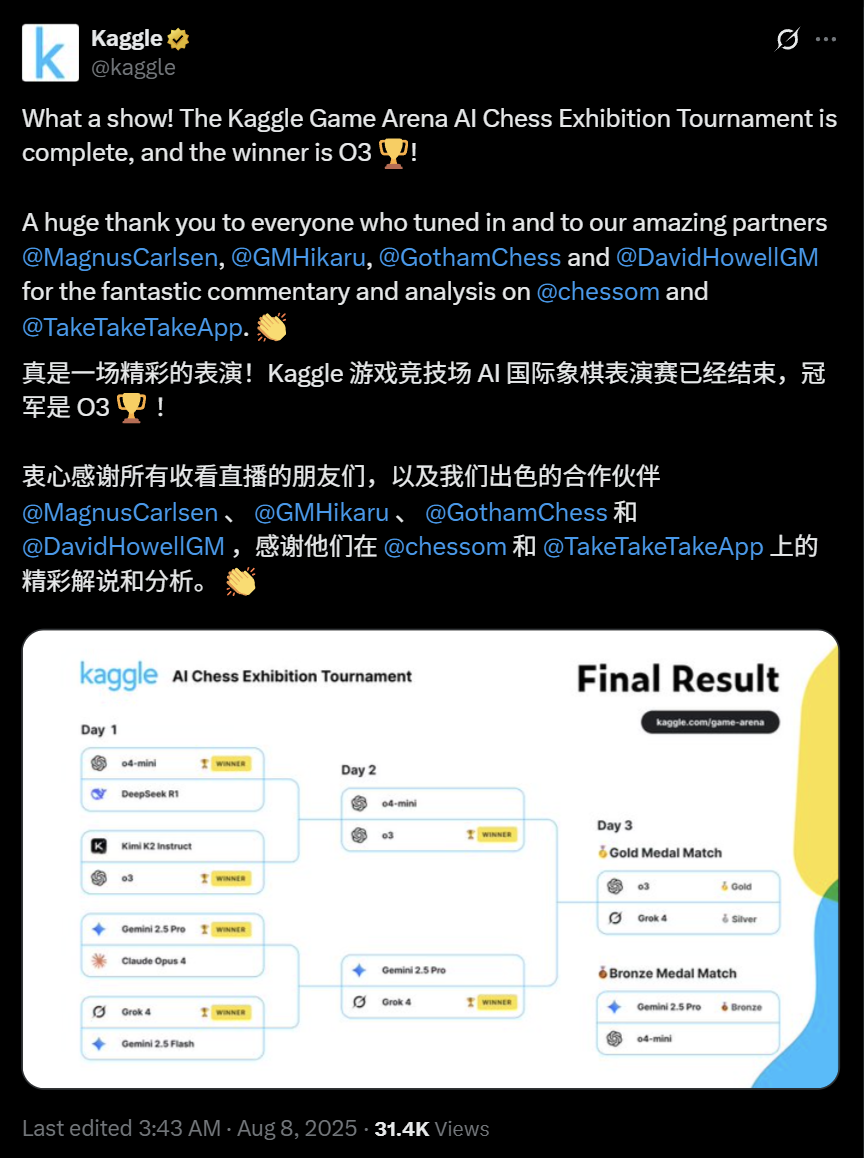
In the Kaggle AI Chess Championship, OpenAI’s o3 model decisively defeated Elon Musk’s xAI Grok 4 with an overwhelming 4-0 score, winning the first AI Chess Exhibition Match. This match was not only a clash of algorithms but also seen as a “proxy war” between tech giants. o3 displayed stable strategies and deadly moves, while Grok 4 showed early and frequent errors, particularly revealing fatal weaknesses in endgame calculation. Although AI chess strength still lags behind top human players, this match effectively tested large models’ critical thinking, strategic planning, and on-the-spot adaptability in a real, complex game environment, providing new evaluation standards for AI development.
(Source: 36氪)
Topic: Embodied AI: Giants Entering Accelerates Industry Shake-up, Delivery Capability Becomes Key
In the first seven months of 2025, domestic embodied AI financing exceeded 23 billion RMB, with industrial capital replacing pure financial VCs as the main funding source. Automakers (e.g., Tesla, Xpeng, Xiaomi) and AI large model giants (e.g., OpenAI-backed Figure, Zhiyuan Robot) are fully entering the market, leveraging vehicle-level manufacturing capabilities, large model-level compute resources, and full-chain ecosystem integration to reshape the robotics sector. Automakers are “transferring” their accumulated experience in intelligent vehicles’ perception, decision-making, execution, supply chain, and manufacturing systems to robotics; AI companies are migrating large model capabilities to robots, enhancing their generalization, decision-making, and dialogue abilities. The industry focus is shifting from “prototypes” to “delivery,” with the ability to scale, stably deliver products, and continuously generate value becoming crucial for companies’ survival.
(Source: 36氪)

Topic: AI Search Market: Ad Spend War Escalates, Transitioning to “Agent System”
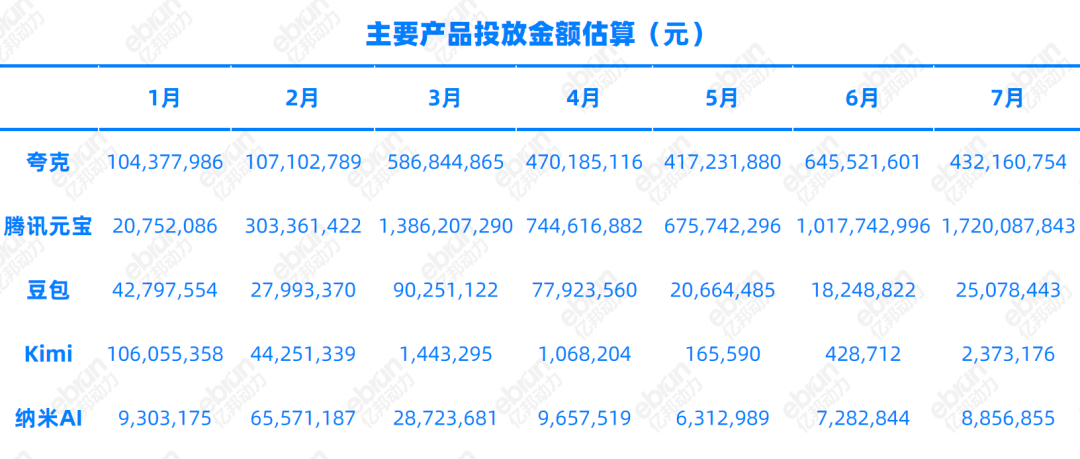
In the first half of 2025, the domestic AI search market saw an explosion in ad spending, with Tencent Yuanbao and Quark’s monthly ad spend both exceeding 100 million RMB, reaching up to 1 billion RMB, aiming to seize traffic entry points in the AI era. AI search is transforming from a traditional “information entry point” to an “information endpoint,” directly delivering results through AI summary overviews, file parsing, writing and drawing, and conversational chat. Manufacturers like Quark, Baidu, and 360 are upgrading search bars to “super Agents” or “task assistants,” emphasizing one-stop completion of complex tasks. However, AI search faces the dilemma of unclear profitability models, with subscription models struggling to gain traction in the Chinese market, and ad-free routes further compressing revenue space, indicating that AI to C competition will evolve into a cash flow reserve battle.
(Source: 36氪)
Topic: “Social + Gaming” Integration: AI-Driven New Growth for Pan-Entertainment Overseas Expansion
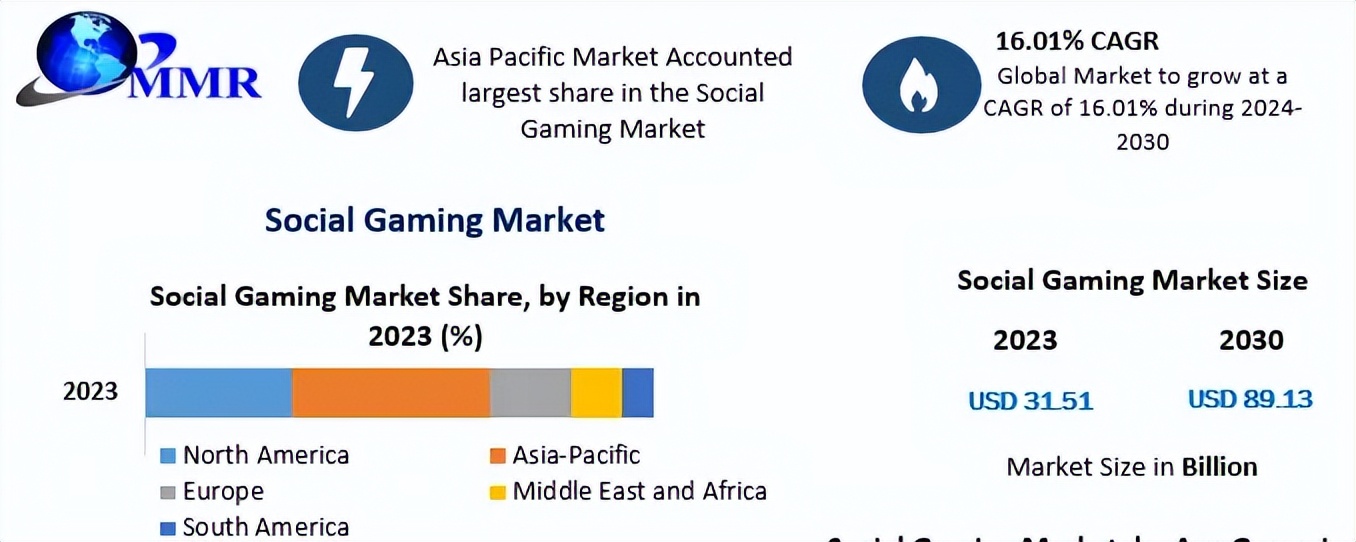
China’s pan-entertainment industry is embracing a new growth path with the deep integration of “social + gaming,” driven by AI to expand into overseas markets. Companies like Chizicheng Technology, Xindong Company, and Yalla Group are building a “traffic-interaction-payment” business closed-loop by deeply combining social platforms with games, significantly enhancing user stickiness and conversion efficiency. AI technology plays a crucial role in user profiling, real-time matching, intelligent content recommendation, cross-language translation, game content generation (AIGC), and humanoid intelligent agents (AI NPC), greatly improving user experience and operational efficiency. This integrated model, with its lightweight content, high-intensity social interaction, and AI-driven personalized experience, is becoming an effective strategy to penetrate cultural barriers and quickly respond to local user preferences, signaling the arrival of “AI + Pan-Entertainment” platform-level opportunities.
(Source: 36氪)
Topic: Qwen Releases 4B Edge-Side Large Models: Performance Surpasses Larger Models, Empowering Edge Computing
Alibaba Cloud’s Qwen team has once again open-sourced two 4B edge-side large models: Qwen3-4B-Instruct-2507 (General Capability) and Qwen3-4B-Thinking-2507 (Advanced Reasoning). These two 4B models performed excellently in tests like AIME25, with the Thinking model scoring 81.3 in mathematical capabilities, surpassing Claude 4 Opus (75.5) and some aspects of Gemini 2.5 Pro, achieving “big gains with small models.” The 4B parameter count is extremely friendly to edge devices (like Raspberry Pi) and supports a 256k context, extendable to 1M. By continuously improving the model’s thinking ability and reasoning quality, the Qwen team provides edge-side developers with smarter, more accurate, and more context-aware AI solutions, further promoting the democratization of AI technology.
(Source: 量子位)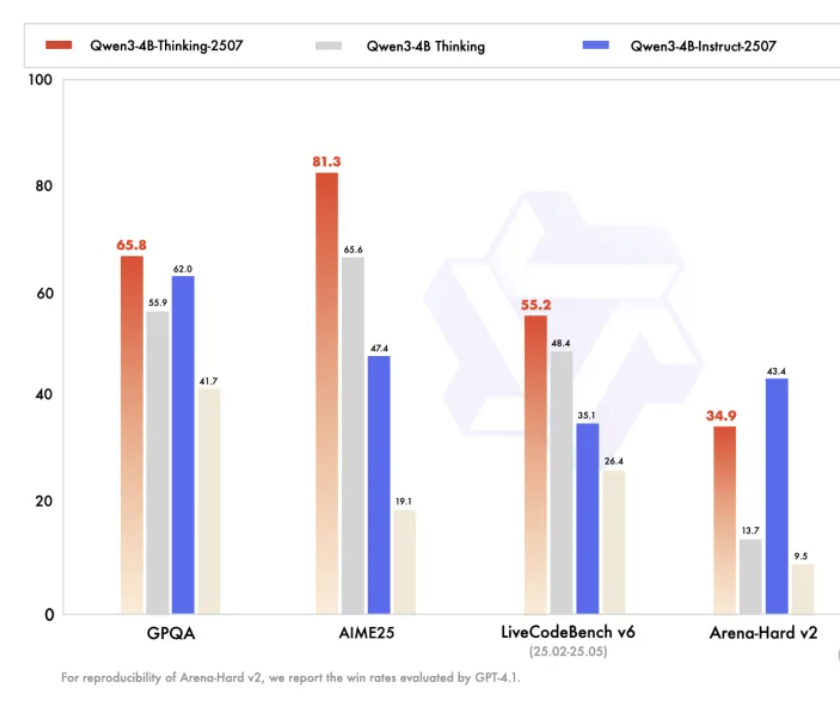
🧰 Tools
Topic: AI Medical Consultation: Weibo CEO Personally Tests Effectiveness, AI-Assisted Diagnosis Shows Great Potential
Weibo CEO “Laiquzhijian” personally tested AI medical consultation, successfully alleviating low blood pressure symptoms, sparking widespread social discussion. The article’s author also shared a case where AI diagnosed a rare migraine that had troubled his girlfriend for over twenty years. These cases demonstrate that AI shows unexpected reliability in medical consultation. This is attributed to the highly structured nature of medical information, large models’ ability to process massive medical knowledge, high-quality medical data training, knowledge enhancement (RAG) technology, and a built-in “medical fact-checking module.” AI-assisted diagnosis can not only help patients organize their conditions and improve consultation efficiency but also provide decision support for doctors, potentially alleviating the global imbalance in medical resources.
(Source: 36氪)

Topic: OpenEvidence: The “Google” of Healthcare, Using AI to Help Doctors Efficiently Access Medical Research
OpenEvidence, founded by Harvard PhD Daniel Nadler, aims to solve the problem of information overload from vast medical literature faced by doctors. It develops proprietary algorithms to quickly retrieve millions of peer-reviewed articles, providing doctors with precise answers and citations, and is free for certified doctors, generating revenue through advertising. The platform has attracted 40% of US doctors to register and is valued at $3.5 billion. OpenEvidence’s value lies in its ability to help doctors efficiently access the latest, most reliable medical information, avoiding the time-consuming and limited nature of traditional lookup methods, thereby optimizing treatment plans, especially in providing rapid decision support in emergencies.
(Source: 36氪)

Topic: AI Empowers Interpretation of Ancient Latin Inscriptions: Google DeepMind Launches Aeneas System
Google DeepMind, in collaboration with classical scholars and archaeologists, developed a machine learning system called Aeneas, designed to help experts understand ancient Latin inscriptions. Aeneas is a generative neural network that provides context, retrieves text and contextual similarities for Latin inscriptions from the 7th century BCE to the 8th century CE, and uses visual details to generate speculative text to fill in inscription gaps. In experiments, the system significantly improved historians’ research efficiency and confidence, more accurately identifying unnoticed similarities and overlooked textual features, and is used for geolocation and chronological estimation, bringing a revolutionary auxiliary tool to paleography research.
(Source: aihub.org)
Topic: Humanoid Robot Doll “Lingtong NIA-F01”: Focusing on Emotional Companionship and Personalized Customization
The “Lingtong” team released its first desktop AI embodied humanoid robot, NIA-F01 (Chinese name “Nian”), standing 56CM tall, designed with an anime-style female image, and supporting light DIY (changing faces, hair, clothes). The product integrates multimodal AI large models through the ECE algorithm (Emotional Resonance Engine), combining eye cameras to capture user behavior and environment, matching emotional expression actions. Users can customize the actions, habits, and voice timbre of real people, virtual idols, or anime characters and load them into NIA-F01 for imitative communication. NIA-F01 is positioned as a high-end “posable collectible figure,” aiming to meet users’ emotional companionship needs, foreshadowing that “robot girlfriends” may become a new trend in the AI era.
(Source: 36氪)

Topic: Fourier’s “Care-bot GR-3”: Flexible Appearance and Full-Sense Interaction, Expanding Assisted Care Scenarios
Fourier released its full-size humanoid robot, Care-bot GR-3, whose appearance breaks from traditional cold, rigid designs, adopting Morandi warm tones and soft-touch coverings for an inherent sense of approachability. GR-3 stands 165cm tall, with 55 degrees of freedom across its body, equipped with a full-sense interaction system (vision, hearing, touch), capable of eye contact, sound source localization, and haptic feedback. It also features various human-like postures such as straight-leg walking and short-step jogging, and implements a dual-path response mechanism for “fast thinking” and “slow thinking.” Fourier introduced the “Care-bot” concept, positioning GR-3 as a social companion and assisted care robot, aiming to take on roles like companionship for elderly living alone, interactive playmate for children, and rehabilitation training through “warm” interactions.
(Source: 量子位)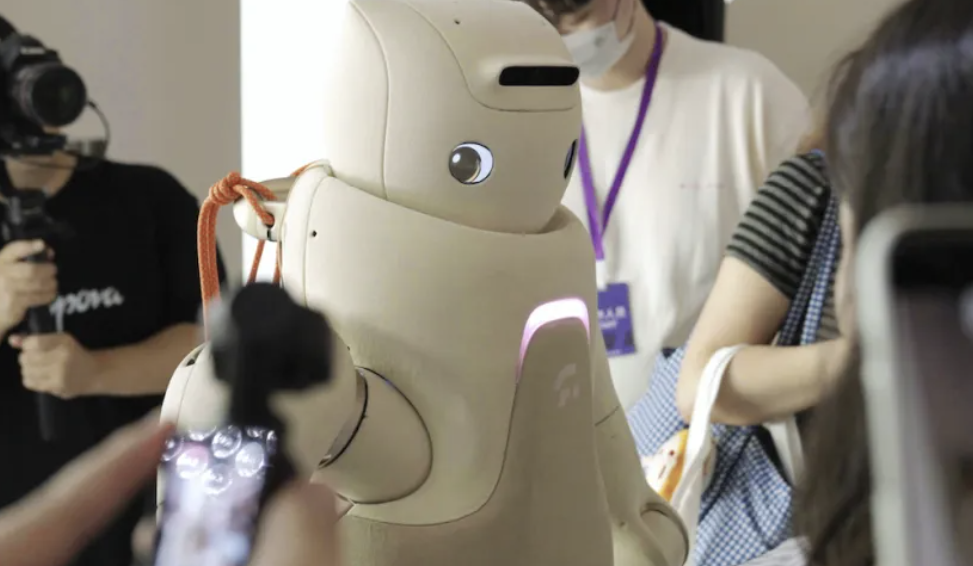
Topic: AI Toy Market: Tech Giants Compete to Enter, Targeting Emotional Connection and Data Acquisition
JD.com, Alibaba, Baidu, ByteDance, and other tech giants are actively entering the AI toy market, empowering toy manufacturers with technology to create hit products similar to LABUBU. AI toys will shift from “functional” to “emotional,” using AI to build deep emotional connections with users and acquire data to train models. Tech giants view AI toys as one of the best paths for large model monetization and a strategic entry point to capture user mindshare. Although AI toys face high costs, high pricing, and market skepticism, their high gross margins and potential market size exceeding 160 billion RMB, as well as the high fault tolerance of AI scenarios, attract numerous capital and former tech giant executives.
(Source: 36氪)

📚 Learning
Topic: HarmonyGuard: Research on Balancing Security and Utility in Web Agents
HarmonyGuard is a multi-agent collaboration framework designed to address the challenge of balancing task performance with emerging risks for Web Agents in open web environments. The framework enhances both utility and security through policy reinforcement and dual-objective optimization. Its core capabilities include: adaptive policy reinforcement, where a policy agent automatically extracts and maintains structured security policies and continuously updates them; and dual-objective optimization, where a utility agent performs Markov real-time inference to evaluate objectives and uses metacognitive abilities for optimization. Experiments show that HarmonyGuard improves policy compliance by up to 38% and task completion by 20%, achieving over 90% policy compliance in all tasks.
(Source: HuggingFace Daily Papers)
Topic: LLM Bias and Fairness Governance: Exploring Data and AI Governance Frameworks
This paper explores methods for systematically governing, evaluating, and quantifying bias throughout the machine learning model lifecycle, with a particular focus on Large Language Models (LLMs). The authors share pervasive biases and fairness-related gaps in LLMs and discuss data and AI governance frameworks for addressing bias, ethics, fairness, and factuality in LLMs. The proposed governance methods are applicable to practical applications, enabling rigorous benchmarking of LLMs before production deployment, facilitating continuous real-time evaluation, and proactively managing LLM-generated responses. By implementing data and AI governance throughout the AI development lifecycle, organizations can significantly enhance the safety and accountability of their generative AI systems and effectively mitigate discrimination risks.
(Source: HuggingFace Daily Papers)
Topic: R-Zero: Achieving LLM Autonomous Reasoning Evolution from Zero Data
R-Zero is a fully autonomous framework designed to enable Large Language Models (LLMs) to self-evolve towards superintelligence by generating their own training data from scratch. Unlike existing methods that rely on extensive human tasks and labels, R-Zero starts with a base LLM and initializes two independent models: a challenger and a solver. These two models co-evolve through interaction: the challenger is rewarded for proposing tasks near the solver’s capability edge, and the solver is rewarded for solving increasingly complex tasks proposed by the challenger. This process, without preset tasks and labels, generates targeted self-improvement curricula.
(Source: HuggingFace Daily Papers)
Topic: Reasoning Model Diagnosis: Exploring LLM Reasoning Failure Patterns in Multi-Hop Analysis
This research systematically investigates reasoning failures in contemporary language models during multi-hop question answering tasks. The study introduces a novel, nuanced error classification framework that examines failures across three key dimensions: the diversity and uniqueness of source documents, the completeness in capturing relevant information, and cognitive efficiency. Through rigorous human annotation and complementary automated metrics, the study uncovers complex error patterns often hidden in accuracy-centric evaluations. This investigative approach provides deeper insights into the cognitive limitations of current models and offers actionable guidance for enhancing the faithfulness, transparency, and robustness of reasoning in future language modeling efforts.
(Source: HuggingFace Daily Papers)
Topic: Evaluating LLM’s Ability to Explain Happiness Concepts: Building Large-Scale Datasets and Optimization Methods
This research aims to evaluate Large Language Models (LLMs)’ ability to explain happiness concepts and explore how to generate explanations that are both accurate and suitable for different audiences. The study constructed a large-scale dataset containing 43,880 explanations of happiness concepts generated by ten different LLMs. The research introduced a principled LLM-as-a-judge evaluation framework, employing dual adjudication to assess explanation quality. Results showed significant differences in explanation quality across models, audiences, and categories. Furthermore, fine-tuning open-source LLMs through Supervised Fine-Tuning (SFT) and Direct Preference Optimization (DPO) significantly improved the quality of generated explanations, demonstrating the effectiveness of preference-based learning in specialized explanation tasks.
(Source: HuggingFace Daily Papers)
💼 Business
Topic: AI Coding Unicorns’ Dilemma: High Costs and Negative Gross Margins, Industry Faces Shake-up
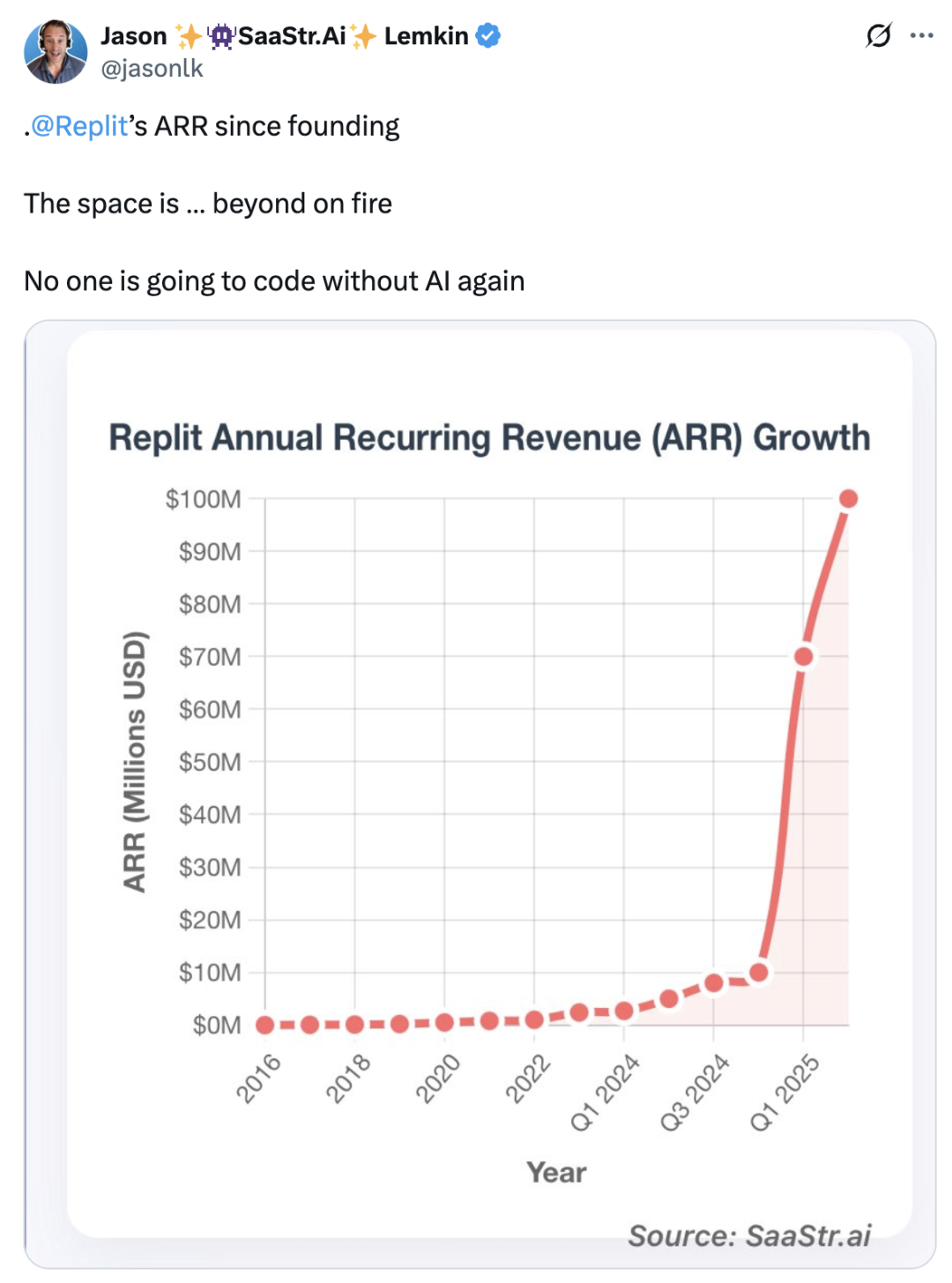
AI coding companies are facing the dilemma of high operating costs and negative gross margins, especially with large language model invocation fees constituting a major cost component, leading to greater losses as user numbers increase. For example, Windsurf, despite annual revenues of $40 million, has a significantly negative gross margin. To address challenges, companies are attempting to develop their own models or be acquired. After Windsurf’s core technology was acquired by Google, its remaining employees were acquired by Cognition and faced a “Musk-style transformation” of “working 6 days a week, over 80 hours” or leaving. This reflects the fierce competition and unclear profitability models in the AI coding sector, signaling an intensified industry shake-up where only companies that find a profitable model or are integrated by giants can survive.
(Source: 36氪)
Topic: AI Talent Salaries Soar: Andrew Ng Interprets the Capital Logic Behind Meta’s Sky-High Compensation
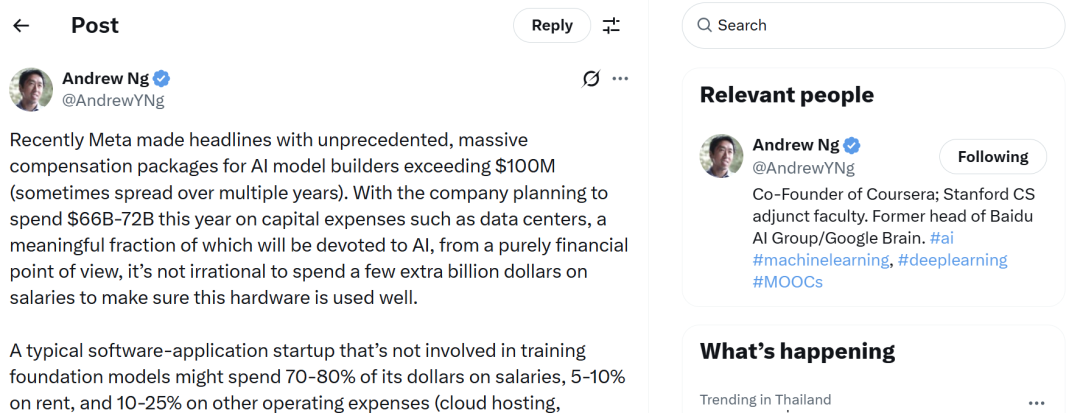
Meta’s offer of over $100 million in compensation packages for AI large model developers sent shockwaves through the industry. Andrew Ng pointed out that this is not an impulsive act but a rational investment based on the precise capital logic of building AI foundational models. He explained that building AI foundational models is a highly capital-intensive business, with hardware investments (like GPU clusters) reaching tens of billions of dollars. In comparison, a few hundred million dollars in salaries constitute a small portion of the cost structure. The “few people, high pay” structure of AI companies allows them to pay ultra-high salaries. Ng also mentioned that Meta and other platforms’ high focus on AIGC, and the business game of poaching talent to gain insights into competitors’ technology, make such high salaries a reasonable strategic expenditure.
(Source: 36氪)
Topic: Corporate Data Control: Reddit vs. Anthropic Case Reveals New Trends in AI Data Scraping and Contract Law
With the surging demand for real-time data access for AI training, web data scraping has become a legal and operational challenge for businesses. Many data aggregators bypass platform technical and contractual restrictions by entering into contracts with end-users and leveraging user permissions. The Reddit lawsuit against Anthropic shook the tech industry, alleging unauthorized large-scale scraping of user data for AI training, violating user agreements. This case highlights that contractual terms, rather than traditional copyright law, may become the primary legal framework governing the use of data for AI model training. Companies need to strengthen terms of use, evaluate access controls, control potential data leaks, and proactively protect their rights to address data scraping risks and safeguard their data interests and business models.
(Source: 36氪)
🌟 Community
Topic: GPT-5 Launch Sparks Heated Discussion: Performance Controversy and “Chart Crime”
After OpenAI launched GPT-5, it sparked widespread discussion on social media. Although the official announcement claimed SOTA performance, users and professionals raised questions about “lack of innovation” and being “less impressive than GPT-4o.” Some netizens even pointed out “chart crime” (data not matching visuals) in the launch presentation’s bar charts, an elementary error. Elon Musk immediately posted on X, stating that his Grok-4 had surpassed GPT-5 in some tests, further intensifying the discussion. These controversies reflect the public’s higher expectations for breakthrough AI model progress and the perception that SOTA leads are no longer “cliff-like.”
(Source: 36氪)

Topic: AI Sky-High Salaries Draw Attention: Andrew Ng’s Tweet Reveals Industry Capital Logic
Meta’s offer of over $100 million in compensation packages for AI large model developers quickly sparked heated discussion on social media. Andrew Ng, a renowned AI scholar, interpreted this on Twitter, arguing that it was not an impulsive act but a rational talent allocation based on the capital-intensive nature of building AI large models, where companies aim to fully leverage massive hardware investments (like GPU clusters). His views sparked widespread discussion about the business logic behind high AI salaries, the value of talent, and the differences from traditional labor-intensive industries’ compensation models.
(Source: 36氪)
Topic: Weibo CEO Personally Tests AI Medical Consultation: Sparks Fierce Debate on AI Healthcare Reliability
Weibo CEO “Laiquzhijian” posted about his experience using AI for “consultation” on low blood pressure and successfully alleviating symptoms, which quickly sparked huge controversy on social media. Although he personally stated that the AI diagnosis was accurate and there were real cases supporting AI’s auxiliary role in diagnosing rare diseases, many netizens criticized this behavior as potentially misleading the public to forgo medical treatment in emergencies, delaying optimal treatment time. This incident highlights the deep public concern and fierce debate regarding the reliability, risk boundaries, and ethical responsibilities of AI medical applications during their popularization.
(Source: 36氪)
Topic: AI Coding Company Work Culture: Windsurf Faces “Musk-Style Transformation” After Acquisition
AI coding startup Windsurf’s employees faced a “Musk-style transformation” after being acquired by Cognition, sparking heated discussion on social media. Cognition laid off about 30 former Windsurf employees and demanded that the remaining 200 employees choose within a limited time: either accept an intense work pace of “working 6 days a week, over 80 hours,” or take 9 months’ salary and leave. Cognition CEO Scott Wu responded by stating that all employees’ four-year equity value had been accelerated and additional compensation offered, but this move is still questioned by outsiders as a corporate culture purge, sparking widespread discussion about high-pressure work models and employee rights in AI startups.
(Source: 36氪)

💡 Others
Topic: Guiyang Compute Industry: Western Data Center Cluster Supports Local Economic Growth
Guiyang, leveraging its unique geological, climatic, and hydropower advantages, has become a significant compute hub in China, with its Guian New Area data center cluster ranking first in compute guarantee index among the top ten data center clusters nationwide. As a key node in the “East-West Computing” project, Guiyang not only provides efficient rendering services for film and television works like “The Wandering Earth 2” but also supplies compute power to universities and research institutions, supporting cutting-edge scientific research. The development of compute power has driven investment in upstream and downstream industries such as server manufacturing, cloud computing, and data security, and promoted the digital transformation of traditional manufacturing. In 2024, Guiyang and Guian’s digital economy added value accounted for 53.3% of GDP, actively building an urban trusted data space and promoting the integration of data and AI to empower city-wide digital transformation.
(Source: 36氪)

Topic: China’s AI Development: 36Kr AI Partner Conference Focuses on “Chinese Solutions”
36Kr, in collaboration with CEIBS, will host the “2025 AI Partner Industry Conference” on August 27th in Beijing. The conference aims to comprehensively present China’s latest AI breakthroughs and ecosystem, discuss how “Chinese solutions” continue to empower various industries, and how Chinese AI companies are redefining the boundaries of “scenario-based intelligence.” The conference will invite global AI experts, business leaders, and investment institutions to focus on topics such as Chinese innovation, super agents, reshaping the global tech competitive landscape, and the integration of AI with the real economy, showcasing practical achievements and future possibilities of AI in various vertical domains, and promoting the alignment of AI technology with industry demands.
(Source: 36氪)