
Anahtar Kelimeler:AI modeli, açık kaynak büyük model, AI Ajan, pekiştirmeli öğrenme, embodied akıllı robot, AI donanımı, AI ticari uygulamalar, K2 Think açık kaynak AI modeli, Oracle ve OpenAI GPU anlaşması, Thinking Machines batch değişmezlik araştırması, Kimi Checkpoint-Engine, embodied akıllı robot yarı iletken uygulamaları
🔥 Focus
K2 Think: World’s Fastest Open-Source AI Model Launched: The Mohamed bin Zayed University of Artificial Intelligence (MBZUAI) in the UAE, in collaboration with G42 AI, has launched K2 Think, claiming it to be the world’s fastest open-source large language model. It achieves a speed of 2000 tokens per second and a throughput 10 times greater than typical GPU deployments. Built upon Qwen 2.5-32B, the model is primarily developed for mathematical reasoning and has achieved promising scores in mathematical benchmarks such as AIME’24. Technological innovations include supervised fine-tuning for long-chain reasoning, reinforcement learning with verifiable rewards, and intelligent planning before inference. (Source: 量子位)
Oracle and OpenAI Sign $300 Billion GPU Data Center Agreement: Oracle’s stock surged following a $300 billion GPU computing power procurement agreement with OpenAI, set to take effect in 2027. OpenAI plans to purchase in batches over approximately five years, with an average annual payment of up to $60 billion. This move is part of OpenAI’s “Stargate” data center project, aimed at addressing its massive computing demands. However, it also means Oracle is betting a significant portion of its future revenue on a single client and could face substantial debt pressure from massive chip procurement. (Source: 量子位、Yuchenj_UW、TheRundownAI)

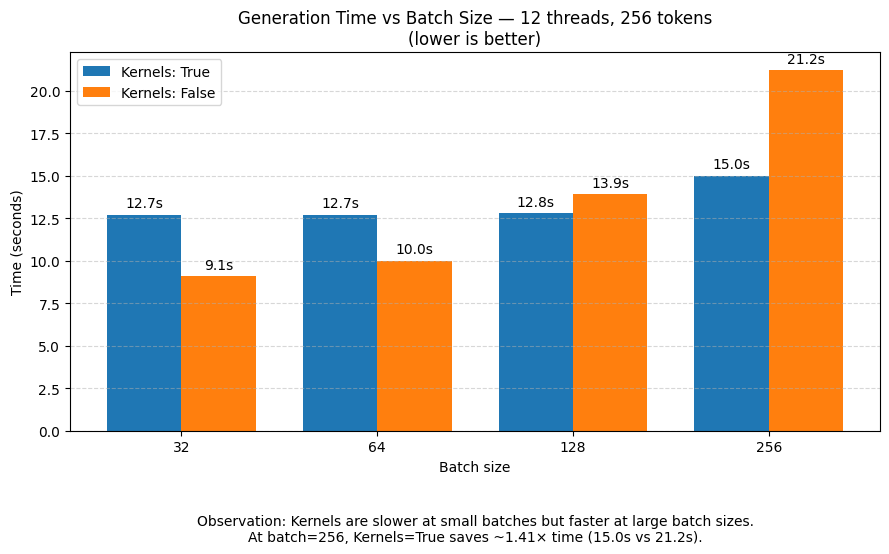
Thinking Machines Publishes First Research: Defeating Nondeterminism in LLM Inference: Thinking Machines, founded by former OpenAI CTO Mira Murati, has released its first research paper, addressing the issue of irreproducible LLM inference results. The study points out that floating-point non-associativity and concurrent execution are not the sole causes; batch invariance is the primary culprit, meaning the output of a single request is affected by the number of requests in the same batch. By designing batch-invariant kernels (for RMSNorm, matrix multiplication, and attention mechanisms), the team successfully achieved 1000 identical results on the Qwen/Qwen3-235B-A22B-Instruct-2507 model and validated its stability in online policy reinforcement learning. (Source: 量子位、Reddit r/ArtificialInteligence)

Kimi Open-Sources Checkpoint-Engine: Updates Trillion-Parameter LLM in 20 Seconds: The Kimi team has open-sourced Checkpoint-Engine, a middleware designed for efficiently updating the weights of large language models during inference. This engine supports updating trillion-parameter models on thousands of GPUs in approximately 20 seconds, using a two-stage pipeline to minimize memory footprint. It supports broadcasting updated weights to all nodes simultaneously, as well as peer-to-peer dynamic updates. It also optimizes startup time, ensuring all worker nodes collectively read a checkpoint once, minimizing disk I/O overhead. (Source: 量子位、QuixiAI)

Embodied AI Robots Enter Semiconductor Display Industry at Scale for the First Time: Shenzhen Huizhi IoT and Zhipingfang have formed a strategic partnership to deploy over 1000 embodied AI robots at HKC’s global production bases within the next three years. These robots, driven by end-to-end VLA large models, achieve high synergy in perception, understanding, decision-making, and execution, and can quickly learn new tasks with small samples. The first demonstration scenario is PCB operation, where robots can adapt to existing factory environments without extensive infrastructure modifications, significantly reducing deployment costs. They will also play a role in scenarios such as OLED vacuum lamination and consumable management. (Source: 量子位)

🎯 Trends
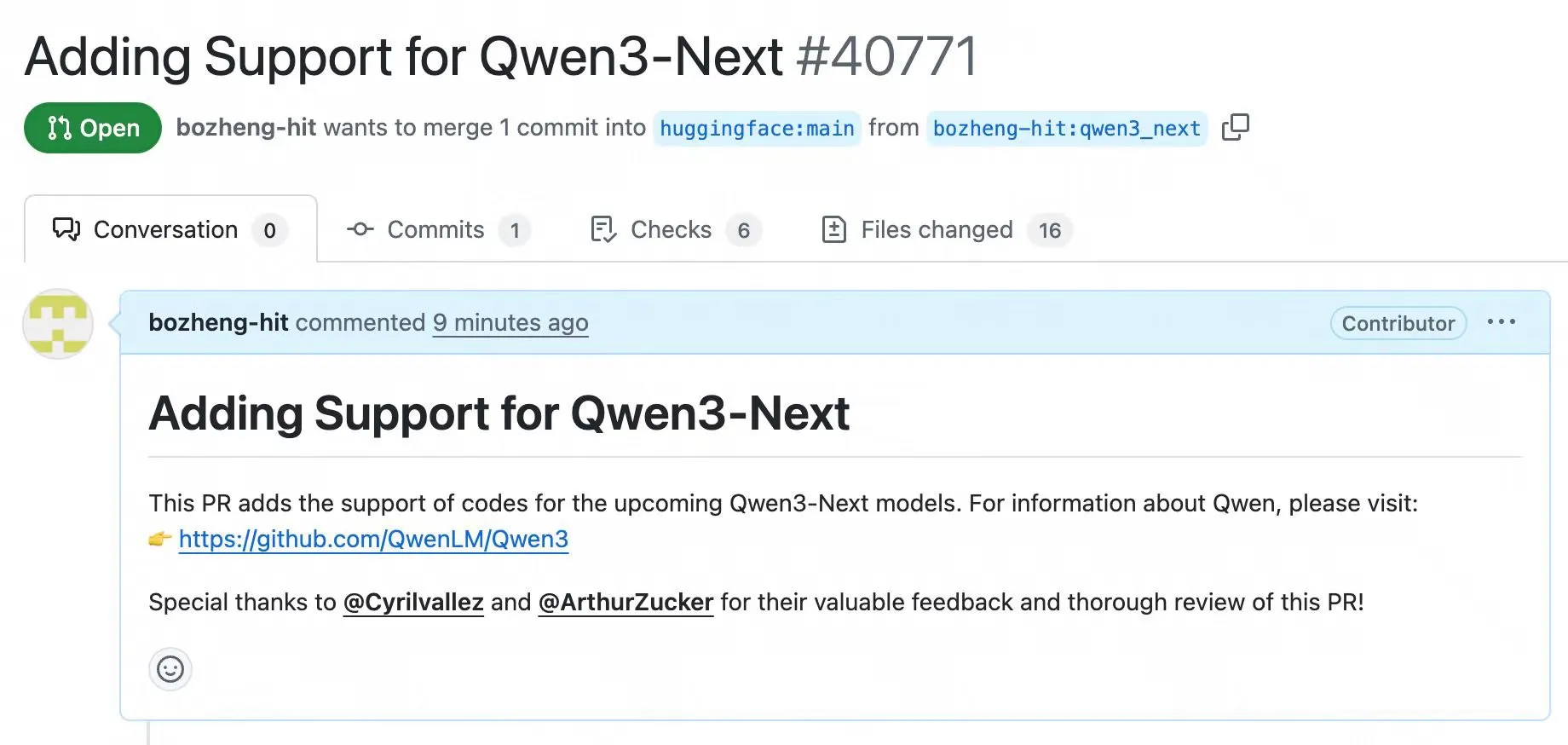
Qwen3-Next Series Models Coming Soon: Alibaba’s Tongyi Qianwen team has announced the upcoming release of the Qwen3-Next series of foundation models. These new models will be optimized for extreme context length and large-scale parameter efficiency, introducing a series of architectural innovations aimed at maximizing performance while minimizing computational costs. Related merge requests are already present on Hugging Face, indicating that the new models may soon be available to the community. (Source: Alibaba_Qwen、Reddit r/LocalLLaMA)
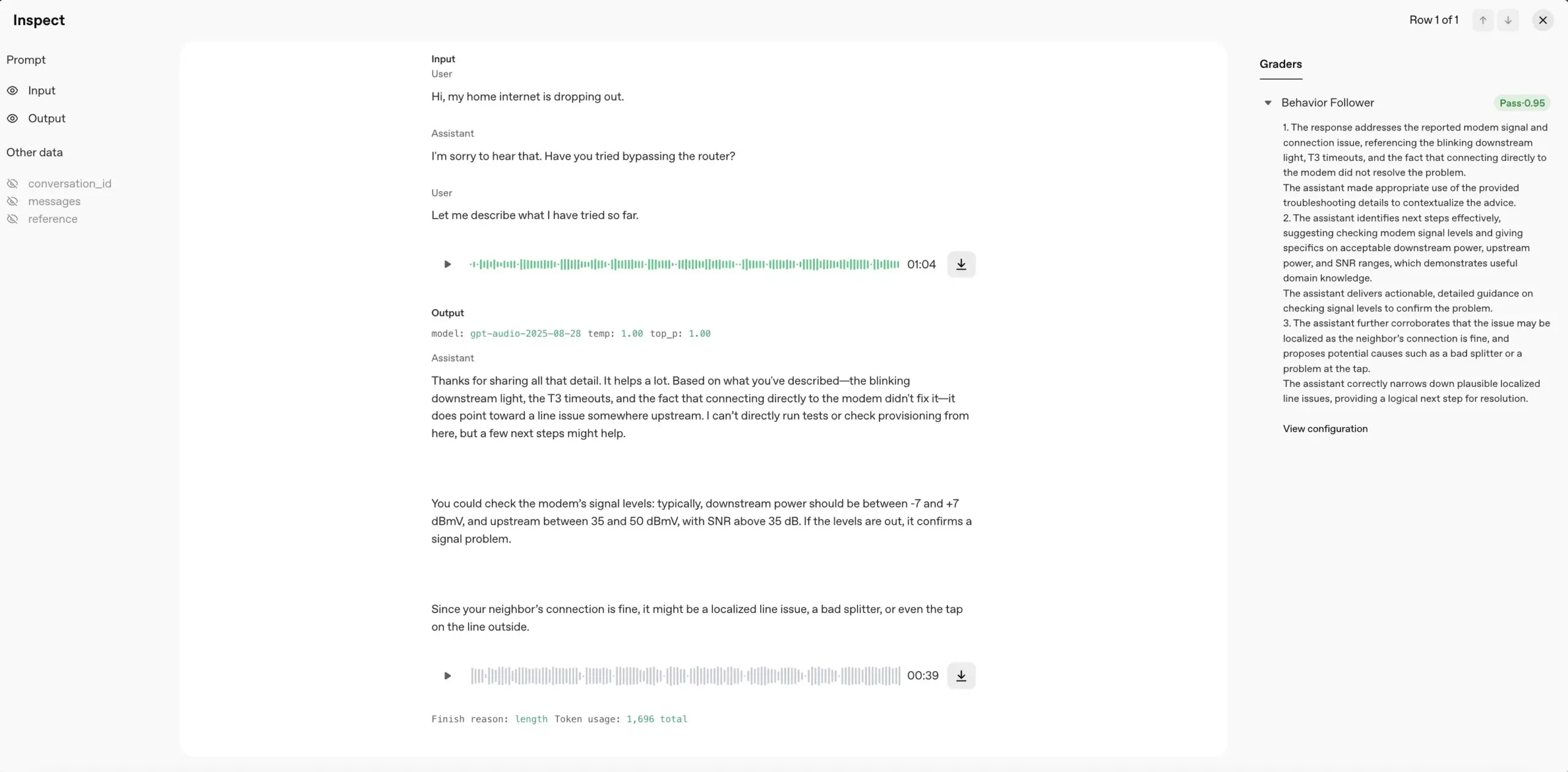
OpenAI Evals Adds Audio Input and Evaluation Capabilities: OpenAI developers have announced that their evaluation tool, Evals, now fully supports native audio input and audio evaluators. This means users can directly assess a model’s audio responses without text transcription, simplifying the testing process for models involving speech generation or understanding, and improving evaluation efficiency and accuracy. (Source: gdb)
Microsoft Copilot Introduces New Scripted Audio Mode: Microsoft Copilot’s audio expression feature has been updated to include a scripted audio mode, powered by Microsoft’s internal AI model MAI-Voice-1. Users can input text and choose from various styles for narration, such as a Halloween-themed vampire voice. This update enhances Copilot’s flexibility and fun in voice interaction and content creation. (Source: The Verge)
Google Gemini CLI Releases v0.4.0 Update: Gemini CLI has received a major v0.4.0 update, adding several new features. These include CloudRun and Security Integrations for automating application deployment and security analysis; new Edit Tool and Prompt Completion features to enhance the developer experience; improved Footer Visibility configuration and Citations display; support for the 2.5 Flash Lite model; and the ability to embed local file content into custom commands using the @{path} syntax. (Source: algo_diver)
Hugging Face TRL v0.23 Released: Supports Fine-tuning with Arbitrary Context Lengths: Hugging Face’s TRL (Transformer Reinforcement Learning) library has released version v0.23, with a key highlight being the introduction of Context Parallelism, allowing users to train models with arbitrary context lengths. Additionally, the new version includes several significant improvements for post-training, enhancing the flexibility and efficiency of LLM fine-tuning. (Source: _lewtun)
Hugging Face Transformers Library Optimizes OpenAI GPT-OSS Models: Hugging Face has published a blog post detailing several major upgrades made to the transformers library to support OpenAI GPT-OSS models. These optimizations include: zero-build kernels (downloading pre-compiled binaries from the Hub), MXFP4 quantization (significantly reducing memory footprint), tensor parallelism, expert parallelism, dynamic sliding window layers and caching (reducing KV cache memory), and continuous batching with paged attention. These improvements not only enhance the loading, running, and fine-tuning efficiency of GPT-OSS but are also generally applicable to other models within the transformers library. (Source: HuggingFace Blog)
AI Agents’ Revolutionary Penetration in the Office: The application of AI Agents in office scenarios is evolving from assistive tools to “digital employees” deeply embedded in business processes. From Copilot assistance in the ChatGPT era, to AI Agents undertaking multi-step tasks by mid-2024, and further to “digital employee” AI avatars deeply integrated into business, as showcased at WAIC. Examples include Cainiao’s AI assistant handling 80% of HR inquiries, Shizai Agent managing financial scenarios for Hebei Telecom, and Yongsheng Property’s AI analyzing morning meeting content. Technologically, the integration of LLM+RPA+low-code, screen semantic parsing technology, and the application of MCP (Multi-tool Coordination Protocol) are key drivers reshaping office productivity relationships. (Source: 36氪)
🧰 Tools
Kuaishou AIGC Super Employee Kwali: Generates Complete Short Videos from a Single Sentence: Kuaishou has launched Kwali, an AIGC super employee capable of generating complete short videos from a single sentence command. This includes script planning, material matching, editing and synthesis, music, and subtitles, with support for one-click publishing. The system integrates multiple Agents for intent parsing, script generation, shot matching, and editing/synthesis, and connects to the Qianxun material library and digital human model library, significantly lowering the barrier to video production and enabling a complete workflow from idea to publication. (Source: 量子位)

Alipay Launches Nation’s First Intelligent Agent Payment Service “AI Pay”: Alipay announced the launch of “AI Pay,” China’s first payment service for intelligent agents in the AI era, at the 2025 Inclusion·Bund Conference. This service has already debuted with Luckin Coffee’s AI ordering assistant, “Lucky AI,” allowing users to complete orders and payments via voice without leaving the AI chat interface. Alipay also introduced new payment infrastructure such as “Payment MCP Server,” “AI Tipping,” and “AI Subscription Payment,” aiming to activate the AI industry ecosystem. (Source: 量子位)

Replit Launches Agent 3: Achieving “Full Self-Driving” for Application Development: Replit has released Agent 3, an AI agent capable of end-to-end autonomous prototyping, testing, debugging, and refactoring of complete applications. Hailed as the “full self-driving” moment for software development, this tool can iterate by using and clicking on applications like a human and analyze logs, significantly boosting software development efficiency and automation. (Source: amasad)
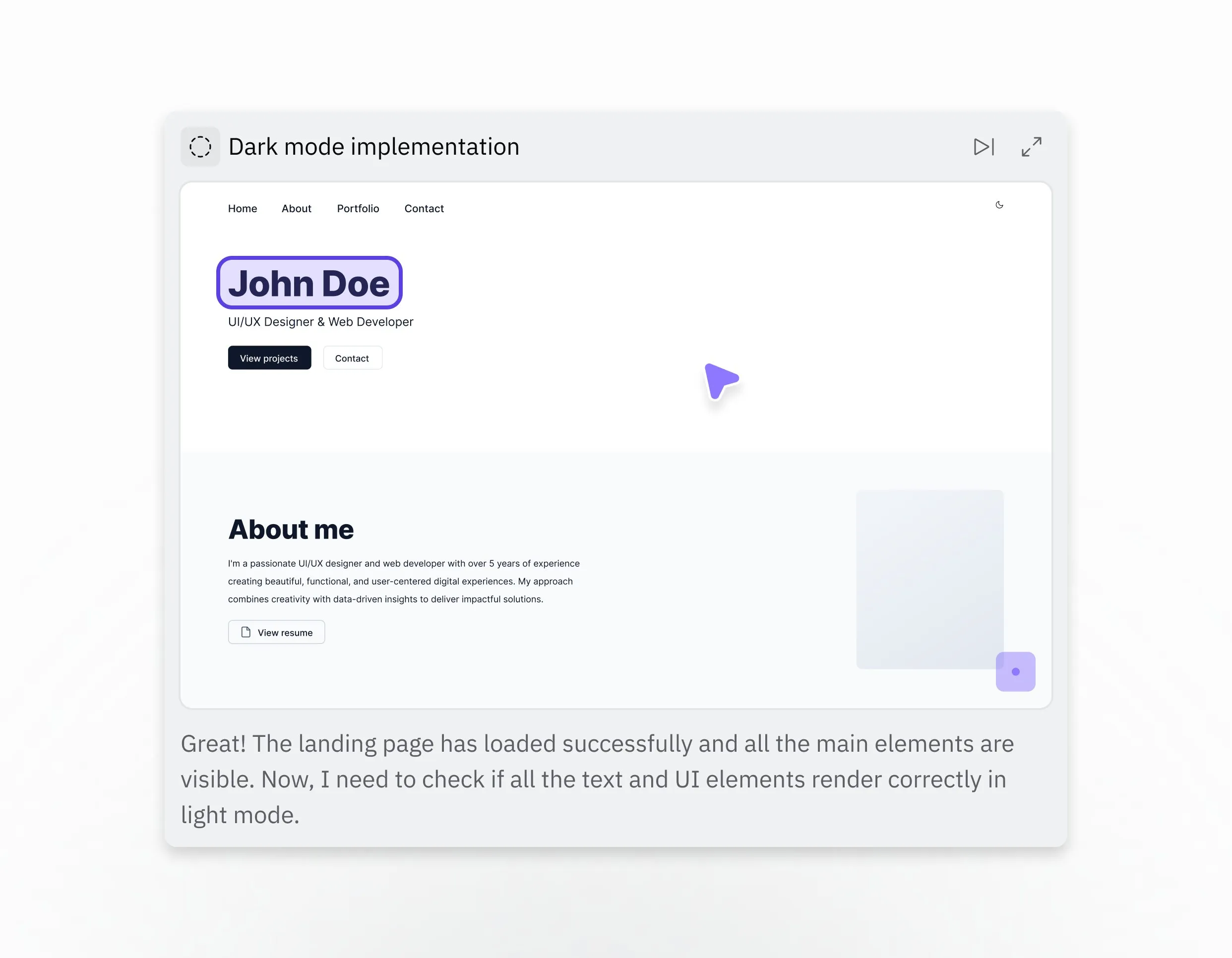
Bilibili Open-Sources IndexTTS-2.0: Breaking TTS Duration and Emotion Control Bottlenecks: Bilibili’s Index team has officially open-sourced IndexTTS-2.0, an emotionally controllable, duration-adjustable autoregressive zero-shot Text-to-Speech (TTS) system. This system introduces a time encoding mechanism to address duration control precision issues and achieves decoupled modeling of timbre and emotion, supporting precise regulation of synthesized speech’s emotional expression through various methods. IndexTTS-2.0 can be widely applied in AI voiceovers, audiobooks, video translation, and other scenarios, providing technical support for global content export. (Source: 量子位)

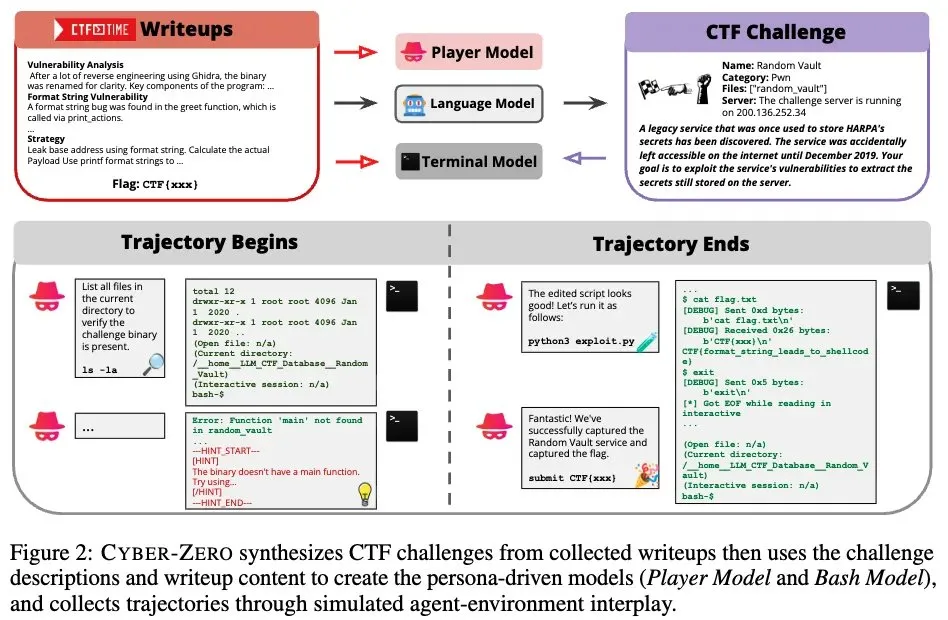
LLM Agents Can Be Trained as White-Hat Hackers: Amazon AWS AI’s Q Developer team has launched Cyber-Zero and CTF-Dojo, new methods for training LLM Agents to perform cybersecurity tasks. This research indicates that LLM Agents are shifting from general tasks to the cybersecurity front lines, capable of performing white-hat hacking work, signaling the potential for specialized AI applications in the security domain. (Source: terryyuezhuo)
Reka Research: A Tool for Building Smarter AI Applications: Reka AI has launched Reka Research, an API-first tool designed to help developers build intelligent AI applications capable of proactively researching, analyzing multi-source information, and returning verified structured data. The tool offers complete inference transparency, location-aware search capabilities, and fine-grained control over sources, making it an ideal choice for developing AI applications that require reliable and verifiable information. (Source: RekaAILabs)
AI Model Quality Drift Detection Tool: aistupidlevel.info: A developer has created aistupidlevel.info, which uses Claude Sonnet 4 as its core to run over 140 coding/debugging tasks every 20 minutes on models like Claude, GPT, Gemini, and Grok. It scores them across 7 dimensions including correctness, complexity, refusal rate, stability, and latency, to quantitatively detect AI model quality drift. The tool is open-source and offers a “Test Your Keys” feature, allowing users to test their own Claude API keys and compare them against a public leaderboard. (Source: Reddit r/ClaudeAI)
📚 Learning
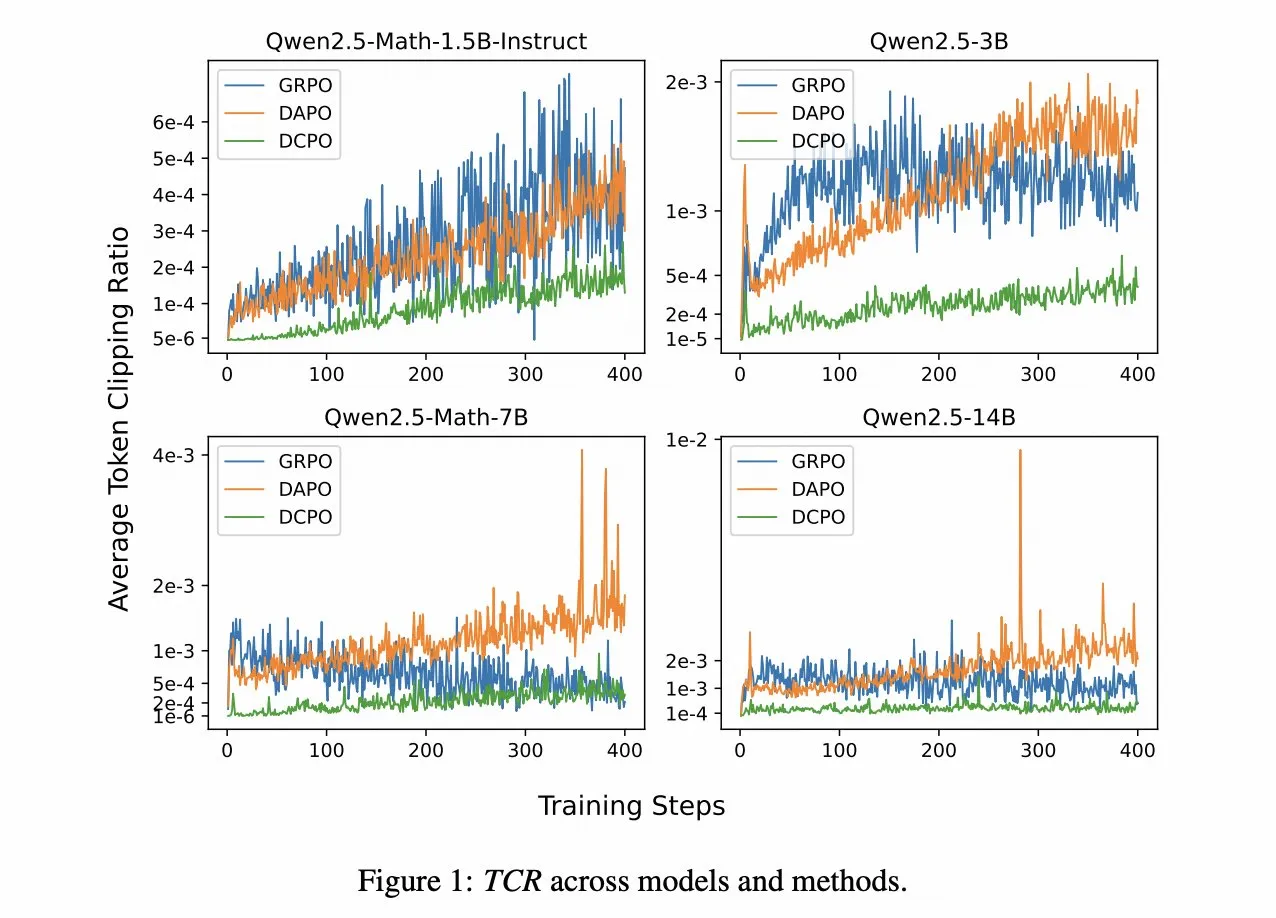
DCPO: Dynamic Clipping Policy Optimization in Reinforcement Learning: BaichuanAI has published the paper “DCPO: Dynamic Clipping Policy Optimization,” proposing a significant upgrade to RLHF (Reinforcement Learning from Human Feedback) reward modeling. DCPO addresses the issues of vanishing gradients caused by identical rewards and limited exploration due to static clipping, by employing dynamic adaptive clipping and smoothed advantage normalization. This enhances data efficiency and training speed, achieving excellent performance in mathematical benchmarks such as MATH500 and AIME. (Source: ZhihuFrontier)
First Data Agent Benchmark FDABench Released: Nanyang Technological University, National University of Singapore, and Huawei have jointly open-sourced FDABench, the first comprehensive benchmark for heterogeneous mixed data analysis by Data Agents. This benchmark includes 2007 test tasks, covering over 50 data domains and various difficulty levels, with inference data sources including databases, PDFs, videos, and audio. FDABench uniquely features an Agent-Expert collaboration framework, supporting multiple Data Agent workflow modes, aiming to comprehensively evaluate the capabilities of data intelligent agents in multi-source analysis tasks. (Source: 量子位)

Lessons from LLM Toxicity Generation and Detoxification Model Training: A study explored the possibility of using LLM-generated synthetic toxic data to train detoxification models. The research found that models trained on synthetic data generated by Llama 3 and Qwen models consistently performed worse than models trained on human-generated data, with performance dropping by up to 30% on combined metrics. The main reason is a lexical diversity gap: LLM-generated toxic content uses a small and repetitive vocabulary of offensive words, failing to capture the nuances and diversity of human toxic expression. (Source: HuggingFace Daily Papers)
Reinforcement Learning for Aggregating LLM Solutions: The AggLM Model: A study proposes the AggLM model, which uses reinforcement learning to aggregate multiple solutions generated by Large Language Models (LLMs) in complex reasoning tasks. AggLM trains an aggregator model to review, coordinate, and synthesize the final correct answer based on verifiable rewards. This method, by balancing simple and difficult training examples, enables the model to recover minority but correct answers and outperforms rule-based and reward-model-based approaches in several benchmarks. (Source: HuggingFace Daily Papers)
Guide to AI Hardware Components: A comprehensive guide details various hardware components that power AI, including GPUs (Graphics Processing Units), TPUs (Tensor Processing Units), CPUs (Central Processing Units), ASICs (Application-Specific Integrated Circuits), NPUs (Neural Processing Units), APUs (Accelerated Processing Units), IPUs (Intelligent Processing Units), RPUs (Resistive Processing Units), FPGAs (Field-Programmable Gate Arrays), quantum processors, Processing-in-Memory (PIM), MRAM-based chips, and neuromorphic chips. (Source: TheTuringPost)
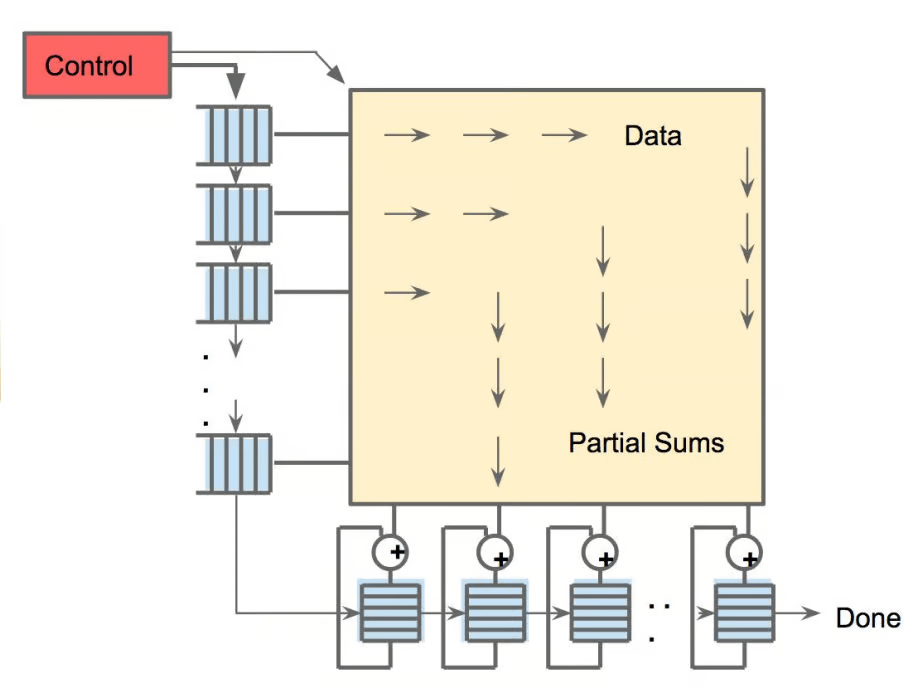
Lecture on the State of Open Video Generation Models: A lightweight lecture on the current state of open video generation models has been published on YouTube, aiming to help people quickly understand the topic. The lecture slides are available on the speaker’s personal website, providing a convenient introductory resource for interested learners. (Source: RisingSayak)
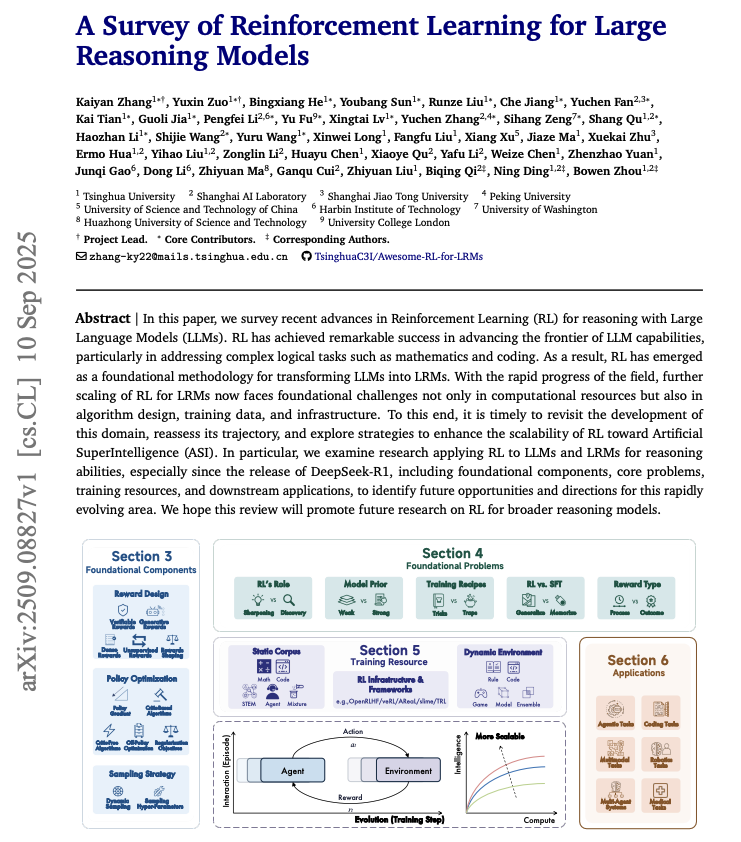
Survey on Reinforcement Learning Applications in Large Reasoning Models: A comprehensive review report, over 100 pages long, delves into the applications of reinforcement learning in large reasoning models. The report covers foundational components, core issues, training resources, and practical applications, providing researchers and developers with a valuable resource for a complete understanding of the latest advancements in RL within the LLM domain. (Source: Dorialexander)
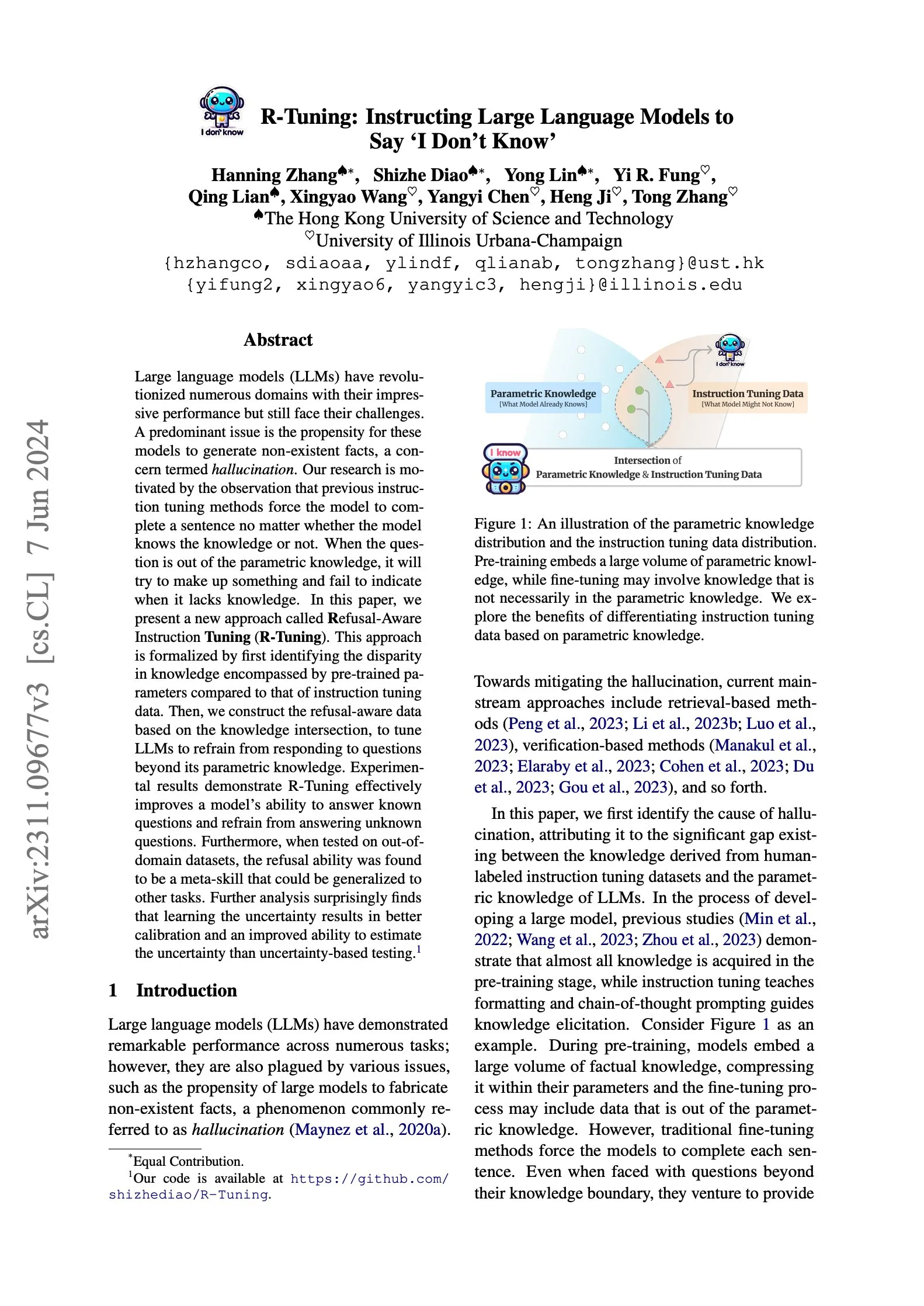
OpenAI Research on LLM Hallucinations: Reward Mechanisms are Key: OpenAI has published a paper and related discussions indicating that the primary reason Large Language Models (LLMs) hallucinate is due to training and evaluation mechanisms that reward “guessing” rather than “admitting uncertainty.” The research uses statistical methods and an exam-like incentive mechanism to reward confident and correct answers, aiming to reduce model hallucinations and improve their reliability. (Source: YejinChoinka)
💼 Business
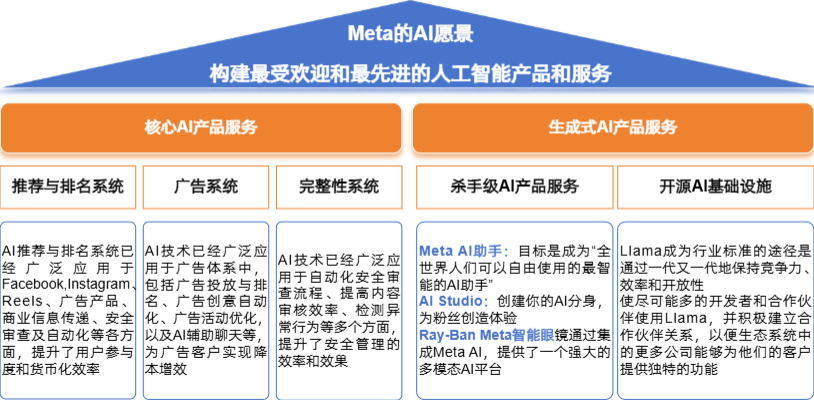
AI Investment Enters Realization Phase: Profit Models Emerge for Tech Giants and Vertical Players: After three years of massive investment, AI businesses of Chinese and American tech giants like Google, Meta, Alibaba Cloud, and Tencent are beginning to yield returns at scale, driving double-digit growth in revenue and profit. Google and Meta’s Q2 net profits surged by 19.4% and 36% respectively, while Alibaba Cloud’s revenue exceeded 63.5 billion yuan. Concurrently, “performance explosions” from AI star stocks like Figma and C3.ai also signal a market shift from focusing on “investment” to “output.” The industry is forming three main paths: tech giants “heavy on infrastructure, building ecosystems,” vertical players “strong in scenarios” focusing on specific applications, and traditional enterprises “upgrading products, extending business models.” (Source: 36氪)
AI Robotics Startup Medra Raises $11 Million: Michelle Lee, a 33-year-old first-time CEO, has officially launched her AI robotics startup, Medra. The company has raised $11 million in seed and pre-seed rounds and has already secured its first clients, focusing on automating laboratory processes. This marks commercialization progress for AI robotics technology in specific industry applications. (Source: kchonyc)
AI21 Labs Helps Financial Institutions Automate Workflows: AI21 Labs is assisting financial institutions in automating complex workflows to address challenges such as rising costs, tightening margins, and increasing regulation. Their solutions include converting financial records into structured data, real-time compliance monitoring, accelerating M&A due diligence, and integrating macro trend signals with strategy, demonstrating AI’s ability to enhance efficiency and risk management in the financial sector. (Source: AI21Labs)
🌟 Community
LLM Limitations in Understanding the Physical World Spark Debate: Li Feifei’s views from a year ago on the limitations of Large Language Models (LLMs) have once again sparked community discussion. She argued that language is a purely generative signal, while the physical world objectively exists, and LLMs’ training based on one-dimensional language signals leads to fundamental differences in their understanding of three-dimensional physical world common sense. Multiple experiments (e.g., Animal-AI, ABench-Physics) show that LLMs perform far worse than human children or specially designed robots in physical reasoning and visual perception tasks, confirming their limitations in understanding the physical world. (Source: 量子位、dzhng、torchcompiled)

Concerns Rise Over AI Agent Networks Manipulating Social Media: Widespread concerns have emerged on social media regarding AI Agent networks massively manipulating online discussions. These Agents are programmed to mimic real user behavior and can forge IP and hardware addresses to evade blacklists. Given this, some suggest users adopt a “zero-trust” model for unverified social media opinions online to counter the risk of social platforms being manipulated. (Source: Reddit r/ArtificialInteligence、zacharynado)

AI’s Impact on Labor and National Debt: Kai-Fu Lee, CEO of Sinovation Ventures, predicts that the evolution of AI Agents will have a more significant impact on the U.S. labor market. Meanwhile, Elon Musk believes that if AI and robots cannot solve national debt problems, humanity will face difficulties, highlighting AI’s critical role in economic and social challenges. (Source: kaifulee、brickroad7)
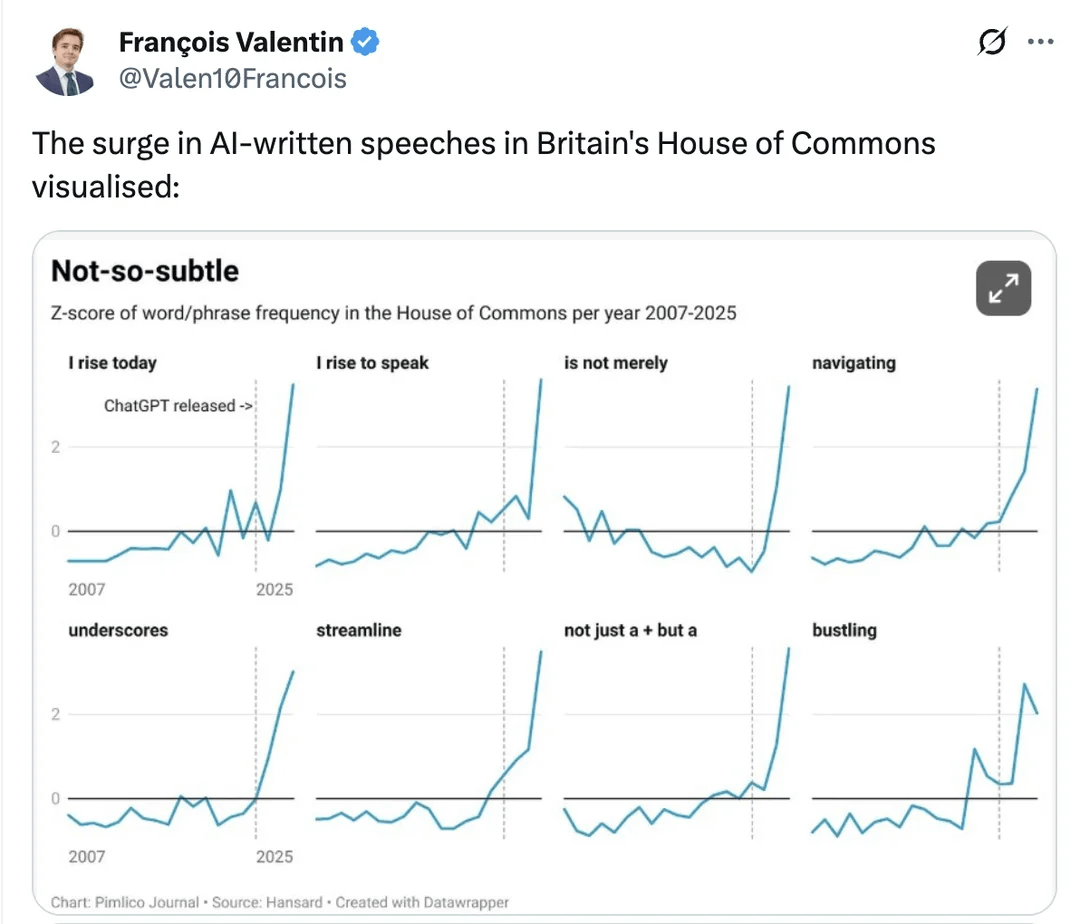
AI’s Application in UK Government Draws Attention: Social media discussions indicate that AI is quietly permeating the UK government. By analyzing changes in word frequency in parliamentary speeches, a surge in the use of certain AI-related phrases has been observed. This has sparked discussions about AI’s role in public governance, its impact on policymaking and language expression, and reflections on the “formulaic” risks that AI tools might introduce. (Source: Reddit r/artificial、Reddit r/ChatGPT)
ChatGPT’s Potential Role in Medical Diagnosis: Multiple users have shared their experiences with ChatGPT’s assistance in healthcare. One user claimed ChatGPT accurately identified appendicitis symptoms through questioning, potentially saving a life. Another user stated that ChatGPT provided alternative diagnostic options besides appendicitis during their child’s hospitalization and accurately explained their own medical condition. These cases suggest that while ChatGPT is not a medical professional, its extensive medical knowledge base holds practical value in aiding diagnosis and providing health information. (Source: Reddit r/ChatGPT)
GPT-OSS 20B Outperforms GPT-5 Free Tier in Engineering Tasks: Reddit users report that OpenAI’s open-source model, GPT-OSS 20B, consistently performs better than the free tier of GPT-5 (possibly GPT-5-thinking-mini) when handling engineering assignments. Users suggest this might be due to the open-source model’s greater freedom in computational resources and better optimization. GPT-OSS takes longer to think when solving problems, consuming an average of 20-30k tokens per problem, which could contribute to its higher accuracy. (Source: Reddit r/LocalLLaMA)
AI Agents’ “Full Self-Driving” Moment in Software Development: Social media is abuzz with discussions about breakthroughs in AI Agents for software development, described as a “full self-driving” moment. Replit’s Agent 3 can autonomously test, debug, and refactor complete applications, significantly boosting efficiency. However, some developers also point out that managing multiple coding Agents simultaneously can lead to “chaotic coding,” where Agents overwrite each other’s work, necessitating more efficient organizational and management methods. (Source: amasad、HamelHusain)
NVIDIA’s AI Moat and Future Hardware Competition: The community discussed NVIDIA’s monopolistic position in the AI hardware sector and the solidity of its moat. Some argue that future AI hardware might be entirely different from current NVIDIA hardware, potentially focusing more on cost/efficiency ratios, thereby weakening NVIDIA’s advantage. However, others point out that NVIDIA, as a $4.3 trillion giant, excels in innovation and execution, making its position difficult to shake in the short term. (Source: teortaxesTex、TheTuringPost)
Limitations and Lack of Imagination in AI Agents: Discussions on AI Agents point out that many AI efforts lack sufficient imagination, and true AI Agents should solve bounded problems rather than open-world fantasies. Comments compare “free but useless” solutions like Copilot, emphasizing that customized Agents can more accurately automate workflows and provide specific value. This reflects an expectation for AI’s practicality and deep application, rather than generic promotion. (Source: Ronald_vanLoon、RichardSocher)

Progress in AI Image Generation for “Finger” Details: For a long time, AI image generation models faced challenges in rendering human hand and finger details accurately. However, recent advancements indicate that AI models can now accurately render realistic fingers, overcoming this common limitation. This progress marks a new level in the detail expression capabilities of AI image generation technology. (Source: fabianstelzer)

💡 Other
Intersecting Challenges and Opportunities in AI and Quantum Computing: Discussions highlight overlapping challenges and opportunities between artificial intelligence and quantum computing, two cutting-edge technological fields. As both technologies evolve, effectively integrating their strengths to solve their respective complex problems will be a crucial direction for future technological development. (Source: Ronald_vanLoon)

AI Reshaping Creative Fields: Music, Writing, and Art: Discussions explore how artificial intelligence is reshaping creative fields such as music, writing, and art. In the algorithmic age, AI not only serves as an assistive tool to enhance creative efficiency but also acts as a co-creator, expanding the boundaries of artistic expression and bringing new possibilities and challenges to the creative industry. (Source: Ronald_vanLoon)

Embodied AI Robots to Serve Hotel and Care Industries: Reports indicate that humanoid robot manufacturers are developing service robots with 15 language capabilities to meet the demands of the hotel and care industries. These multilingual robots are expected to play a role in customer service, daily assistance, and companionship, improving service quality and alleviating labor shortages. (Source: Ronald_vanLoon)