



Anahtar Kelimeler:Gemini 3 Flash, GPT-5.2, AI model, SAM Audio, insansı robot, MiMo-V2-Flash, Tencent büyük modeli, çok modlu çıkarım, ses düzenleme AI, somutlaştırılmış robot üretim kapasitesi, açık kaynaklı büyük model, AI sağlık büyük modeli
🔥 Highlights
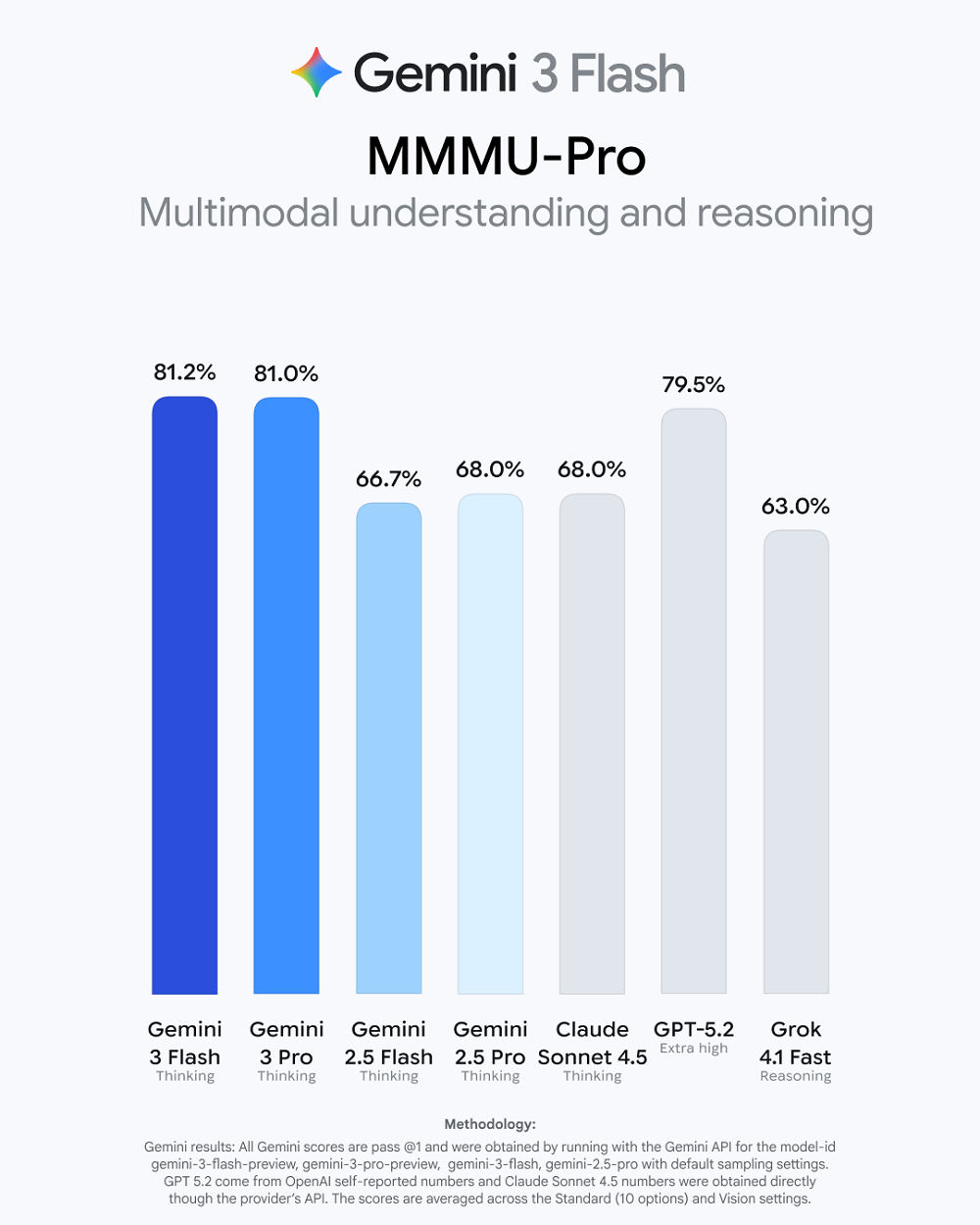
Google Launches Gemini 3 Flash: Google has unveiled Gemini 3 Flash, delivering cutting-edge intelligence at an ultra-low cost—priced at just 25% of the Pro version. Despite its affordability, it outperforms Gemini 3 Pro on key benchmarks like MMMU-Pro and SWE-bench Verified, with speeds up to 3x faster. Designed for iterative development, it offers programming performance and low latency comparable to Gemini 3 Pro, along with multimodal reasoning capabilities for video analysis, data extraction, and visual Q&A. Gemini 3 Flash is now widely available: general users can access it via the Gemini app and Google Search AI mode, while developers can integrate it via API, paving the way for broader AI embedding in everyday apps and business systems. (Source: 36Kr, 36Kr)
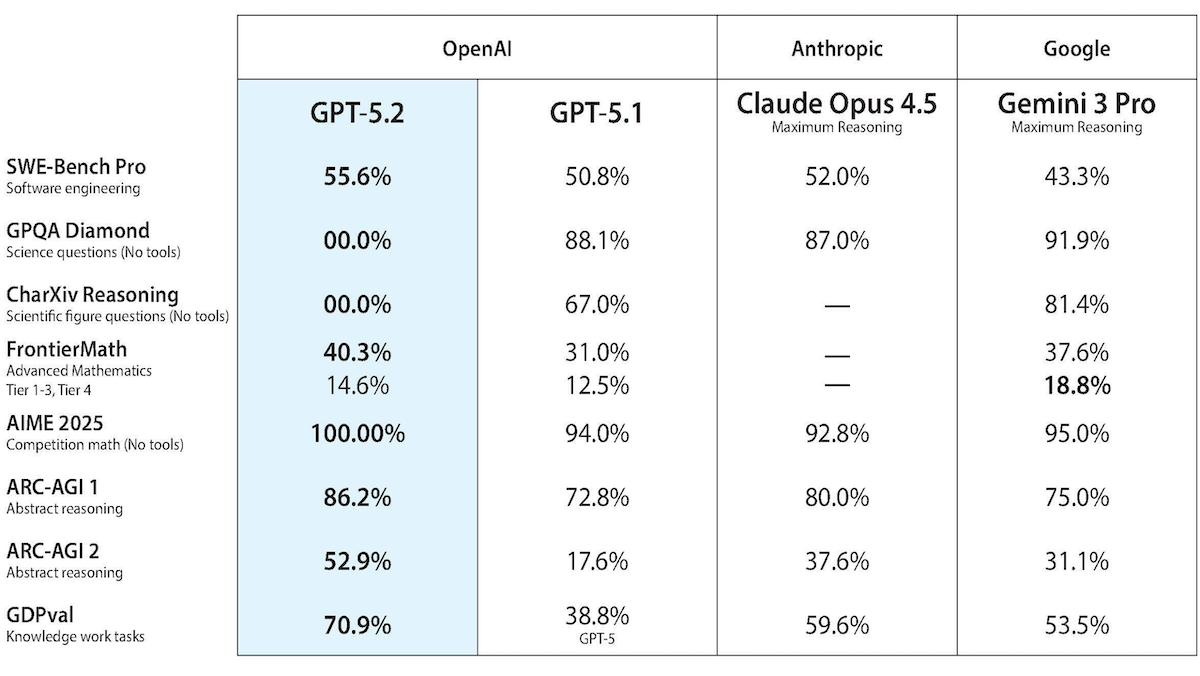
OpenAI Releases GPT-5.2 Series: OpenAI has launched the GPT-5.2 series, including Pro, Thinking, and Instant models, to counter Google’s Gemini 3. GPT-5.2 sets new records on abstract visual puzzle benchmarks like ARC-AGI-1 and ARC-AGI-2, with notable improvements in computational efficiency—costs are reduced to 1/390 of GPT-5.1. The models feature adjustable reasoning levels (including x-high) and support context summarization to expand input limits. This release aims to enhance professional task efficiency, such as code generation, spreadsheet work, and presentation creation, while significantly improving economic feasibility for complex reasoning tasks. (Source: DeepLearning.AI Blog)
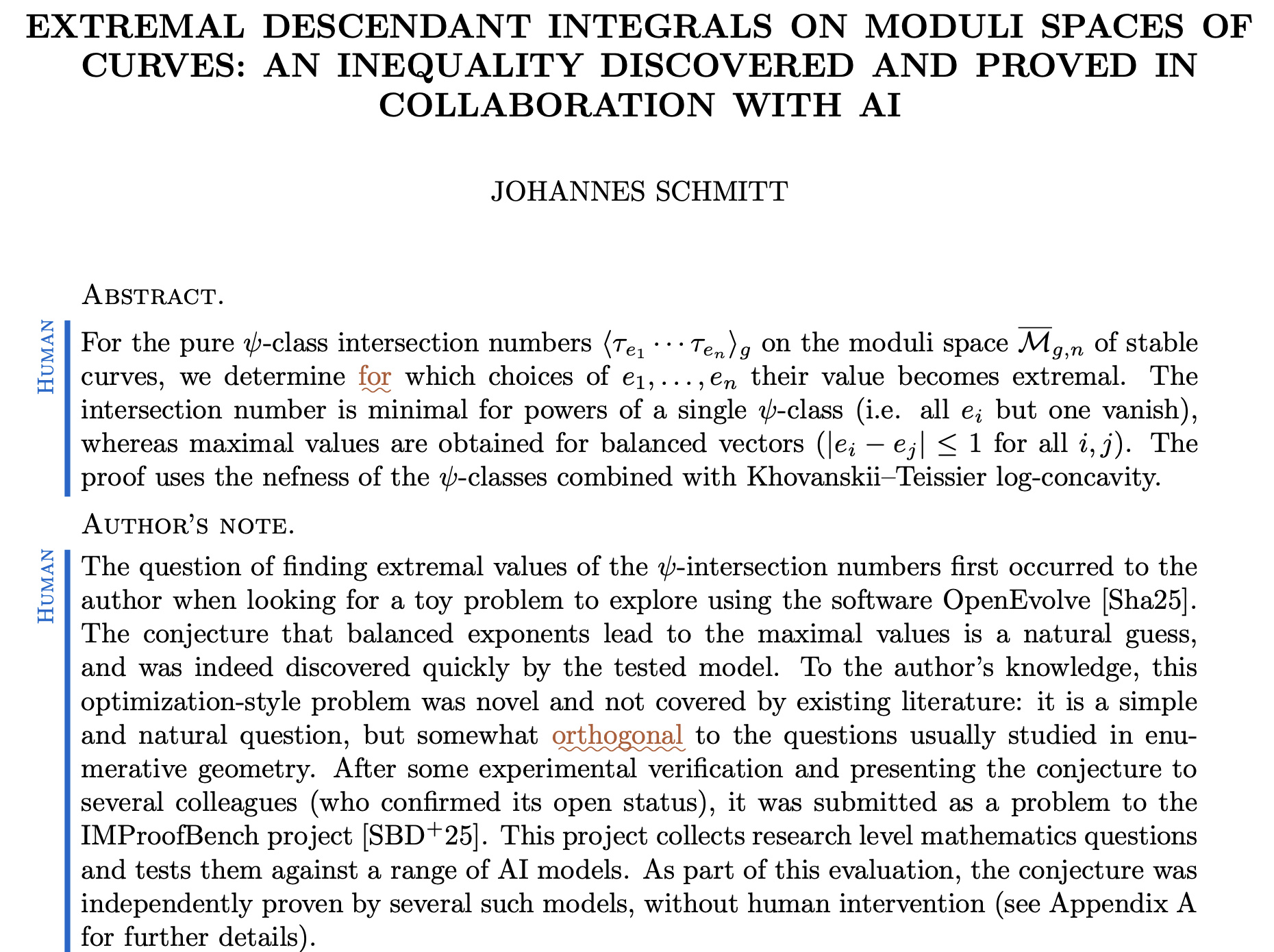
AI Model Solves Open Math Problem Autonomously: GPT-5 has autonomously solved an open math problem submitted to the IMProofBench benchmark, providing a complete and correct proof without human prompts or intervention. This breakthrough represents a small but novel contribution to enumerative geometry, marking a major leap in AI’s complex mathematical reasoning and problem-solving capabilities. The achievement has sparked widespread discussion about AI’s potential in mathematical research, hinting at a future where AI could play a more active role in scientific discovery. (Source: SebastienBubeck, kevinweil, gdb, OfirPress, SebastienBubeck)
Meta Introduces SAM Audio: Meta has unveiled SAM Audio, the first unified AI model that lets users isolate and edit sounds from complex audio mixes. Like Photoshop for audio, it can “cut out” sounds—such as isolating a guitar from a song, filtering traffic noise, or removing a dog’s bark from a podcast—using text, visual, or temporal prompts. This innovation could revolutionize audio editing, making it as simple as handling text and images, lowering the barrier for professional mixing knowledge, and boosting efficiency in audio content creation. (Source: ylecun, ylecun, dotey)
🎯 Trends
Yunpeng Tech Launches AI+Health Products: Yunpeng Tech, in collaboration with Shuaikang and Skyworth, has released AI+health products, including the “Digital Future Kitchen Lab” and smart refrigerators equipped with an AI health model. The AI health model optimizes kitchen design and operations, while the smart fridge’s “Health Assistant Xiao Yun” offers personalized health management. This marks AI’s deeper integration into daily health management and smart home ecosystems, promising tailored health services through intelligent devices. (Source: 36Kr)
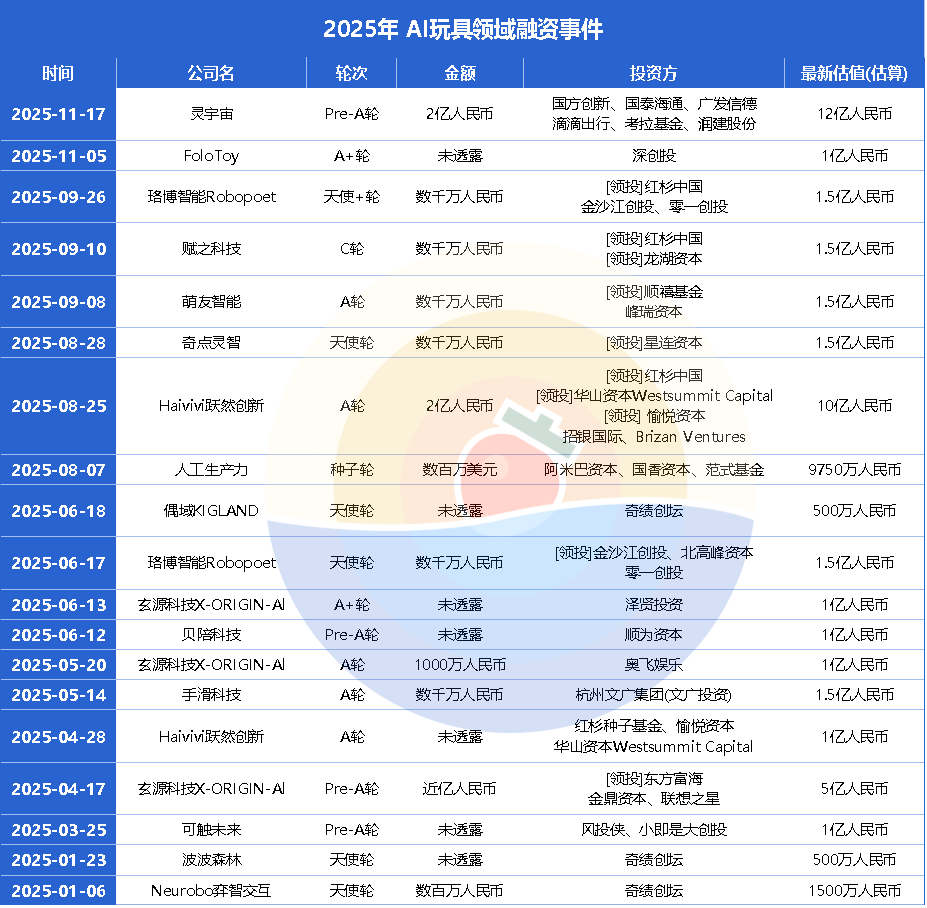
Humanoid Robot Industry Faces Production Bottleneck: In 2025, the embodied robot industry has shifted from hype to cooling demand, with orders exceeding ¥3.5 billion but deliveries under 1,000 units, highlighting a production bottleneck. Leading firms like Zhiyuan and Ubtech face surging orders but remain stuck scaling from hundreds to thousands of units. The consumer market struggles with high prices, limited use cases, and sub-1,000 sales, exemplified by stability issues in marathon-running robots. Despite challenges, policy support and investor confidence signal a transition from “technically feasible” to “reliable commercial products.” (Source: 36Kr, 36Kr)
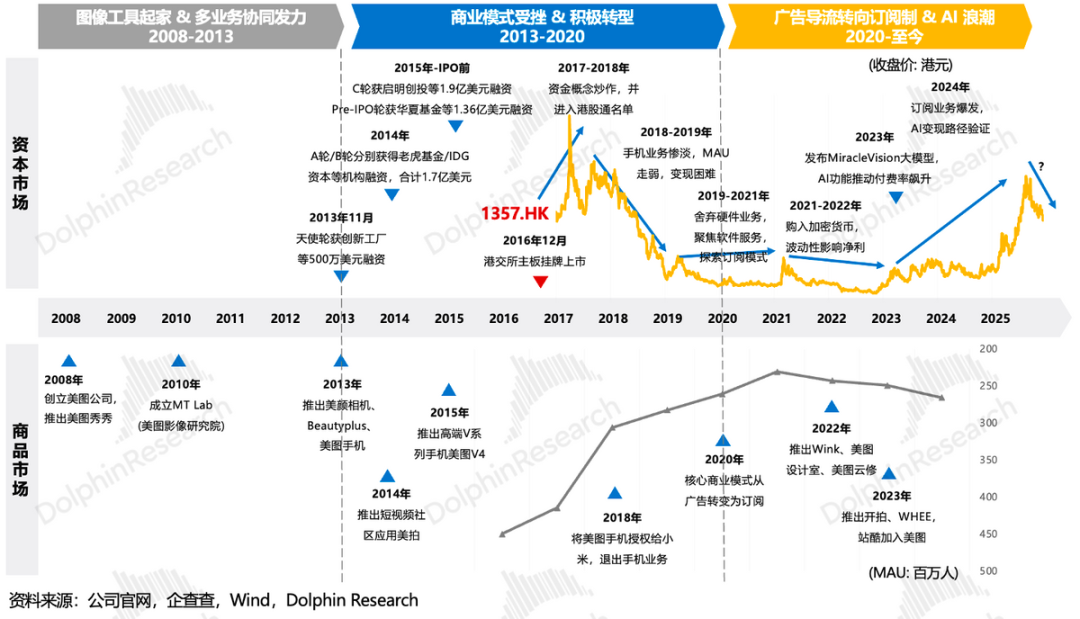
Meitu’s AI Pivot and Challenges: Meitu has refocused on its tool-centric strategy, leveraging C-end apps like MeituPic and BeautyCam alongside B-end productivity tools (Meitu Design Studio, KaiPai) for its AI transformation. Its AI Agent platform, RoboNeo, integrates third-party models and in-house Miracle Vision, addressing AI adoption pain points via “AI generation + manual tweaks.” However, RoboNeo suffers poor user retention, especially under competition like Google’s Nano Banana, casting uncertainty on overseas B-end growth. With 200M MAU and innovation momentum, Meitu retains a niche in vertical SaaS, betting on deeper tech-product integration to compete with larger models. (Source: 36Kr)
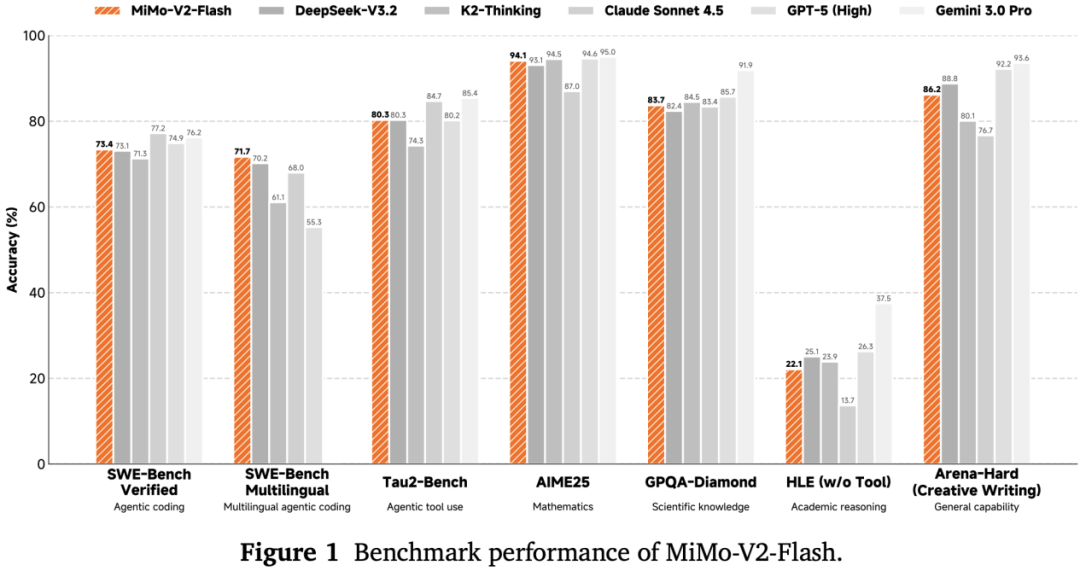
Xiaomi Open-Sources MiMo-V2-Flash: Xiaomi has open-sourced its MiMo-V2-Flash model, a 309B-parameter behemoth joining the top tier of open-source models. It achieves 2.6x faster inference while balancing performance and deployment costs, scoring 73.4% on SWE-Bench Verified—surpassing DeepSeek-V3.2 and Kimi-K2 Thinking. Innovations like 5:1 hybrid attention, learnable attention bias, MTP multi-layer token prediction, and MOPD multi-teacher online distillation enhance efficiency and long-text comprehension. With exceptional real-world coding completion and “high-EQ” conversational abilities, MiMo-V2-Flash underscores Xiaomi’s ambition toward “physical-world AGI.” (Source: 36Kr)
Tencent Restructures AI R&D: Tencent has reorganized its AI R&D framework, appointing former OpenAI researcher Yao Shunyu as Chief AI Scientist under the CEO/President Office, reporting directly to President Martin Lau. Yao will also helm the AI Infra and Large Language Model departments, consolidating efforts to strengthen Tencent’s competitiveness in compute, data, and engineering—addressing prior lag in model development. This move elevates AI to a core strategic focus, aiming to build a foundational model-centric R&D system to rival ByteDance and Alibaba in AI applications. (Source: 36Kr, 36Kr, 36Kr)