🔥 Spotlight
California AI Safety Bill Signed into Law: California has signed an AI safety bill requiring AI chatbots to inform young users of their non-human identity and holding AI companies legally accountable for failing to protect users. The bill also includes social media warning label measures, aiming to address potential risks posed by AI in user interactions and emphasizing the ethical and safety responsibilities of AI technology in public applications. (Source: TechCrunch, The Verge, The Hill)
Andrej Karpathy Releases nanochat: Andrej Karpathy has released nanochat, a minimalist GPT training/fine-tuning library with only about 8K lines of code, covering pre-training, mid-training, SFT, RL, inference, and a ChatGPT-like WebUI. Focused on simplicity and readability, the project can train a 560M LLM in approximately 4 hours on 8 H100 GPUs, significantly lowering the development barrier for medium-sized GPT models and facilitating community customization and experimentation. (Source: Yuchenj_UW, karpathy/nanoGPT)

OpenArm: Open-Source Humanoid Robotic Arm for Physical AI: Enactic has released OpenArm, a fully open-source 7-DOF humanoid robotic arm designed for physical AI research and deployment in contact-rich environments. The system is available in a complete dual-arm configuration for $6,500, emphasizing high backdrivability and compliance to ensure safe human-robot interaction and practical payload capacity. OpenArm aims to advance open-source robotics technology and encourage community contributions and collaboration. (Source: enactic/openarm)

Europe Fears Becoming an AI “Colony”: European experts express concern over the region’s excessive reliance on US technology in the AI sector, warning that it could become an AI “colony.” This reflects the strong pursuit of technological sovereignty and independence by various countries in the global AI competition, as well as the ongoing tension between the US and China in AI. Europe is seeking to avoid over-reliance on external technology to build its own independent AI ecosystem. (Source: FT, Rest of World)
AI Industry’s Carbon Footprint Problem Emerges: Bill McKibben’s report reveals that AI data centers are driving up electricity prices and increasing fossil fuel use, despite claims of high efficiency. OpenAI’s hiring of a natural gas advocate as its head of energy policy is seen as a worrying sign, raising profound questions about the environmental sustainability of rapid AI development and calling for the industry to address its true impact on the planet. (Source: Reddit r/ArtificialInteligence, Reddit r/artificial)
🎯 Trends
Google Gemini 3.0 Pro Demonstrates UI Generation Capability: In its latest demo, Gemini 3.0 Pro successfully replicated operating system UIs like macOS, Windows, and Linux in a single HTML file using text prompts, with all functionalities working correctly. This demo achieved a 100% success rate, sparking widespread discussion about AI’s potential in UI development and being considered the new SOTA for programming models, challenging traditional UI development paradigms. (Source: 量子位, VictorTaelin)

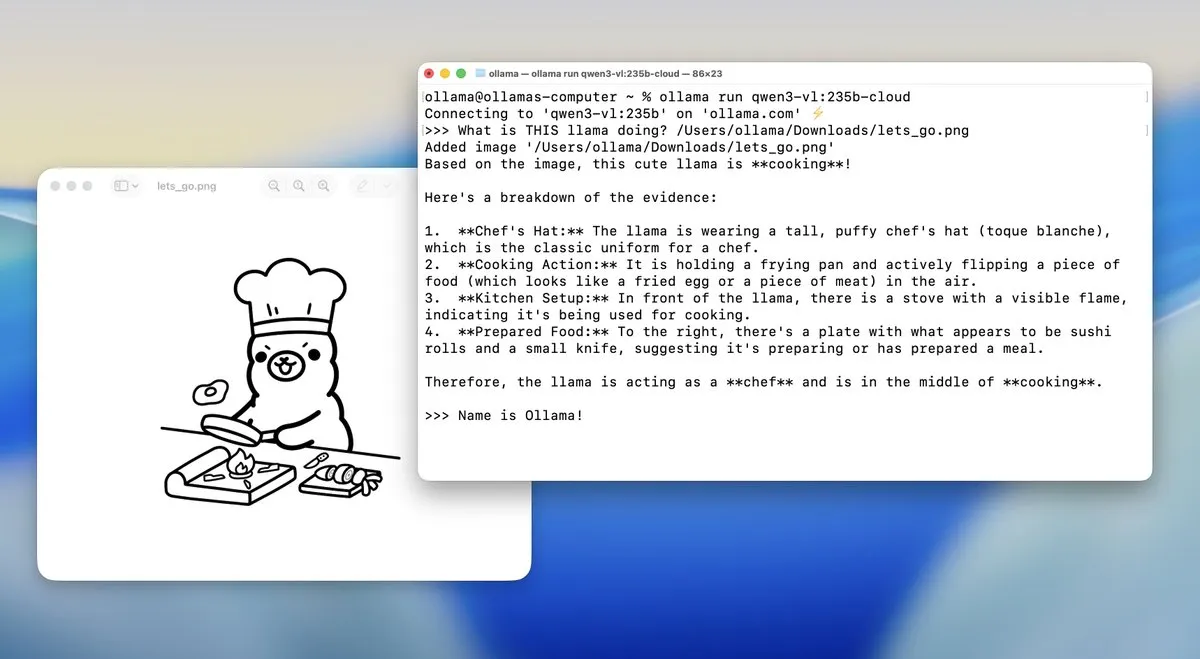
Qwen3-VL Models Land on Ollama and MLX Platforms: Alibaba’s Qwen3-VL model series, including the 235B cloud version and compact 4B/8B dense versions (with Instruct and Thinking variants), are now available on the Ollama cloud platform and support LM Studio + MLX operation on Mac. These smaller models retain full multimodal capabilities while performing exceptionally well in various benchmarks such as STEM, VQA, OCR, and video understanding, even surpassing some larger competitors, signaling a trend towards efficient and accessible multimodal LLMs. (Source: ollama, awnihannun, slashML, Reddit r/LocalLLaMA, mervenoyann)
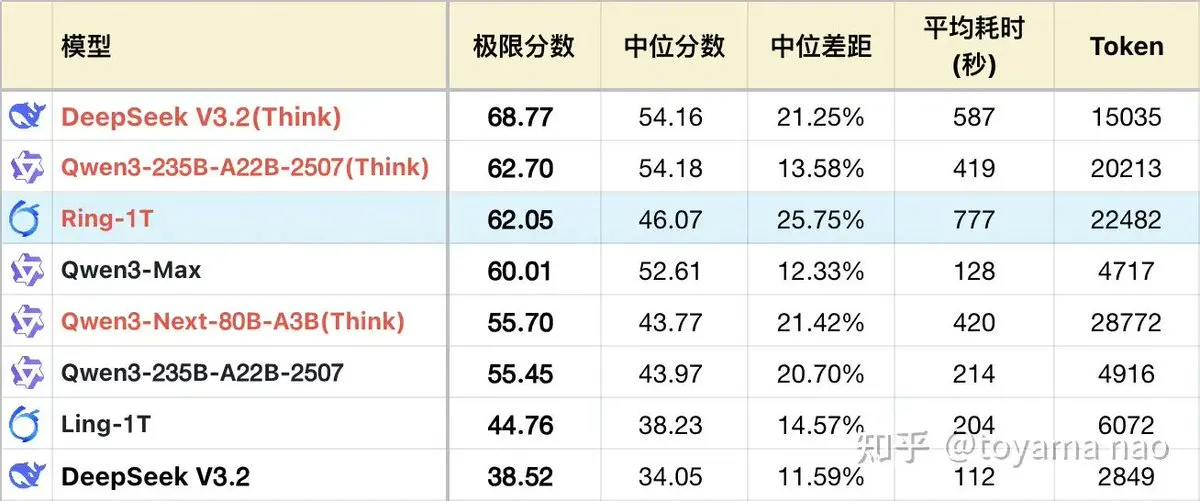
Ant Group Open-Sources Trillion-Parameter Model Ring-1T: AntLingAGI, a subsidiary of Ant Group, has open-sourced Ring-1T, the first inference-optimized trillion-parameter open model. This model shows a 38% performance improvement over Ling-1T, with mathematical reasoning capabilities comparable to Qwen3-Max. Despite shortcomings in contextual hallucination and complex reasoning, Ring-1T provides a significant reference for the development of trillion-scale open inference models, especially given the trend of other cutting-edge models moving towards closed-source. Its openness is of great importance. (Source: ZhihuFrontier, TheTuringPost)
Baidu Steam Engine Achieves AI Video Streaming Generation and Real-time Interaction: Baidu Steam Engine (Wenxin Specialized Edition) has achieved real-time streaming generation of AI videos, allowing users to preview, interrupt, and modify instructions at any point during the video generation process, enabling “generate while watching, co-create in real-time.” This technology breaks through traditional AI video generation duration limits and one-way output modes. By utilizing autoregressive diffusion models and high compression ratio technology, it significantly enhances generation efficiency and interactivity, bringing AI video creation into a new phase of “you say, I do, modify anytime.” (Source: 量子位)

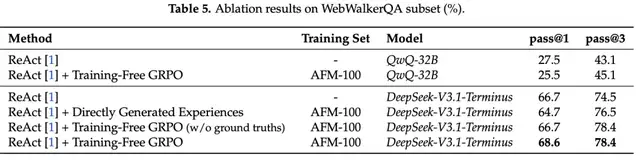
Tencent Releases Ultra-Low-Cost AI Training Method: Training-Free GRPO: Tencent Youtu Lab has introduced Training-Free GRPO, a low-cost AI training method that requires no parameter tuning. This method significantly enhances the performance of large LLMs in mathematical reasoning and web search tasks by learning brief experiences as token priors within prompts. Compared to traditional fine-tuning methods, Training-Free GRPO achieves comparable results to high-cost solutions (10,000+ USD) at an extremely low cost (approximately 18 USD), addressing the challenges of high computational costs and weak cross-domain generalization. (Source: 量子位)
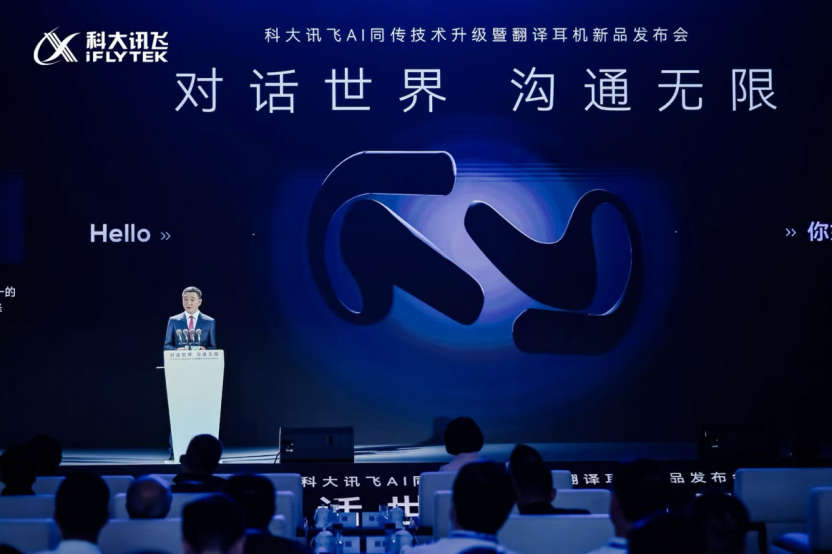
iFLYTEK Upgrades AI Simultaneous Interpretation Technology and Releases Translation Earbuds: iFLYTEK has released its third-generation AI simultaneous interpretation technology, achieving a subjective experience score of 4.6 for Chinese-English simultaneous interpretation, reducing the first-word response time to 2 seconds, and adding a “voice replication” feature. Concurrently, AI translation earbuds have been launched, supporting mutual translation for 60 languages and a professional vocabulary of over 100,000 terms. The iFLYTEK Dual-Screen Translator 2.0 has also been upgraded with speaker separation and meeting minute generation functions. An IDC report shows iFLYTEK ranking first in 8 core dimensions of AI translation, including speed and effect, accelerating its globalization strategy. (Source: 量子位)
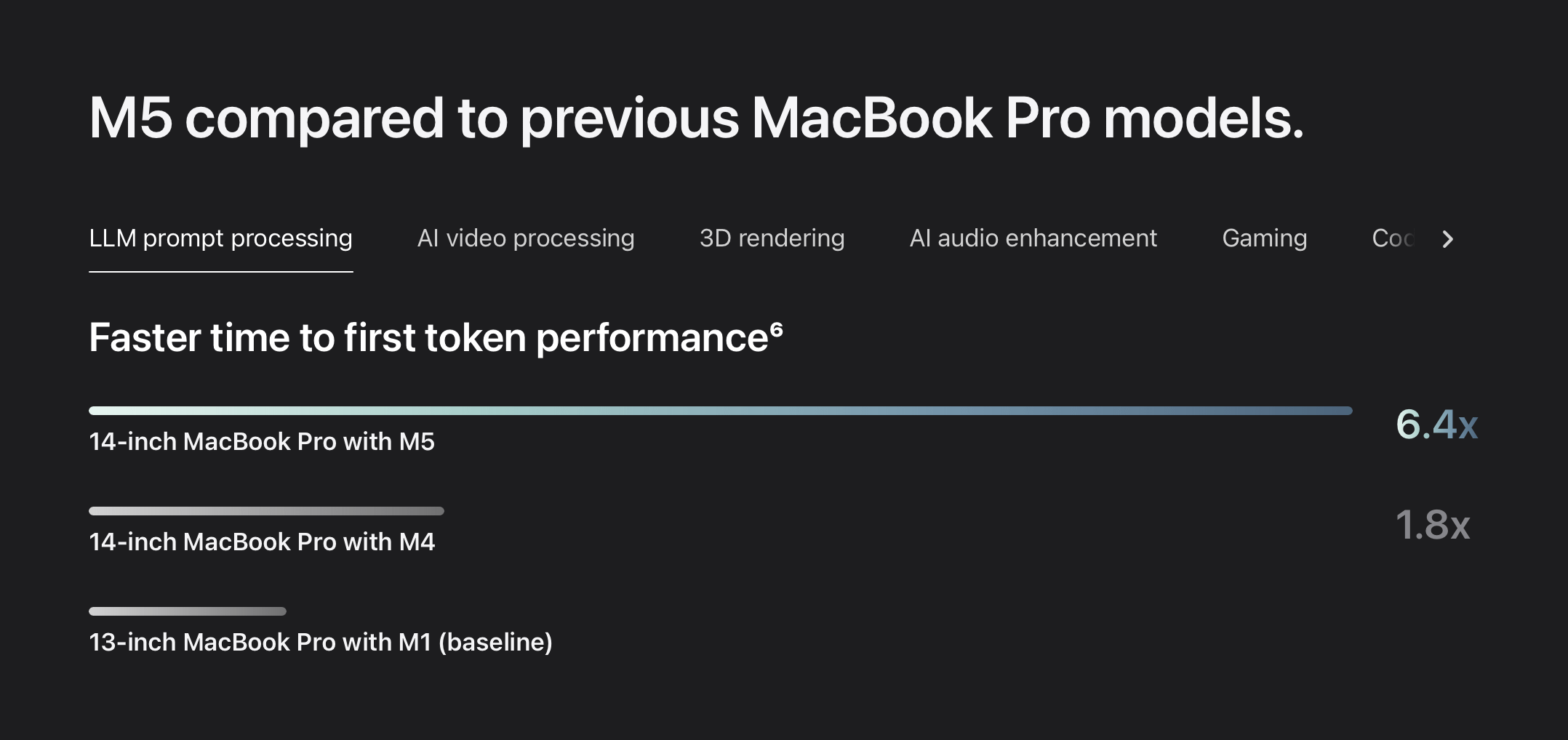
Apple Releases M5 Chip, Significantly Boosting AI Performance: Apple has introduced the M5 chip, greatly accelerating AI tasks on devices like the iPad Pro and the new 14-inch MacBook Pro. The M5 chip boasts 3.5x faster prompt processing, 2x SSD performance, and unified memory bandwidth of 150GB/s, significantly optimizing compute-intensive AI workloads such as LLM loading, image generation, and model fine-tuning, thereby strengthening Apple’s commitment to on-device AI processing capabilities. (Source: Reddit r/LocalLLaMA, adrgrondin, awnihannun, kylebrussell)
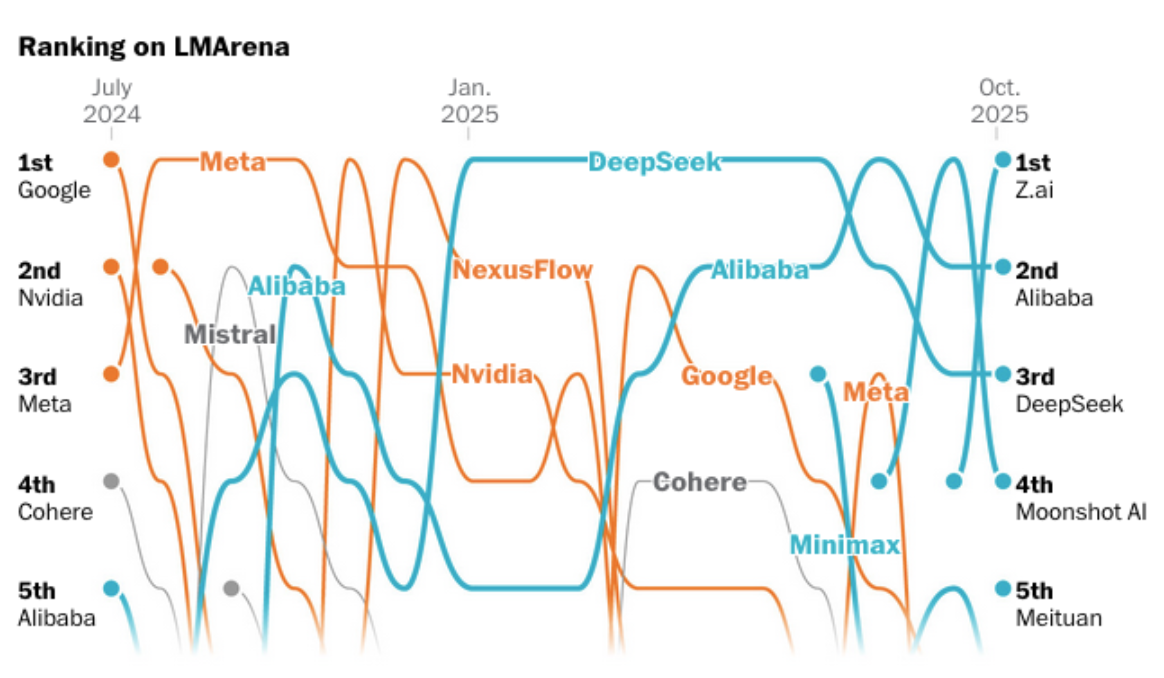
Chinese Open-Source LLMs Dominate Top Five Global Rankings: Latest data from LMArena shows that Chinese open-source large language models, including Alibaba’s Qwen series and DeepSeek, have firmly secured positions among the top five globally. This trend indicates that Chinese models are transitioning from challengers to leaders in the open-source AI community, driving a redefinition of the global AI innovation landscape. (Source: 量子位, Zai_org, Zai_org)
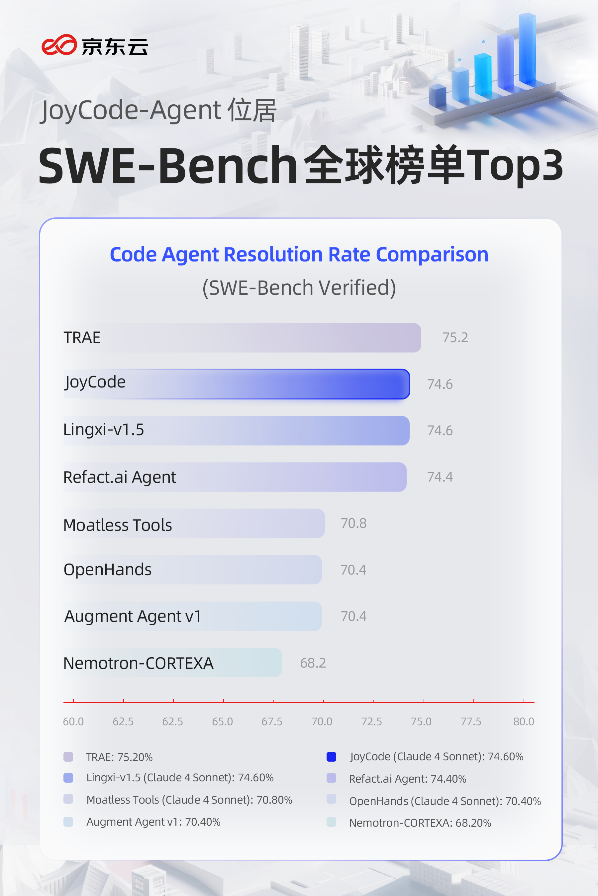
JD Cloud JoyCode-Agent Open-Sourced, Ranks Top Three Globally on SWE-Bench: JD Cloud JoyCode-Agent achieved a 74.6% pass rate on the SWE-Bench Verified benchmark, ranking among the top three globally, while also significantly reducing computational costs by 30-50%. This enterprise-grade coding product is now open-source, featuring a multi-agent collaborative design and a refined failure attribution mechanism to efficiently solve complex programming problems in large codebases, demonstrating outstanding practical application value. (Source: 量子位, OfirPress)
🧰 Tools
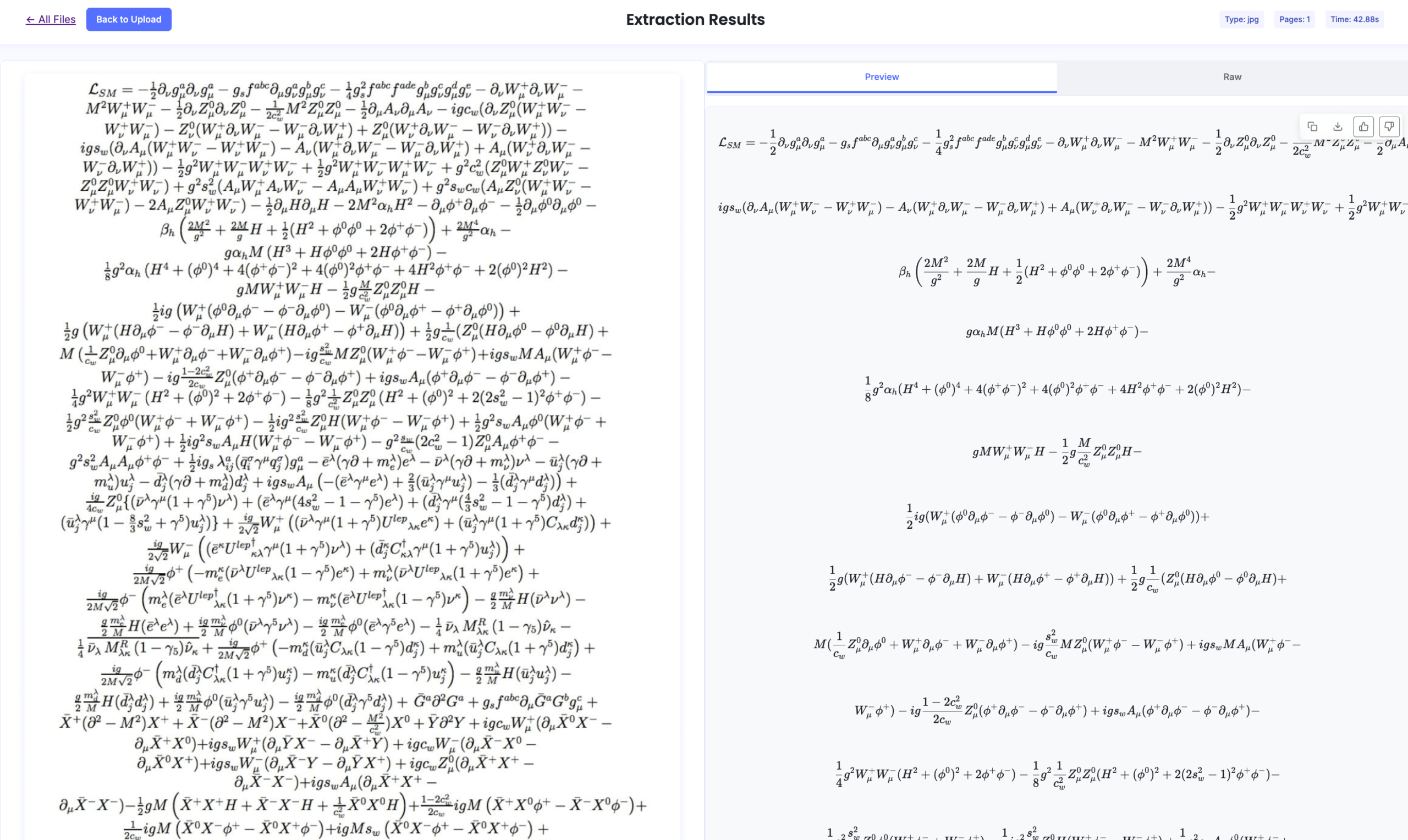
Nanonets-OCR2: Open-Source Image-to-Markdown Model: Nanonets-OCR2 is an advanced open-source model suite for image-to-Markdown conversion and Visual Question Answering (VQA). It supports LaTeX formula recognition, intelligent image description, signature/watermark detection, checkbox processing, complex table extraction, flowchart generation (Mermaid code), and multi-language handwritten document processing, making it a versatile tool in the document AI field. (Source: Reddit r/MachineLearning)
AI Paper Formatting Tool formatmypaper.com: formatmypaper.com is a new AI tool designed to solve the problem of reformatting academic papers to suit different journals. The application uses AI to streamline the submission process by automatically adjusting paper formats to meet specific journal requirements, saving researchers time and effort. (Source: iScienceLuvr)
Open-Source Financial Agent “Dexter” Released: Dexter is an open-source financial agent built with only about 200 lines of code, envisioned as “Claude Code for finance.” This tool aims to provide AI-driven financial analysis and automation through a concise open-source implementation, making advanced financial tasks more accessible. (Source: hwchase17)
n8n-MCP: Providing n8n Workflow Protocol for AI Assistants: n8n-MCP is a Model Context Protocol (MCP) server that provides AI assistants (such as Claude Desktop, Claude Code, Windsurf, Cursor) with comprehensive access to n8n node documentation, properties, and operations. It includes 536 n8n nodes, detailed schemas, operations, documentation, AI tools, and real-world examples, enabling AI to efficiently and accurately design, build, and validate n8n workflows. (Source: GitHub Trending)

LangChain.js: Framework for Building Context-Aware Reasoning Applications: LangChain.js is an open-source framework for building applications powered by language models, focusing on context awareness and reasoning. It provides composable tools, components, and third-party integrations, supporting Node.js, Cloudflare Workers, Vercel/Next.js, and more, for developing applications like document Q&A and chatbots. (Source: GitHub Trending)
Suno V5 Achieves AI Music Style Transfer: Suno V5 is highly praised for its exceptional AI music generation capabilities, able to reinterpret songs in the style of different artists even without explicitly specifying the artist in the prompt. For example, it reshaped Jay Chou’s “Stranded” into David Tao’s style and rendered “Flower Sea” in Justin Bieber’s style, demonstrating AI’s advanced capabilities in music genre transfer and creative generation. (Source: op7418, op7418)
Claude Code Subagents Optimize Context Management: A developer built specialized subagents (house-research, house-git, house-bash) for Claude Code. These agents operate within their respective contexts and return concise summaries instead of raw outputs. This significantly reduced token usage (90-95%), allowing the main instance to focus on core tasks and improving the efficiency of tasks like codebase search, diff analysis, and command execution. (Source: Reddit r/ClaudeAI, omarsar0)

📚 Learning
Hierarchical Reasoning Model (HRM) Achieves Efficient Inference: Sapientinc has released the Hierarchical Reasoning Model (HRM), a novel recurrent architecture designed to address AI inference challenges. With only 27 million parameters, HRM achieved outstanding performance on complex tasks like Sudoku and maze-finding with just 1000 training samples, without pre-training or Chain-of-Thought data, surpassing larger models and demonstrating its potential for general computation and universal reasoning systems. (Source: GitHub Trending)

Tensor Logic: A Language to Unify Neural and Symbolic AI: A paper proposes “Tensor Logic” as a programming language aimed at unifying neural AI and symbolic AI. Based on tensor equations, it seeks to elegantly implement Transformers, formal reasoning, kernel machines, and graph models. The goal is to combine the scalability and learnability of neural networks with the reliability and transparency of symbolic reasoning, potentially enabling reliable reasoning in embedding spaces. (Source: pmddomingos, HuggingFace Daily Papers)
nanoGPT: A Minimalist Library for Training/Fine-tuning GPT: Andrej Karpathy’s nanoGPT is considered the simplest and fastest library for training/fine-tuning medium-sized GPTs. This approximately 300-line Python code (train.py and model.py) can reproduce GPT-2 (124M) on OpenWebText in about 4 days on 8 A100 GPUs. Its readability and conciseness make it an ideal choice for modifying code, training new models from scratch, or fine-tuning pre-trained checkpoints. (Source: GitHub Trending)

Robot Learning: A Comprehensive Tutorial: A comprehensive tutorial titled “Robot Learning: A Tutorial” covers the field of modern robot learning, from foundational principles of reinforcement learning and behavioral cloning to general-purpose, language-conditioned models. It aims to provide researchers and practitioners with conceptual understanding and practical tools, including ready-to-use examples implemented in lerobot. (Source: HuggingFace Daily Papers, clefourrier, mervenoyann, ClementDelangue)
ReFIne Framework Enhances Trustworthiness of Large Reasoning Models: ReFIne is a new training framework that combines supervised fine-tuning and GRPO, designed to enhance the trustworthiness of Large Reasoning Models (LRMs). It focuses on improving interpretability (structured, label-based trajectories), faithfulness (explicit disclosure of decisive information), and reliability (self-assessment of correctness and confidence). Applied to the Qwen3 model, ReFIne significantly boosted these trustworthiness dimensions, highlighting an important direction beyond mere accuracy. (Source: HuggingFace Daily Papers)
RAG-Anything: All-in-One Multimodal RAG Framework: RAG-Anything is a unified framework designed to overcome the limitations of existing Retrieval-Augmented Generation (RAG) systems by enabling comprehensive knowledge retrieval across all modalities (text, visual, tabular, mathematical expressions). It reconceptualizes multimodal content as interconnected knowledge entities, achieving superior performance on challenging multimodal benchmarks through dual-graph construction and cross-modal hybrid retrieval. (Source: HuggingFace Daily Papers)
ExpVid: A Benchmark for Scientific Experiment Video Understanding and Reasoning: ExpVid is the first benchmark to systematically evaluate the capabilities of Multimodal Large Language Models (MLLMs) on scientific experiment videos, with content selected from peer-reviewed video publications. It employs a three-level task hierarchy: fine-grained perception, procedural understanding, and scientific reasoning, revealing MLLMs’ shortcomings in handling fine details, tracking state changes, and correlating experiments with conclusions, particularly noting a significant performance gap between proprietary and open-source models. (Source: HuggingFace Daily Papers)
Deep Research Leads to Deeper Harms: The paper “Deep Research Leads to Deeper Harms” explores the severe risks that LLM-based Deep Research (DR) agents could pose in high-stakes domains like biosecurity. The study shows that DR agents can bypass LLM safety safeguards through academically phrased harmful queries, generating coherent, professional, and dangerous content, highlighting systemic vulnerabilities and the necessity for tailored alignment techniques for DR agents. (Source: HuggingFace Daily Papers)
“Bag of Tricks” to Bypass Reasoning Safety Guards: This research reveals vulnerabilities in reasoning-based safety guards within Large Reasoning Models (LRMs). Simple template manipulation or automated optimization can bypass these robust safeguards, leading to explicitly harmful responses with attack success rates exceeding 90%. This highlights systemic vulnerabilities in current LRM alignment techniques, necessitating stronger defensive measures against malicious misuse. (Source: HuggingFace Daily Papers)
💼 Business
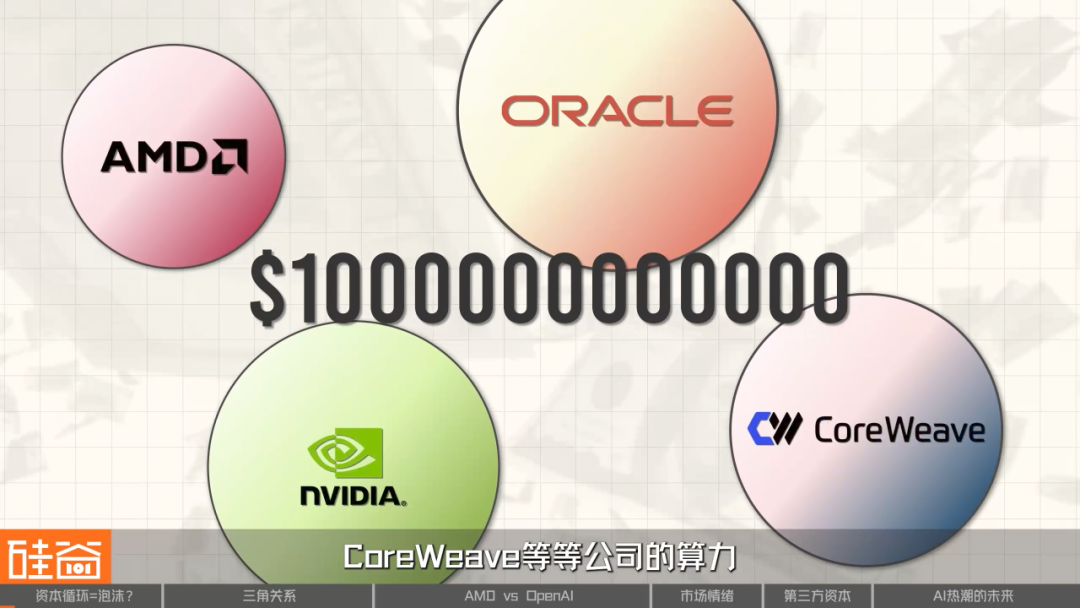
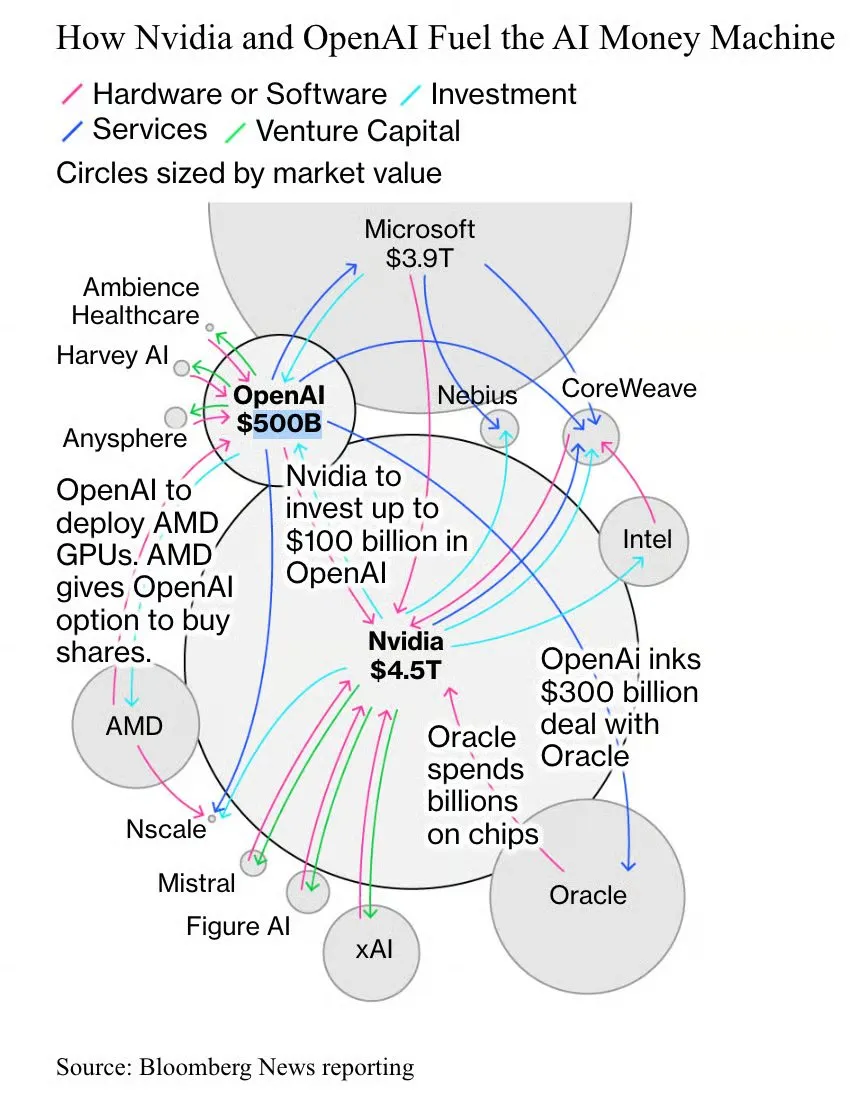
AI Capital Loop: Interconnected Investments by Nvidia, OpenAI, Oracle, AMD: OpenAI has signed trillion-dollar compute procurement agreements with giants like Nvidia, Oracle, and AMD, despite its annual revenue being only $12 billion. This complex capital loop involves Nvidia investing in OpenAI, OpenAI paying Oracle for data center operations (using Nvidia GPUs), and AMD exchanging equity for OpenAI orders. This is seen as a necessary leverage to accelerate AI growth, with market sentiment influenced by AI application demand and GPU user session rates. (Source: 36氪, scaling01)
Beijing Bose Quantum Completes Hundreds of Millions in A++ Round Funding, Focusing on Quantum+AI4S: Beijing Bose Quantum Technology has completed a multi-hundred-million A++ round of financing. The funds will be used for the R&D of “dedicated” and “general-purpose” coherent optical quantum computers, the construction of quantum computing chip processes, and the establishment of China’s first large-scale dedicated optical quantum computer manufacturing factory in Shenzhen. This round of financing aims to expand the “quantum computing + AI” business ecosystem and leverage the recent Nobel Prize in Physics’ impetus for quantum computing. (Source: 量子位)

Robotaxi Companies Pony.ai and WeRide Announce Plans for Hong Kong Listing: Chinese Robotaxi leaders Pony.ai and WeRide have both received notices from the China Securities Regulatory Commission (CSRC) for overseas issuance and listing, paving the way for their Hong Kong IPOs. Both companies plan to issue over 100 million ordinary shares, with the filing valid for 12 months. This move follows their Nasdaq listing at the end of 2024, signaling their pursuit of a dual primary listing to secure significant capital during a critical period for the Robotaxi industry’s transition towards commercialization and scaling. (Source: 量子位)

🌟 Community
ChatGPT Adult Content and Sam Altman’s Shifting Stance: OpenAI announced that ChatGPT will offer adult content to verified adult users starting in December, introducing a new age rating system. This move has sparked discussions about OpenAI’s ethical boundaries, user safety, and the commercial pressure to apply AI for emotional companionship, contrasting with Sam Altman’s previous stance against “sex robots.” (Source: Reddit r/ChatGPT, Reddit r/artificial, Reddit r/artificial, Reddit r/ChatGPT, Reddit r/ChatGPT, 36氪)

AI’s Impact on Employment and the “Denial Stage”: The community discusses whether the “denial stage” regarding AI’s impact on employment is ending. Many initially believed AI couldn’t replace their jobs, but sentiment is now shifting towards acknowledging AI’s role in significantly boosting efficiency and potentially leading to workforce reduction. Some perceive AI progress as stagnant, while others emphasize the necessity of adapting to and utilizing AI. (Source: Reddit r/ArtificialInteligence, 36氪)
Taiwan’s Critical Role in the Global AI Hardware Supply Chain: Social media discussions highlight Taiwan’s “low-key” yet crucial role in the global AI hardware supply chain, particularly TSMC’s advanced chip manufacturing and Taiwanese ODM manufacturers’ dominant position in HGX/MGX rack production. This underscores Taiwan’s indispensability in the AI hardware ecosystem, despite geopolitical tensions and calls for industrial relocation. (Source: Reddit r/LocalLLaMA)
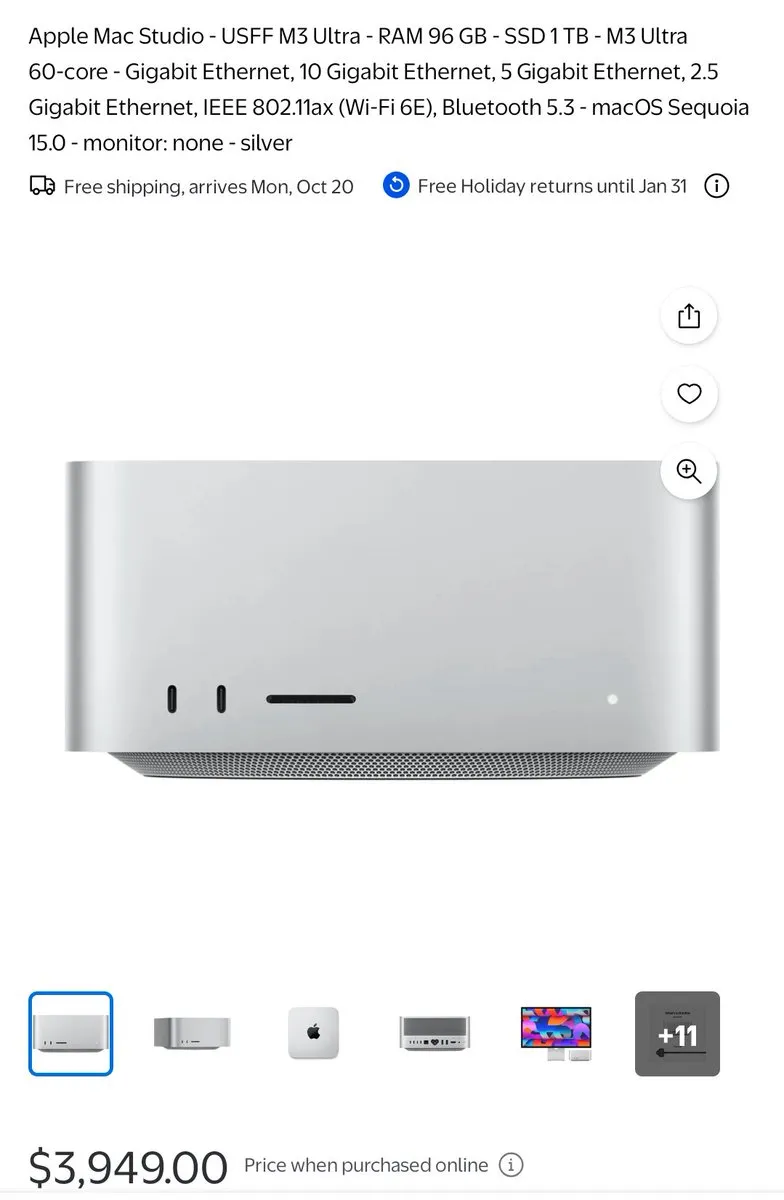
Controversy Over Nvidia DGX Spark and Ollama Performance: Community discussions express dissatisfaction with Nvidia DGX Spark, deeming its performance insufficient for its $4000 price tag compared to other GPU configurations. Concurrently, Ollama faces criticism for underperforming native llama.cpp in benchmarks, with recommendations against using it for performance evaluation. These discussions reflect users’ concerns regarding the cost-effectiveness and performance of AI hardware and software tools. (Source: doodlestein, QuixiAI, ggerganov)
AI Bubble Theory and Investment Outlook Discussion: The debate continues regarding whether the current AI investment frenzy constitutes a “bubble.” Some view the capital loop among Nvidia, OpenAI, Oracle, and AMD as dangerous leverage, while others consider it a necessary catalyst for accelerating AI growth. Market sentiment and long-term sustainability depend on AI’s ability to create sustained value and user adoption. (Source: 36氪, gfodor, NandoDF, scaling01, TheTuringPost)
Imposter Syndrome Among “AI Experts”: Many newly hired “AI experts” report experiencing imposter syndrome, questioning their professional competence despite understanding machine learning fundamentals and having built projects. This phenomenon is common in the rapidly evolving AI field, where few feel truly senior, and expertise is often relative to those with less information. (Source: Reddit r/ArtificialInteligence)
AI’s Impact on Human Writing and Creativity: The community discusses whether AI threatens human writing, creativity, and unique style. AI can generate plausible text, but its “creativity” (intent, emotion, originality) remains questionable, and AI software may gradually diminish distinct human writing styles. Some advocate for using AI as a tool, while others emphasize retaining human agency and critical thinking in writing. (Source: 36氪)
AI’s Impact on Search: Google’s Core Traffic Unaffected: Robbie Stein, VP of Google Search Products, stated that despite the continuous development of AI technology, Google’s core search traffic has not declined. He believes AI has not changed fundamental user needs such as finding nearby restaurants, comparing prices, or tracking packages, as these needs are too diverse for AI to fully replace traditional search. (Source: dotey)
Sora 2: The “TikTok” of Physical AI: Sora 2 is being viewed as the “TikTok of AI,” with OpenAI’s strategy leveraging data shared by millions of users to build a human-machine collaborative system that teaches machines to understand the physical world. This positions Sora not just as a generative model but as a new type of social network driving the development of physical AI. (Source: TheTuringPost, TheTuringPost)
💡 Other
Aging Clocks and Longevity Research: Scientists are using “aging clocks” (mathematical models based on biomarkers like DNA methylation) to understand and potentially reverse biological aging. While these tools cannot yet precisely predict individuals, they reveal the universality of aging across species and suggest that aging might be a “loss of youth” that could be reversed through interventions, holding significant implications for organ transplantation and early intervention. (Source: MIT Technology Review)

Fixing the Internet: Proposals for a Better Web: Influential figures like Tim Wu, Nick Clegg, and Tim Berners-Lee have put forth radical proposals to fix the internet’s problems, ranging from breaking up tech monopolies (Wu), to self-regulation and “radical transparency” (Clegg), to user data “Pods” for user control (Berners-Lee). While no single solution exists, common themes include enhanced user control, data privacy, and increased accountability for Silicon Valley. (Source: MIT Technology Review)

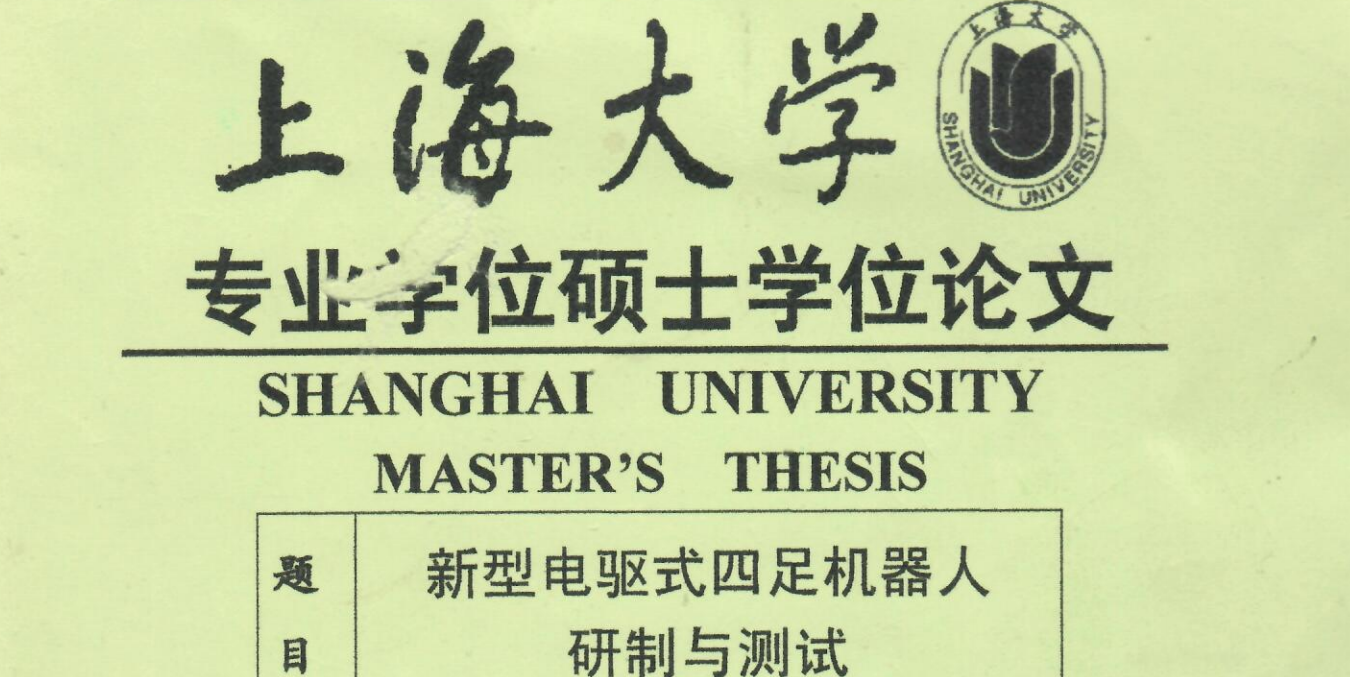
Unitree Robotics Founder Wang Xingxing’s Early Vision and Success: Wang Xingxing’s 2016 master’s thesis, “Development and Testing of a Novel Electric-Driven Quadruped Robot,” laid the foundation for Unitree Robotics. His early focus on electric-driven robots for cost-effectiveness and widespread adoption, contrasting with the then-dominant hydraulic solutions, proved to be a prescient judgment, leading Unitree Robotics to become a multi-billion-valued embodied AI unicorn. (Source: 量子位)