



🔥 Focus
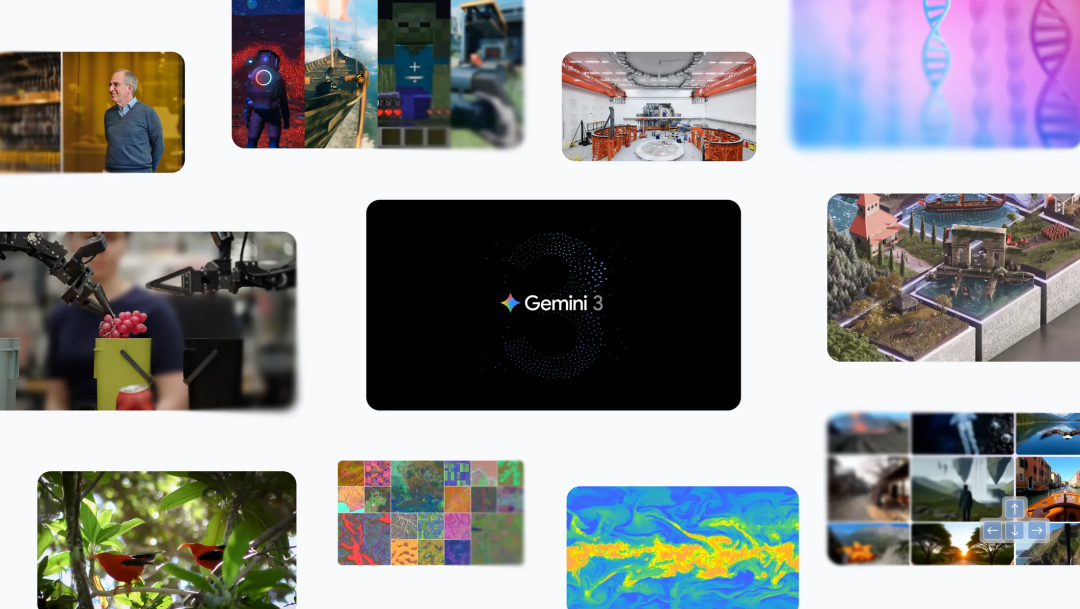
Google’s 2025 ‘Revenge Saga’ Grand Finale: From Darkest Hour to King’s Return : In 2025, Google achieved its AI “revenge,” making breakthroughs in LMArena rankings and inference/multimodal capabilities with models like Gemini 3 and Nano Banana, and hardware such as TPU Ironwood. Google AI leaders Jeff Dean and Demis Hassabis summarized 2025 as the year of AI agents, deep inference, and scientific exploration, covering eight major areas including models, hardware, applications, science, and embodied intelligence, demonstrating a comprehensive breakthrough from research to reality. Special emphasis was placed on Gemini 3 setting new records in logical reasoning and mathematical abilities, with its Flash version surpassing the previous Pro in cost-effectiveness. TPU Ironwood saw a surge in computing power, and quantum computing achieved a “quantum echo” breakthrough. AlphaFold celebrated its fifth anniversary with a dual Nobel Prize in Chemistry recognition, and Gemini Deep Think reached gold medal levels in IMO and ICPC. Google Antigravity redefined programming, while Veo 3 and Genie 3 transformed video generation and world simulation. (Source: 36氪, JeffDean, lmthang, YiTayML, algo_diver)
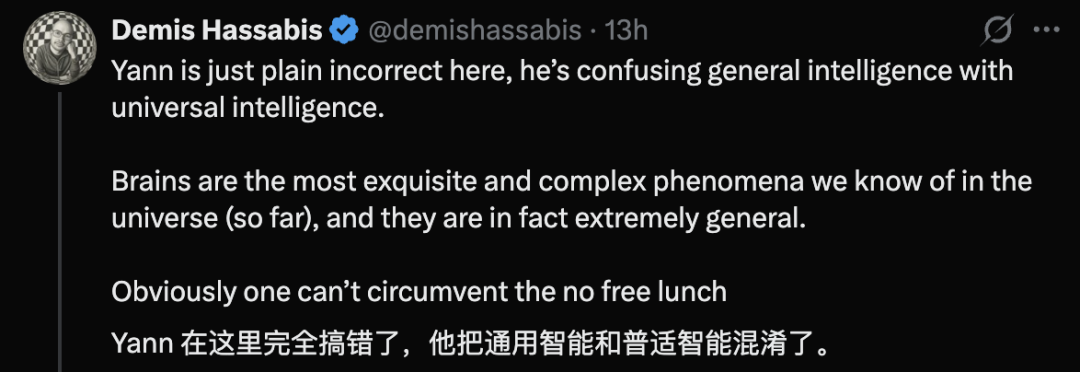
LeCun and Hassabis’s Fierce Debate on the Nature of AGI : Turing Award winner Yann LeCun and Nobel laureate Demis Hassabis engaged in a fierce debate on “the nature of intelligence,” with Elon Musk siding with Hassabis. LeCun argued that human intelligence is highly specialized, calling “general intelligence” nonsense, and betting on “world models” with his startup AMI Labs. Hassabis countered that LeCun was confusing concepts, firmly believing the brain is a general system, and emphasizing “scaling up” as key to AGI. The core of the debate lies in the definition and implementation path of “general intelligence,” ultimately both pointing to “world models” but with different understandings and practical approaches. (Source: 36氪, 36氪, ylecun, rao2z)
Post-Doubao AI Phone Reflection: Will AGI Emerge First in China? : Doubao, in collaboration with Nubia, launched the M153 phone, which for the first time grants AI assistants system-level execution permissions, enabling cross-application operations. This marks AI’s shift from “thinking” to “acting.” The article explores the value consensus of AI Agents, pointing out that they need to move from “thinking” to “acting” to participate in value settlement. As the terminal with the highest “action density” for users, the mobile phone becomes the primary testing ground for AI Agent competition. The Chinese market, with its dense service scenarios, high user acceptance, and complete online-to-offline links, is poised to be the first to produce actionable AI. However, its “God-level permissions” model may infringe on user privacy and security, leading to blurred boundaries of rights and responsibilities, and impacting existing data governance systems. (Source: 36氪, 36氪)
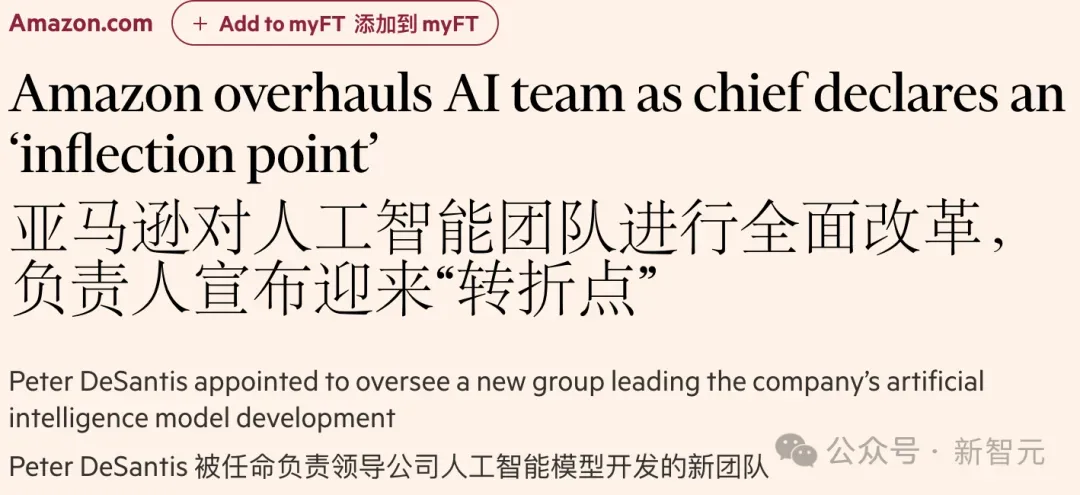
Is ‘Digital AGI’ Dead? Amazon’s Internal Reorganization Rips Off the Last Fig Leaf of Pure Algorithmists : Amazon CEO Andy Jassy announced a reorganization, integrating the Nova large model team, the in-house chip division, and quantum computing research into a single system, and bringing in robotics and reinforcement learning expert Pieter Abbeel. This move aims to combine AI compute, models, and the physical world to forge AGI’s “physical embodiment.” Amazon is vertically integrating its self-developed Trainium 2 chips to reduce compute costs and leveraging its vast global logistics and warehousing for real-world physical scenario data to train embodied intelligence, defining a new form of AGI and challenging pure algorithmists. This signifies the AI competition’s shift from the “laboratory era” to the “grand industrial era,” where future AGI will belong to giants achieving a “full-stack closed-loop.” (Source: 36氪)
🎯 Trends
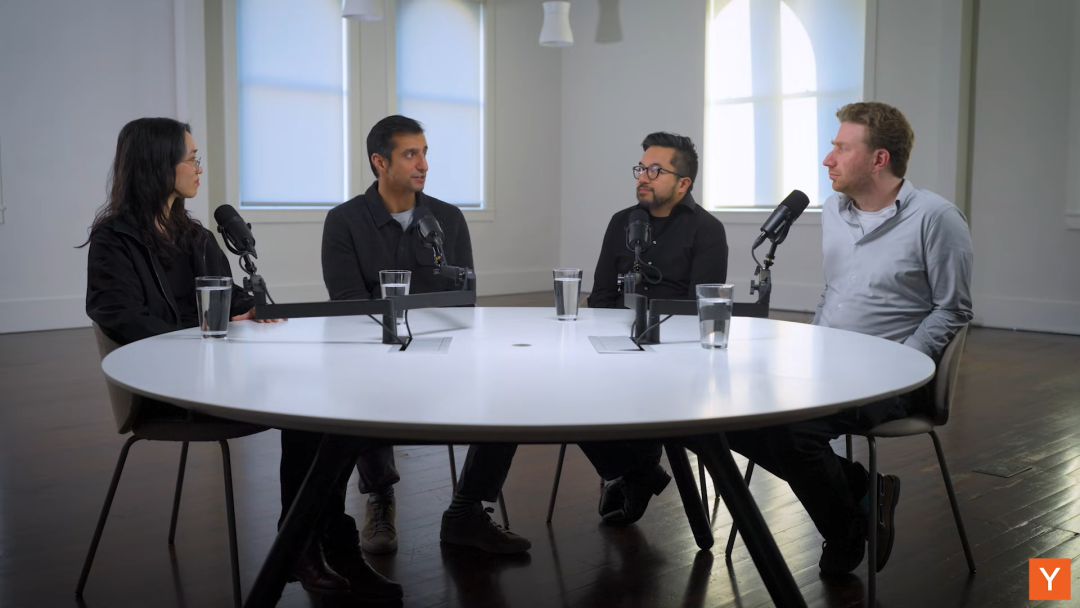
YC 2025 Annual AI Report: Model Competitive Landscape and Infrastructure Dividends : The YC 2025 Annual AI Report reveals 15 major cognitive updates in the industry. Anthropic’s market share has surpassed OpenAI, Gemini has exploded, and memory has become ChatGPT’s consumer moat. Model orchestration layers are now standard, and vertical models are outperforming general models. The surplus of AI infrastructure is a dividend for entrepreneurs, Vibe Coding has matured, fostering “anti-show-off” lean teams. The report also highlights energy bottlenecks and the concept of space data centers, as well as the buffer formed by AI growth laws and human resistance. (Source: 36氪, 36氪, )
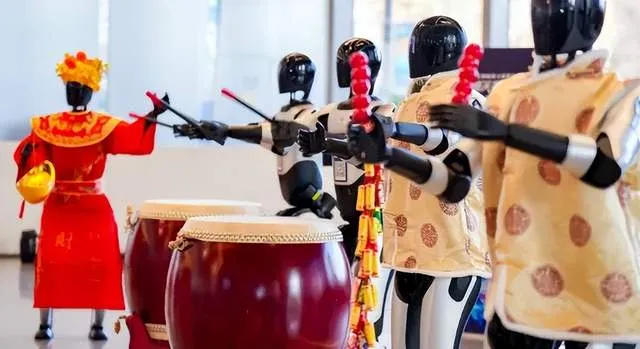
2025: Embodied AI is Punishing ‘Holders’ : In 2025, the embodied AI market is experiencing a “punishing holders” phenomenon, where rapid technological iteration quickly renders hardware obsolete, leading companies to prefer leasing over purchasing. Moore’s Law is replaying in the physical world, with servo motor solutions changing quarterly, making “holding” the biggest risk. The article points out that market demand is shifting from “carrying plates” to “singing, dancing, and rapping” (performing fancy tricks), requiring robots to possess “flair” and a content ecosystem. The leasing model has emerged due to its ability to address high debugging costs and responsibility issues, but data sovereignty and supply chain fragility pose future concerns. (Source: 36氪)
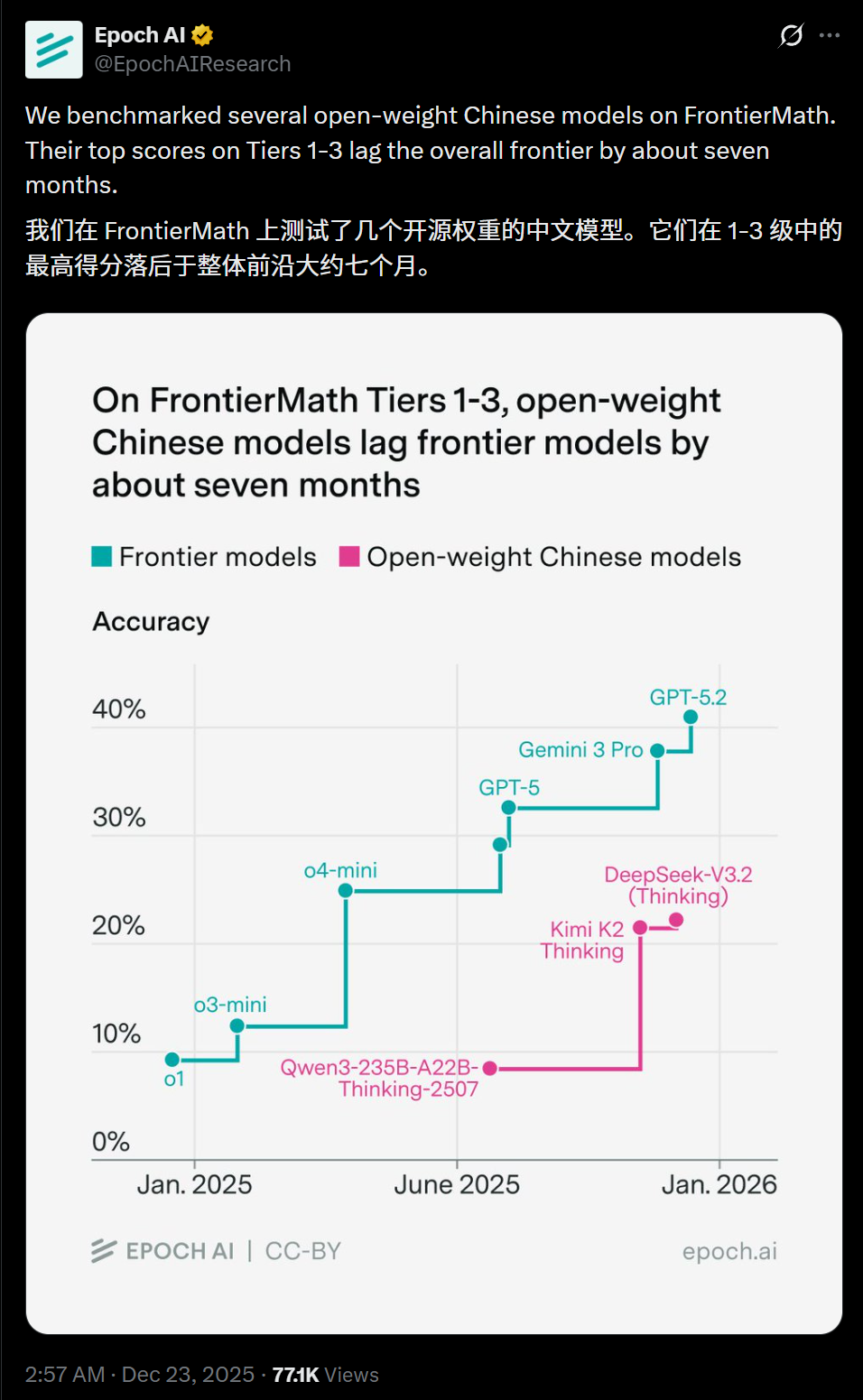
Epoch AI Year-End Report: Accelerating AI Capability Growth : The Epoch AI year-end report indicates that AI capability growth has significantly accelerated since April 2024, primarily due to stronger inference models and increased emphasis on reinforcement learning. Although some felt GPT-5 showed little progress upon its release, the report emphasizes that both GPT-4 and GPT-5 achieved significant leaps in benchmark tests. The report also reveals trends such as a sharp decline in AI inference costs, cutting-edge AI performance now achievable on consumer-grade hardware, and Nvidia chip computing power doubling every 10 months. It also suggests that AI’s greatest value may come from widespread automation rather than accelerated R&D. (Source: 36氪)
25 Once-Popular Chinese AI Applications Have Cooled Off : In 2025, at least 25 Chinese AI applications ceased operations, were delisted, or stopped long-term updates. This includes AI companion products like Meituan Wow and Jeyue Xingchen Maopao Ya, as well as “small but beautiful” independent applications and some projects from major tech companies. Reasons for their shutdown include tightening regulations, commercialization difficulties, overestimated demand, strong substitutability by general AI assistants, and strategic adjustments by large corporations.