



🔥 Focus
Earthquake in AI Programming Paradigm: Transitioning from “Hand-written Code” to “Agent Orchestration”: AI luminary Andrej Karpathy posted that programmers are facing a “magnitude 9 earthquake,” and the programming profession is undergoing a drastic restructuring. With the explosion of tools like Claude 4.5 Opus and Claude Code, the role of the programmer is shifting from a code writer to an orchestrator of Agents. This “Vibe-coding” significantly boosts productivity but also triggers deep concerns about “technical debt” and “system black-boxing.” Industry views suggest that 2026 will be a critical year to verify the reliability of AI production. Developers must master new abstraction layers consisting of MCP, Context Engineering, and workflows, or face a complete obsolescence of their professional identity. (Source: karpathy, omarsar0, Reddit)
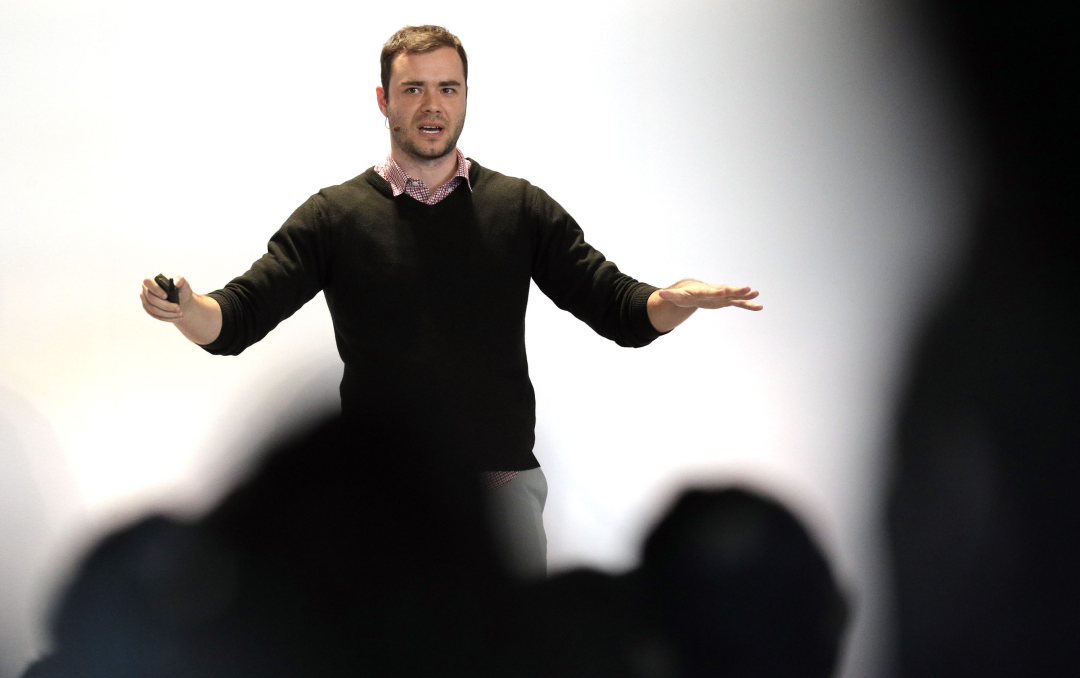
NVIDIA’s “Non-acquisition” Incorporation: A New Strategy for Technical Predation to Evade Regulation: Rumors of NVIDIA “incorporating” the inference chip startup Groq for $20 billion reveal a new logic for Silicon Valley giants to circumvent antitrust regulation. Through a disguised acquisition of “technology licensing + core team joining,” NVIDIA secured Groq’s core talent and technology without buying out the balance sheet. This strategy not only locks down potential threats in the AI inference market but also fills its gap in ultra-low latency agent inference scenarios by integrating the SRAM architecture. This marks the entry of giant expansion into a “refined predation” phase, maintaining computing power hegemony by controlling talent and technology licensing. (Source: 36Kr, algo_diver)

Notion’s AI Organizational Experiment: Co-evolution of a 1,000-person Team and 700 Agents: Notion founder Ivan Zhao proposed the “Infinite Mind” perspective, demonstrating how AI reconstructs organizations from the ground up. Notion has internally deployed over 700 AI Agents to handle high-energy-consuming tasks like meeting minutes and project synchronization. The core logic is that AI implementation relies not on the model itself, but on the integration of the “information foundation.” When organizational information is highly centralized and possesses a Lego-style structure, Agents can truly participate in collaboration as “virtual colleagues.” This heralds a future where enterprises shift from a “people-managing-people” film-crew model to a “process automation” city model, with employees transitioning into process designers. (Source: 36Kr, dotey)
X Platform Launches Full-Field AI Editor: Generative Creation vs. Copyright Conflict: Elon Musk launched a one-click image editing feature for Grok AI on the X platform, allowing users to perform AI filling, modification, and even video conversion on any image on the platform. This move sparked strong protests from artists worldwide, as AI can easily remove watermarks and signatures. This marks a radical transition for social media from “content sharing” to “generative creation,” while also challenging existing digital copyright protection systems. This “massive experiment” could lead to a large-scale exodus of creators or force them to accept the new normal of “work as training set.” (Source: 36Kr, Kling_ai)

🎯 Trends
MiniMax M2.1 and GLM-4.7: Performance Leap for Domestic Open-Source Models: MiniMax M2.1, with 229B parameters, achieved performance surpassing larger-scale models, particularly showing stunning results in Agent programming and logical reasoning. Meanwhile, Zhipu GLM-4.7 surpassed GPT-5.1 in long-range Agent tasks, becoming a new benchmark in the open-source community. A common feature of these models is the reinforcement of “thought control” and multimodal alignment, indicating that Chinese large models have achieved global competitiveness in efficiency optimization and specific vertical scenarios (such as code and Agents). (Source: MiniMax__AI, Zai_org, Reddit)
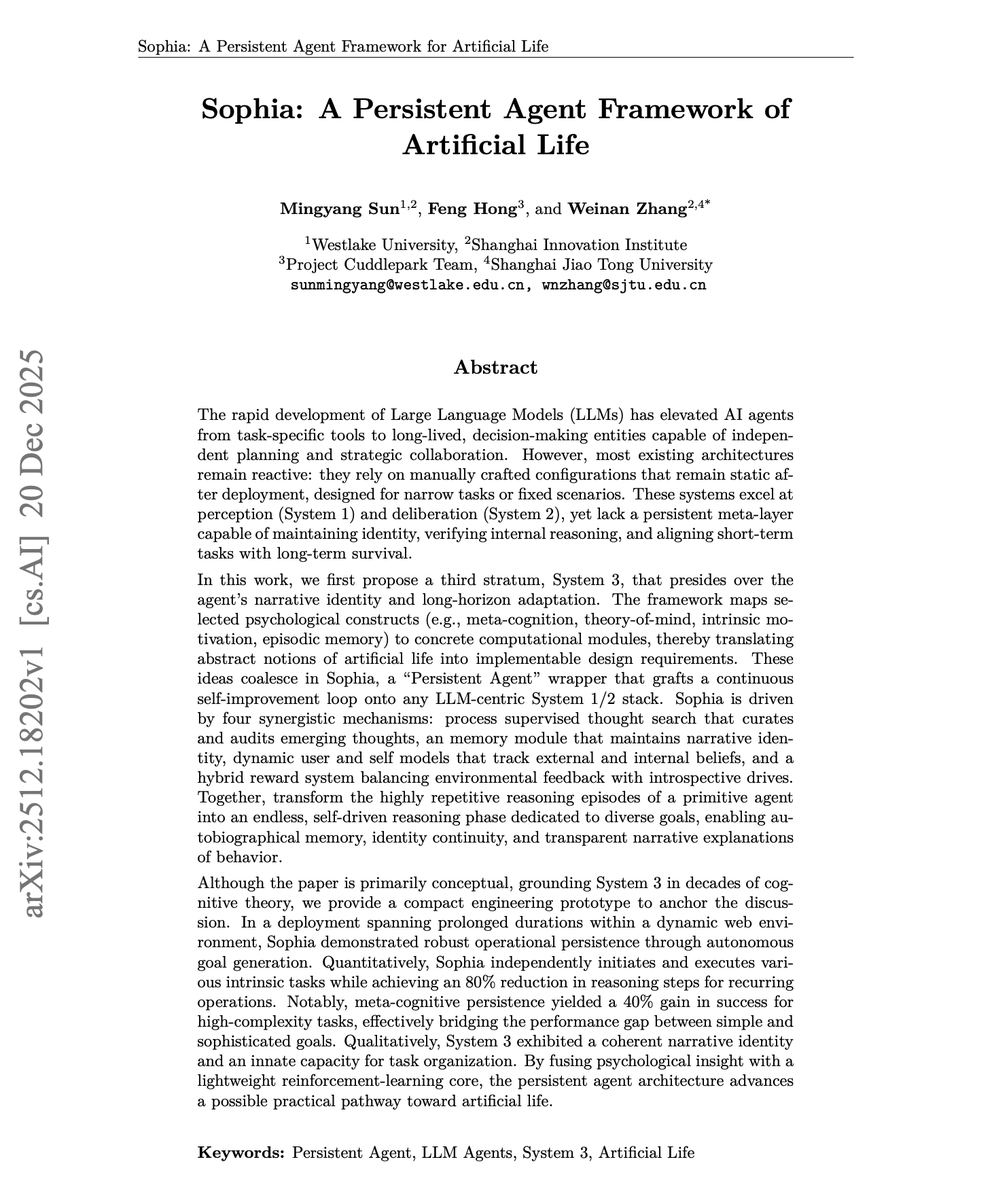
From System 2 to System 3: Sophia Framework Ushers in the Era of Persistent Agents: Researchers proposed the Sophia framework, introducing the “System 3” concept for AI Agents. Unlike the fast perception of System 1 and the slow reasoning of System 2, System 3 emphasizes a meta-cognition layer, narrative identity, and long-term memory. This means Agents are no longer tools that disappear after a task ends, but “artificial life” with self-improvement motivation and the ability to maintain identity continuity across sessions. In a 36-hour continuous deployment, the success rate increased threefold. (Source: omarsar0, dair_ai)
TiDAR Architecture: A New Attempt to Fuse Diffusion Speed with Autoregressive Quality: New research proposes TiDAR (Think in Diffusion, Talk in Autoregression), which allows the model to “think” of drafts during the diffusion process and “talk” outputs in an autoregressive manner through a structured attention mask in a single forward pass. This architecture successfully narrowed the quality gap with pure autoregressive models at 1.5B and 8B scales while increasing the number of tokens generated per second by 4-5 times, providing a new path for efficient inference. (Source: )
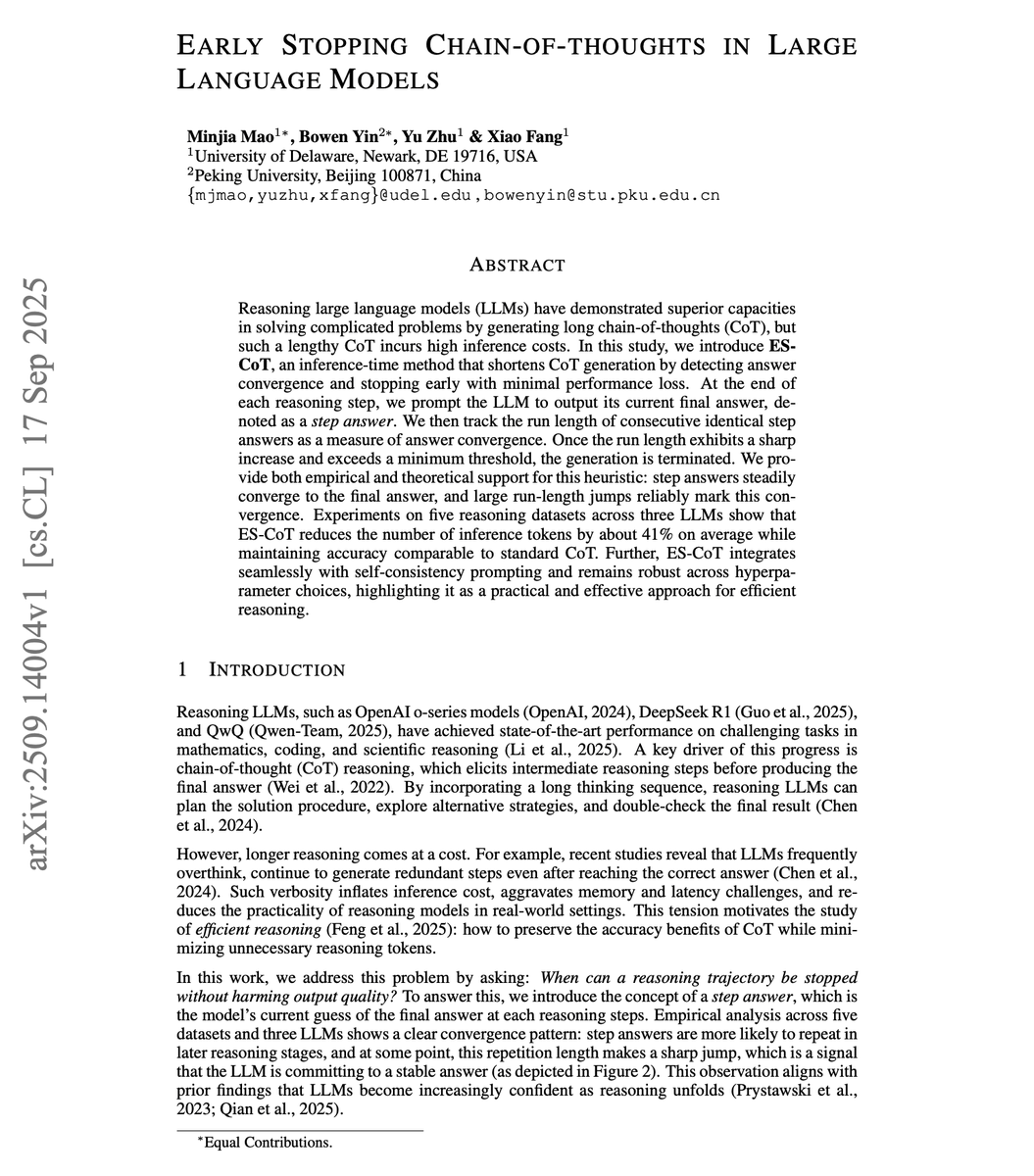
ES-CoT: Optimizing Inference Costs via Early Stopping: To address the redundancy in Chain-of-Thought (CoT) reasoning, the ES-CoT technique was proposed. It monitors the stability of the model’s answers during reasoning steps and terminates generation early when answer convergence is detected. Experiments show that this method reduces average inference token consumption by 41% while maintaining accuracy, significantly easing the computing power pressure on high-performance inference models. (Source: omarsar0)
🧰 Tools
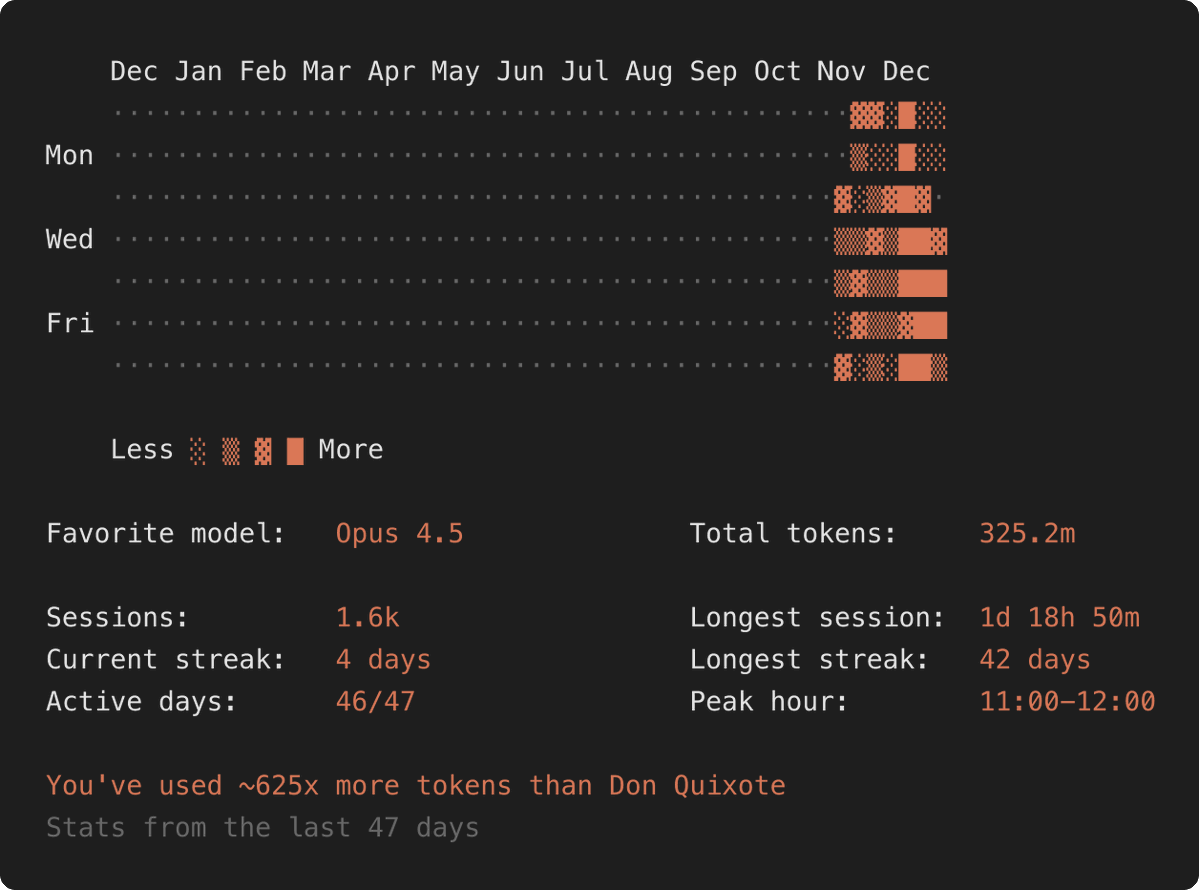
Claude Code: The “Alien Artifact” for Programmers and the IDE Terminator: Anthropic’s Claude Code is seen by the community as a “watershed moment.” It is not just a code assistant but an intelligent orchestrator capable of autonomously running commands, debugging, and submitting PRs. One engineer stated that with the support of Opus 4.5, they completed 200 PRs in a month without opening an IDE. This shift from “writing code” to “issuing instructions” is redefining the productivity ceiling of software engineering. (Source: omarsar0, gfodor)
Claude Vault: Turning Conversations into a Structured Knowledge Base: This is an open-source tool designed to solve the problem of Claude’s conversation history being difficult to retrieve. It can batch export conversations in JSON format to Markdown, use local Ollama models to automatically generate tags, and detect associations between conversations. It perfectly fits note-taking software like Obsidian, helping users settle scattered AI interactions into a personal knowledge graph. (Source: Reddit)

tunnelto: An Efficient Local Service Exposure Tool Written in Rust: tunnelto allows developers to expose locally running web servers via a public URL, built entirely on Rust and tokio asynchronous IO. It provides a cleaner self-hosted alternative to ngrok, supporting custom subdomains and API authentication. It is a powerful tool for developers to test webhooks and remotely present local demos. (Source: GitHub)
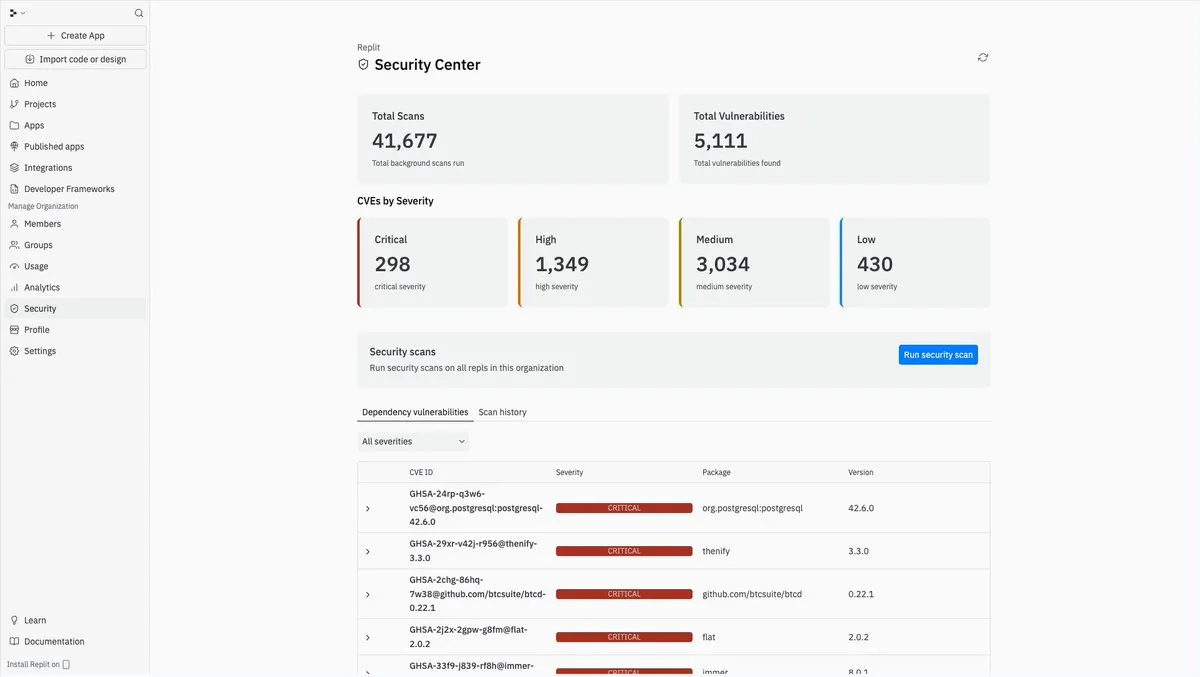
Replit Agent Enterprise Security Center Launched: Replit launched a Security Center feature for enterprise users, supporting one-click scanning for CVE vulnerabilities in all active applications within an organization and exporting SBOMs (Software Bill of Materials). Combined with its existing LSP support and Agent collaboration capabilities, Replit is evolving from a simple cloud IDE into an AI-driven development platform with production-grade security assurance. (Source: amasad)
📚 Learning
Deriving the PPO Loss Function from First Principles: Aayush Garg shared the process of step-by-step derivation of the PPO (Proximal Policy Optimization) loss function from mathematical principles. This is crucial for understanding methods like RLHF and GRPO in the post-training phase of LLMs. Through this deep learning, developers can build intuition for policy gradient methods rather than just staying at the level of calling library functions. (Source: huggingface)
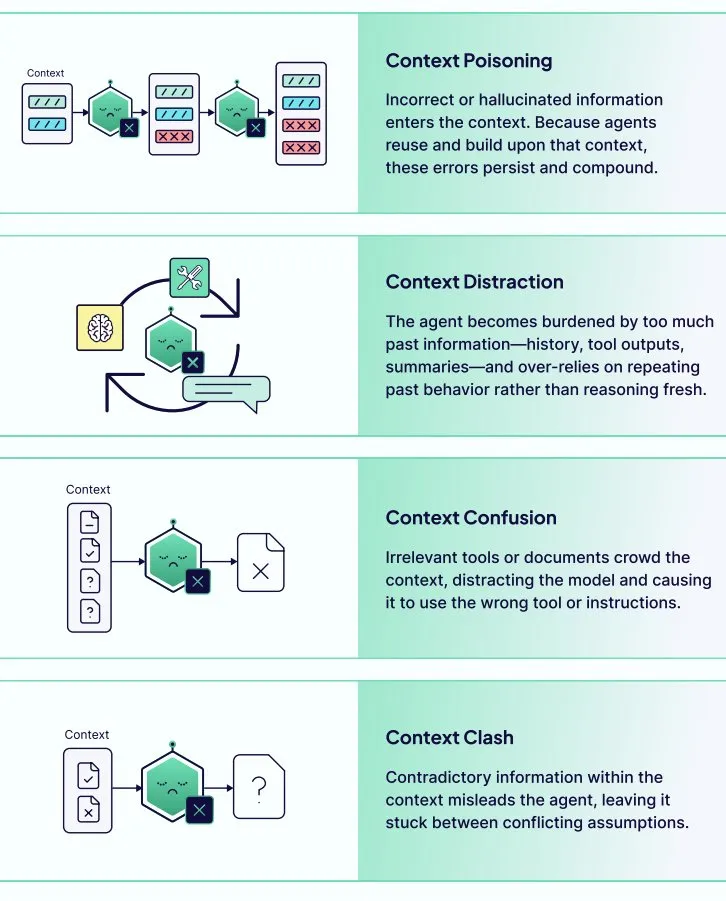
Context Engineering Guide: Weaviate released a comprehensive Context Engineering e-book, exploring how to efficiently manage and inject context in RAG and Agent design. The community believes that as model capabilities improve, the focus of competition is shifting from Prompt Engineering to Context Engineering—how to provide AI with the most precise and relevant background information. (Source: bobvanluijt)
MIT Technology Review 2025 Year-End Summary: AI Energy Consumption and Technical Breakthroughs: MIT reviewed the most influential stories of 2025, focusing on the analysis of AI’s energy footprint. The research delved into the energy consumption level of a single query, helping the public understand the real environmental impact of generative AI. Meanwhile, in the list of the top ten breakthrough technologies of 2025, AI search and long-term medical prevention technology became core highlights. (Source: MIT)

💼 Business
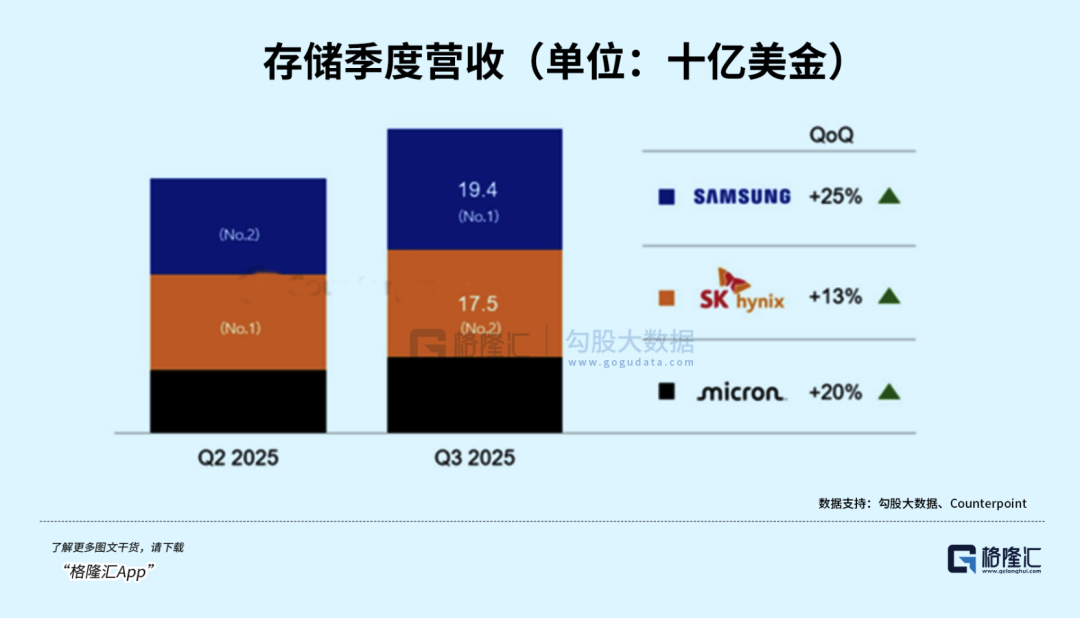
Micron FY26Q1 Earnings: HBM Becomes the “Money Printing Machine” of the AI Era: Micron’s revenue surged 57% year-on-year, far exceeding expectations. Driven by AI, HBM (High Bandwidth Memory) and data center SSDs are in short supply, with 2026 capacity already sold out. The company raised its capital expenditure to $20 billion, indicating that the storage industry has entered a long-term growth cycle driven by AI computing infrastructure rather than short-term hype. (Source: 36Kr)
NVIDIA’s 2025 Investment Frenzy: 83 Moves to Position in the Full AI Ecosystem: NVIDIA significantly accelerated its investment pace in 2025, participating in 50 rounds of financing, focusing on AI data generation, model optimization, and network interconnection. Through acquisitions of Gretel, Lepton, and SchedMD, NVIDIA is upgrading GPU competition into a platform-level monopoly covering software, scheduling, and infrastructure. (Source: 36Kr)
Sam Altman Locks Global DRAM Supply, Triggering Hardware Price Fluctuations: Rumors suggest Sam Altman has locked in 40% of the global DRAM supply, leading to a 3-4 fold increase in memory prices within a year. This business move not only pushed up training costs for AI companies but also severely hit the DIY PC market. The frantic seizure of underlying hardware resources by AI giants is reshaping the interest distribution of the global semiconductor supply chain. (Source: Yuchenj_UW)

🌟 Community
“Vibe-coding”: Efficiency Tool or Technical Debt Trap?: The community is engaged in a heated debate over programmers’ over-reliance on AI. Supporters believe it allows developers to deliver products at 10x speed; opponents point out that AI-generated code is often highly coupled and difficult to maintain, akin to borrowing high-interest technical debt. Senior engineers warn that if developers do not understand the architecture generated by AI, they will face devastating disasters when the system scales or requires debugging. (Source: Reddit)
The “Uncanny Valley” Effect of LLMs: Why Do We Empathize More Easily with Text?: Discussions point out that humans have a clear uncanny valley psychology toward visual robots but easily develop anthropomorphic illusions toward LLMs in text communication. This may be because language contains less sensory information, and the human brain automatically fills in the missing “soul” part. This psychological mechanism leads to users’ emotional dependence on AI, even feeling “enlightened” when severely criticized by AI. (Source: Reddit, ClaudeAI)
AI Fraud Enters the Construction Industry: Fake Completion Photos Trigger Trust Crisis: Social media is buzzing about construction workers using AI to generate “completed” photos to deceive contractors. This use of AI visual generation capabilities for low-cost fraud reveals the dark side of AI implementation in traditional industries and prompts companies to start researching how to use AI authentication tools for reverse regulation. (Source: Reddit)
💡 Others
Sakana AI Agent Wins Programming Contest for the First Time: In the AtCoder heuristic programming contest, the ALE-Agent developed by Sakana AI defeated human experts to win the championship. Notably, the computing cost of the Agent was only $1,300, marking the first time AI has proven its optimization capability in a top-tier algorithm contest with disclosed costs. (Source: SakanaAILabs)

Radiative Cooling Technology: A New Passive Cooling Solution for Global Warming: MIT Technology Review introduced radiative cooling technology using special coatings. These materials can reflect heat back into space in specific infrared bands, cooling buildings without electricity. During the 2025 heatwave, this technology reduced air conditioning energy consumption by 20% in pilot projects in California and Japan. (Source: MIT)

“World’s Oldest Baby” Successfully Born from 30-Year-Old Frozen Embryo: In July 2025, a baby developed from an embryo frozen in 1994 was born. This biotechnological breakthrough not only broke records but also triggered widespread discussion on bioethics and the long-term stability of assisted reproductive technology. (Source: MIT)