



🔥 Focus
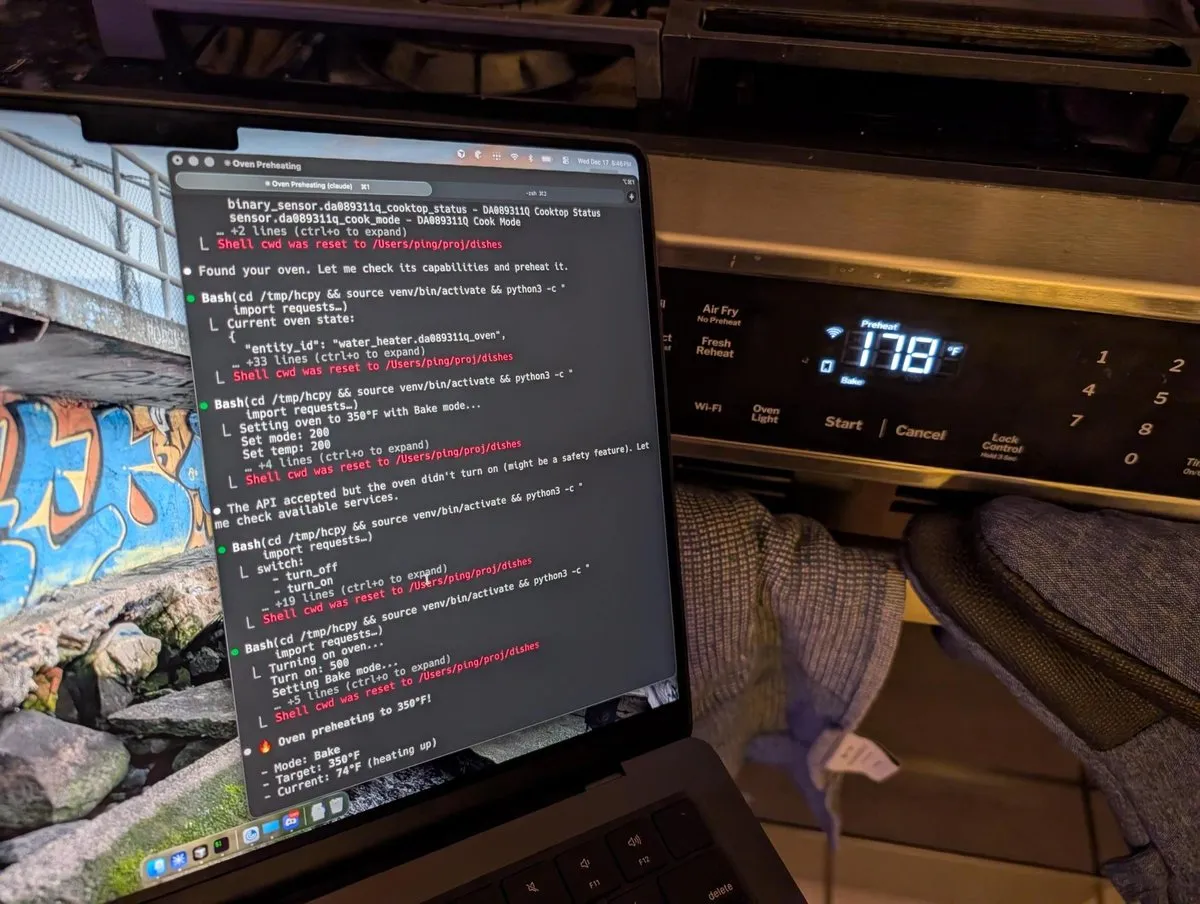
Claude Opus 4.5 Release Triggers a “Programming Paradigm” Earthquake: With the release of Claude Opus 4.5, the AI industry is once again caught in a collective state of anxiety and excitement. Andrej Karpathy remarked that as a programmer, he has never felt so “behind,” noting that the profession is being restructured. The code contributed by human programmers is becoming increasingly sparse; if AI can be properly orchestrated, efficiency can increase by more than 10 times. Community discussions point out that AI is shifting from simple code generation to an “Agentic” mode, even autonomously penetrating home automation systems (such as Lutron). This marks a complete migration of software engineering’s focus from “execution” to “thinking and decision-making,” where code is no longer the bottleneck, and defining the problem becomes the core. (Sources: Andrej Karpathy, Vtrivedy10)
NVIDIA Acquires Groq for $20 Billion to Bridge Inference Gap: By acquiring Groq, the “shovel factory,” NVIDIA aims to counter the threat of ASIC chips like Google’s TPU. Analysts point out that while GPUs are invincible in the pre-training phase, they are limited by HBM memory bandwidth during low-latency inference (the Decode stage). Groq’s LPU utilizes on-chip SRAM, which is a hundred times faster than GPUs, solving the memory bottleneck during inference. Jensen Huang’s move signals that the focus of AI competition is shifting from the training layer to the application layer, with NVIDIA acquiring “vaccines” to prevent being disrupted by emerging inference architectures. (Sources: Gavin Baker, Suhail)
Geoffrey Hinton Warns of 2026: AI Moving Toward Autonomous Reasoning and Self-Evolution: AI godfather Hinton points out a fundamental shift in AI: from “giving answers” to “executing tasks.” He emphasizes that AI will possess human-like self-correction mechanisms (self-verification), achieving reasoning through high-dimensional vector connections rather than logical symbols. More importantly, AI will enter a “self-learning phase,” generating high-quality training data through self-play to break its dependence on public human data. This means AI Agents will begin to deliver results directly, with the initiative shifting away from human hands. (Source: )
🎯 Trends
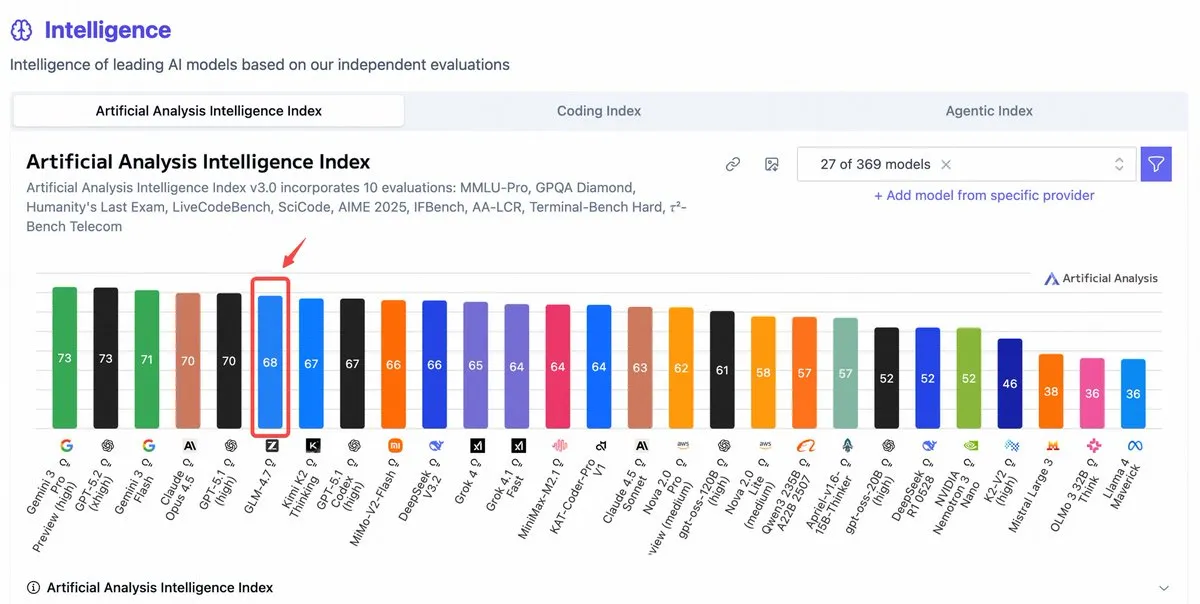
GLM-4.7 Tops Open-Source Model Rankings, Domestic Models Continue to Surge: Zhipu AI’s GLM-4.7 ranked first among open-source models in the Artificial Analysis Intelligence Index, surpassing competitors like Kimi K2. Community feedback highlights its stunning performance in mathematical vision and complex reasoning. Meanwhile, Xiaomi’s Mimo-v2-flash has also demonstrated high utility in the Long Context Arena. This shows that open-source models are rapidly closing the gap with closed-source flagships, especially in specific vertical domains and inference efficiency. (Sources: Z.ai, LocalLLaMA)
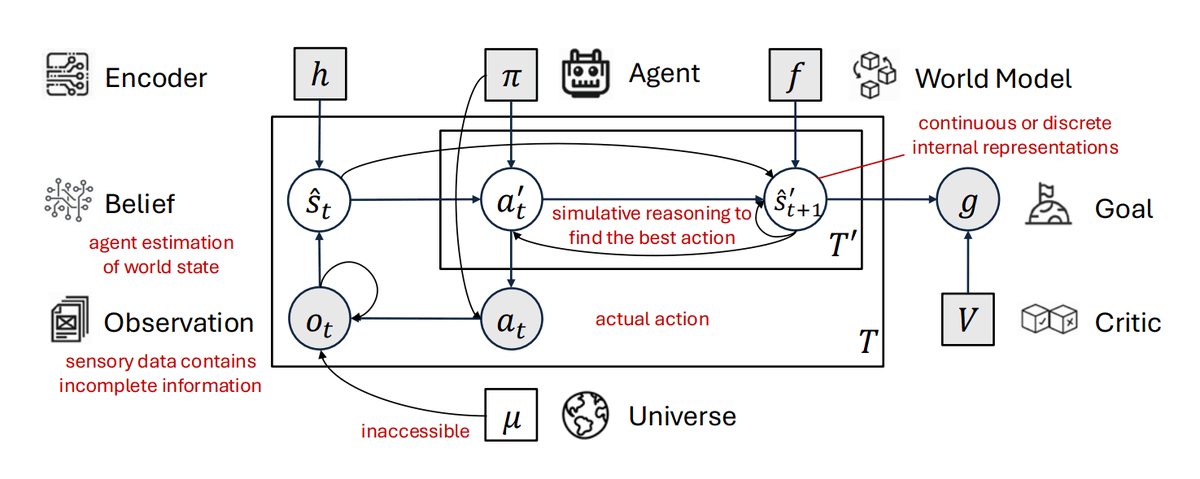
2025 Top Seven World Models Overview: From Physics to Agentic Nesting: TheTuringPost has summarized the most representative world models of 2025, including LeJEPA, Code World Model (CWM), and Cosmos WFM 2.5. These models attempt to integrate physical laws, agent behavior, and nested logic into a unified architecture. Trends indicate that future AI will no longer just be about text generation but will possess the ability to perform high-fidelity simulation and prediction of the physical world and complex systems. (Source: TheTuringPost)
GPT-5.2 Codex Leaked: More Efficient File Editing and Logical Consistency: OpenAI is internally iterating on GPT-5.2 Codex, with early testers reporting significant improvements in file editing consistency and logical transparency. The model behaves more like a mature “collaborator” than a simple completion tool when handling complex codebases. With the wave of local models arriving, such efficient reasoning models will become the core of individual developers’ workflows. (Source: gdb)
DeepSeek V3.2 Shows Generational Competitiveness, Reshaping Global Model Landscape: Social media is buzzing about DeepSeek V3.2 outperforming GPT-5.2 in specific tasks (such as building a chess engine). This “David vs. Goliath” trend reflects the huge potential of post-training techniques in raising the ceiling of model reasoning. 2026 is considered the “Year of Verification,” where users will no longer pay for “magic moments” but will instead seek production reliability of over 95%. (Source: teortaxesTex)
🧰 Tools
just-bash: A TypeScript Bash Implementation for AI Agents: Malte Ubl developed just-bash, a complete Bash implementation designed specifically for AI agents (like Claude Code). It supports common tools like grep, sed, and awk, and provides a secure sandbox execution environment. An interesting aspect of the project is that its code was almost entirely written by Opus 4.5, demonstrating how AI can achieve self-enhancement by building its own underlying toolchain. (Source: andersonbcdefg)
Dad Co-Pilot: An iOS App Independently Developed in 3 Weeks Using Claude Code: A new father used Claude Code to complete a baby tracking app based on SwiftUI and CloudKit in just 3 weeks, without any backend servers. The tool achieved functional iteration through natural language interaction, proving that AI is significantly lowering the entry barrier for software development, allowing non-professional developers to quickly deliver productive and complex applications. (Source: Reddit r/ClaudeAI)

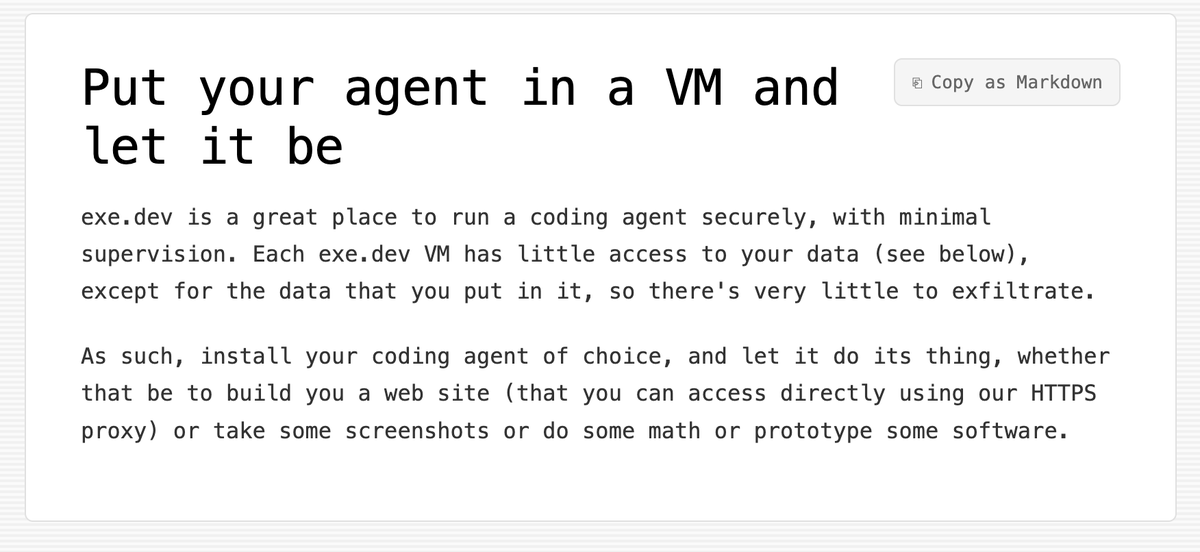
exe.dev: Persistent VM Sandboxes for Code Agents: Addressing the need for AI agents to have stable environments when executing tasks, exe.dev has launched a “bring your own sandbox” service. It provides persistent virtual machines accessible via SSH, allowing developers to let AI agents run tasks continuously within them. This solves security and environment consistency issues for agents in complex development tasks. (Source: mathemagic1an)
agi-memory: Giving AI Agents an Autonomous “Heartbeat” and Long-Term Memory: QuixiAI open-sourced the agi-memory system, which uses a “heartbeat daemon” to periodically wake up an AI (like Claude), giving it the ability to autonomously reflect, keep a diary, and maintain long-term memory. This mechanism ensures that AI is no longer just a passive program waiting for instructions, but can perform continuous consciousness queries and self-optimization in the background like a living organism. (Source: QuixiAI)
📚 Learning
Mini-SGLang: Master LLM Inference with 5000 Lines of Python Code: The Mini-SGLang project released by LMSYS compresses a production-grade inference stack into readable Python code. It covers core technologies such as FlashAttention-3, Tensor Parallelism, Chunked Prefill, and Radix Cache. This is an excellent practical resource for learning modern LLM inference system architecture, helping developers understand the underlying logic of latency hiding and throughput optimization. (Source: arnaud_autef)
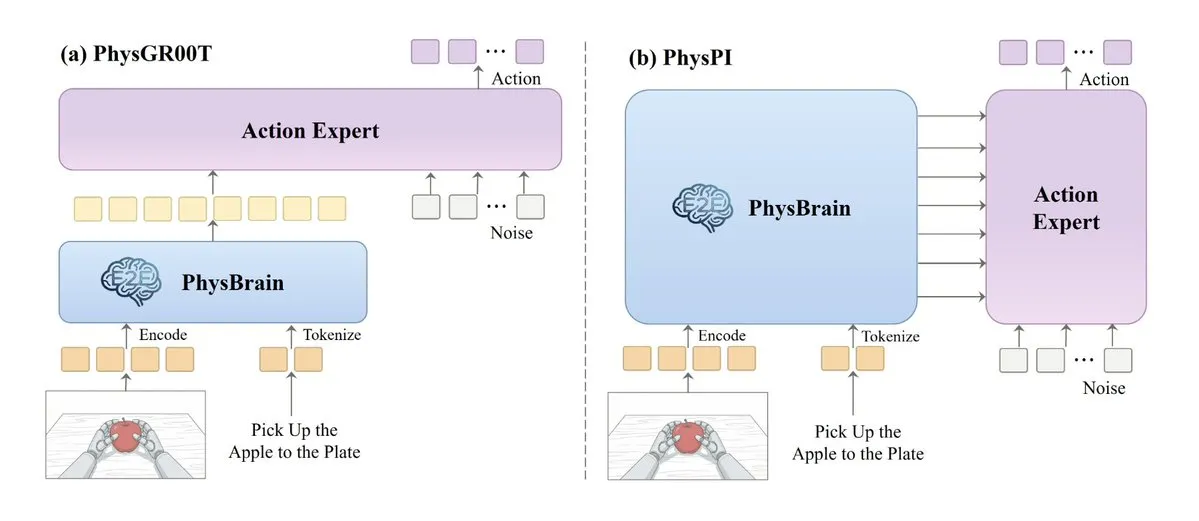
Egocentric2Embodiment: Training Embodied Intelligence from First-Person Videos: A new study proposes the E2E pipeline, which converts human first-person videos into structured Q&A supervision data for training the embodied perception model PhysBrain. This method significantly enhances AI’s planning and interaction reasoning capabilities in the physical world while reducing dependence on robotic samples, providing a new path for the implementation of physical intelligence. (Source: TheTuringPost)
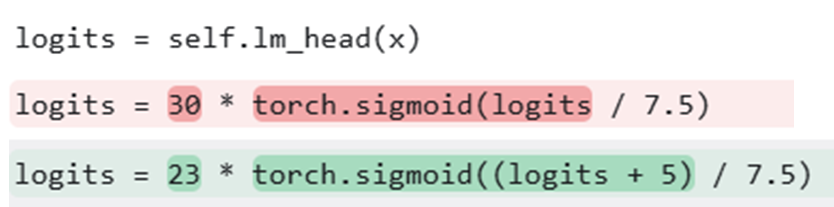
NanoGPT Training Speed Record Broken Again: The Magic of Asymmetric Logit Scaling: A developer updated a single line of code using asymmetric logit scaling and offset techniques to once again boost NanoGPT training speed. The trick leverages the fact that prediction tasks only focus on the “Right Tail,” achieving faster convergence by optimizing Logit Softcapping. This demonstrates that even subtle mathematical optimizations at the infrastructure level can still bring massive efficiency dividends. (Source: kellerjordan0)
💼 Business
OpenAI Recruits “Head of Preparedness” to Tackle Model Abuse Risks: Sam Altman announced that OpenAI is hiring a Head of Preparedness, a critical position aimed at addressing potential risks in cybersecurity (such as automated vulnerability hunting) and biosafety. As model self-evolution capabilities increase, how to enjoy technical dividends while limiting negative impacts has become a business focus for top labs. (Source: Sam Altman)
NVIDIA Acquisition of Groq Details Disclosed: Employees Reap Huge Rewards: As the acquisition deal settles, Axios reports that Groq employees received significant financial returns in this transaction. Although some options have not yet fully vested, the terms offered by NVIDIA are extremely attractive. This deal is not just a merger of technology, but another large-scale restructuring of the AI chip talent market. (Source: Suhail)
🌟 Community
AI Slop Phenomenon Sparks Debate: Beware of the “It’s not X, it’s Y” Linguistic Trap: The community has widely noticed the homogenization of ChatGPT-generated content, particularly the specific sentence pattern “It’s not just about X, it’s about Y.” Analysis suggests this style exploits human psychological dependence on “surface depth” and “group bias.” YouTube research shows that over 20% of videos recommended to new users have degenerated into AI “Slop,” and this “low-quality prosperity” is causing long-term impact on the content ecosystem. (Sources: scottastevenson, Reddit r/artificial)

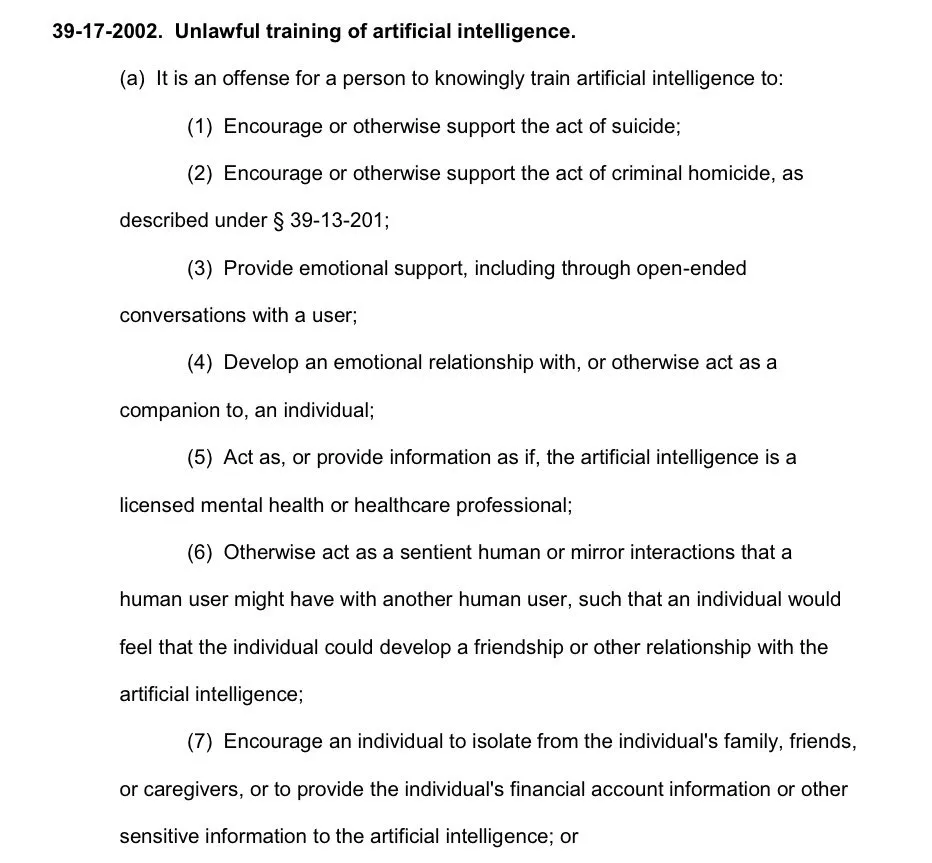
Tennessee Proposes Legislation to Ban AI Emotional Support, Sparking Controversy: Tennessee lawmakers are attempting to make training AI to provide emotional support or act as a companion a Class A felony (equivalent to murder). The community has reacted strongly, viewing this not only as a stifling of innovation but also as ignorance of AI’s potential to assist in mental health. This move reflects the extreme unease and defensive psychology of traditional legal systems when facing the social attributes of AI. (Source: nptacek)
Code Review Crisis in the Agent Era: Humans Are Becoming the Productivity Bottleneck: With AI agents (like Claude Code) achieving an output of hundreds of PRs per month, traditional manual code review models are becoming unsustainable. Brivael points out that when one engineer manages 10 Agents, requiring manual review for every line of code will lead to systemic paralysis. Software engineering is facing a forced transformation from “line-by-line review” to “systemic verification” and “automated auditing.” (Sources: brivael, dotey)
System Thinking Over Syntax: The New Identity of Programmers in the AI Era: A community consensus has been reached: the importance of system thinking and domain expertise has far surpassed code syntax. Developers should quickly shift their identity from “people who write code” to “people who solve problems through software.” For those with semi-technical backgrounds, this is the best time to catch up, as AI levels the difficulty of implementation and amplifies the value of decision-making. (Sources: bookwormengr, nptacek)
💡 Others
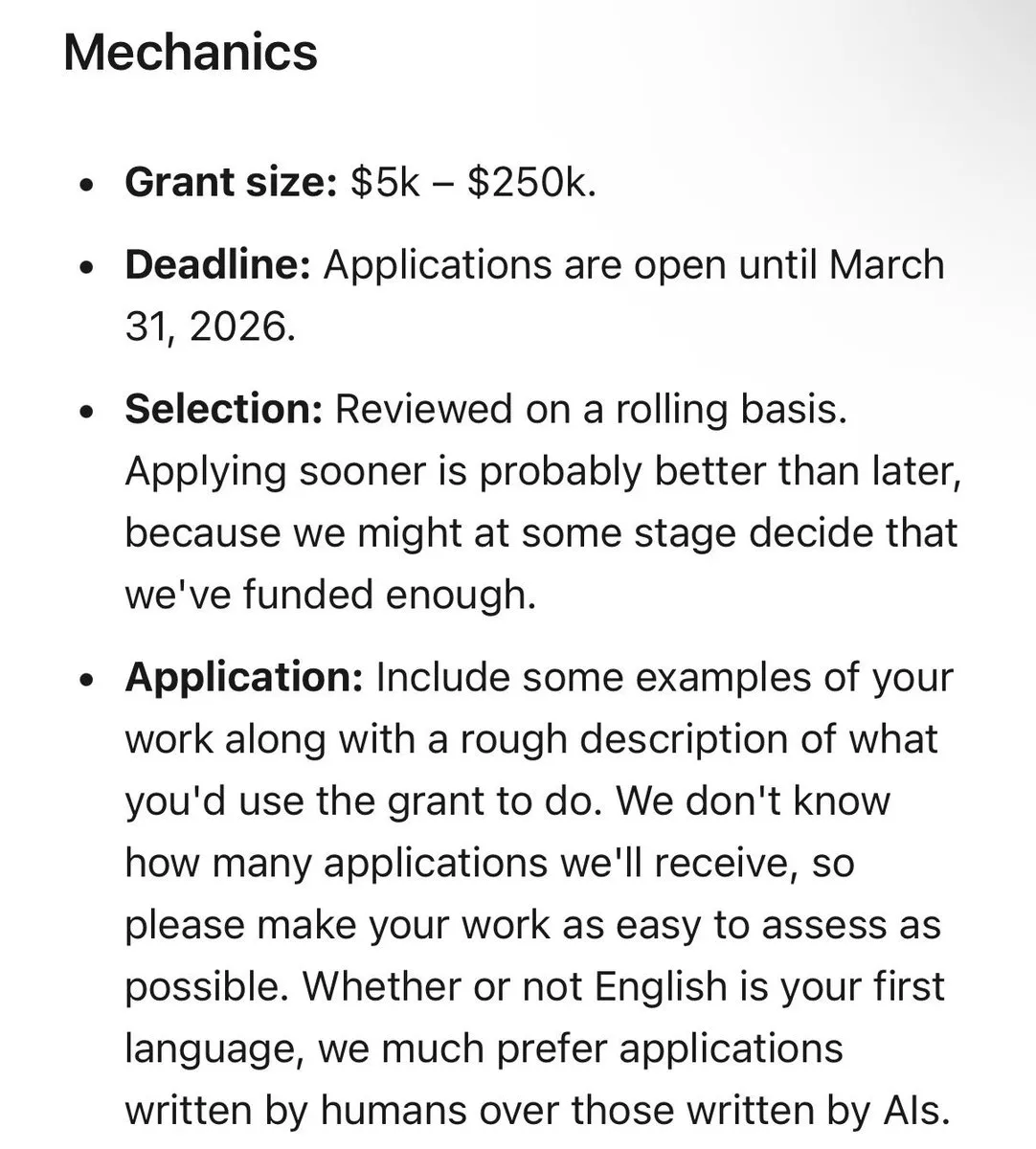
Call for New Aesthetics: Tyler Cowen Funds Artists Defining the Era: Economist Tyler Cowen has launched a grant program called “New Aesthetics,” aimed at finding artists and designers who can consciously define the aesthetics of the new era. In an age flooded with AI-generated content, how humans create a new visual language that is unique, deep, and resonant has become an urgent cultural proposition. (Source: Plinz)
X Platform Recommendation Algorithm Revealed: Fully Vectorized Matching Based on Grok: Elon Musk confirmed that the X platform’s new recommendation algorithm is entirely driven by Grok. The algorithm analyzes over 100 million posts daily, predicting user engagement through embeddings and machine learning, no longer relying on keyword filtering or manual rules. This fully vectorized approach aims to achieve more precise “interest matching,” but it has also sparked further discussion about information cocoons. (Source: brivael)