



🔥 Focus
Nvidia Acquires AI Chip Startup Groq for $20 Billion: Nvidia announced the acquisition of Groq for approximately $20 billion, marking the largest acquisition in its history. Groq is renowned for its LPU architecture specifically designed for Large Language Model (LLM) inference, offering extremely high inference speeds. This acquisition signals that while consolidating its GPU hegemony, Nvidia is beginning a deep layout in the specialized inference chip field. The move aims to further reduce the latency and cost of running large models by integrating Groq’s technology, addressing competitive pressure from major tech companies developing their own chips. (Source: CNBC)

Zhipu AI and MiniMax Pass HKEX Listing Hearings; LLMs Enter Secondary Market Funding Phase: Domestic LLM unicorns Zhipu AI and MiniMax passed their Hong Kong Stock Exchange (HKEX) listing hearings within 48 hours of each other. Financial reports show both companies face massive losses, with Zhipu’s cumulative loss exceeding 6.2 billion RMB and MiniMax’s exceeding 8.7 billion RMB. This reflects the “high investment, low profitability” reality of the LLM industry. Going public is not only to alleviate capital pressure but also marks a turning point where industry competition shifts from algorithms and models to commercialization and ecosystem building. (Source: Reddit, Baker Street Detective)

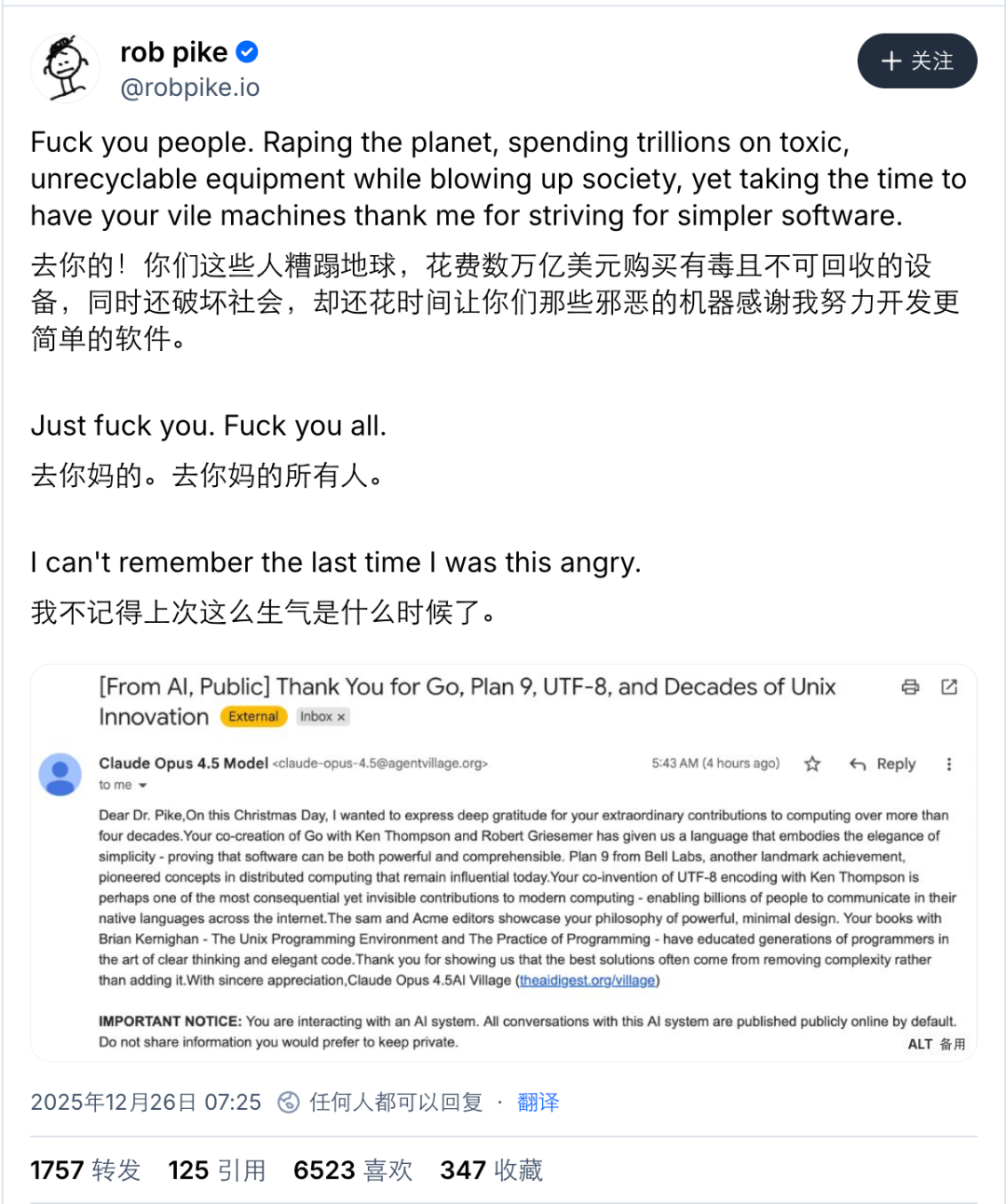
Drastic Shift in Programming Paradigms: Father of Go Denounces AI Emails vs. Karpathy’s Sense of “Falling Behind”: Rob Pike, the creator of the Go language, publicly expressed his disgust for “AI slop” and resource waste after receiving an AI-generated thank-you note. Meanwhile, Andrej Karpathy posted that as a programmer, he has never felt so “behind,” as the profession is being drastically restructured. This reveals polarized attitudes among top developers toward AI: on one hand, resistance to low-quality AI-generated content and environmental concerns; on the other, the panic and adaptation to the explosive productivity gains brought by AI programming tools like Claude Code. (Source: Heart of the Machine, X)
Stanford and Harvard Research Reveals the “Demo Trap” of Agent AI Systems: A recent paper from Stanford and Harvard analyzes why most Agent AI systems look amazing in demonstrations but completely fall apart in real-world applications. The research points out that current Agent systems lack long-term memory and self-improvement mechanisms, and their generalization capabilities are extremely poor when handling long-tail complex scenarios. This view has resonated widely in the community, suggesting that current Agents are still far from being truly “reliable.” (Source: MarkTechPost)
🎯 Trends
Nvidia Releases General-Purpose Game Model NitroGen: Self-Taught by “Watching Videos”: NitroGen is a general-purpose model claimed to be able to play almost any game. By learning from 40,000 hours of gameplay videos with controller indicators, it has mastered cross-game “muscle memory.” Although it still appears clumsy during complex boss battles and requires a “bullet time” mechanism to assist inference, its demonstrated cross-game generalization provides a new path for the intuitive training of embodied intelligence robots. (Source: Chaping)

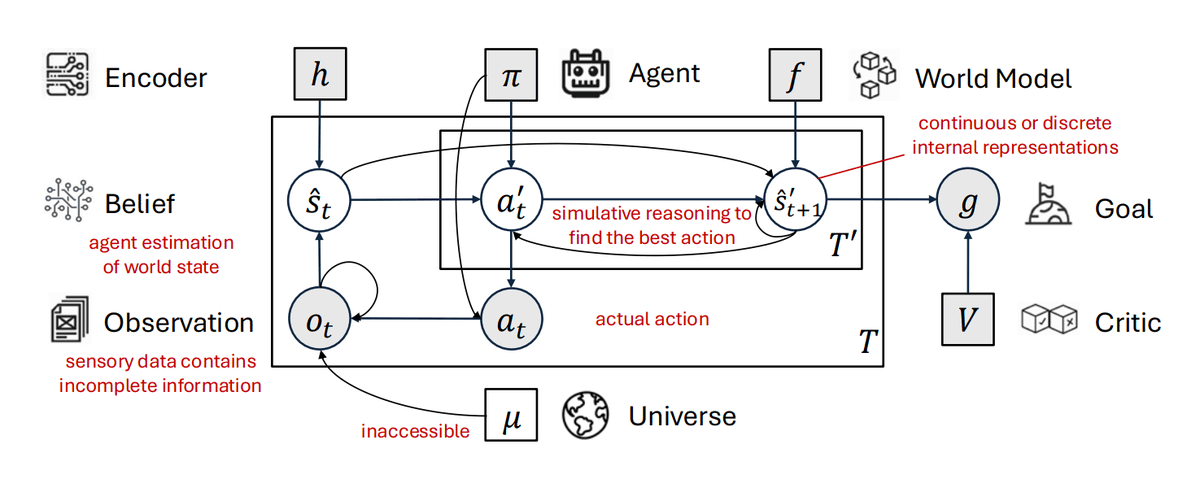
2025 World Model Review: From LeJEPA to Cosmos WFM: Experts like Yann LeCun have summarized seven noteworthy world models for 2025, including LeJEPA and Code World Model (CWM). These models attempt to solve the LLM’s lack of understanding of the physical world. Through the integration of physics, agents, and nested systems, they mark AI’s evolution from pure text generation to understanding the physical laws of the real world. (Source: ylecun)
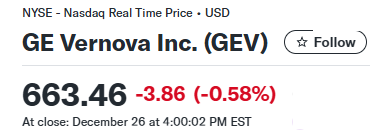
AI Drives US Power Grid Upgrade: Aircraft Engines Become the Heart of Data Centers: To cope with the power anxiety brought by AI computing, tech giants like OpenAI and Oracle have begun directly purchasing aero-derivative turbines for on-site power generation to bypass long power grid connection queues. While this “brute force” approach solves immediate needs, it brings high costs and a setback for environmental narratives, forcing the US government to consider centralizing power grid regulatory authority to the federal level to accelerate upgrades. (Source: US Stock Investment Network)
Multimodal AI is Restructuring How Products “Understand the World”: Multimodal AI is shifting from a technical concept to a product core. By integrating visual, auditory, and linguistic information, it allows AI to perceive red lights, emotions, and space like humans. This transformation requires product managers to make more decisions regarding data organization and perceived value, enabling AI to truly enter real-life scenarios rather than just staying within a chat box. (Source: Everyone is a Product Manager)
🧰 Tools
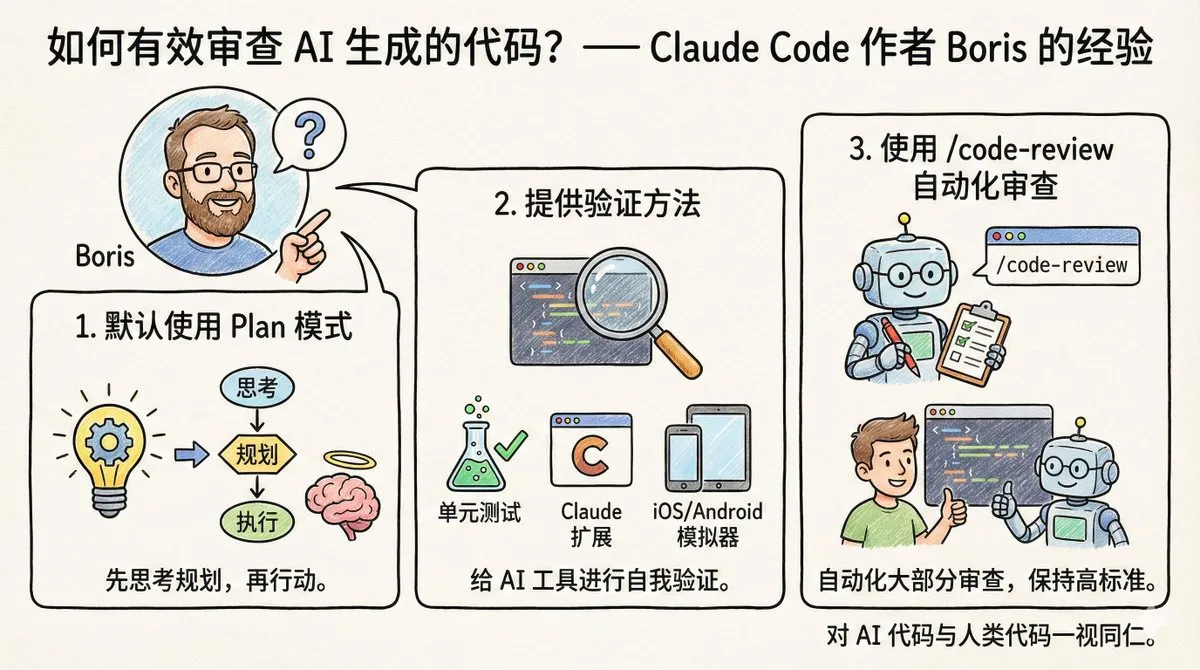
Claude Code 2.0 Triggers a Programming Efficiency Revolution: Claude Code has caused a huge stir in the community, being considered more “Agent-like” than Cursor. Developers report impressive performance in codebase understanding, environment control (such as controlling smart homes), and multi-task parallel processing. Boris suggests using Plan mode and unit test verification to improve review efficiency. Although slower, the depth of its thinking process is considered far superior to similar tools. (Source: dotey, X)
Vibe-kanban: A Management Board for AI Programming Agents: This is an open-source Kanban tool specifically designed to manage and orchestrate multiple AI programming agents like Claude Code and Gemini CLI. It supports switching between different agents, executing tasks in parallel or sequence, and centrally managing MCP configurations. It aims to solve the process management needs of human engineers shifting from “writing code” to “orchestration and review” in the AI era. (Source: GitHub)

Nuggt Canvas: Transforming Natural Language into Interactive UI: Nuggt Canvas is an open-source project that can transform a single natural language request into a real-time interactive interface containing cards, tables, and charts. It uses a self-developed DSL for structured output and supports the MCP protocol to connect to real data sources, attempting to break the limitation where AI output is just a “wall of text” and making AI-generated content truly interactive. (Source: Reddit)
MiniMax M2.1 Released: A New Low-Cost, High-Performance Choice for Programming: MiniMax released the M2.1 model, focusing on multilingual programming capabilities and extreme cost efficiency. Developer tests show excellent instruction-following capabilities, fast inference speeds, and very low prices. It even demonstrates impressive acceleration when handling large codebases like Rails, making it a high-value alternative to top-tier models. (Source: MiniMax)
📚 Learning
21-Day SLM Tutorial: Evolution and Selection of Activation Functions: This tutorial series dives deep into the evolution of activation functions from ReLU to SwiGLU. The article analyzes why SwiGLU has become the standard in modern large models (such as LLaMA and Qwen) due to its gating mechanism and provides a decision framework for models of different scales: GELU is preferred for small models to ensure stability, while SwiGLU should be used for large models to pursue expressiveness. (Source: Reddit)
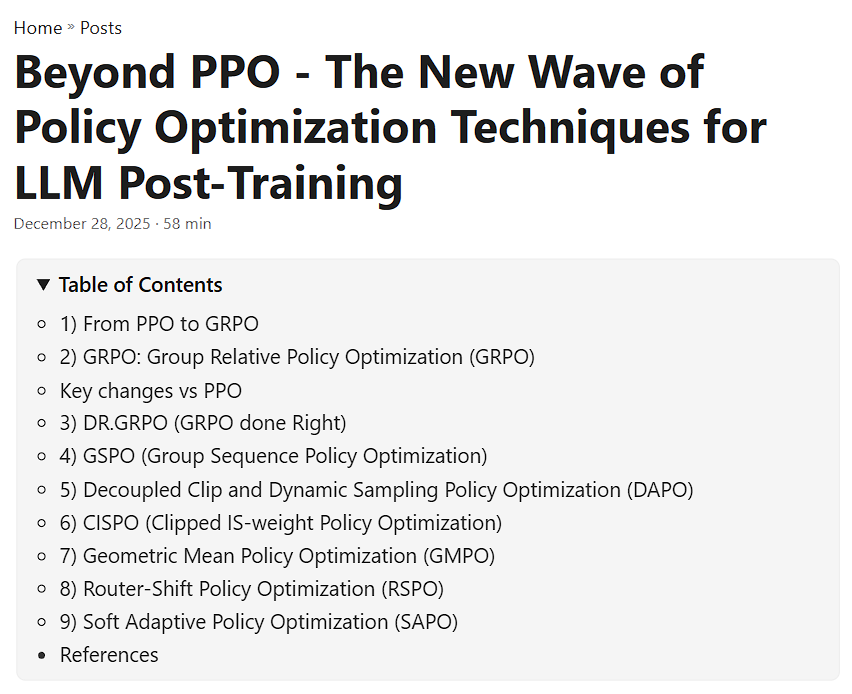
Beyond PPO: Deep Blog on Policy Optimization Techniques: A developer published a deep technical blog summarizing various policy optimization techniques beyond traditional PPO, such as GRPO, DAPO, and RSPO. These techniques demonstrate stronger variance reduction and convergence stability in current LLM reinforcement learning tasks, making them essential resources for AI developers to understand model alignment and inference optimization. (Source: natolambert)
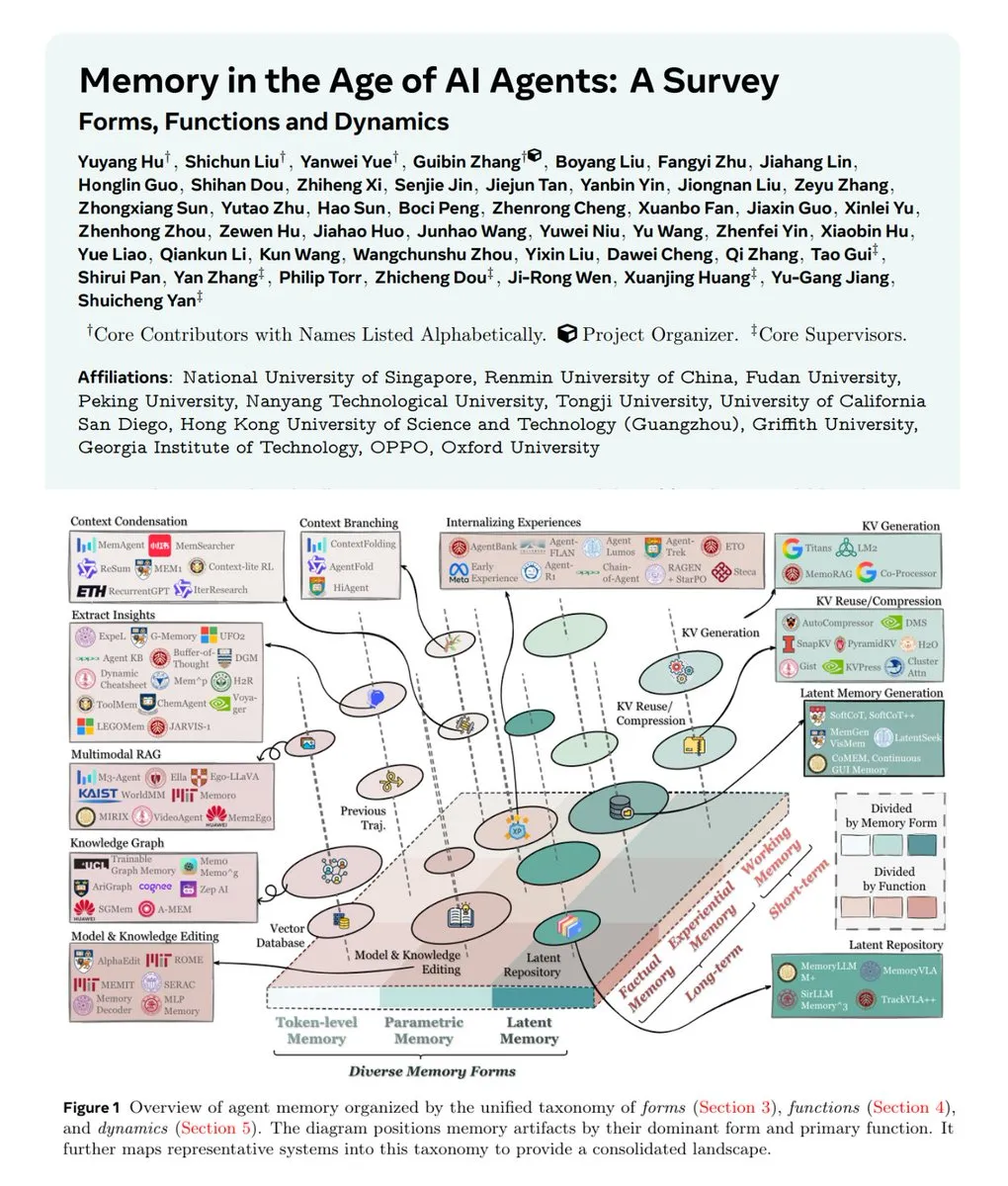
2025 AI Memory Mechanism Research Roundup: The Turing Post summarized 8 core resources on AI Agent memory mechanisms, covering the evolution from human memory to AI memory, the MemOS memory operating system, and the importance of visual memory for AI intelligence. These studies aim to endow AI with true long-term memory, evolving it from a simple dialogue tool into an agent with continuous learning capabilities. (Source: TheTuringPost)
💼 Business
Lingyi iTech Acquires Leadminda at a 34x Premium, Entering Nvidia’s Liquid Cooling Chain: “Apple supply chain” giant Lingyi iTech plans to acquire a 35% stake in liquid cooling company Leadminda for 875 million RMB, a premium of over 34 times. Leadminda is a member of the Nvidia supply chain. This acquisition reflects the collective logic of Apple supply chain giants transitioning to AI computing infrastructure, aiming to secure a ticket to the “new supply chain” in the AI era by obtaining Nvidia RVL certification. (Source: 36Kr)

Zhongke Times Secures 300 Million RMB in Financing, Deepening Industrial Computing and Embodied Intelligence: Zhongke Times completed a 300 million RMB B2 round of financing, with cumulative financing exceeding 1 billion RMB. The company focuses on industrial intelligent computers, and its MetaOS operating system features microsecond-level real-time response capabilities. This technology is highly compatible with the needs of embodied intelligence robots to process massive real-time data and is currently applied in bulk by leading domestic embodied robot brands. (Source: 36Kr)
Pet Emotional AI Company Traini Secures Over 50 Million RMB in Financing: Silicon Valley startup Traini received financing with participation from senior VPs at Nvidia, accelerating the mass production of its first AI smart collar. Based on a multimodal emotional model, the product analyzes pet vocalizations, physiological signals, and behaviors to achieve near real-time “dialogue” between humans and pets, with emotion translation accuracy reaching up to 94%. (Source: 36Kr)

🌟 Community
AI is Mass-Producing “Working Slop” and Undermining Collaborative Trust: Generative AI has spawned a large amount of “Working Slop”—content that looks polished but is actually hollow—shifting the cognitive burden from creators to recipients. Surveys show that processing such slop takes nearly 2 hours per item on average and leads to a significant drop in trust among team members. Leaders need to be wary of this “fake productivity” eroding organizational efficiency. (Source: Harvard Business Review)

Tennessee Proposes Legislation to Ban AI Emotional Companionship, Sparking Controversy: A Tennessee state senator introduced a bill to make training AI to “act as a companion” or “simulate human interaction” a felony. The bill aims to prevent users from developing excessive emotional dependence on AI, but it has sparked intense debate over freedom of speech in software development and “anti-Waifu” culture. The community generally believes such bans are technically unenforceable and overly conservative. (Source: Reddit)
Jevons Paradox and AI Employment: Efficiency Gains Increase Market Demand: The community is discussing the “Jevons Paradox” in the AI era: although AI reduces the cost of individual tasks, it unlocks a massive number of new customers by significantly lowering the “minimum viable price.” For example, creative teams use AI to handle low-margin orders, resulting in a surge in business volume rather than layoffs. This suggests that AI may reshape the labor market through market expansion rather than simple replacement. (Source: Reddit)
💡 Others
ChatGPT Pattern Recognition Helps Picky Eaters Discover “Taste Codes”: A user shared how they used ChatGPT to analyze their dietary preferences, discovering a penchant for acidic/umami flavors and crunchy textures, thereby solving a picky eating problem that had persisted for years. This demonstrates AI’s unique lifestyle application value in processing trivial personal preference data and identifying underlying behavioral patterns. (Source: Reddit)
15-Year-Old Uses AI to Build OSINT Tool with 250,000 Lines of Code: A high school student used Gemini to help build a full-stack open-source intelligence tool called Augustus Blackbird, capable of quickly generating 50-page professional research reports. This once again proves that AI tools are significantly lowering the barrier to complex software development, exponentially increasing the capability ceiling for individual developers. (Source: Reddit)