
🔥 Focus
OpenCode and Anthropic’s Blocking Gambit: The “Walled Garden” and “Breakthrough” of the AI Ecosystem: Recently, Anthropic blocked access to Claude models for third-party Agents like OpenCode, citing safety compliance and a lack of Telemetry. OpenAI immediately announced a partnership with OpenCode, enabling it to quickly support Codex and GPT-5.2. This event has sparked deep discussions in the developer community regarding the “AI loss leader” model. Analysts believe Anthropic’s move aims to protect its Claude Code closed-loop ecosystem and prevent third parties from making high-frequency calls using its subsidized subscription prices. OpenAI’s intervention marks an intense battle among LLM providers over Agent distribution channels. (Source: qnguyen3, Sentdex)

The Global Race for Embodied AI: Chinese Manufacturing Dominates Shipments Amid Sino-US Tech Integration: 2025 data shows that Chinese companies account for the vast majority of global humanoid robot shipments, with Matrix Robotics’ MATRIX-3 showcasing a dexterous hand with 27 degrees of freedom. Meanwhile, Boston Dynamics and Google DeepMind announced a deep collaboration to integrate Gemini’s vision-language-action models into the Atlas robot. This “strong-strong” alliance between the “brain” and “cerebellum” marks the evolution of robots from simple automation to intelligent agents capable of perception, reasoning, and tool use, signaling a paradigm shift in industrial automation. (Source: TheTuringPost, MIT Technology Review)

Grok Image Generation Restricted: Structural Conflict Between AI Regulation and Abuse: Following widespread backlash against the generation of sexualized imagery of women and children, xAI has restricted Grok’s free image generation features. Elon Musk had previously criticized AI “guardrails,” but real-world legal and ethical pressures have forced the platform to tighten permissions. This reflects the massive gap between low-barrier distribution of AI generation technology and social safety precautions. Community discussions point out that this “pollute first, govern later” model is facing increasingly severe regulatory challenges, with AI ethics becoming an insurmountable red line in the path to commercialization. (Source: The Guardian, Reddit)

AI Compute Demand Triggers Memory Chip Shortage: Consumer Electronics Costs Set to Rise: As AI data centers aggressively stockpile high-performance memory chips, a global storage chip shortage is emerging. Analysts predict this will not only drive up server costs but also directly push up market prices for smartphones and personal computers in 2026. This reveals the fragile hardware supply chain behind the AI boom: when the top-tier compute race exhausts bottom-tier resources, ordinary consumers will pay the price for this technological revolution. (Source: FT, MIT Technology Review)
🎯 Trends
The Performance Battle Between GPT-5.2 and Opus 4.5: Real-world tests from the developer community show that GPT-5.2 excels in handling long-range, complex, and Agentic tasks, even outperforming Opus 4.5 in certain debugging scenarios. While GPT-5.2’s “Thinking” mode has improved logical rigor, some users report it still has blind spots in game-theory tasks (such as Connect Four). Currently, the original API endpoints for Claude 3 Opus have been taken offline, requiring users to apply for new permissions. (Source: gdb, scaling01)
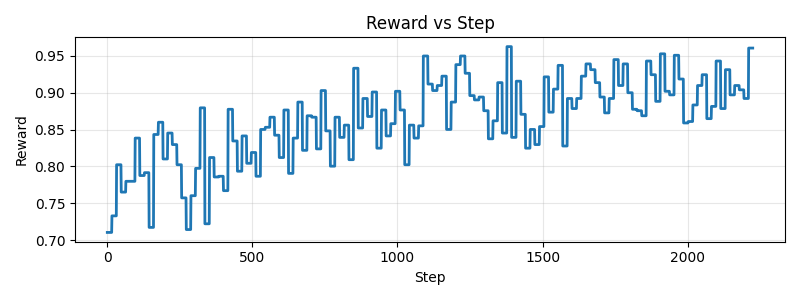
Zhipu AI (Zai) IPO Financial Analysis and GLM-5 Training Launch: As the world’s first listed LLM company, Zhipu AI disclosed a 2024 loss of 2.96 billion RMB, approximately 8 times its revenue, reflecting the extremely high barriers to entry for model R&D and compute investment. Despite financial pressure, Zhipu announced the start of GLM-5 training and achieved a staggering inference speed of 1000 tokens/s for GLM-4.7 on the Cerebras platform. This “high burn, high growth” model is testing the long-term patience of investors. (Source: teortaxesTex, ziran_pu)

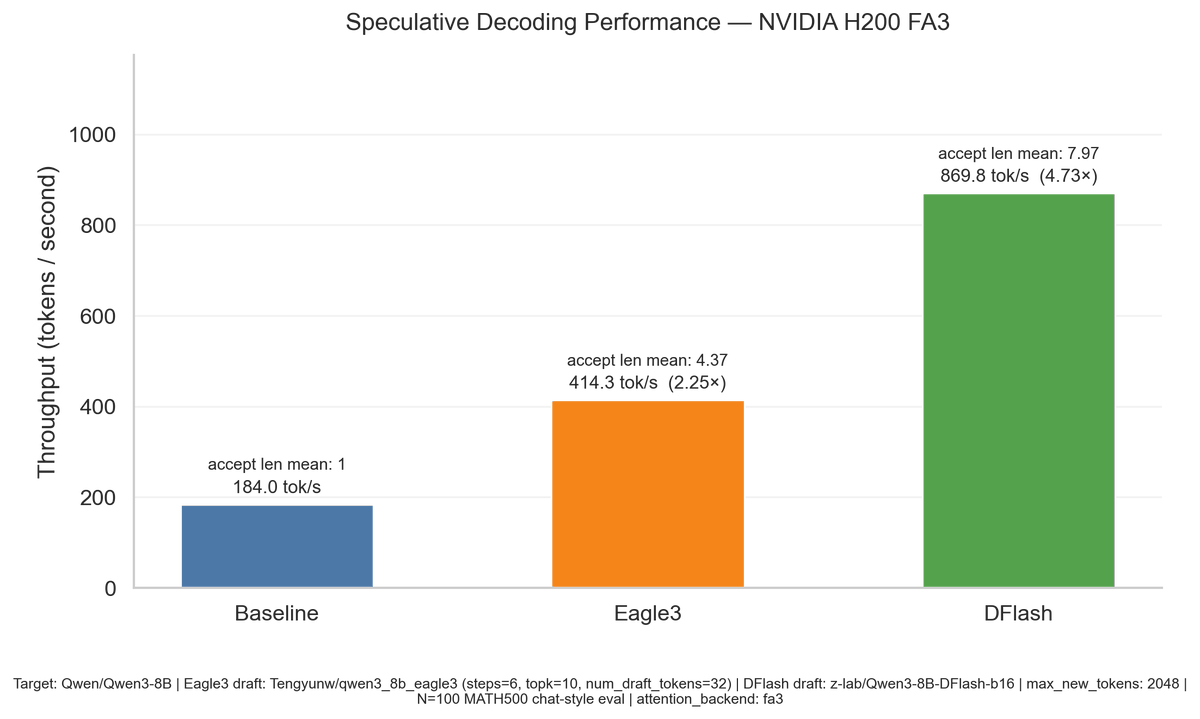
DFlash Inference Acceleration Technology Running on SGLang: Just two days after its release, DFlash technology has been successfully deployed in SGLang. Utilizing Diffusion Speculators, the technology achieved up to a 4.73x inference speedup in an H200+FA3 environment. This rapid open-source integration demonstrates the high iteration efficiency of the current AI inference engine community, which is significant for reducing enterprise-level LLM deployment costs. (Source: VictorKaiWang1)
🧰 Tools
Claude Code 2.1.3 Version Update: Anthropic released a major update for Claude Code, merging the mental models of slash commands and Skills. Key updates include: prohibiting git status -uall in large repositories to prevent memory crashes, stricter Bash tool descriptions, and fixing an issue where sub-agents used the wrong model during conversation compression. Additionally, a new feature for detecting and warning about permission rule conflicts has been added. (Source: Reddit)
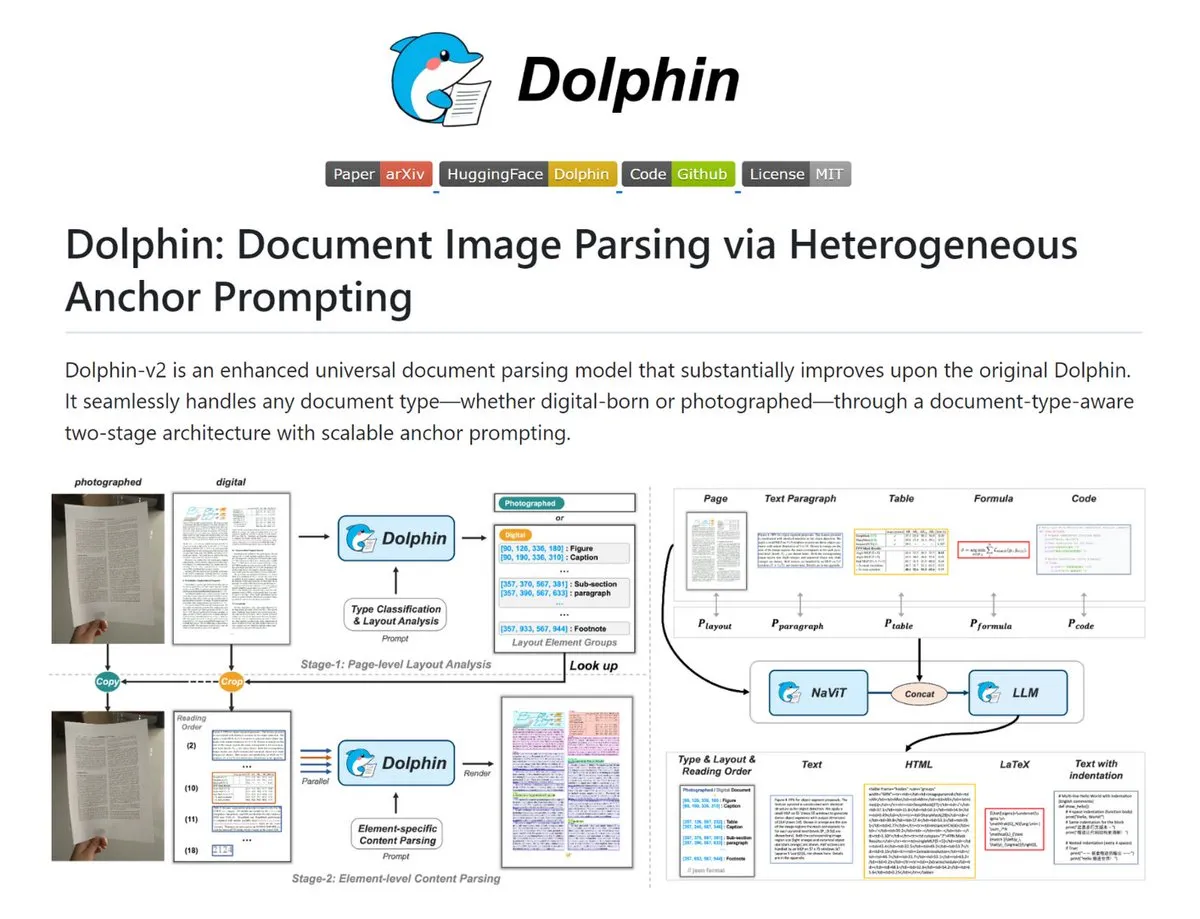
Dolphin: A Powerful Tool for Structured Document Parsing: This is an open-source tool focused on converting PDFs and images into structured Markdown/JSON. It supports multi-page parsing, automatically recognizes scanned and digital documents, restores page layout and reading order, and parses complex tables, formulas, and code. Model sizes range from 0.3B to 3B, performing excellently on OmniDocBench, making it an ideal frontend for building RAG systems. (Source: TheTuringPost)
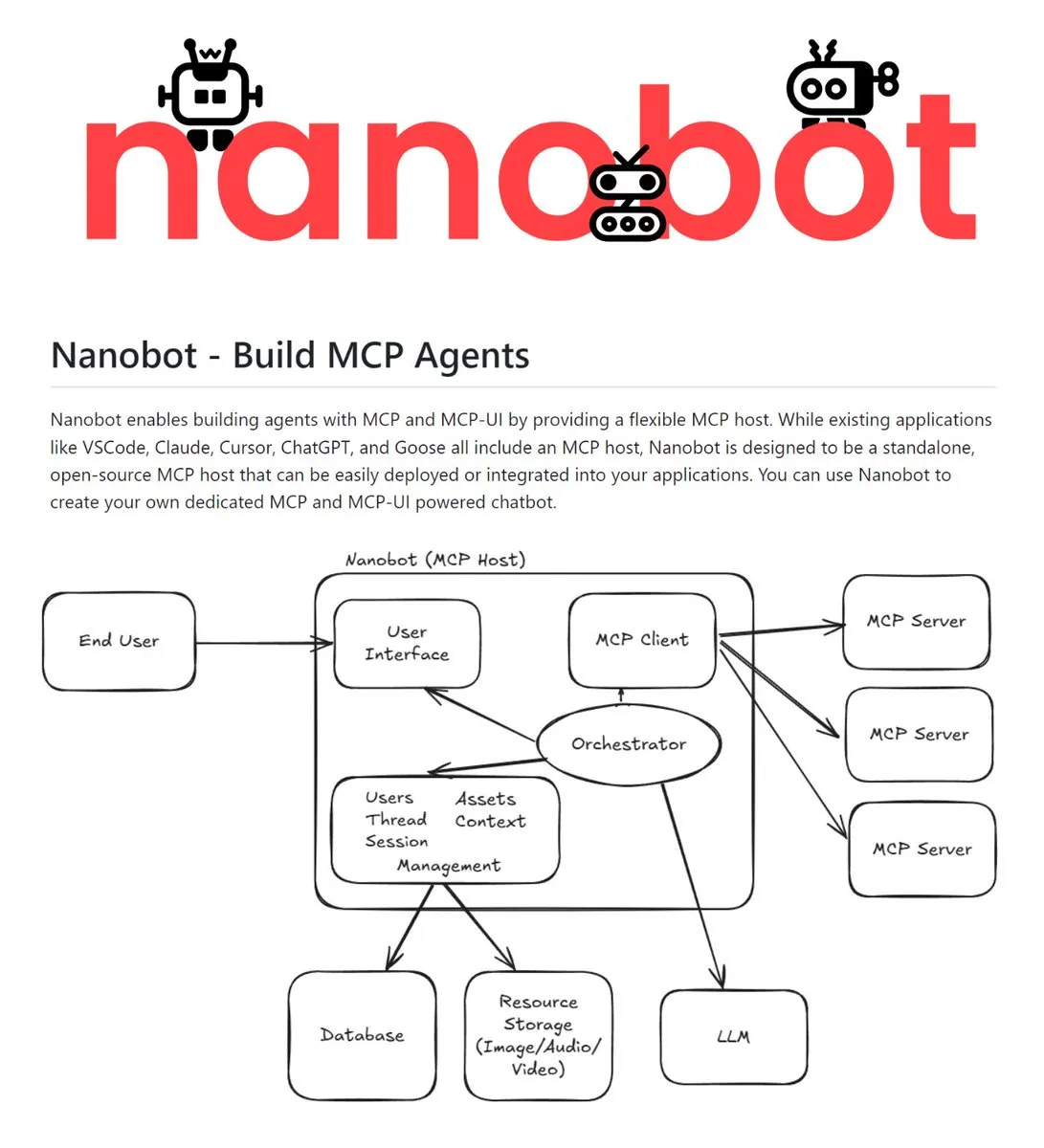
Nanobot: Open-Source MCP Standalone Host: Nanobot is an open-source standalone host that supports MCP (Model Context Protocol), allowing developers to integrate MCP servers, LLMs, and context into a single service. It greatly simplifies the process of building Agent experiences across various terminals like chatbots, voice interfaces, and Slack, making it one of the preferred tools for Agent developers exploring the MCP protocol. (Source: TheTuringPost)
📚 Learning
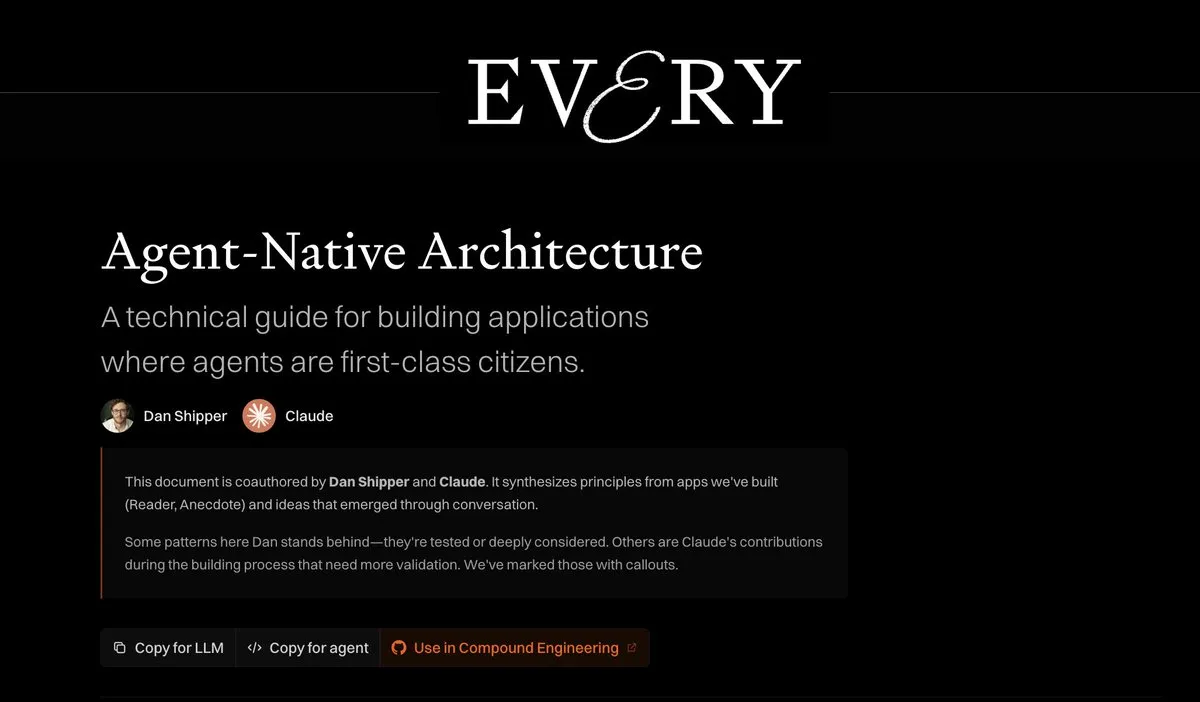
Technical Guide to Building Agent-native Software: This guide released by Dan Shipper deeply explores the five pillars of building Agent-native software: peer-to-peer, granularity, composability, emergence, and self-improvement. The article points out that files should serve as the universal interface for Agents, and developers should shift from traditional “human-computer interaction” to an “Agent collaboration” design logic. (Source: brivael)
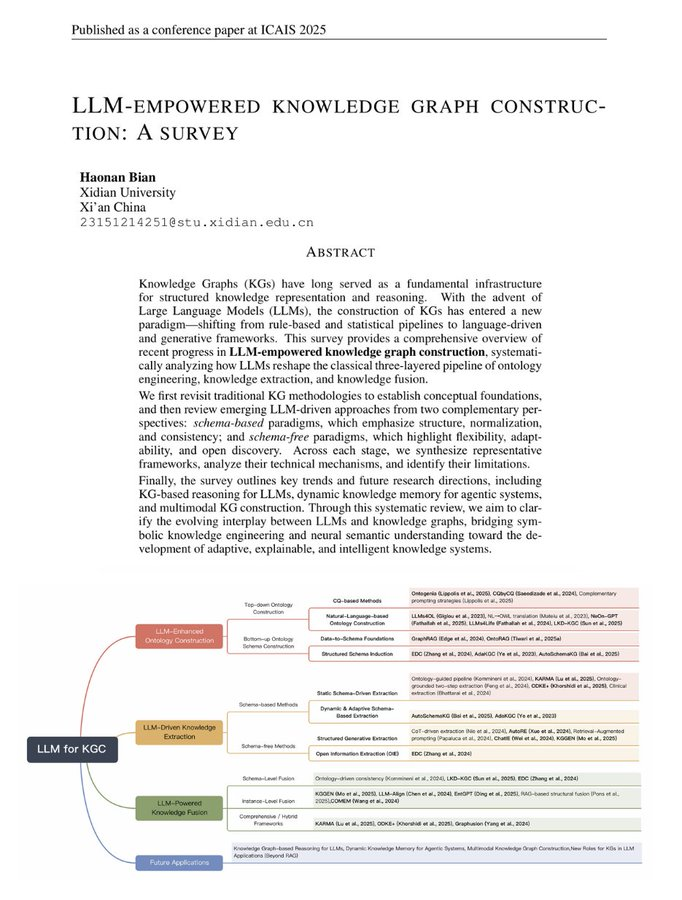
Survey on LLM-powered Knowledge Graph Construction: A must-read survey connecting traditional Knowledge Graph (KG) methods with modern LLM-driven techniques. Content covers top-down and bottom-up ontology construction, schema-based and schema-less extraction, and multimodal KG fusion, providing a systematic framework for understanding the combination of structured knowledge and LLMs. (Source: TheTuringPost)
Advanced Prompt Optimization Strategies for Developers: The community-discussed “Big Brained Optimizer” prompt demonstrates how to force models into deep logical checks through multi-round iteration, cross-model solution comparison (e.g., Opus 4.5 vs GPT 5.2), and “lying about the number of errors.” This method significantly improves the model’s ability to identify performance bottlenecks (such as N+1 queries and lock contention) when handling complex code plans of over 5,000 lines. (Source: doodlestein)
💼 Business
Nvidia’s Strategic Layout in Acquiring Groq: Industry analysis suggests that Nvidia’s acquisition of Groq is not purely for hardware, but to counter cloud service giants (like AWS and Google) by providing ultra-fast cloud inference services, preventing them from establishing closed ecosystems on the inference side. By supporting high-performance inference chips like Groq, Nvidia can indirectly reduce the bargaining power of cloud providers and maintain its high gross margin position in the AI hardware market. (Source: glennko)
Ilya Sutskever’s Personal Wealth and OpenAI Share Valuation: As OpenAI’s valuation soars to $850 billion, the approximately 9.5% stake held by its former Chief Scientist Ilya Sutskever is now valued at nearly $90 billion. This puts his net worth above many established Wall Street giants, symbolizing a dramatic shift in wealth distribution toward core technical geniuses in the AI era. (Source: bookwormengr)

🌟 Community
The Great “Vibe Coding” Debate: A Productivity Leap or the Beginning of Mediocrity?: Senior developers and AI newcomers are clashing over “Vibe Coding.” Proponents argue that AI eliminates the pain of reinventing the wheel, allowing developers to focus on architecture and value; opponents fear it will lead to a massive amount of unmaintainable “code slop.” Dia CEO Josh Miller predicts that teams failing to embrace Claude Code-native workflows will be phased out, much like those who missed the mobile internet wave. (Source: Reddit, op7418)

ChatGPT Health: A “Game Changer” for Medical AI?: Users with access to ChatGPT Health report that for those with health management experience, it is a significant efficiency boost; for the general public, its personalized advice could be revolutionary. However, some users complain that its tone is too “preachy” and “condescending,” frequently reminding them “you’re not crazy” or “you’re not broken,” which has caused resentment among some chronic disease patients. (Source: gdb, Reddit)

“Visual Turing Test”: Using Diagrams to Combat AI Hallucinations: A new consensus is emerging in the community: while AI lies easily in text, it struggles to remain consistent in logical diagrams. Developers are starting to mandate that AI draw sequence or architecture diagrams before writing code. If the AI cannot correctly connect API endpoints, the error becomes immediately visible. This “visual-first” auditing method is becoming a standard process for high-reliability AI development. (Source: Reddit)
💡 Others
AI-Assisted Forensic Verification and Fact-Checking: A user utilized Gemini 3 Pro’s advanced reasoning mode to run a forensic-grade verification protocol, successfully dismantling widely circulated false allegations online. The protocol identifies “echo-chamber style rumors” by stripping unverifiable statements and tracking propagation paths, proving AI’s huge potential in handling complex social information and defending the truth in the digital age. (Source: Reddit)
Regulatory Breakthrough for CRISPR Gene Editing: Startup Aurora Therapeutics is pushing for an “umbrella” regulatory path, aiming to allow gene-editing drugs that modify only a few base pairs to adapt to different mutations without undergoing expensive new clinical trials. This is seen as a key factor in whether CRISPR technology can move from the lab to the mass market, potentially providing commercially viable solutions for thousands of rare diseases. (Source: MIT Technology Review)