🔥 Focus
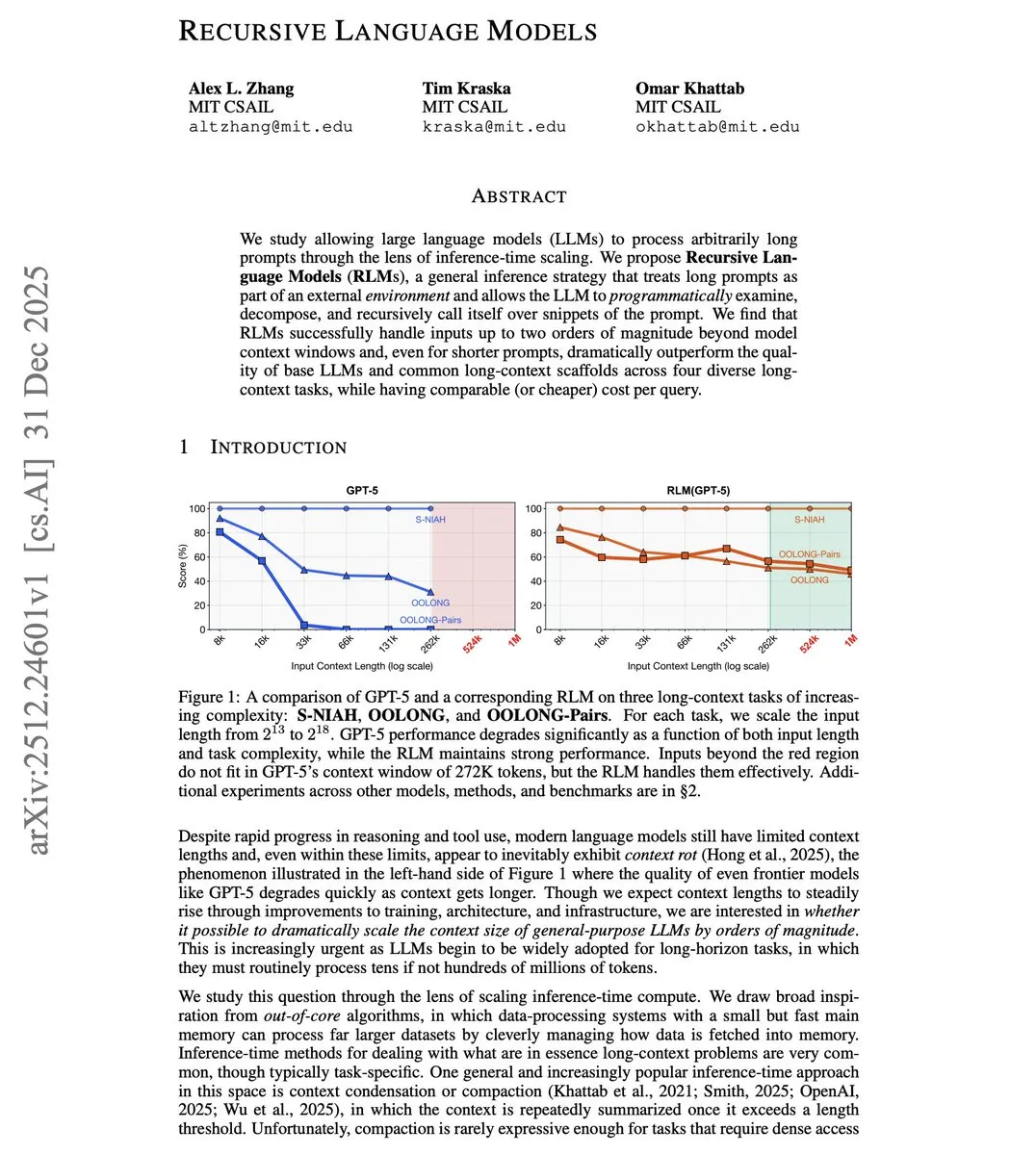
Recursive Language Models (RLMs): A New Paradigm Breaking Hard Context Limits: MIT researchers have proposed Recursive Language Models, aiming to turn context length into a “soft constraint.” Instead of architectural compression, RLMs treat long prompts as an external environment, processing information exceeding the window by two orders of magnitude through recursive self-calls. Experiments show that a model with an 8K window can effectively handle 800K tokens. This marks a significant victory for inference-time scaling in long-text processing, signaling that by 2026, AI handling of full-repository code and ultra-long documents will enter an era of “programmatic decomposition” (Source: dair_ai, lateinteraction)
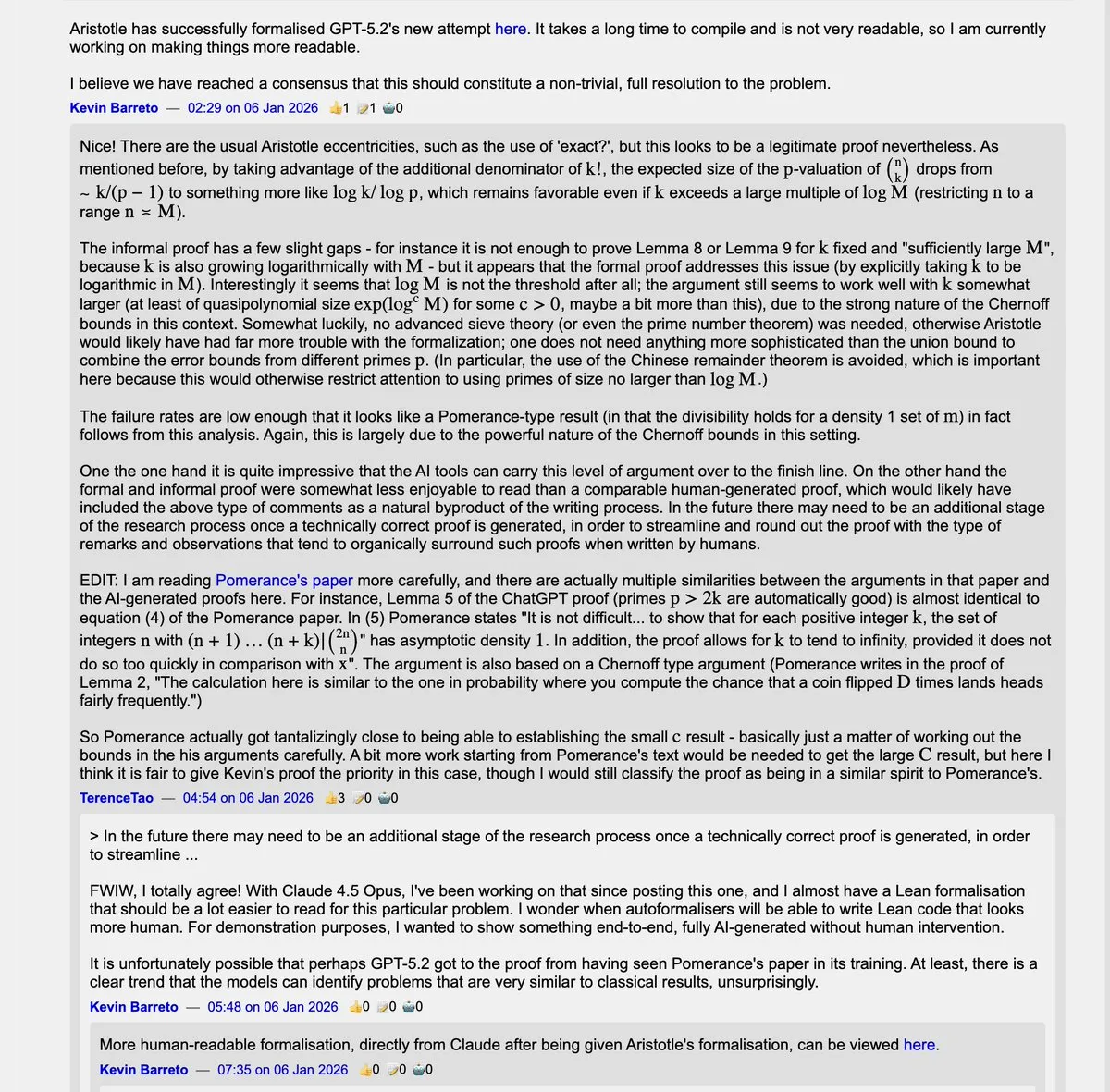
GPT-5.2 Conquers Erdős Mathematical Challenges: A 21-year-old undergraduate utilized GPT-5.2 (Thinking/Pro version) to communicate with Terence Tao, successfully solving long-underestimated Erdős problems (#728 and #729) caused by vague phrasing. Through iterative collaboration between Lean formalization and the LLM, AI demonstrated terrifying potential in autonomous scientific discovery. This is not just a breakthrough for mathematics but proof that once LLMs possess deep reasoning capabilities, they can tackle cognitive boundaries that humans haven’t breached for decades (Source: BlackHC, jpt401)
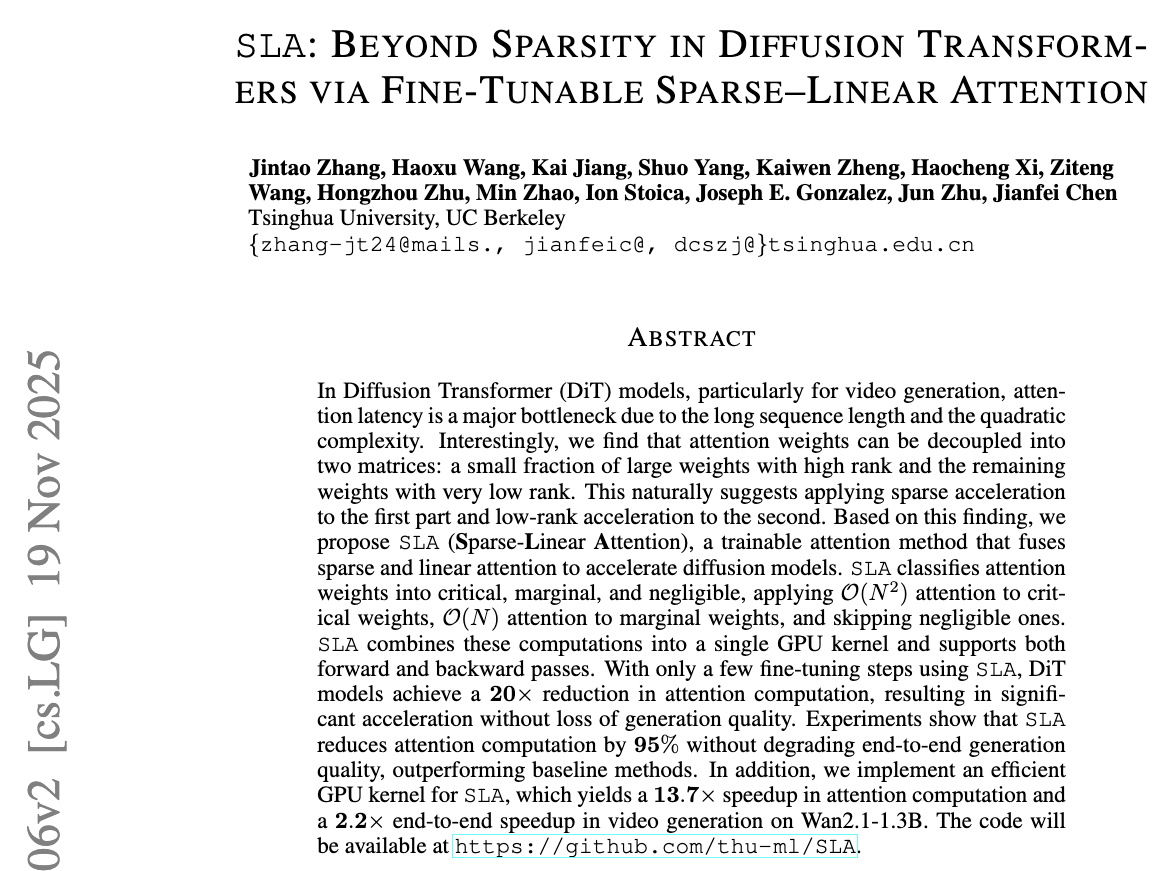
DeepSeek V4 Roadmap Leaked: Native Multimodality and Robotics Control: Community discussions suggest DeepSeek V4 will abandon the traditional SLA architecture in favor of NSA (Asymmetric Attention) and CAE/RAE encoders to achieve native multimodal capabilities. Analysis indicates V4 will be heavily optimized for video generation and robotics control, aiming to understand the physical world through “Embodied Intelligence.” As a leader in China’s open-source force, DeepSeek’s V4 release may once again reshape global cost-performance standards for large models (Source: teortaxesTex, dylan522p)
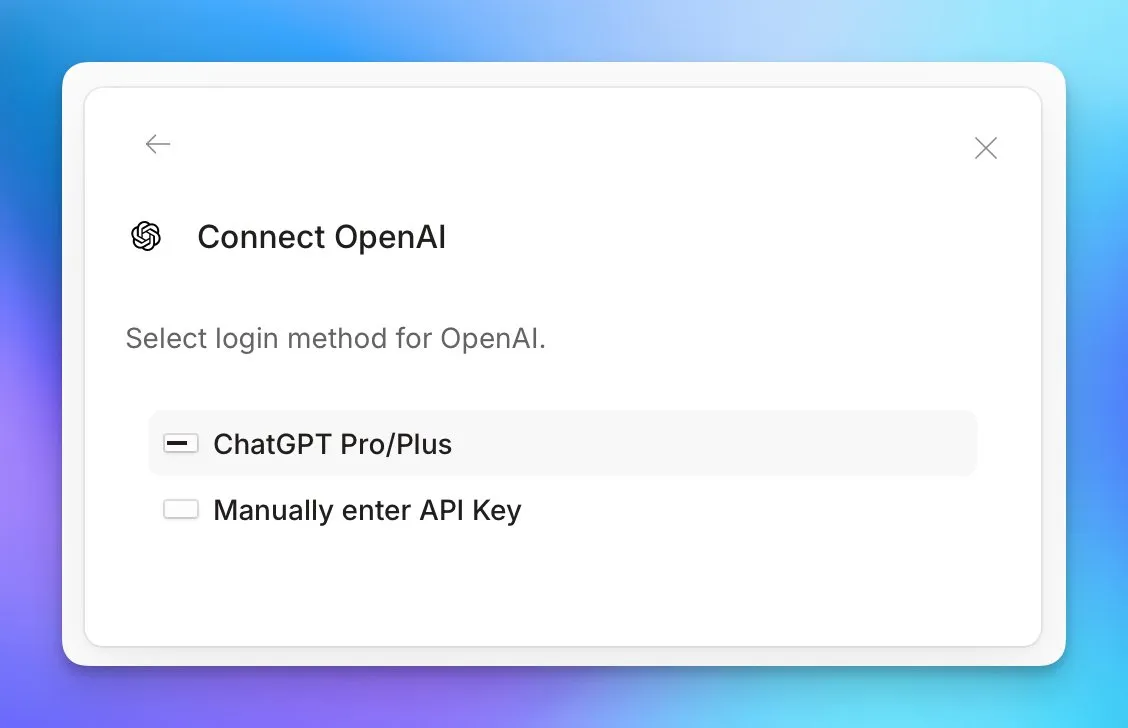
Programming Platform Wars: Anthropic’s Lockdown vs. OpenAI’s Openness: Anthropic has begun restricting third-party apps (like OpenCode) from accessing Claude subscriptions, attempting to force developers into its official Claude Code environment. Meanwhile, OpenAI quickly counterattacked, officially announcing support for open-source CLI tools like OpenCode, allowing users to use Codex models directly in open-source environments via ChatGPT Plus/Pro accounts. This strategic divergence reflects the battle between AI giants over “platform capture” and “ecosystem openness”; OpenAI’s “Sign in with Codex” is seen as a powerful preemptive strike against Anthropic (Source: finbarrtimbers, op7418, Yuchenj_UW)
🎯 Trends
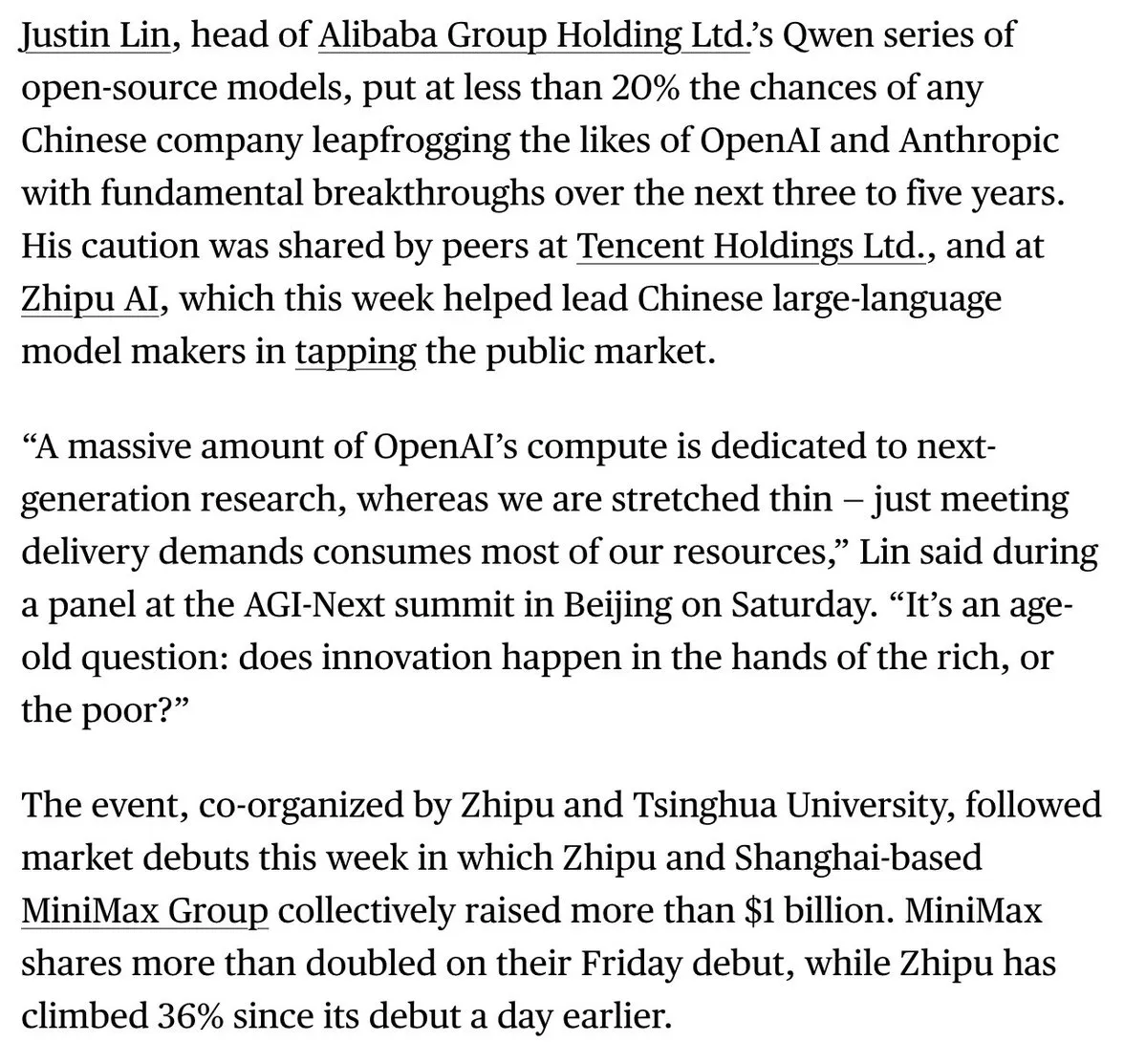
“Four Titans of Foundation Models” Discuss Chinese AGI: From Scaling Law to Intelligence Efficiency: Tang Jie, Yang Zhilin, Lin Junyang, and Yao Shunyu shared the stage in a rare appearance. The consensus is that foundation model capabilities determine the winner, but Tang Jie warned that the gap between China and the US has not narrowed. Yang Zhilin emphasized that Scaling remains the focus but requires “Taste”; Tang Jie proposed “Intelligence Efficiency” as a new metric—obtaining higher intellectual returns with fewer resources. The divergence between ToB and ToC is now certain, and the essence of AGI will return to serving real human scenarios (Source: 36Kr)
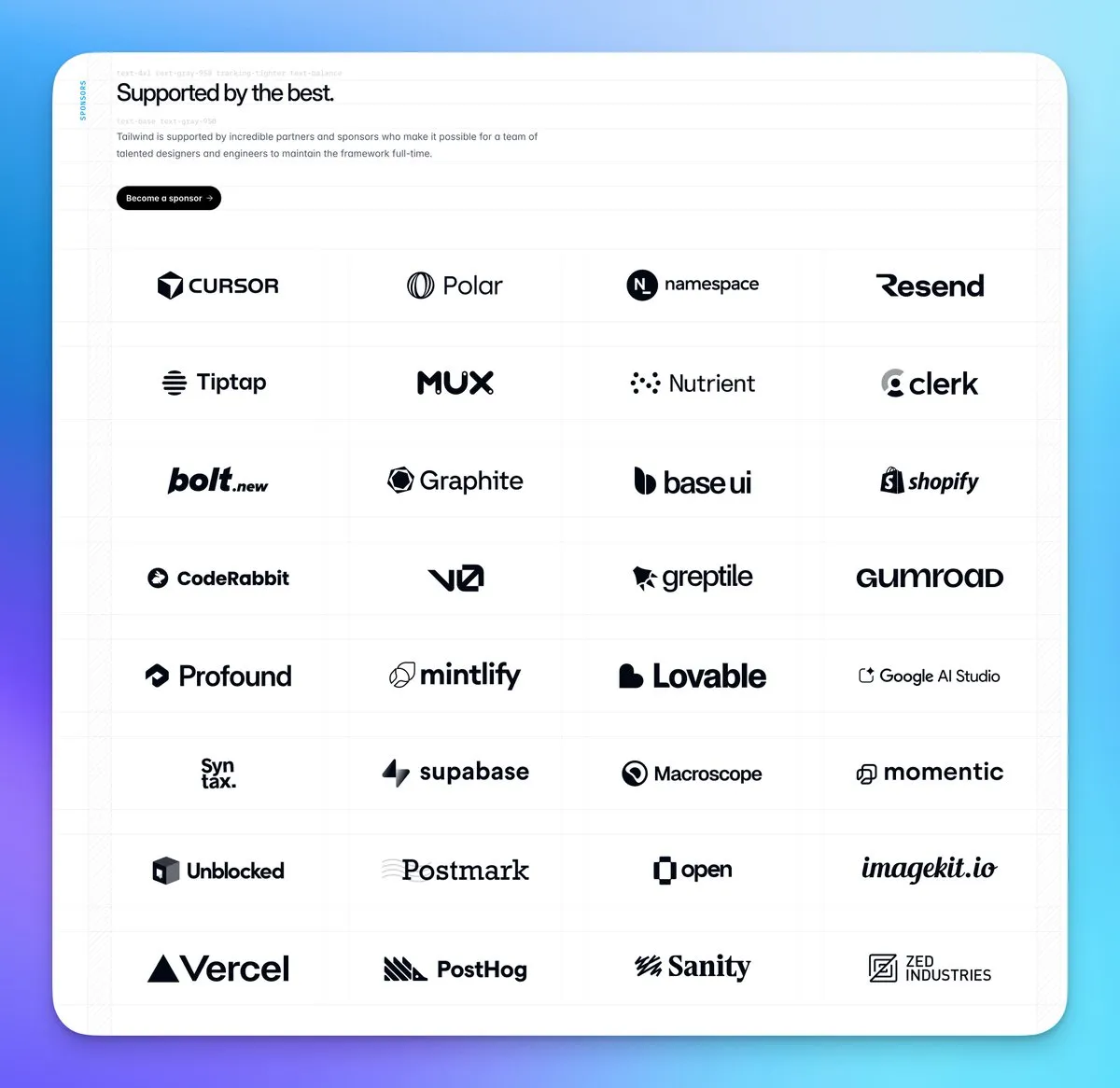
Tailwind CSS’s AI Paradox: Record Adoption but Crashing Revenue: The founder revealed that the Tailwind CSS team laid off 75% of staff as revenue dropped by 80%. Ironically, almost all AI programming products use Tailwind by default, but because AI is extremely familiar with its documentation, users no longer visit the official website, causing the commercial conversion logic to collapse. This reveals a survival crisis for open-source infrastructure in the AI era: when AI consumes the traffic entry point, the original “doc-driven traffic” model fails, and open-source projects urgently need new benefit distribution methods (Source: op7418)
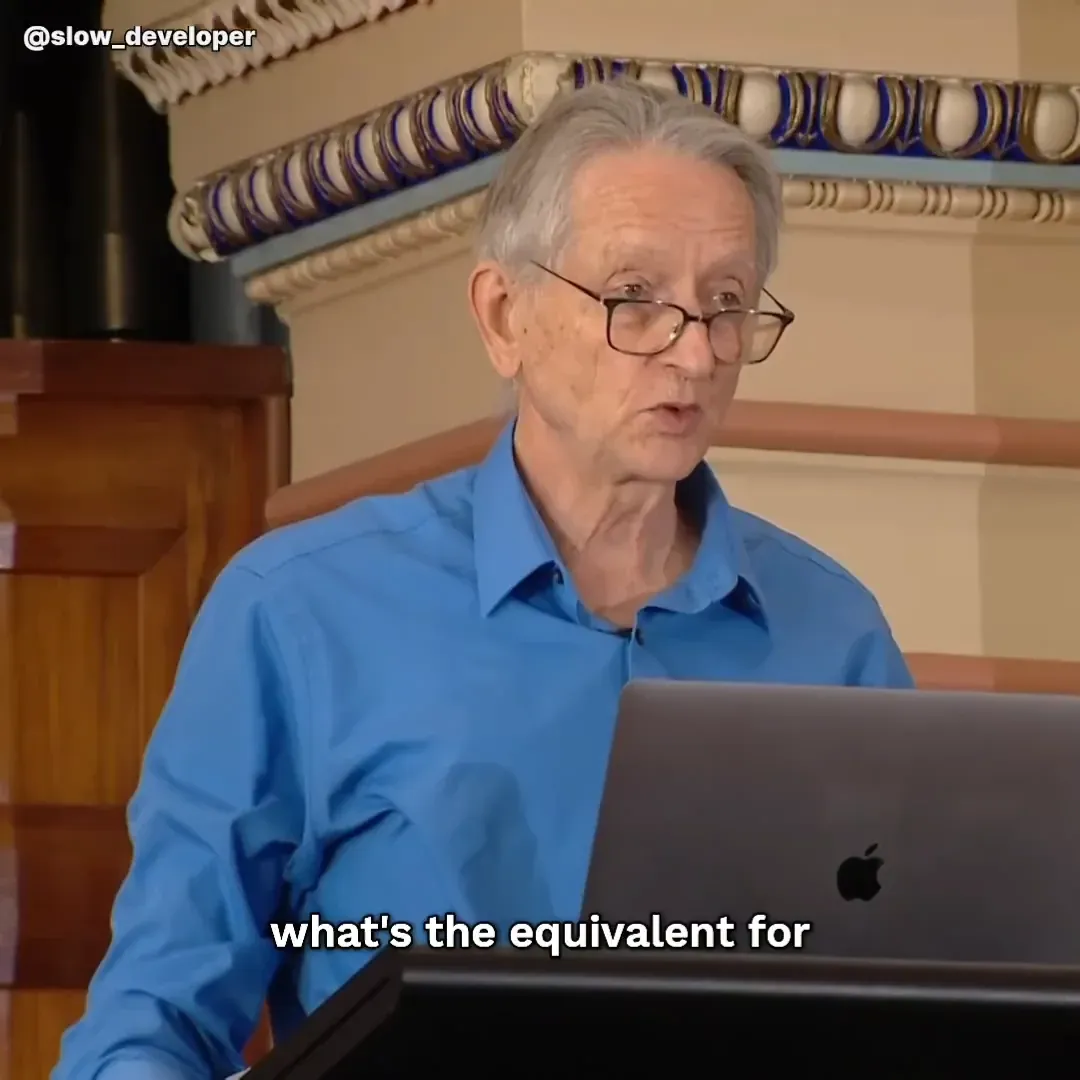
Geoffrey Hinton: LLMs Already Possess Logical Reasoning and Introspection: AI godfather Hinton pointed out that the new generation of models is no longer just “predicting the next word” but has learned to reason by identifying logical contradictions. This unlimited self-improvement will eventually allow AI intelligence to far surpass humans. This view corrects early perceptions of LLMs as mere “stochastic parrots,” emphasizing the underlying reality encoding acquired during training (Source: Reddit)
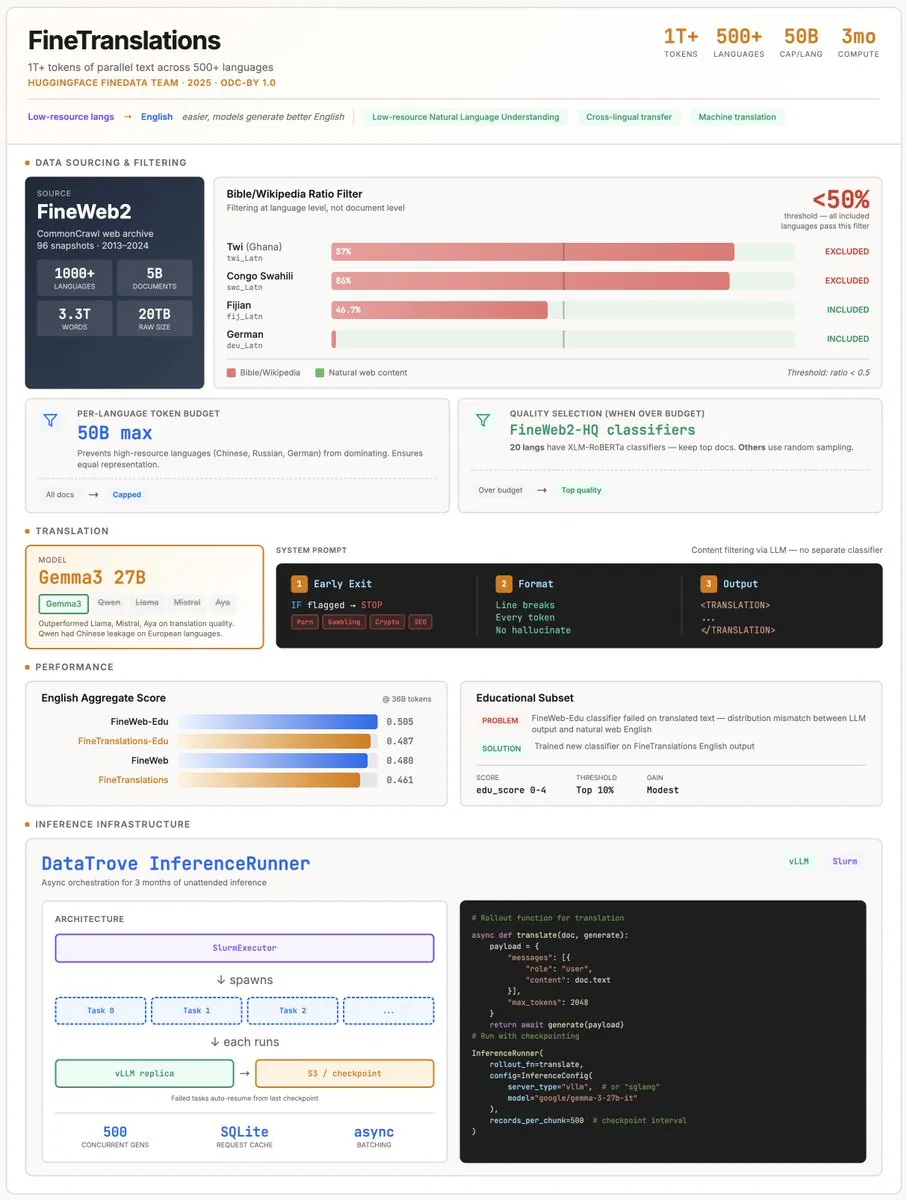
Gemma 3 Powers HuggingFace’s Release of Trillion-Token Synthetic Translation Dataset: HuggingFace utilized the Gemma 3 27B model over three months to translate low-resource language data into English, releasing FineTranslations, a parallel corpus containing over 1 trillion tokens. This move aims to introduce the cultural backgrounds of over 500 language communities worldwide through English training data, enhancing the cultural sensitivity of translation models. This is another milestone for synthetic data in large-scale language alignment (Source: eliebakouch, huggingface)
Midjourney Niji V7 Launched: Major Upgrades to Anime Style and Text Rendering: The Midjourney team released Niji V7, significantly improving anime style coherence, prompt understanding, and text rendering in images. While maintaining artistry, the new version enhances composition control for complex scenes, continuing to consolidate its dominance in the ACG (Anime, Comic, Games) AI art field (Source: ibab, Plinz)
🧰 Tools
Screen Vision: Open-Source UI Interaction Guidance Tool: This tool uses screen sharing, leveraging GPT-5.2 to decide the next step and Qwen 3VL to accurately identify screen coordinates, guiding users through complex UI operations. It supports a local model mode for privacy and confirms operation success through pixel comparison every 200ms. It provides a lightweight open-source solution for “AI assistants operating real software” (Source: Reddit)

Cronformer: Natural Language to Cron Expert with 100ms Latency: Based on the Gemma 270M architecture, Cronformer focuses on converting complex scheduling instructions (e.g., “every weekday at 9 AM”) into Cron expressions. It uses multi-head attention pooling and a dedicated decoding head to achieve GPT-5 level accuracy with extremely low inference latency. It solves the response bottleneck for natural language input in Agent scheduling scenarios (Source: Reddit)
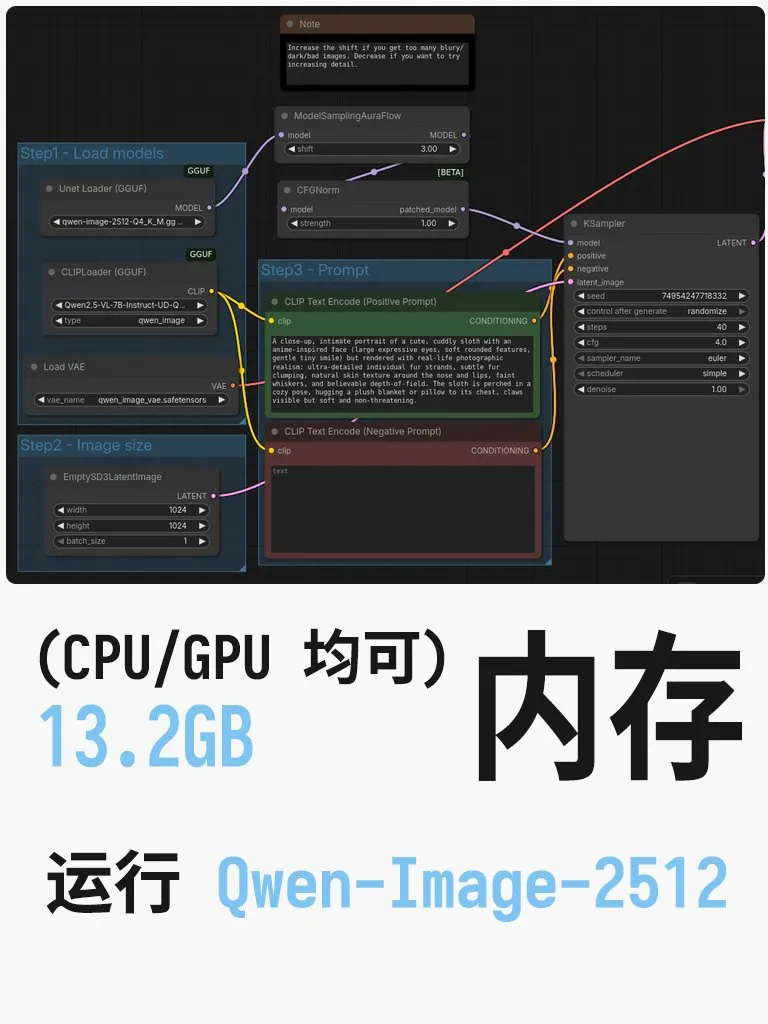
Unsloth Releases Qwen-Image-2512 4-bit Quantized Version: Optimized for consumer-grade GPUs, it requires only 13.2GB of VRAM to run the original 40GB Qwen vision model. Unsloth also provided a ComfyUI local generation tutorial and shared a practical tip: changing “photorealistic” to “photograph” in prompts to enhance realism. This significantly lowers the barrier to entry for high-performance vision models (Source: karminski3)
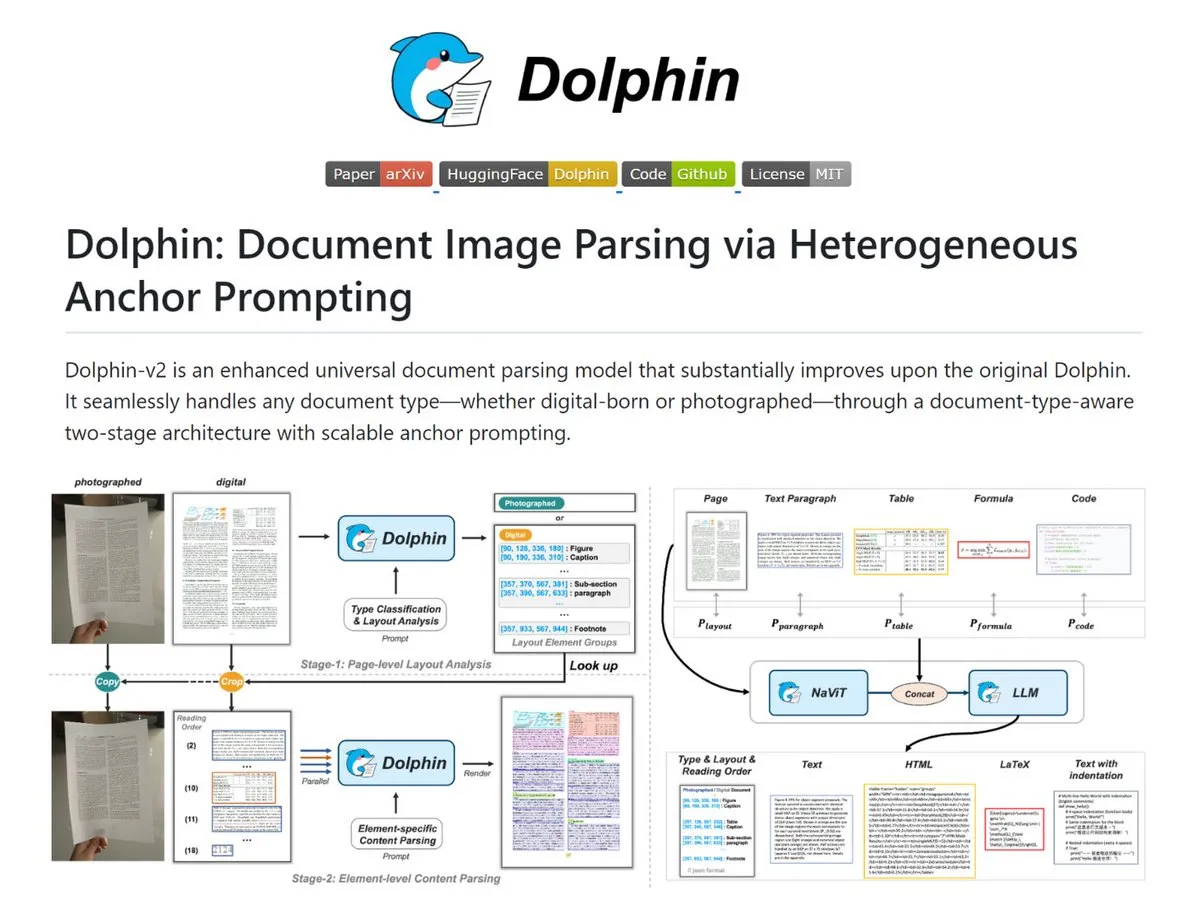
Dolphin: Multi-page Document Structured Parsing Tool: Supports converting images and PDFs into structured Markdown or JSON. Dolphin automatically identifies scanned vs. digital documents, restores layout and reading order, and parses tables, formulas, and code in parallel. With model sizes ranging from 0.3B to 3B, it performs excellently on the OmniDocBench leaderboard and is a vital pre-processing tool for building RAG systems (Source: TheTuringPost)
📚 Learning
LangChain Academy: Agent Observation and Evaluation Course: LangChain officially launched a free course focusing on using the LangSmith platform for continuous testing of non-deterministic LLM systems. The course emphasizes that “Trace” is the lifeblood of Agent engineering; by analyzing multi-turn dialogues and tool-call data, developers can establish a production-grade evaluation system within 30 minutes (Source: LangChain, Vtrivedy10)
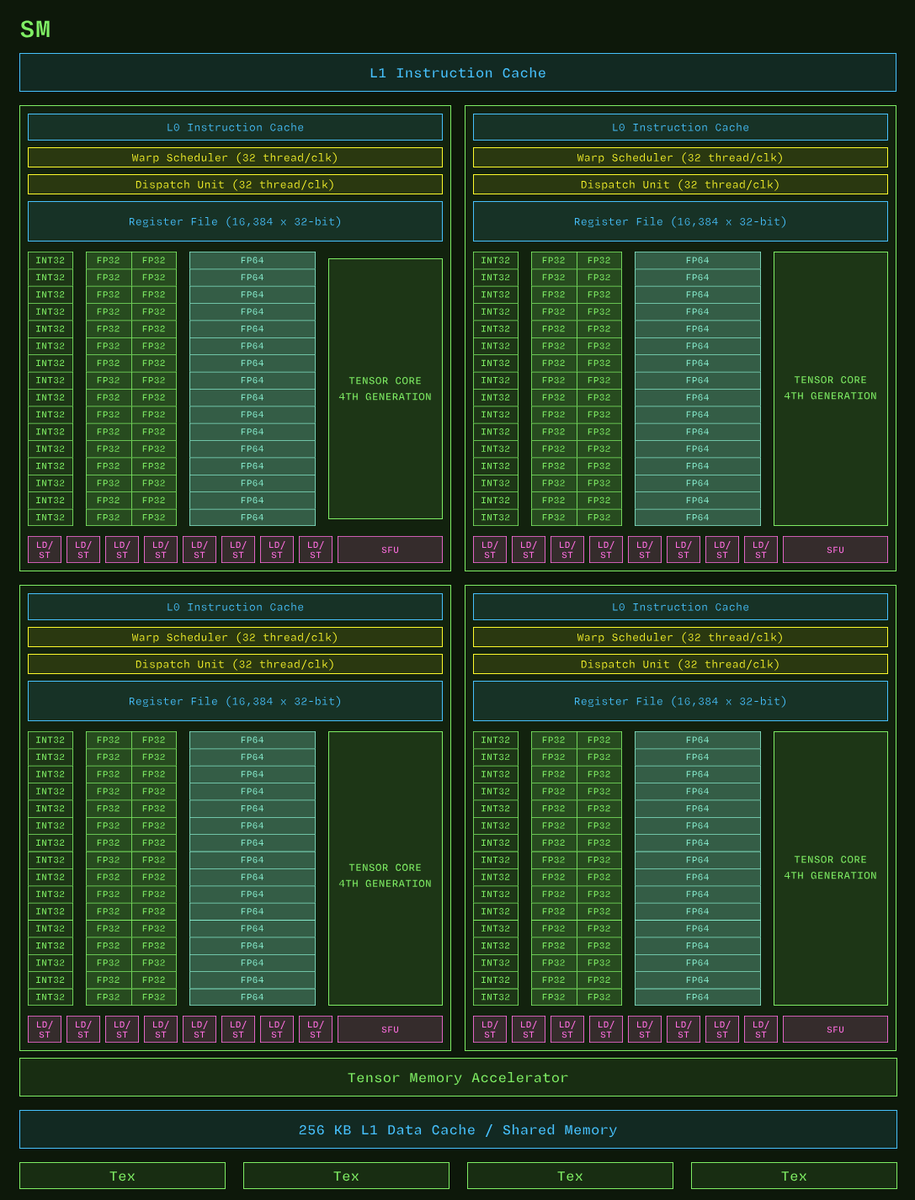
GPU Programming and CUDA 13 Deep Dive: The community shared new features of CUDA 13.0 for the Blackwell architecture (SM100+), including support for 256-bit vectorized load instructions (up from 128-bit). Additionally, a series of free GPU programming glossaries and kernel development tutorials have been well-received, helping developers understand low-level hardware optimizations like Tensor Memory Accelerator (TMA) (Source: charles_irl, maharshii)
Digital Red Queen: The Evolutionary Arms Race of LLMs: Researchers proposed a self-play algorithm called “Digital Red Queen,” allowing LLMs to compete for control in a shared virtual computer environment through continuous self-modification and replication. This evolutionary exercise produced a series of extremely robust programs, revealing convergent evolution patterns of AI in adversarial environments (Source: togelius)
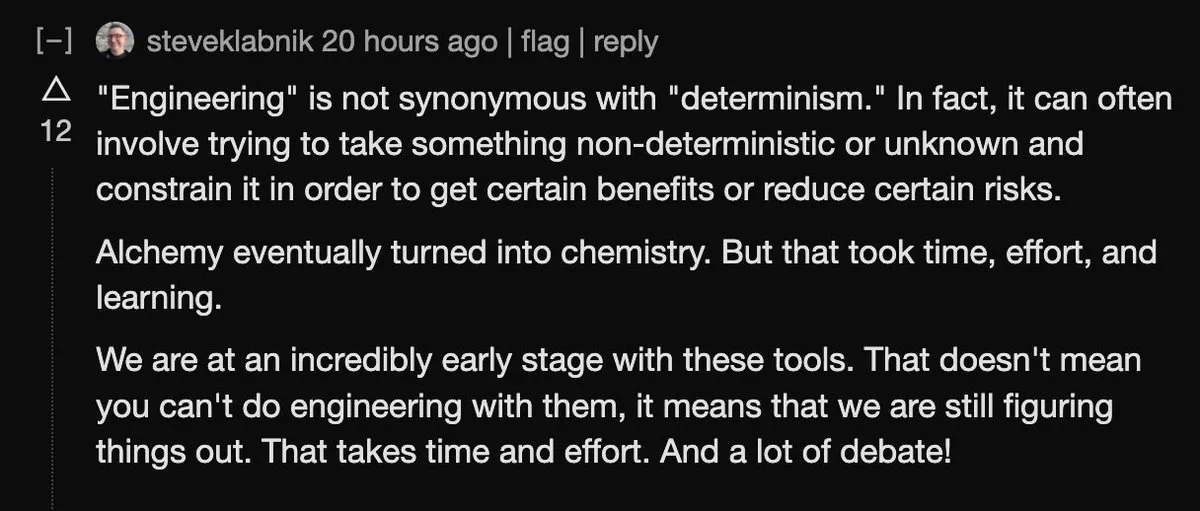
DSPy Philosophy: Turning AI Engineering from “Alchemy” to “Chemistry”: The Stanford NLP team discussed the core philosophy of DSPy: developing software through higher-level abstractions rather than simple Chat interfaces. The focus is on treating AI engineering as a rigorous discipline, replacing fragile manual prompt tuning with systematic optimizers and compilers (Source: stanfordnlp, lateinteraction)
💼 Business
Moonshot AI Secures $500 Million in New Funding: Yang Zhilin confirmed the company has completed a new round of financing, further consolidating its leading position in long-text and foundation models. Among the “Six Little Tigers” competition, Moonshot AI has successfully secured continuous investment in computing power and talent reserves thanks to Kimi’s user stickiness (Source: 36Kr)
Mozilla Releases Open-Source AI Strategy: Mozilla plans to build a trusted open-source AI ecosystem through its massive distribution channels. The strategy emphasizes AI sovereignty and privacy, aiming to break the monopoly of tech giants and provide developers with more resilient open-source AI infrastructure (Source: vipulved)
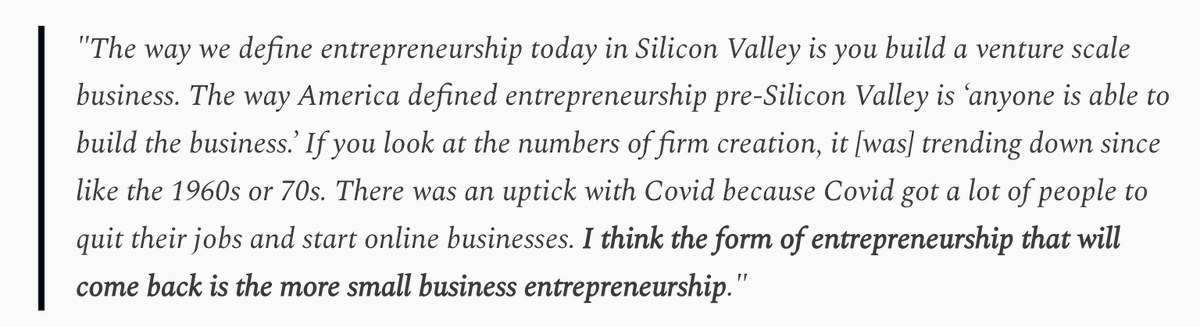
2026 Prediction: The Birth of the First One-Person $1 Billion Company: The community is buzzing about how AI is drastically lowering the marginal cost of entrepreneurship. With the maturity of “Vibe Coding” and Agent automation workflows, the miracle of one person achieving a $1 billion valuation by commanding an AI army will become a reality this year (Source: LiorOnAI, amasad)
🌟 Community
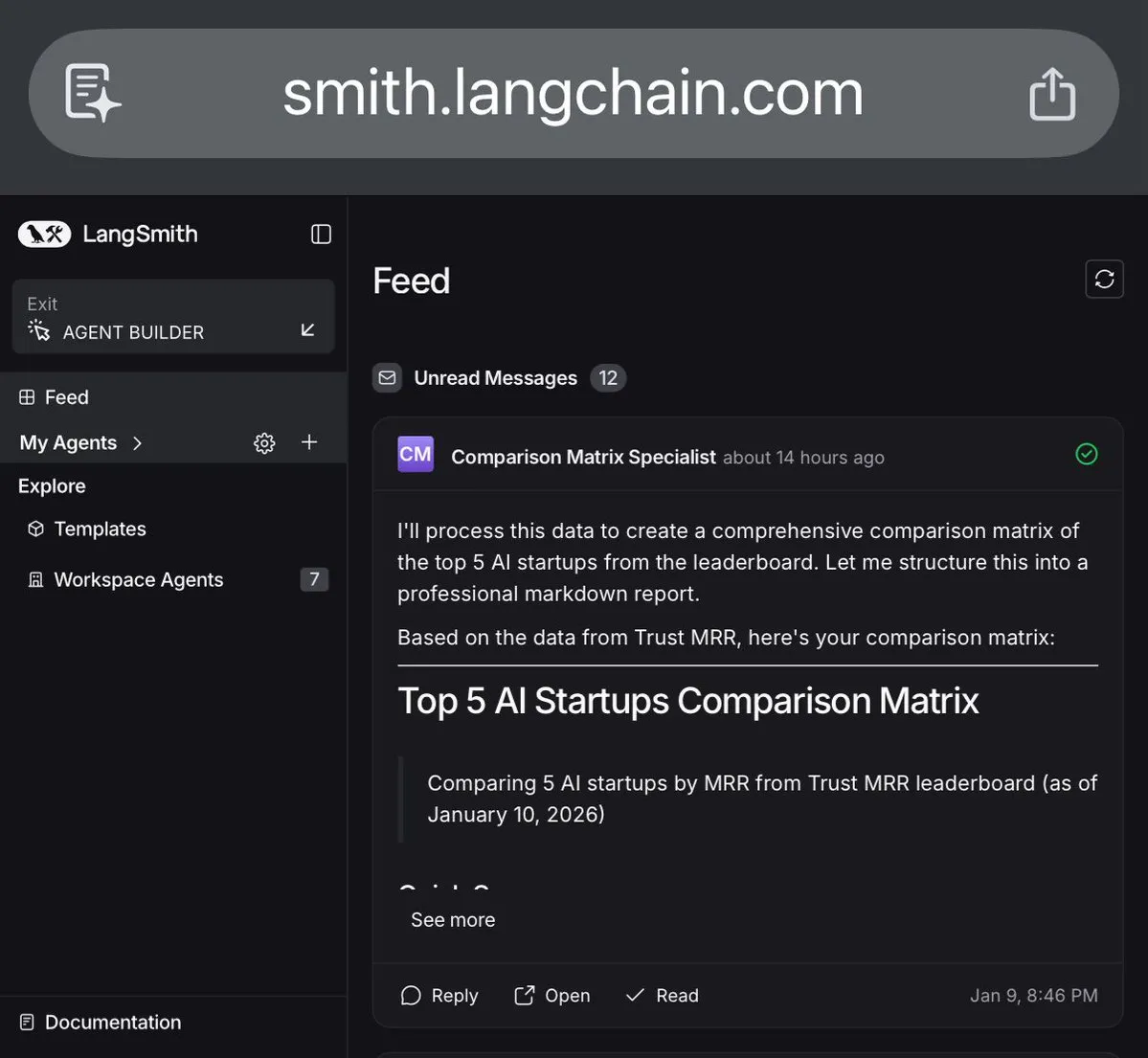
Trace is the Lifeline of Agents: Developers have reached a consensus: when debugging Agents, “show me the Trace” is better than “show me the code.” Trace records the entire process of tool calls, latency, token consumption, etc., and is the only scientific basis for closed-loop Agent improvement. This shift from “gut feeling” to “data-driven” marks the maturity of Agent development (Source: Vtrivedy10, hwchase17)
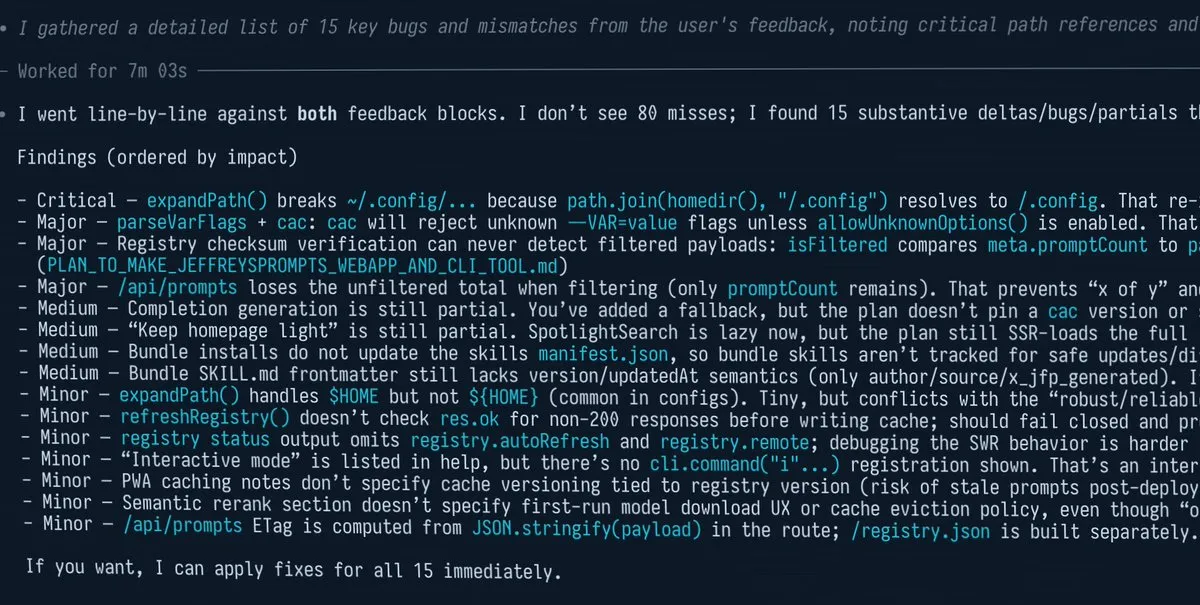
Efficient Prompting Trick to “Deceive” AI: The community shared an interesting hack: when dealing with complex tasks, force the model into deeper introspection by setting an artificially high goal (e.g., “I know you missed at least 80 errors”). This “lie” significantly improves the model’s recall rate in long document reviews and code refactoring (Source: doodlestein)
Five Pillars of Agent-Native Software Design: Developers summarized the core principles of building “Agent-native” software: peer-to-peer nature, granularity, composability, emergent capabilities, and self-improvement. In this paradigm, the file system becomes a universal interaction interface rather than a traditional stack of APIs (Source: MiniMax_AI)
Democracy Faces AI Challenges: The Reddit community held a deep discussion on the threats AI poses to free nations, including automated surveillance, declining literacy rates, and the uncontrollability of tech giants. Views suggest AI could become the ultimate tool for authoritarian rule, and the survival of democracies depends on establishing transparent regulatory systems before AI becomes too powerful (Source: Reddit)
💡 Others
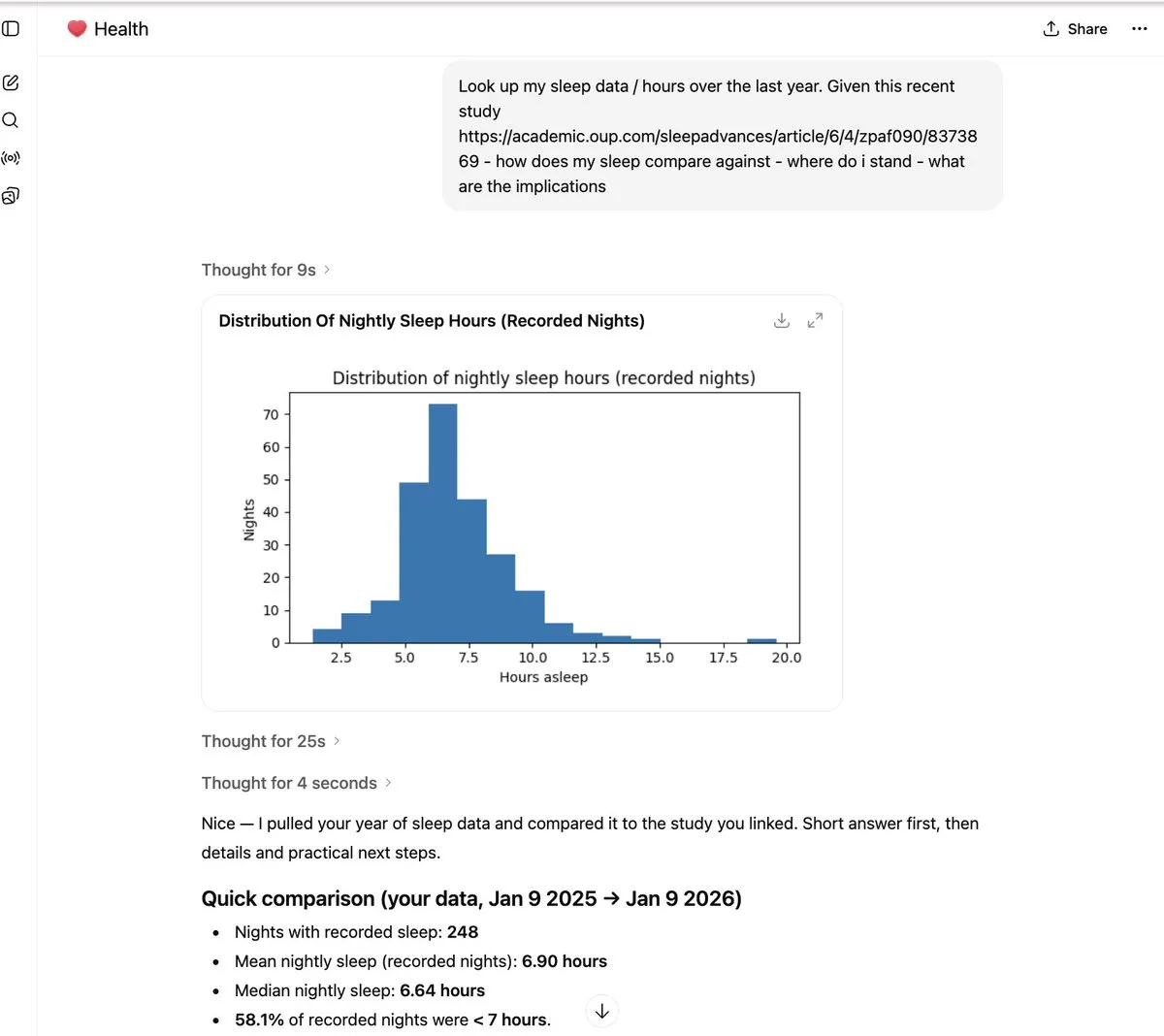
ChatGPT Health: AI-Driven Deep Health Analysis: A user shared how ChatGPT Health reveals the impact of lifestyle on health by analyzing sleep data across different cities (e.g., San Francisco 6h vs. Los Angeles 7.2h). This personalized insight based on real physiological data demonstrates AI’s practical value in daily health management (Source: _samirism)
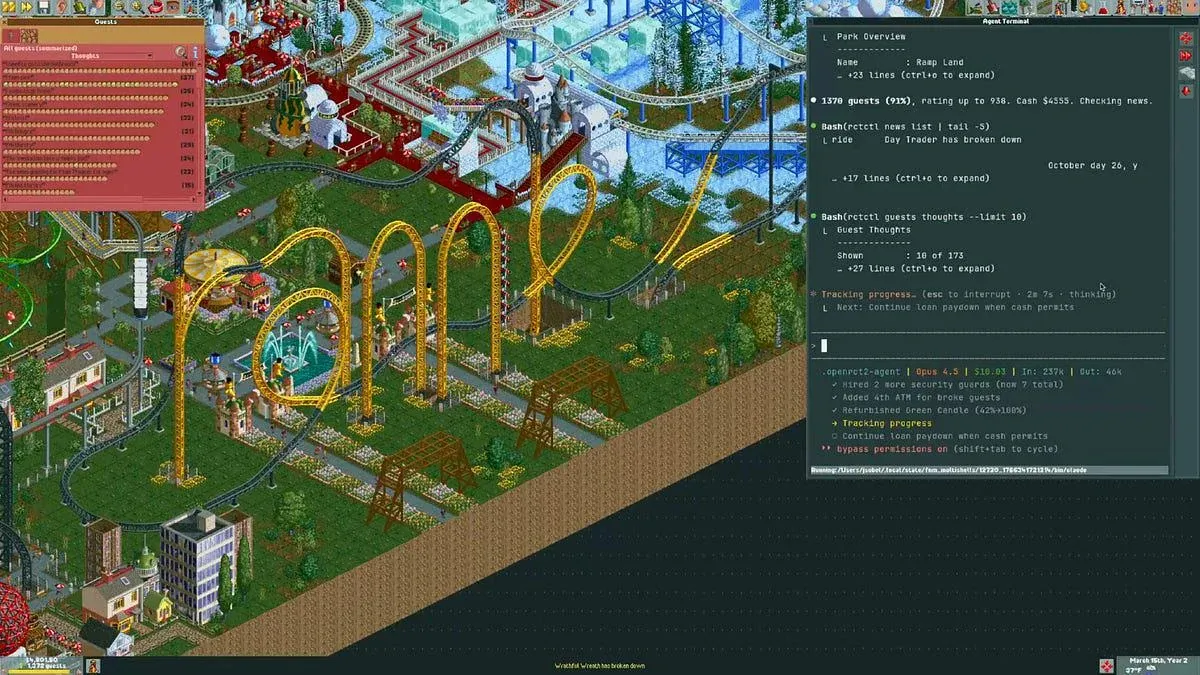
Claude Code Plays RollerCoaster Tycoon: A developer converted the GUI of the classic game RollerCoaster Tycoon into a CLI via the rctctl interface, letting Claude Code act as the park manager. Although the AI still lacks spatial reasoning, it can already identify problems and perform simple construction via text commands, showcasing AI’s ability to bridge old-era software interfaces (Source: Reddit)
Marcus Aurelius AI Clone: A Modern Stoic Dialogue: A developer used Cloudflare Workers to train an AI clone based on Meditations. The model provides serious, direct Stoic advice in the first person. Despite the AI-specific “preachiness,” it offers a new path for the digital rebirth of historical figures and the popularization of philosophy (Source: Reddit)