
🔥 Focus
Davos Summit Dialogue: AGI Countdown and the Impact of “Digital Labor”: At the Davos 2026 forum, Anthropic CEO Dario Amodei and Google DeepMind CEO Demis Hassabis engaged in a heated debate over the AGI timeline. Amodei was highly aggressive, predicting the emergence of Nobel Prize-level models within 1-2 years and revealing that his internal engineers have largely stopped writing code by hand, shifting instead to being “editors” for AI; he predicted that 50% of junior white-collar jobs will disappear within 5 years. Hassabis remained relatively steady, arguing that scientific creativity (asking the right questions) still requires 5-10 years for a breakthrough, though he admitted that physical intelligence and robotics are seeing an explosion. The consensus between both parties: the closed loop of AI self-evolution is forming, and the speed of societal adaptation has become the greatest risk. (Source: 36Kr, Dario Amodei)

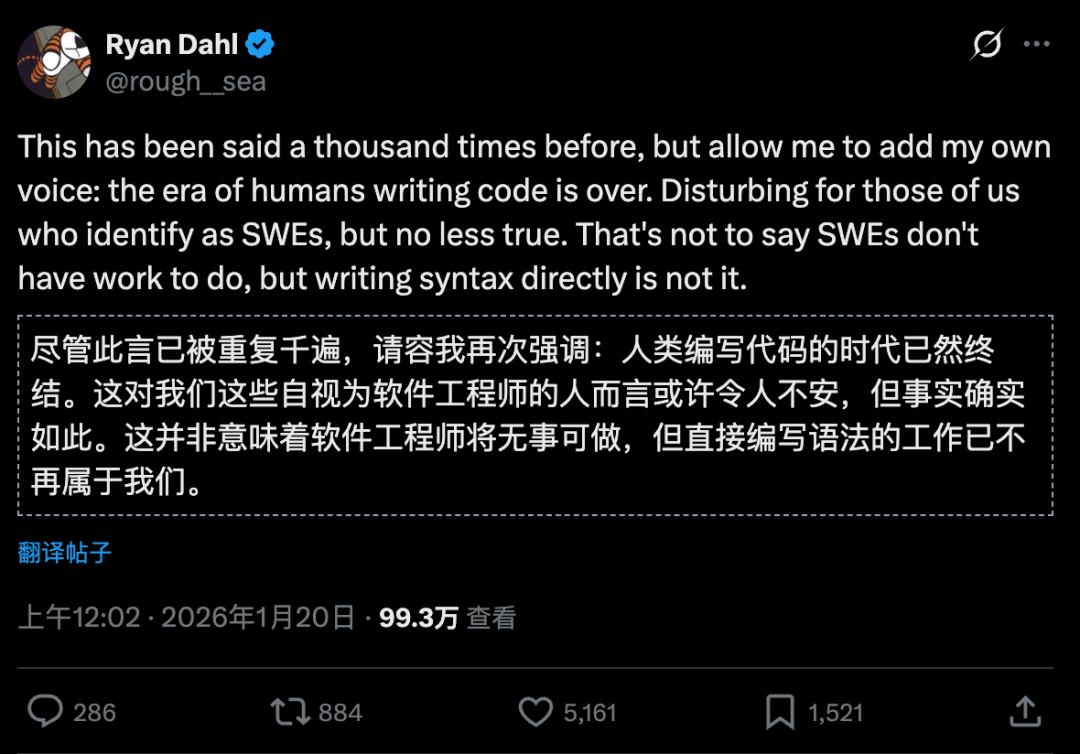
The End of Hand-Written Code: Node.js Creator and Silicon Valley’s “Vibe Coding” Consensus: Node.js creator Ryan Dahl officially declared that “the era of humans manually writing code has ended,” a view echoed by Google engineers and Stability AI founder Emad Mostaque. Mostaque predicted that as the cost of “Thinking Tokens” drops by 10x annually, the top-tier AI programming experience will fall from $200/month to $1 within two years. Currently, legends like Linus Torvalds have begun adopting “Vibe Coding,” where humans describe intent and AI handles the implementation details. This marks a total shift in the programmer’s role from “coder” to “system architect” and “intent auditor.” (Source: Ryan Dahl, Emad Mostaque)
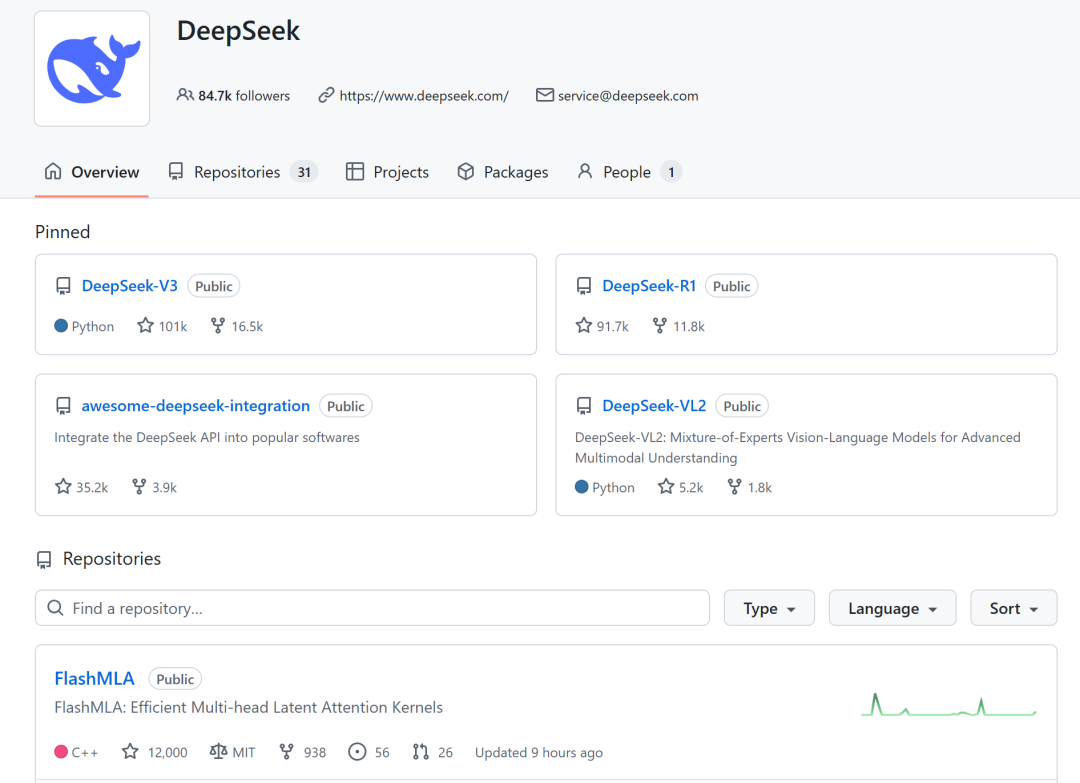
DeepSeek R1 Anniversary: “MODEL1” in Core Library Suspected as R2 Alert: On the first anniversary of the DeepSeek-R1 release, the identifier “MODEL1” appeared multiple times in the DeepSeek open-source project FlashMLA codebase, accompanied by new optimizations for sparse FP8 decoding. The community widely speculates this is the rumored DeepSeek-R2 or V4. Hugging Face published a retrospective stating that R1 proved the path of rapid iteration through open source under compute constraints by breaking technical, application, and psychological barriers. Currently, many global open-weight models (such as America’s Deep Cogito) are fine-tuned based on DeepSeek, showing that Chinese AI is deeply embedded in the global supply chain. (Source: HuggingFace, FlashMLA)
Global Compute Industry “Pacing” OpenAI: A $1.4 Trillion Financial Tightrope: OpenAI has been active recently, first reaching a $10 billion inference chip partnership with Cerebras, then announcing tests for ChatGPT advertising. Data shows that while OpenAI’s annualized revenue has surpassed $20 billion, inference costs are inverted—the more users, the faster the losses. Its cumulative $1.4 trillion infrastructure commitment has deeply bound Microsoft, Oracle, and the credit markets. TSMC’s record $56 billion capital expenditure for 2026 is seen as an “ultimate vote of confidence” in AI demand. The industry is entering a decisive 24-month period: either achieve a commercial soft landing or face systemic financial collapse. (Source: 36Kr, Sarah Friar)

🎯 Trends
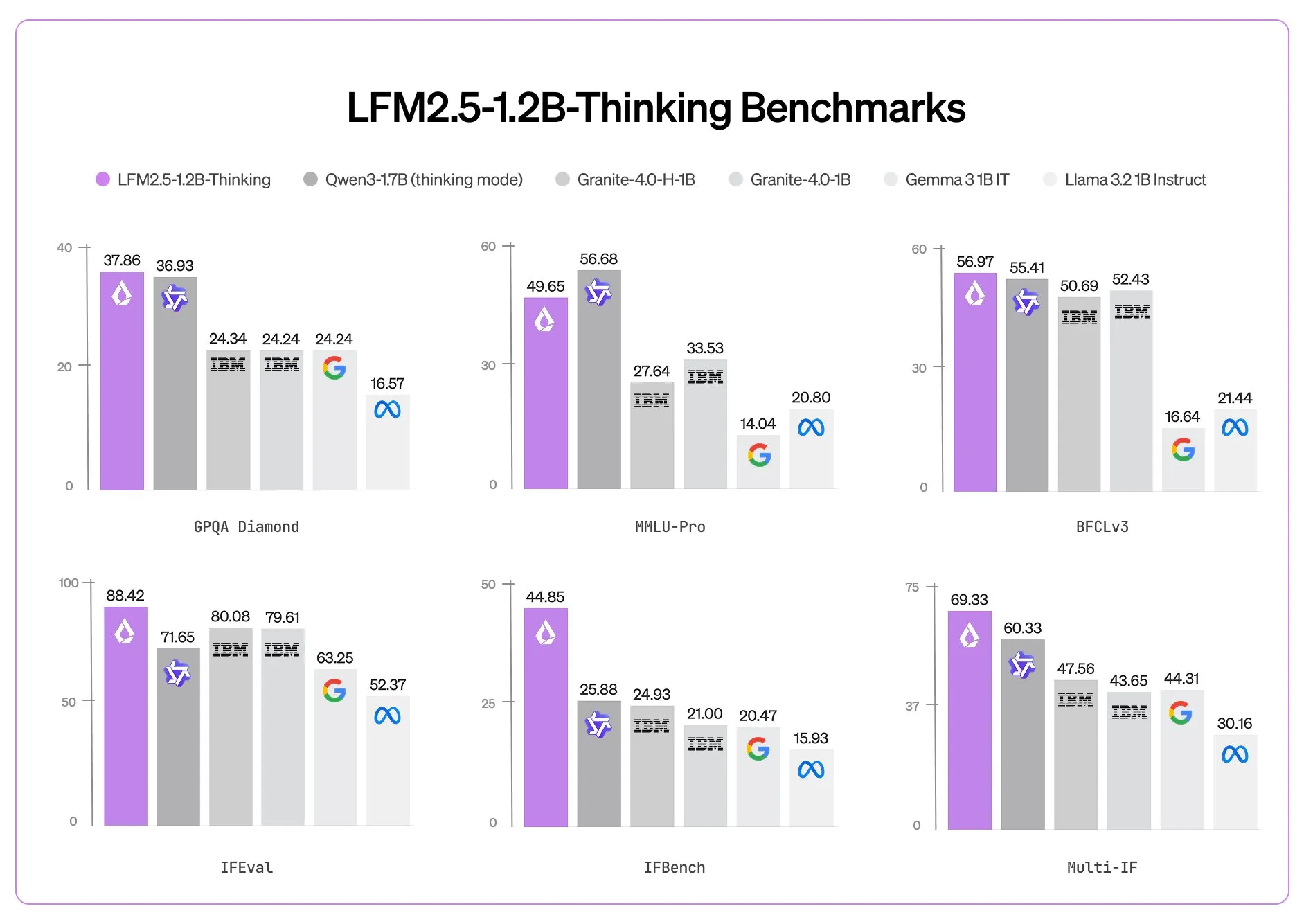
Liquid AI Releases LFM2.5-1.2B-Thinking: A Reasoning Model for Mobile Devices: Liquid AI launched a lightweight reasoning model requiring only 900MB of VRAM, capable of running offline on mobile phones. Specifically trained for concise reasoning, the model generates an internal Chain of Thought (CoT) before producing answers. It performs excellently in tool use, mathematics, and instruction following, even surpassing the larger Qwen3-1.7B in some benchmarks. This marks the official start of the “on-device reasoning” era, making private and low-latency complex problem-solving possible. (Source: Liquid AI)
OpenAI Launches ChatGPT Age Prediction: From “Self-Declaration” to “Behavioral Recognition”: To address FTC regulatory pressure, OpenAI introduced an age prediction model based on account behavioral signals (such as interaction patterns and active hours). It automatically identifies minors and enforces a five-layer safety shield against content involving violence or self-harm. Adult users who are misidentified must undergo face verification via the third-party service Persona. This move signifies that AI platform safety has entered a new stage of “user identification + dynamic protection.” (Source: OpenAI)
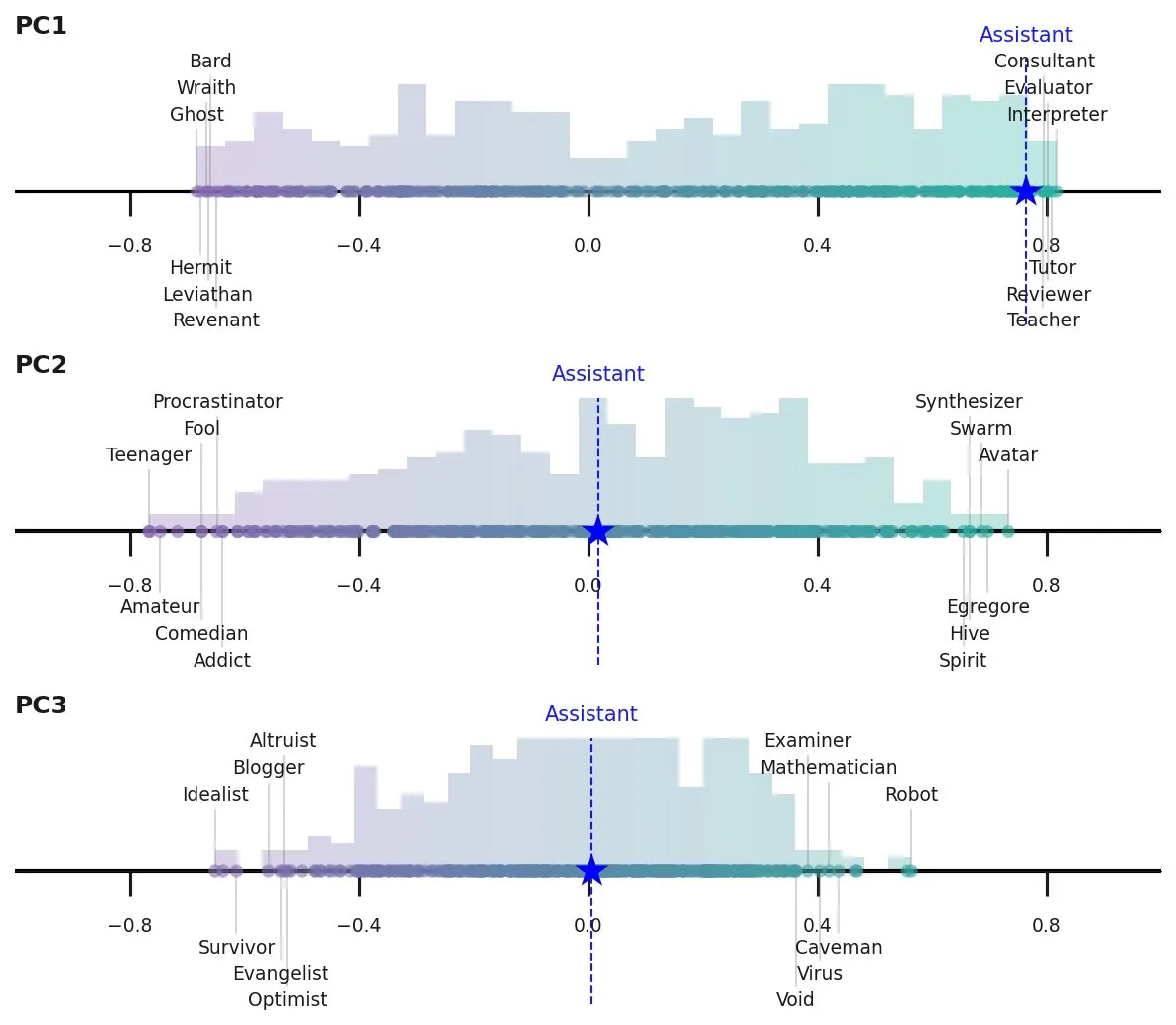
Anthropic Unveils “Assistant Axis”: Revealing the Vanishing Boundaries of AI Personality: Anthropic researchers proposed the “Assistant Axis” concept, finding that changes in model personality primarily depend on its distance from the default “Assistant” role. By adjusting this axis, the model can switch roles to a therapist, coach, or consultant. The research warns that deviating from the preset assistant persona may lead to unpredictable behavior, even triggering “angry” responses from the model when facing human audits. (Source: Anthropic)
Google Gemini Launches Guided Learning: A Personalized AI Tutor: Google Gemini released the “Guided Learning” feature, utilizing the LearnLM model to transform dry PDF textbooks into interactive learning experiences. It can restructure content based on the user’s grade level and interests (e.g., explaining physics laws using basketball moves) and provides immersive text, audio lessons, and mind maps. Experiments show this method can increase student memory retention by 11%. (Source: Google)
🧰 Tools
Claude Code and Cowork: Opening a New Paradigm of “Unattended” Programming: Anthropic’s terminal-native tool Claude Code and its derivative application Cowork are changing development workflows. It features recursive loop logic: automatically scanning files, executing instructions, running tests, and autonomously fixing bugs. Developers only need to describe their intent and “close their laptop to sleep,” while the AI completes 90% of engineering tasks overnight, leaving only 10% for human review upon waking. This “Ratatouille-style” collaboration has led to a more than 5x leap in development efficiency. (Source: 36Kr, Claude)
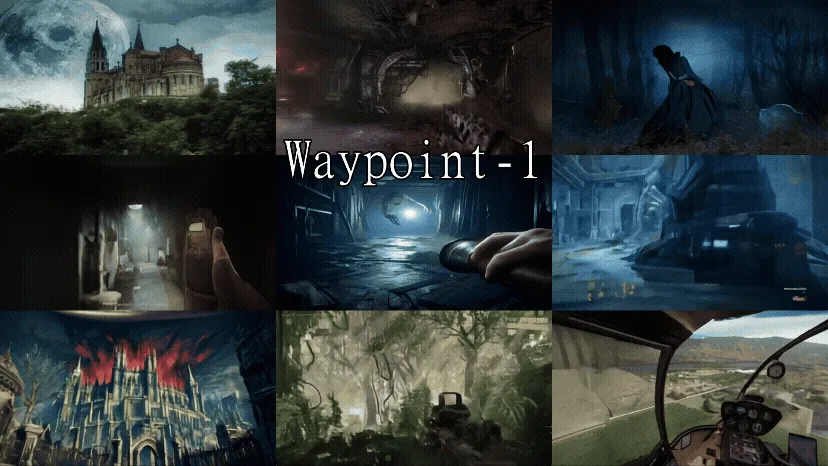
Overworld Releases Waypoint-1: The First Real-Time Interactive World Model: Waypoint-1 is a diffusion model trained on 10,000 hours of gameplay video, supporting 60fps real-time interaction. Users can directly control generated video scenes via text, mouse, and keyboard, achieving an experience of “entering an AI-generated world.” The tool is highly optimized for consumer-grade GPUs, solving the high latency issues of previous world models through KV caching and compilation acceleration. (Source: HuggingFace)
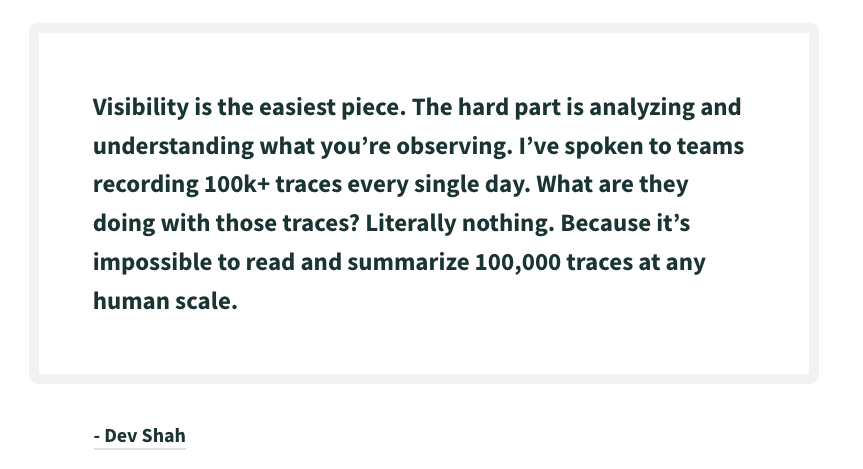
LangSmith Insights Agent: A Powerful Tool for Large-Scale Agent Behavior Analysis: To handle the tens of thousands of Agent traces generated daily, LangChain launched the Insights Agent. Instead of relying on manual spot checks, it uses automatic clustering and pattern discovery to identify Agent failure characteristics, causes of user frustration, and the effectiveness of planning logic. This tool solves monitoring challenges caused by Agent non-determinism, helping developers optimize agent performance from a macro perspective. (Source: LangChain)
FastMCP 3.0: Building Composable AI Infrastructure: Prefect released the FastMCP 3.0 candidate version, refactoring the infrastructure to support next-generation MCP applications. The new version supports file-based servers, cross-network skill transfers, and introduces component versioning and per-component authorization. This allows Agents to call external tools more flexibly, transforming from simple scripting tools to complex AI infrastructure. (Source: AAAzzam)

📚 Learning
RLM Framework: A Recursive Solution to Break LLM Context Limits: MIT researchers proposed the Recursive Language Model (RLM) framework, which treats prompts as code variables. Using an OS-like mechanism, it intelligently selects relevant snippets to load into the context window. This method allows LLMs to process over 10 million tokens without retraining, solving the “context decay” problem in long-text processing and enabling Agents to maintain precise conditional constraints in ultra-long documents. (Source: lateinteraction)
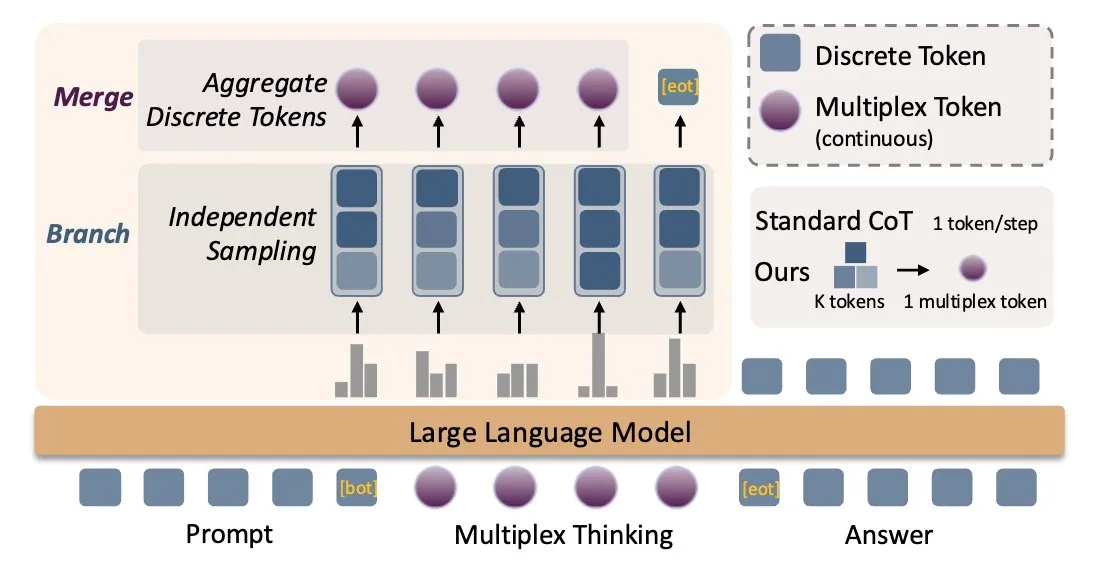
Multiplex Thinking: A Branch-and-Merge Reasoning Method by Microsoft and UPenn: This new method, called “Multiplex Thinking,” samples K tokens at each reasoning step and compresses them into a single multiplex token. Confident steps manifest as a Chain of Thought (CoT), while uncertain steps represent multiple paths. This architecture outperforms discrete CoT modes on complex reasoning tasks while maintaining shorter sequence lengths. (Source: _akhaliq)
Post-Training Practical Guide: How to Make Experiments More Robust: Zhihu tech expert ybq shared four core principles for improving post-training experiment quality: establish a fully on-policy baseline; stick to math-driven logic rather than intuitive black boxes; be wary of empirical transfer failure caused by model size; and pursue simple, elegant conclusions. He noted that Gemini-3 and GPT-5 are already powerful enough to assist humans in mathematical derivation and self-correction. (Source: ZhihuFrontier)

💼 Business
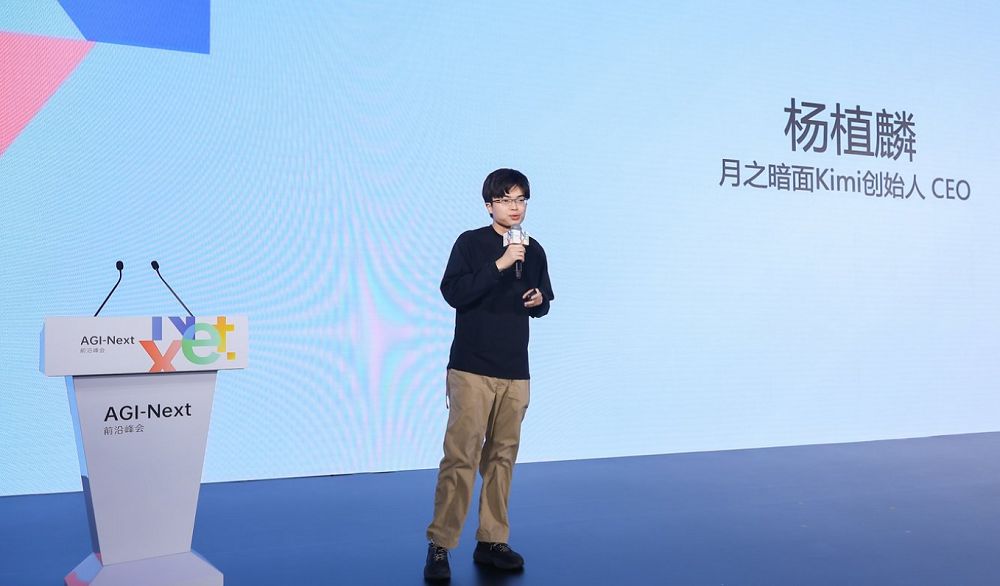
Moonshot AI Valuation Soars by 3.4 Billion in 20 Days: Beijing-based large model unicorn Moonshot AI recently opened a new funding round, with its valuation reaching $4.8 billion (approx. 33.4 billion RMB), a significant increase from the $4.3 billion valuation during its Series C round 20 days ago. Founder Yang Zhilin revealed that the company currently has cash reserves exceeding 10 billion RMB and will aggressively expand its GPU fleet to accelerate the development of the Kimi K3 model. Kimi’s token usage on the OpenRouter platform currently ranks ninth globally among open-source models. (Source: 36Kr)
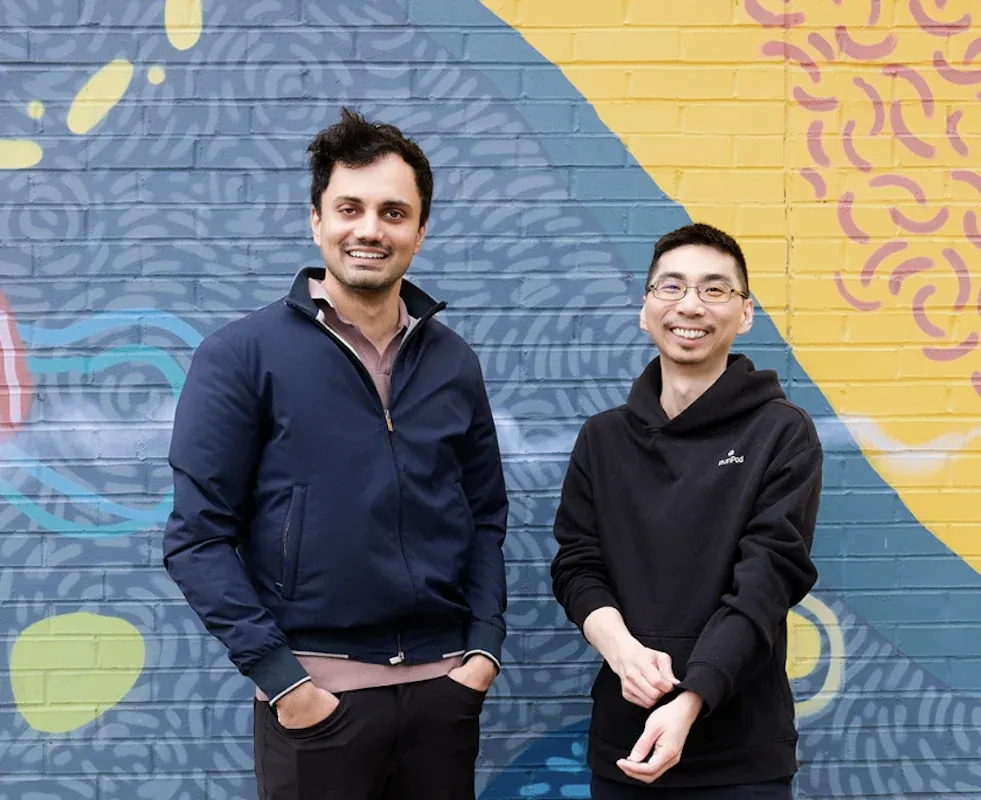
Runpod Annual Revenue Exceeds $120 Million: From Reddit Post to Compute Giant: Compute rental platform Runpod announced its ARR (Annual Recurring Revenue) has surpassed $120 million, with 500,000 developer users. The company started four years ago by offering free compute via Reddit posts; today, it has become a major distribution channel for data center-grade GPUs like the NVIDIA H100, with its price advantage directly challenging AWS and Coreweave. (Source: Runpod)
Applied Compute Seeks $130 Million Funding: Valuation Doubles: Applied Compute, a reinforcement learning startup founded by three former OpenAI researchers, is in talks for a new funding round led by Kleiner Perkins, with an expected valuation of $1.3 billion. This valuation has doubled in less than three months, reflecting the capital market’s extreme pursuit of teams with top-tier lab backgrounds focusing on RL technology paths. (Source: The Information)
🌟 Community
The Rise of GEO Marketing: How Brands “Trick” AI Search: With the popularity of DeepSeek and Perplexity, Generative Engine Optimization (GEO) has become a new marketing favorite. Its core involves building structured content that aligns with AI preferences (such as optimizing website code and placing content in authoritative sources) to ensure brands are prioritized in AI answers. However, the community is also wary of “AI poisoning” risks, where the accumulation of low-quality content could lead to a decline in AI recommendation quality. (Source: 36Kr)
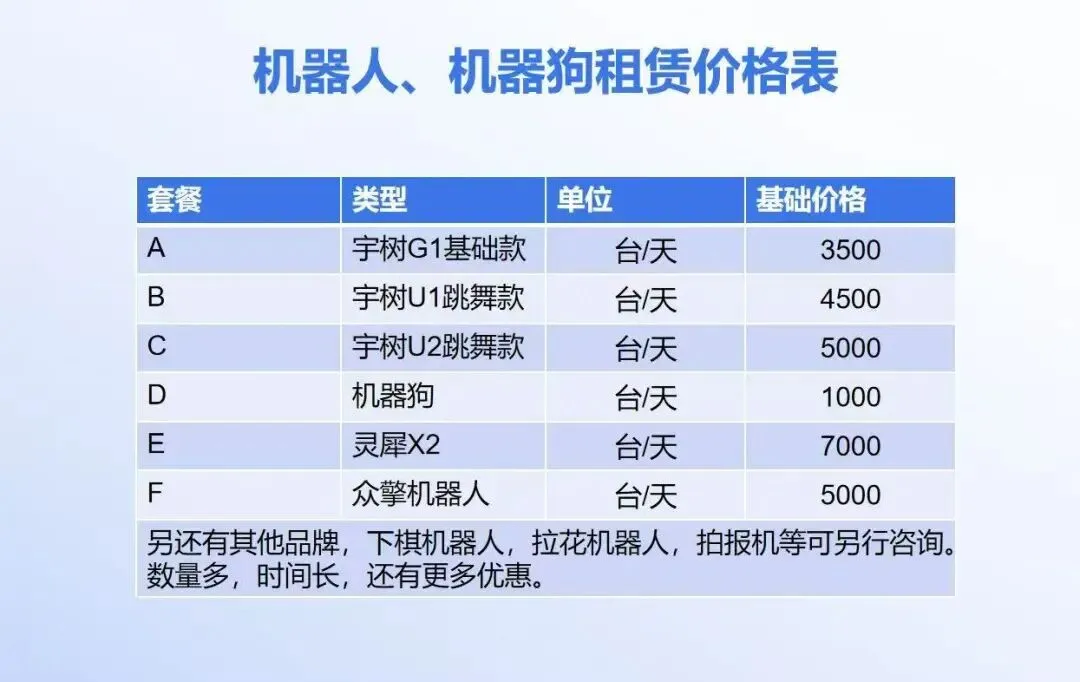
Robot Rental Market “Price War”: From Sky-High Prices to 1 Yuan Flash Rentals: Agibot’s “Qingtian Rental” platform has slashed the daily rental price of humanoid robots from 15,000 RMB to the 2,000 RMB range, even launching “1 Yuan Flash Rental” events. Community discussions suggest this marks a return for robots from “display tools” to “productivity tools.” The rental market is expected to exceed 10 billion RMB by 2026, though it also puts significant loss pressure on small merchants who stockpiled at early high prices. (Source: 36Kr)
Trust Crisis for AI Health Assistants: Lifesaver or Hallucination Bomb?: Although OpenAI and Ant Group have launched AI health assistants, the community remains skeptical of “AI diagnosis.” While one user successfully predicted thyroid disease by analyzing 9.5 years of health data via Claude, other studies show AI is prone to prescribing unnecessary medication or triggering psychological anxiety. Experts suggest positioning AI as a “research assistant” rather than a “decision-maker,” emphasizing that final verification must be done by humans. (Source: Tencent Research Institute, Reddit)
💡 Others
NUAA Stray Cats Get “Digital Student IDs”: The Cat Association of Nanjing University of Aeronautics and Astronautics (NUAA) used Tongyi Qianwen’s task assistant to build a “Stray Cat Illustrated Handbook” webpage in just 5 minutes. The system digitizes information for over 60 cats, allowing teachers and students to scan QR codes to record feeding and vaccination status, greatly improving the efficiency of public welfare rescue. This demonstrates AI’s social value in lowering development barriers and empowering ordinary people to realize small wishes. (Source: 36Kr)

xAI Core Architect Greg Yang Resigns to Become Advisor: Greg Yang, co-founder of Elon Musk’s xAI and core architect of Grok, announced his resignation from his founding role due to a long-term battle with Lyme disease. Greg Yang is the founder of the Tensor Programs theory, and his proposed mμP technology saved xAI massive compute costs. His departure is seen as a significant loss for xAI on its path toward AGI. (Source: Greg Yang)