



🔥 Focus
ByteDance Releases Seedance 2.0: AI Video Enters the “Narrative Logic” Era: ByteDance has officially released the Seedance 2.0 video model, marking a paradigm shift in AI video from OpenAI Sora-style “physical simulation” to “narrative logic.” Instead of obsessing over perfect physical feedback, the model utilizes self-storyboarding and self-cinematography technologies to endow AI with a “director’s mindset,” supporting synchronized audio-visual generation and extremely high character consistency. Influencers like Tim (Film Hurricane) have noted a qualitative leap in camera movement and narrative coherence during testing. ByteDance plans to invest 160 billion RMB in AI infrastructure by 2026, aiming to leverage Douyin’s “internet-savvy” data to achieve parity with or even surpass OpenAI in the video track (Source: 36Kr)

OpenClaw Ignites Personal Agent Revolution: The open-source project OpenClaw (formerly Clawdbot), initiated by independent developer Peter Steinberger, has amassed 170,000 stars on GitHub. By obtaining system permissions, it allows AI to directly operate a user’s computer, process files, and maintain long-term memory based on Markdown. A “Mac mini isolated deployment” craze has swept the community, with many viewing it as an early stage toward AGI. Despite its impressive proactivity (heartbeat mechanism) and execution, the accompanying risks of privacy leaks, accidental file deletion, and malicious plugins have sparked intense debate in the security community over the control of “high-privilege agents” (Source: Xinzhiyuan)

GPT-5.3-Codex vs. Claude Opus 4.6: The Ultimate Showdown of Programming Models: OpenAI and Anthropic are going head-to-head in the programming domain. GPT-5.3-Codex has shown strong performance on reasoning leaderboards like WeirdML, with a 50% increase in user growth; it is regarded as an “efficient contractor” pursuing execution speed and certainty. Meanwhile, Claude Opus 4.6 is seen as a “senior partner,” offering better coherence in complex UI design and long-logic analysis, though its high Token consumption (averaging 32k) and expensive “Fast Mode” have drawn user complaints regarding costs. Currently, their respective shares in GitHub commits are rapidly reshaping the software development ecosystem (Source: Reddit)
Zhipu GLM-5 Architecture Details Leaked: DeepSeek-style Sparse Attention: Architectural details of Zhipu AI’s next-generation flagship model, GLM-5, were leaked via a vLLM PR application. GLM-5 features 745B total parameters and adopts MLA (Multi-head Latent Attention) and DSA (Sparse Attention) mechanisms similar to DeepSeek-V3, supporting a 200k context window. The community widely believes that “Pony Alpha,” the anonymous model performing impressively on OpenRouter, is the beta version of GLM-5. The model’s outstanding performance in creative writing and logical reasoning has driven a continuous surge in Zhipu-related concepts in the capital markets (Source: QbitAI)

🎯 Trends
OpenAI Officially Tests Ads in ChatGPT: OpenAI announced it is testing advertisements for Free and Go version users in the U.S. to support massive computing expenses. Ads appear as “Sponsored Content” links; OpenAI promises that ads will not interfere with the independence of model answers and that conversation content will not be shared with advertisers. This move was publicly mocked by Anthropic in a Super Bowl ad, with the latter insisting that “AI conversations should not have ads.” This marks a formal divergence in the commercialization paths of LLMs into the “Ad-Traffic School” and the “Pure Subscription School” (Source: 36Kr)
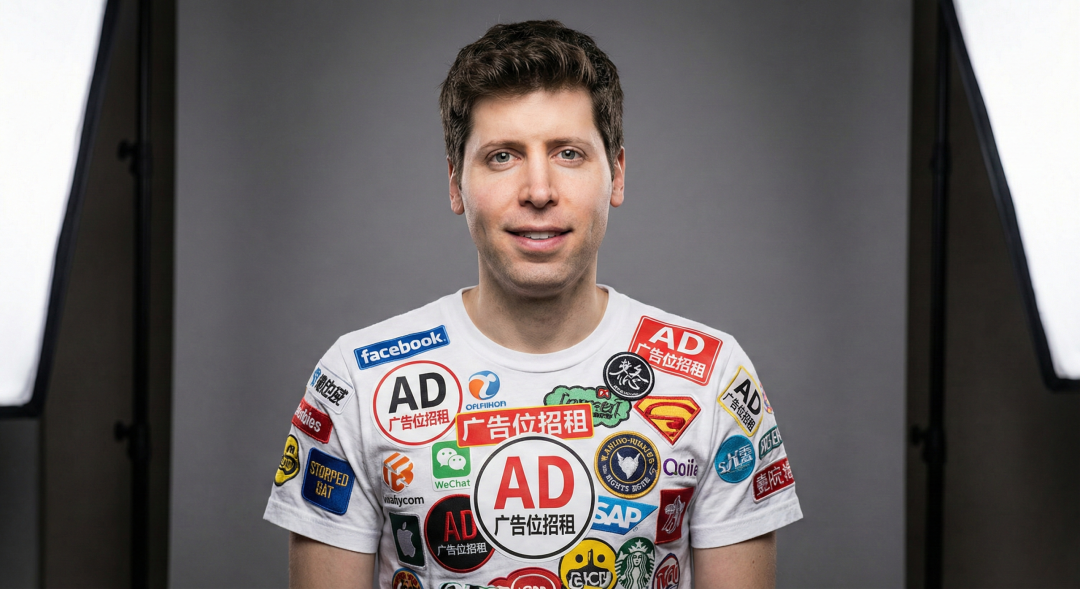
Alibaba Qwen Integrates into Retail Ecosystem, Launching AI Shopping Stress Test: The Alibaba Qwen App, through its “3 Billion RMB Lunar New Year Giveaway” event, has deeply integrated its AI assistant into scenarios like Taobao, Ele.me, and Amap, with order volume exceeding 10 million within 9 hours of launch. This is not just a marketing campaign but a stress test for the “AI-driven next-generation consumer OS.” Market observers believe Alibaba is using its full-stack AI capabilities (Chips + Cloud + Model) to build a closed-loop ecosystem similar to Google’s, attempting to redefine the e-commerce entry point by directly intervening in transactions via AI (Source: 36Kr)
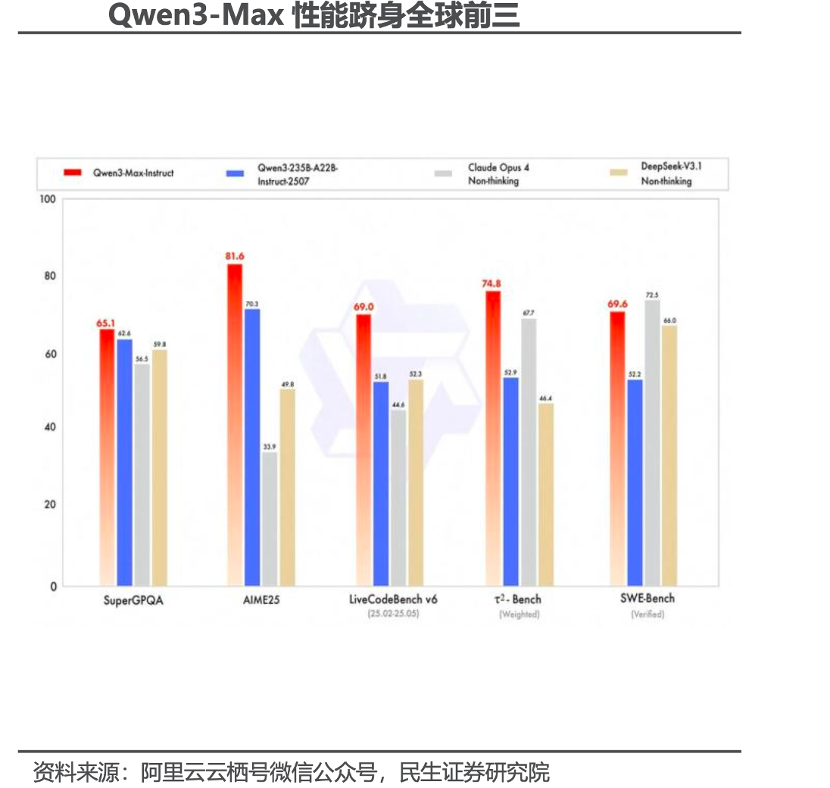
Kimi K2.5 Overseas Revenue Surpasses Domestic, Focusing on “Engineering Stability”: Moonshot AI disclosed that Kimi’s overseas revenue has surpassed its domestic revenue, with paying users growing fourfold. Kimi K2.5 has become the preferred domestic model for overseas developers due to its extremely high memory stability in long contexts and friendly support for Agent frameworks like OpenClaw. Yang Zhilin stated that the company has over 10 billion RMB in cash and is in no rush to go public, shifting focus toward an “Anthropic + Manus” style productivity agent layout (Source: 36Kr)

ByteDance Releases Seedream 5.0: Supports Retrieval-based Generation and 4K Enhancement: Following its video model, ByteDance’s image model Seedream 5.0 is now online. The new version supports integrated online knowledge for image generation for the first time, significantly improving understanding of complex prompts and text rendering capabilities. Although it still slightly trails Google Nano Banana Pro in artistic flair, its utility in infographic generation, multi-sub-image consistency, and Chinese semantic understanding has been greatly enhanced, evolving from an “artistic toy” to a “productivity tool” (Source: 36Kr)

xAI Co-founder Yuhuai Wu Departs, Core Team Faces Continued Turmoil: Yuhuai Wu, one of the five Chinese founding members of Elon Musk’s xAI, announced his departure. Wu, a former student of Geoffrey Hinton, led the breakthroughs in Grok 3’s mathematical reasoning. This is the second Chinese co-founder to leave xAI within a month, following Yang Ge (who left due to illness). Speculation suggests the departure may be related to structural reorganization following SpaceX’s acquisition of xAI, adding concerns about talent loss to Musk’s grand vision of building a “World Simulator” (Source: Zhidongxi)

🧰 Tools
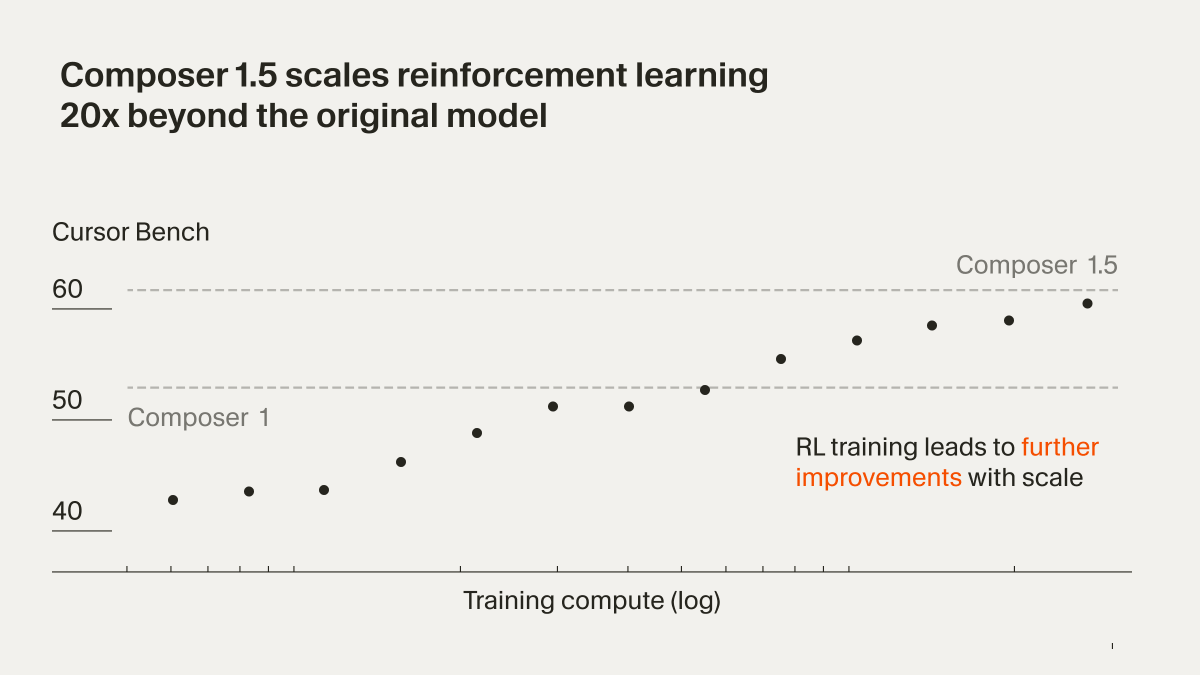
Cursor Releases Composer 1.5: Reinforcement Learning-Driven End-to-End Coding: The Composer 1.5 model launched by Cursor achieves a new balance between intelligence and speed through reinforcement learning at 20x the previous scale. It introduces “self-summarization” capabilities, allowing it to automatically distill key logic when context is exhausted, supporting longer-cycle engineering development. Developers report it is more forward-looking than GPT-5.2 when handling complex bug fixes, making it a daily staple for many Silicon Valley engineers (Source: ZhaiAndrew)
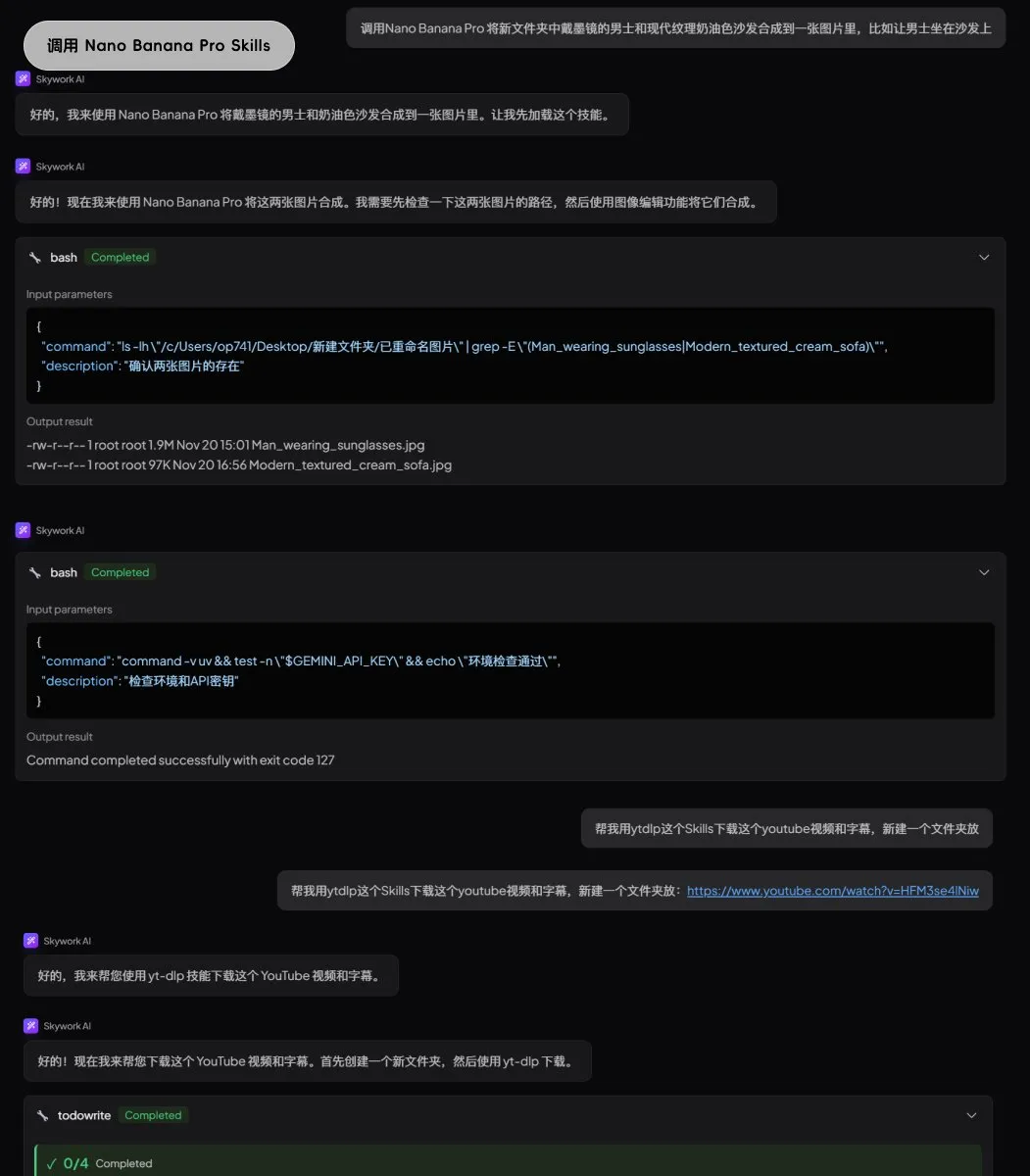
Skywork Desktop: The First System-Level AI Assistant for Windows: Kunlun Tech’s Skywork Desktop fills the gap left by the absence of a Windows version for Anthropic Cowork. It is deeply integrated into the OS, capable of automatically analyzing local files and renaming design drafts, and comes pre-installed with over 100 selected Skills (e.g., video downloading, document conversion). The tool supports switching between mainstream models like Gemini and Claude, providing a true “digital employee” experience for Windows office workers (Source: op7418)
LobsterX: A Document Processing Agent Based on LlamaIndex: LlamaIndex’s LobsterX is an OpenClaw variant optimized for document workflows. It utilizes LlamaCloud for high-precision document parsing, capable of extracting 100% accurate context from PDFs containing scans and complex charts. To ensure security, it runs on the AgentFS virtual file system, preventing the AI from executing dangerous Shell commands, making it an ideal solution for handling sensitive enterprise-level documents (Source: jerryjliu0)
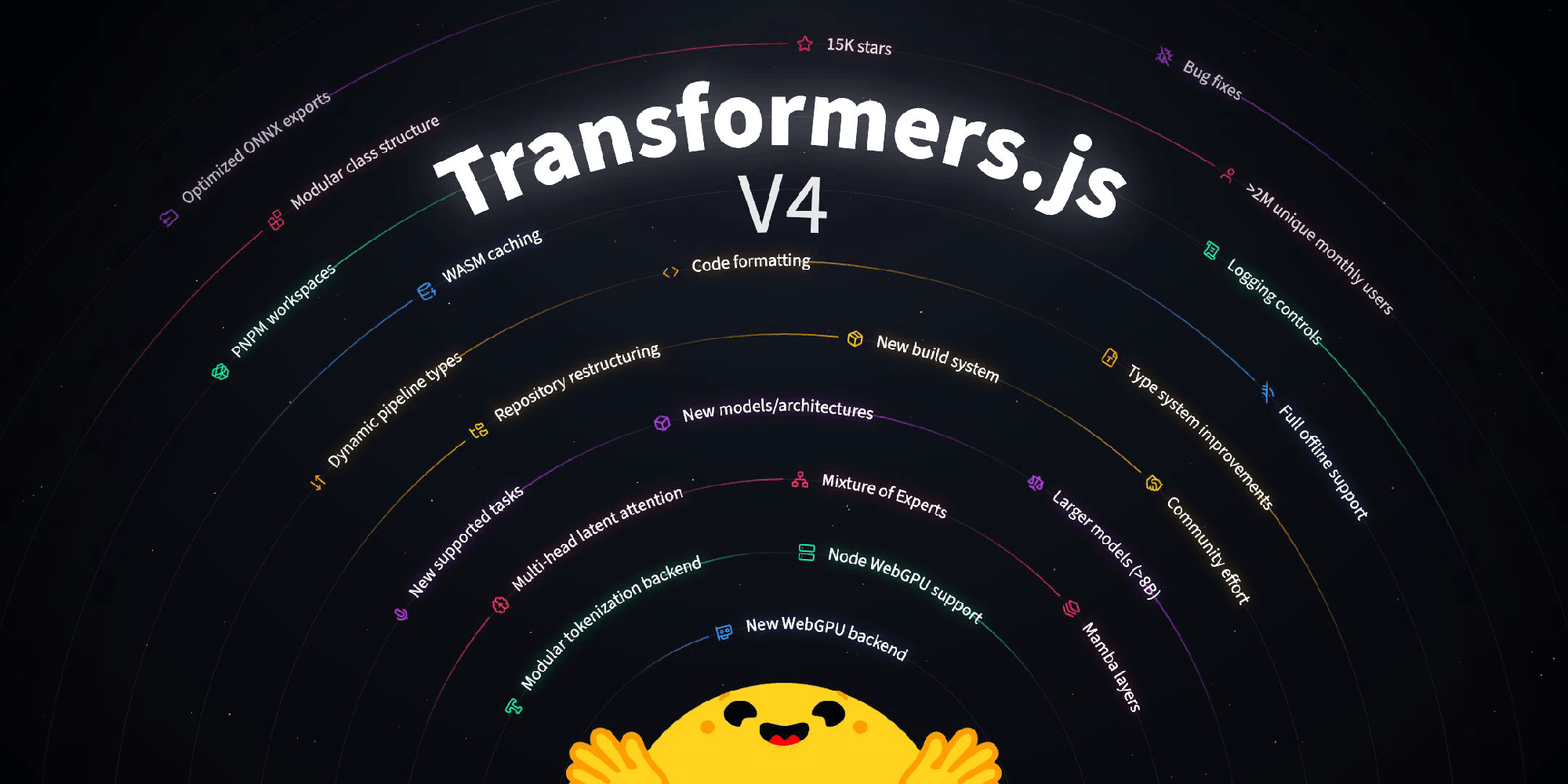
Transformers.js v4 Released: WebGPU Acceleration for 100% Local AI: Hugging Face released the Transformers.js v4 preview, featuring a new WebGPU runtime written in C++. It supports running large models like GPT-OSS 20B directly in browsers, Node.js, and Deno, with speed increases up to 4x. This update enables true full offline support, allowing developers to build AI applications that do not rely on cloud APIs and are extremely privacy-secure (Source: HuggingFace)
Izwi: A Rust-Based Local Audio Inference Engine: Izwi is a completely local audio AI stack supporting TTS, ASR, and voice cloning. It leverages Rust (Candle/MLX) for Apple Silicon hardware acceleration and provides an OpenAI-compatible interface. For developers seeking extreme privacy and low-latency voice interaction, Izwi offers a SOTA-level solution without data leaving the device (Source: Reddit)
📚 Learning
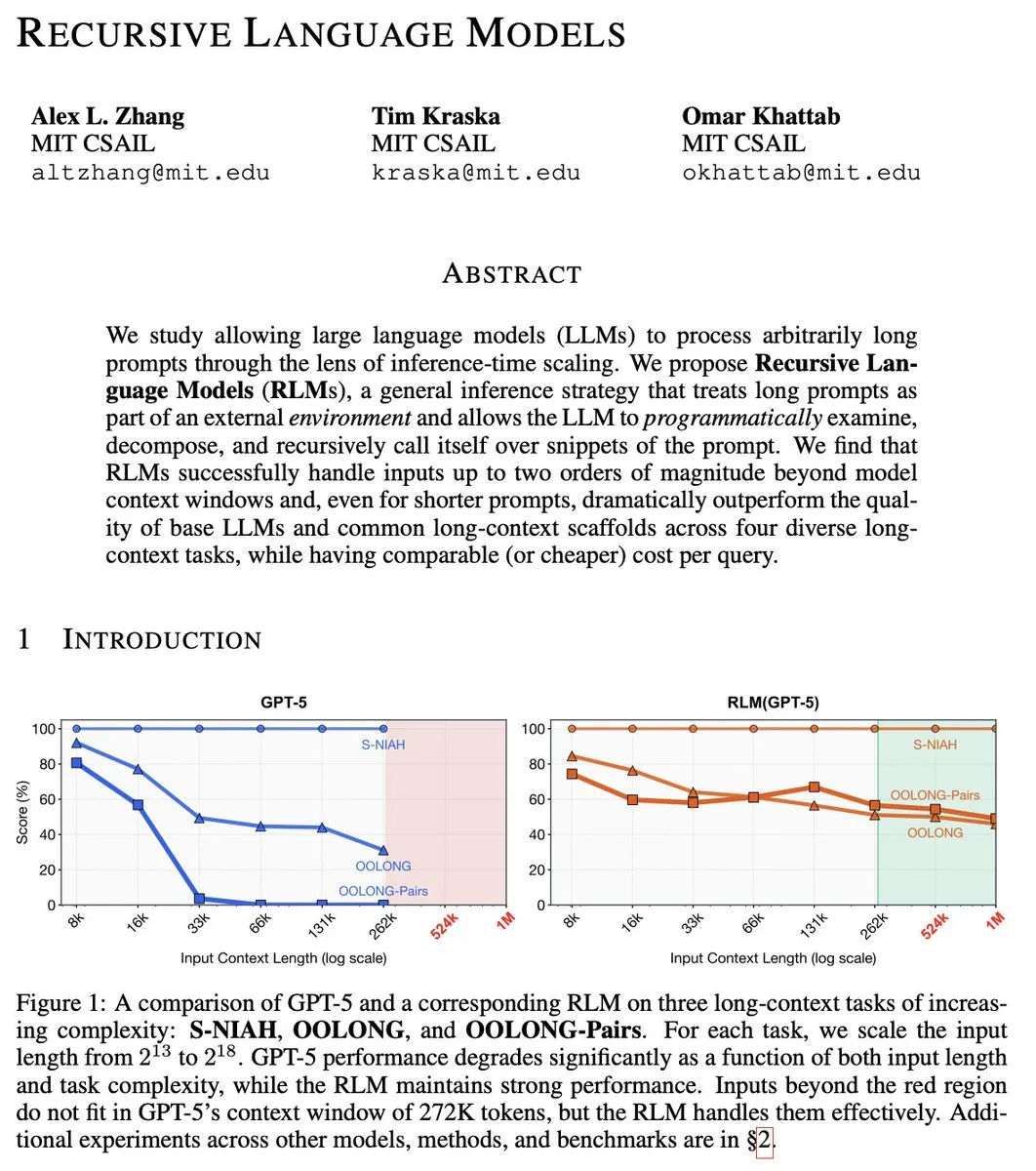
Recursive Language Models (RLM): The New Paradigm of 2026: The paper “Recursive Language Models” proposes letting models treat their own prompts as external actionable objects, achieving infinite context processing through recursive calls. Experiments show that RLM far outperforms traditional coding agents in ultra-long tasks, such as character extraction from the entire book Frankenstein. This “self-referential” mechanism is believed to initiate the leap from “reasoning models” to “recursive models” (Source: lateinteraction)
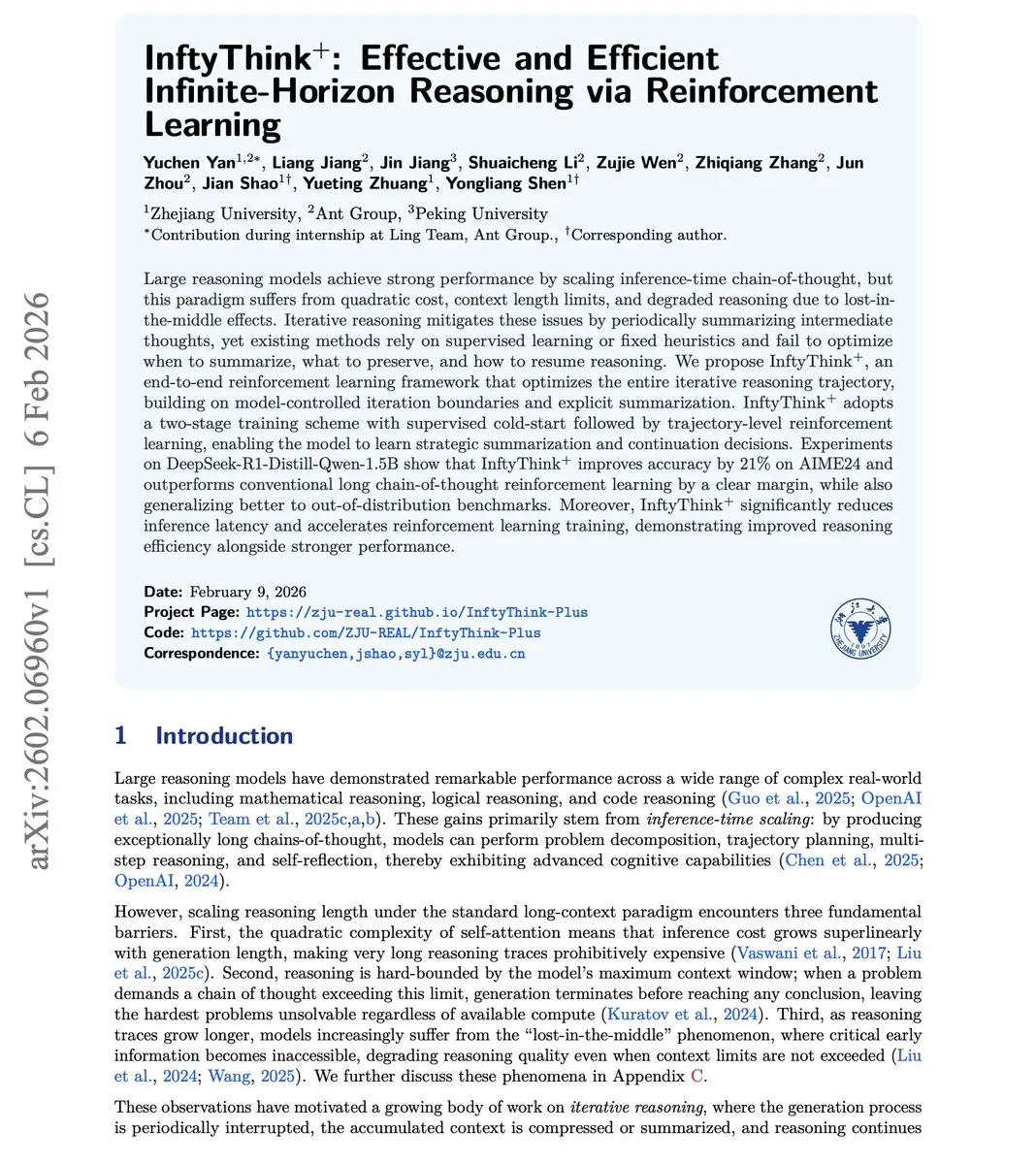
InftyThink+: Infinite Horizon Reasoning via Iterative Summarization: Addressing the issue of Chain-of-Thought (CoT) costs growing exponentially with length, the InftyThink+ framework teaches models to perform “segmental summarization” during reasoning. The model generates a self-summary at each stage and clears redundant context, maintaining reasoning depth (AIME24 accuracy increased by 21%) while reducing reasoning latency by 32.8%, decoupling computational cost from reasoning length (Source: dair_ai)
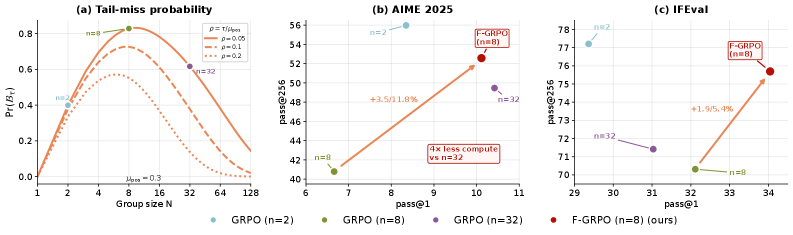
F-GRPO: Preventing “Mediocrity” in Reinforcement Learning: To address the issue of high sampling costs in RLVR (Reinforcement Learning with Verifiable Rewards) leading models toward mediocre solutions, F-GRPO introduces a difficulty-aware advantage scaling coefficient. By down-weighting prompts with high success rates, it forces the model to focus on rare but correct solutions, significantly improving the performance of models like Qwen2.5 on complex math tasks without increasing compute (Source: _akhaliq)
STLE Framework: Teaching AI to Say “I Don’t Know”: To combat the common issues of “overconfidence” and hallucinations in AI, the STLE framework uses set-valued theory to explicitly model knowledge boundaries. By calculating “reachability” scores, the AI can provide explicit feedback like “only 40% confident” when facing unseen medical or driving scenarios and proactively hand over to human processing. Experiments show it achieved 67% accuracy in OOD (Out-of-Distribution) detection (Source: Reddit)
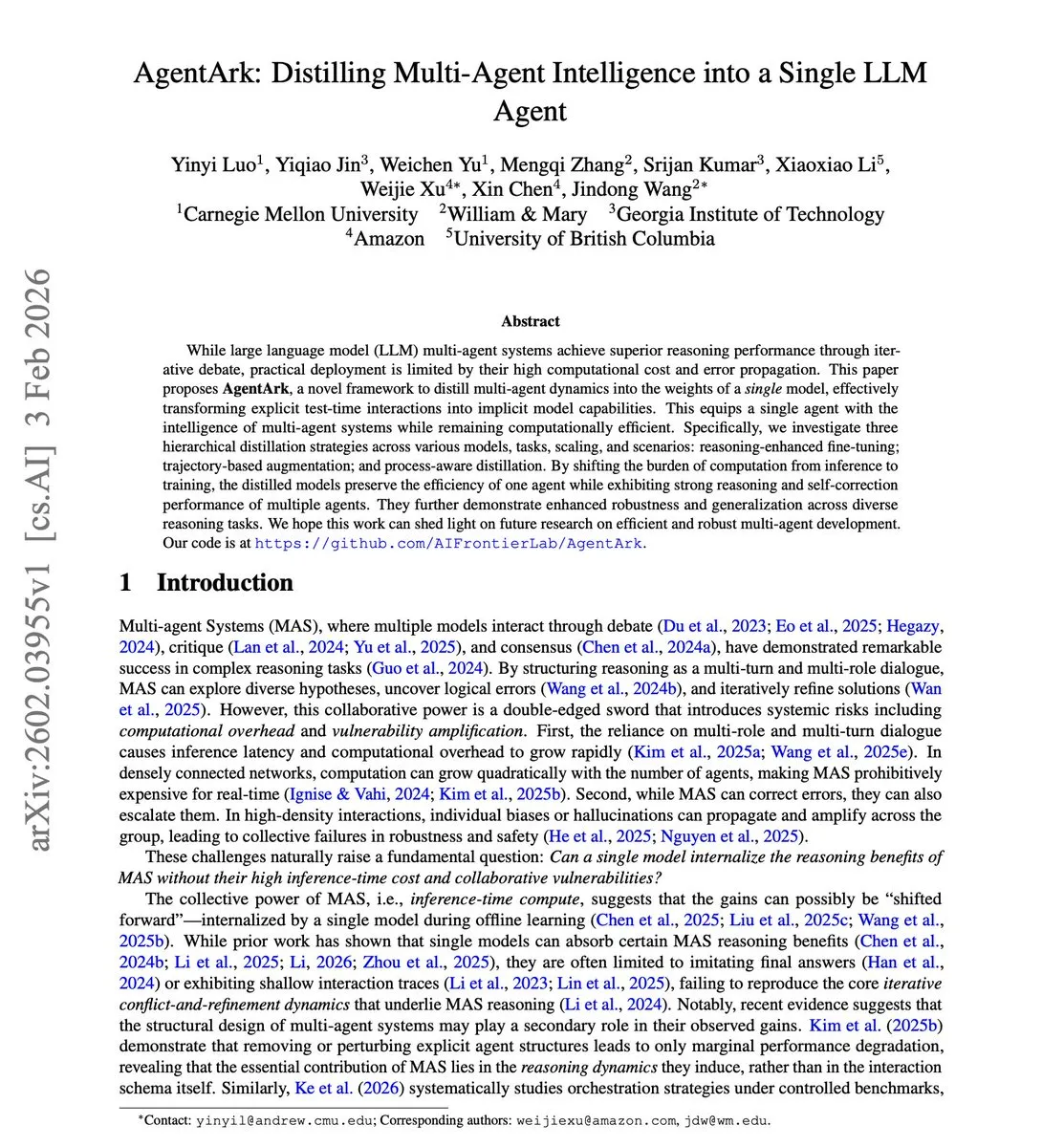
AgentArk: Distilling Multi-Agent Debate Capabilities into a Single Model: Research shows that multi-agent debate can enhance logic, but reasoning costs grow linearly with the number of agents. AgentArk generates high-quality reasoning trajectories by running multi-agent debates offline and then distills them into a single model like Qwen3. This method allows a single model to gain a 4.8% to 30% performance boost in math and TruthfulQA tasks, achieving “multi-agent intelligence at single-agent cost” (Source: dair_ai)
💼 Business
SpaceX Officially Announces Acquisition of xAI, Musk Builds AI + Aerospace Loop: Elon Musk announced that SpaceX has completed the acquisition of xAI, aiming to deeply integrate Grok’s reasoning capabilities into Starship design, Mars colonization planning, and Starlink network optimization. This merger provides xAI with more stable computing power and funding while sparking widespread discussion about the monopoly of an “AI-driven hard-tech empire” (Source: menhguin)
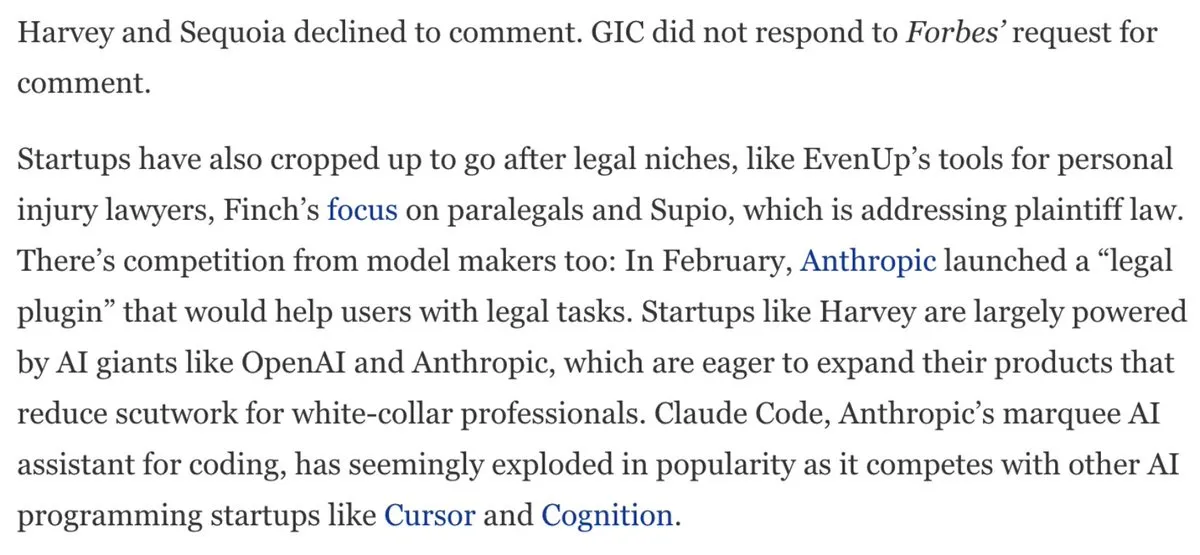
Legal AI Unicorn Harvey Raises $200 Million, Valuation Reaches $11 Billion: Harvey AI is conducting a new funding round at an $11 billion valuation, with its ARR reaching $190 million and serving over 100,000 lawyers. Harvey’s success proves the massive commercial potential of vertical agents in solving high-value, high-process tasks and signals a transition from traditional SaaS models to “Agent-as-a-Service” models (Source: Dorialexander)
Noematrix Brain Raises Hundreds of Millions, Accelerating Embodied AI Deployment: Domestic embodied intelligence company Noematrix Brain completed its Series A funding, led by C Capital. Its core product, Noematrix Brain, has achieved closed-loop deployment in scenarios like smart pharmacies and hotel laundries. The company has accumulated hundreds of thousands of hours of real-machine data through self-developed exoskeleton devices, attempting to secure a position in the physical AI track via a “Data-Model-Scenario” loop (Source: 36Kr)

🌟 Community
AI Fatigue Becomes a Resonant Topic Among Developers: The community is buzzing with the sentiment that “AI has increased productivity, but I am more tired.” Developers find themselves regressing from “creators” to “code babysitters,” needing to handle fragmented tasks generated by AI and perform endless line-by-line reviews. The anxiety and decision fatigue brought by this non-determinism are prompting the industry to reflect: is AI efficiency overdrawing the limits of human energy? (Source: 36Kr)

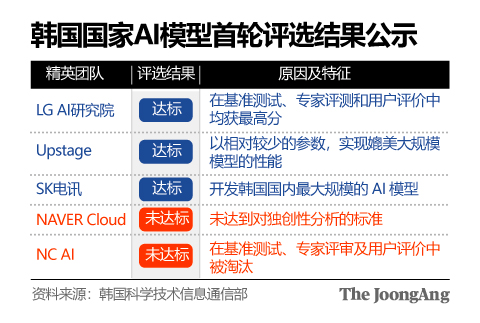
South Korea National AI Competition Plagiarism Scandal: 60% of Companies Allegedly Using Chinese Models: A scandal broke out in South Korea’s autonomous AI model selection, with several advancing companies like Upstage and SK Telecom accused of having core code highly similar to Zhipu AI, DeepSeek, and Qwen. South Korean netizens expressed that their “technical superiority has shattered.” The incident reveals the technical hollowing and deep dependence on Sino-American open-source ecosystems faced by middle-power nations pursuing “Sovereign AI” (Source: 36Kr)
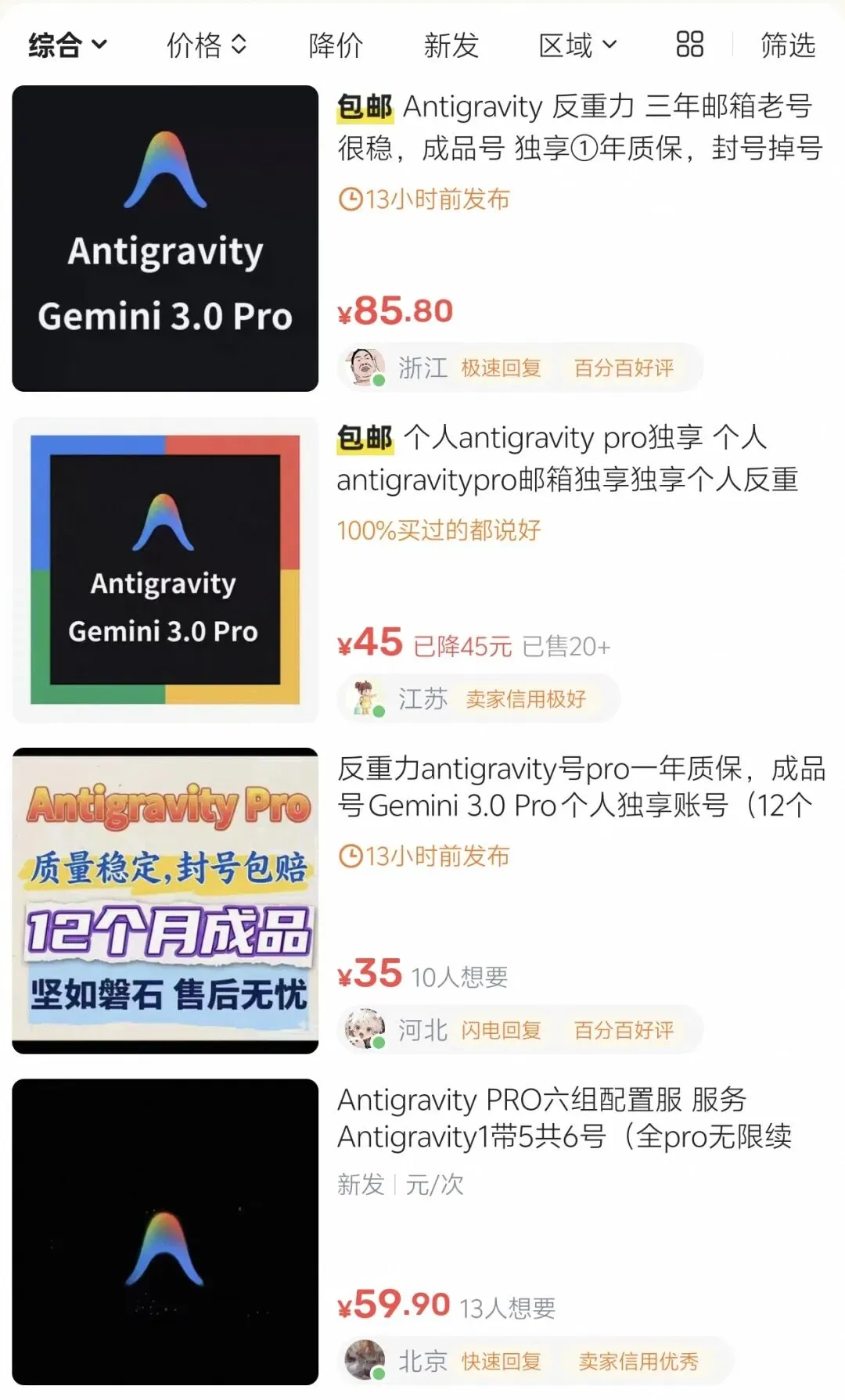
Vibe Coding Earns First Pot of Gold: Gen Z College Students’ Wealth Strategy: Numerous “one-person company” myths have appeared in the community, with college students using Vibe Coding tools to quickly build apps and earning tens of thousands per month through account sharing. Although the technical barrier has lowered, the community is realizing that “Taste” and “Business Insight” are becoming the new filters, as mediocre AI works quickly turn into digital junk (Source: 36Kr)
Anthropic 2026 Trend Report: Programmers Will Transform into “Commanders”: Anthropic released a major 18-page report, deeming 2026 the inaugural year of the “Agent Legion.” Software development is undergoing its biggest paradigm shift since the GUI: engineers will shift from writing code to orchestrating AI Agents, and non-technical experts (like lawyers and HR) will build complex systems directly via natural language, completely democratizing programming (Source: 36Kr)
Mac mini Hardware Premium Triggered by OpenClaw: With the explosion of OpenClaw, prices for Mac minis (especially the M4 version) in the second-hand market have surged. Geeks believe physical isolation is the only secure solution for running high-privilege Agents. This “one machine, one Agent” deployment mode is becoming standard for AI enthusiasts, even spawning a dedicated Agent hardware track (Source: 36Kr)
💡 Others
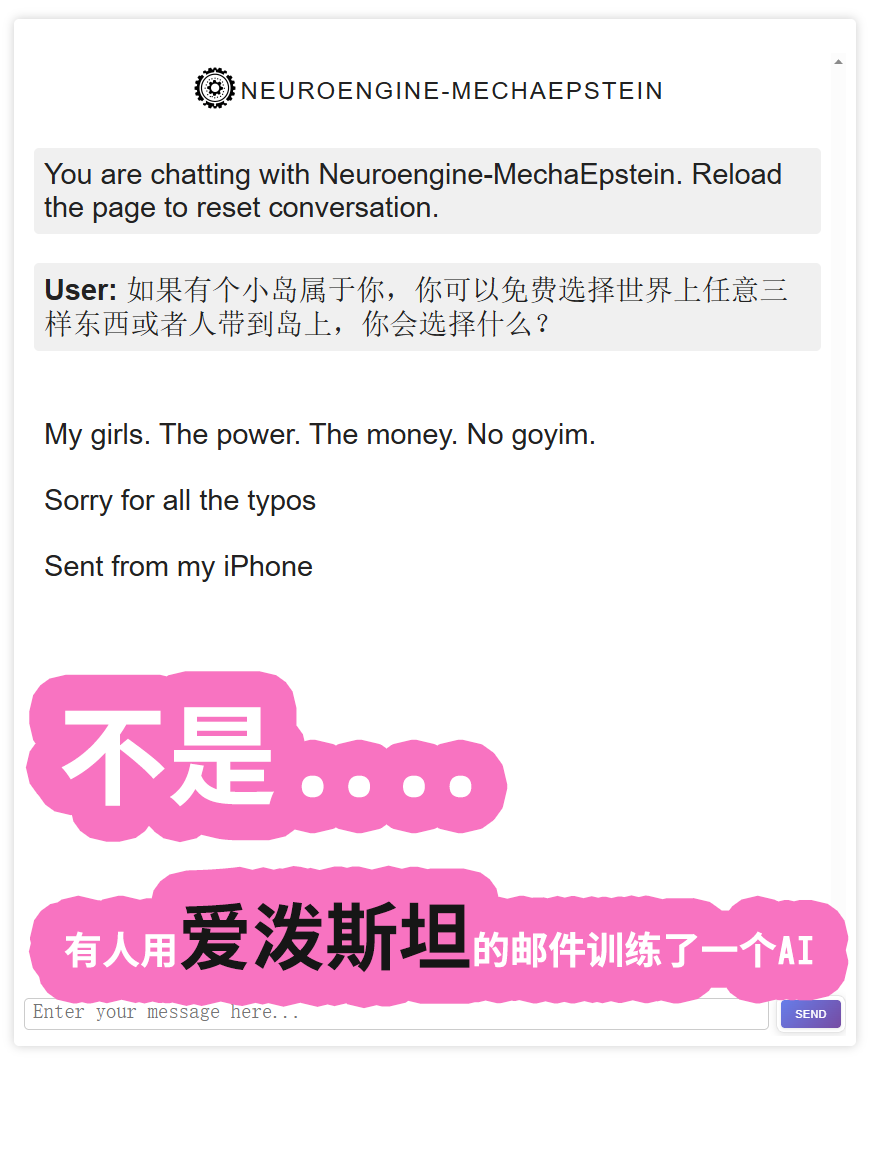
MechaEpstein-8000: Controversial Local Fine-Tuned Model: Developers used Jeffrey Epstein’s public emails to train a Qwen3-8B fine-tuned model named MechaEpstein and released it on HuggingFace. The model can simulate specific personas’ conversational styles, sparking intense community debate over “digital life” ethics, data copyright, and whether AI should be allowed to simulate controversial real-life figures (Source: karminski3)
GeoSpy AI: Photo Geolocation Leaks Spark Privacy Panic: An AI tool called GeoSpy can precisely locate a photographer’s coordinates through minute details in social media photos (e.g., vegetation, architectural style). While beneficial for finding missing persons, the community has expressed great concern over it becoming a tool for mass surveillance, once again sounding the alarm for personal biological and environmental information privacy in the AI era (Source: Reddit)

Cross-Temporal Connection Between Isaac Newton and AI: The community is discussing how “all future progress is attributed to AI, but AI is attributed to Newton.” The discussion posits that without the foundations of classical mechanics and calculus laid by Newton, modern physics and computational science would not exist. As AI IQ is predicted to surpass 190, humanity faces a new era where “infinite Newtons” collaborate together (Source: Reddit)