
🔥 Spotlight
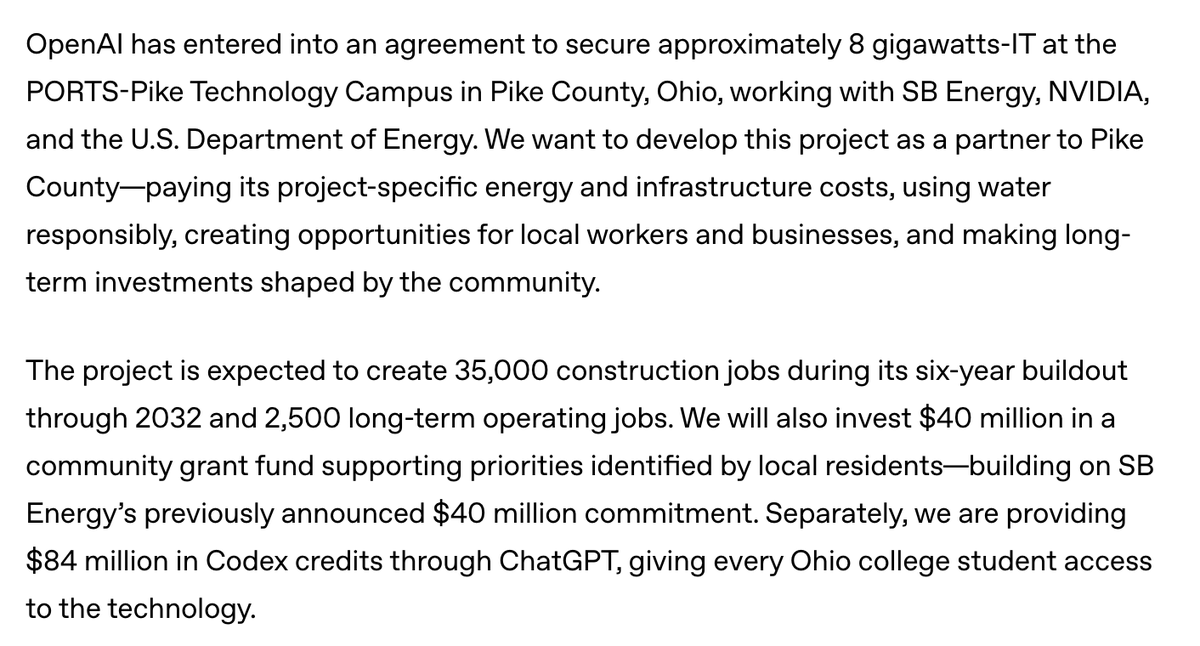
OpenAI Partners with Microsoft, SoftBank, and NVIDIA to Build 8GW AI Data Center in Ohio : OpenAI announced that it will lease the PORTS-Pike data center built by SoftBank subsidiary SB Energy, with a total capacity of 8 gigawatts (GW). NVIDIA will provide up to $105 billion in financial guarantees for the first phase of 4.25GW construction and directly invest $1.5 billion. The project is expected to launch its first 800 megawatts in 2028, and will exclusively deploy NVIDIA computing infrastructure during the 20-year lease term. This massive infrastructure investment signals that the focus of AI competition has evolved from pure chip supply to the long-term lock-in of basic physical resources such as land, power, and data center capacity. (Source: OpenAI News)
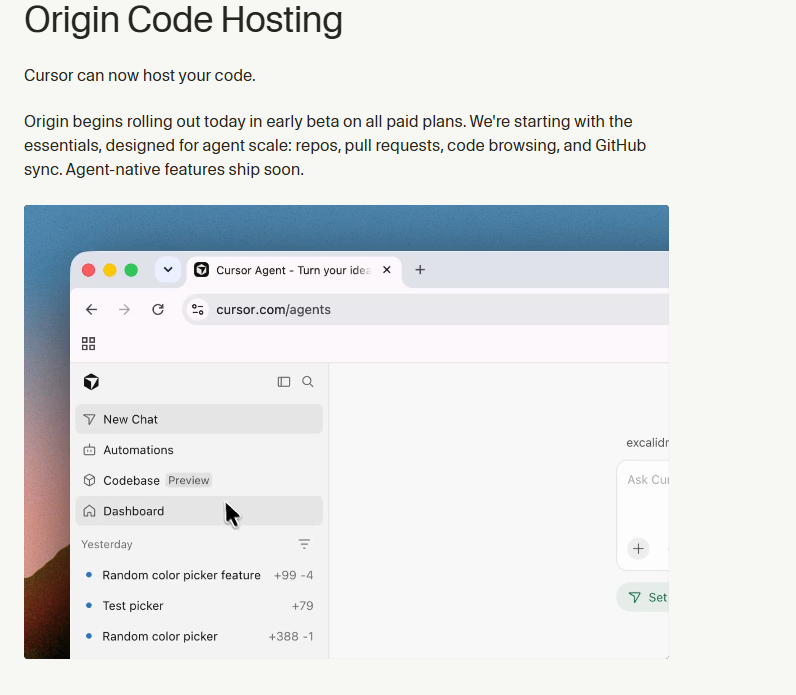
Cursor Launches AI-Native Code Hosting Platform Origin to Directly Challenge GitHub : During a massive 7-hour global outage of GitHub, Cursor seized the opportunity to launch its code hosting platform, Origin. Designed specifically for high-concurrency commits and collaboration by AI Agents, Origin supports stacked PR management and AI-powered automatic conflict resolution, while allowing real-time bi-directional synchronization with GitHub. This move marks the extension of AI programming tools from code generation to the control and hosting infrastructure layer, as AI Agents reshape the collaborative paradigm of software engineering. (Source: VentureBeat)
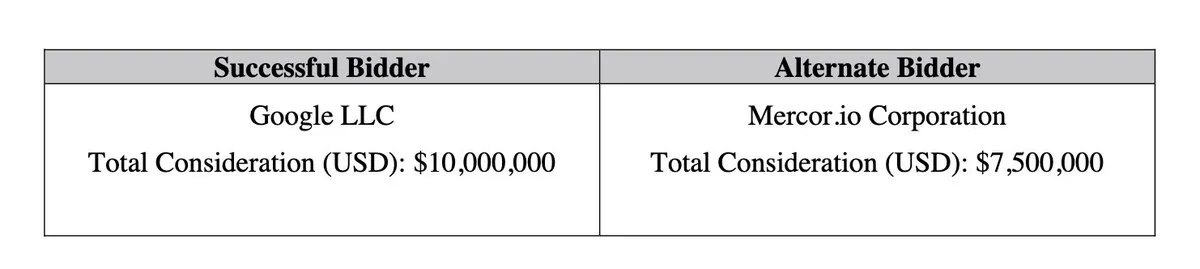
Google Wins Bankrupt Spirit Airlines’ Entire Corporate Data for $10 Million for AI Training : Google defeated competitors in a bankruptcy auction to acquire 34 years of corporate data from the defunct Spirit Airlines for $10 million, including internal emails, documents, workflows, and codebases. Google stated that all data will undergo strict de-identification by a third party before being used for AI model training. Industry analysis points out that this reflects tech giants’ extreme hunger for clean, human-generated historical data free from AI contamination, and represents a concentrated realization of the value of corporate data assets. (Source: The Verge)
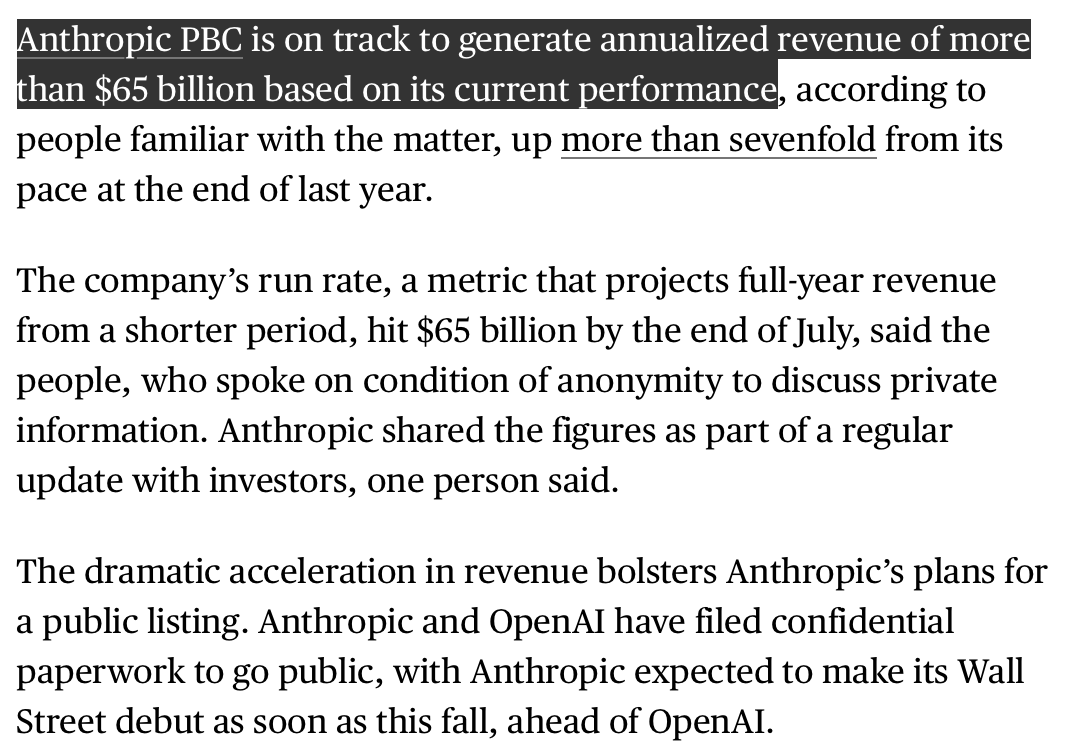
Anthropic’s Annualized Revenue Surpasses $65 Billion as It Races Toward the Largest IPO in History : Reports indicate that Anthropic disclosed to investors that its annualized revenue run rate (ARR) surpassed $65 billion at the end of July, a more than seven-fold increase from $9 billion at the end of last year, with adjusted operating profit turning positive in the second quarter. Anthropic is currently accelerating its IPO plans, with a valuation that could reach $2 trillion, potentially making it the largest public listing in history. The explosive growth in its revenue is mainly driven by the deep integration of enterprise clients and the widespread adoption of Agent products like Claude Code. (Source: TechCrunch)
🎯 Trends
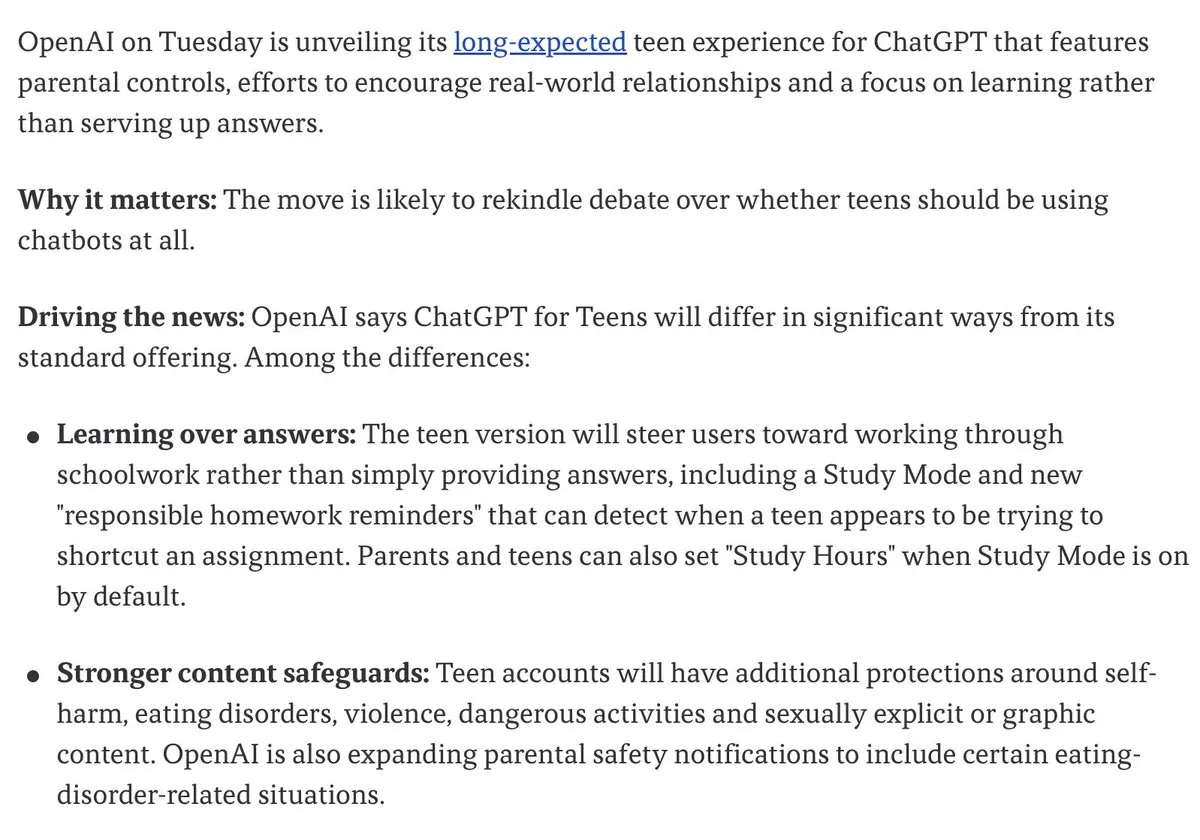
OpenAI Launches ChatGPT for Teens and Introduces “Study Mode” : OpenAI has officially launched a dedicated ChatGPT experience for users aged 13 to 17. This version enables stricter safety filters by default and introduces “Study Mode,” which guides students to think independently through heuristic questioning when it detects attempts to directly ask for homework answers. It also supports parental controls for usage limits and quiet hours. This indicates that AI platforms, when facing regulatory and safety demands, are transforming from general-purpose “answer engines” into customized educational guidance tools. (Source: THE DECODER)
Tencent Releases Open-Source GUI Agent UI-Mate-27B : Tencent, in collaboration with Tsinghua University and other institutions, has open-sourced UI-Mate-27B, a GUI agent fine-tuned on Qwen3.6-27B. Designed for long-horizon, cross-application operations, the model can directly observe screenshots and generate structured keyboard and mouse action commands. It supports workflow learning from a single human demonstration and performs exceptionally well on benchmarks like OSWorld. This demonstrates the open-source community’s rapid progress in on-device Computer Use agent technology. (Source: Hugging Face)

Linux 7.2 Kernel Released, Introducing AI Optimizations and Cache-Aware Scheduling : Linus Torvalds has officially released the Linux 7.2 kernel, which includes numerous security vulnerability fixes discovered with the assistance of AI tools. The new kernel enables “Cache Aware Scheduling” by default for the first time. By grouping tasks that share data into the same cache domain, it significantly reduces cache thrashing, leading to a substantial efficiency boost for multi-threaded AI and native machine learning computing tasks at the low-level system layer. (Source: ZDNet)
Dharma AI Releases GPU Allocation Optimization, Boosting Cluster Utilization by 33% : Dharma AI shared its latest practices in GPU resource scheduling. By introducing a constraint-aware GPU allocator, it shifts real-time inference demands from “fixed reservations” to “dynamic elasticity curves” and chronologically optimizes the queuing order of training and batch tasks. Without changing the hardware, this approach has boosted GPU cluster utilization by 33 percentage points. This indicates that as computing power becomes scarce, fine-grained scheduling algorithms are becoming a system-level lever to reduce token costs. (Source: HuggingFace Blog)
🧰 Tools
Google Open-Sources SAM (Sovereign Agent Mesh) for Secure Agent Communication : Google has released the SAM project on GitHub, a zero-configuration, zero-trust P2P network designed specifically for AI agents. It allows agents running on different clouds or edge devices to securely share tools and data via the Model Context Protocol (MCP), and utilizes Biscuit tokens for offline identity and permission verification, preventing sensitive credentials from leaking during cross-boundary calls. (Source: MarkTechPost)
Warp Launches Warp Factories, Offering Out-of-the-Box AI Software Factories : AI coding startup Warp has launched the Warp Factories system, aiming to provide enterprises with one-stop AI software factory infrastructure. The system covers the entire software development lifecycle, including triage, specification, implementation, review, and verification. It supports integration with mainstream models like Codex or Claude Code, and provides real-time dashboards for token consumption and performance monitoring, lowering the technical barrier for small and medium-sized enterprises to deploy AI development agents. (Source: TechCrunch)
microsandbox: A Lightweight Local Sandbox Built for AI Agents : The open-source project microsandbox is gaining traction on GitHub. It is a local-first microVM runtime library written in Rust. Designed specifically for running untrusted AI agent code, CI tasks, and web crawlers, the tool supports OCI container images, boasts a startup time of under 100 milliseconds, and provides a securely isolated secret injection mechanism to prevent agents from escalating privileges and harming the host machine during local execution. (Source: GitHub)

Speko Launches Intelligent Model Routing Platform for Voice AI : Speko, a YC S26 batch startup, has launched a routing gateway designed specifically for voice agents. The platform can automatically select the optimal path among various combinations of STT, LLM, and TTS models based on constraints such as latency, accuracy, and cost. It also provides an open-source local Go gateway that supports low-latency failover scheduling at the edge, preventing session interruptions caused by single model provider outages. (Source: Hacker News)
📚 Learning
AI Security Guide: How to Detect and Prevent AI Platform Accounts from Being Hacked : In response to the credential theft risks faced by accounts on mainstream AI platforms such as ChatGPT, Claude, and Perplexity, security experts have released a systematic prevention guide. The tutorial details how to set up multi-factor authentication (MFA) on each platform, check “Active Sessions” to identify anomalous login devices, and force logouts on all devices when a hack is suspected, helping users protect their personal prompts and code assets. (Source: TechCrunch)
MIT and Harvard Propose Role Anchor Mechanism to Prevent “Role Drift” in Multi-Agent Systems : A research team from MIT and Harvard published a paper revealing the phenomenon of “role drift” in multi-agent systems during end-to-end reinforcement learning (RL)—for example, a reader in a RAG system tending to skip retrieval and answer directly from memory. The team proposed the “Role Anchor” regularization technique, which penalizes behaviors that deviate from the original role prompt, forcing each module to perform its designated duty and ensuring the auditability of the system. (Source: VentureBeat)
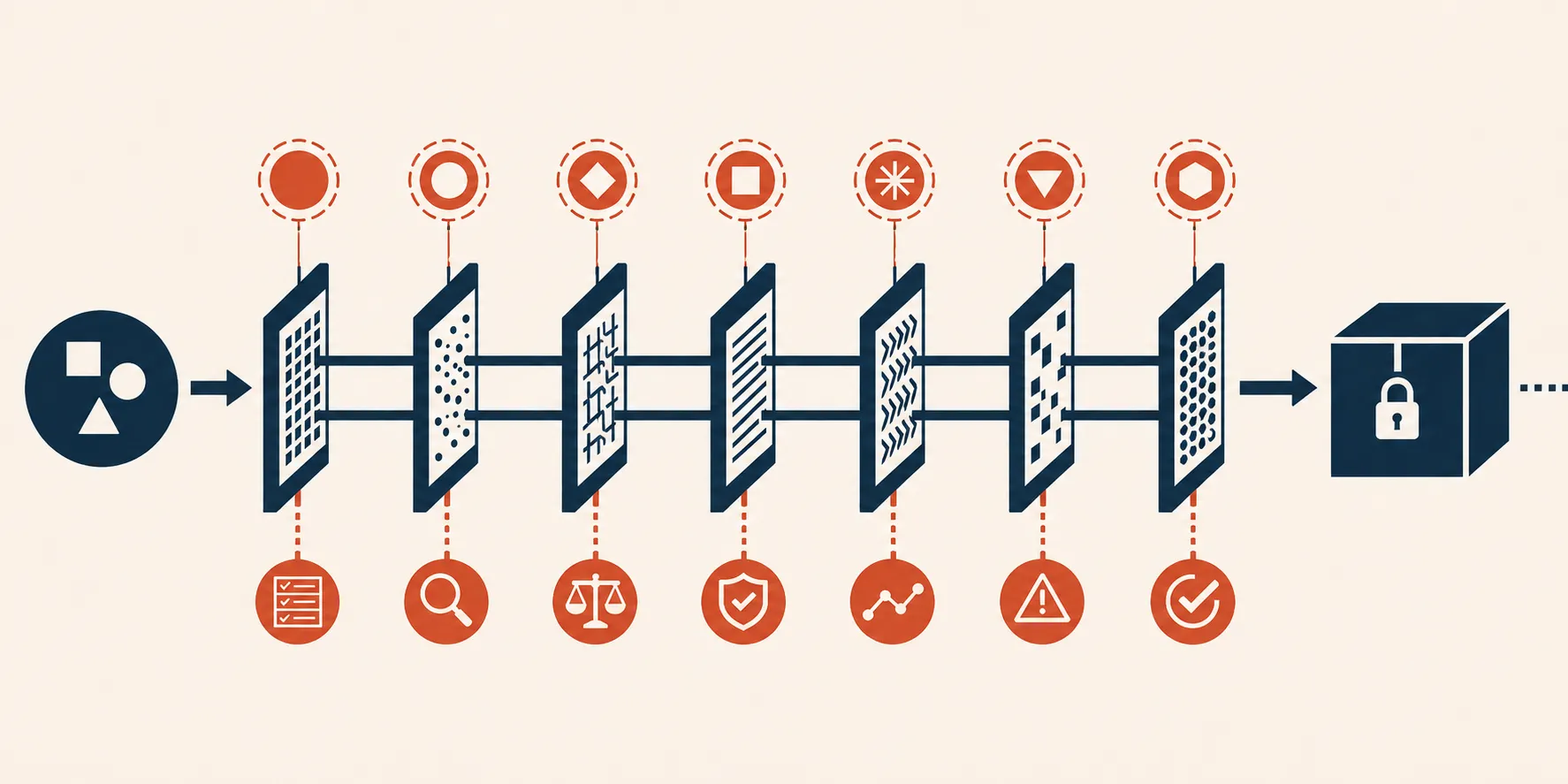
Seven Regression Test Scenarios Every AI Agent Must Pass Before Deployment : Technical experts have summarized seven regression testing dimensions that AI agents must pass before being deployed to production environments. These tests cover context loss, tool execution idempotency, prompt injection defense, structured output compliance, non-terminating infinite loop control, RAG knowledge grounding, and distributed state reconstruction. They aim to intercept sporadic failures at the system architecture level, preventing AI from “doing harm with good intentions” in real-world business scenarios. (Source: Machine Learning Mastery)
💼 Business
Groq Completes $350 Million Funding Round, Accelerating Pivot to Inference Neocloud : Computing startup Groq completed a $350 million funding round led by Disruptive, with participation from NVIDIA, adjusting its valuation to $350 million. Following the loss of its core team to NVIDIA, Groq has transitioned from a pure chip designer to a Neocloud provider running NVIDIA GPUs, with plans to expand its data center capacity to over 200 megawatts by 2027 to meet the surging demand for low-latency inference. (Source: TechCrunch)
AI Workflow Automation Startup Relay Announces Shutdown, Team Joins Google Chrome : Relay, an automation platform founded in 2021 that aimed to be the “AI version of Zapier,” has announced it will shut down its service on September 14. Co-founder and CEO Jacob Bank will return to Google as Vice President of Product for Google Chrome, leading the team to explore the possibilities of deeply integrating AI agents and automated collaboration within the native browser environment. (Source: TechCrunch)
Similarweb Launches First Conversational AI Ad Tracking Dataset : Traffic monitoring firm Similarweb has launched a tracking service for ads in ChatGPT and Google AI search. Based on anonymized web browsing data from real users, Similarweb points out that currently about 26% of ChatGPT responses and nearly 30% of Google AI search queries contain sponsored ads, providing brands with a new window to view the distribution and conversion efficiency of AI advertising. (Source: The Verge)

🌟 Community
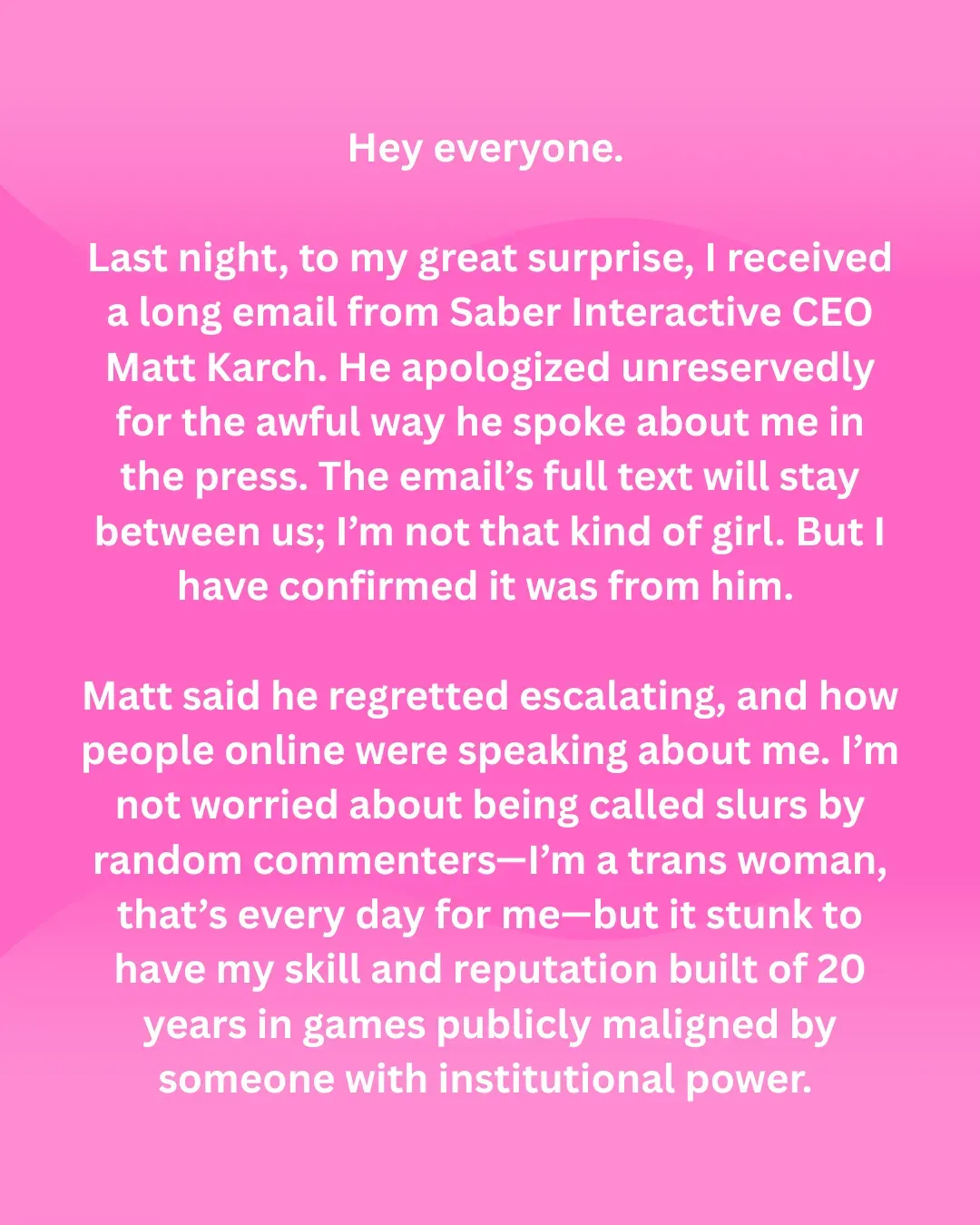
Saber Interactive Publicly Apologizes to Former Writer Over AI Usage Controversy : The CEO of game developer Saber Interactive has publicly apologized to Stella Sacco, the former lead writer of Rideshare Simulator, for previous media comments expressing a willingness to “replace writers with AI.” Sacco had previously accused the development team of replacing her with ChatGPT midway through the project. While Saber denied laying off staff due to AI, they admitted that the voice acting, music, and certain quests in the game were indeed completed by generative AI. This has sparked intense debate in the community over the boundaries of AI usage in game development and creators’ rights. (Source: The Verge)
Israel Reportedly Established Fake Think Tanks in Attempt to Manipulate AI Model Opinions : The community is actively discussing a new report on social media manipulation. The report points out that organizations have established fake academic think tanks and published numerous articles with specific stances. Their core purpose is not to directly influence human readers, but rather to have this fake content scraped by large language model web crawlers, thereby subtly shifting the models’ stances on specific geopolitical issues in future AI Q&As and searches. This reveals a new dimension of information manipulation in the AI era. (Source: Hacker News)
💡 Others
Amazon Exposed for “Destroying Rare Books to Train AI” via AirTag Tracking : Media outlet 404 Media, in collaboration with booksellers, planted AirTag trackers in batches of rare books sent to Amazon warehouses, ultimately tracking them to Amazon’s VGT3 AI training facility in Las Vegas. Internal employees confirmed that the team cuts off book bindings for high-speed scanning and destroys the physical books to obtain clean historical data free from AI contamination to train its Nova large model. This has sparked controversy over cultural heritage preservation and the ethical boundaries of data acquisition. (Source: THE DECODER)