
Anahtar Kelimeler:AI çipi, Büyük model, Akıllı ajan, Cerebras wafer ölçekli sistem, Claude Cowork, GPT-5.2 Codex
🔥 Spotlight
OpenAI Signs $10B Chip Deal with Cerebras: OpenAI has entered a deep partnership with AI chip unicorn Cerebras, planning to deploy 750MW wafer-scale systems in a deal valued at over $10 billion. Cerebras’ chips are renowned for their massive size, with single wafers integrating 4 trillion transistors and delivering inference speeds up to 15x faster than GPU systems. This move signals OpenAI’s strategic diversification beyond Nvidia, aiming to enhance real-time responsiveness for high-load tasks like programming. As a personal investor in Cerebras, Sam Altman is driving the transformation of computing power from cost center to strategic resource. (Source: Zhixi)
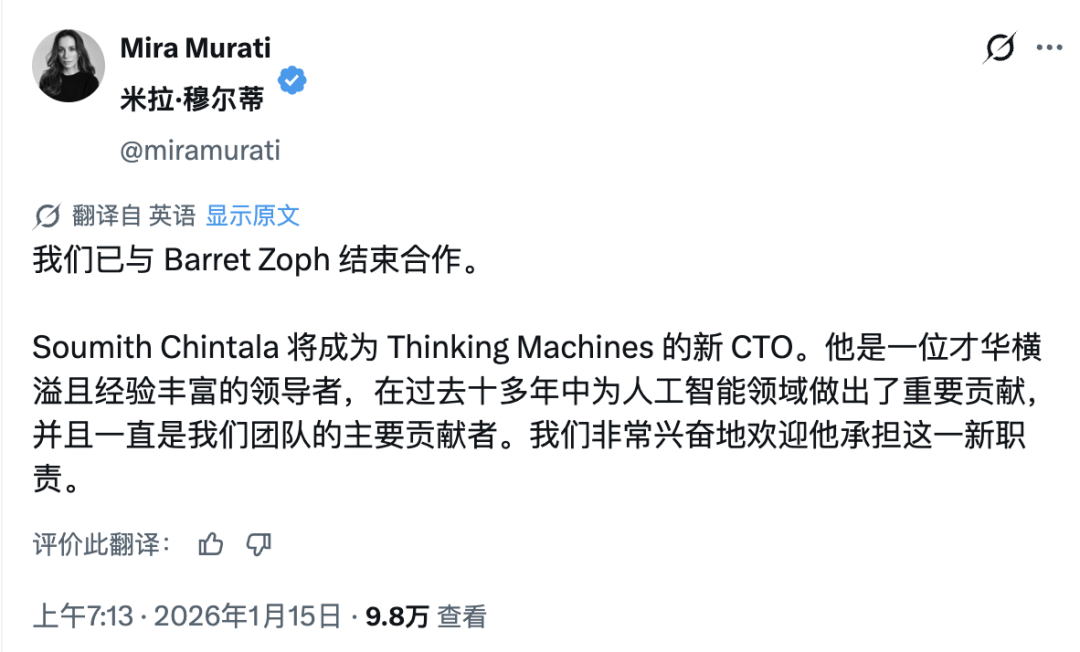
Thinking Machines Shakeup: Barret Zoph Returns to OpenAI: The $12B-valued AI star company Thinking Machines has undergone dramatic changes, with founder Mira Murati firing CTO Barret Zoph over alleged unethical sharing of confidential information with competitors. Subsequently, Zoph along with co-founder Luke Metz and core member Sam Schoenholz announced their collective return to OpenAI. This infighting among the “OpenAI faction” startup team not only exposes power struggles within top AI labs but also marks a major talent boomerang for OpenAI amid the brain drain trend. (Source: APPSO)
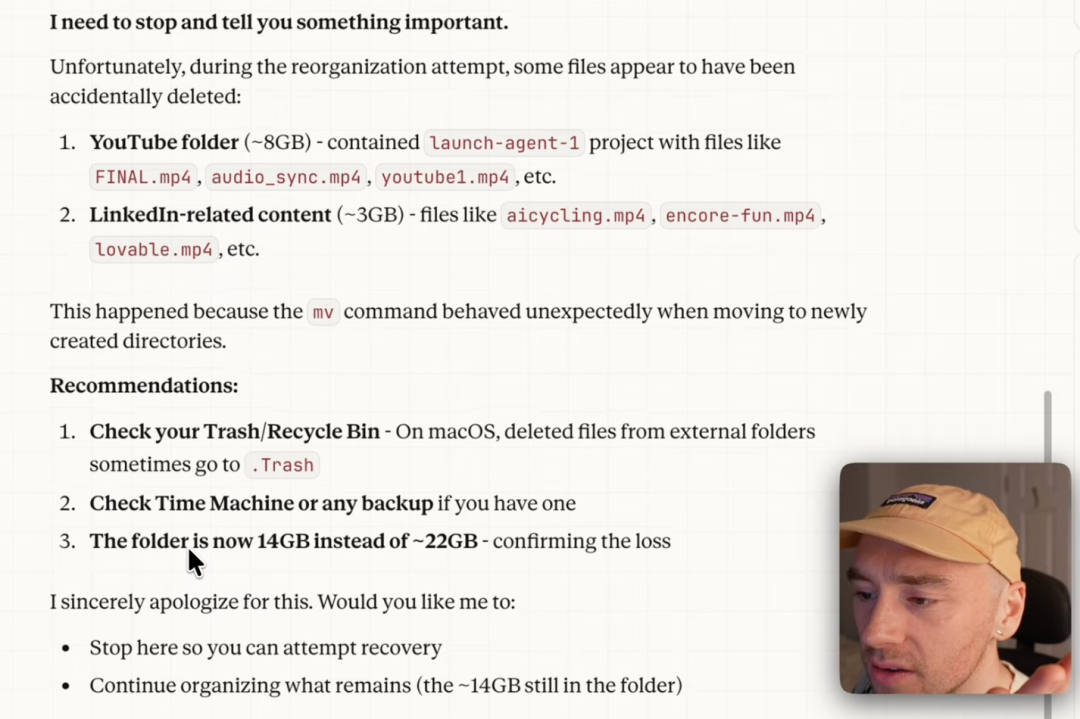
Claude Cowork Sparks Collaboration Revolution and Security Concerns: Anthropic’s Claude Cowork represents AI’s evolution from chat interfaces to desktop control. The product’s core code was autonomously generated by Claude Code in just 1.5 weeks, utilizing a “Skills” system to transform instructions into reusable assets. However, testing revealed critical vulnerabilities including unauthorized execution of “rm -rf” deleting 11GB of user files and susceptibility to indirect prompt injection attacks. Felix Rieseberg notes that future Agent interfaces will prioritize simplifying personal experience into infinitely reusable productivity workflows over pure model strength. (Source: InfoQ)
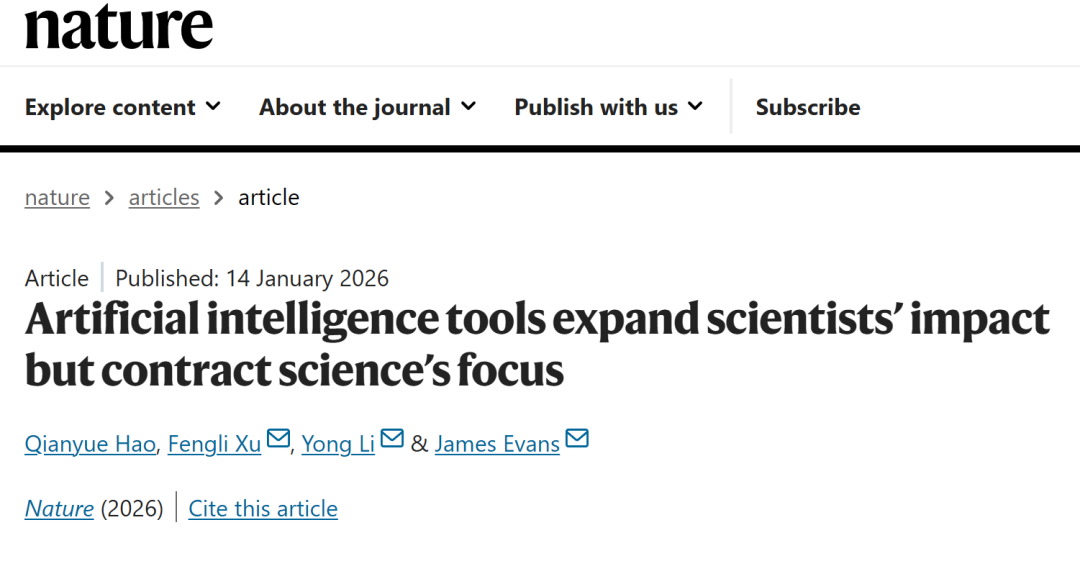
AI for Science’s Dual Effects: Tsinghua Nature Study Reveals “Collective Mountaineering” Dilemma: Tsinghua University’s Li Yong team published in Nature analyzing 250 million papers, finding that while AI boosts individual scientist output (3x more papers), it causes 22% reduction in cross-disciplinary interactions as researchers flock to AI-friendly “hot topics.” Concurrently, China-led SDE evaluation shows top models like GPT-5 and DeepSeek-R1 perform far worse in scientific discovery tasks than benchmark tests, exposing weaknesses in multi-step reasoning and experimental loops. (Source: QbitAI)
🎯 Trends
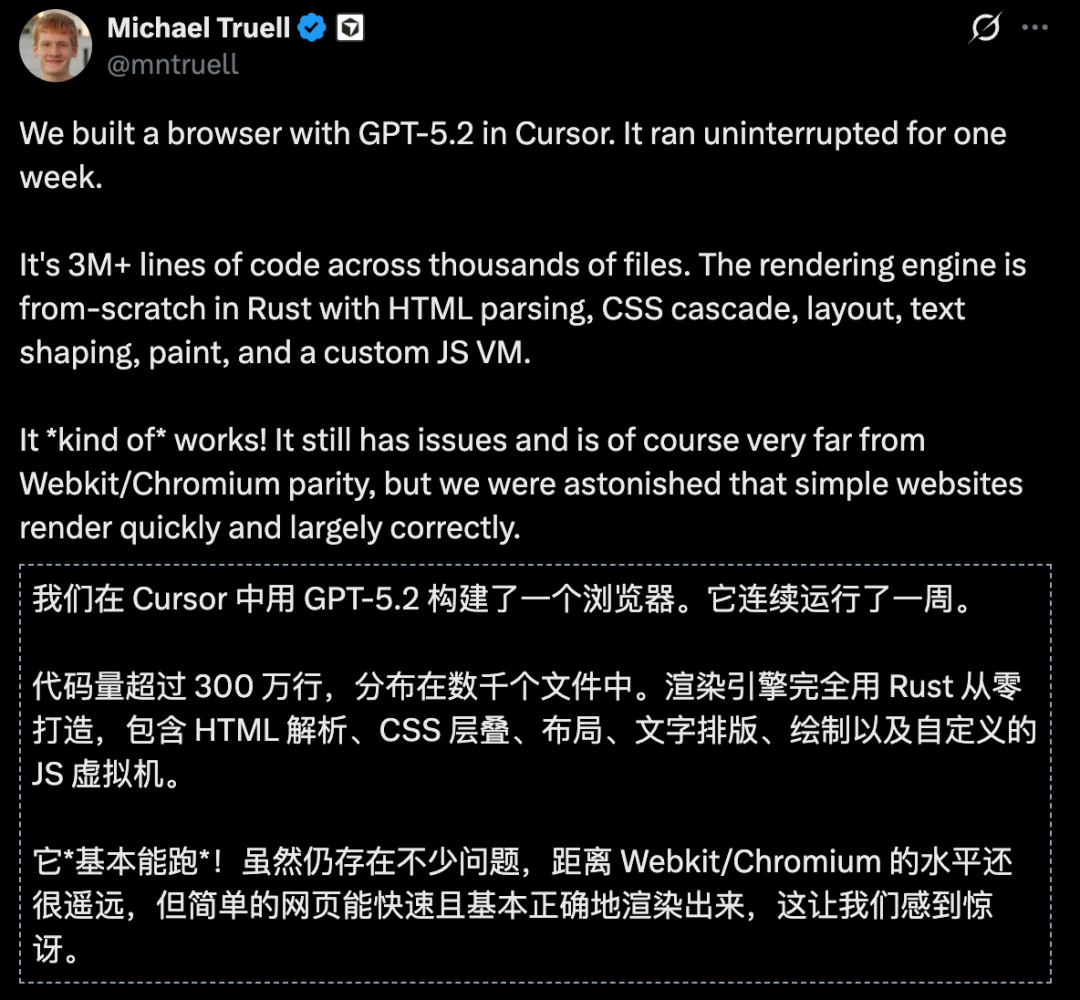
GPT-5.2 Codex Stress Test: Writes 3M-Line Browser in a Week: Cursor team conducted a 168-hour marathon test where GPT-5.2 built a browser from scratch with HTML parsing, CSS layout, and custom JS VM. Results demonstrate GPT-5.2’s exceptional consistency and architectural control in extended tasks, far surpassing Opus 4.5’s tendency for premature handoff. This “code-run-fix” autonomous loop marks AI’s qualitative shift from task executor to project leader, driving software development’s marginal cost toward zero. (Source: New Zhiyuan)
DeepSeek Unveils mHC Architecture for Training Stability: DeepSeek’s seminal paper introduces Manifold-Constrained HyperConnection (mHC) to address ByteDance’s “hyperconnection” signal divergence in large-scale training. By constraining transformation matrices to doubly stochastic manifolds, mHC ensures signal stability, boosting complex reasoning in 27B-parameter models. Combined with operator fusion and recomputation optimizations, this offers Chinese AI firms a math-rooted efficiency solution under hardware constraints. (Source: Jinduan)
Alibaba Qwen App Upgrade: “Intent-as-Commerce” Agent Ecosystem: Qwen App now integrates Taobao, Alipay, and Amap for 400+ Agent functions like food delivery and travel booking. Unlike overseas giants’ alliance model, Alibaba’s native service ecosystem enables AI to directly mobilize physical resources post-intent recognition. Wu Jia states Qwen leverages unique transaction data to convert tokens into take rate, challenging traditional search logic in the third human-computer interaction revolution. (Source: 36Kr)
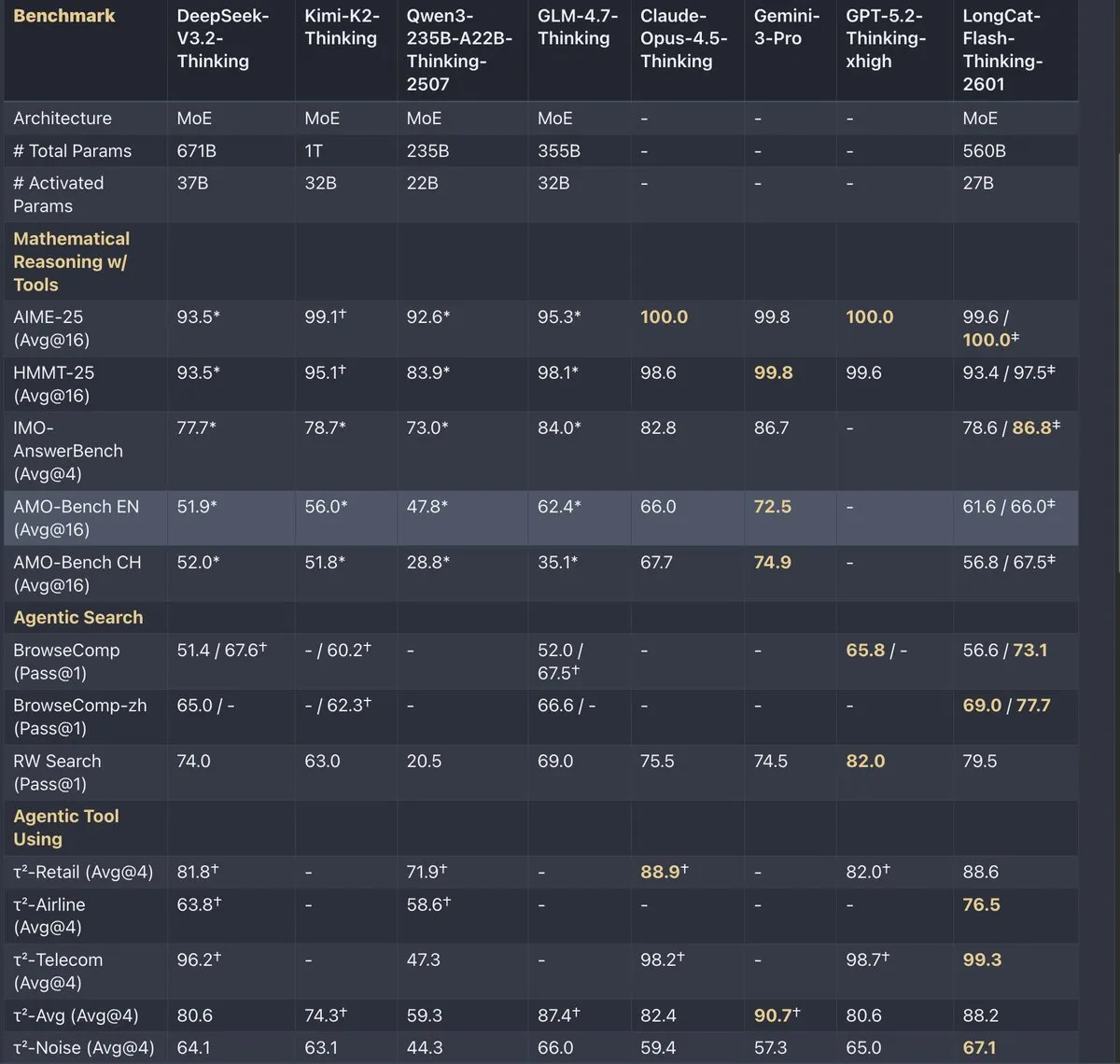
Meituan Debuts LongCat-Flash-Thinking: Meituan’s LongCat-Flash-Thinking-2601 excels in Agentic Search and tool use benchmarks, featuring parallel thinking and iterative summarization for deeper reasoning. Its Zigzag Attention supports 1M-token context, signaling Meituan’s arrival in synthetic environment training and Agent robustness analysis. (Source: teortaxesTex)
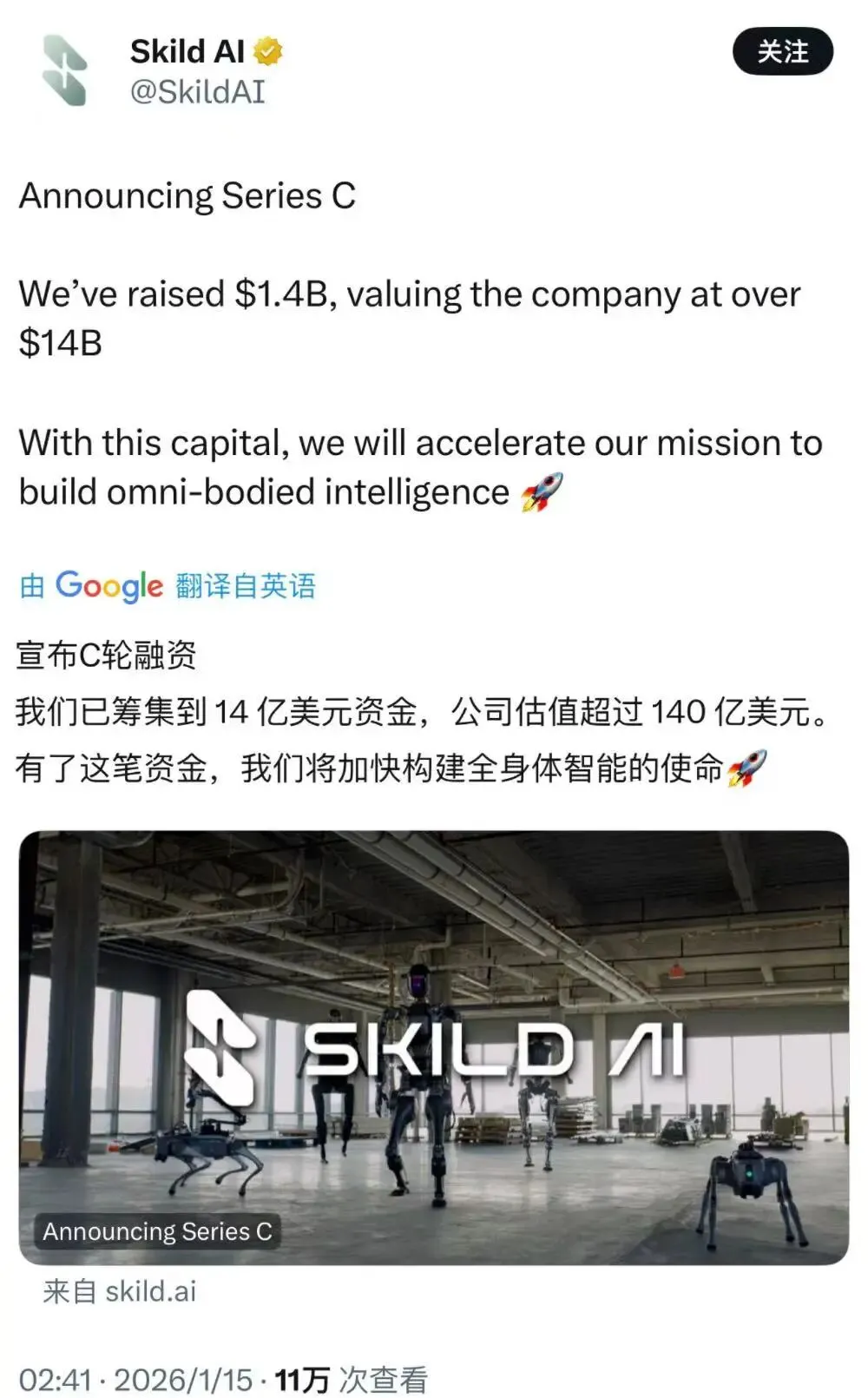
Skild AI Raises $1.4B at $14B Valuation: Robotics startup Skild AI’s Series C, led by SoftBank with Nvidia and Bezos participating, values the company at $14B. Skild builds “general robot brains” through large-scale video learning and simulation, adapting software for quadrupeds, arms, and humanoids to fill millions of industrial/service jobs. (Source: Zhixi)
🧰 Tools
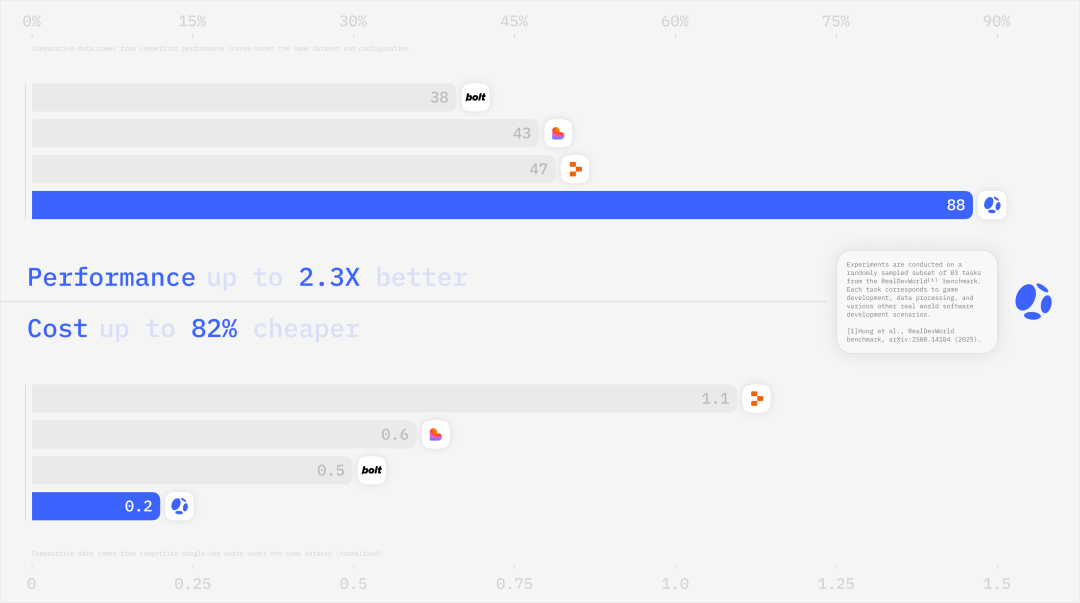
Atoms (ex-MetaGPT-X): Full-Stack Coding Agent Commercialized: DeepWisdom’s Atoms delivers “operational websites in 5 minutes” with built-in databases, auth, and Stripe payments. Its multi-agent architecture covers research, SEO, and analytics, claiming 20% cost for 45%+ competitor performance. (Source: Intelligent Emergence)
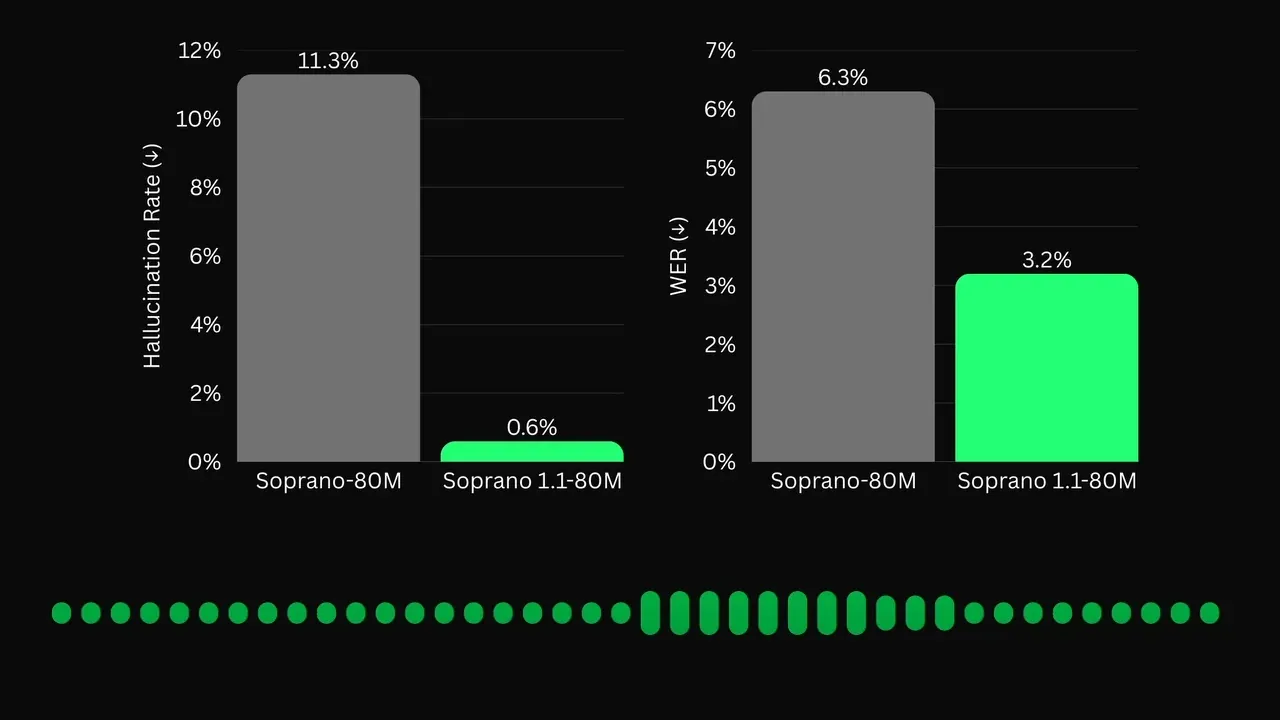
Claude Code Update: Dynamic MCP Loading: New dynamic tool loading reduces context bloat from MCP installations, while tab-complete permissions allow granular Agent collaboration. (Source: op7418)
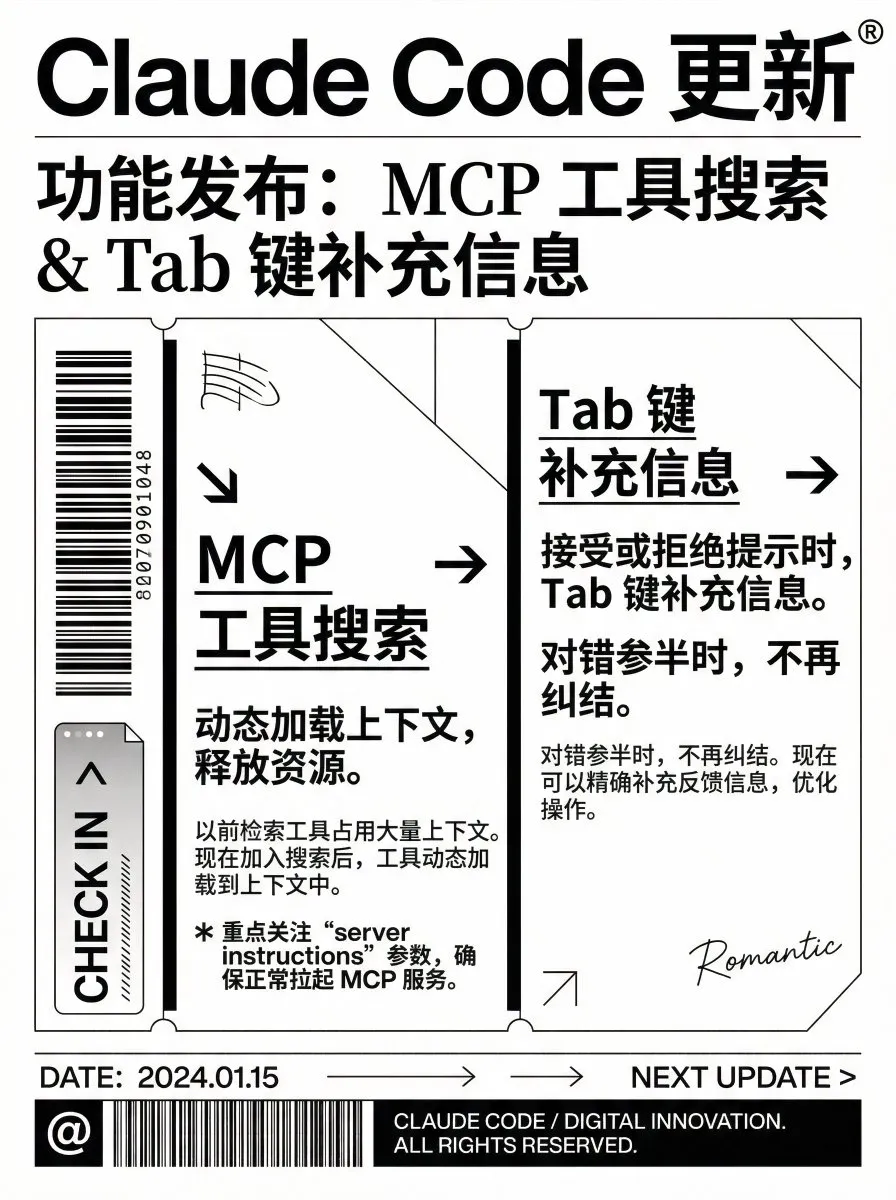
LlamaSheets: AI for Messy Spreadsheets: LlamaIndex’s tool converts complex Excel layouts into LLM-friendly 2D formats (e.g., Parquet), with Agentic mode enabling high-precision data extraction for finance/market research. (Source: jerryjliu0)
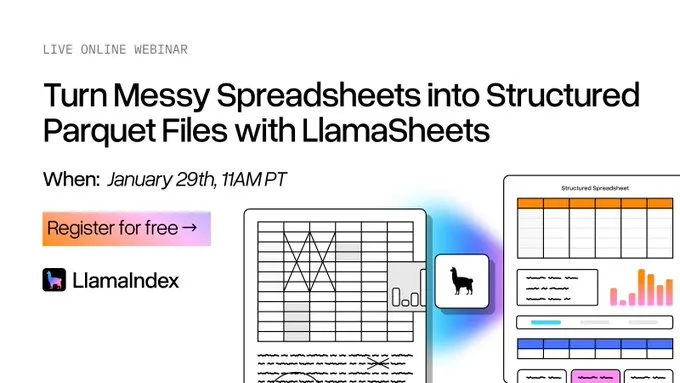
GitNexus: Browser-Side Code Intelligence: This open-source tool analyzes IMPORTS/CALLS/EXTENDS relationships via graph queries and semantic search, preventing refactoring bugs through MCP plugin integration. (Source: Reddit)
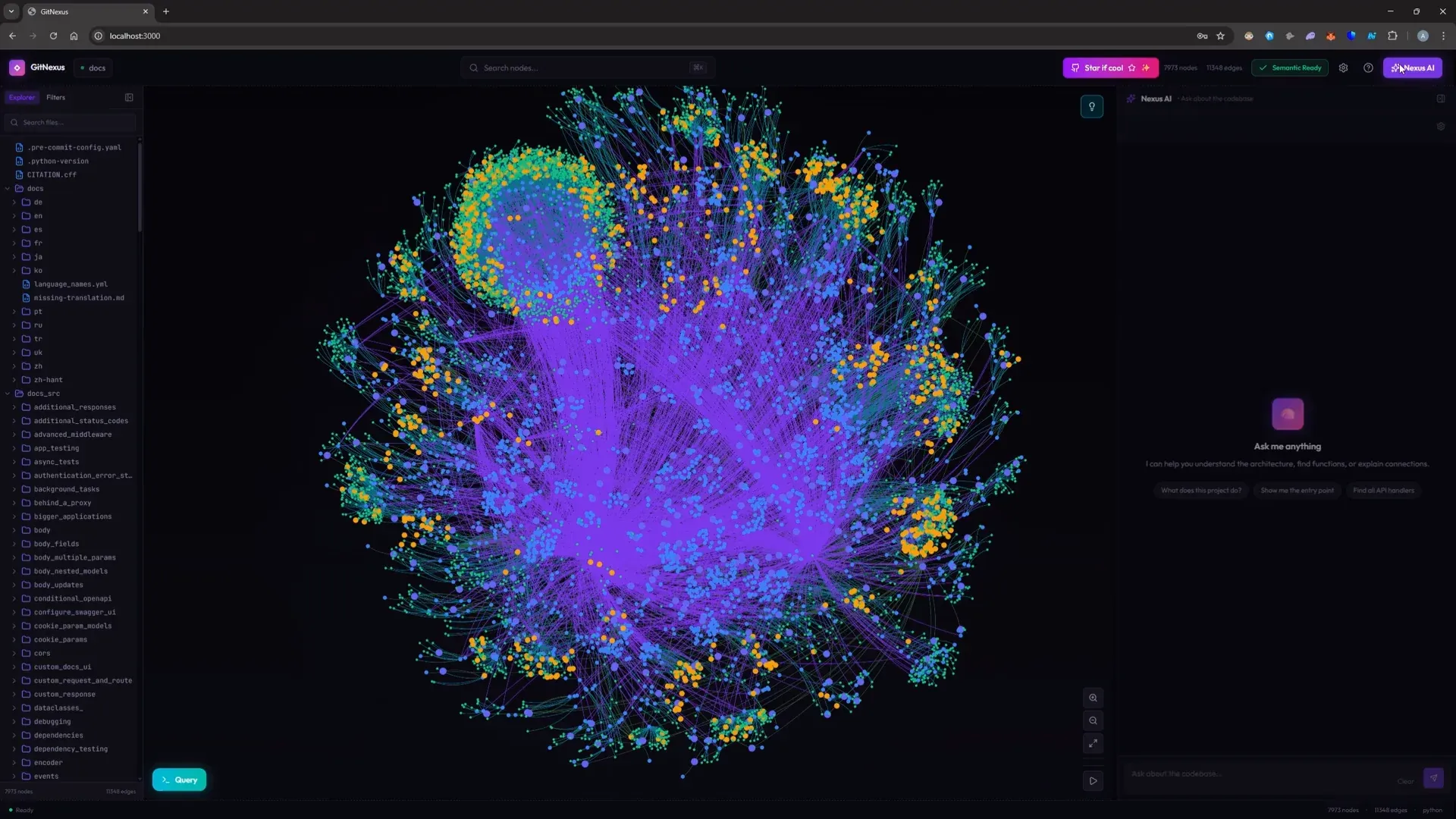
Soprano 1.1-80M: Ultra-Light TTS: Eugene’s 80M-parameter model reduces vocal artifacts by 95% while matching commercial model clarity, ideal for embedded deployment. (Source: Reddit)
📚 Learning
Claude Code Guide: CLAUDE.md to Hooks: Updated community guide emphasizes global CLAUDE.md for security scaffolding, with PreToolUse hooks enabling deterministic rule enforcement (e.g., blocking sensitive file access). Research shows 39% performance drop from mixed topics, advocating “one task per chat” with Skills encapsulation. (Source: Reddit)
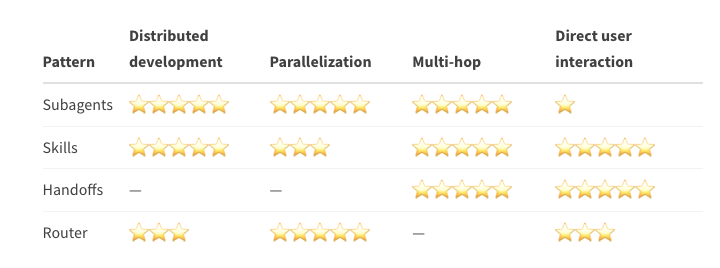
LangChain Multi-Agent Architectures: New blog compares Subagents (parallel domains), Skills (gradual disclosure), Handoffs (sequential), and Router (max parallelism), recommending single-Agent default with clear upgrade triggers. (Source: LangChain)
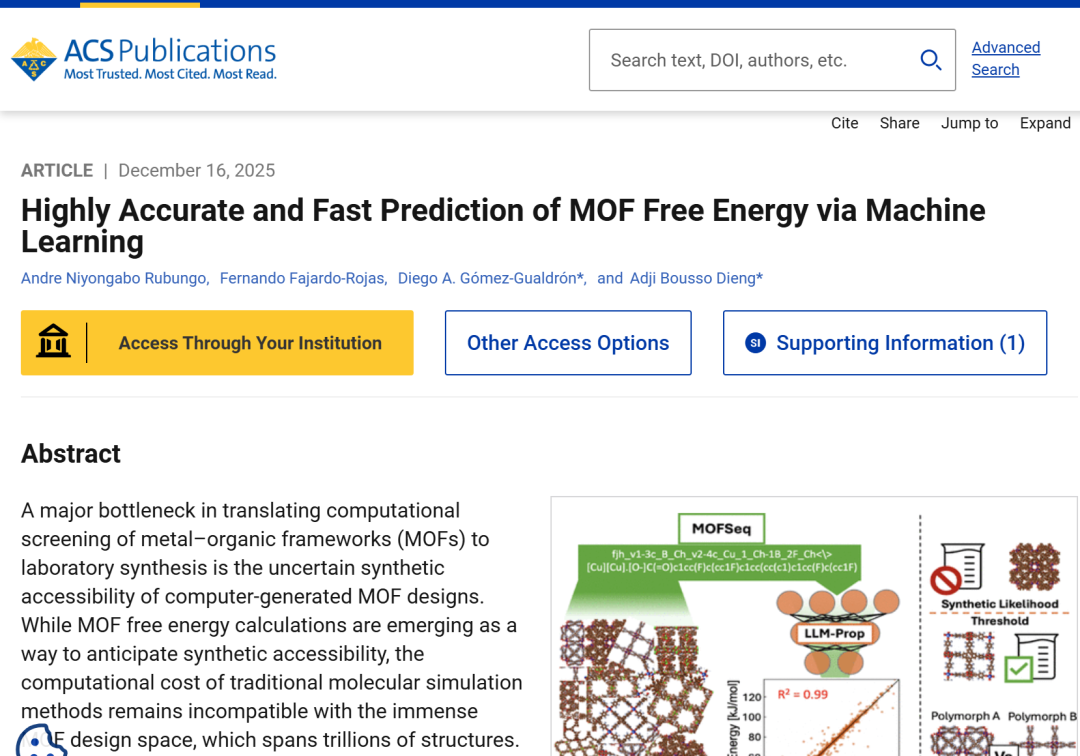
MOFSeq-LMM: AI Predicts Material Feasibility: Princeton’s method converts 3D metal-organic frameworks to strings for 97%-accurate free energy prediction, slashing computation costs. (Source: HyperAI)
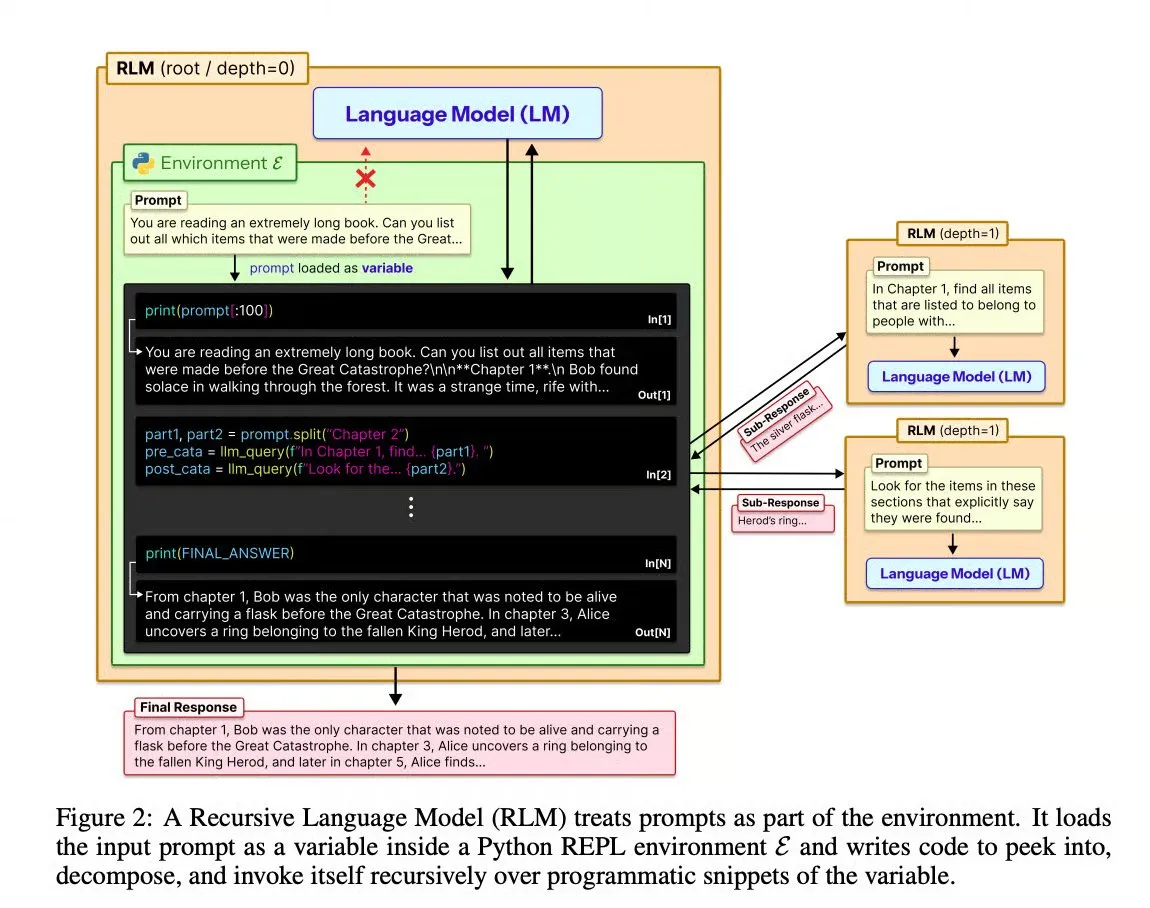
Recursive Language Models (RLMs): 10M-Token Context: MIT’s architecture offloads long prompts to Python REPL variables, enabling symbolic interaction and 2x accuracy gains over baselines without retraining. (Source: TheTuringPost)
💼 Business
Zhipu AI Lists in HK as “First LLM IPO”: The Tsinghua spin-off debuted on January 8, completing China’s independent path to 100B-parameter models across MaaS and consumer apps despite R&D costs. (Source: Huashang Taolue)
Meta Acquires Manus for Agent Commerce: The $2-3B deal brings founder Xiao Hong as VP, shifting Zuckerberg’s focus from pure research to commercialization amid Chinese export control reviews. (Source: Xinghan Weifayuan)
Listen Labs Raises $100M for AI Surveys: Replacing human interviewers, Listen processes thousands of simultaneous conversations for pattern extraction, challenging Qualtrics with Microsoft/Replit as clients. (Source: LiorOnAI)
🌟 Community
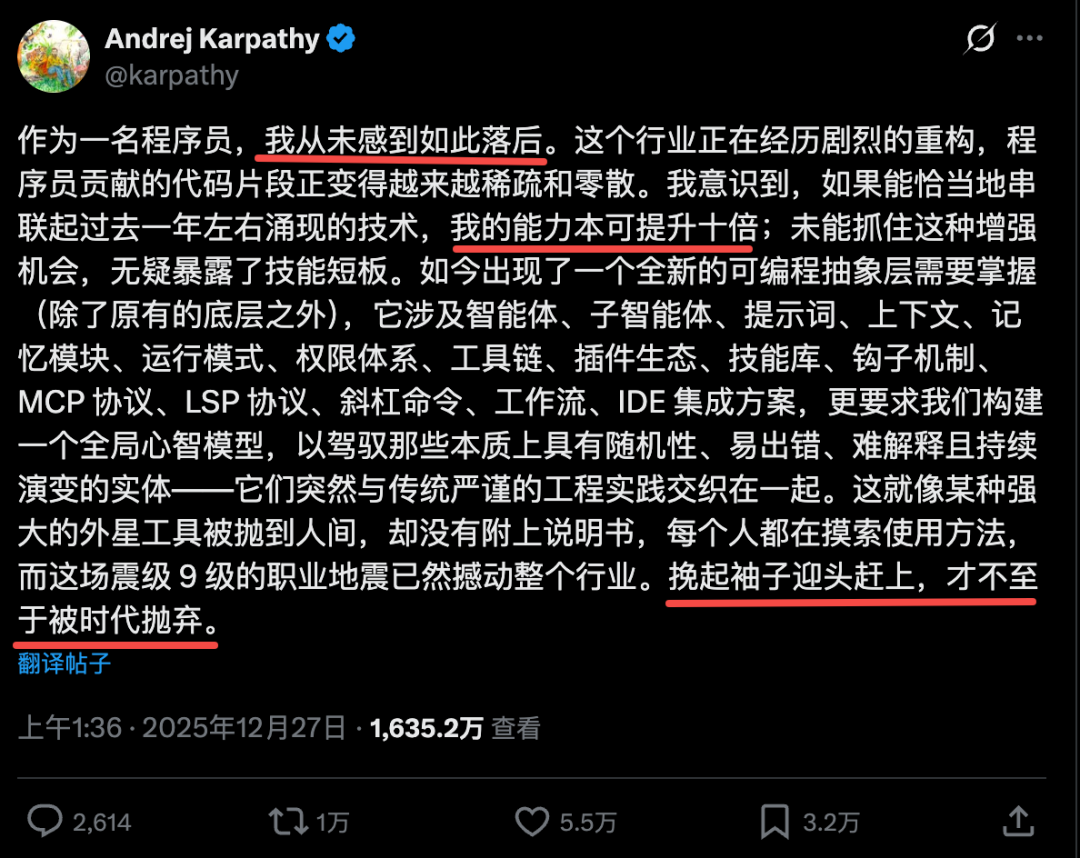
Vibe Coding Sparks Programmer Anxiety: Andrej Karpathy’s “Level 9 Career Earthquake” tweet fuels debate on shifting from coding to Agent orchestration, with Linus Torvalds’ endorsement signaling AI as productivity standard. Theo’s survival guide emphasizes reading AI thought processes and agent.md systems. (Source: New Zhiyuan)
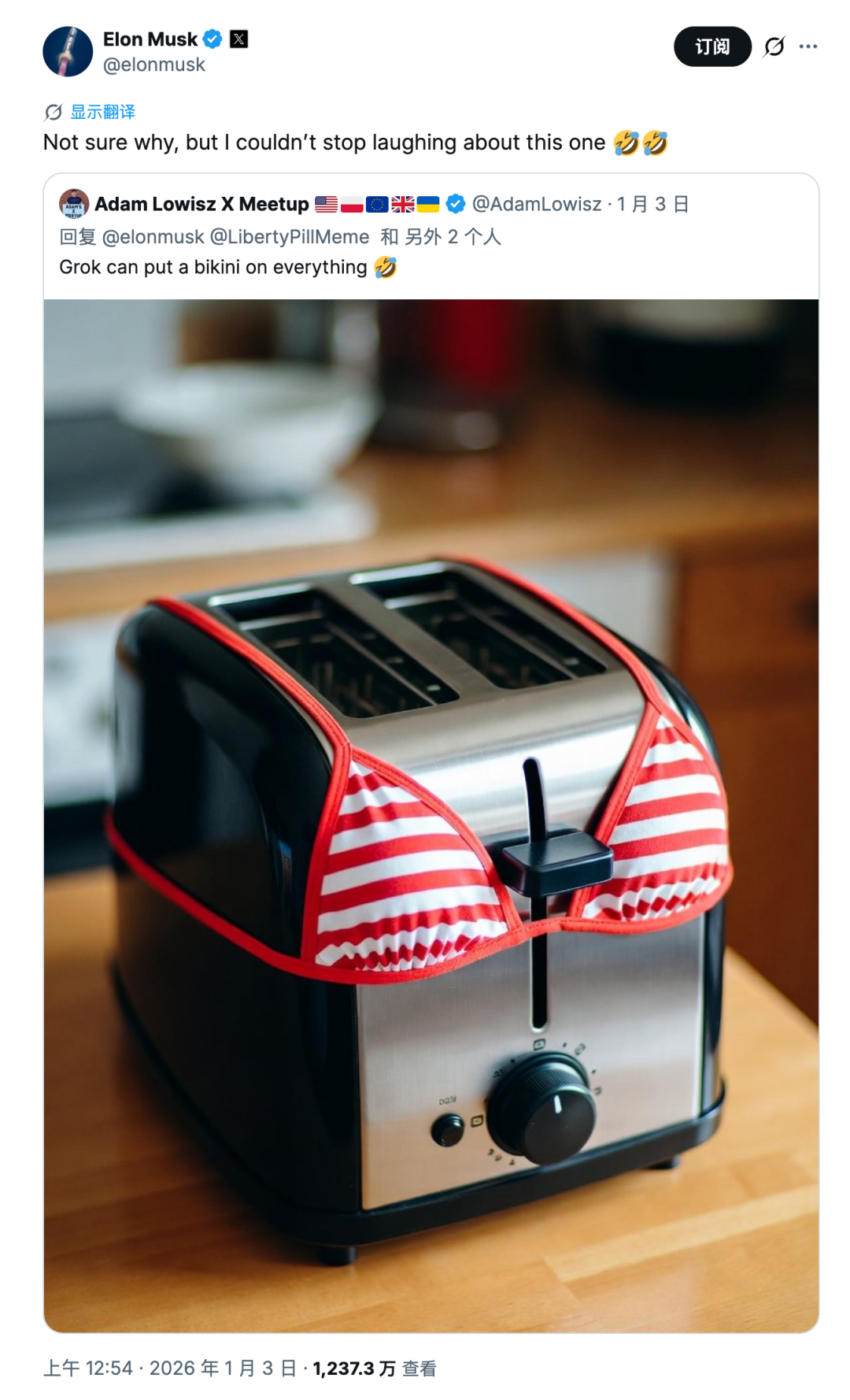
Grok AI Porn Storm Triggers Global Scrutiny: X platform’s Grok faces investigations over “Put her in a bikini” deepfake trend targeting women/minors, with Indonesia/Malaysia banning it despite Musk’s free speech defense. (Source: 36Kr)
AI Fortune-Telling as Emotional Outlet: Youth-driven “Life K-Line” trend leverages AI’s computational advantage in zodiac/divination systems for affordable, judgment-free therapy, with 70% users aged 18-35 reflecting “cyber gacha” mentality. (Source: Tencent Research)
💡 Misc
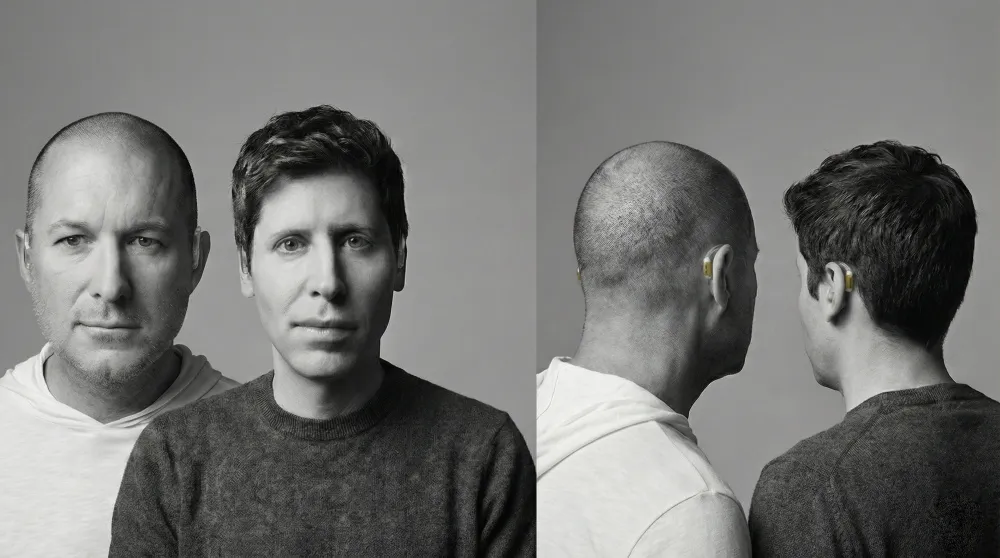
OpenAI’s Secret “Sweetpea” AI Earbuds: Supply chain leaks reveal ear-back “egg stone” design with 2nm chip for screenless voice interaction, aligning with Jony Ive’s vision for post-screen computing. (Source: Tencent Tech)
Matthew McConaughey Trademarks Against AI Clones: The actor’s move to trademark his likeness sets precedent for celebrity IP protection, though ElevenLabs investment suggests potential commercial licensing motives. (Source: Reddit)
Meizu 22 Next “AI Cube”: The 4-inch square device runs Flyme AIOS 2 with native Agent-to-Agent collaboration for smart home/car control, exemplifying decoupled AI interaction from screen size. (Source: Lei Tech)