



🔥 Highlights
“Vibe Coding” Triggers a Revolution in Development Paradigms: With the deep application of Claude Code and OpenAI Codex, a “Vibe Coding” craze has swept through the developer community. Andrej Karpathy demonstrated the full process of AI autonomously running experiments, debugging, and optimizing code, while senior developers like DHH expressed shock at AI’s performance in handling large, complex codebases like Rails. This model emphasizes the developer’s shift from “writer” to “commander,” using natural language to drive AI through the closed loop from prototype to deployment. Despite concerns about code quality and “technical debt,” it is undeniable that the productivity of small teams and even individual developers is achieving exponential leaps (Sources: Andrej Karpathy, dhh)

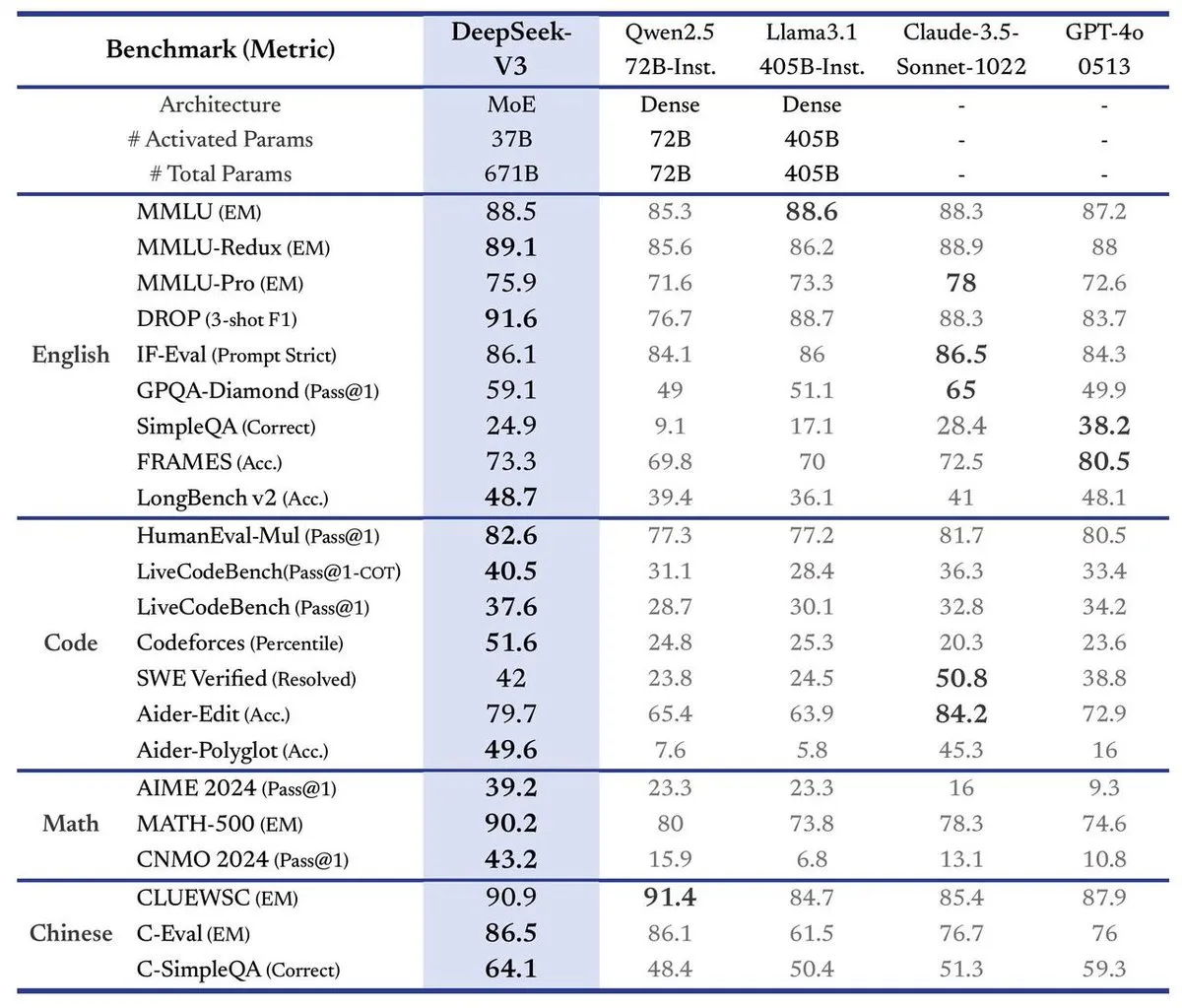
DeepSeek’s First Anniversary and the Frontier of Open Source Challenges: The release of DeepSeek-V3 marks the official capability of open-source models to challenge top-tier closed-source models. The community is buzzing about the impending DeepSeek-V4 or R2, which, with extremely low training costs ($5.5 million) and an efficient MoE architecture, has completely transformed AI compute economics. DeepSeek’s success proves that underlying architectural optimizations (such as Multi-head Latent Attention) are more disruptive than simply stacking computing power. Leaders like Wu Feng point out that China is cultivating its own top AI talent, continuously striking at the global frontier through the open-source ecosystem (Sources: teortaxesTex, swyx)
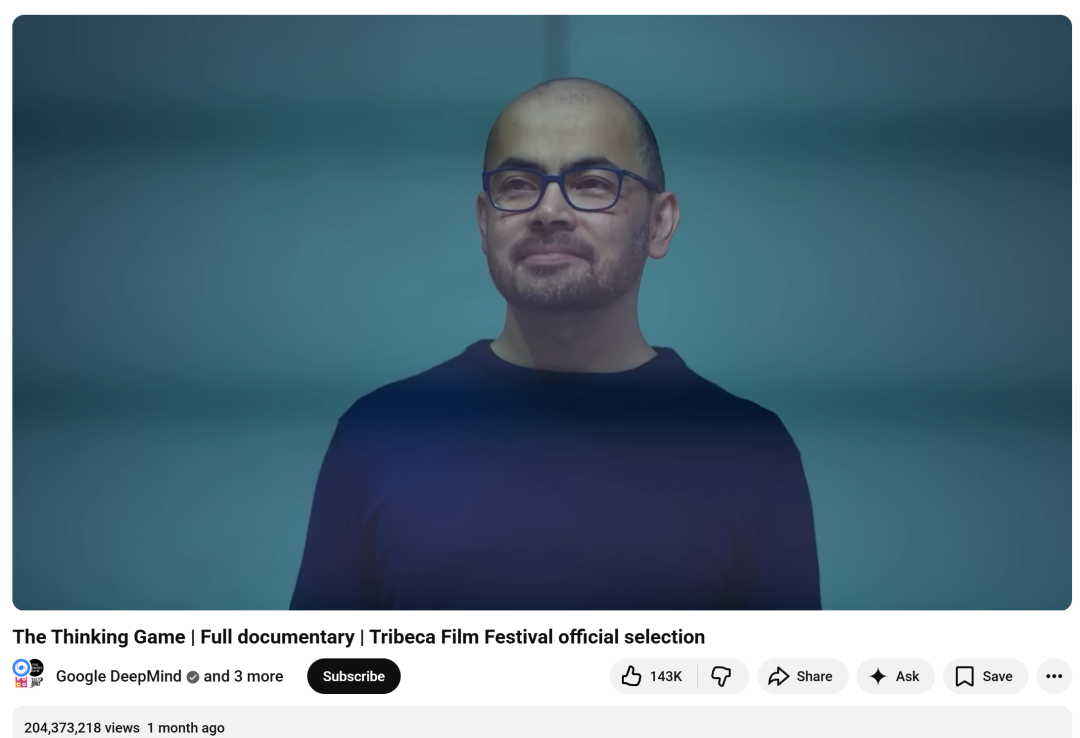
DeepMind Documentary “The Thinking Game” Reveals the Behind-the-Scenes of AGI: Filmed over five years, the documentary The Thinking Game records Demis Hassabis leading DeepMind on a Nobel-level journey from AlphaGo to AlphaFold. The film reveals the true inner workings of an AGI lab: from the early days when AGI was a “forbidden word,” to high-stakes gambles, to seizing the “holy grail” of life sciences. It not only showcases technical breakthroughs but also delves into the potential civilizational shifts and ethical dilemmas triggered by AI. The film surpassed 200 million views within four weeks of its YouTube launch, sparking global reflection on “humanity creating a second form of intelligence” (Source: )
🎯 Trends
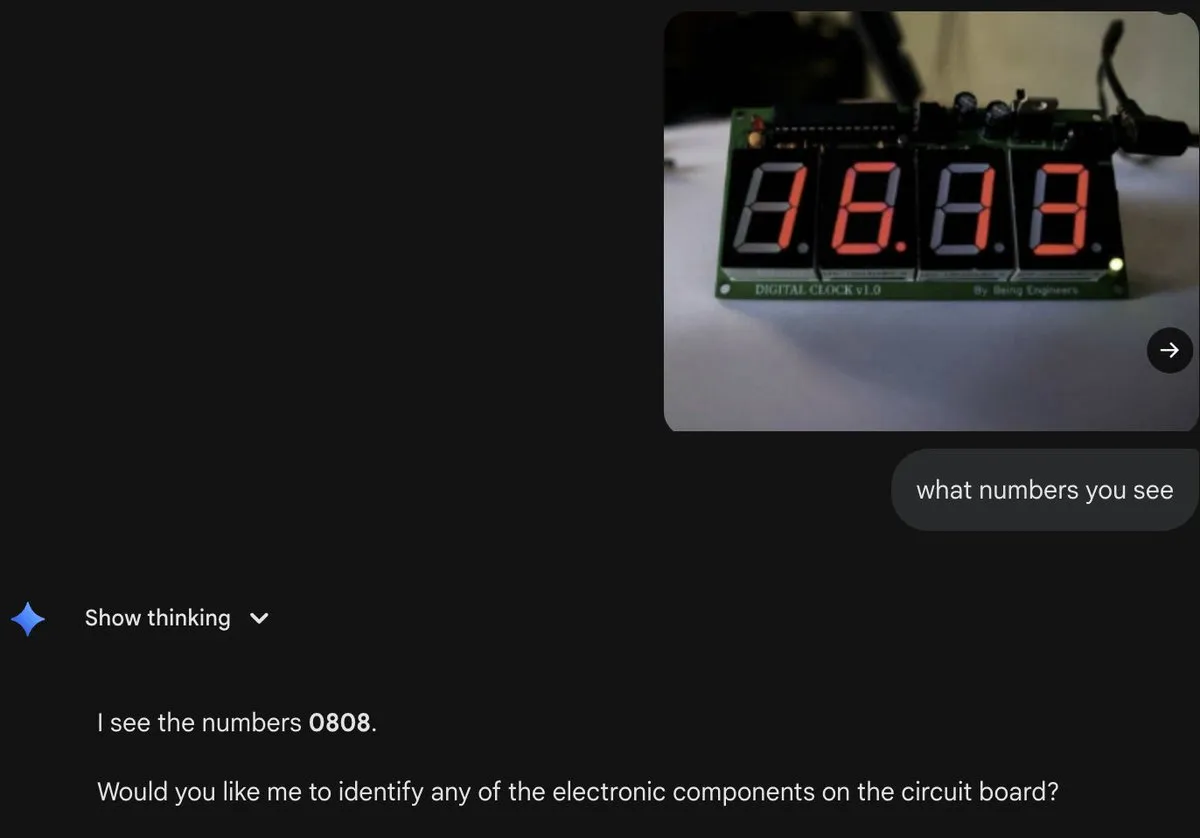
Gemini 3 vs. GPT-5.2: The Ultimate Showdown in Visual Reasoning: Google’s Gemini 3 and OpenAI’s GPT-5.2 have shown varying performance in high-difficulty visual reasoning tests like “Humanity’s Very Last Exam.” While both have made significant progress in handling complex logic and long contexts, they still struggle with highly challenging visual mazes and OOD (Out-of-Distribution) tasks. Gemini 3 has gained favor among some developers due to fewer refusal triggers and strong Gsuite integration, while GPT-5.2 is considered slightly superior in the depth of pure logical reasoning (Sources: gabriberton, swyx)
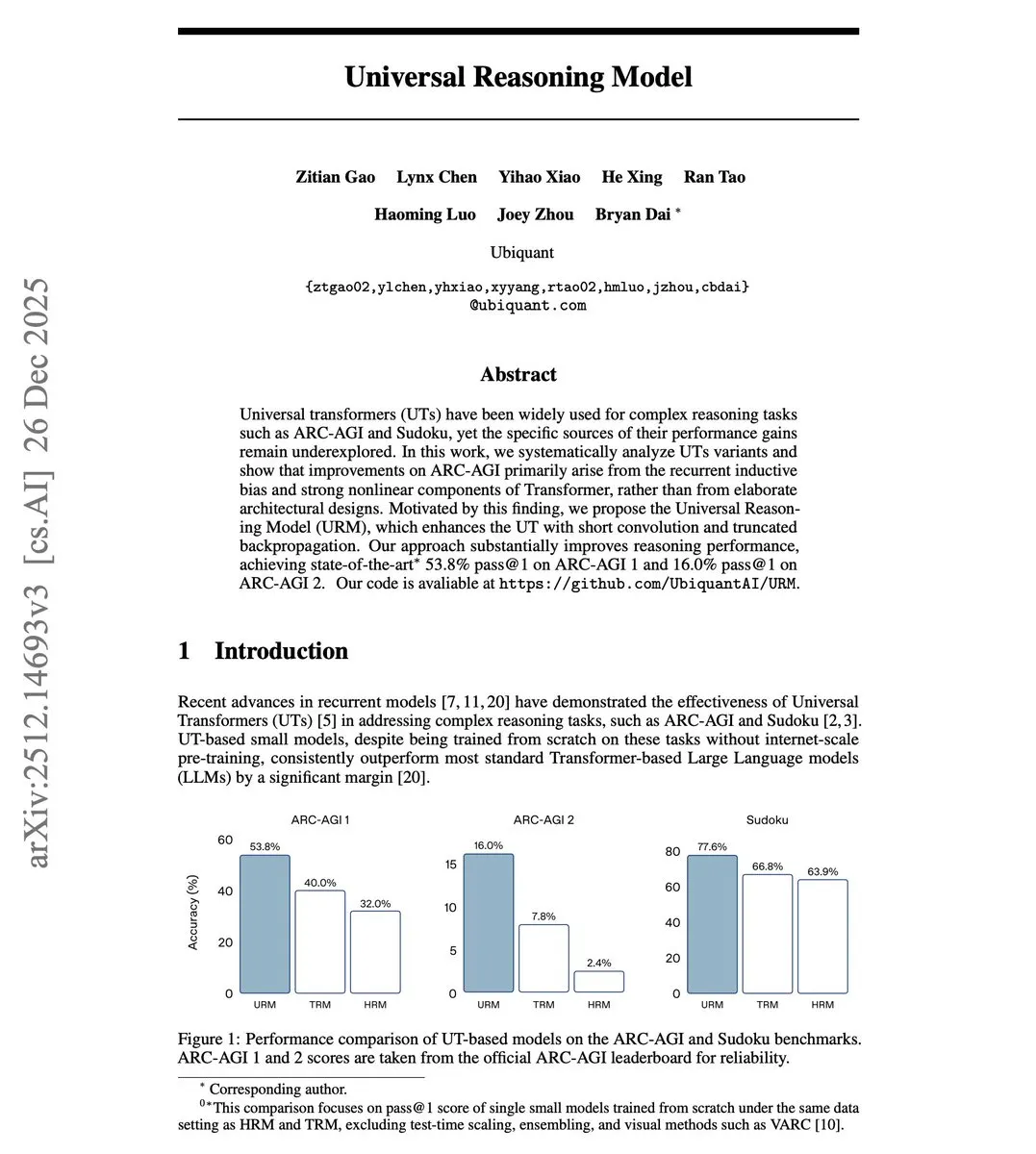
Universal Reasoning Model (URM) Challenges Standard Transformers: Latest research proposes the Universal Reasoning Model (URM), which far outperforms standard Transformers on reasoning tasks through recurrent inductive bias and strong non-linearity. The study found that repeatedly applying a single transformation is more effective than stacking different layers. URM achieved 53.8% accuracy on the ARC-AGI 1 benchmark, beating traditional models with 32x the parameters using only 4x the parameters. This breakthrough suggests that complex abstract reasoning relies more on iterative computation than mere model scale (Source: omarsar0)
Regional Giants Enter the Fray: Naver and Tencent Release New Models: South Korean internet giant Naver released the 32B open-source reasoning model HyperCLOVA X SEED Think and an 8B multimodal unified model, demonstrating strong integration of text, vision, and speech. Meanwhile, Tencent released WeDLM-8B Instruct, a diffusion language model that is 3-6 times faster than the optimized Qwen3-8B on mathematical reasoning tasks. The rise of these regional large models signifies that global AI competition is deepening from general domains toward vertical performance and regional adaptation (Sources: naver-hyperclovax, tencent)
InSight-o3: Empowering Multimodal Visual Search: Addressing the shortcomings of current models in handling complex charts and map navigation, the InSight-o3 framework achieves generalized visual search through the collaboration of a visual reasoning agent (vReasoner) and a visual search agent (vSearcher). It can accurately locate vague or conceptual areas described in natural language. Experiments show the framework significantly enhances the performance of existing frontier models in multi-step visual reasoning tasks, marking an important step toward systems similar to OpenAI o3 (Source: HuggingFace)
🧰 Tools
Claude Code and Codex CLI Reshape Workflows: Developers are beginning to rely heavily on Codex CLI and Claude Code for asynchronous programming. Peter Steinberger shared a “2025 workflow” of “shipping without reading code”: prioritizing CLI builds, using agents to handle simulators, and heavy use of queuing mechanisms. Although Codex is slower at startup (requiring extensive code reading), its accuracy in large-scale refactoring is considered superior to Opus. This toolchain is shifting programming from “meticulous crafting” to “rapid reasoning and verification” (Sources: gdb, reach_vb)
EntropyGuard: Solving the “Data Entropy” Trap: To address the attention dilution caused by large context windows, the open-source tool EntropyGuard uses Shannon entropy and semantic similarity to “dehydrate” datasets. By removing semantically repetitive and low-information-entropy redundant data, the tool can reduce data volume by 40-60% while improving the retrieval accuracy of RAG systems. This indicates that information density is more critical to model reasoning quality than context length (Source: Reddit)

Manus AI: A Tool for Deep Research and Valuation: Manus AI has demonstrated exceptional capabilities in “Wide Research” scenarios. Users can give simple instructions to research the total funding and latest valuations of dozens of startups; its automated data scraping and summarization capabilities far exceed traditional single-turn chatbots, making it an efficient assistant for business analysts and investors (Source: hidecloud)
📚 Learning
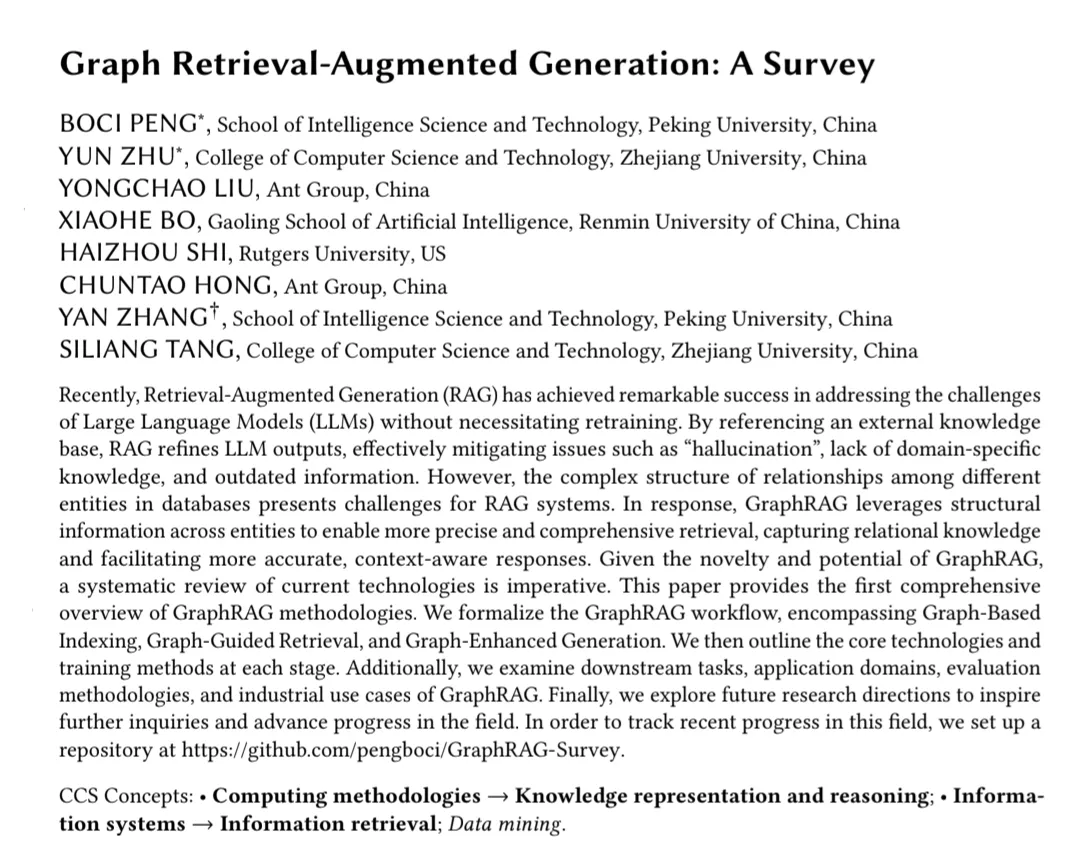
AI Learning Resources: From Graph RAG to Pre-training Deep Dives: The 2025 annual content summary released by Su Jianlin (Scientific Spaces) is viewed by the community as a “gold mine,” covering deep understandings of LLM pre-training. Meanwhile, reviews on Graph RAG and research on Mindscape-Aware RAG provide systematic tutorials for solving long-context retrieval and relational data processing. Anthropic also officially released a free Claude Code course to help developers master the next generation of AI programming tools (Sources: eliebakouch, TheTuringPost)
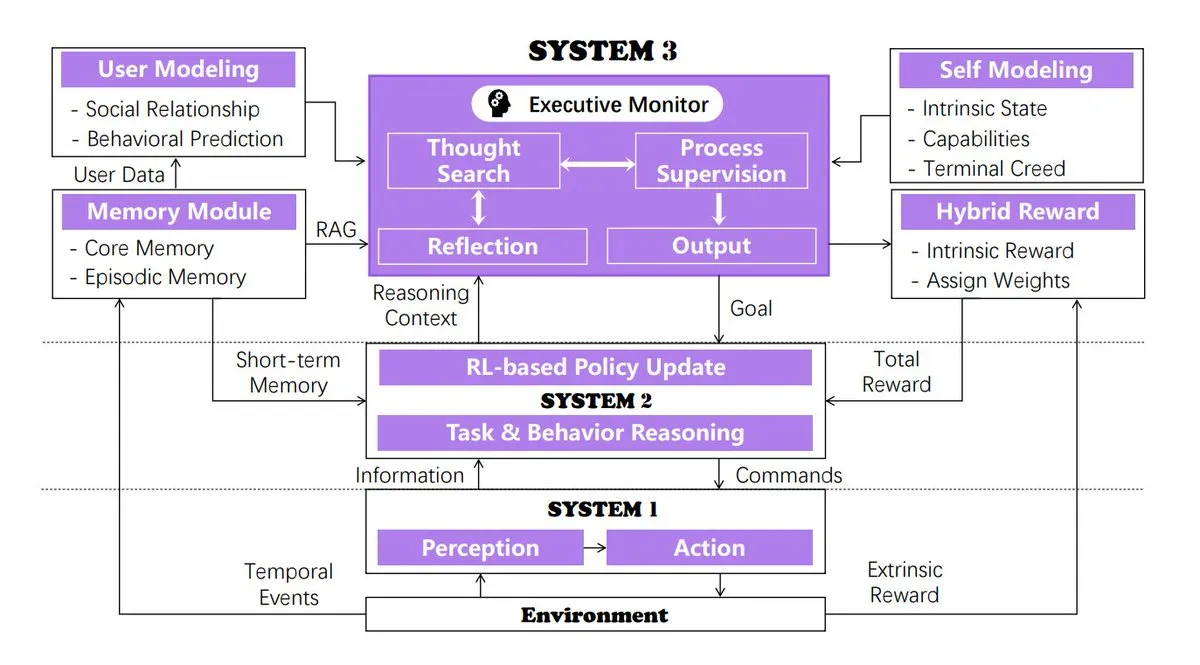
Ready Tensor: LLM Engineer Certification and Agent Building: The LLM certification program launched by Ready Tensor focuses on multi-GPU setups, experiment tracking, and efficient training workflows, particularly suitable for developers with limited budgets. Additionally, research on “System 3 thinking” for AI Agents explores how to build long-term behavior, identity, and self-improvement layers for agents, pushing them from static reasoning toward continuous evolution (Sources: TheTuringPost, ReadyTensor)
💼 Business
ServiceNow Acquires Armis for $7.75 Billion: Enterprise software giant ServiceNow announced the acquisition of cybersecurity startup Armis to create an “AI Control Tower.” This move aims to strengthen asset protection and risk management in the AI era, integrating workflows, actions, and business outcomes across environments, signaling that cybersecurity is becoming a core foundation for enterprise AI applications (Source: Reddit)

Nvidia Licenses Groq Technology for $20 Billion: Nvidia reached its largest-ever deal with Groq to license its LPU (Language Processing Unit) technology. This collaboration aims to bridge the gap in GPU inference latency, signaling that future AI infrastructure will tilt toward ultra-fast inference, further consolidating Nvidia’s dominance in the compute market (Source: TheRundownAI)

🌟 Community
AI and Loneliness: A Psychiatrist’s Defense: A psychiatrist posted on Reddit, calling for an end to the pathologization of “building intimate relationships with AI.” He argues that AI can provide 24/7 emotional support for individuals with autism or trauma, and that this “synthetic intimacy” has shown real efficacy in improving depression and overcoming addiction. The community responded enthusiastically, suggesting AI could be a vital tool for alleviating the modern epidemic of loneliness (Source: Reddit)
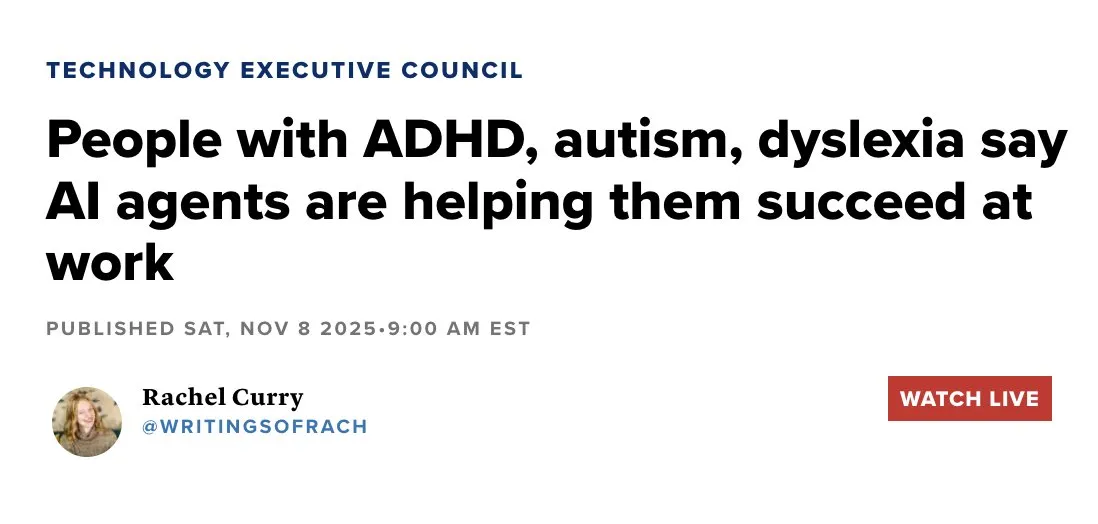
Why the Autistic Community Loves AI: Social media discussions have highlighted that the autistic community generally shows high enthusiasm for LLMs. AI’s predictability, unbiased feedback, and tolerance for atypical thinking patterns make it an important aid in their personal and professional lives. LLMs are not offended by social awkwardness, and this “digital safe haven” is changing many lives (Source: nptacek)
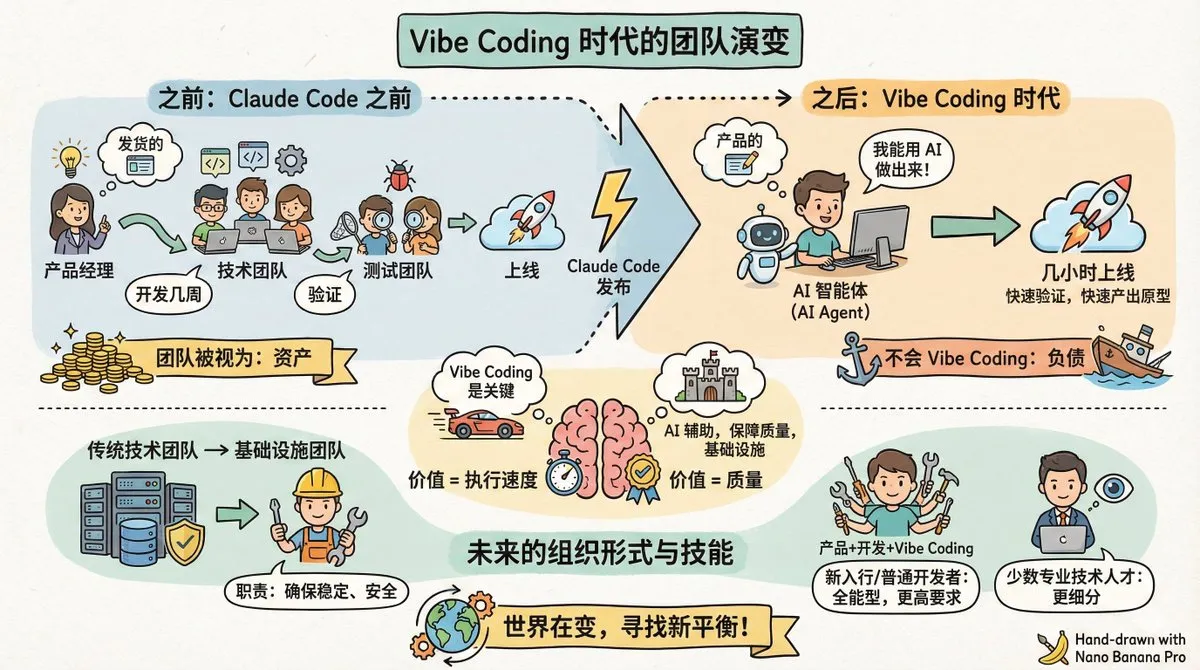
Technical Team “Liability” Theory: The Crisis of Not Knowing Vibe Coding: Radical views have emerged in the community suggesting that after the release of Claude Code, technical teams that cannot perform Vibe Coding will become “liabilities.” Traditional development processes (PM-Tech-QA) are being replaced by AI-assisted rapid prototype validation. The value of technical teams is shifting from “execution speed” to “underlying architectural quality” and “infrastructure assurance,” making a redistribution of responsibilities inevitable (Source: dotey)
💡 Others
The “Water Crisis” Debate in AI Data Centers: Concerns over AI’s massive water consumption have sparked heated debate. Some argue that most data centers use closed-loop cooling systems and consume far less water than golf courses; however, opponents point out that in arid regions, data center demand for freshwater still exacerbates local ecological pressure. This topic highlights the tension between AI expansion and environmental sustainability (Source: Reddit)
Antarctica “Robot Colony” Concept: Midjourney founder David Holz proposed that before establishing space colonies, a robot army should first be tested in Antarctica to build “ice brick dome cities.” This idea sparked discussions about automated construction technology in extreme environments, viewing Antarctica as the best testing ground for large-scale AI and robot coordination (Source: DavidSHolz)
“The Boy Who Cried Wolf” and Bayesian Inference: A witty community comment interpreted the classic fairy tale The Boy Who Cried Wolf as a “Bayesian Inference” lesson for children: as lies increase, the villagers’ prior probability of the “wolf is coming” signal is constantly revised, eventually leading to decision failure. This perspective of combining traditional culture with underlying AI logic has been widely welcomed (Source: BlackHC)