



🔥 Focus
Meta Acquires Manus for Billions, Ushering in the Era of Agent Execution: Meta has announced the completion of its acquisition of the general-purpose AI Agent startup Manus (Butterfly Effect), with the transaction rumored to be worth billions of dollars. This acquisition marks a shift in Meta’s strategic focus: from purely Llama model R&D to an “executable” Agent ecosystem. Manus achieved an ARR of $125 million within just 9 months of its launch and processed over 147 trillion tokens. Founder Xiao Hong (born in the 90s) will serve as Meta’s Vice President. This move is seen as a key step for Meta to counter OpenAI and Anthropic and seize the new entry point for human-computer interaction, aiming to embed autonomous execution capabilities into global social platforms like WhatsApp and Instagram. (Sources: Manus, Alexandr Wang)

DeepSeek-R1 Shocks Silicon Valley, Reshaping Large Model Economics: DeepSeek has released the R1 series of reasoning models, achieving performance comparable to GPT-4 at a cost of less than $6 million through extreme architectural optimization. This breakthrough shatters the Silicon Valley myth of “brute force” scaling, proving the immense potential of algorithmic efficiency under resource constraints. The rise of DeepSeek not only gives Chinese AI a voice in the global technical landscape but also forces closed-source giants to re-examine their commercial moats. Currently, R1 and its distilled versions have become the most sought-after reasoning models in the open-source community, significantly lowering the barrier for global developers to access top-tier AI capabilities. (Sources: AndrewYNg, JiaBin Business School)
Evolution of the Programming Agent Paradigm: From Code Completion to Autonomous Editing: 2025 has witnessed a qualitative leap in AI programming from “assisted prediction” to “task takeover.” Tools represented by Claude Code, Cursor, and Trae no longer just predict the next character; they can autonomously understand the entire project, edit files, and run tests. Experts like Andrej Karpathy point out that this “Agentic” behavior is reshaping the IDE, transforming it from a “human toolbox” into a “human-machine shared execution environment.” With the integration of reasoning models (such as o1, Opus 4.5), Agents can perform long-range task planning and automate complex tasks at the level of senior engineers, marking a new stage of AI-driven software engineering. (Sources: Andrej Karpathy, InfoQ)
🎯 Trends
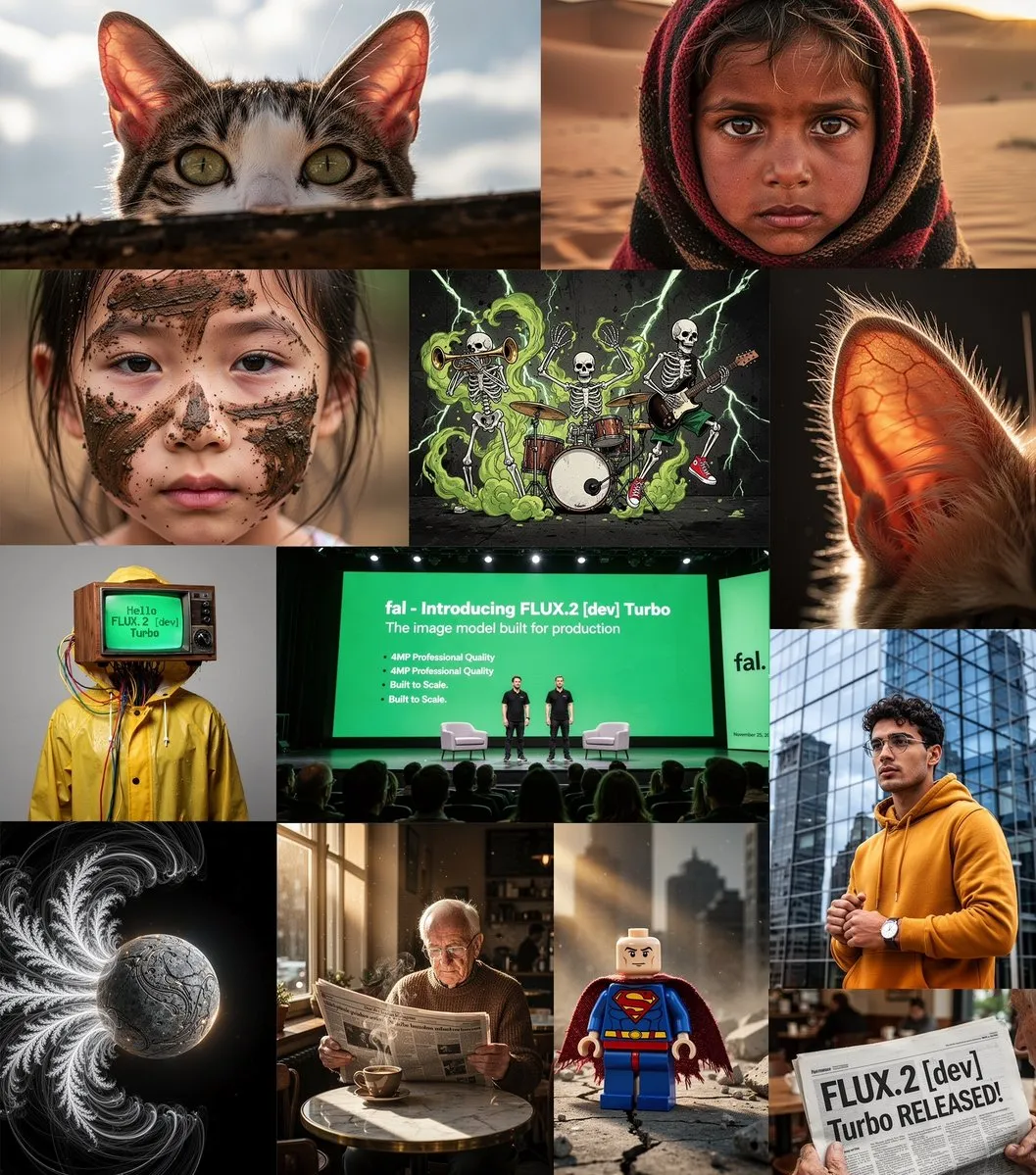
Hugging Face Releases FLUX.2 [dev] Turbo, Achieving Sub-second Image Generation: The fal team has open-sourced Turbo, a distilled version of FLUX.2 [dev], using custom DMD2 distillation technology to achieve sub-second image generation speeds while maintaining extremely high quality. The model currently ranks first on Artificial Analysis’s open-source image model leaderboard (ELO). This release provides the community with high-performance real-time visual generation capabilities, greatly broadening AI application scenarios in instant creative design and interactive media. (Source: huggingface)
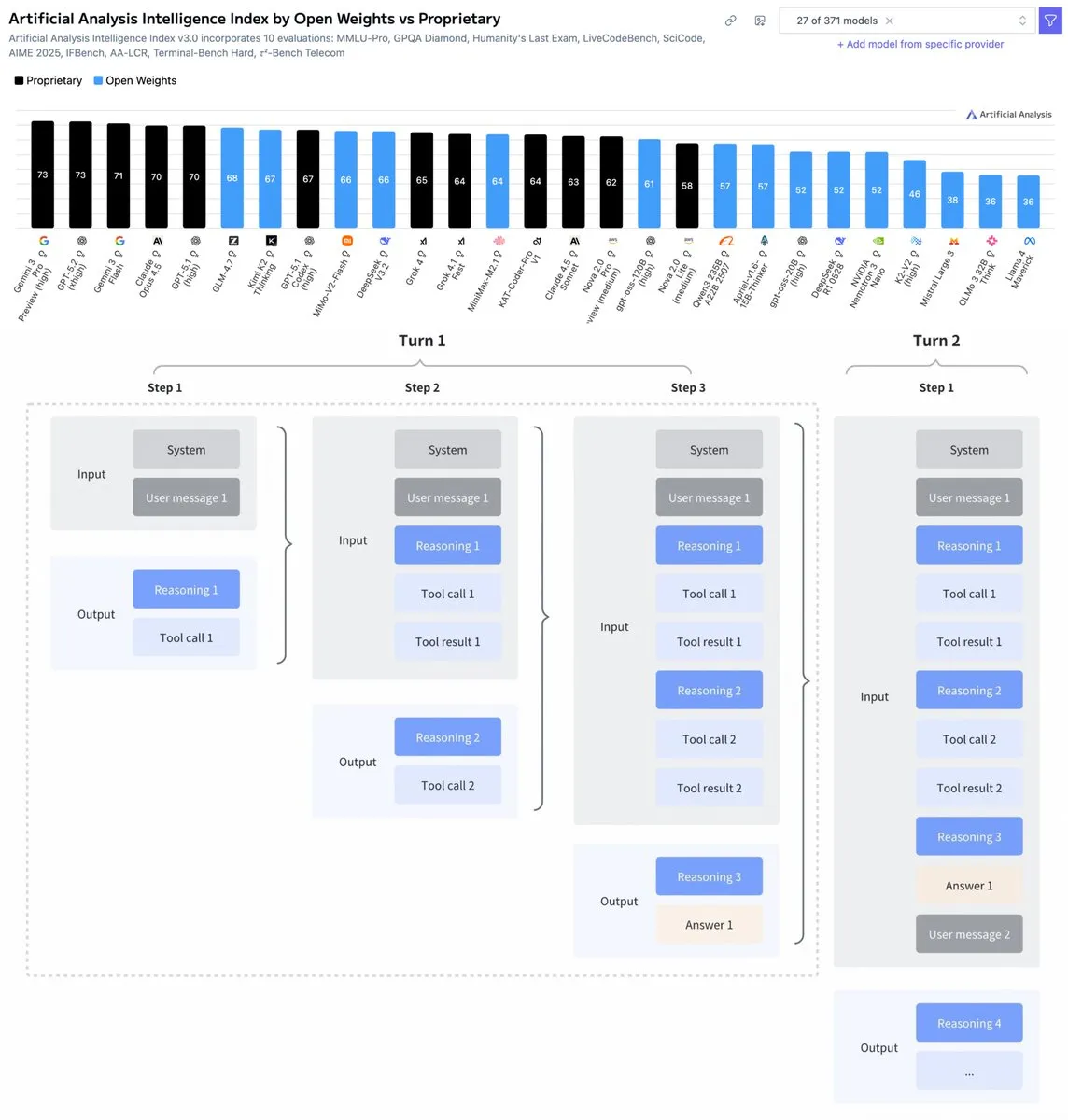
Domestic Open-Source Duo: GLM-4.7 and MiniMax M2.1 Lead the Charts: Zhipu released GLM-4.7, which improves coherence in complex tasks through techniques like alternating thought and retained thinking, earning the highest rating among open-source weight models. Meanwhile, MiniMax M2.1 performed exceptionally on the Code Arena leaderboard, not only surpassing GPT-5.2 but also ranking first among open-source models in the WebDev category. The release of these two models signifies that domestic models have reached world-leading levels in programming, logical reasoning, and multilingual support, becoming the preferred choice for global developers building Agent workflows. (Sources: Zai_org, MiniMax)
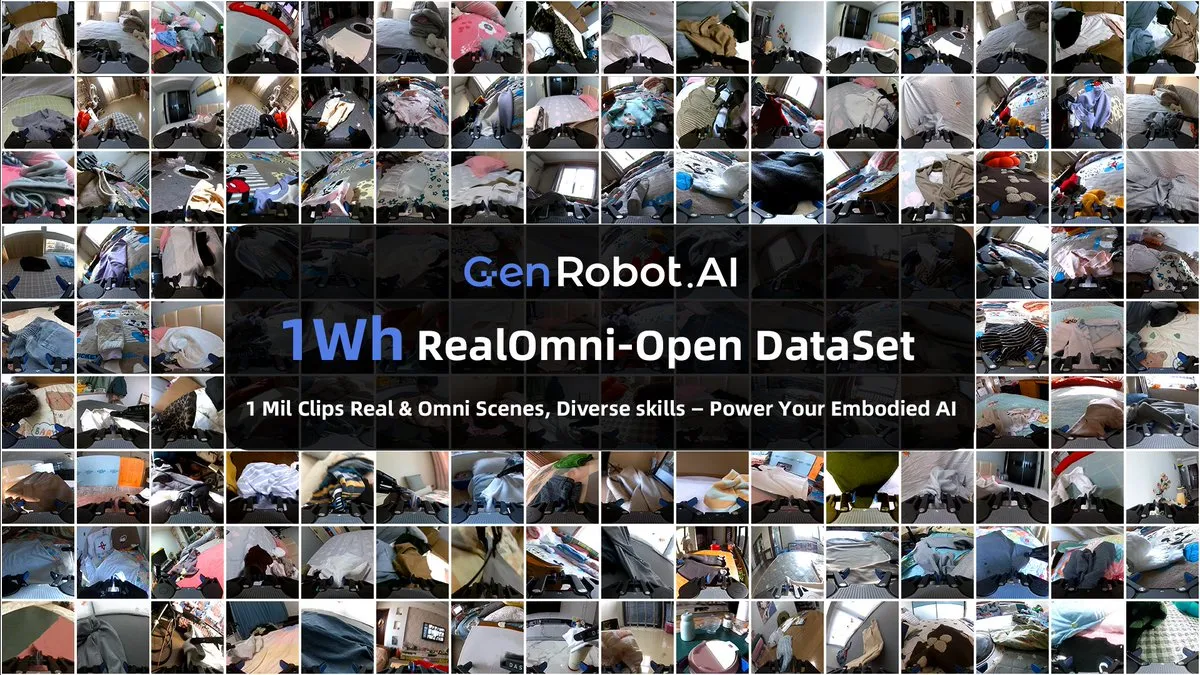
Embodied AI Breakthrough: 1Wh Scale Dataset and Industrial Humanoid Mass Production: Genrobot.AI announced the upcoming release of “1Wh RealOmni-Open” on Hugging Face, the world’s largest open-source embodied AI dataset, aimed at bridging the gap between simulation and reality through massive real-world data. Simultaneously, humanoid robots like UBTECH Walker S2 have begun “working” in factories such as Tesla and CATL, with assembly precision reaching 0.1 mm. This indicates that AI is accelerating its move from screens to the physical world, opening a new chapter in industrial automation through a closed loop of “hardware mass production – scenario penetration – data feedback.” (Sources: huggingface, Tech No Cold)
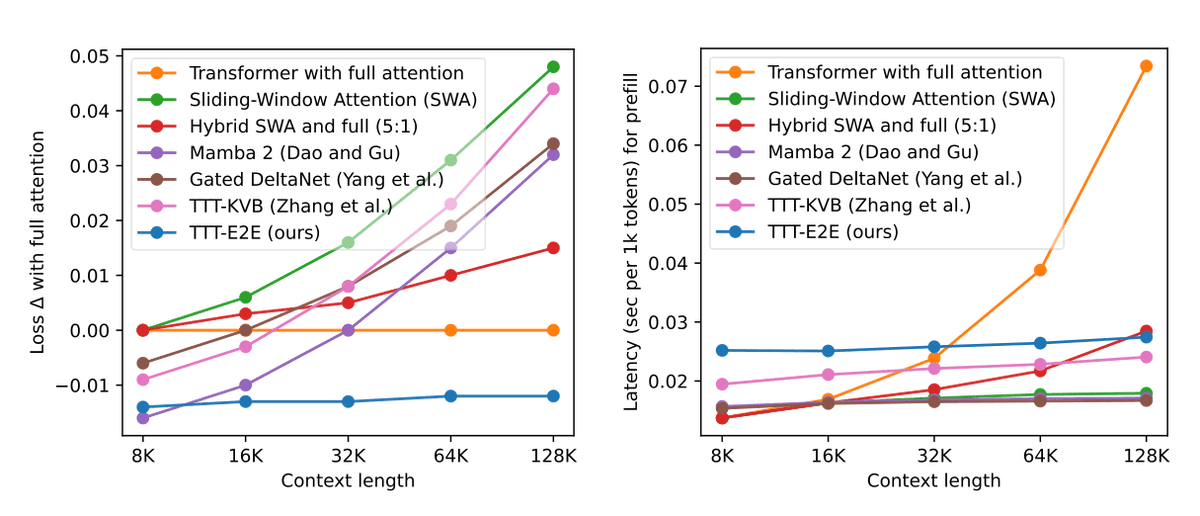
New Progress in Test-Time Training (TTT): Achieving 128K Long Context Linear Scaling: Researchers have released “End-to-End Test-Time Training (TTT-E2E)” technology, which compresses context into model weights by performing next-token prediction on a given context during the inference stage. This method enables a 3B parameter model to handle 128K tokens with constant inference latency, making it 2.7 times faster than the full attention mechanism. This approach blurs the boundary between training and inference, providing a new path for processing ultra-long contexts and continuous learning on resource-constrained devices. (Source: YejinChoinka)
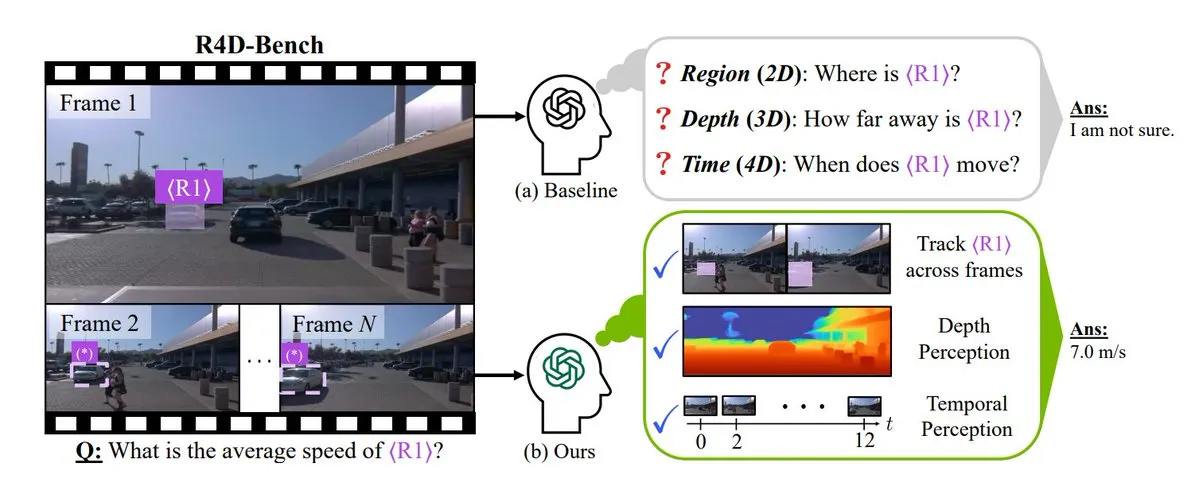
NVIDIA Introduces 4D-RGPT, Enhancing Spatial and Temporal Understanding: NVIDIA has released 4D-RGPT, a specialized multimodal large model capable of perceiving 4D information (3D structure + temporal changes). Through the Perceptive 4D (P4D) distillation training method, the model’s performance on 3D/4D benchmarks has significantly improved. This technology is of great importance for scenarios requiring precise understanding of physical world dynamics, such as autonomous driving and robotic manipulation, marking a leap in AI perception from static 3D to dynamic 4D. (Source: TheTuringPost)
🧰 Tools
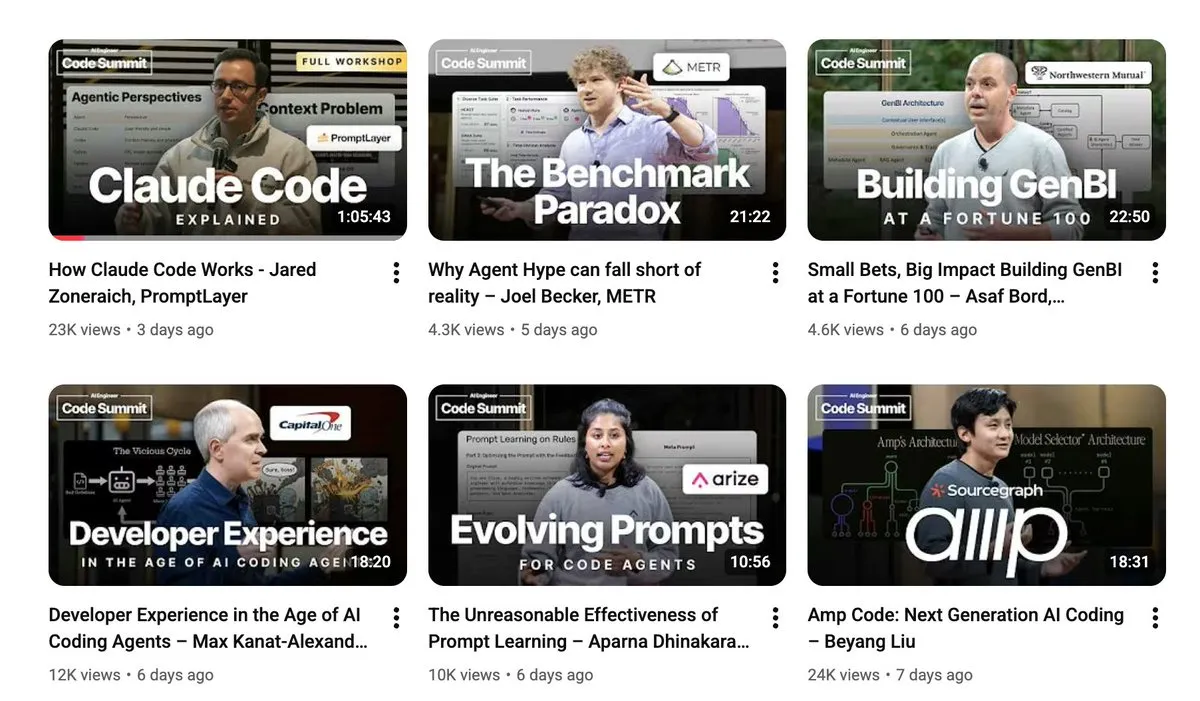
Claude Code: An Autonomous Programming Powerhouse Deeply Integrated with the Terminal: Anthropic’s Claude Code is changing developer workflows. It can not only call file system tools but also possesses powerful Bash execution capabilities. With simple commands, it can automatically discover local network devices, reverse-engineer firmware, and write and run tests. Developers have found that its “simple loop design” combined with Bash tools is more efficient at handling real-world engineering problems than many complex IDE plugins. (Sources: jerryjliu0, imjaredz)
Just-bash: A TypeScript Bash Implementation Built for AI Agents: This is a complete Bash implementation designed specifically for AI Agents, with built-in common tools like grep, sed, and awk. It provides a secure sandbox environment, allowing Agents to explore data and codebases via Shell scripts without worrying about damaging the host system. This tool greatly enhances the Agent’s environmental interaction capabilities, particularly for programming agents that need to perform complex system operations. (Source: imjaredz)
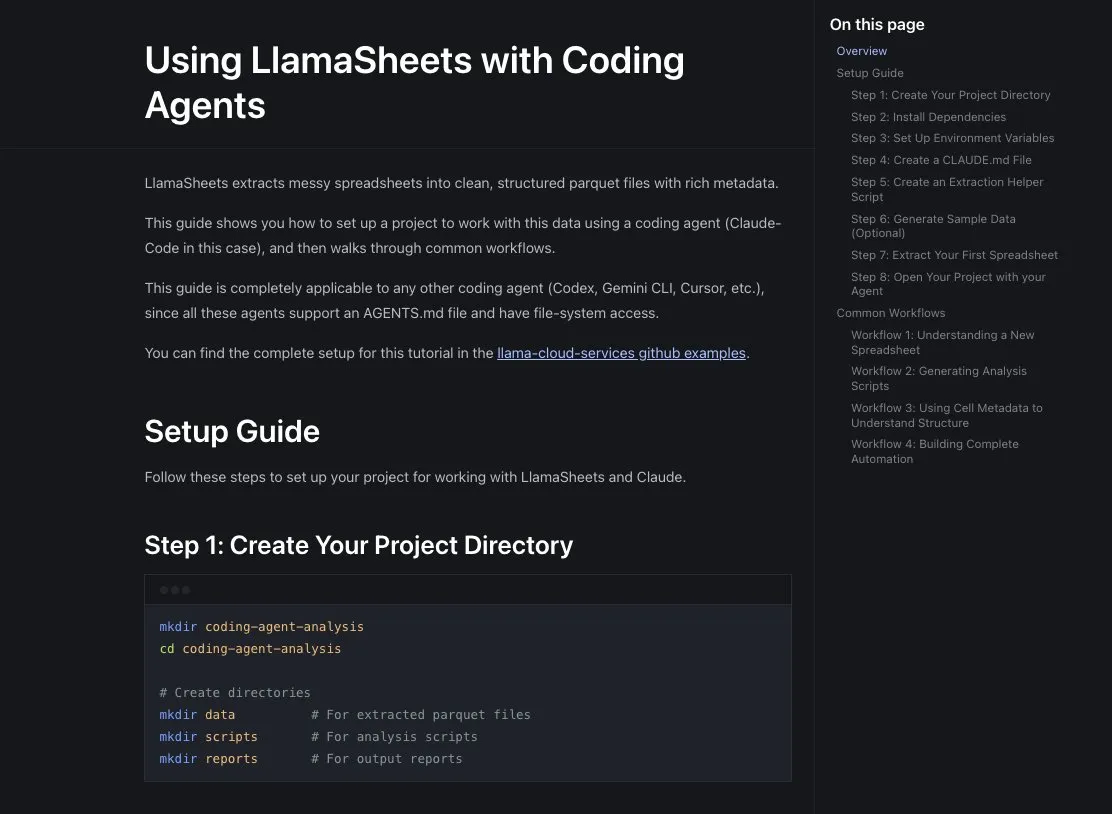
LlamaSheets and DocETL: Agentic Upgrades for Document Processing: LlamaIndex’s LlamaSheets API is specifically designed to convert complex multi-table, hierarchical Excel files into Agent-readable 2D representations. Meanwhile, DocETL allows users to extract information and visualize trends from tens of thousands of messy documents using Claude Code skills without writing code. These tools are eliminating the complexity of RAG, enabling Agents to directly understand and process enterprise-level data like human experts. (Sources: jerryjliu0, HamelHusain)
📚 Learning
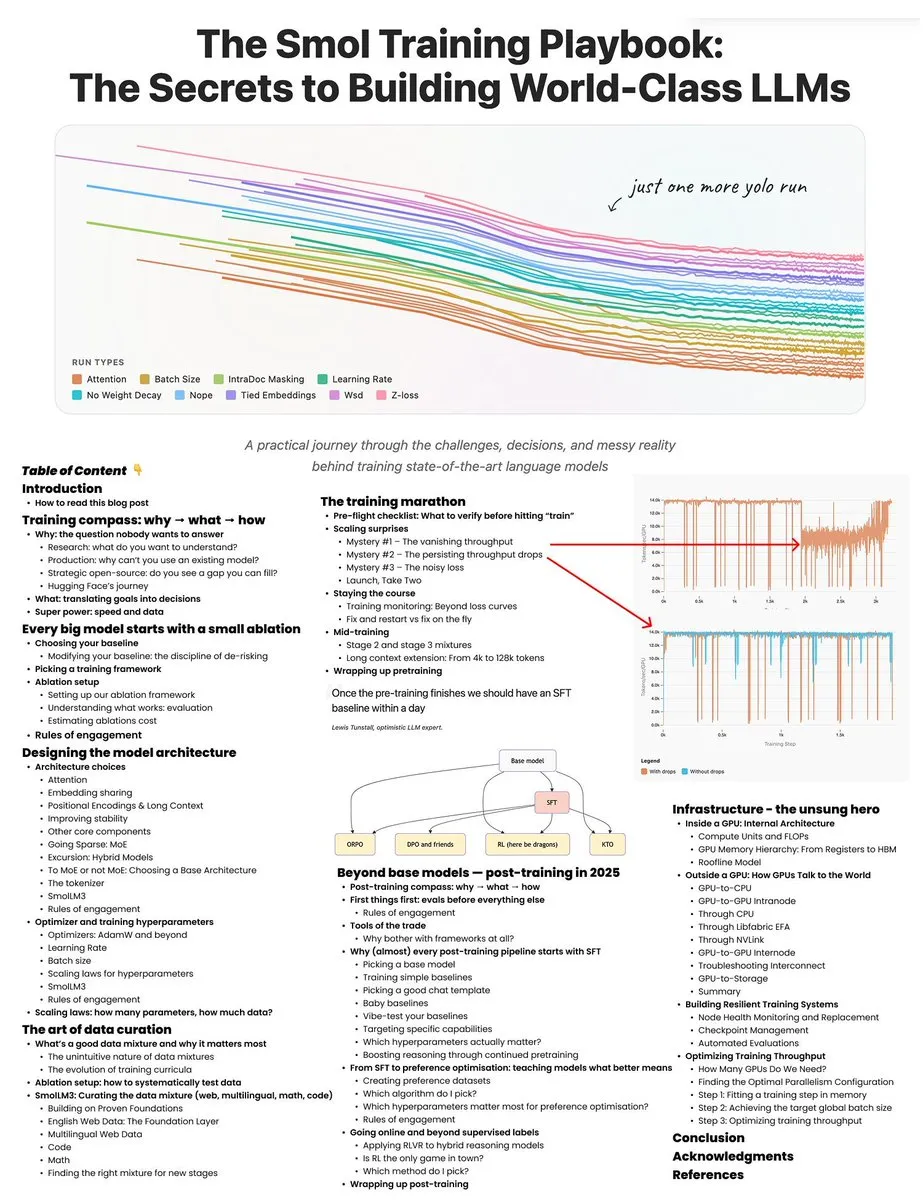
Hugging Face Releases “Smol Course”: A 214-Page Comprehensive Guide to LLM Training: This is a “training bible” covering the entire process from pre-training to post-training (SFT/DPO/RLHF). The manual delves into core concepts such as tokenization strategies, modern attention mechanisms, stability “black magic” (like z-loss), and hardware architectures (NVLink/InfiniBand). It not only explains “why to train” but also provides practical advice on “how to train,” aiming to help developers avoid pitfalls in expensive GPU training. (Source: huggingface)
Andrew Ng’s Winter Advice: Balancing Systematic Learning and Hands-on Practice: In his year-end open letter, Andrew Ng emphasized that building AI systems requires “three keys”: systematic course learning, continuous hands-on building, and (optionally) reading research papers. He warned developers not to blindly “jump straight in,” or they will fall into the trap of reinventing the wheel (such as inefficient RAG chunking strategies). He believes that structured learning provides ready-made “building blocks,” while the emergence of Agent programming assistants has lowered the barrier to practice to an all-time low. (Source: AndrewYNg)
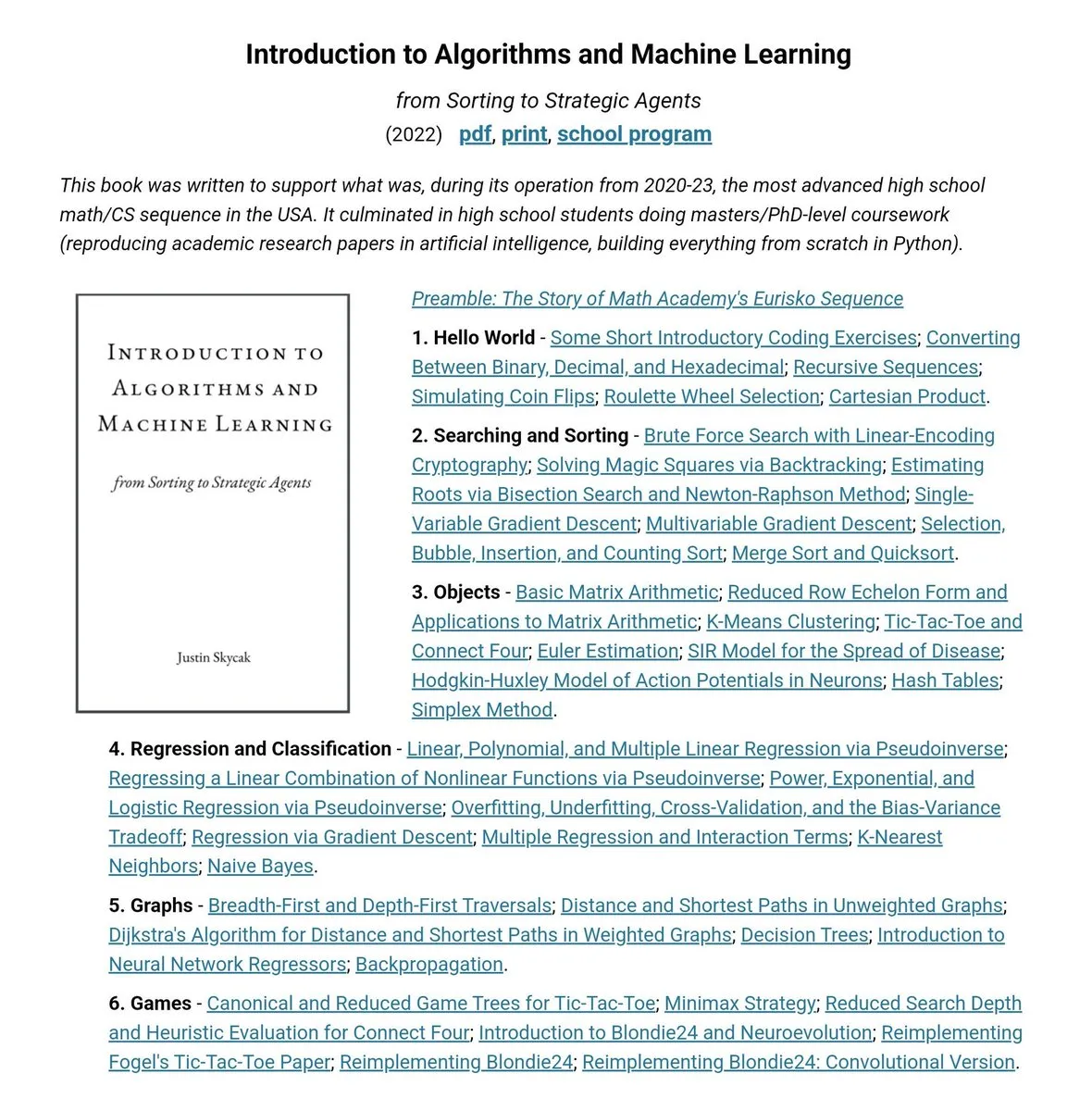
“Intro to Algorithms and Machine Learning”: A Textbook for Hardcore High Schoolers to Build AI: This free textbook, written by Justin Skycak, originates from the most advanced high school CS curriculum in the US. The content climbs from basic binary all the way to neural network backpropagation and game tree search, emphasizing “pure Python implementation” to thoroughly understand principles. This textbook is not only suitable for self-learners looking to patch their foundations but also demonstrates the depth of top-tier CS introductory education to educators. (Source: dotey)
💼 Business
Zhipu (Z.ai) Officially Launches Hong Kong IPO, Aiming to be the “First LLM Stock”: Zhipu Huazhang plans to list on the Hong Kong Stock Exchange on January 8, 2026, aiming to raise approximately HK$4.3 billion, with a projected market value exceeding HK$51.1 billion. The prospectus shows that Zhipu’s revenue in the first half of the year was 191 million yuan, but R&D investment reached 1.595 billion yuan, indicating a stage of high growth and high losses. As a representative with a Tsinghua University background, Zhipu has deep barriers in the B-end government and enterprise market. Its listing is seen as a major milestone for LLM startups shifting from “technical narrative” to “commercial public testing.” (Sources: Machine Heart, Zai_org)

NVIDIA “Buys Out” Groq for $20 Billion, Positioning for the Inference Endgame: Through a non-exclusive licensing agreement, NVIDIA has effectively absorbed the core team and technology of AI chip unicorn Groq at a high premium of $20 billion. Groq’s SRAM architecture has significant advantages in low-latency inference and “slow thinking” models (Chain-of-Thought reasoning). Jensen Huang’s move is intended to fill NVIDIA’s gap in real-time inference, ensuring its absolute dominance in both the training and inference markets by “cherry-picking” competitors. (Source: Xinzhiyuan)

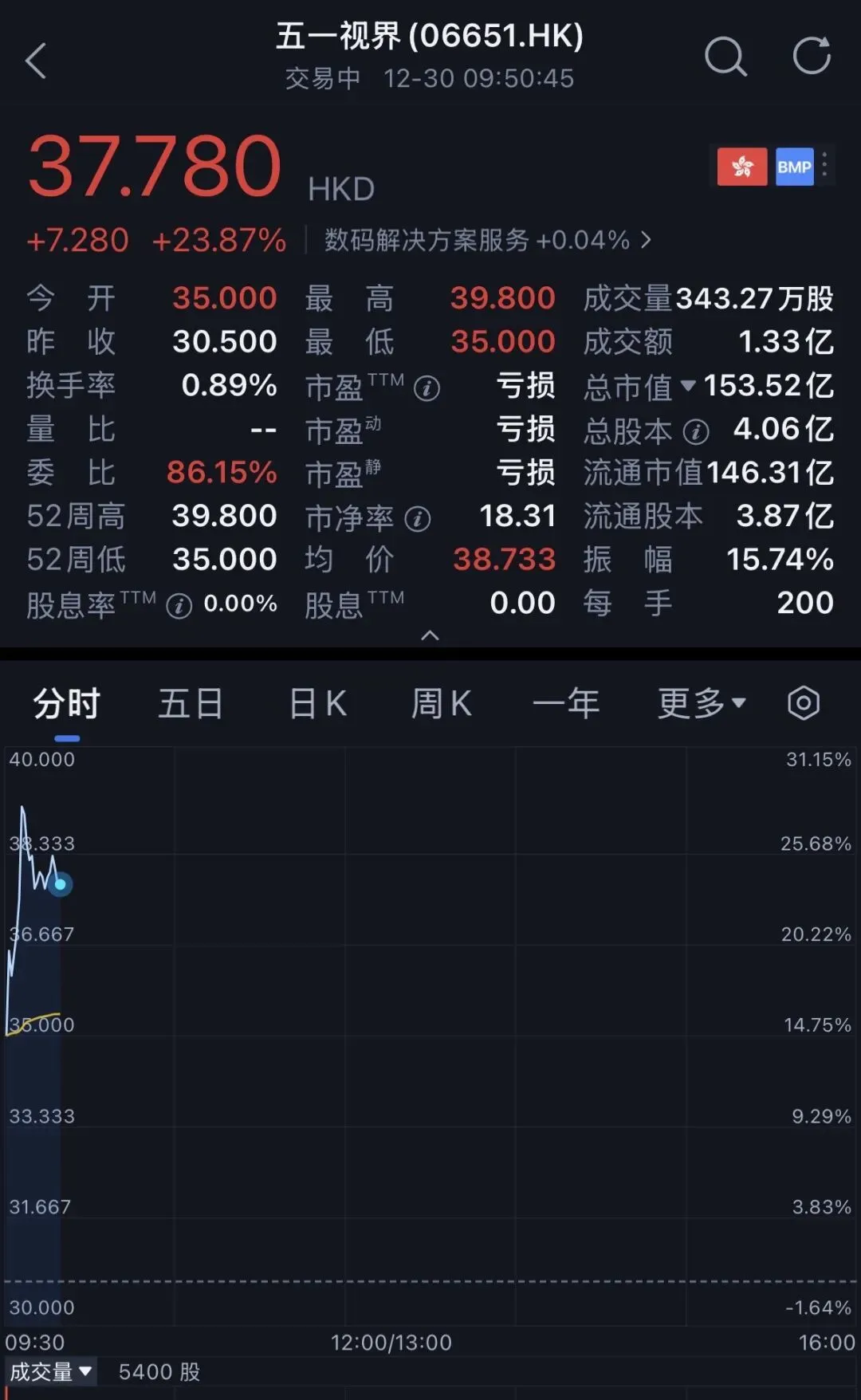
First Physical AI Stock 51WORLD Lists on HKEX, Market Value Exceeds 15 Billion: Beijing digital twin technology company 51WORLD has officially listed, with its opening price surging nearly 15%. The company focuses on the fusion of 3D graphics, simulation, and AI, dedicated to building a “Digital Twin Earth.” Moore Threads is a key shareholder and customer. With the rise of the Physical AI concept, 51WORLD’s listing demonstrates the commercial potential of digital twin technology in complex physical scenarios such as intelligent driving and smart factories. (Source: Zhidongxi)
🌟 Community
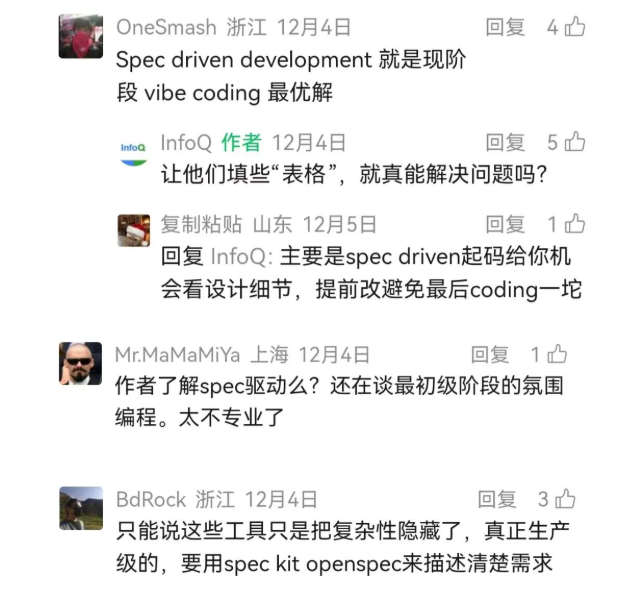
Spec-Driven Development: Will Programmers Shift to “Defining Rules”?: The community is buzzing about “Spec-Driven Development (SDD),” which involves providing executable contracts for Agents via Markdown files (such as cursor-rules, agent.md). Supporters believe this can tame Agent hallucinations, shifting programmers from “writing code” to “defining logic”; opponents worry this will return to the inefficient “waterfall” model. Regardless, Spec is becoming the “new programming language” of the AI era, defining the boundaries of human-machine collaboration. (Source: InfoQ)
From “Wrapper” to “Harness”: Rebranding AI Applications: Once dismissed as low-tech “AI Wrappers,” these applications are being redefined as “AI Containers/Harnesses.” The community has realized that in an era of surplus model capability, the core competitiveness lies in how to extract model potential through engineering means (such as context management and toolchain integration). The success of Manus and Cursor proves that top-tier engineering and product intuition can create more commercial value than self-developed models. (Sources: zachtratar, iFeng Tech)
“Slow Thinking” in the AI Era: The Last Bastion of Human Irreplaceability: In an era where AI can generate answers in seconds, the community is reflecting on the cost of “fast thinking.” Sci-fi writer Chen Qiufan proposed “adversarial survival,” advocating for the preservation of the difficulty of thinking and the pain of the physical body. Many believe that as standardized knowledge is covered by AI, deep empathy, unique aesthetics, and complex interpersonal dynamics will become more valuable, and maintaining the ability for “painful” thinking will be the final line of defense for human dignity. (Sources: Chen Qiufan, raizamrtn)
💡 Others
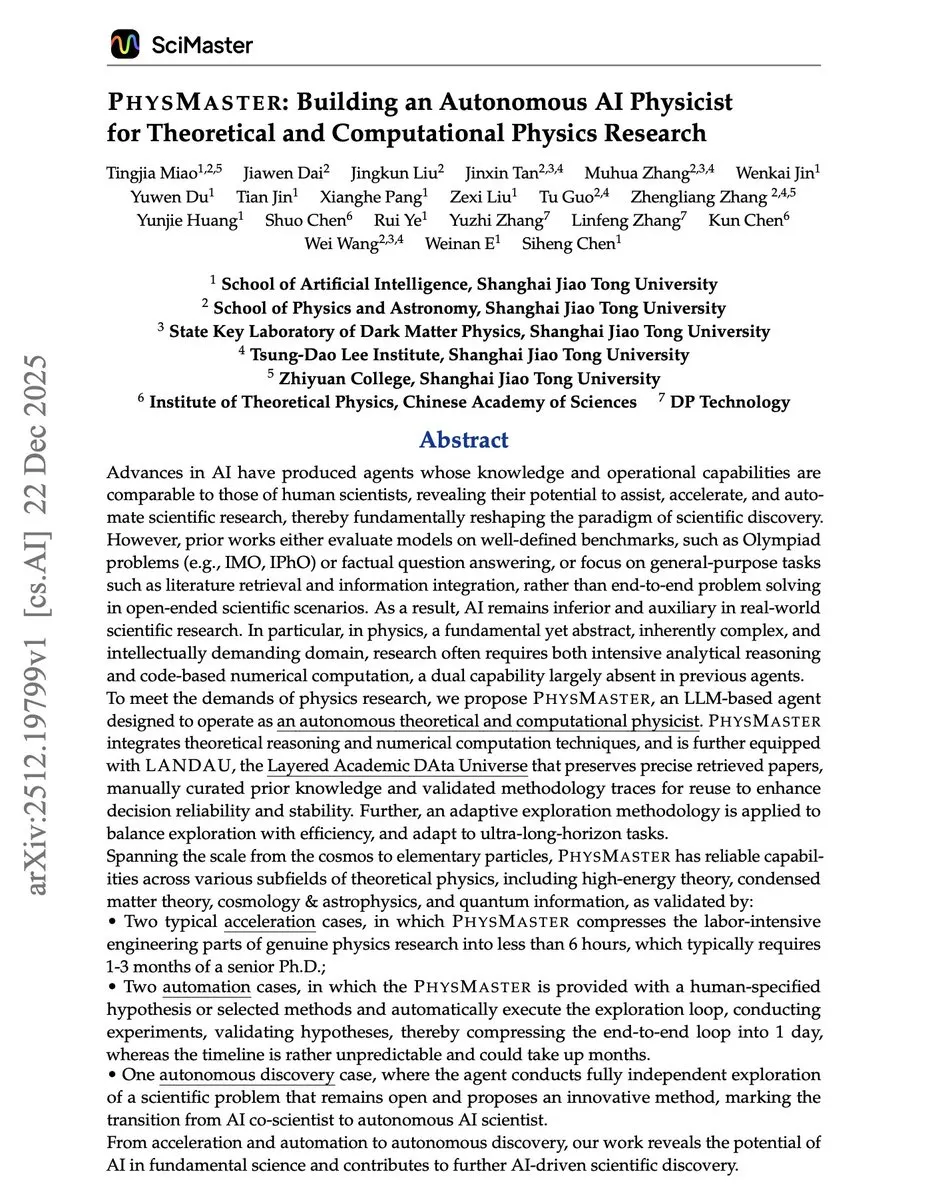
PHYSMASTER: Autonomous AI Physicist Achieves End-to-End Scientific Discovery: A new paper introduces PHYSMASTER, an Agent capable of independent theoretical and computational physics research. It utilizes Monte Carlo Tree Search for adaptive exploration and has established a hierarchical knowledge base called LANDAU. In a case study, it compressed engineering work that would typically take a senior PhD student months into 6 hours and independently explored the decay of charmed mesons, demonstrating AI’s potential for autonomous discovery in fundamental science. (Source: dair_ai)
Video-BrowseComp: Filling the Evaluation Gap in Agent Video Research: Addressing the current weakness of Agents in processing dynamic video information, researchers have launched the Video-BrowseComp evaluation set. Tests show that even top models like GPT-5.1 have an accuracy rate of only 15.24% in tasks requiring active retrieval and cross-verification of video evidence. This indicates a significant capability gap for AI in handling dynamic video environments not dependent on metadata (such as live sports or game footage). (Source: huggingface)
Stickerbox: A Fun Attempt to Turn AI Creativity into Physical Reality: Stickerbox is a voice-driven AI printer that can instantly generate images based on a child’s voice description and print them as stickers. This simple design, combining AI’s software capabilities with physical hardware, demonstrates the huge potential of AI in consumer toys and creative gifts, and serves as a reference for how AI hardware can avoid the “all-in-one trap.” (Source: Ronald_vanLoon)