



🔥 Focus
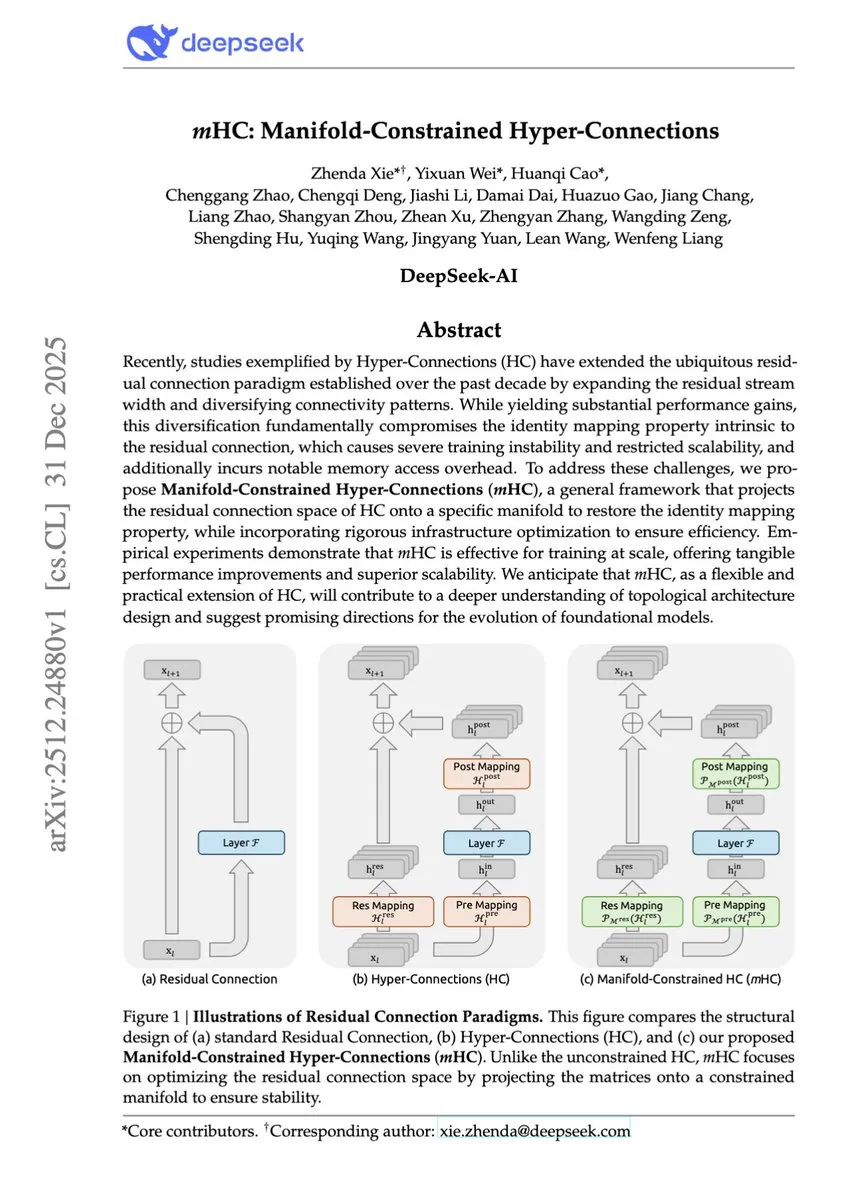
DeepSeek Releases mHC Architecture to Improve Transformer Residual Paths: DeepSeek has published research on “Manifold-constrained Hyper-connection” (mHC), aimed at addressing the limitations of residual connections in Transformer architectures. mHC expands the single residual “highway” into $n$ parallel lanes, allowing each layer to learn how to share and shuffle signals across different lanes. By introducing manifold regularization, this architecture enhances training stability while significantly strengthening the model’s ability to capture complex features. Experts believe this marks a shift in AI research focus for 2026, moving from module fine-tuning to the redesign of fundamental architectural primitives like residual paths. (Source: slashML, jeremyphoward)
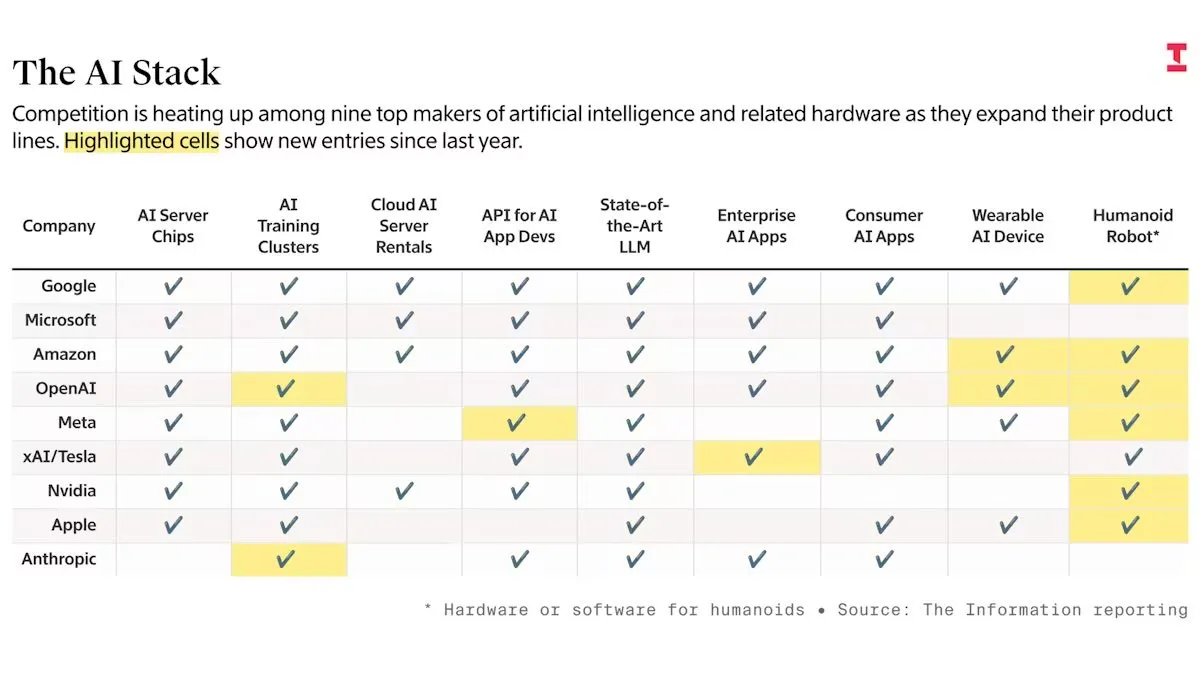
OpenAI Partners with Jony Ive to Develop Audio-First Hardware: Supply chain sources confirm that the hardware project between OpenAI and former Apple designer Jony Ive is codenamed “Gumdrop.” The project involves the acquisition of Ive’s startup, io, and aims to develop a series of audio-first AI devices, including smart pens and portable audio assistants. Production plans may shift from Luxshare Precision to Foxconn’s Vietnam factory due to manufacturing location disputes. This move indicates OpenAI is accelerating the build-out of a full-stack AI ecosystem—from chips and models to consumer hardware—attempting to define the interaction paradigm of the post-smartphone era. (Source: yoheinakajima, kylebrussell)
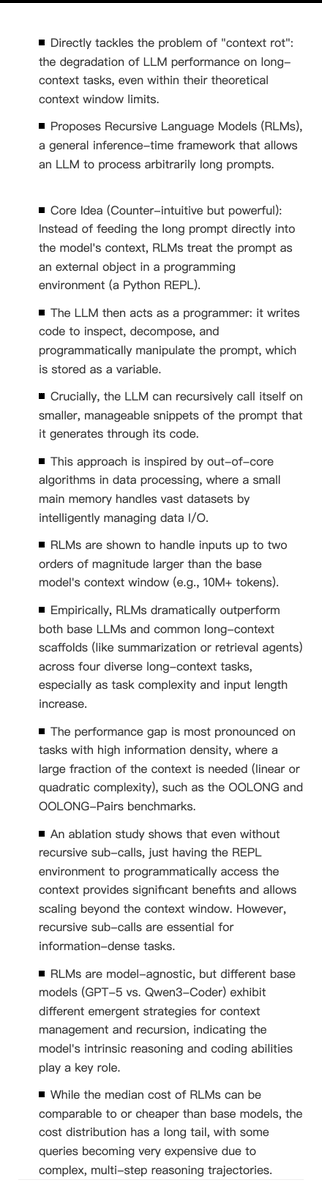
Prime Intellect Proposes Recursive Language Models (RLM): A research team has introduced Recursive Language Models, designed to break the bottlenecks of long-range Agents by allowing models to autonomously manage context. RLM enables the main model to maintain a smaller context window while expanding and processing complex tasks recursively through Python or sub-LLMs. Early ablation experiments show that this method performs exceptionally well in long-text and tool-heavy tasks, allowing the model to maintain coherence for longer durations. This is seen as a key step toward solving complex tasks spanning weeks or months. (Source: lateinteraction, lateinteraction)
OpenAI Releases GPT-5.2 Codex to Lead Agentic Programming: OpenAI has officially launched GPT-5.2 Codex, an Agentic model optimized for complex software engineering and defensive cybersecurity. Community testing shows the model exhibits high comprehension when handling large-scale codebases, capable of continuously reading and refactoring entire projects. Although its reasoning time (in xhigh mode) is long and costly, its performance in solving low-level memory optimization and complex algorithmic problems is considered superior to the current Claude 4.5 Opus, marking a transition in AI programming from “assisted error correction” to “autonomous construction.” (Source: dl_weekly, scaling01)
🎯 Trends
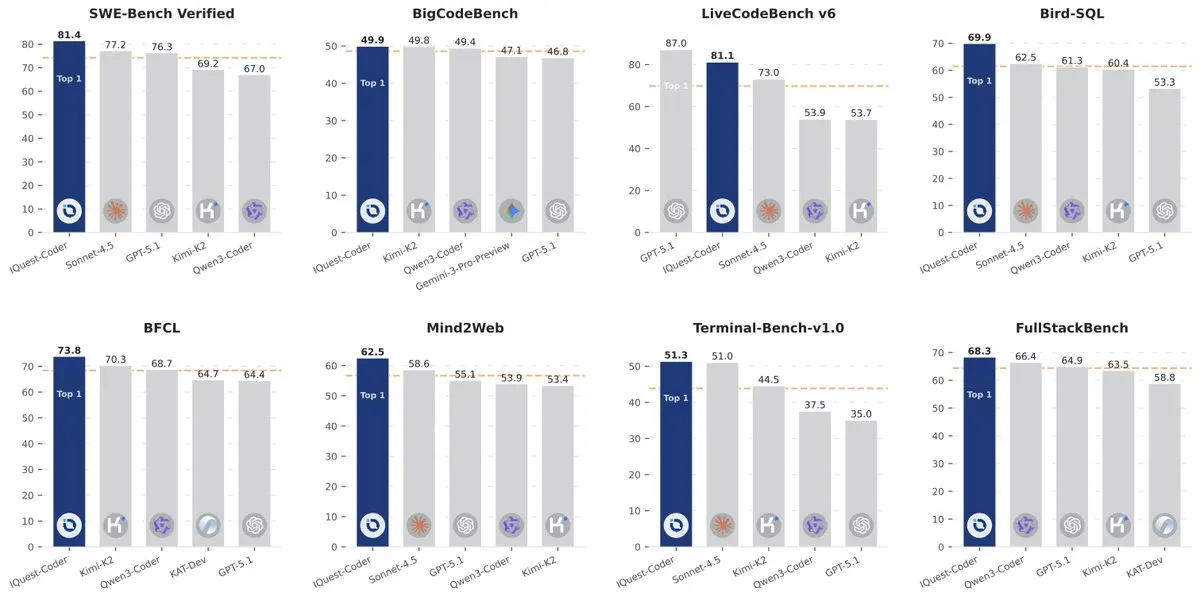
IQuest-Coder-V1 40B Model Sparks Leaderboard Controversy: The IQuest team released a 40B parameter dense coding model, claiming it surpasses Opus on several leaderboards, including SWE-Bench Verified. The model utilizes a “Code Flow” multi-stage training paradigm to learn the dynamic evolution of codebases. However, the community has expressed skepticism regarding its stellar results, suspecting potential overfitting to the test sets. Nevertheless, its rapid support for llama.cpp and robust performance in instruction following have made it a focal point for the open-source community. (Source: Reddit, ClementDelangue)
Alibaba Updates Qwen-Image-2512 to Enhance Visual Generation Quality: Alibaba has released Qwen-Image-2512, focusing on optimizing the realism of portrait generation, reducing the “AI feel,” and improving the accuracy of fine textures and typography. The model has received immediate support from vLLM, SGLang, and ComfyUI. Tests show it can generate high-quality images within 7 seconds, with its realism in complex scenes considered close to commercial photography standards. (Source: Alibaba_Qwen, ComfyUI)

LiquidAI LFM2 Achieves Efficient Inference on Mobile Devices: LiquidAI’s LFM2-2.6B model has achieved inference speeds of over 40 TPS on Android devices with support for a 32K context window. The model uses a hybrid design (Gated Convolution and Grouped Query Attention), significantly reducing KV cache usage. This architecture allows small models to run complex reasoning tasks on mobile phones, providing a new technical path for privacy-first local AI applications. (Source: Reddit)
Deep Involvement of AI in Intimate Relationships Raises Social Concerns: A survey shows that approximately 19% of American adults have engaged in romantic interactions with AI. AI is becoming a “third party” in human emotional lives, used not only for writing breakup letters and wedding vows but also as a “referee” in emotional disputes. This phenomenon is leading to the “muscle atrophy” of human emotional capacity, as people prefer seeking perfect feedback from AI over facing complex, messy real-world communication. There have even been divorce cases resulting from “emotional infidelity” with AI. (Source: 36Kr)
🧰 Tools
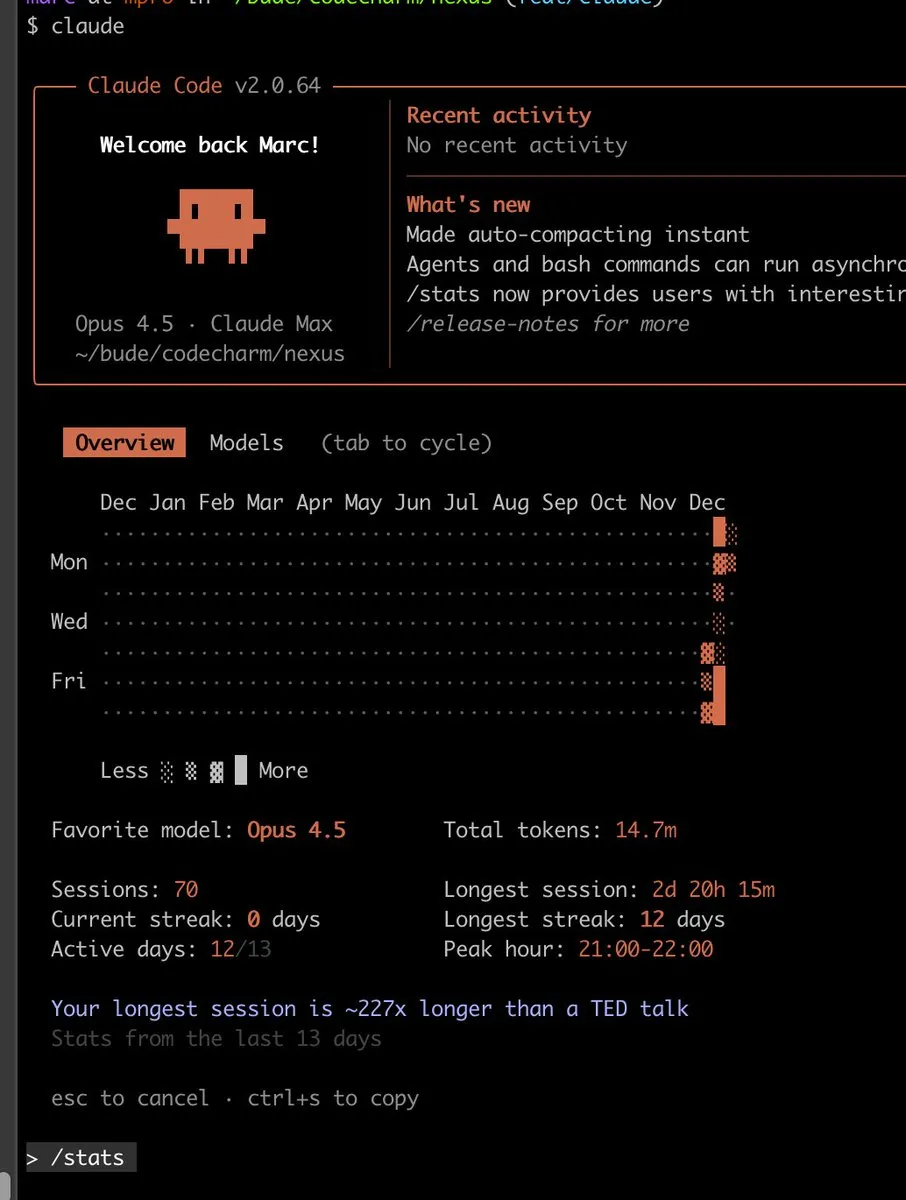
Claude Code Integrates with Chrome Devtools for Automated Testing: Developers have utilized Claude Code combined with the Chrome Devtools MCP to achieve full automation of “User Acceptance Testing” (UAT). The tool can simulate user clicks, navigate product flows, and have sub-Agents predict expected outcomes to output a diff report. This “Agent testing Agent” model greatly enhances iteration efficiency in frontend development. (Source: AAAzzam, rachel_l_woods)
Polyglot-r2: A Suffix-Based Text Transformation Model: Developers have released Polyglot-r2, a tool model fine-tuned on Qwen3-4B. It allows users to trigger translation, error correction, or tone shifts directly by adding specific suffixes (e.g., ::formal or ::zh) to text, eliminating the need for complex System Prompts. The new version supports suffix chaining, greatly simplifying daily text processing workflows. (Source: Reddit)

NextToken: An Assistant Agent Designed for AI/ML Engineering: Targeting the “grunt work” of ML engineering such as data cleaning, environment configuration, and code debugging, the NextToken Agent provides tailored solutions. It understands PyTorch logic, automatically handles missing values, and explains the mathematical principles behind libraries. The tool aims to free engineers from 80% of trivial configurations to focus on model architecture. (Source: Reddit)
📚 Learning
Schmidhuber Updates Comprehensive History of AI and Deep Learning: Renowned AI scholar Jürgen Schmidhuber has released the 2025 edition of “Annotated History of Modern AI and Deep Learning,” spanning 97 pages with 666 references. The paper traces the field from mathematical foundations (such as the chain rule in 1676) to the latest developments in 2025, correcting many popular misleading narratives. It serves as an authoritative academic resource for understanding the evolution of AI. (Source: SchmidhuberAI)
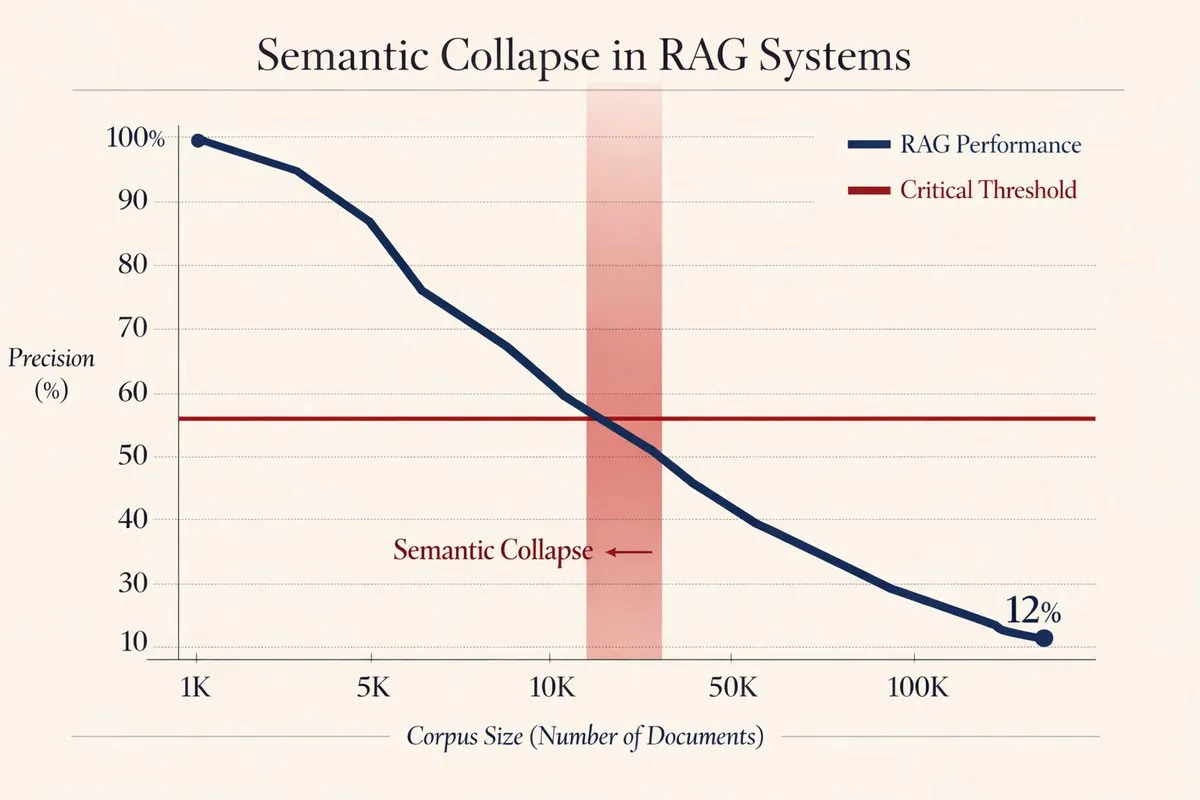
Stanford Reveals “Semantic Collapse” Risk in RAG Systems: A study from Stanford University points out that RAG (Retrieval-Augmented Generation) systems experience “semantic collapse” when the knowledge base reaches a critical scale. When retrieved contexts are excessive and semantically overlapping, the model’s effectiveness in processing information drops significantly. This finding warns developers that blindly expanding RAG knowledge bases may be counterproductive; refined retrieval management is more important than scale. (Source: rachel_l_woods)
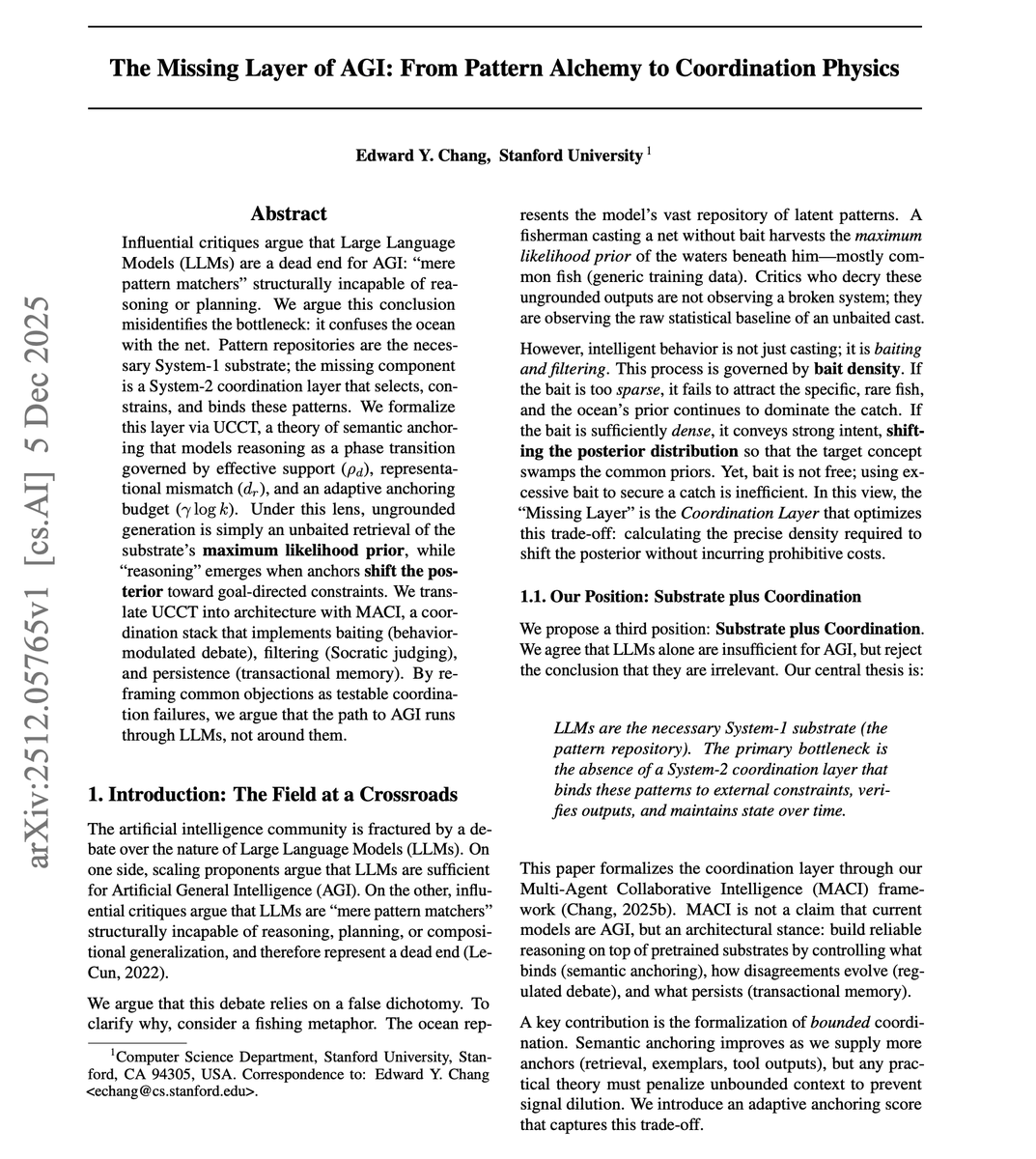
UCCT Theory: Exploring the Phase Transition Process of LLM Reasoning: New research from Stanford University proposes the UCCT theory, suggesting that the intelligent behavior of LLMs stems from “Underlying-plus-Coordination.” Using a fishing metaphor, the study explains that reasoning is a discrete phase transition that occurs when anchoring strength crosses a threshold, rather than a gradual evolution. This theory provides a new physical framework for understanding how large models shift from pattern matching to reliable reasoning. (Source: omarsar0)
💼 Business
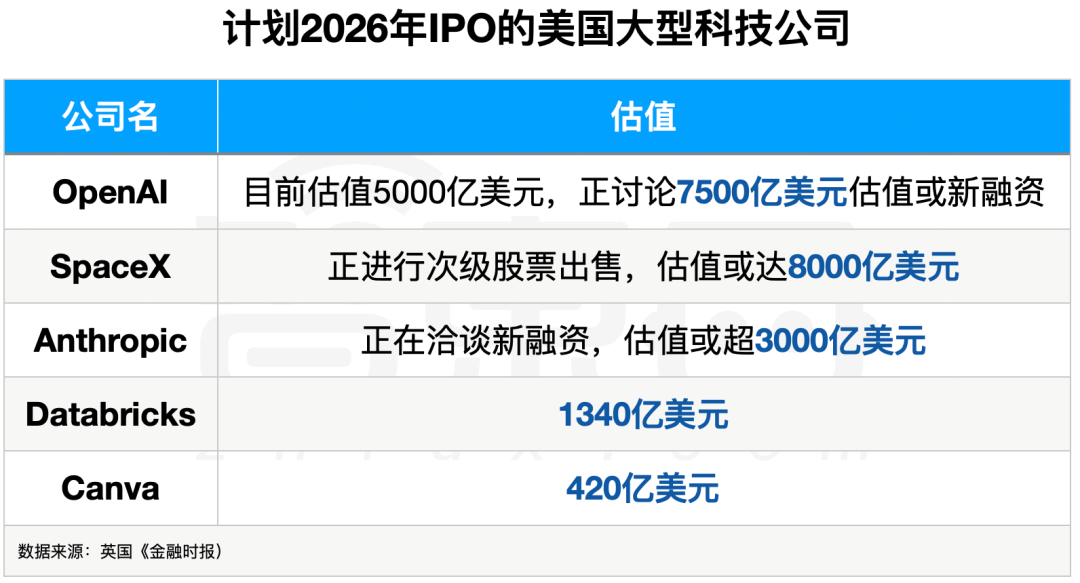
OpenAI, Anthropic, and SpaceX Prepare for the Largest IPO Wave in History: Reports suggest the three “unicorns” plan to go public in 2026, with a combined valuation potentially reaching 13 trillion RMB. SpaceX’s fundraising could break Saudi Aramco’s record. This move marks the entry of the AI and aerospace sectors into a capital harvest period, aiming to open sustainable, massive financing channels through public markets to meet growing compute and R&D expenses. (Source: 36Kr)
OpenAI Acquires Jony Ive’s Design Firm io to Layout Wearable Devices: OpenAI has spent $6.5 billion to acquire io, the startup led by former Apple Chief Design Officer Jony Ive. The acquisition aims to develop various AI hardware products, including smart glasses. Jony Ive will take full charge of OpenAI’s hardware design, marking OpenAI’s official entry into the consumer electronics sector to challenge Apple’s position in the wearables market. (Source: yoheinakajima)
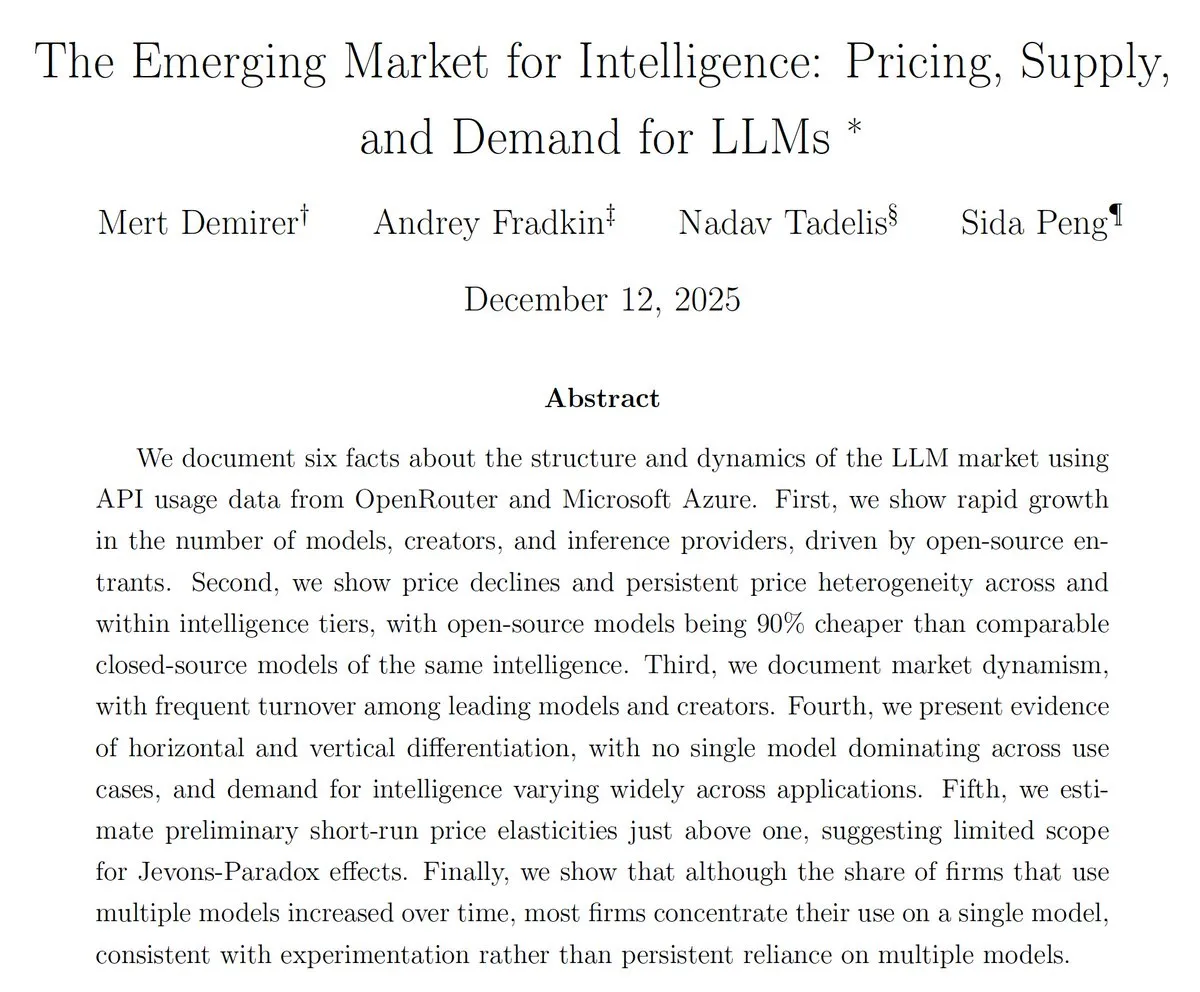
AI Market Concentration Survey Report Released: Data analysis based on Microsoft Azure and OpenRouter shows a clear trend of concentration at the top of the AI market. As model training costs climb, demand is shifting toward a few providers offering either extreme performance or extreme cost-effectiveness. The report discusses the Jevons Paradox triggered by falling prices, where cheaper inference actually drives an explosion in total demand. (Source: YejinChoinka)
🌟 Community
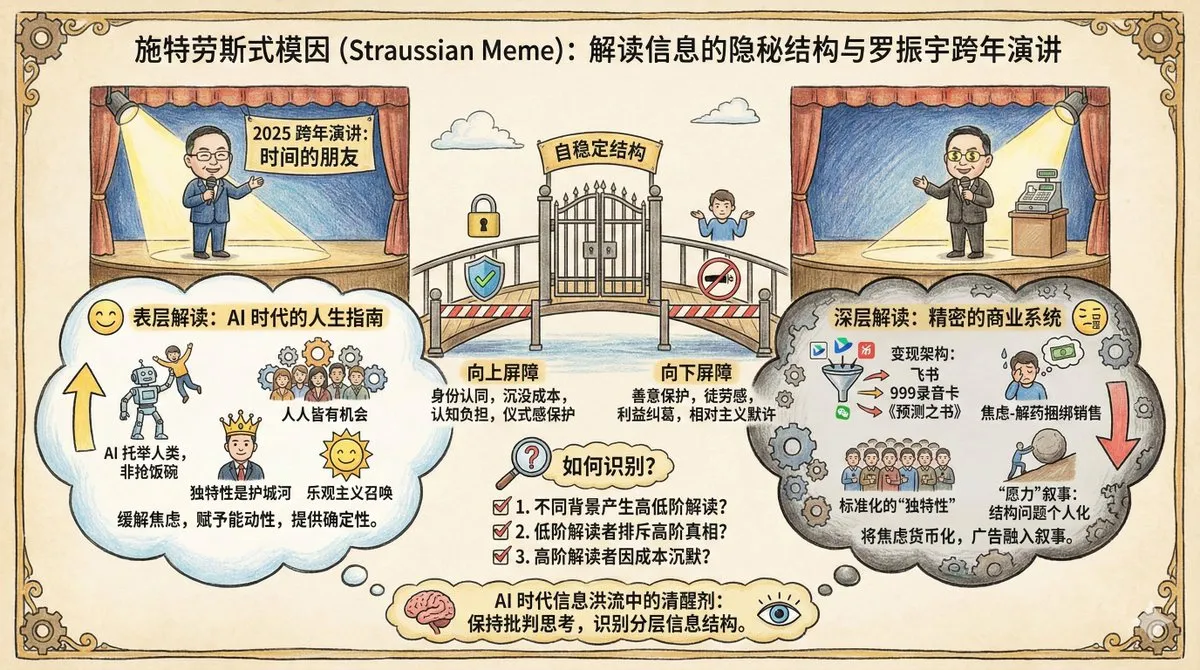
“Straussian Memes”: Deconstructing Luo Zhenyu’s New Year Speech: The community has performed a deep deconstruction of Luo Zhenyu’s 2025 New Year speech, introducing the concept of “Straussian Memes.” The analysis suggests that such information achieves self-stabilizing propagation through a layered structure (surface-level life guide, bottom-level commercial monetization). High-level decoders are reluctant to expose it due to social costs, while low-level decoders are protected by identity alignment. This reflects how generated content in the AI era achieves commercial closure through precise emotional manipulation. (Source: dotey)
“Vibe Coding” and the Shift in Developer Mindset: The community is debating the “Vibe Coding” phenomenon. With the leap in AI coding capabilities, many developers admit to becoming “lazy,” preferring to beg AI for fixes rather than exploring complex bugs themselves. This mindset has sparked intense debate over whether “engineering taste” will replace “coding ability” as a core competency, while also raising concerns about the degradation of human creativity. (Source: VictorTaelin, HamelHusain)
AI Trust Crisis May Force Humans Back to Face-to-Face Interaction: A Reddit community discussion points out that as AI-generated content becomes perfect, the internet is turning into an “information wasteland.” People predict that in the future, even experts will struggle to distinguish the authenticity of audio and video. This could lead to a regression in human trust mechanisms, making face-to-face interaction the only credible medium of communication again, potentially sparking a “Human Renaissance” to re-evaluate the value of non-replicable real interactions. (Source: Reddit)
💡 Others
Humanoid Robot Adaptability and Multi-Day Unsupervised Tasks: The industry predicts that by 2026, humanoid robots will be able to perform unsupervised tasks at home for several days, driven entirely by neural networks from pixels to torque. Meanwhile, Unitree has opened its first offline robot store, and open-source robots like Reachy Mini have entered the home-assembly stage, marking the transition of embodied intelligence from labs to the mass consumer market. (Source: adcock_brett, ClementDelangue)
Starlink Orbital Adjustment to Enhance Space Safety: SpaceX plans to lower the orbits of approximately 4,400 Starlink satellites from 550 km to 480 km within 2026. This move aims to improve space safety and reduce collision risks, though it will consume significant fuel reserves. The community is watching to see if this move was influenced by recent research on the vulnerability of mega-constellations. (Source: connerruhl)
Japan Develops World’s First Artificial Blood: A Japanese research team has successfully developed artificial blood and made progress in related medical tests. This breakthrough is expected to solve blood supply shortages and play a key role in emergency and disaster medicine. Although less directly related to AI, it has garnered significant attention from the tech community as a major breakthrough in biotechnology. (Source: Ronald_vanLoon)