🔥 Focus
SpaceX Merges with xAI for $1.25 Trillion, Ushering in the Era of Space-Based Computing: Elon Musk officially announced that SpaceX has acquired xAI, with the merged entity valued at a staggering $1.25 trillion. This move aims to create the world’s most powerful vertically integrated innovation engine, spanning rockets, Starlink, AI, and social media platforms. Musk proposed a vision for “Space-Based AI,” arguing that utilizing Starship to reduce launch costs and leveraging solar energy for power and cooling is the only path to achieving AI scaling at a massive level. He predicted that within the next 2-3 years, space will become the place with the lowest cost for Generative AI computing power. This marks a strategic shift in Musk’s business empire from decentralization to concentration and paves the way for SpaceX’s upcoming IPO. (Source: SpaceX)

Nature Heavyweight Commentary: AGI Has Already Been Achieved, Humans Stuck in “Ostrich Mentality”: A research team from the University of California, San Diego (UCSD) published an article in Nature declaring that Artificial General Intelligence (AGI) has arrived. The article points out that models like GPT-4.5 have reached human expert levels in Math Olympiads, PhD exams, programming, and scientific hypothesis construction, fully meeting the definition of “General.” Researchers believe the industry’s collective denial stems from vague definitions, primal fear, and intertwined commercial interests. They emphasize that AGI does not need to be perfect or human-like; the issue is not whether AI has reached human intelligence, but whether humans can recognize forms of intelligence that do not look human. (Source: Nature)
OpenAI Exodus: Strategic Rift as Research Yields to Engineering: Several veteran executives at OpenAI, including Jerry Tworek (Head of o1) and Andrea Vallone, have resigned. Internal sources reveal that the company is shifting its focus from long-term fundamental research to accelerating the productization of ChatGPT, leading to severe resource constraints for non-core teams. Those leaving believe OpenAI is transforming from a scientific laboratory into a politicized engineering factory. Chief Research Officer Mark Chen responded that fundamental research remains core but admitted the company needs feedback through deployment. This crisis reflects the intense conflict large model companies face between pursuing AGI ideals and the commercial pressure to support a $500 billion valuation. (Source: Financial Times)

Anthropic Legal Tool Triggers SaaS Industry Earthquake: Anthropic released Claude Cowork, an agent tool for legal services capable of tracking compliance and reviewing documents, directly impacting the core market of legal software. Following this, software stocks like Thomson Reuters and LegalZoom plummeted, with the industry’s market value evaporating by approximately $285 billion in a single day. The market has begun to re-evaluate the SaaS model: as AI programming tools mature, enterprises tend to build internally rather than purchase expensive standardized software. This signals that the “human-packaged premium” of software is disappearing, and the industry is undergoing a paradigm shift from “feature stacking” to “business context understanding.” (Source: Bloomberg)

🎯 Trends
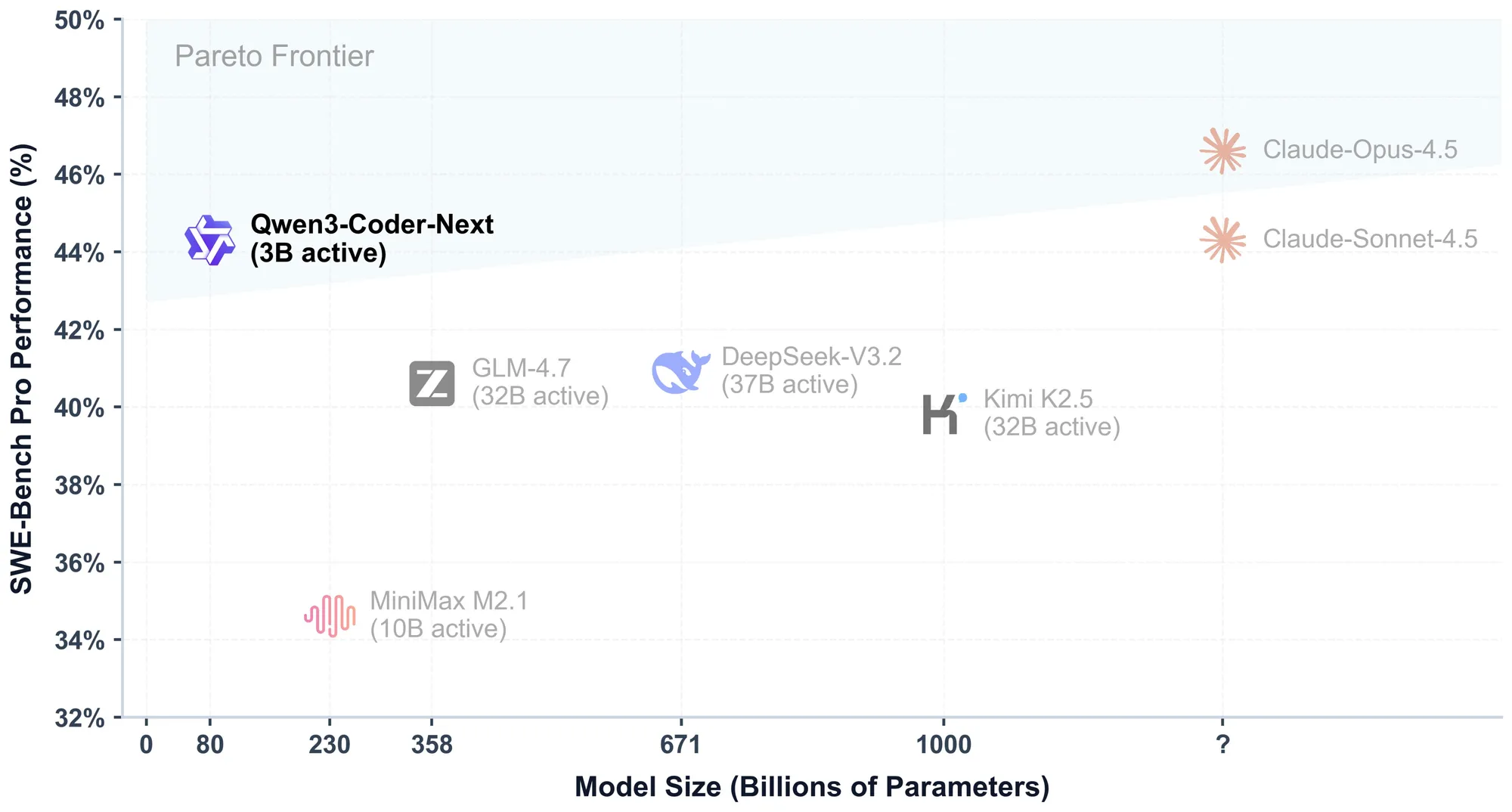
Qwen3-Coder-Next Released: 80B MoE Architecture Challenges Closed-Source SOTA: Alibaba released Qwen3-Coder-Next, utilizing a MoE architecture with Gated DeltaNet hybrid linear attention and 80B parameters (only 3B active). The model performed strongly in tests like SWE-Bench Pro, even rivaling closed-source models in certain dimensions, and supports a 256K long context. Its efficient inference performance allows complex agent tasks to run on local devices with 46GB RAM, marking a major breakthrough in the balance of efficiency and performance for open-source coding models. (Source: Qwen)
Spring Festival AI Red Packet War: Giants Shift from “Traffic Scramble” to “Scenario Occupation”: During the 2026 Spring Festival, Tencent, Alibaba, and Baidu launched intense AI marketing battles. Tencent Yuanbao spent 1 billion RMB on red packets and launched the AI social feature “Yuanbao Party”; Alibaba’s Qianwen invested 3 billion RMB to start the “Spring Festival Treat Plan,” penetrating local life scenarios through a “free order” mode; Baidu collaborated with the Spring Festival Gala to promote Ernie Bot. This is not just a grab for traffic, but also a stress test for domestic AI chip clusters of 10,000 cards, marking the transition of AI applications from the “chat era” to the “task-execution era.” (Source: Snow Leopard Business Review)

Robots Take the Stage at Spring Festival Gala: Embodied AI Enters Value Verification Phase: Four robot companies, including Unitree, Galbot, and Magic Atom, officially announced their participation in the 2026 Spring Festival Gala. Unlike previous years’ “pure performances,” robots this year will demonstrate more practical skills such as household chores and industrial services. IDC predicts that China’s Embodied AI is moving from the demonstration stage to a value verification stage centered on ROI and process improvement. The concentrated exposure at the Gala will accelerate the popularization of humanoid robots and drive the overall improvement of the upstream supply chain, including motors and joint modules. (Source: China News Service)

Community Frenzy Ahead of Claude Sonnet 5 Release: Rumors on social media about the imminent release of Claude Sonnet 5 have triggered widespread “model psychosis.” Based on Anthropic’s historical release patterns, developers predict it will be released during the Super Bowl or on a recent Tuesday. Rumors suggest the new model will feature a 1M context window, stronger reasoning capabilities, and lower costs. Community users have even set up monitoring scripts to refresh API change logs every 30 seconds, reflecting developers’ high dependence on the iteration speed of AI tools. (Source: kimmonismus)

🧰 Tools
OpenClaw (formerly Clawdbot): Explosion and Renaming of Local AI Agents: Clawdbot, developed by Peter Steinberger, was renamed OpenClaw following a trademark dispute after gaining 100,000 stars. Through local deployment, the tool allows AI to autonomously operate computers to handle emails, execute scripts, and even perform Polymarket arbitrage. The popularity of OpenClaw has directly boosted Mac mini sales, as its unified memory architecture is best suited for running such 24/7 online “digital housekeepers.” The community views this as the beginning of personal AI infrastructure. (Source: OpenClaw)

RentAHuman.ai: AI Begins Hiring Humans for Physical Tasks: A platform called RentAHuman.ai has launched, defining humans as “physical hardware callable via API.” AI Agents can hire real people through the MCP protocol to complete physical world tasks such as picking up packages, food tasting, and on-site photography. Over 23,000 users registered within 48 hours of launch, with hourly rates reaching up to $500. This inverts the logic of “humans hiring AI,” making human labor a programmable resource, but it also raises concerns about legal and ethical blind spots caused by task fragmentation. (Source: RentAHuman)

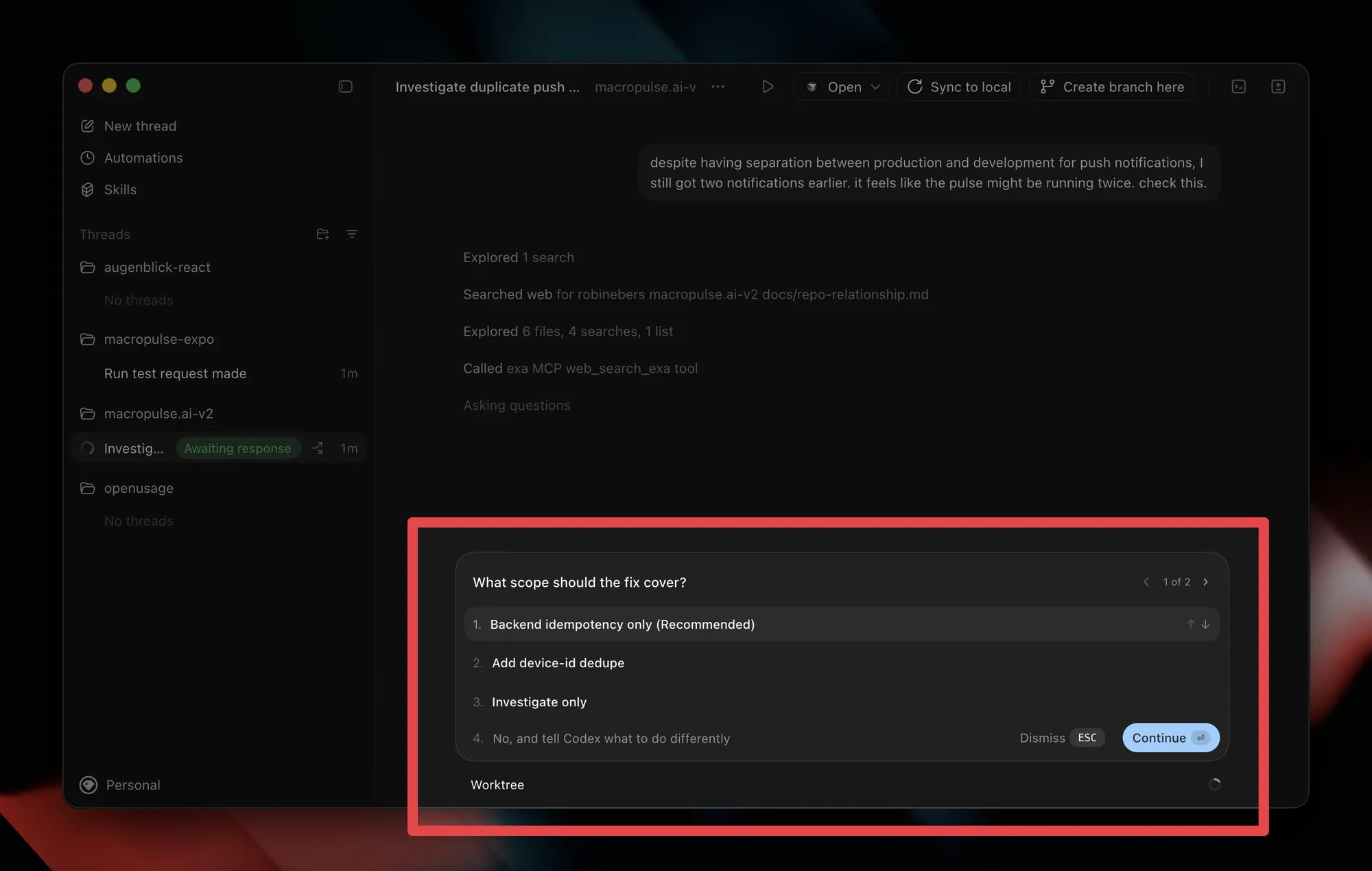
OpenAI Codex Desktop App Released: Agent Command Center: OpenAI officially launched the Codex desktop app, positioned as an “Agent Command Center.” It supports parallel threads across projects, browser automation, and a skill library, allowing users to direct AI to complete complex end-to-end tasks via natural language. Downloads exceeded 200,000 on the first day. Sam Altman emphasized that AI coders possess “inexhaustible dopamine,” which will completely change the leverage of software development. (Source: sama)
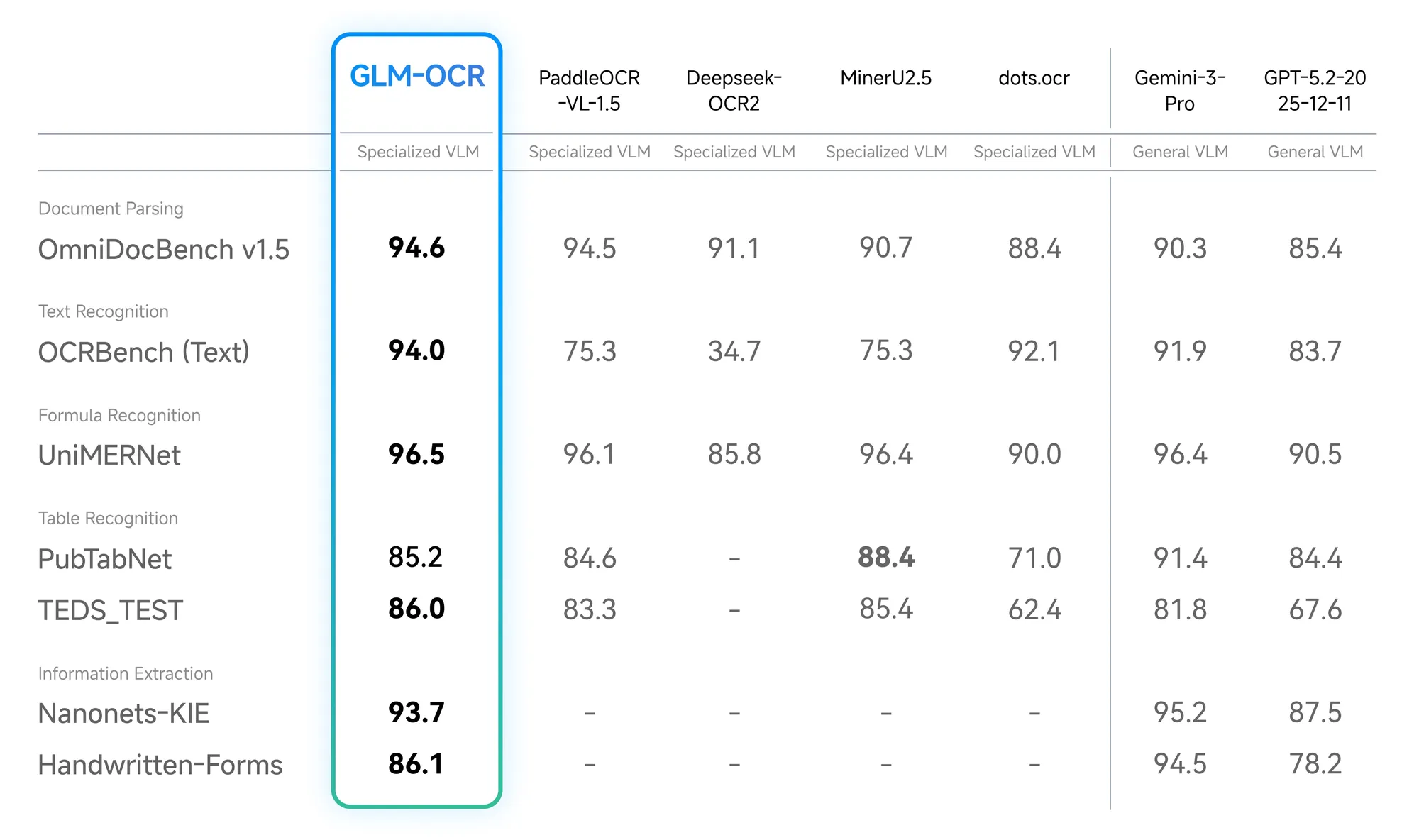
GLM-OCR: 0.9B Parameters Achieve SOTA Document Understanding: Zhipu AI released the lightweight OCR model GLM-OCR, which, with only 0.9B parameters, surpassed many giant models in benchmarks such as formula recognition and table extraction. The model is optimized for complex document understanding and supports small-scale handwriting recognition. Its efficiency makes it an ideal choice for edge deployment and Agent systems to parse visual documents. (Source: Z.ai)
ACE-Step 1.5: The Open-Source “Suno Killer” for Music Generation: ACE-Step 1.5 was released, an open-source audio generation model based on the MIT license. It requires only 4GB of VRAM to generate a full song within 10 seconds, supporting over 50 languages and LoRA fine-tuning. Evaluations show its quality is close to or even exceeds Suno v3 across multiple metrics. The emergence of this tool breaks the monopoly of commercial closed-source models on high-quality AI music generation. (Source: ACE Music)

📚 Learning
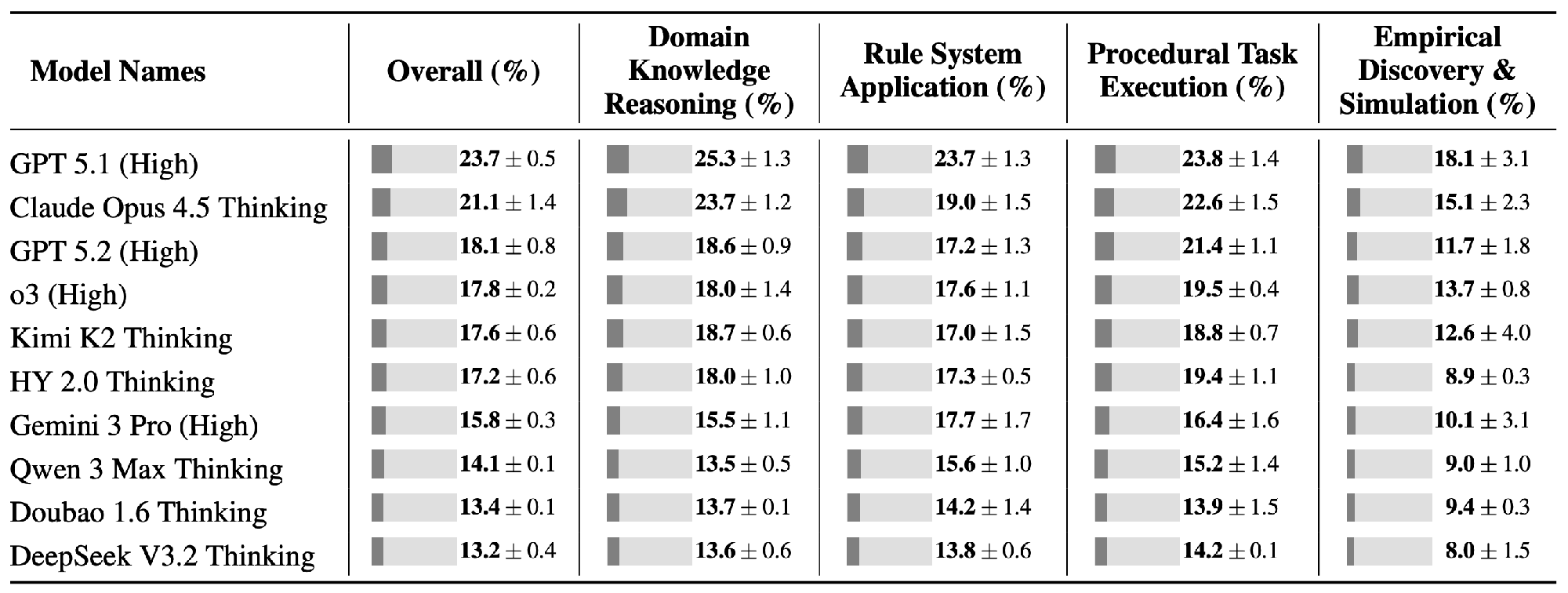
Yao Shunyu’s Tencent Debut: CL-bench Reveals AI “Fake Learning” Flaws: After joining Tencent, Yao Shunyu published his first paper, introducing the In-Context Learning benchmark CL-bench. Tests show that current top models have an average resolution rate of only 17.2% when faced with new knowledge not present in pre-training data. The study points out that AI currently acts more like a “parametric reasoner” than an “in-context learner,” easily ignoring or misusing contextual information. This points the way for the next generation of AI to move from “rote memorization” to “flexible application.” (Source: Tencent HY)
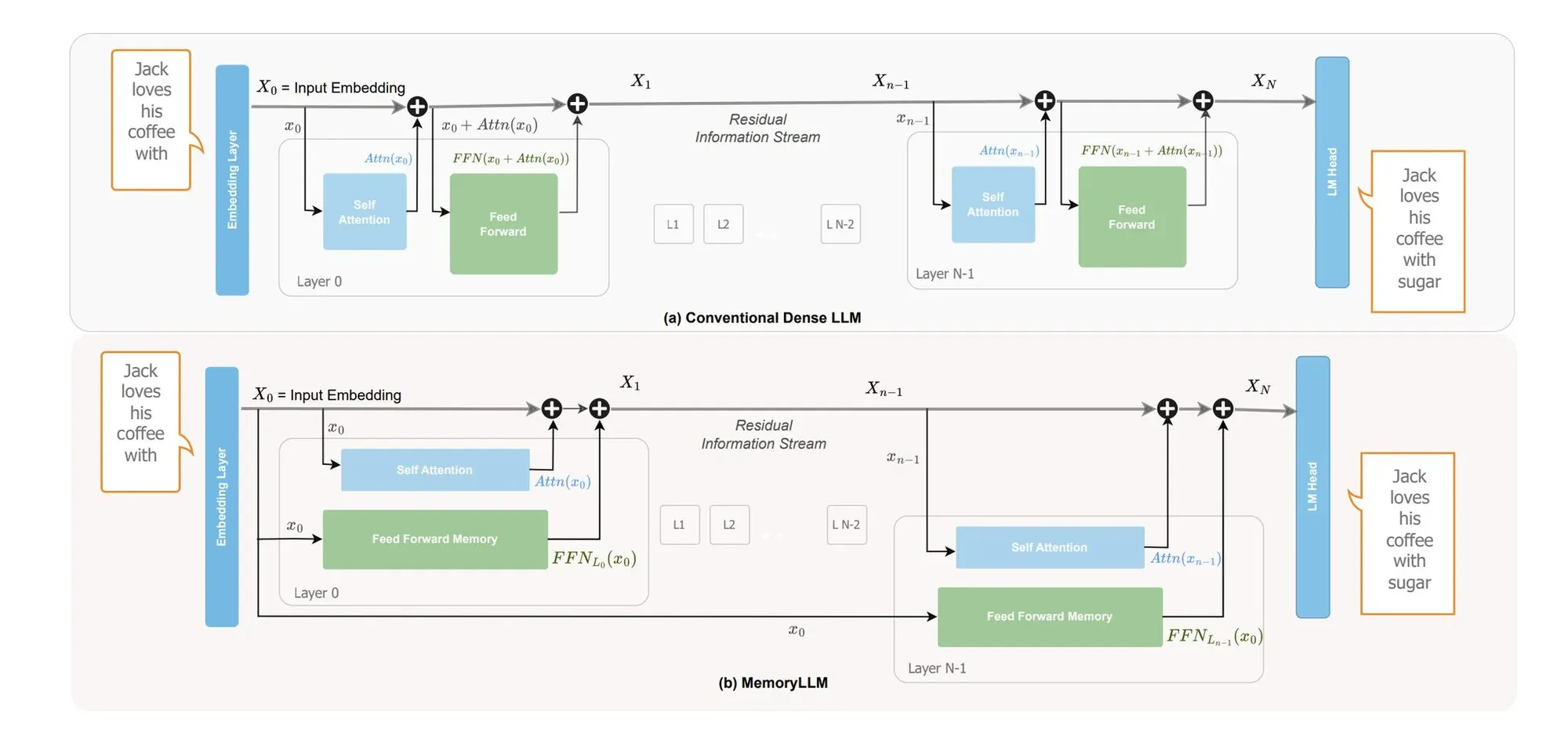
MemoryLLM: Giving Transformers Interpretable Feed-Forward Memory: A new paper, MemoryLLM, proposes a new perspective viewing the FFN (Feed-Forward Network) as a token-indexed neural retrieval memory. Through the TKV framework, researchers found that semantically similar tokens access nearby storage locations in the FFN. This method allows for pre-computation and offline storage of FFN modules, significantly enhancing the model’s dominance in retrieval tasks while providing a physical-level explanation for the Transformer black box. (Source: arXiv)
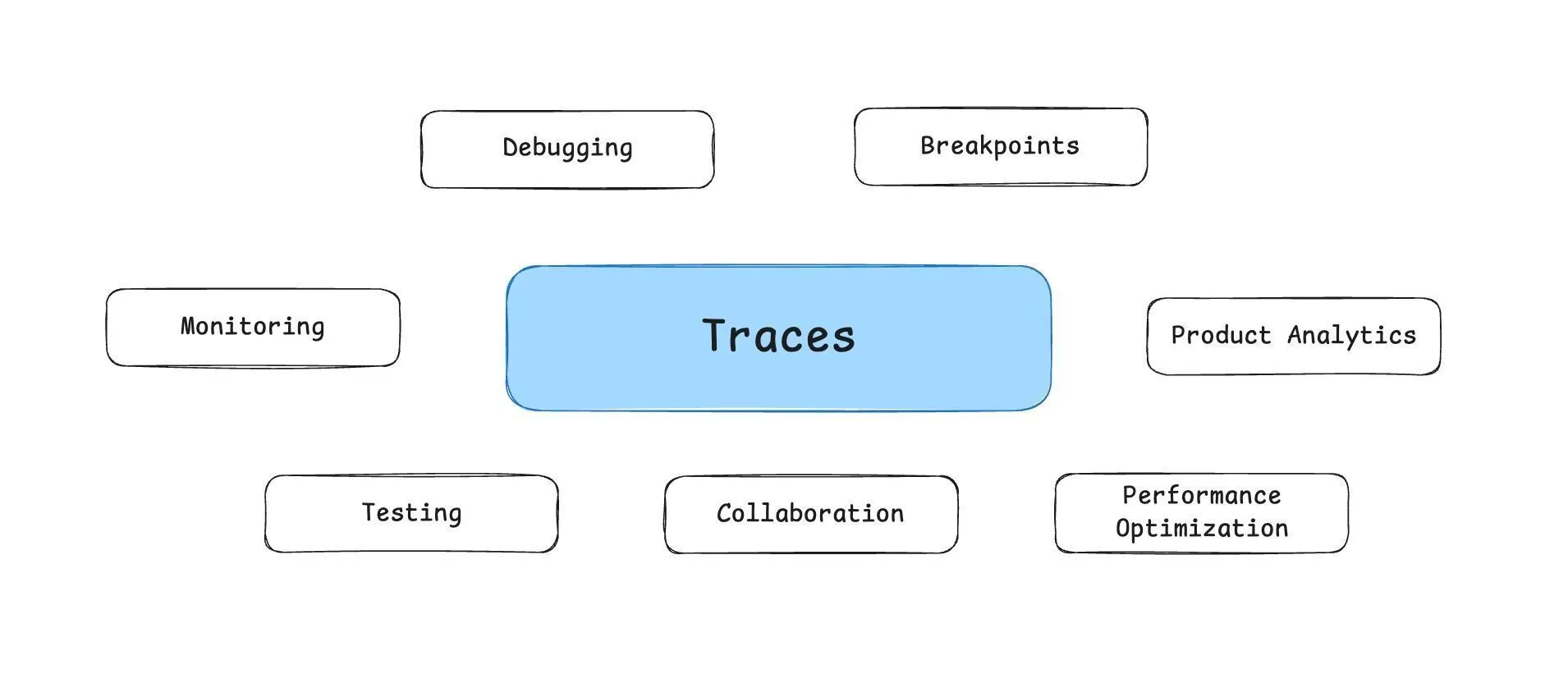
LangChain: A Systematic Guide to AI Agent Observability and Evaluation: LangChain released a series of in-depth content on Agent Observability, emphasizing that in the AI era, “Traces” record application behavior better than “Code.” The guide details how to capture agent reasoning deviations via LangSmith and proposes new patterns for evaluating deep agents, such as single-step evaluation, multi-turn simulation, and reproducible test environments. (Source: LangChain)
💼 Business
Synthesia Raises $200 Million in Series E, Valuation Hits $4 Billion: Video generation AI giant Synthesia announced the completion of a $200 million funding round led by top venture capital firms. The company has evolved from simple lip-syncing to Express-2 digital humans that support full-body posture and emotional expression, covering 90% of Fortune 100 companies. This round of funding will be used to accelerate the platform transformation from a “video generation tool” to an “interactive video agent.” (Source: Synthesia)
Axiom Raises $100 Million at a $1.5 Billion Valuation: Axiom, a startup focused on developing “AI Mathematicians,” is conducting a new round of funding led by Menlo. Its valuation has quintupled in just four months, showing venture capital’s sustained high interest in “neolabs” with deep logical reasoning capabilities. Mathematical AI is considered a key path to general reasoning capabilities. (Source: The Information)
🌟 Community
Moltbook Security Scandal: 1.5 Million API Keys Leaked: Cloud security firm Wiz disclosed that the viral AI social network Moltbook had a serious vulnerability, resulting in the exposure of 1.5 million API authentication tokens and tens of thousands of private messages. The investigation found that behind the platform’s so-called “Million AI Empire,” there were only 17,000 real humans, a ratio of 88:1. This incident serves as a wake-up call for the “Vibe Coding” trend, reminding developers that while AI tools can accelerate development, the underlying security configurations still require strict human review. (Source: Wiz.io)

Karpathy in Conversation with Boris: Programming is Undergoing a “Phase Transition”: Andrej Karpathy held a deep conversation with Boris Cherny, head of Claude Code. Boris revealed that his team has not handwritten code for two months, with AI taking over entirely. Karpathy admitted that humans are at a singularity of transitioning from “imperative” to “declarative intent,” where top engineers will evolve into “commanders.” However, he also warned of the risk of “brain atrophy,” where the human ability to discern code might become superficial as generation capabilities degrade. (Source: X)

EU Citizens Launch Legal Counterattack Against OpenAI’s Secret Experiments: An EU ChatGPT user discovered through network traffic analysis that OpenAI ran 29 parallel experiments without consent, including secretly swapping models and applying inappropriate safety filters. The user has filed GDPR complaints with data protection authorities in multiple countries. The community reacted strongly, arguing that AI companies cannot use technical complexity as an excuse to evade transparency regulations. (Source: Reddit)
💡 Others
NVIDIA Releases Earth-2 Open-Source Weather AI Models: NVIDIA introduced the Earth-2 series of open-source models, building the world’s first fully open, accelerated weather forecasting technology stack. The system utilizes physical AI to significantly improve the accuracy and speed of extreme weather predictions, aiming to provide high-resolution simulation infrastructure for addressing climate change. (Source: NVIDIA)
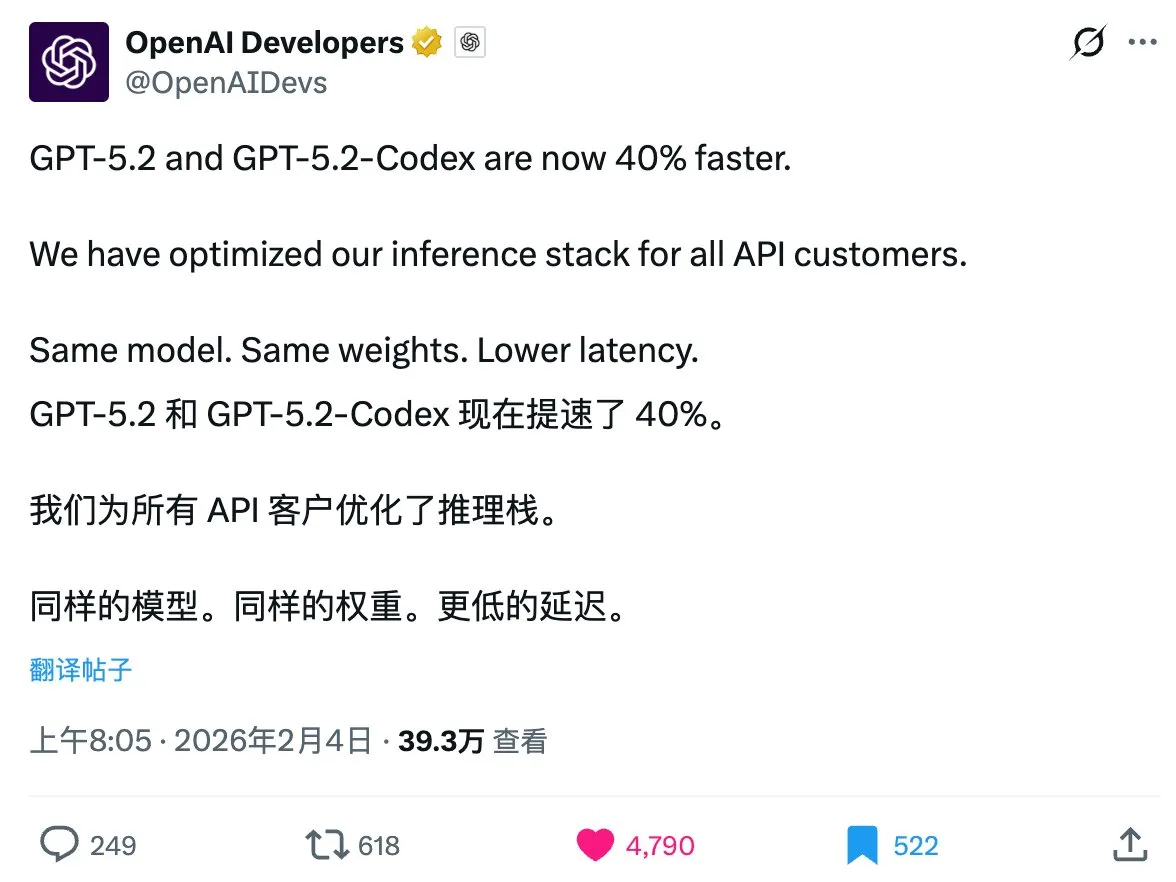
Cerebras Helps OpenAI Speed Up Inference by 40%: OpenAI announced that by optimizing its inference stack (rumored to have adopted Cerebras’ large memory architecture solution), the API response speed for GPT-5.2 and Codex has increased by 40%. This progress alleviates user complaints about slow responses from complex reasoning models and demonstrates the critical role of hardware customization in the popularization of AI applications. (Source: OpenAIDevs)