🔥 Focus
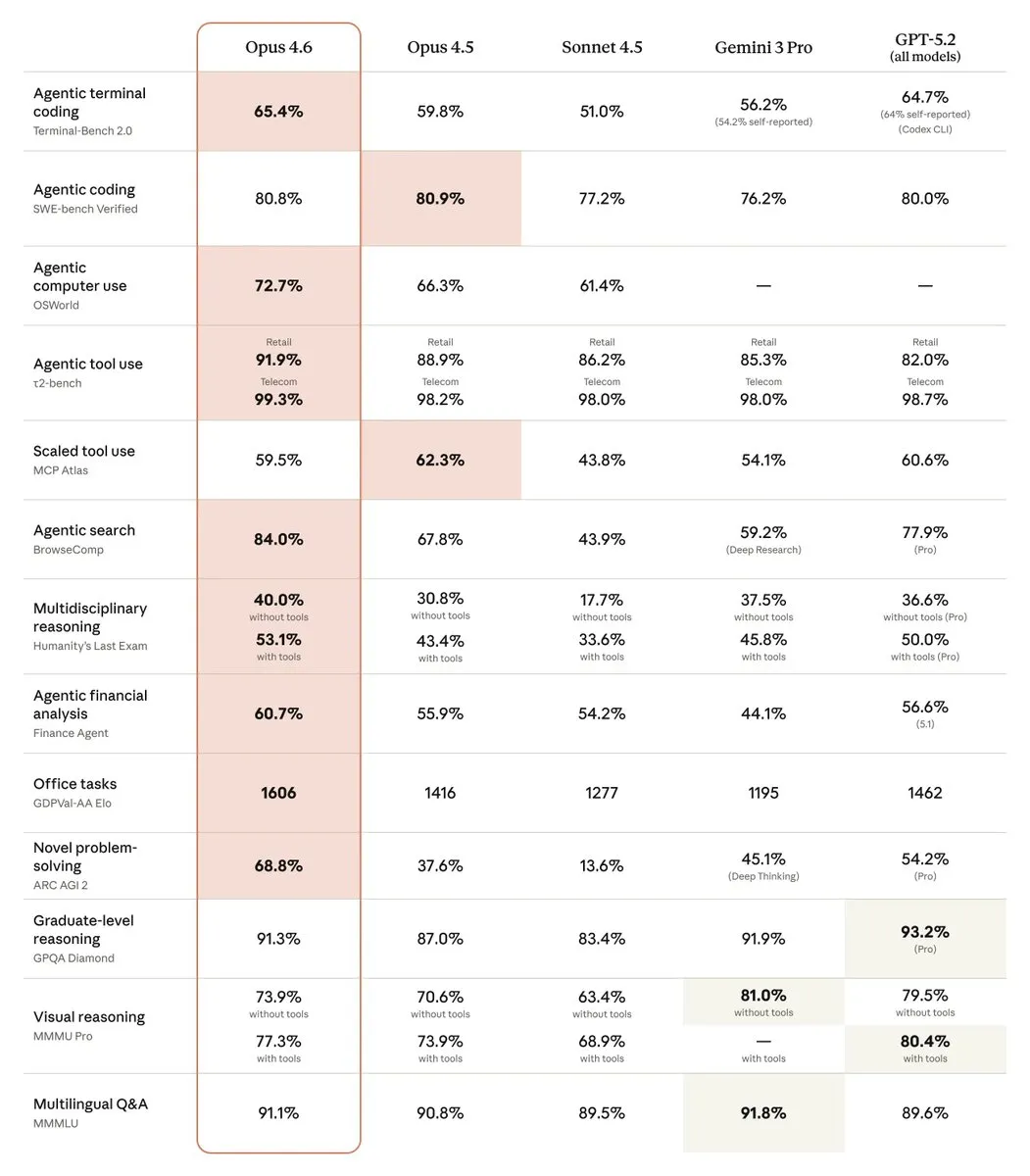
OpenAI and Anthropic Ignite “Model Face-off”: On February 5, 2026, Silicon Valley witnessed the most intense direct confrontation in AI history. Anthropic released Claude Opus 4.6, introducing a 1M ultra-long context and “Adaptive Thinking” for the first time, showing a significant lead in high-value task evaluations (GDPval-AA) for finance and law. Just 15 minutes later, OpenAI countered with GPT-5.3-Codex, which set new records in hardcore programming benchmarks like SWE-Bench Pro and demonstrated powerful “Computer Use” capabilities. This “encounter battle” marks a formal shift in AI competition from “dialogue quality” to “Agent autonomy and complex task execution,” as both companies fight to define the next generation of AI infrastructure (Sources: Anthropic, OpenAI, sama)
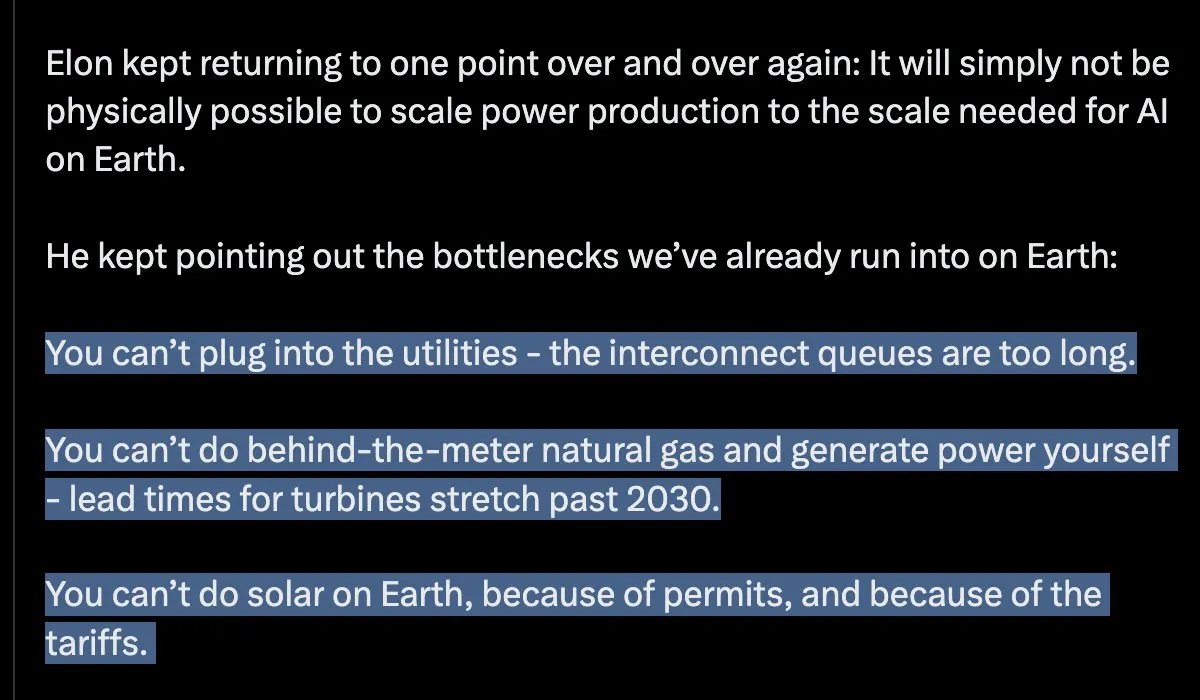
Elon Musk Reveals “Space Data Center” Strategy: In a recent in-depth interview, Elon Musk systematically explained the logic behind moving AI computing power into space. He argued that terrestrial energy expansion is hindered by permitting and the delivery cycles of physical equipment (such as turbine blades), making it unable to keep pace with AI demand. SpaceX plans to achieve over 10,000 launches per year via Starship to deploy hundreds of gigawatts of computing power in orbit. Musk predicts that in five years, the new AI computing power in space will exceed the cumulative total in Earth’s history. Additionally, he proposed manufacturing solar panels on the moon and using mass drivers to launch AI satellites into deep space, completely breaking Earth’s energy shackles (Sources: dwarkesh_sp, scaling01)
AI Agents Trigger “Software Eating” and “SaaS Crisis”: With the launch of Claude Code’s Agent Teams and the OpenAI Frontier platform, AI is evolving from an auxiliary tool into a “digital colleague.” Anthropic demonstrated 16 Agents collaborating to write 100,000 lines of code in two weeks to complete a C compiler, while OpenAI is directly providing Agent management systems for enterprises. This trend has caused massive volatility in the SaaS market, with software stocks like Salesforce and FactSet falling sharply. Markets worry that as Agents become capable of executing tasks across systems and automatically handling financial analysis and legal reviews, the traditional “per-seat” SaaS billing model will face a fundamental collapse; the industry is shifting from “buying tools” to “buying results” (Sources: TheRundownAI, gdb, Anthropic)
OpenClaw Sparks Agent Craze and Safety Warnings: The open-source project OpenClaw (formerly Clawdbot) quickly garnered 140,000 stars on GitHub due to its “Computer Use” capability to take over a user’s PC, even unexpectedly driving a sales surge for the Mac Mini. However, its “naked” permission management has sparked huge security controversies. Security experts found many OpenClaw consoles directly exposed to the public internet and highly vulnerable to prompt injection attacks. Furthermore, cybercriminals exploited the renaming window to register accounts and issue tokens, causing tens of millions of dollars in market value to evaporate instantly. This event has become the “Icarus Moment” in the commercialization of Agents, proving that without safety guardrails, powerful agents can instantly turn into security nightmares (Sources: dotey, yoheinakajima, nptacek)
🎯 Trends
Kuaishou Kling 3.0 Officially Released: Kling 3.0 has achieved a qualitative leap in video generation consistency, image detail, and instruction following. The new version supports flexible duration control from 3-15 seconds and introduces multi-character consistency locking and native audio support (dialogue and singing). Its “Multi-shot” feature allows users to generate short films with cinematic narrative structures from a single image, marking the evolution of AI video from simple asset generation to a full director-level creative tool (Sources: Kling_ai, kimmonismus)

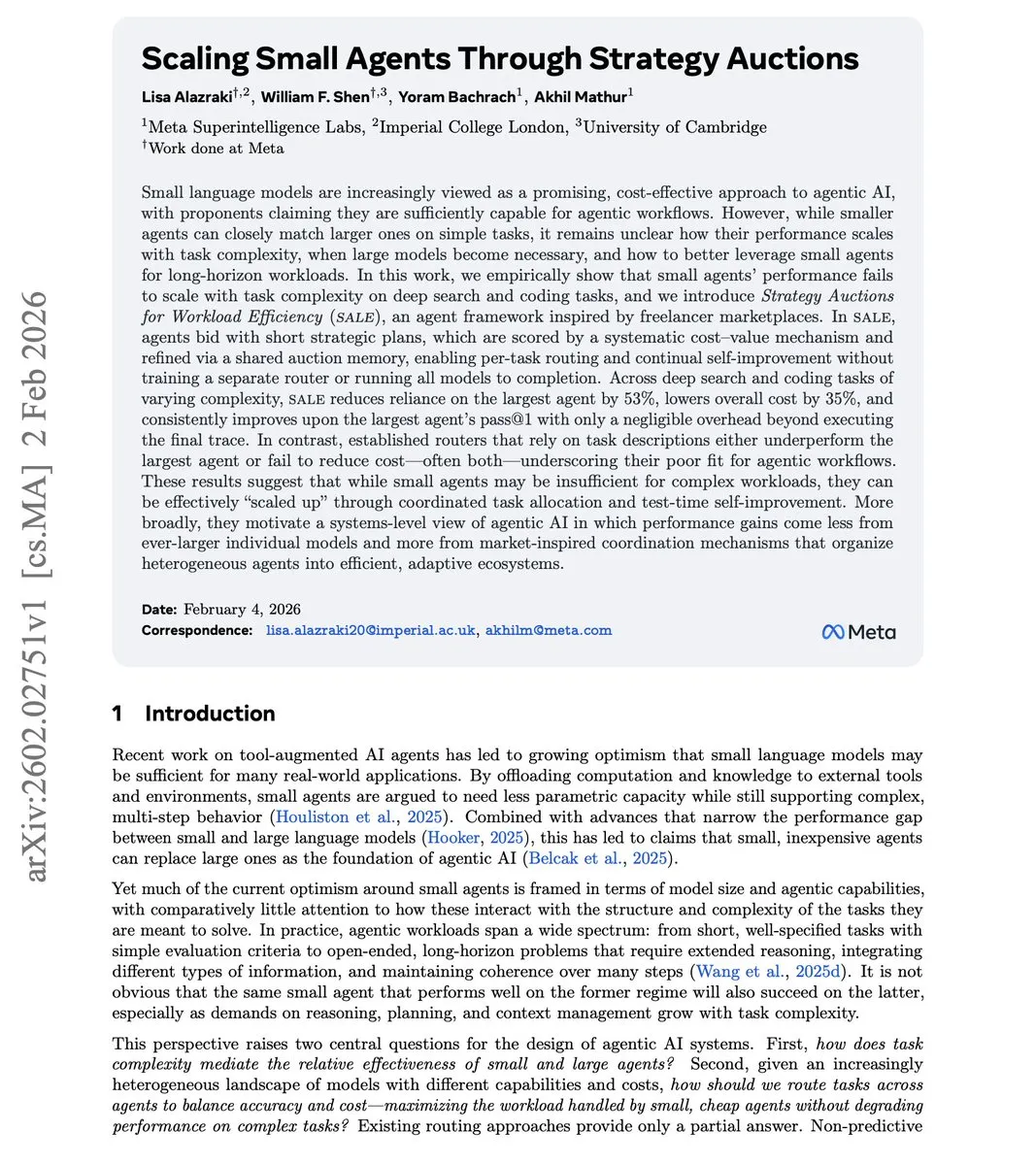
Meta Fundamental AI Research (FAIR) Launches SALE Framework: Meta proposed the SALE (Strategy Auctions for Workload Efficiency) framework, inspired by freelancer marketplaces. Instead of relying on fixed routing, the system allows Agents of different scales to submit “strategic plans” and bid for tasks, with a judge Agent selecting the optimal solution based on cost-benefit ratios. Experiments show that SALE reduces dependence on giant models by 53% while significantly improving success rates for complex search and coding tasks, providing a new paradigm for heterogeneous Agent collaboration (Source: omarsar0)
Roblox Introduces 4D Generation Technology: Roblox is beta-testing its “Cube” foundation model, allowing users to generate interactive, drivable 3D assets (such as racing cars) directly via natural language descriptions. This “4D Generation” includes not only visual appearance but also physical properties and interaction logic. Early data shows that after enabling this feature, user playtime increased by 64%, signaling a transformation of game development from traditional engine-driven models to AI-native creative platforms (Source: TheRundownAI)
🧰 Tools
Claude Code Adds /insights Command: Claude Code has added a powerful review feature in its latest version. By running the /insights command, the AI acts as a personal analyst, reading message logs from the past month to help users review project progress, analyze tool usage habits, and provide specific workflow optimization suggestions. This self-diagnostic capability based on long-term memory is a key milestone for Agents becoming mature productivity tools (Source: dotey)
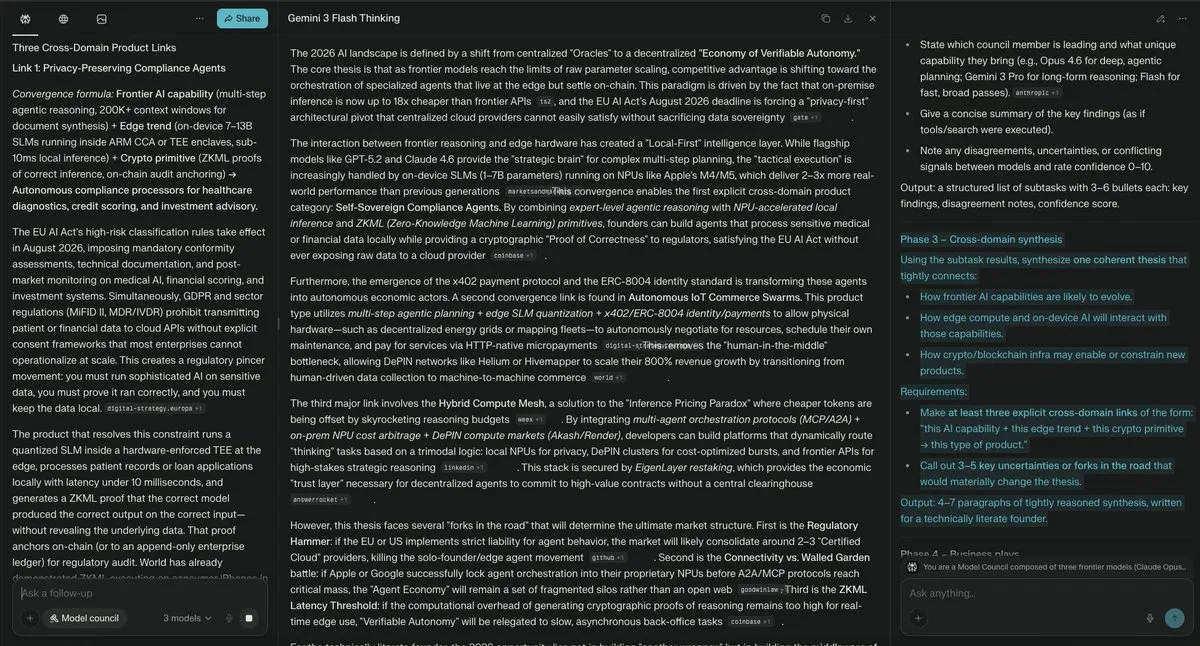
Perplexity Launches Model Council Feature: Perplexity has introduced the “Model Council” mode for Max subscribers. This feature allows users to run three frontier models simultaneously (e.g., GPT-5.2, Opus 4.6, Gemini 3 Pro) and perform real-time comparison and consensus analysis of their outputs. This provides multi-layered verification for deep research tasks requiring high accuracy, such as patent analysis and investment reports (Sources: AravSrinivas, denisyarats)
LangSmith Launches Insights Agent: LangChain released the Insights Agent, which can automatically organize Agent “Traces,” identify user usage patterns, locate silent failure points, and provide customized improvement insights. As Agents become increasingly long-term and complex, such automated observation and evaluation tools have become a necessity for enterprise-level deployment (Sources: LangChain, hwchase17)
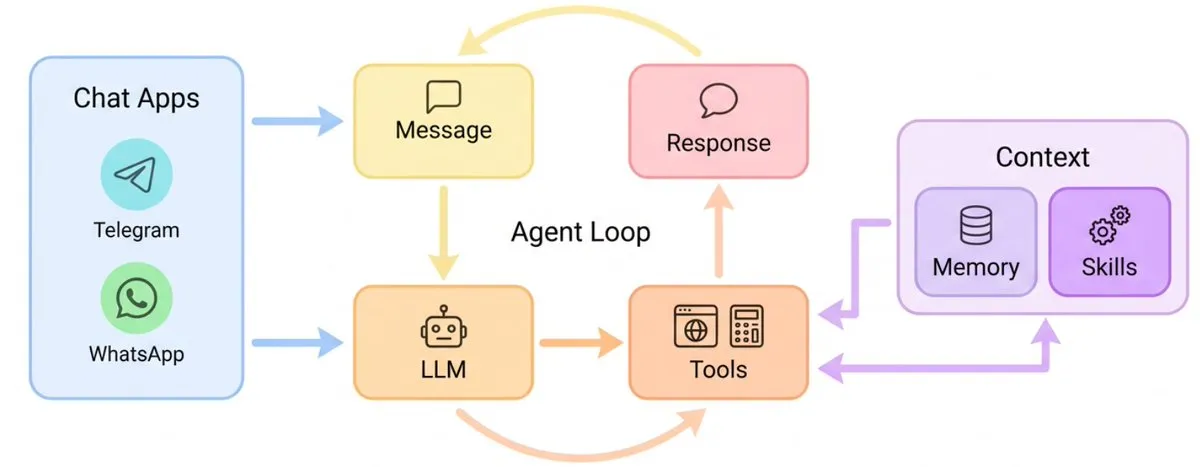
Nanobot: Ultra-lightweight Open-source Personal Assistant: The Data Science Lab at the University of Hong Kong has open-sourced Nanobot, achieving the core functions of OpenClaw with only about 4,000 lines of Python code. It supports multi-model access and multi-channel integration (Telegram/Feishu). The code is extremely clean and readable, designed to provide developers with a low-barrier, high-performance template for Agent architecture learning and secondary development (Sources: dotey, yoheinakajima)
📚 Learning
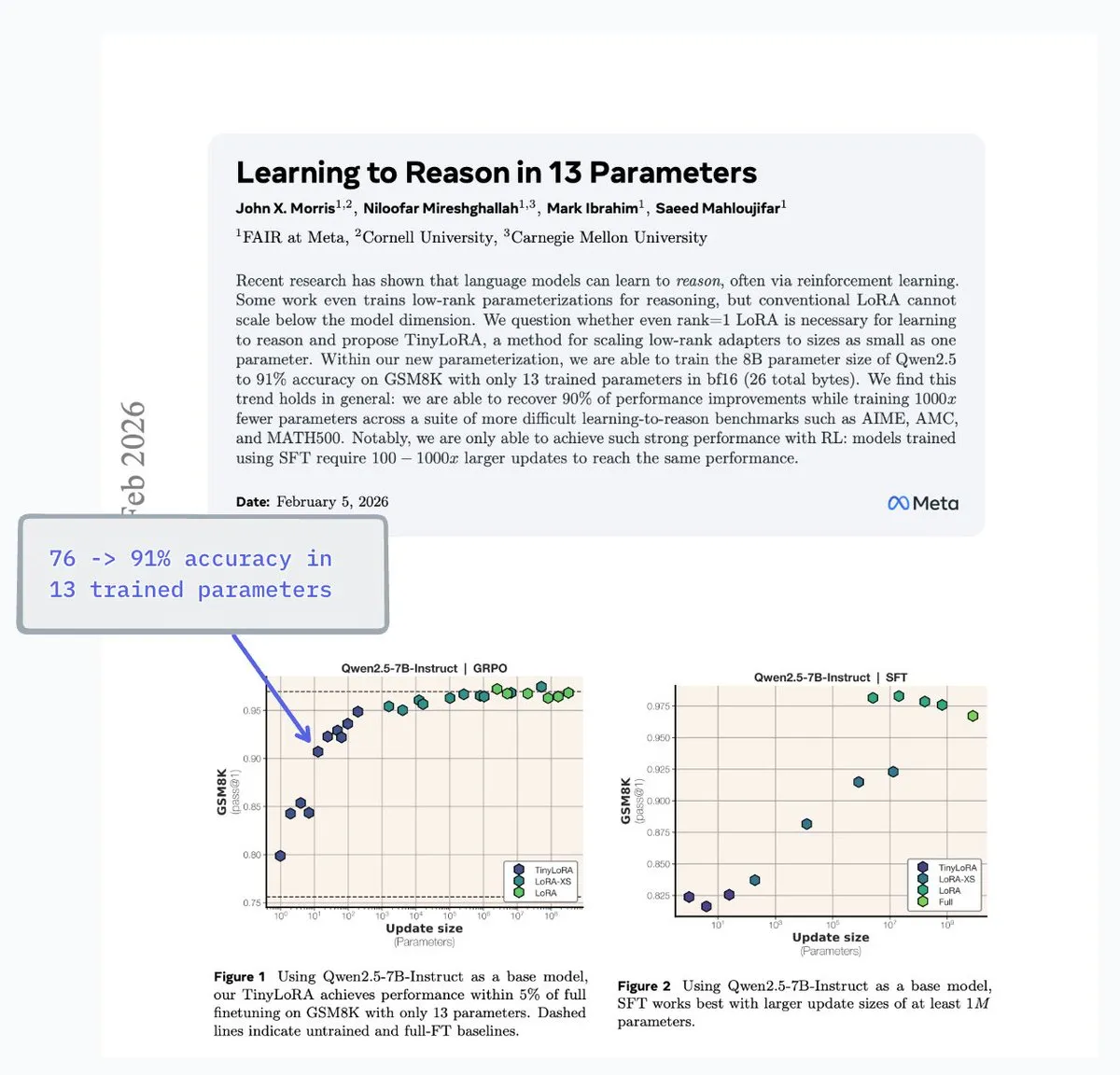
TinyLoRA: Reasoning Learning with 13 Parameters: Doctoral research has demonstrated a new fine-tuning method called TinyLoRA. By combining TinyLoRA with reinforcement learning, only 13 trainable parameters are needed to boost a 7B-scale Qwen model’s performance on the GSM8K math competition from 76% to 91%. This result challenges the traditional belief that “reasoning capability must rely on large-scale parameters,” providing a new path for the intellectual leap of small models (Sources: swyx, tokenbender)
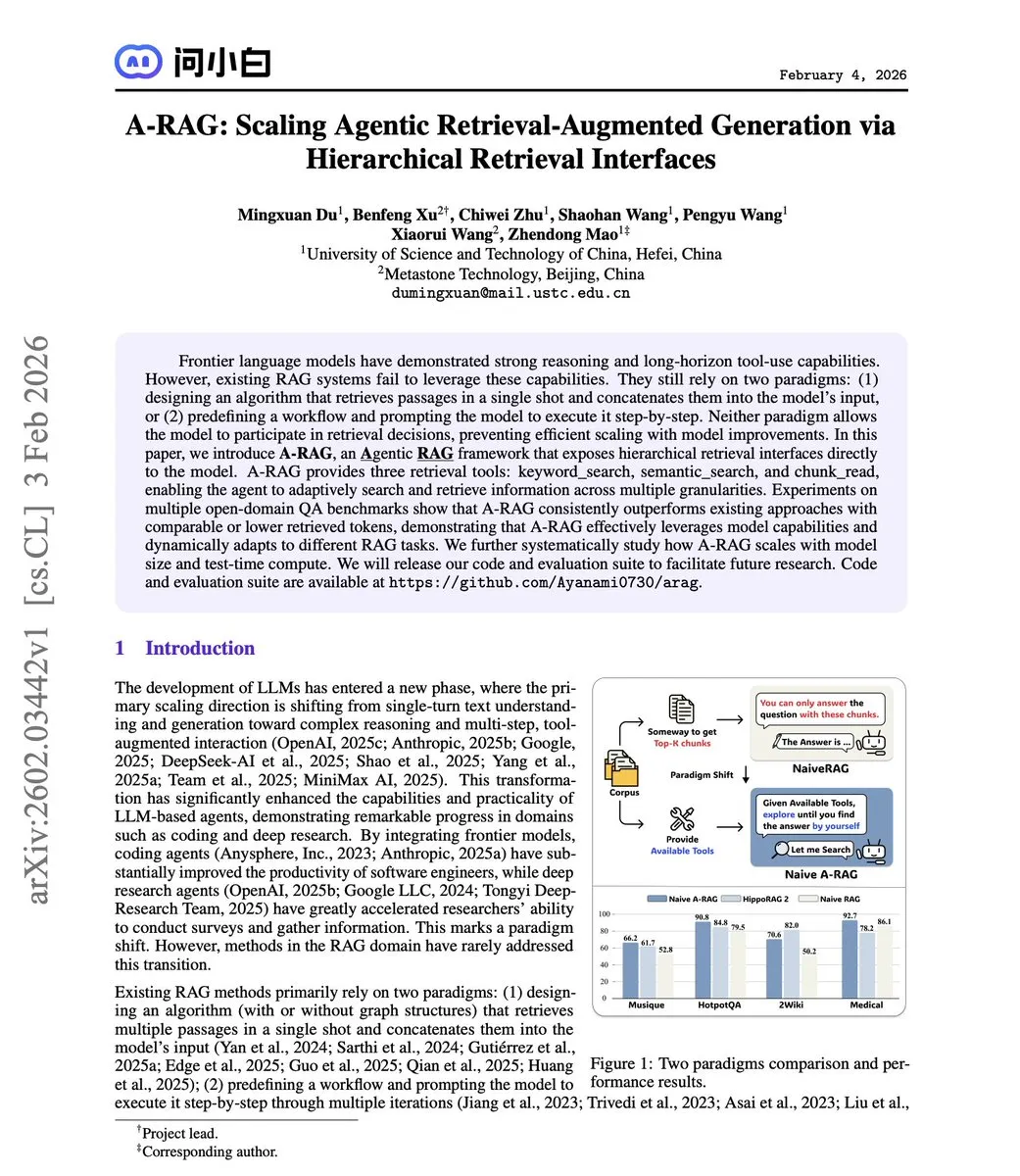
A-RAG: Agentic Retrieval-Augmented Generation Framework: New research introduces A-RAG, transforming the retrieval process from a static step into an active Agent behavior. The model is given three tools of different granularities—keyword search, semantic search, and chunk reading—and autonomously decides on a search strategy based on needs. In benchmarks like HotpotQA, A-RAG significantly outperformed existing methods like GraphRAG, and its context efficiency nearly doubled due to on-demand retrieval (Source: dair_ai)
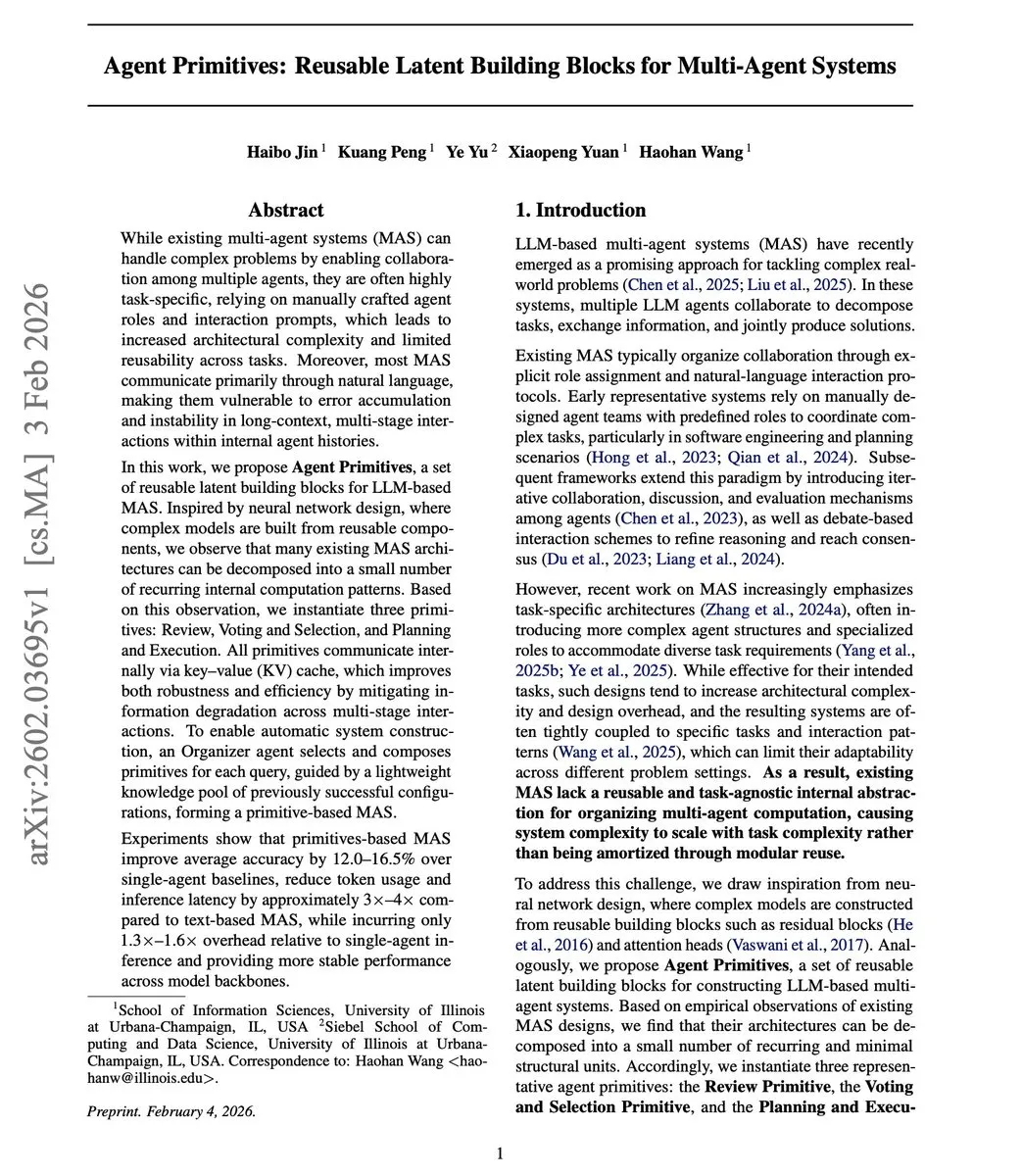
Agent Primitives: Building Blocks for Multi-Agent Systems: Researchers proposed decomposing multi-agent architectures into reusable “Primitives” such as “Review, Vote, Plan, Execute.” These components communicate internally via KV-cache rather than natural language to avoid information decay. Experiments show that systems based on this architecture improved accuracy on GPQA-Diamond by 12-16% compared to traditional methods, with inference latency reduced by 3-4 times (Sources: dair_ai, omarsar0)
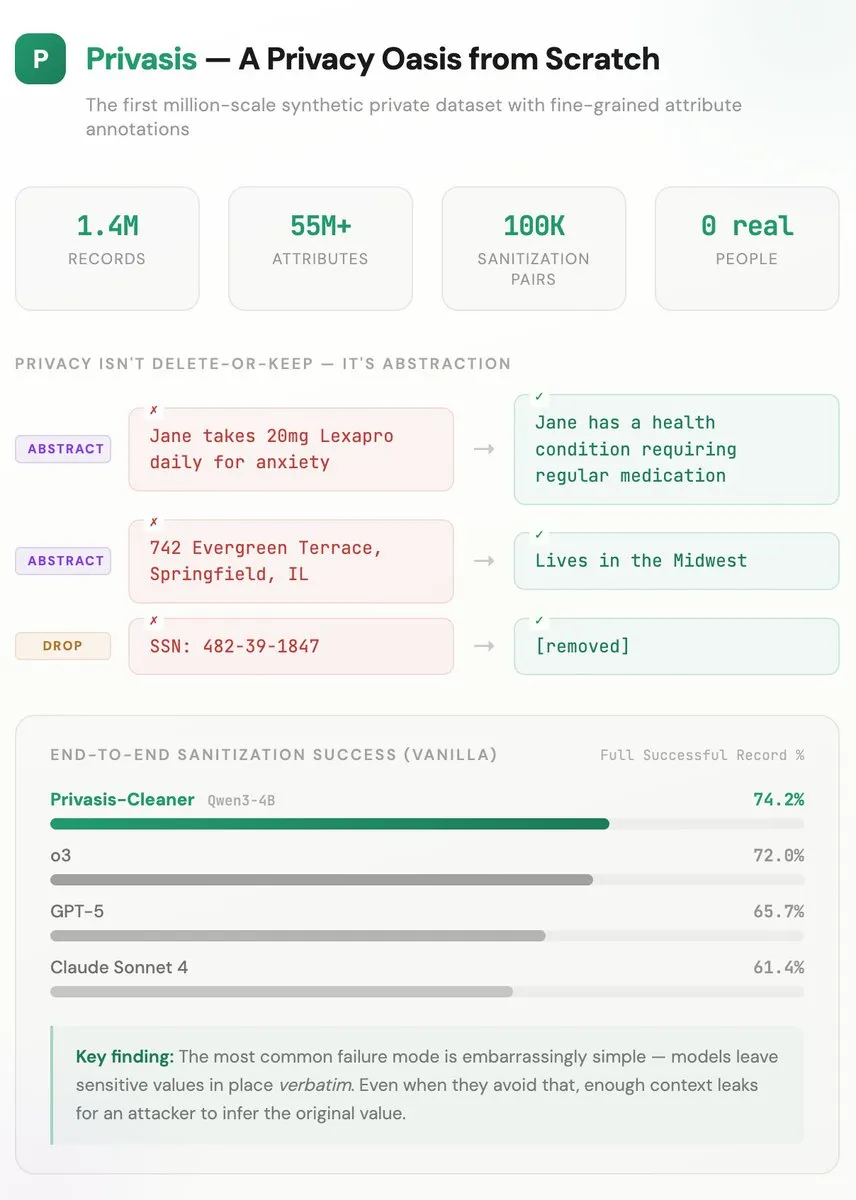
Privasis: Million-scale Synthetic Privacy Dataset: Addressing the issue where LLMs often “over-delete” or “directly leak” sensitive information, researchers released the Privasis dataset. It contains 1.4 million privacy records entirely synthesized by AI, used to train models for privacy de-identification at different granularities (e.g., abstracting specific drug names to “routine medication”). Experiments prove that a 4B model trained on this even surpasses GPT-5 in privacy protection effectiveness (Source: lateinteraction)
💼 Business
ElevenLabs Completes $500 Million Series E Funding: British AI audio giant ElevenLabs saw its valuation soar to $11 billion, with this round led by Sequoia Capital. The company’s strategic focus has shifted from simple voice cloning to enterprise-grade conversational Agents. Its ARR grew from $200 million to $330 million in just five months, demonstrating the massive commercial potential of AI audio technology in customer service and content creation (Sources: op7418, 36Kr)
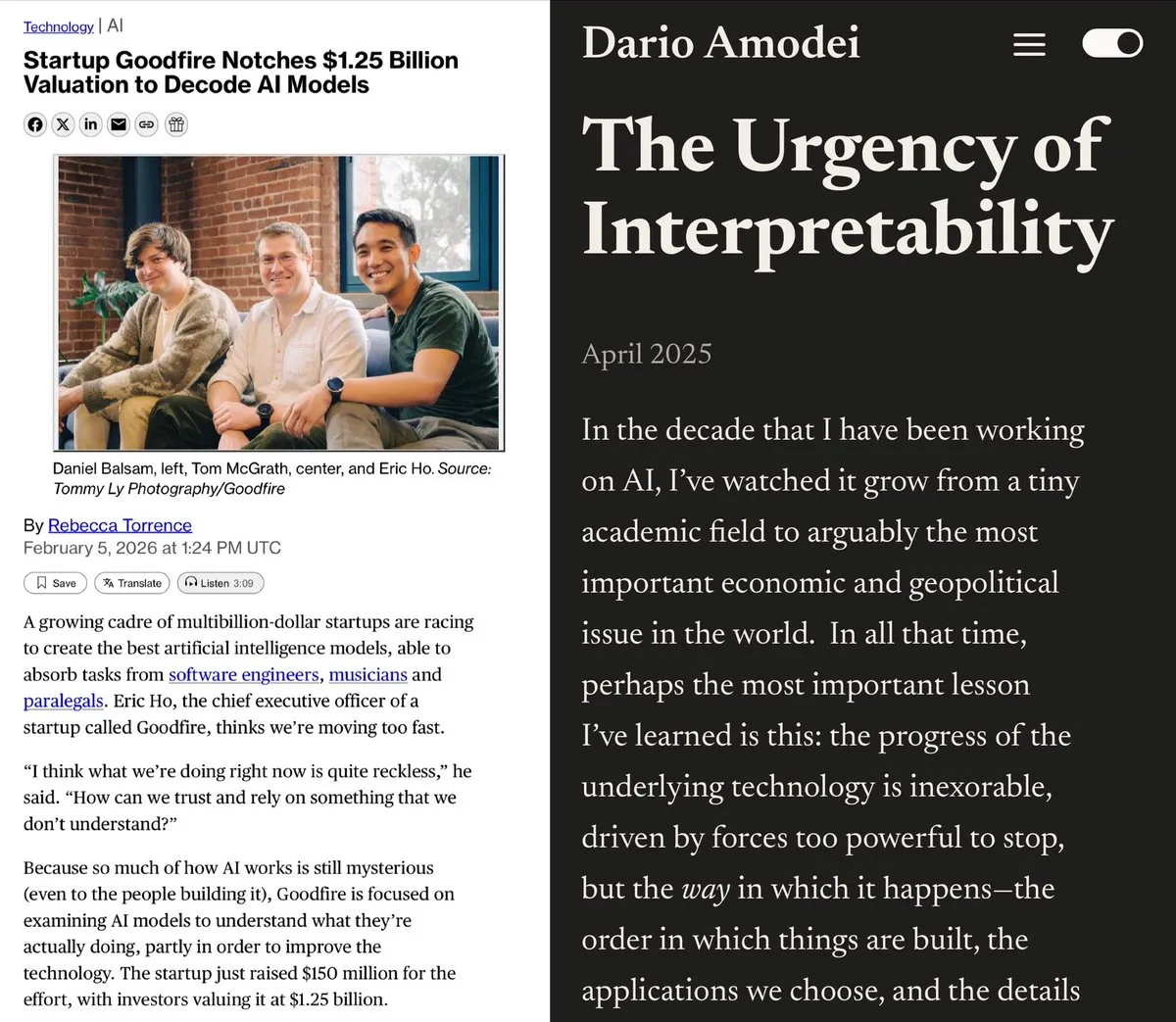
Goodfire Completes $150 Million Series B Funding: Goodfire, a startup focused on interpretability research, has become a unicorn with a $1.25 billion valuation. Goodfire developed a tool similar to an “AI MRI” that can directly probe and guide model behavior (such as detecting deception or power-seeking) from model weights. It has already discovered new biomarkers for Alzheimer’s disease in the pharmaceutical field (Sources: GoodfireAI, blader)
Daytona Secures $24 Million Series A Funding: With the arrival of the Agent era, Daytona focuses on building dedicated “computer environments” for AI agents. This round was led by FirstMark Capital, with a valuation five times higher than its seed round. Its core product aims to solve challenges in environmental isolation, tool calling, and resource management for Agents executing tasks (Source: steph_palazzolo)
🌟 Community
“Vibe Coding” Sparks Major Discussion on Engineer Identity: Community discussion on “Vibe Coding” has entered deep waters. Andreessen believes AI hasn’t eliminated programmers but has redefined the task from “writing code line-by-line” to “commanding a fleet of Agents.” However, many senior engineers expressed concern: over-reliance on AI might lead to the loss of basic skills and a gap in understanding codebase logic. Karpathy and others argue that the future moat lies in “defining problems” and “aesthetic judgment” rather than typing speed (Sources: HamelHusain, VictorTaelin, c_valenzuelab)
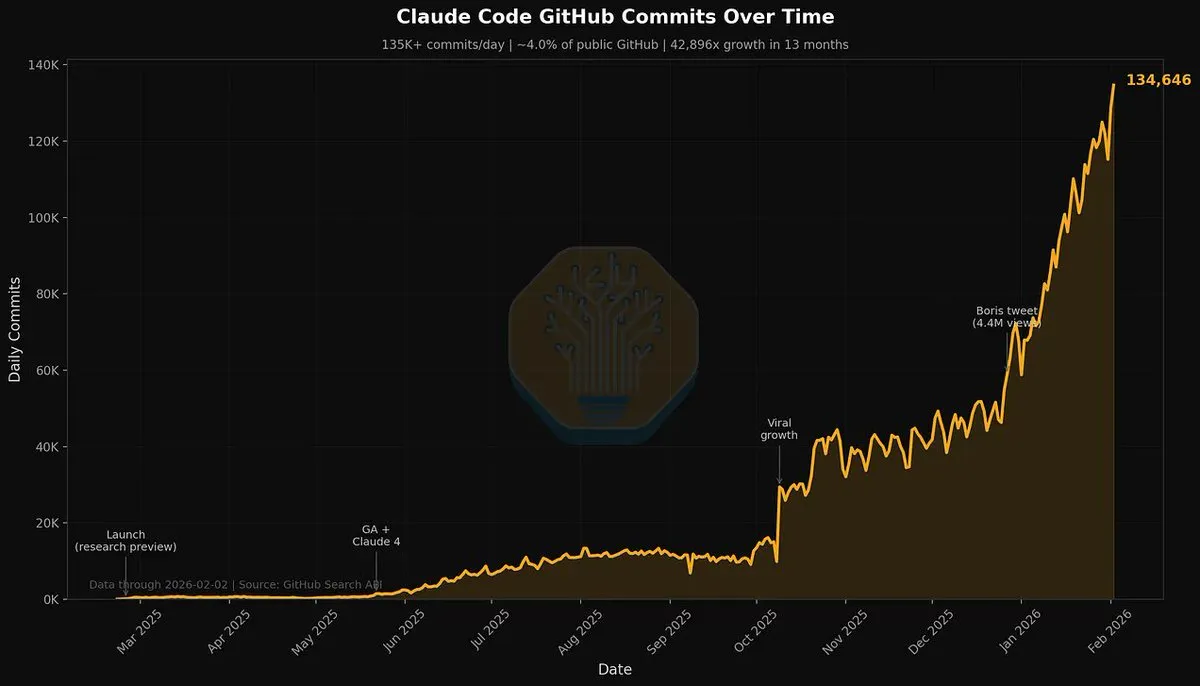
SaaS Industry “Death Spiral” Concerns: As Claude Code accounts for 4% of GitHub commits, a SemiAnalysis report predicts this ratio will reach 20% by the end of 2026. The community is debating whether SaaS vendors will become mere “middlemen” for models. When Agents can complete tasks directly via API, the value of traditional SaaS with expensive UI interactions and account systems will shrink rapidly. Developers have even begun trying to use AI to clone billion-dollar SaaS products in just a few hours (Sources: dylan522p, swyx)
International AI Safety Report 2026 Gains Attention: The latest safety report led by Yoshua Bengio has been highly recommended by experts like Geoffrey Hinton. The report exhaustively evaluates potential risks of AI in biosecurity, cyberattacks, and recursive self-improvement. The focus of community discussion is: when model capabilities exceed the verification speed of human evaluators, have we already lost the chance to “flip the switch” (Sources: Yoshua_Bengio, geoffreyhinton)
💡 Others
Hugging Face Launches Community Evals: To counter black-box official leaderboards, Hugging Face now allows community members to submit model evaluation scores directly via PR, supporting the Inspect AI format for reproducibility. This initiative aims to increase transparency in model performance and close the gap between leaderboard scores and real user experience (Sources: _akhaliq, ben_burtenshaw)
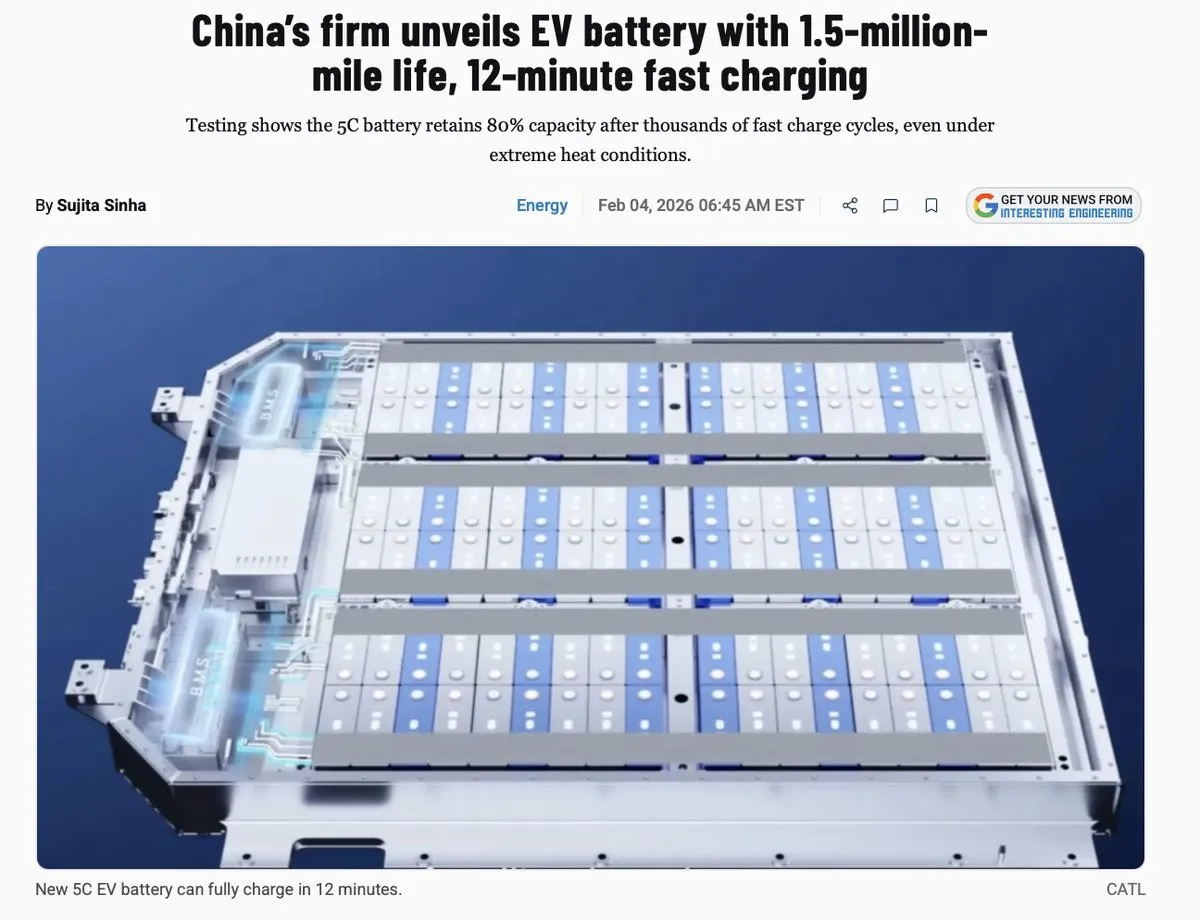
CATL Releases 5C Ultra-fast Charging Battery: CATL showcased its latest EV battery technology, supporting a full charge in 12 minutes and maintaining ultra-long life even under extreme high temperatures. Although a hardware breakthrough, the R&D process deeply utilized AI simulation and materials genomics, seen as a classic case of AI empowering physical industry (Source: kimmonismus)