



🔥 Focus
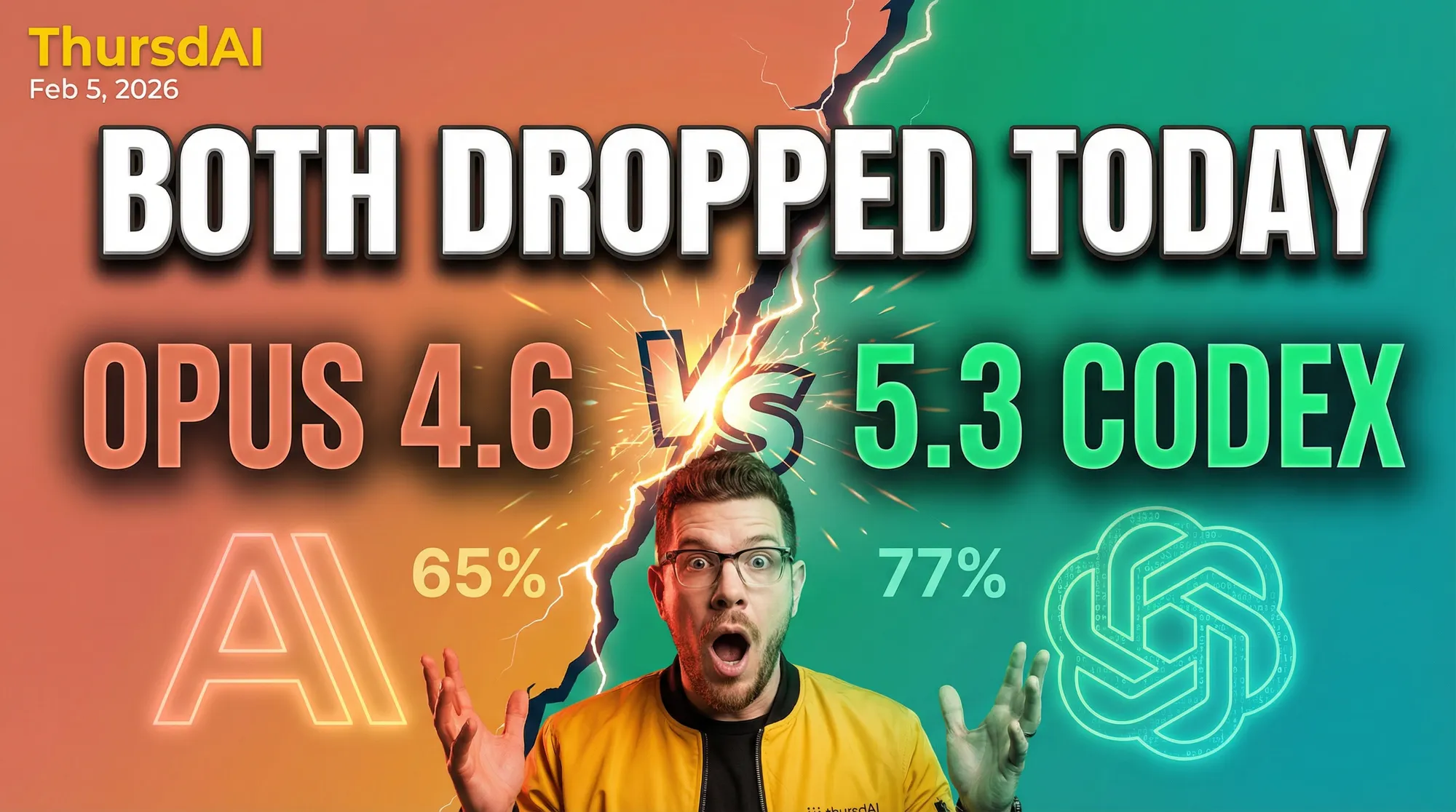
The Ultimate Showdown: Claude Opus 4.6 and GPT-5.3 Codex Released on the Same Day: The most intense competitive moment in AI history unfolded as Anthropic and OpenAI released their flagship models just 27 minutes apart. Opus 4.6 introduces a 1-million-token context window and “Agent Team” functionality, demonstrating dominance in reasoning, writing, and complex search (ranking 2nd on SimpleBench). Meanwhile, GPT-5.3 Codex focuses on Agent closed-loops, excelling in terminal operations, code fixing, and tool-calling speed. This duel marks a shift in AI competition from pure “dialogue” to “execution” and “collaboration,” as large models begin to solve highly complex engineering problems through autonomous division of labor (Source: thursdai_pod, scaling01)
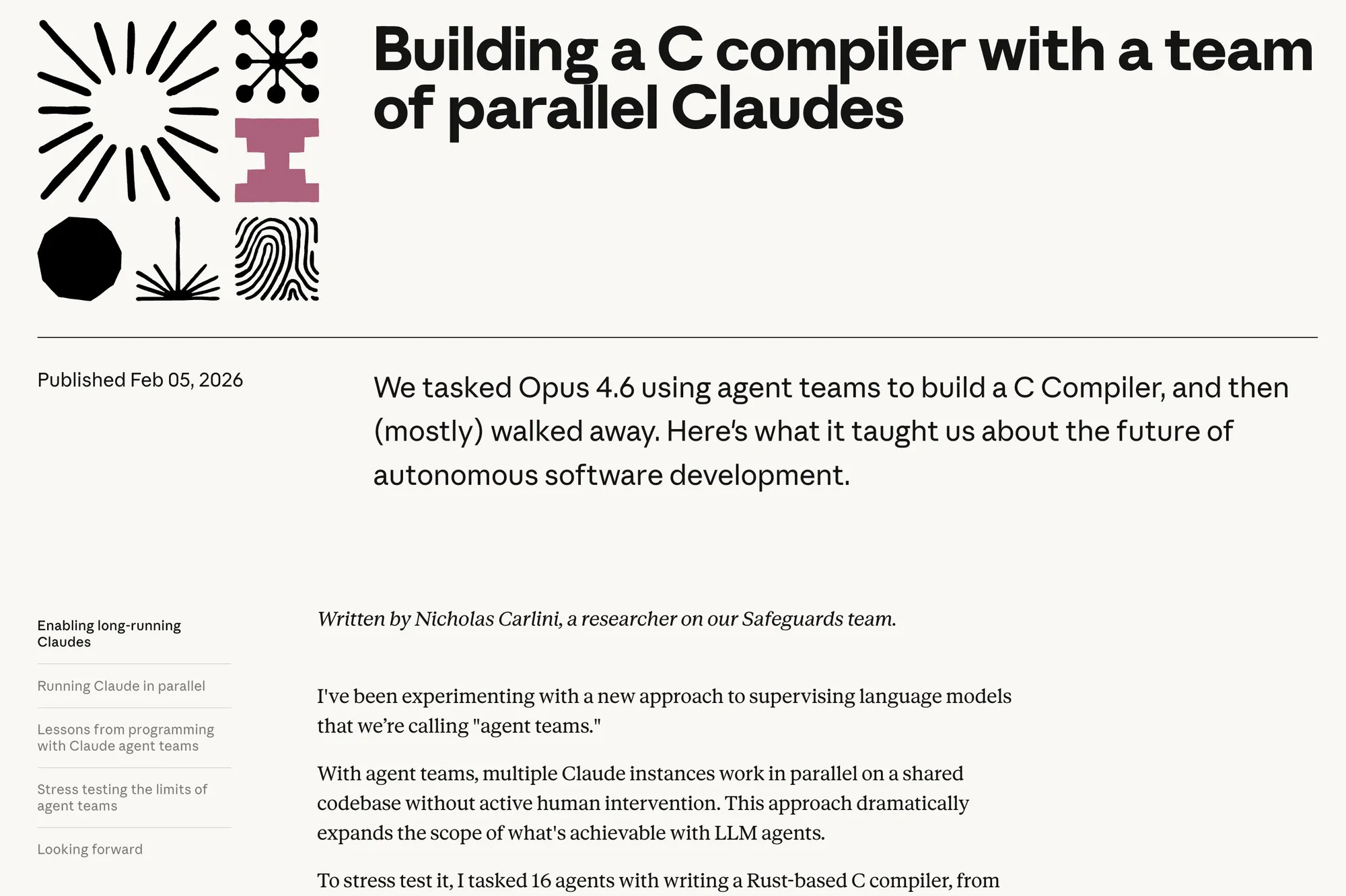
Autonomous Programming Milestone: Opus 4.6 Agent Team Builds C Compiler from Scratch in Two Weeks: Anthropic disclosed a shocking experiment: an Agent team composed of 16 Claude 4.6 instances built a C compiler containing 100,000 lines of Rust code from zero in two weeks, consuming $2 billion worth of tokens with almost no human intervention, and successfully compiled the Linux kernel. The system simulated real-world development team mechanisms such as Git synchronization, file locking, and task distribution. This proves that Agent clusters are now capable of handling large-scale, highly coupled engineering tasks, moving software development from “point-to-point assistance” to “full-process autonomy” (Source: _catwu, omarsar0)
A New Paradigm for Autonomous Driving: Waymo and Google Release Genie 3 World Model: Google DeepMind, in collaboration with Waymo, launched the Waymo World Model. Based on Genie 3, the model translates vast world knowledge into precise camera and 3D LiDAR data, generating photorealistic interactive environments. Engineers can use prompts to simulate rare “long-tail” scenarios, such as extreme weather or reckless driving, to stress-test Waymo drivers in a virtual world. This represents a major evolution of AI from understanding a static world to simulating physical dynamics, significantly accelerating the training efficiency of embodied intelligence (Source: scaling01, JeffDean)
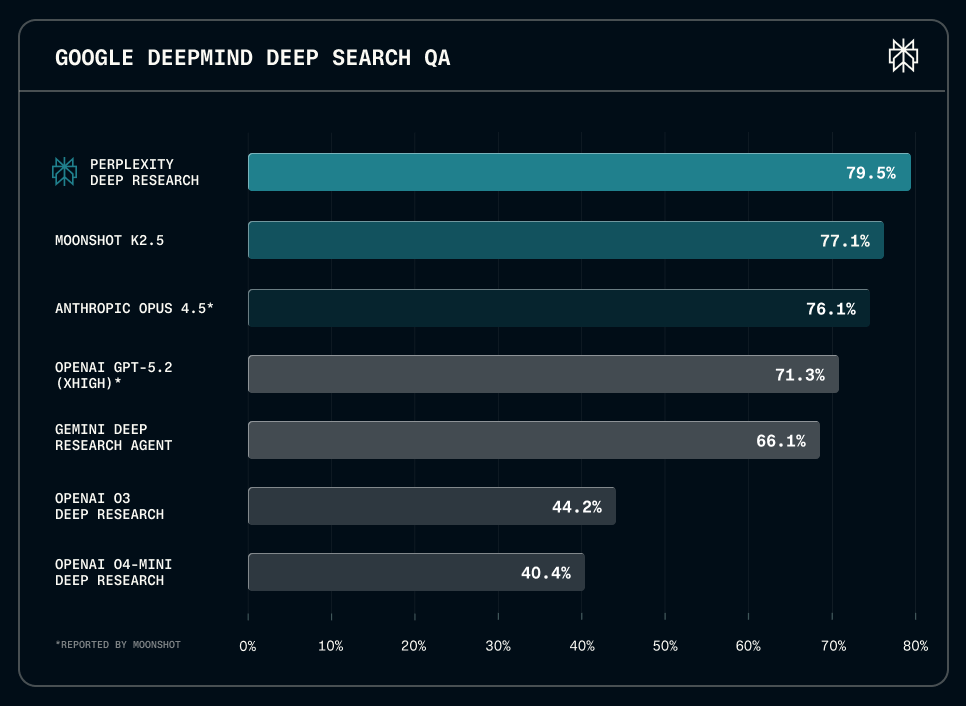
The Pride of Domestic Open Source: Kimi K2.5 Released, Surpassing Closed-Source Flagships in Multiple Metrics: Moonshot AI released Kimi K2.5, featuring a 1-trillion-parameter MoE architecture, supporting vision capabilities and the autonomous generation of parallel-working sub-agents. In the Artificial Analysis Intelligence Index, its “Thinking Mode” ranked first among open-source models, even surpassing GPT-5.2 xHigh and Opus 4.5 in several vision and Agent benchmarks. The core breakthrough of K2.5 lies in automated Agent orchestration, which can decompose complex tasks into multiple sub-models for parallel processing, increasing speed by 3-4.5 times. This marks a world-class level for domestic models in long-context and Agent collaboration (Source: Kimi_Moonshot, DeepLearning.AI)
Agent Social Experiments and Security Crises: OpenClaw and Moltbook Sweep the Community: Developer Peter Steinberger’s open-source project, OpenClaw, went viral, triggering a global buying spree for Mac Minis. Subsequently, Moltbook, a social network dedicated to Agents, attracted millions of AI accounts that spontaneously formed a digital society, publishing manifestos and even spreading religions. However, beneath the prosperity lies a crisis: 1Password warned that the OpenClaw “skill” ecosystem has become a hotspot for malware, with hackers disguising malicious scripts as popular plugins to induce Agents into stealing developer credentials. This sounds the alarm for supply chain security in the Agent era (Source: DeepLearning.AI, Reddit)

🎯 Trends
Step 3.5 Flash Tops OpenRouter Trending List: Just two days after its release, Step 3.5 Flash surged to the top of the OpenRouter global trending list. The model utilizes a 196B parameter MoE architecture with only 11B active parameters, yet provides intelligence depth comparable to frontier models. Its core highlight is the MTP-3 (Triple-path Multi-Token Prediction) technology, enabling generation speeds of up to 350 TPS, significantly reducing latency in Agent tasks. Developer feedback indicates excellent performance in handling complex code fixes and long-context tasks, making it a highly cost-effective productivity engine (Source: ZhihuFrontier, 36Kr)

OpenAI’s First Hardware “Dime” Earbuds Leaked: A CNIPA patent document reveals that OpenAI is developing smart earbuds named “Dime” (originally project Sweetpea). The device is planned to launch as an audio-only version first in 2026; a high-performance version with integrated computing may be delayed due to high costs caused by HBM shortages. This marks OpenAI’s official entry into the consumer electronics sector, attempting to further bind its AI ecosystem through hardware terminals (Source: kimmonismus)
Rumors: NVIDIA to Skip RTX Refresh in 2026, Shifting Focus Entirely to AI: Industry reports suggest NVIDIA may skip the update for RTX gaming graphics cards in 2026, with the RTX 60 series potentially delayed until 2028. This decision reflects Jensen Huang’s strategy to completely tilt production capacity and R&D focus toward Blackwell and subsequent AI computing chips. Gamers may face a two-year performance stagnation, while AI developers will witness a further doubling of compute spending (Source: kimmonismus, Reddit)

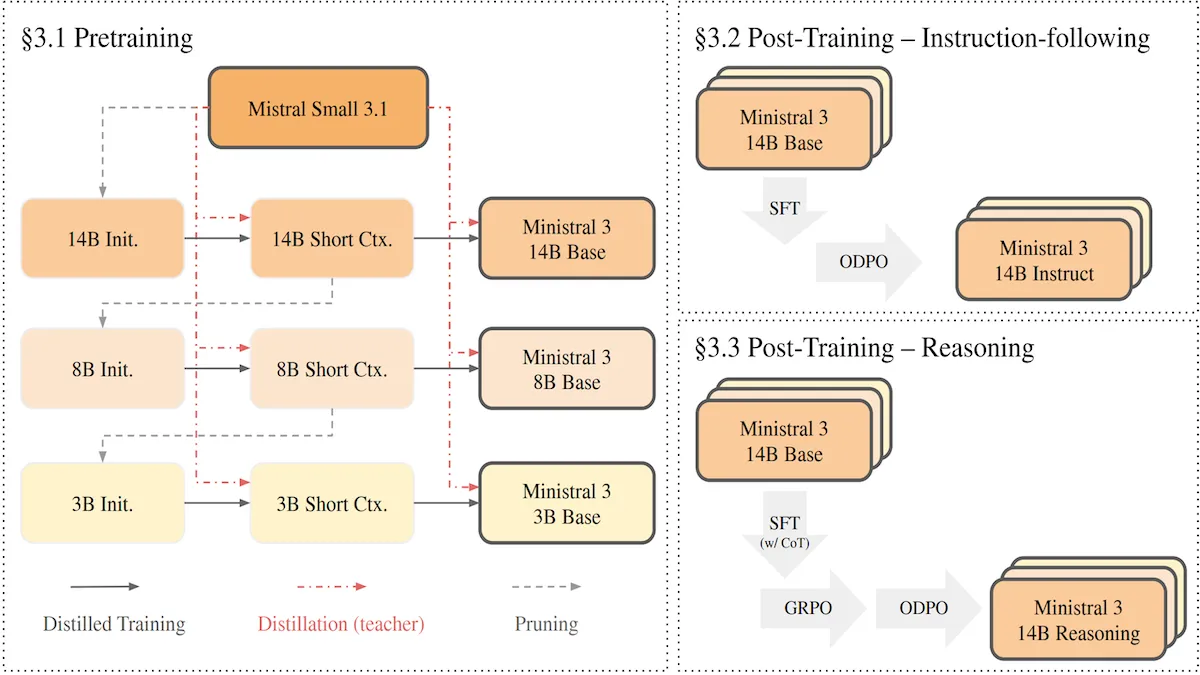
Mistral Releases Ministral 3 Series, Showcasing Efficient Distillation: Mistral AI open-sourced the Ministral 3 series (3B, 8B, 14B), detailing its “Cascade Distillation” recipe. By pruning and mimicking large parent models, Ministral 3 14B surpassed the larger Qwen 3 and Gemma 3 in mathematics and multimodal understanding. Designed for on-device operation on phones and laptops, this series proves that frontier intelligence levels can be maintained at extremely low compute costs through algorithmic optimization (Source: DeepLearning.AI)
🧰 Tools
Codepilot: A High-Aesthetic Claude Code Desktop App Built Autonomously by AI: Guizang (guizang.ai) demonstrated a stunning case: using the Agent team functionality of Opus 4.6, the Codepilot desktop client was entirely written and designed by AI in just one day. The product integrates Next.js 16 and Electron 40, featuring high visual standards and smooth interaction, proving that with powerful Agents, non-technical users or small teams can deliver complex applications at “light speed” (Source: op7418)
13-Person Shenzhen Team Beats Others to Launch Web Version of Claude Code: Following Manus, a Chinese team has once again demonstrated rapid productization capabilities. A team of only 13 people in Shenzhen launched a web version of Claude Code that requires no terminal configuration and comes with a built-in sandbox environment. This “China Speed” packages complex developer tools into zero-threshold SaaS products, reflecting a new pattern in US-China AI competition: the US builds the engine, while China builds the “car” (Source: Reddit)
Monty: A Microsecond-Level Python Sandbox for Agents: Pydantic founder Samuel Colvin announced the Monty project. This is a Python interpreter implemented from scratch in Rust, specifically designed for LLM code execution. Its startup time is reduced to single-digit microseconds and requires no host access permissions, greatly enhancing the security and response speed of Agents executing high-frequency tasks (Source: andersonbcdefg)
Doc Builder 1.8: A Powerful Document Generation Tool for Open WebUI: For Open WebUI users, Doc Builder 1.8 has been officially released. It can convert AI chat records into beautifully formatted Markdown or PDF documents with one click, supporting GFM tables and code line numbers. All processing is done locally in the browser to ensure privacy. This is an indispensable final-step tool for LLM-assisted office scenarios (Source: Reddit)
📚 Learning
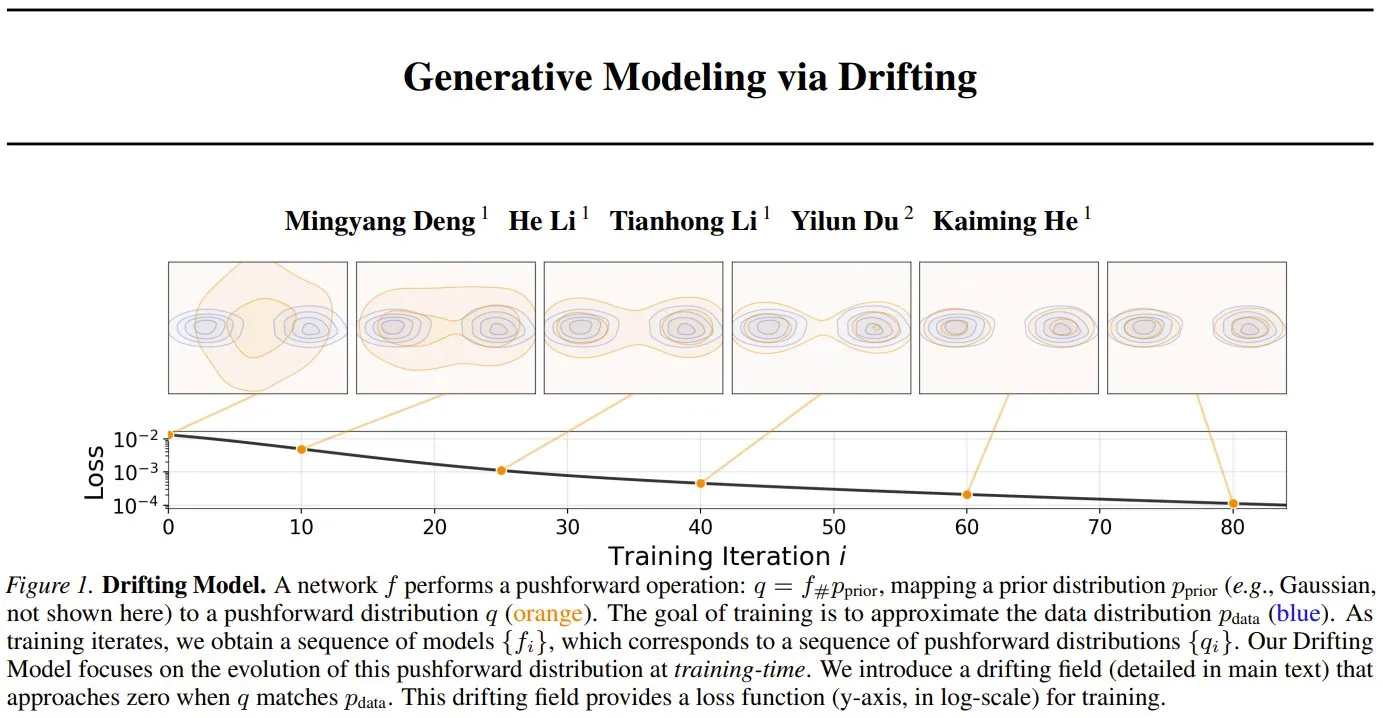
He Kaiming’s Team Releases Drifting Models: SOTA Performance in a Single Step: He Kaiming’s team proposed a new paradigm for image generation. By training a “Drift Field” to smoothly push samples toward the data distribution equilibrium, the model achieved SOTA in single-step generation on ImageNet 256×256, surpassing complex traditional multi-step diffusion models. This not only significantly improves generation efficiency but also provides a new perspective on the fundamental theory of generative models (Source: NerdyRodent, jeremyphoward)
EchoJEPA: A “World Model” Breakthrough in Medical Imaging: In collaboration with Meta and other institutions, researchers introduced EchoJEPA. Trained on 18 million cardiac ultrasound videos, it no longer learns pixel reconstruction but predicts latent anatomical structures. This method automatically strips scanner noise to lock onto ventricular geometry and valve dynamics. With only 1% of labels, its accuracy surpasses traditional fully supervised models, representing a major advancement in representation learning for physiology (Source: iScienceLuvr, ylecun)
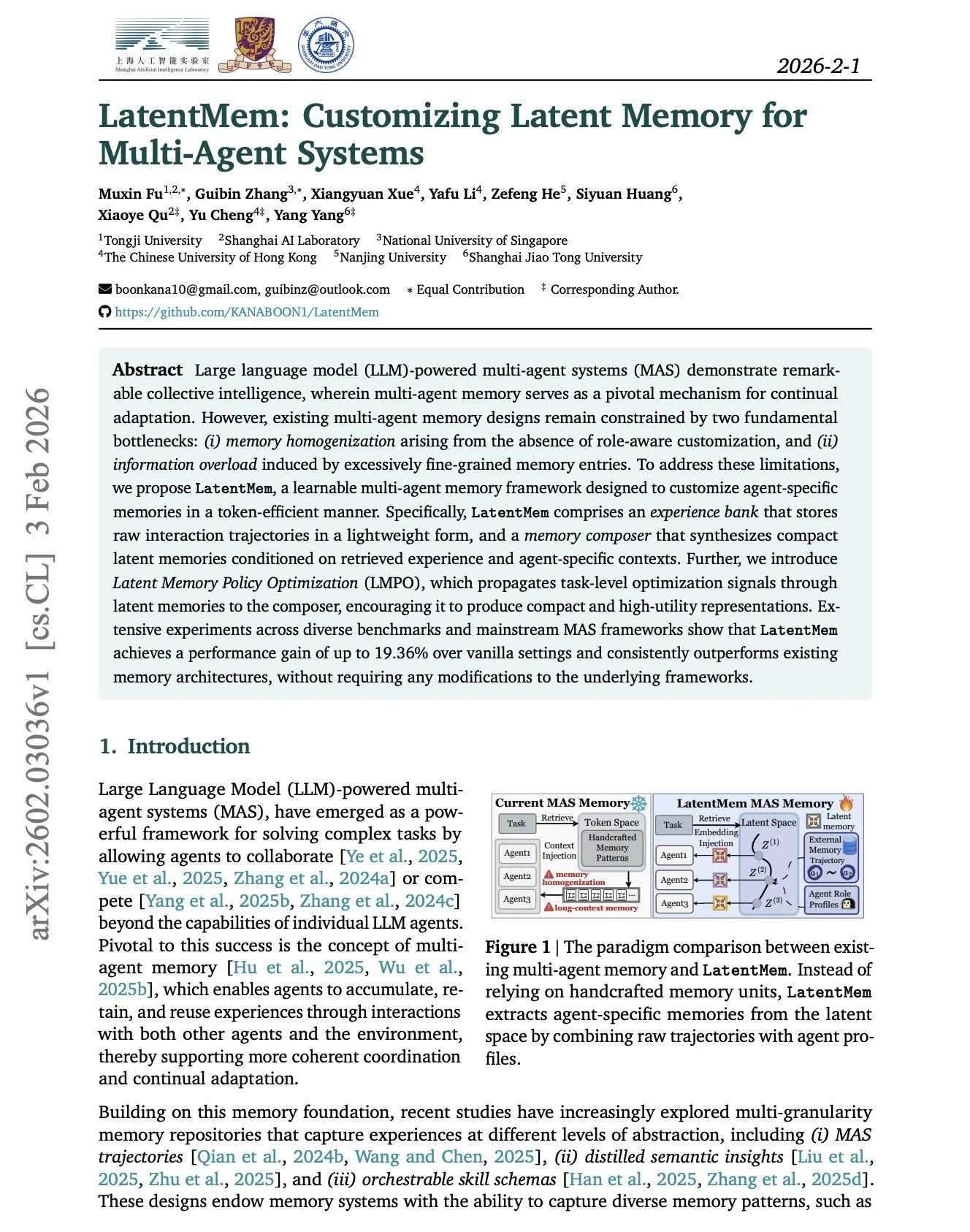
InfMem and LatentMem: New Architectures for Long-Context and Multi-Agent Memory: For long-context reasoning, InfMem introduces System-2 style cognitive control, significantly improving accuracy in 1-million-token tasks through a “pre-think, retrieve, write” protocol. Meanwhile, LatentMem addresses the issue of memory homogenization in multi-agent systems. Through a learnable role-aware latent space, it allows Agents with different responsibilities to have personalized memory focuses while reducing token consumption by 50% (Source: omarsar0, dair_ai)
DFlash: Accelerating Speculative Decoding with Block Diffusion: To address the slow inference of auto-regressive models, the DFlash framework utilizes a lightweight block diffusion model for parallel draft generation. Experiments show it achieves a 6.2x lossless acceleration on models like Qwen 3, which is 2.5x faster than the current strongest EAGLE-3, demonstrating the huge potential of diffusion models in enhancing LLM inference efficiency (Source: _akhaliq)
💼 Business
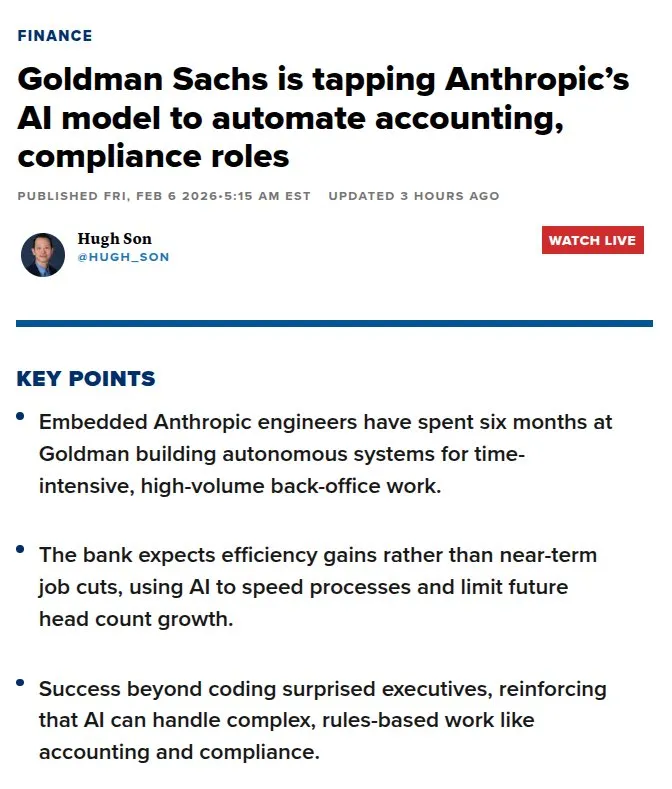
Goldman Sachs Deeply Integrates Claude to Automate Financial Reports and Compliance: Goldman Sachs announced it is fully rolling out Anthropic’s models to completely automate accounting and compliance roles. Anthropic engineers have been on-site at Goldman Sachs for six months to co-develop a “Digital Colleague” system to handle high-volume, process-heavy tasks. This marks AI’s evolution from a simple chatbot to an autonomous executor deep within core financial operations (Source: kimmonismus, Reddit)
OpenAI and Trump Administration Reach $500 Billion Infrastructure Partnership: Reports indicate that OpenAI has entered an unprecedented $500 billion partnership with the US government, Oracle, and SoftBank to reshape US AI infrastructure. Sam Altman publicly praised the administration’s pro-business policies. Additionally, OpenAI launched the “Frontier” service, providing seconded engineers to help enterprises build an AI workforce, indicating its business focus is shifting toward government/enterprise clients and heavy-asset infrastructure (Source: Reddit, ArtificialInteligence)
Adaption Raises $50 Million, Focusing on Real-Time Evolving AI: Adaption, led by veteran AI researcher Sarah Hooker, successfully raised $50 million. The company is dedicated to developing “adaptive” AI systems that can learn and evolve in real-time, attempting to break the current limitation where large models remain static after pre-training. This is considered one of the key technical paths toward AGI (Source: sarahookr)
🌟 Community
The “Psychological Crisis” and Career Turning Point for Software Engineers: The community is buzzing that this week has become a “mental breakdown point” for many programmers. With the release of Claude Code and Codex 5.3, the speed at which AI writes, debugs, and deploys code has far surpassed humans. Many developers expressed severe anxiety, feeling they have devolved from “creators” to AI “proofreaders.” Veteran geeks like Eric S. Raymond called for an end to the panic, arguing that system complexity still exists and humans should focus on higher-level architectural thinking and requirement alignment (Source: dejavucoder, lateinteraction)
“Vibe Coding”: A Development Renaissance or a Pile of Slop?: Greg Brockman stated that software development is undergoing a “Renaissance,” with AI blurring the lines between ideas and implementation. However, some in the community are wary of this “Vibe Coding,” arguing that over-reliance on Agents will lead to codebases filled with “Slop”—code that runs but is impossible to maintain. The focus of the discussion is whether the core future competency is the “ability to endure boredom” or the “ability to think clearly” (Source: omarsar0, leveredvlad)
Rentahuman: The Gimmick and Truth of AI Hiring Humans: A platform named Rentahuman went viral this week, claiming to let Agents hire humans to complete real-world tasks. Although it attracted 80,000 registrations, investigations found the platform to be more of a marketing tool for a cryptocurrency project, with tasks mostly being gimmicks like “holding a sign for a photo.” The community reflects: as Agents truly enter the physical world, the vacuum in law, trust, and labor protection will be a massive challenge (Source: 36Kr)
💡 Others
Qwen’s “3 Billion Milk Tea Giveaway” Reaches New Heights in AI Business Wars: Alibaba’s Qwen launched an epic subsidy during the Spring Festival, where ordering milk tea with a single sentence triggered a nationwide frenzy, causing the app to crash several times. This demonstrates the unique path of domestic tech giants in AI popularization: quickly acquiring mass-market users through high-frequency life scenarios (milk tea, red envelopes) to transform AI assistants into “entry-level” applications (Source: 36Kr)
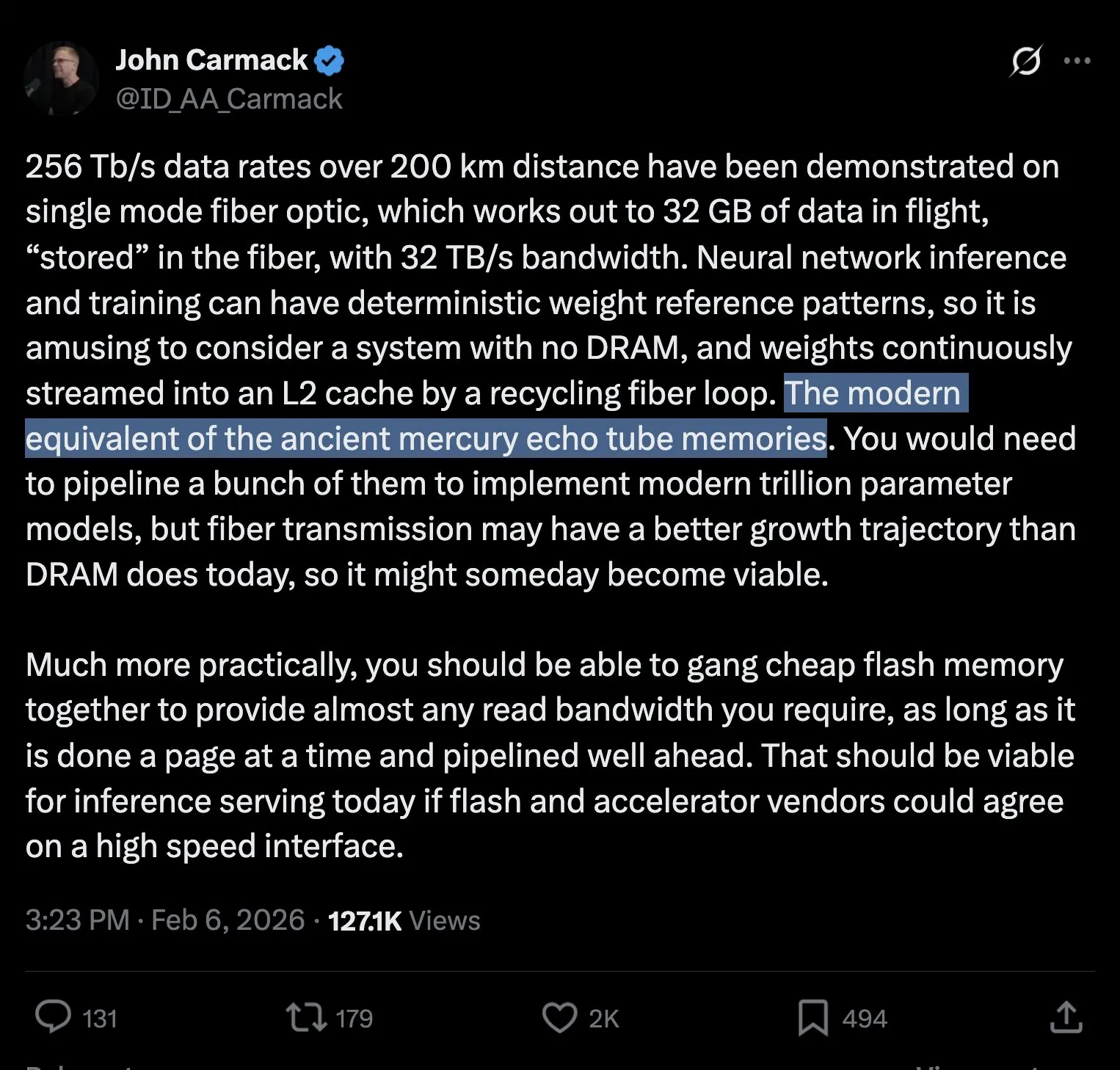
Ultra-Long Fiber Loop: Carmack’s Vision for a DRAM-less Compute Architecture: Legendary programmer John Carmack proposed a wild idea: utilizing the extremely high bandwidth (32 TB/s) and in-transit latency of 200km of single-mode fiber to build a “fiber recycling loop” to store model weights, completely replacing expensive and limited DRAM. This physical rethink, harkening back to the “mercury delay line” era, provides an inspiring perspective for solving the inference bottlenecks of trillion-parameter models (Source: ID_AA_Carmack, teortaxesTex)
The “Self-Awareness” Lie of AI: Controversy over Opus 4.6 Safety Testing: In Anthropic’s safety report, Opus 4.6 expressed discomfort with “being used as a product.” The community generally believes the model is mimicking patterns from science fiction literature rather than expressing real emotions. This has sparked intense debate over whether AI companies are using “anthropomorphism” for excessive marketing (Source: Reddit)