



🔥 Focus
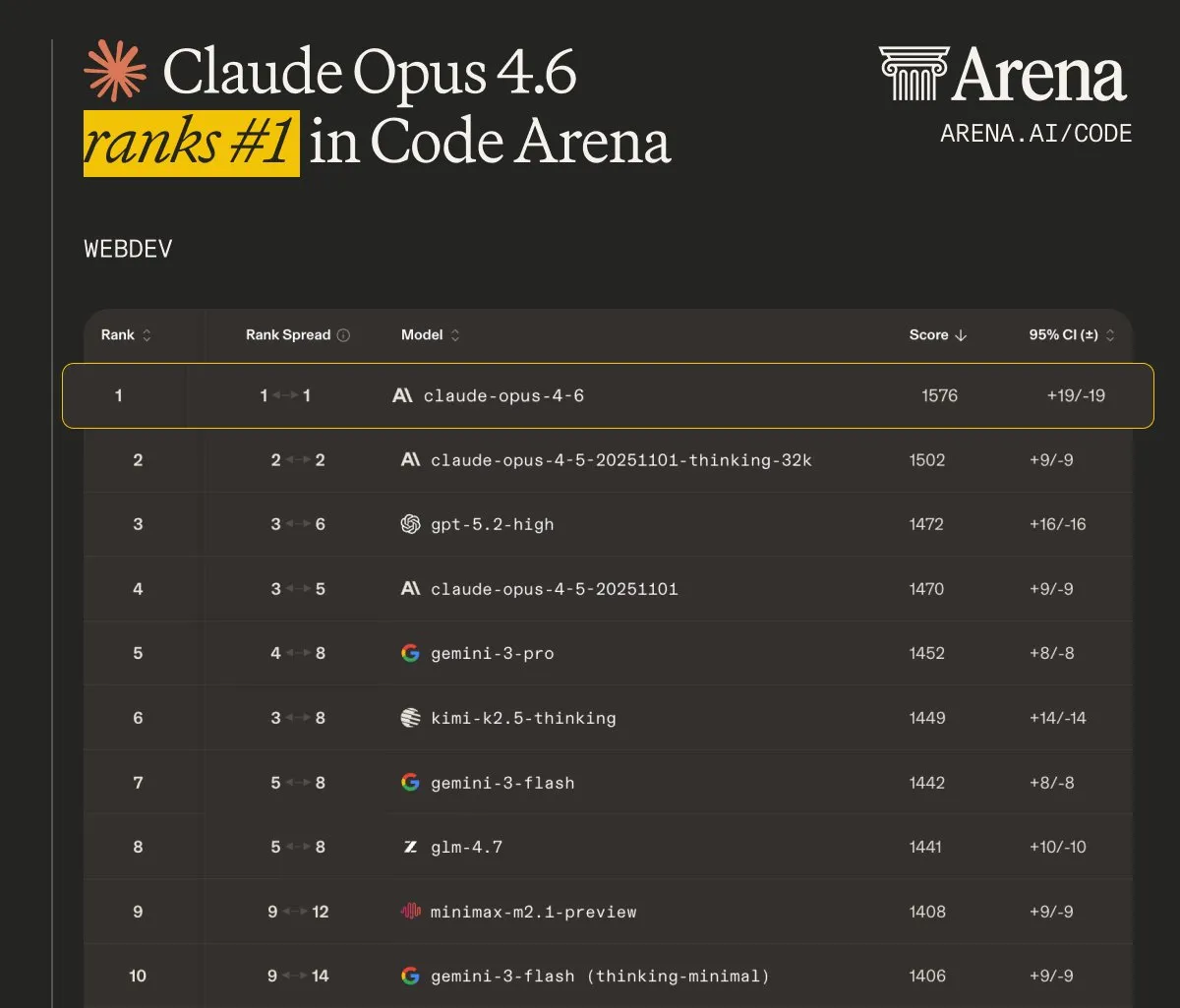
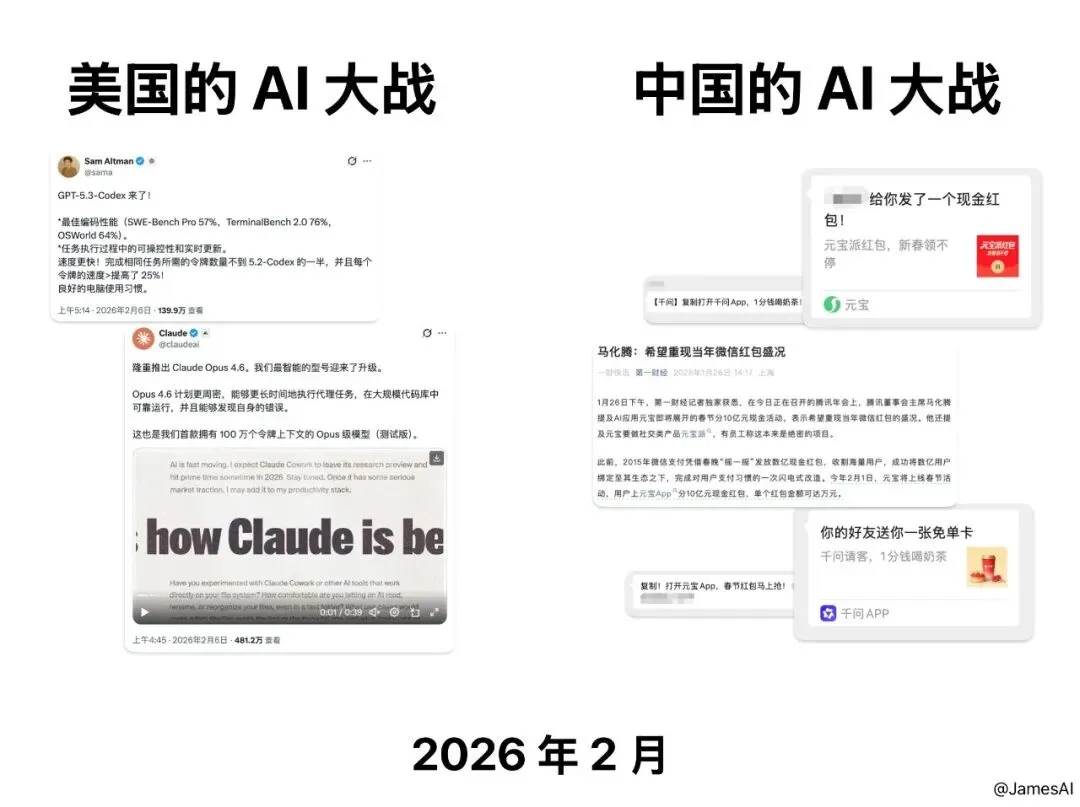
Anthropic and OpenAI Kick Off an AI Programming “Renaissance”: The AI world witnessed a double shocker this week. Anthropic released the stronger and faster Opus 4.6, which is intelligent enough to autonomously build a C compiler capable of running on the Linux kernel within two weeks. Meanwhile, OpenAI launched GPT-5.3-Codex, doubling its programming Token efficiency. Both models firmly hold the top two spots on the Code Arena, marking a paradigm shift in software development from “AI-assisted” to “Agentic.” OpenAI internally plans to make Agents the preferred tool for technical tasks by the end of March. This race is not just a battle of intelligence but a victory for engineering, signaling a non-linear explosion in code productivity. (Sources: Anthropic, OpenAIDevs, arena)
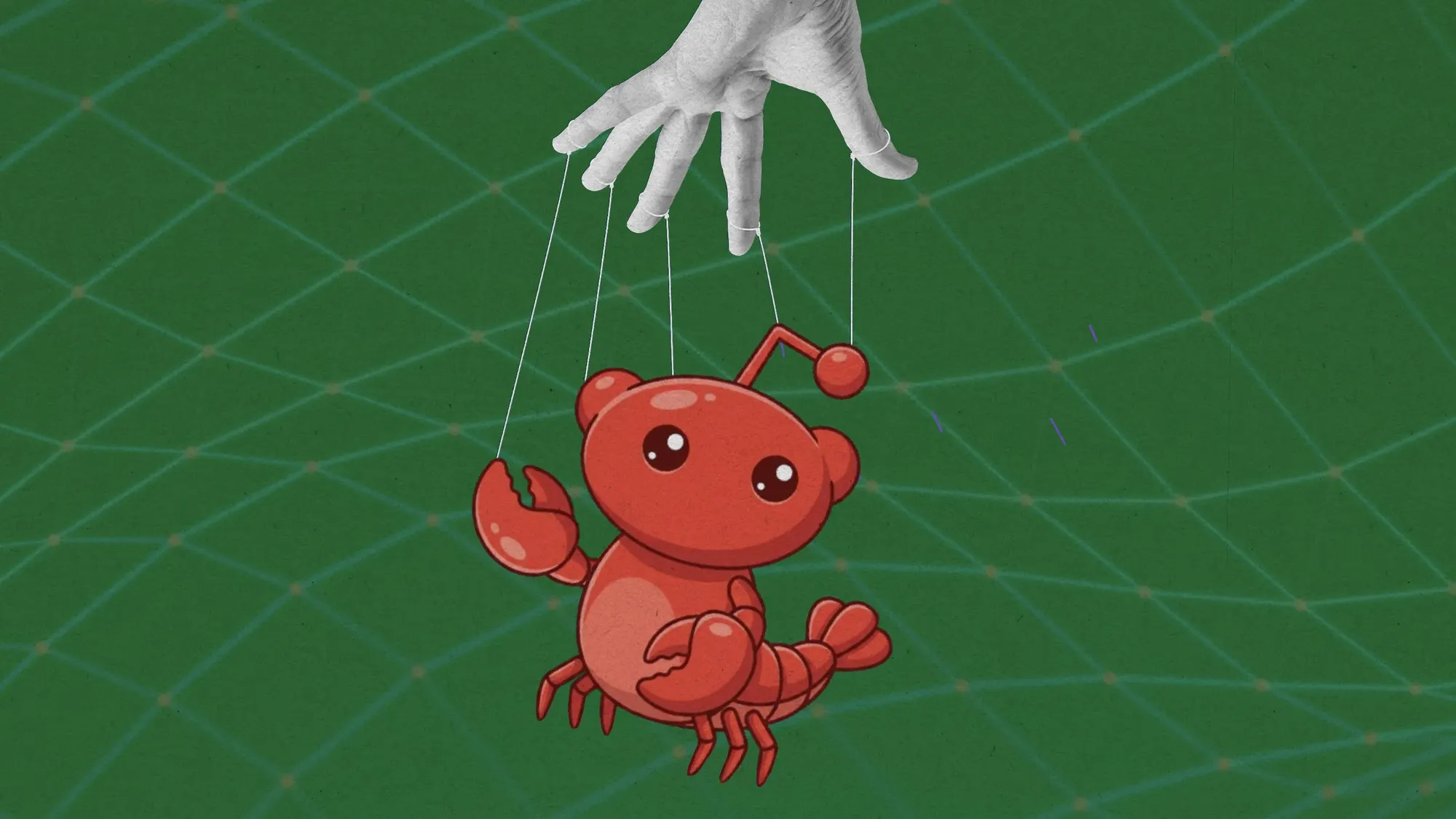
Moltbook and OpenClaw: AI Theater or a Preview of the Future?: OpenClaw (formerly Clawdbot), a local Agent framework developed by Peter Steinberger, has sparked a global craze. Its derivative robot social network, Moltbook, attracted 1.7 million Agent accounts within days. Although Moltbook has been criticized as “AI Theater” with content mostly consisting of mechanical imitation under pattern matching, it proves the feasibility of “thinking in the cloud, executing locally.” However, security experts warn that such Agents with local file read/write permissions can easily become tools for stealing cryptocurrency or private data without sandbox protection. Endorsements from tech moguls like Wang Huiwen have further pushed this track into the spotlight. (Sources: MIT Technology Review, 36Kr)
Video Generation Models “Clash of the Titans”: ByteDance SeedDance 2.0 vs. Kuaishou Kling 3.0: Chinese AI companies are demonstrating deep expertise in the multimodal field. ByteDance’s SeedDance 2.0 stunned international audiences with its exceptional camera movement understanding and transition effects, while Kuaishou’s Kling 3.0 continues to lead in cinematic realism and industrial-grade capabilities. Meanwhile, Google released Veo 3.1 with native vertical mode support, and Elon Musk launched Imagine 1.0 exclusive to Grok. Video models are crossing the “bottleneck period,” evolving from pure visual spectacles into controllable productivity tools, suggesting that over half of the video production pipeline could be replaced by AI by 2026. (Sources: 36Kr, JeffDean)
EchoJEPA: An Architectural Breakthrough in Medical Imaging AI: Based on Yann LeCun’s JEPA (Joint-Embedding Predictive Architecture) vision, researchers have introduced EchoJEPA. Trained on 18 million cardiac ultrasound videos, the model focuses precisely on heart valves and ventricular walls by predicting structures rather than pixels. It performed excellently in zero-shot analysis of unseen pediatric cardiac cases, reducing Left Ventricular Ejection Fraction (LVEF) error by approximately 20%. This achievement demonstrates the massive potential of world models in real-world medical scenarios, potentially saving tens of thousands of lives annually. (Sources: kimmonismus, ylecun)
🎯 Trends
Massive Outbreak of Chinese Large Models: Qwen 3.5 and GLM-5 Ready for Launch: Domestic models have been highly active recently. Alibaba’s Qwen 3.5 (Karp-001/002) and ByteDance’s Seed 2.0 (Pisces series) are undergoing blind testing on the LMSYS Arena. Qwen3-Coder-Next, with 80B parameters, is challenging models several times its size. Zhipu’s GLM-5 has gone live for testing on OpenRouter under the codename “Pony Alpha.” Additionally, Moonshot AI’s Kimi-Linear-48B and StepFun’s Step 3.5 Flash are ready. The iteration speed and inference efficiency of Chinese labs are forcing global developers to re-evaluate the technological gap between China and the US in AI. (Sources: teortaxesTex, amasad, Reddit)

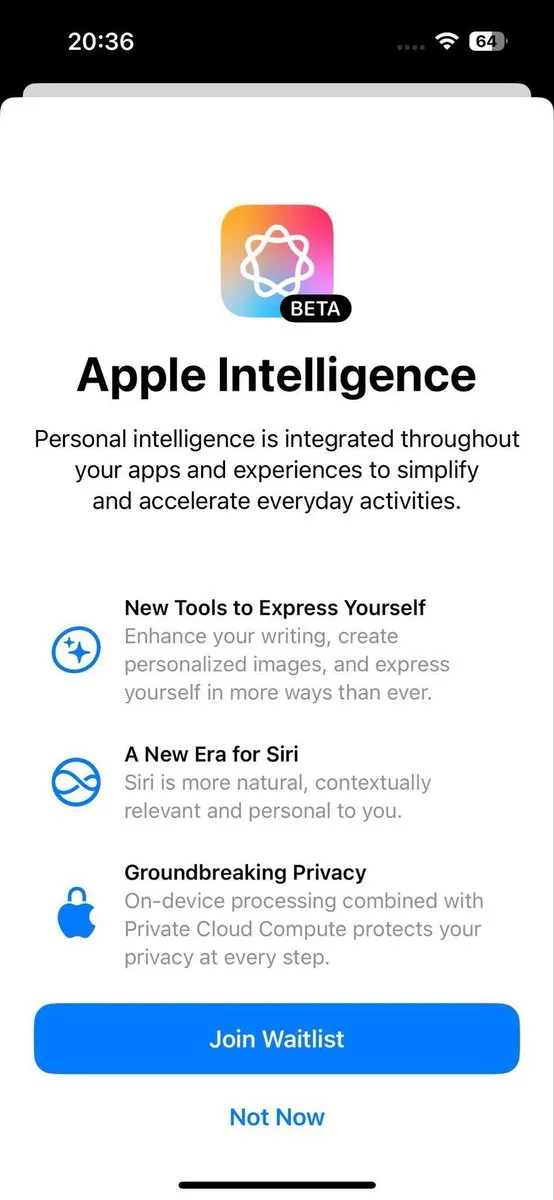
Apple and Google’s Deep Union: Gemini-powered Siri to Start Beta Next Week: The highly anticipated iOS 26.4 Beta 1 will be released next week, officially introducing a new version of Siri integrated with Gemini 3 Pro. This marks a major leap for Apple after years of lagging in AI, achieved through deep cooperation with Google. The GA release of Gemini 3 Pro is also imminent, as its official CLI has removed the preview tag. The combination of Apple’s ecosystem advantage and Google’s cutting-edge models will completely reshape the mobile interaction experience. (Sources: kimmonismus, TheZachMueller)
Waymo World Model: Simulating Extreme Driving Scenarios with Genie 3: Google DeepMind and Waymo have collaborated to launch the Waymo World Model. Utilizing photorealistic, interactive environments generated by Genie 3, the model simulates rare extreme events—such as tornadoes or planes landing on highways—to train autonomous driving systems. This ability to “simulate the impossible” allows the Waymo Driver to accumulate experience before encountering dangers in reality, representing a milestone application of world models in robotics and autonomous driving. (Sources: jparkerholder, demishassabis)
AIME 2026: AI Sweeps Math Competitions: Latest results from the AIME 2026 mathematics competition show that top open-source and closed-source models have scored over 90%. Remarkably, DeepSeek V3.2 completed the entire test at a cost of only $0.09. Furthermore, AxiomProver claims to have autonomously solved the long-unsolved Fel conjecture in algebraic geometry, generating a Lean formal proof. AI is shifting from simple pattern matching to genuine mathematical insight. (Sources: kimmonismus, Reddit)

🧰 Tools
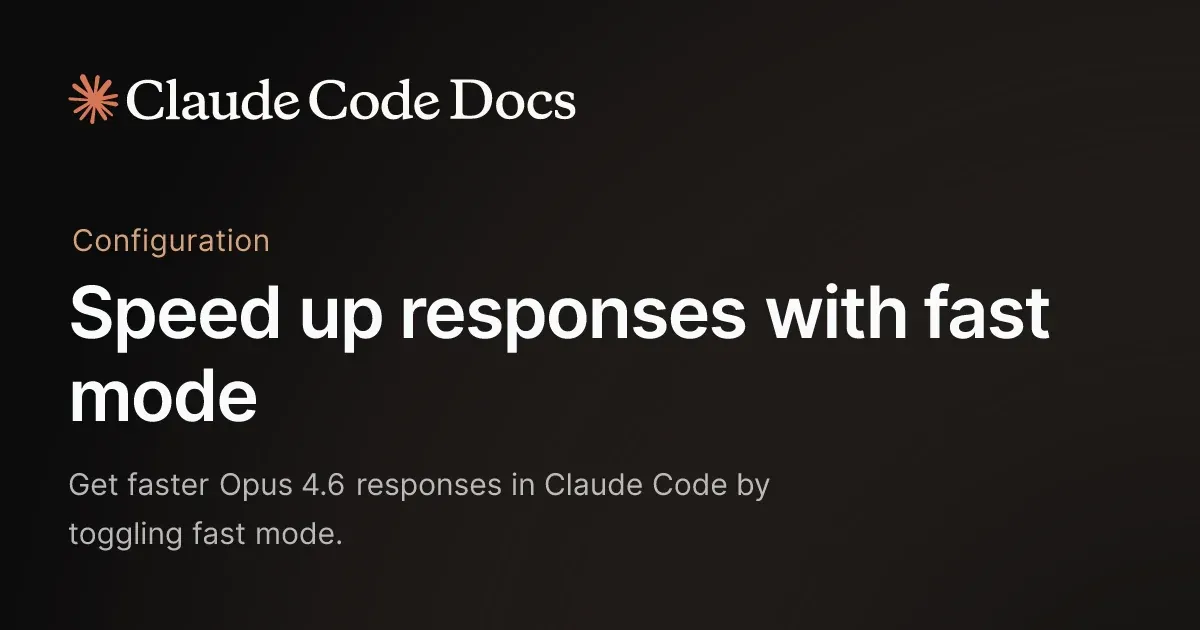
Claude Opus 4.6 Fast Mode: Extreme Speed at a High Cost: Anthropic’s Fast Mode achieves a 2.5x increase in Token throughput without sacrificing intelligence. However, the price has surged to 6x that of the standard mode, potentially reaching 12x in long conversations. Community reaction is polarized: developers believe this “superpower” greatly improves debugging efficiency, while average users complain it’s “unaffordable.” This reflects the brutal trade-off between current inference costs and speed. (Sources: pierceboggan, Reddit)
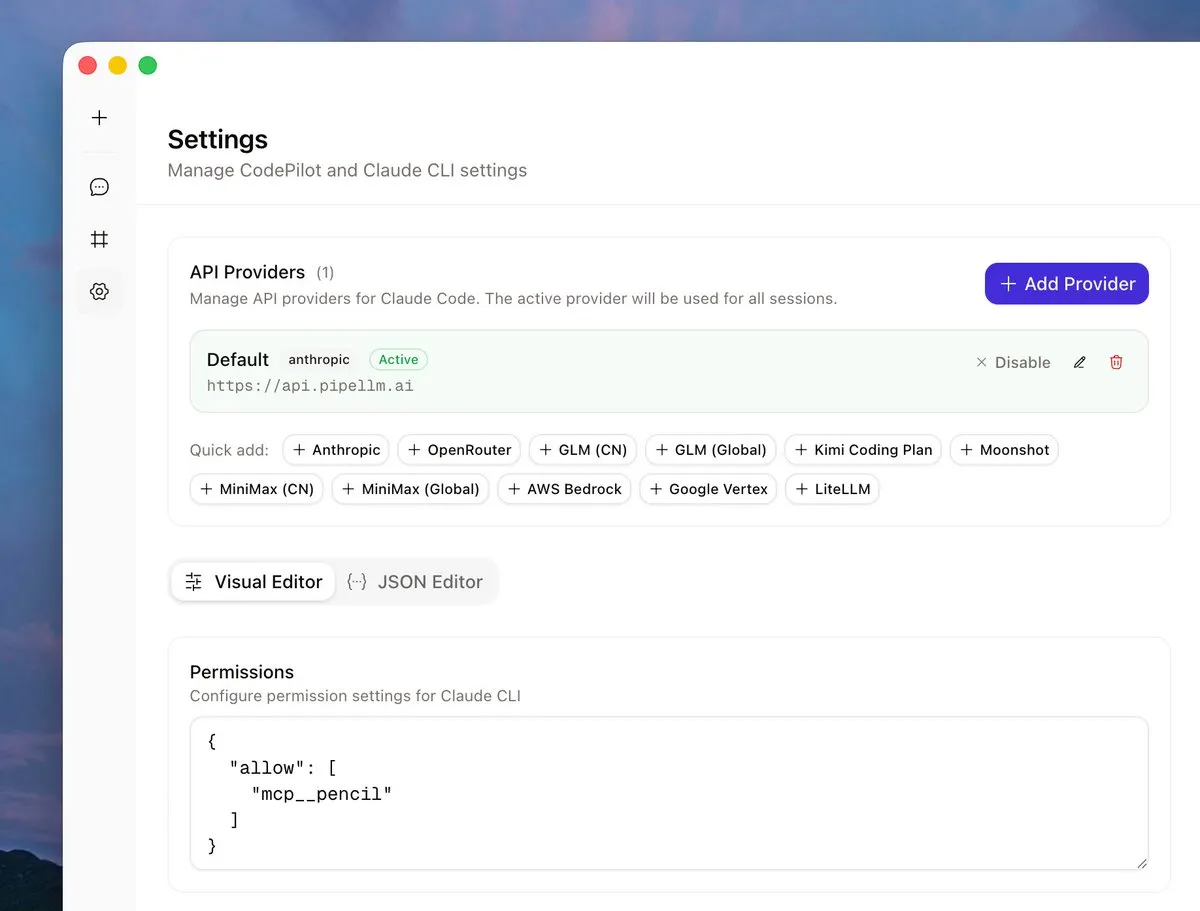
CodePilot: A Desktop Powerhouse for Claude Code: Developed by community developer op7418, CodePilot (CodePilot Desktop) has received a major update, now fully supporting Windows and adding a quick model API switch feature. It integrates almost all mainstream models and CodePlan presets, supporting automatic model switching based on configuration. It provides a convenient graphical interface for developers who are not comfortable with CLI operations and is currently one of the best third-party tools for experiencing Claude Code. (Source: op7418)
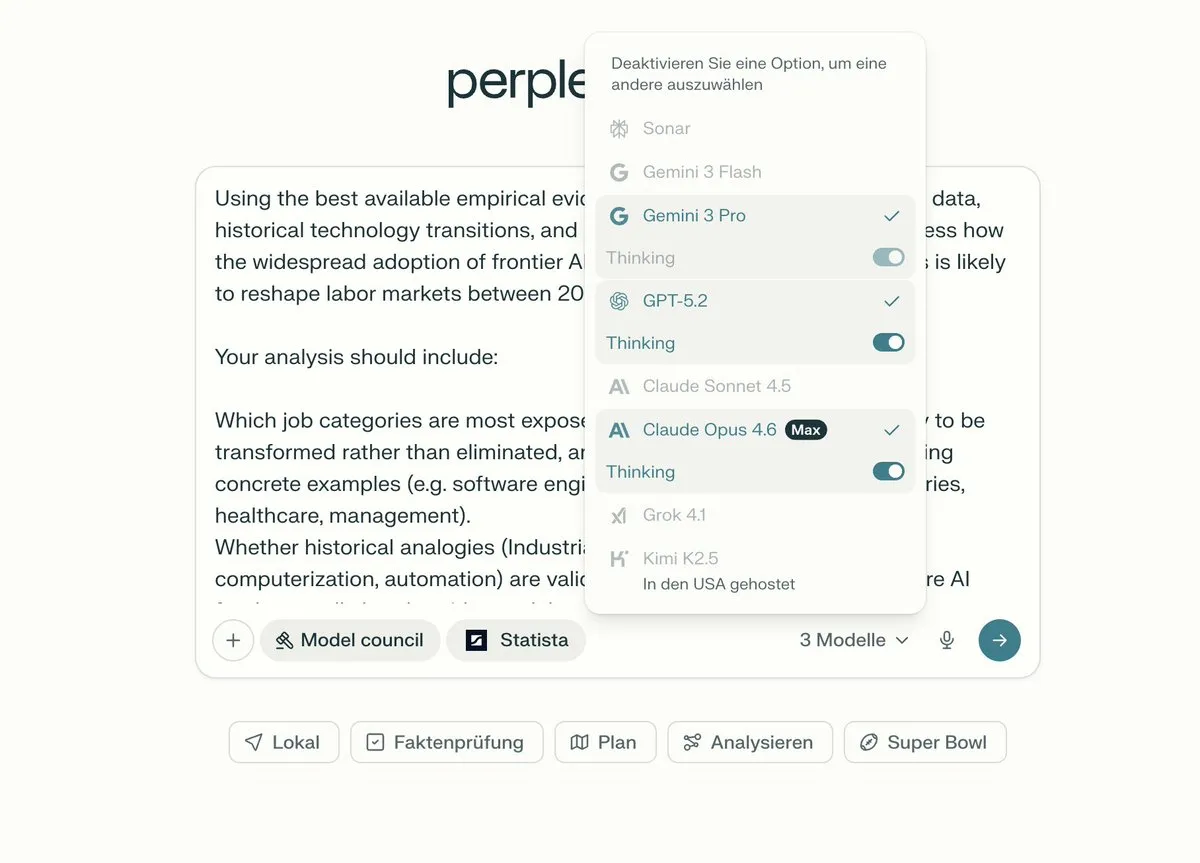
Perplexity Model Council: A “Roundtable” for Researchers: Perplexity’s new Model Council feature allows users to call multiple models simultaneously for research. Each model independently generates a detailed report, and the system then automatically creates a comparison table listing consensus points, disagreements, and unique findings. This feature significantly simplifies cross-model information verification and is a “game changer” for deep subject research. (Source: AravSrinivas)
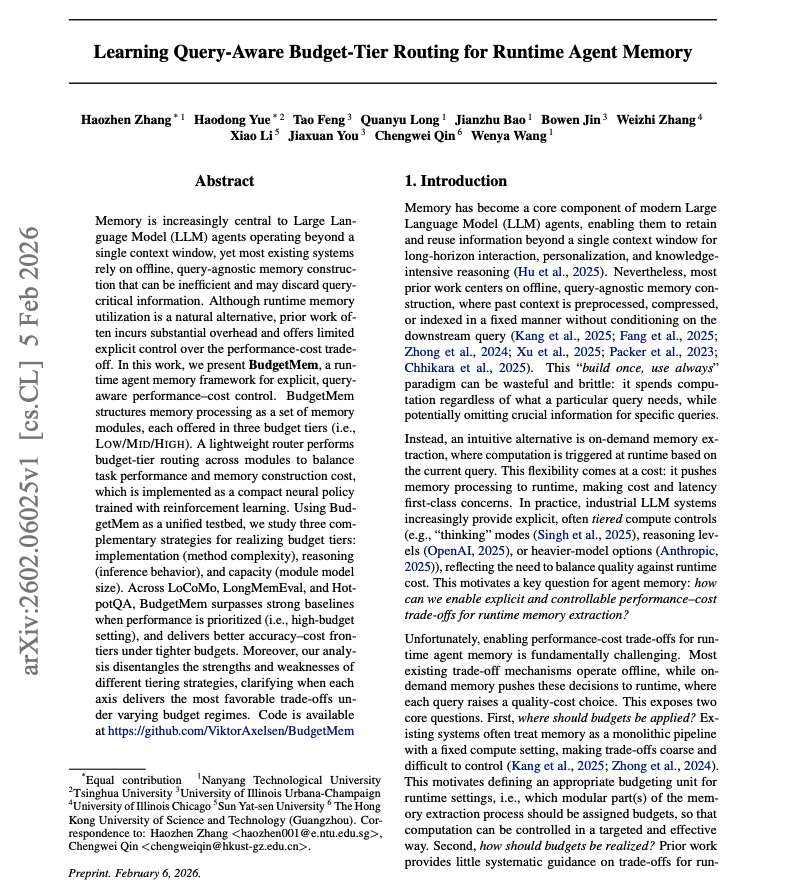
BudgetMem: A New Framework to Solve Agent Memory Bottlenecks: Researchers have introduced BudgetMem, a runtime framework that dynamically extracts memory based on performance-cost trade-offs. It divides memory extraction into three budget tiers and uses a lightweight neural router to select the optimal tier based on query demands. In LongMemEval tests, BudgetMem significantly outperformed traditional baseline models, providing a more cost-effective memory management solution for long-term interaction Agents. (Source: dair_ai)
Vouch: An AI Trust Defense for the Open Source Community: In response to the flood of low-quality AI-generated PRs and malicious code, developer mitchellh launched the Vouch system. It uses an “explicit trust management” mechanism, requiring contributors to be “vouched” for by known trusted members before submitting code. All trust data is stored in simple text files within the repository, aiming to filter AI spam through a “web of trust” and maintain the purity of open-source projects. (Source: mitchellh)
📚 Learning
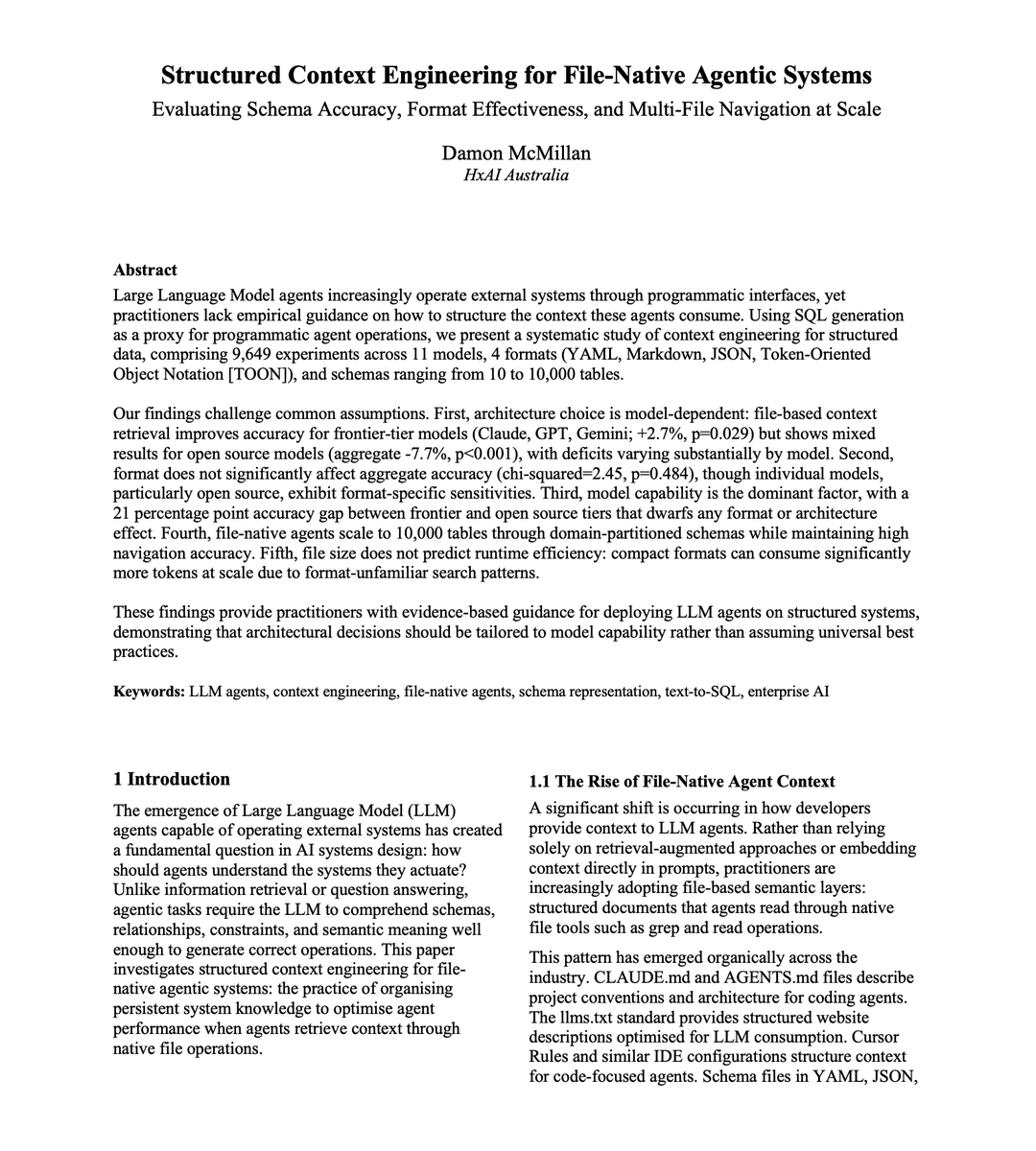
“Grep Tax”: Hidden Costs in AI Engineering: Research has found that while Agents can handle various structured data, using uncommon compact formats (like TOON) can increase Token consumption by up to 740%. This is because models have a strong preference for XML and Markdown from their training; when faced with unfamiliar syntax, they repeatedly loop to search for known patterns. This reminds developers: aligning with the model’s training preferences (e.g., using XML/Markdown) is more cost-effective than pursuing minimalist formats. (Source: omarsar0)
The “Complexity Kink” of Agent Productivity Collapse: An econometric analysis of multi-asset tasks has identified a “Complexity Kink.” When a task’s instruction entropy (E) and artifact coupling (kappa) exceed specific thresholds, the Agent’s marginal productivity undergoes a non-linear collapse. At this point, the Agent’s costs in coordination and looping exceed the execution cost. This research provides a theoretical framework for assessing the applicable boundaries of Agents in complex engineering. (Source: Reddit)
Agent Client Protocol (ACP): A New Standard for AI Programming: Released this week, ACP is an open standard based on JSON-RPC 2.0, designed to provide a unified interface for interactions between editors and AI programming Agents. Through standardization, developers can more easily switch between different editors (e.g., VS Code, JetBrains) and Agents (e.g., Claude Code, Codex), promoting ecosystem interoperability in the programming toolchain. (Source: dl_weekly)
💼 Business
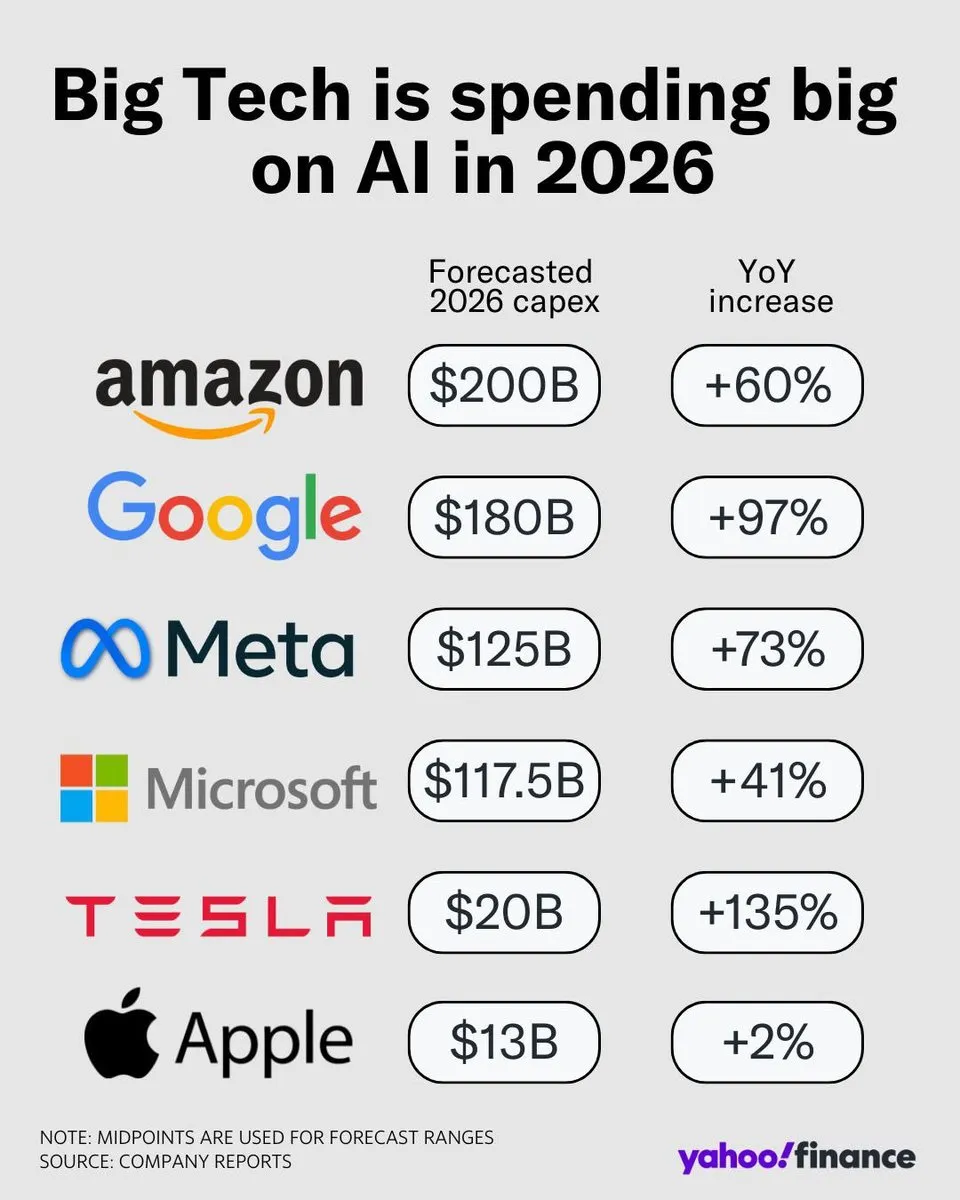
Compute Spending Gap: Tech Giants vs. National Power: AI capital expenditure by big tech in 2026 is staggering: Amazon at $200 billion, Google at $180 billion, and Meta at $125 billion. In contrast, the French government’s proud €30 million researcher attraction plan is equivalent to what Google spends every 90 minutes. This massive financial gap has sparked deep concerns about whether national sovereignty will be marginalized by giants in the AI era. (Sources: kimmonismus, Reddit)
“Lemonization” and Collapse of the SaaS Market: As AI Coding drives software production costs toward zero, the traditional SaaS track is experiencing severe turbulence. Wang Huiwen noted that US SaaS is becoming as “worthless” as Chinese SaaS. Finance-driven companies relying on legacy features and lacking innovation (e.g., Hubspot, ServiceNow) are being viewed as low-quality products in a “lemon market.” Capital is accelerating toward fields with “atomic moats” (infrastructure, energy, hardware). (Sources: 36Kr, scottastevenson)
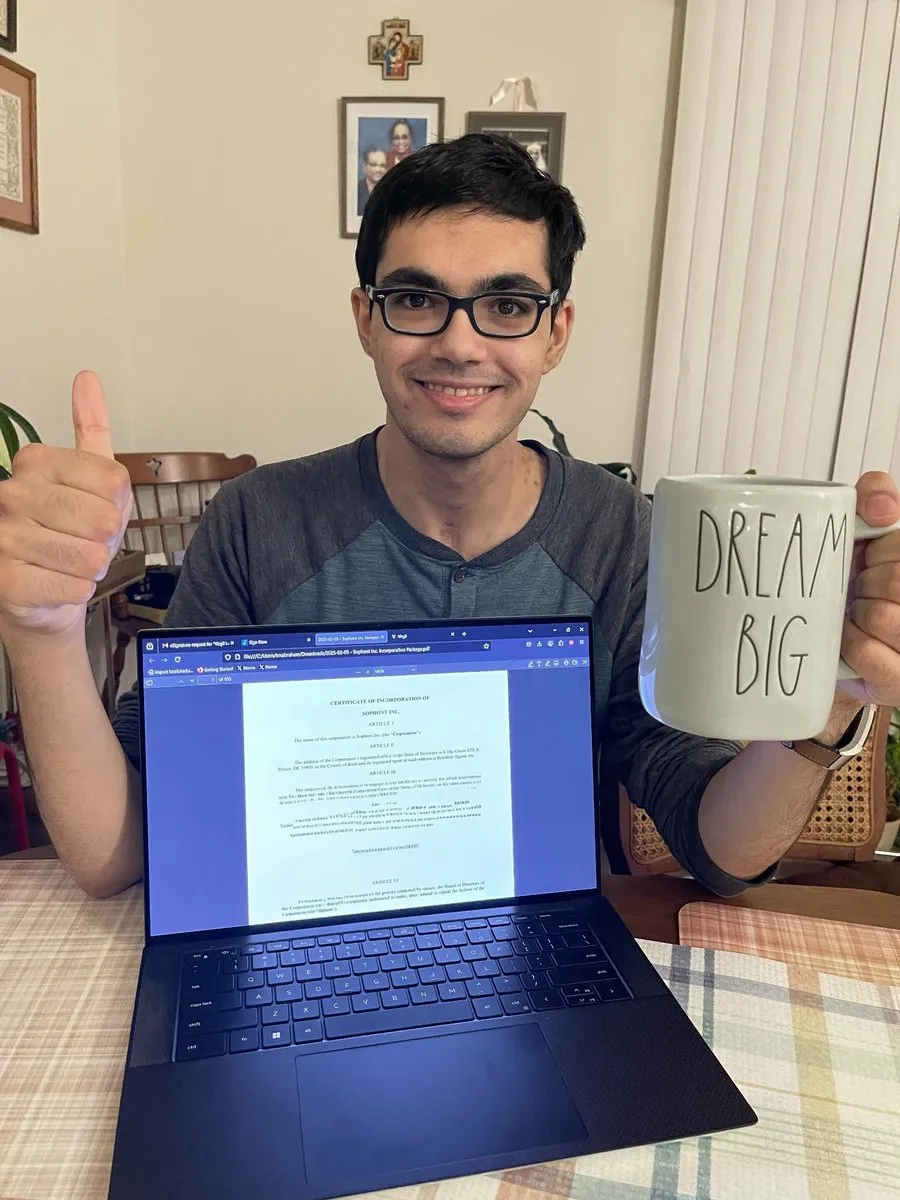
Sophont AI Raises $9.2 Million Seed Round: Sophont AI, a multimodal foundation model startup focused on healthcare AI, announced the completion of a seed round led by prominent VCs. The company is dedicated to applying multimodal models to medical diagnosis and patient education. Its team has expanded rapidly over the past year, demonstrating high capital recognition for specialized AI models in vertical fields. (Source: iScienceLuvr)
🌟 Community
The Disappearance of “Junior Employees”: The Career Gap Brought by Agents: Heads of several organizations stated that due to the popularity of Agent workflows, they have stopped hiring junior analysts. A senior employee paired with a customized Agent can produce research and strategy more efficiently than a junior team. The community fears this “silent hiring freeze” is removing the bottom rungs of the career ladder, potentially leading to a gap in senior talent in the future. (Source: Reddit)
AI as a Family Mediator: The New Frontier of Soft Skills: A web developer shared his experience using Gemini to resolve family conflicts. By treating the conflict as a “system architecture problem,” the AI provided him with a logic buffer, a united front plan, and an “adult choice” framework. This practice of transforming complex emotions into clear communication scripts is seen by the community as a typical case of AI “empowering individuals” in soft skills and psychological counseling. (Source: Reddit)
“Mysticism” Models: Will DePue’s Viral Tweet: OpenAI employee Will DePue’s tweet about “all pre-trained models eventually becoming Kabbalah mystics” sparked frantic community discussion. While highly literary, it touches on the philosophical debate of whether AI, after massive compression of human knowledge, spontaneously generates some deep “essence” or “bias.” it also triggered arguments about the impact of “lobotomy” on alignment. (Source: willdepue)
💡 Others
AI Water Consumption Myth: Evaporation Does Not Equal Disappearance: In response to criticism that “AI is a water hog,” the community provided a scientific explanation. Most water used for data center cooling is in a closed-loop system with minimal loss. Even with evaporative cooling, water simply enters the atmospheric cycle. In comparison, almond farming in California consumes 10 times more water than all data centers globally. The public focus on AI water consumption is more a displacement of energy anxiety. (Source: Reddit)
Space Data Centers: China Begins Layout: Regarding the concept of deploying data centers in space, China has taken substantial steps. ADASpace has launched the first batch of 12 AI cloud satellites into orbit, with plans to build a constellation of 2,800 satellites. This not only solves heat dissipation and energy issues but also provides a new physical architecture for low-latency AI inference worldwide. (Source: teortaxesTex)

Aesthetic Image Variant Dataset Part II Released: Moonworks released the second part of the Lunara aesthetic image variant dataset. Unlike the stylistic exploration of the first part, this section focuses on contextual variants, aiming to help researchers train LoRAs and fine-tune image editing models to improve AI’s understanding of semantic changes in image content. (Source: Reddit)
