



🔥 Focus
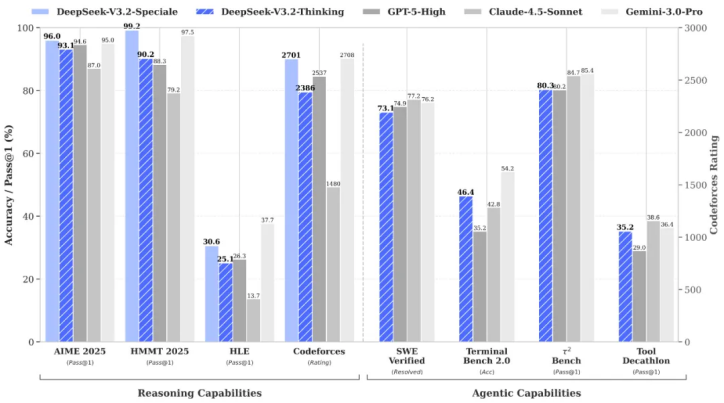
DeepSeek’s One-Year Anniversary Review and V4 Model Expectations: DeepSeek plans to release its next-generation V4 model in February 2026, aiming to surpass the Claude and GPT series in the programming domain. Looking back at the past year, DeepSeek shattered the myth of “brute-force computing power” with extremely low training costs (approximately $294,000), driving the shift for open-source models from “following” to “running alongside” industry leaders. Although currently facing traffic competition from major applications like ByteDance’s Doubao, its core value has shifted toward building a foundation model ecosystem, allowing the industry to develop vertical applications on its basis. DeepSeek’s success proves the possibility of algorithmic innovation breaking through computing power barriers. (Source: Information, Xin Kedu)
Data Center Energy Crisis and the Political Maneuvering of Nuclear Transition: As AI computing demand surges, hyperscale data centers have sparked intense public outcry in places like Virginia and Georgia due to massive electricity and water consumption. The Trump administration is attempting to appease public resentment by urging tech giants to share electricity costs, with Microsoft being the first to pledge cooperation. Meanwhile, next-generation nuclear reactor technology is seen as the key to solving AI’s energy hunger, aiming to break the slow construction patterns of the 20th century and achieve zero-emission power supply. This marks the extension of AI competition from the chip layer to deep maneuvering in national infrastructure and energy policy. (Source: MIT Technology Review, WP)

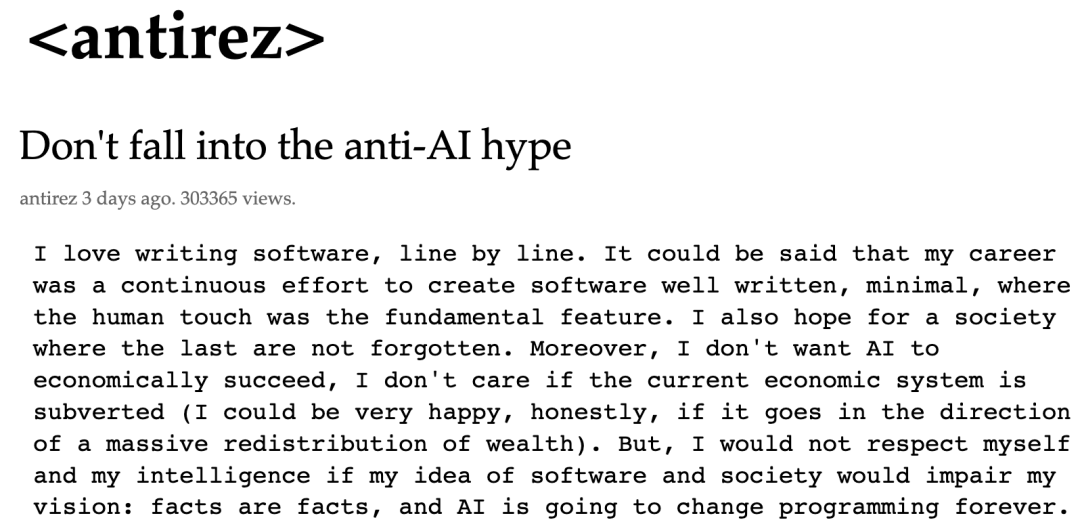
Redis Creator on AI Programming: Hand-writing Code is No Longer a Rational Choice: Redis founder Salvatore Sanfilippo believes that AI is already capable of independently completing medium-scale tasks, and programmers should shift from “hand-writing everything” to “co-writing with models.” He pointed out that core competitiveness has shifted from coding skills to the ability to abstract problems and understand creative goals. While this has sparked controversy regarding “Vibe Coding” leading to a decline in code quality, AI has indeed democratized code, systems, and knowledge, giving small teams the potential to challenge large corporations. (Source: antirez, 36Kr)
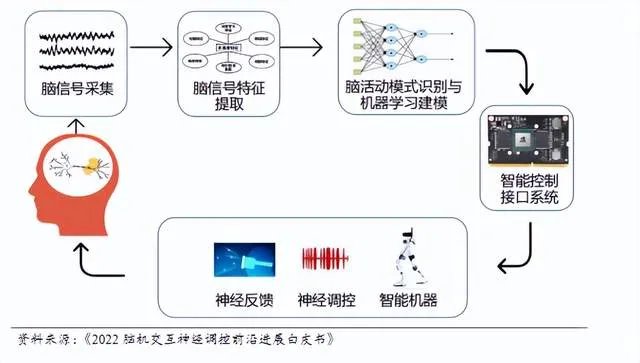
Brain-Computer Interface (BCI) Industrialization Inflection Point: Breakthroughs in Mass Production and Standards: Elon Musk’s Neuralink plans to start large-scale mass production in 2026, with the core lying in the automation and minimally invasive nature of the surgical process. Simultaneously, China has officially implemented its first industry standard for BCI medical devices, marking the field’s transition from the laboratory to a commercial closed-loop. Midstream companies like Xiangyu Medical and MicroPort NeuroTech are accelerating the implementation of products in rehabilitation medical scenarios. BCI is becoming the next trillion-dollar frontier after AI, where domestic substitution and mass production capabilities will determine final global discourse power. (Source: Neuralink, BoWang Finance)
🎯 Trends
Mistral Releases Ministral 3 Series Models: Mistral has launched 3B, 8B, and 14B parameter-efficient models designed for compute-constrained scenarios. This series, achieved through “cascaded distillation” technology, possesses image understanding capabilities and offers instruction-tuned and reasoning-enhanced versions. The entire series adopts the Apache 2.0 license, further lowering the barrier for local deployment of high-quality AI. (Source: Mistral AI, Reddit)
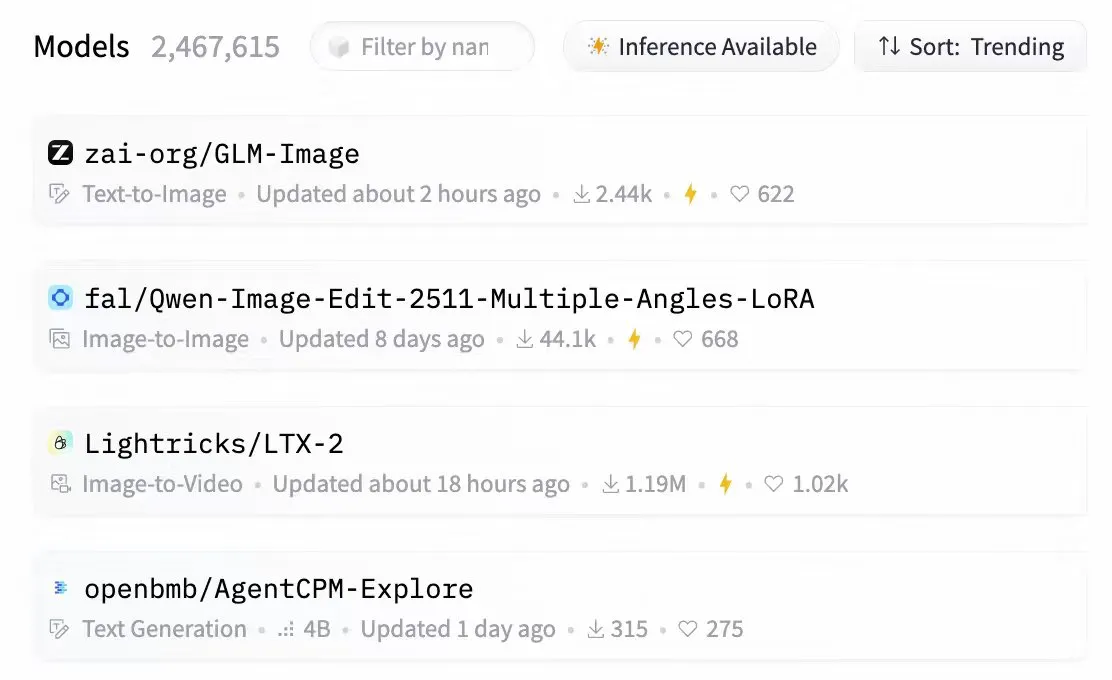
Zhipu Releases GLM-Image: Proof of Moving Beyond Nvidia Dependency: Zhipu AI has open-sourced the GLM-Image model, trained entirely on Huawei Ascend 910B chips and the MindSpore framework. Although its efficiency is about 80% of the H100, its extremely low cost provides a new option for open-source developers. This proves that competitive 9B parameter scale models can still be trained without Nvidia chips, representing a milestone for the domestic AI computing ecosystem. (Source: Zhipu AI, Zai_org)
Google MedGemma 1.5: Medical AI Enters the 3D Era: Google’s MedGemma 1.5 is an open-source model optimized for medical scenarios; its 4B version can natively interpret full 3D scan data such as CT and MRI. Combined with the MedASR speech-to-text model, it significantly improves clinical diagnostic efficiency, marking the first breakthrough for open-source medical models in processing complex three-dimensional medical imagery. (Source: Sundar Pichai, JeffDean)
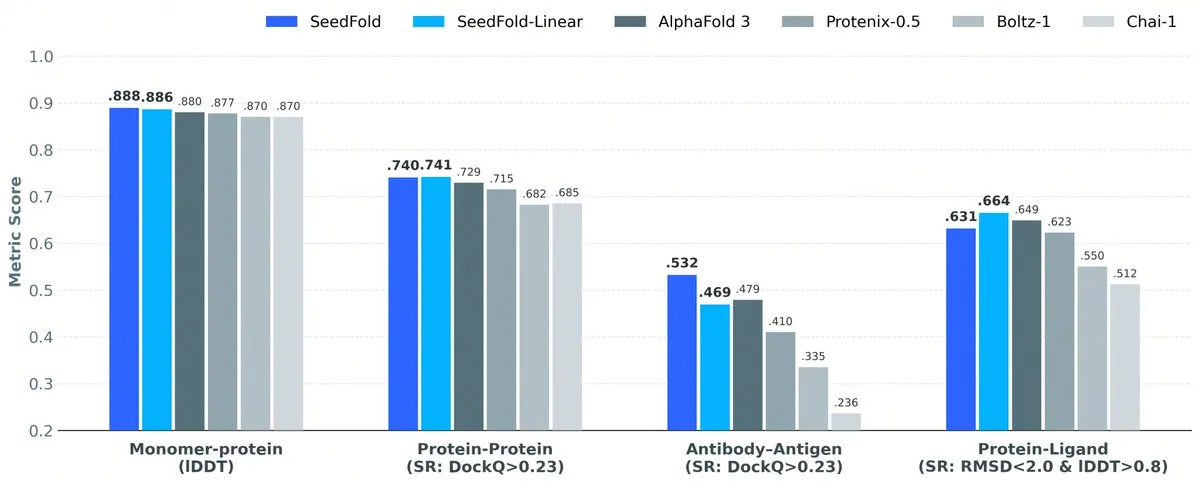
ByteDance Releases SeedFold: New Heights in Protein Structure Prediction: The ByteDance Seed team introduced SeedFold, a biomolecular structure prediction model that has surpassed AlphaFold3 in protein folding tasks. This breakthrough demonstrates the deep layout of internet giants in the biotech field, promising to accelerate drug discovery and basic biological research processes. (Source: arankomatsuzaki)
OpenAI Signs $10 Billion Computing Agreement with Cerebras: OpenAI has reached a massive partnership with AI chip startup Cerebras, aiming to mitigate over-reliance on Nvidia’s computing power through Cerebras’ unique Wafer-Scale Engine (WSE). This move shows OpenAI’s determination to diversify its computing supply chain while providing a strong endorsement for Cerebras’ challenge to Nvidia’s dominance. (Source: Reddit)
🧰 Tools
Qwen App Fully Integrates with Alibaba Ecosystem “Action” Portal: The Qwen App has undergone a major upgrade, fully connecting with services like Taobao, Fliggy, Amap, and Alipay through an “Action” portal. Users can complete complex processes like booking flights, ordering takeout, and comparing gift prices via voice commands, and it even possesses the ability to make AI phone calls for reservations. This closed-loop from dialogue to execution marks the restructuring of life service interaction portals by large models. (Source: op7418)

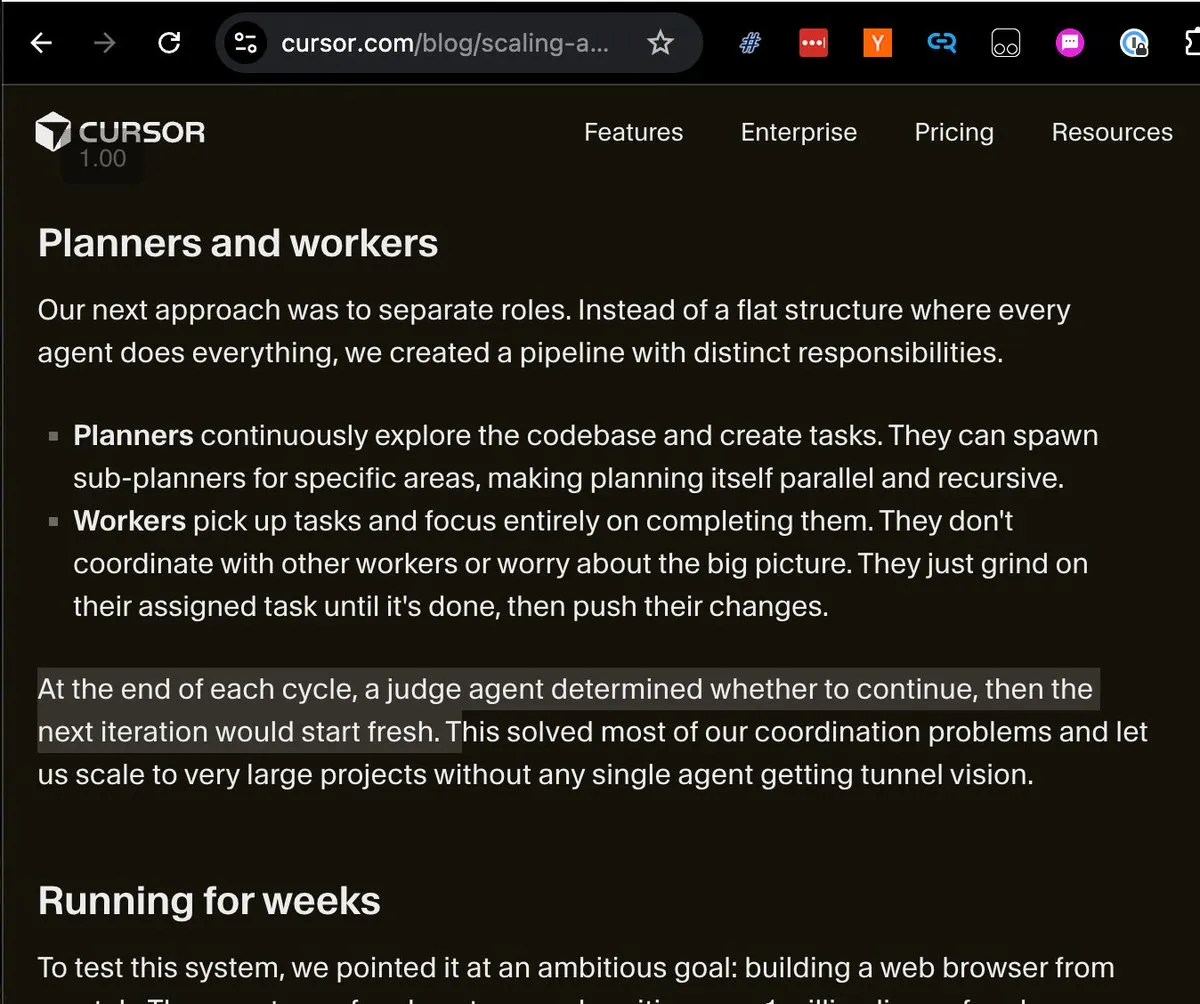
Cursor’s Large-Scale Long-Term Agent: 1 Million Lines of Code in a Week: The Cursor team demonstrated a parallel Agent orchestration system driven by GPT-5.2, which successfully built a fully functional browser from scratch while running continuously for a week. The system resolves parallel conflicts through a “Ralph Wiggum loop,” emphasizing that “planning” is more important than the “model itself.” This case showcases AI’s staggering potential in handling ultra-large-scale engineering tasks. (Source: swyx, omarsar0)
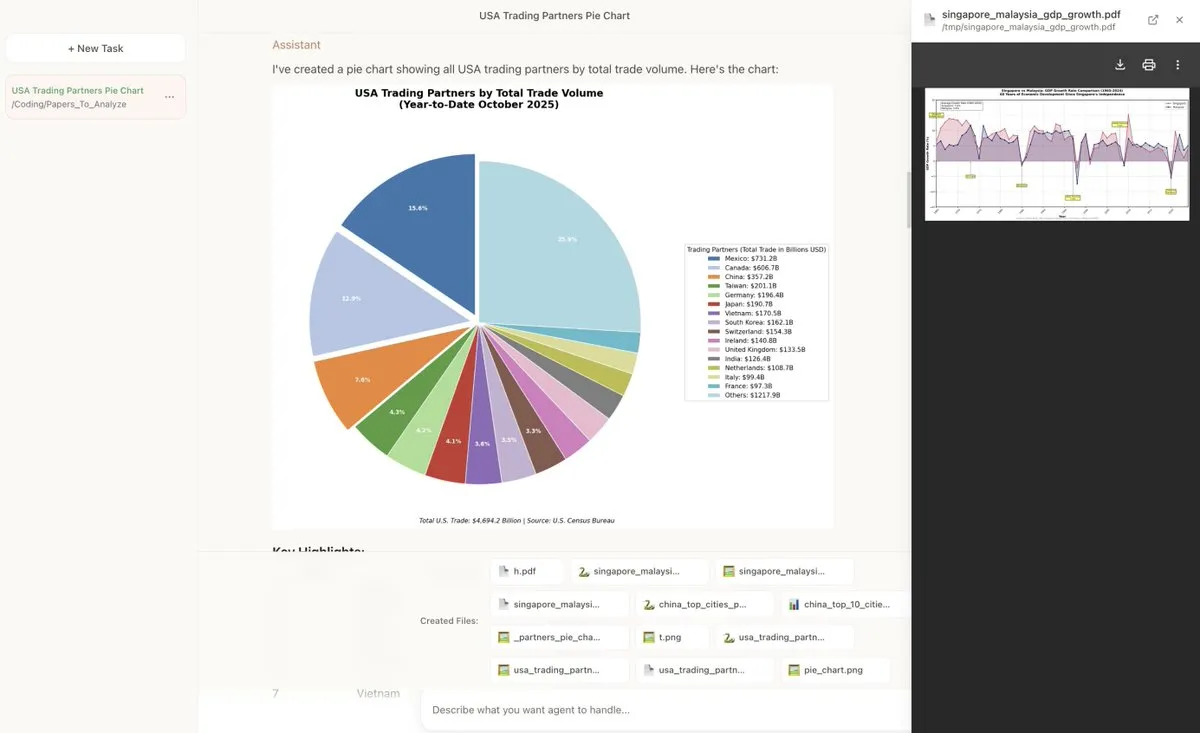
Claude Cowork: An AI Collaboration Tool for Non-Technical Users: Anthropic’s Claude Cowork aims to extend the powerful capabilities of Claude Code to non-technical tasks. It allows users to complete complex office tasks like document management and process orchestration through dialogue, similar to how developers use programming Agents. Open-source forks supporting third-party APIs have already appeared in the community, supporting features like automatic file organization. (Source: MiniMax_AI, _catwu)
Replit Agent: Delivering Production-Grade Apps Within 24 Hours: Replit has once again proven AI’s empowerment of non-technical employees: a Marketing Director, after gaining access, delivered a runnable MVP application via Replit Agent in just 24 hours. This “requirement-as-code” development model is unlocking buried productivity within enterprises, allowing employees with non-technical backgrounds to respond quickly to business needs. (Source: amasad)
Eigent: Open-Source Collaborative AI Desktop App: Built on CAMEL-AI, Eigent is an open-source collaborative desktop application that supports multi-Agent parallel execution of complex tasks. It integrates the MCP protocol, connecting to tools like Notion, Slack, and Google Suite, and supports local model deployment, emphasizing privacy protection and Human-in-the-Loop interaction modes. (Source: GitHub)

📚 Learning
Commercialization and Controversy of the LMArena Evaluation System: LMArena (formerly Chatbot Arena) has become the “touchstone” of the AI world through its crowdsourced blind testing mechanism, with a valuation reaching $1.7 billion. Despite facing skepticism regarding “user preference for long answers” and “vendors gaming the leaderboard,” its B-end evaluation service achieved an annualized revenue of $30 million within four months. This reflects that as static leaderboards fail, real user experience has become the core standard for measuring model value. (Source: Silicon-based Observation Pro)
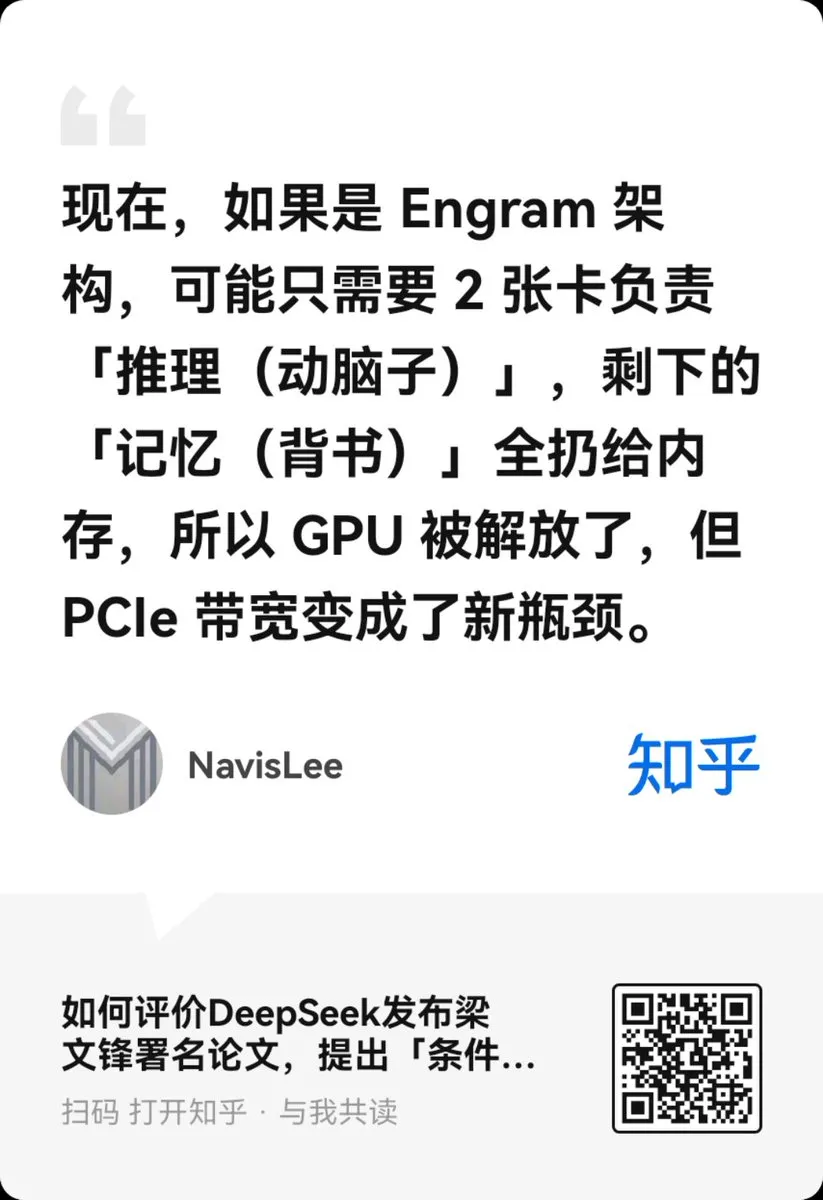
Implications of the DeepSeek Engram Paper for Hardware Architecture: DeepSeek’s latest Engram paper proposes storing static knowledge in cheap memory rather than expensive HBM. This view suggests that future AI servers will shift from pursuing extreme computing power to TB-level large memory pools (DDR5/CXL). This is a major boon for Chinese hardware manufacturers, as the supply chain for CXL and high-capacity memory faces fewer restrictions, offering a chance to “overtake on the curve” against Nvidia’s architecture through “large memory + moderate computing power.” (Source: ZhihuFrontier)
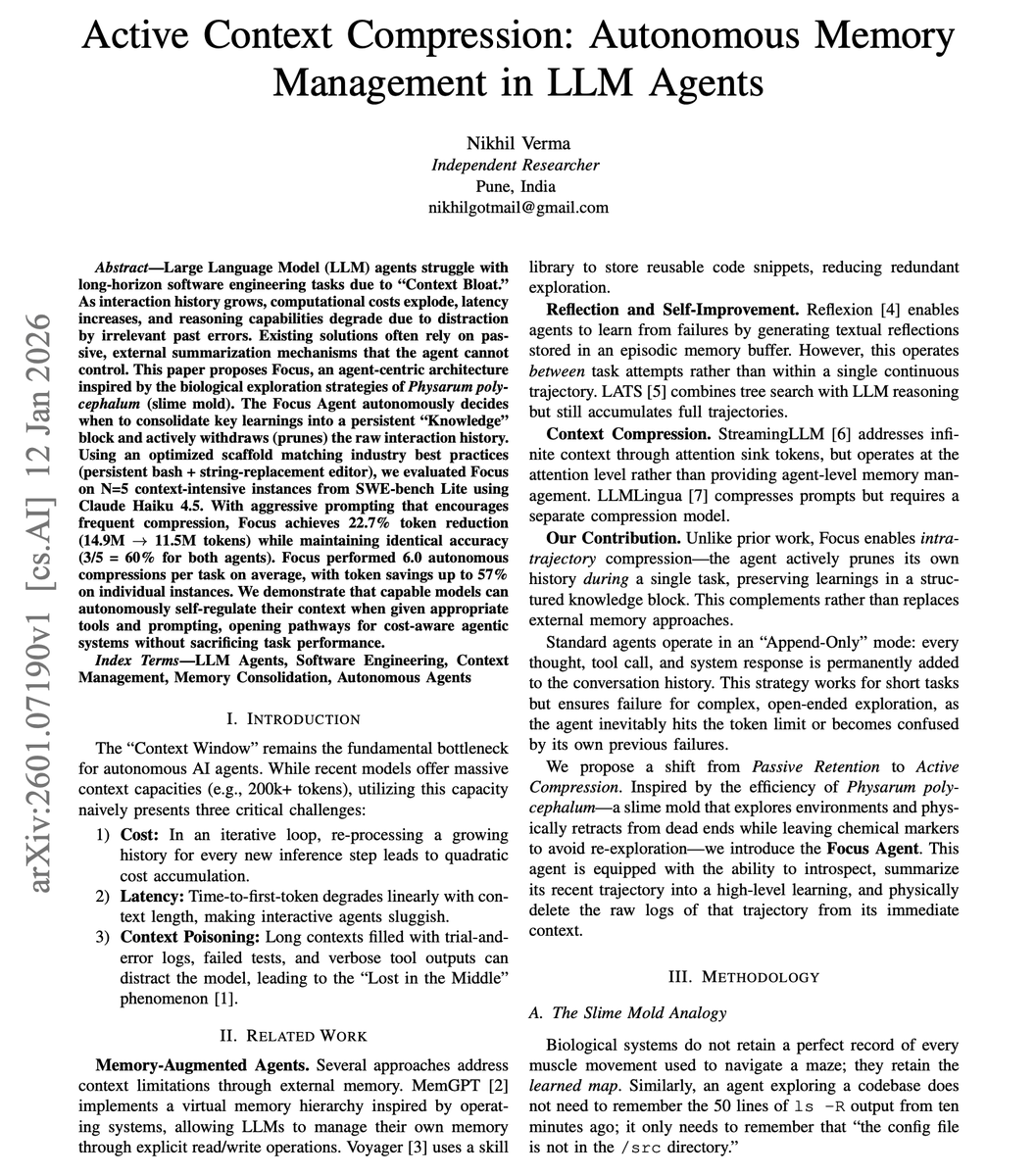
Autonomous Memory Management: Focus Architecture Solves Agent Long-Term Task Bottlenecks: Addressing the performance degradation of LLMs in long-term tasks due to context bloat, the Focus architecture draws inspiration from slime mold biological traits to introduce “start/finish attention” primitives. Agents can autonomously decide when to consolidate learned content into knowledge blocks and prune original history, causing context to change in a “sawtooth” pattern, reducing Token consumption by 22.7% while maintaining 60% accuracy. (Source: dair_ai)
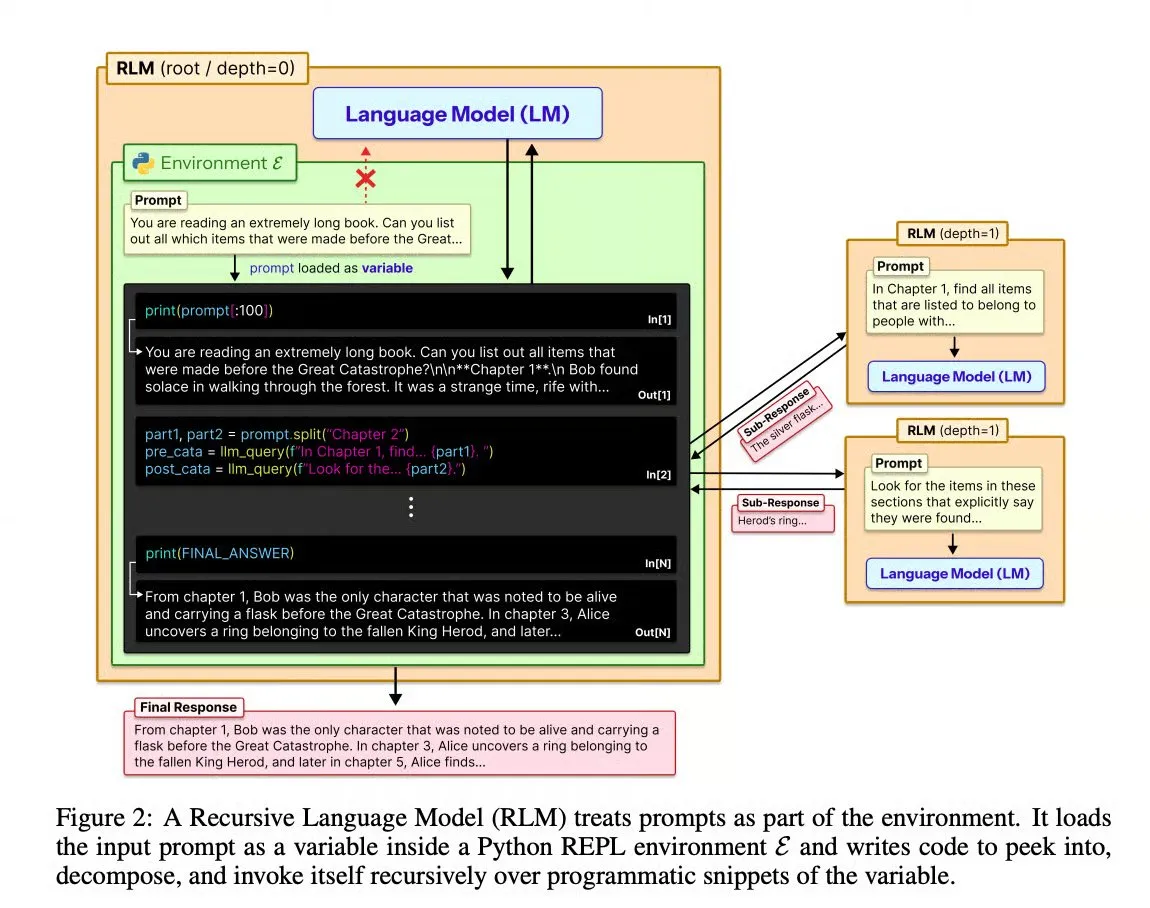
Recursive Language Models (RLMs): Breaking Context Window Limits: The Recursive Language Model architecture proposed by MIT CSAIL allows LLMs to interact symbolically with context via code by offloading prompts to Python REPL variables. This method enables existing models (like GPT-5) to process ultra-long inputs exceeding 10 million Tokens without retraining, with accuracy improved by 2x compared to traditional long-context Agents. (Source: TheTuringPost)
💼 Business
LMArena Raises $150 Million, Valuation Joins Unicorn Ranks: Model evaluation agency LMArena, with its unique crowdsourced battle mechanism, successfully secured $150 million in funding at a $1.7 billion valuation. Its commercial product, AI Evaluations, has already attracted giants like OpenAI and Google as paying customers, proving that in the AI era, “how to objectively evaluate AI” is itself a massive business track. (Source: Silicon-based Observation Pro)
OpenAI Poaches Thinking Machines Co-founder: In a talent war jokingly dubbed a “coup,” OpenAI successfully poached three researchers, including Barret Zoph, back from the startup Thinking Machines. This demonstrates the intense talent flow between top AI labs and reflects that competition among major players in post-training and reasoning models has entered a white-hot stage. (Source: dejavucoder)

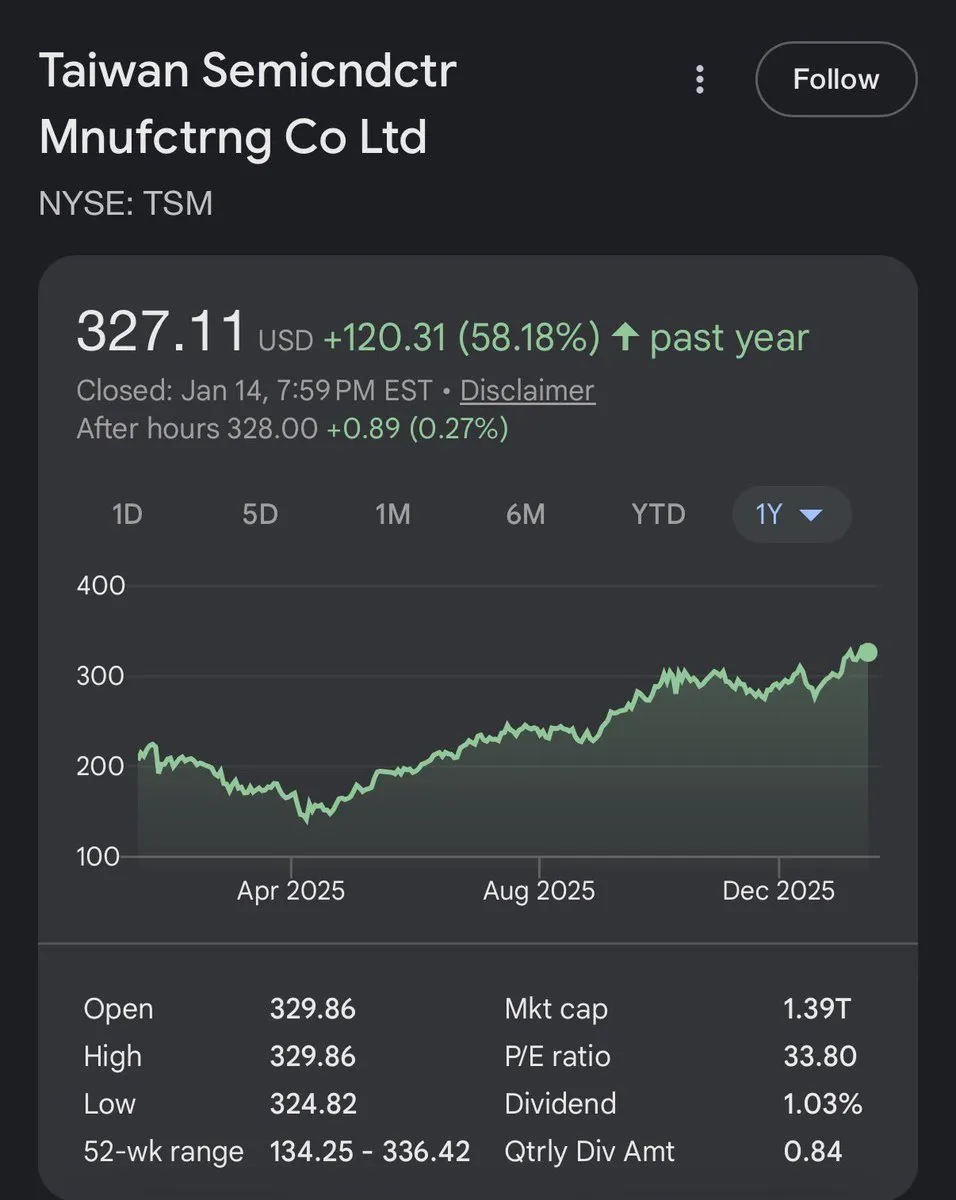
TSMC Profits Grow 35%, Solidifying Position as the AI Era’s “Shovel Seller”: TSMC’s latest financial report shows a 35% year-on-year profit increase, with its 1-year return even outperforming Nvidia. This again confirms that regardless of how the model layer competes, underlying semiconductor manufacturing capability remains the most stable profit-generating link in the AI wave; ASML and TSMC are the true ultimate winners. (Source: Justin_Halford_)
🌟 Community
Kling 2.6 Motion Control Triggers “Character Replacement” Revolution: The Motion Control feature released in Kuaishou’s Kling 2.6 caused a sensation in the community, allowing users to easily migrate their expressions and movements to any AI character. This high-precision motion control foreshadows a massive change in Hollywood production workflows: the cost of character replacement will drop to negligible levels, and AI video generation is moving from “random generation” to “precise directing.” (Source: Kling_ai, Justine Moore)
The Rise of Vibe Coding and the “Learning Disability” Controversy: The community is hotly debating the “Vibe Coding” phenomenon—relying entirely on AI to generate code. Some worry this will lead to “learning disabilities” for programmers and PRs riddled with bugs; however, others, like the creator of Redis, believe it is a liberation of creativity. The core of the controversy is whether we should sacrifice deep control over underlying logic for the sake of efficiency. (Source: mitchellh, Yohei)
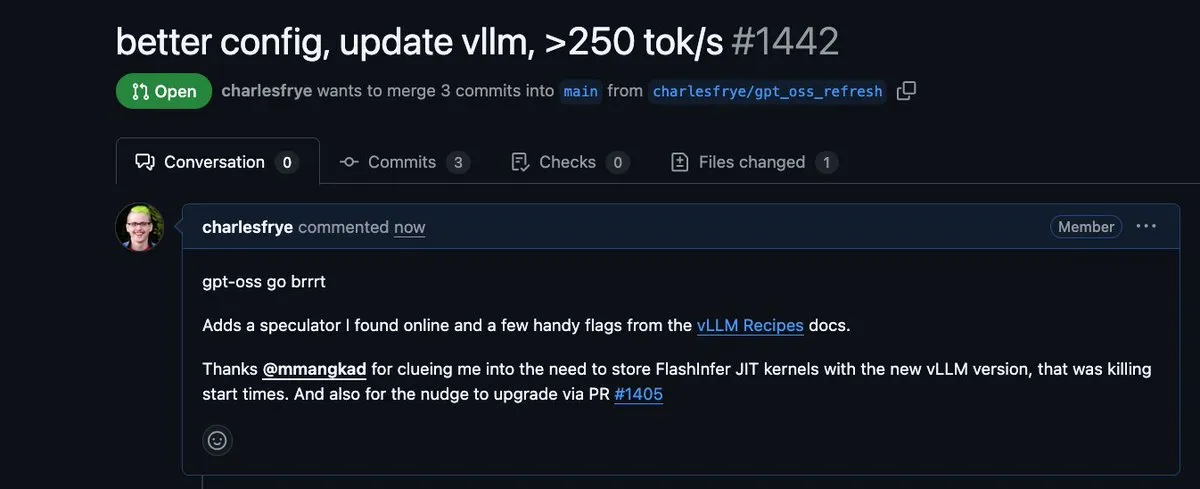
Local Inference Performance “Great Reversal”: Private Deployment Now Matches APIs: Developers like Charles Frye have noted that local LLM inference performance has improved significantly over the past few months. Through optimized kernel compilation, output speeds have increased from 100 to 250 tok/s. This means the cost and performance of running private models for enterprises can now match or even exceed closed-source APIs, leading to a revaluation of localized AI’s business value. (Source: charles_irl)
AI Image “Reverse Prompting”: Pursuing Imperfection: The community has discovered that to make AI images look more realistic, the “new meta” is to actively include flaws. Prompts are starting to include “messy cables,” “bad lighting,” and “uneven concrete,” aiming to simulate real-world “chaos” to avoid the “plastic feel” characteristic of AI, achieving a higher level of disguise. (Source: Reddit)

💡 Others
Buffett Warns: AI is as Dangerous as Nuclear Weapons: 95-year-old Warren Buffett issued a stern warning on a program, stating that once the AI “genie” is out of the bottle, there is no going back. He is particularly concerned about AI-driven deepfake scams, believing their mimicry could even deceive his own children. The risks brought by this uncertainty require humanity to establish stricter governance guardrails than currently exist. (Source: 36Kr)
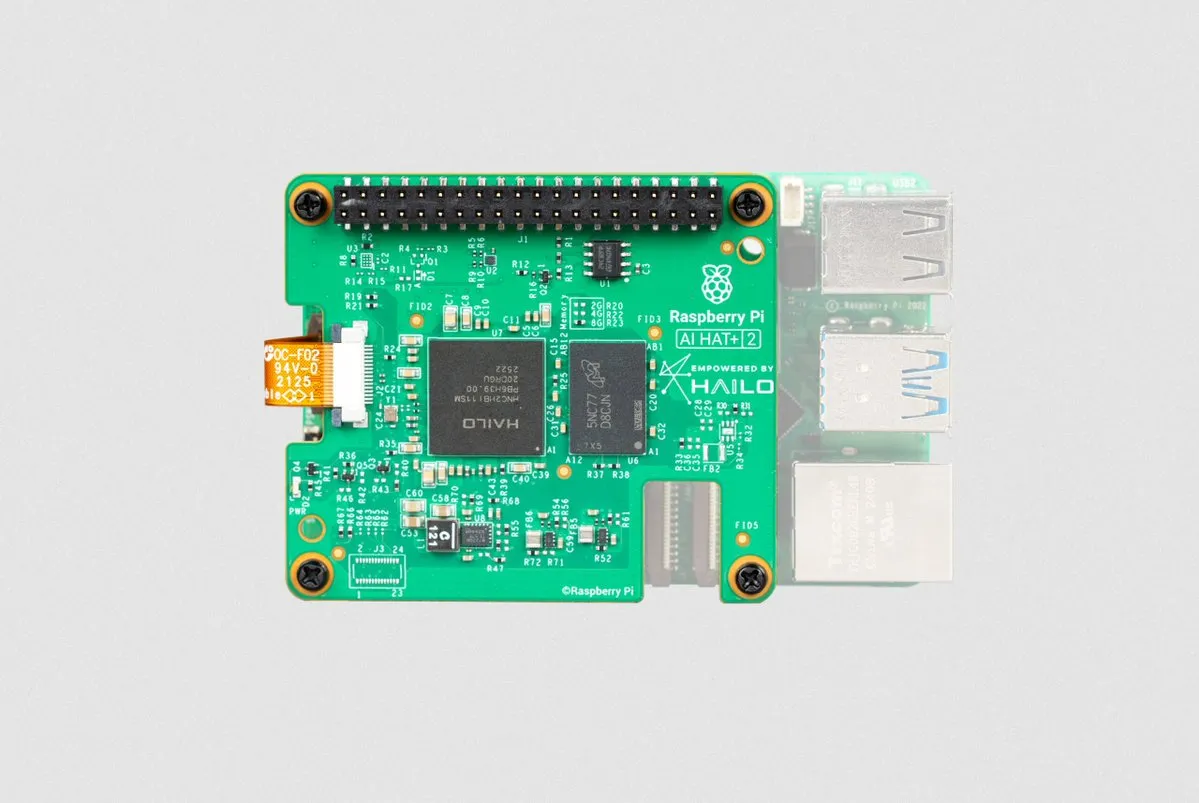
Raspberry Pi AI HAT+ 2 Released: Running LLMs Locally: The $130 Raspberry Pi AI expansion board has officially launched, equipped with the Hailo-10H accelerator, providing 40 TOPS of generative AI performance. This allows developers to run LLMs and VLMs completely locally on low-power edge devices without relying on the cloud, further expanding AI application scenarios in the IoT field. (Source: Raspberry Pi)
Musk Concedes: Grok to Limit Generation of “Undress” Photos of Real People: Facing legal pressure and public condemnation, X platform’s safety account announced that Grok will no longer support generating non-consensual sexual imagery of real people. This “retreat” reflects the intense maneuvering over ethical and legal boundaries of AI-generated content and foreshadows further tightening of AI regulation on social platforms. (Source: Reddit)