



Anahtar Kelimeler:AI altyapısı, Egemen AI, Ajan, Beş katlı pasta modeli, Engram mimarisi, Ajan bilişsel sıkıştırıcı
🔥 Spotlight
NVIDIA’s Jensen Huang at Davos: The “Five-Layer Cake” Theory of AI Infrastructure
At the 2026 World Economic Forum, NVIDIA CEO Jensen Huang proposed a “five-layer cake” model for the AI industry: energy, chips, cloud services, models, and applications. He stated that current investments of hundreds of billions are just the beginning, with trillions more to come in infrastructure. Huang emphasized that AI should be treated as national-level infrastructure (“sovereign AI”) and used radiology as an example to argue that AI automates “tasks” rather than replacing “purposes,” creating new demand through efficiency gains. This perspective offers a fresh take on global AI-induced employment anxiety, framing AI as a productivity amplifier rather than a human competitor (Source: NVIDIA)

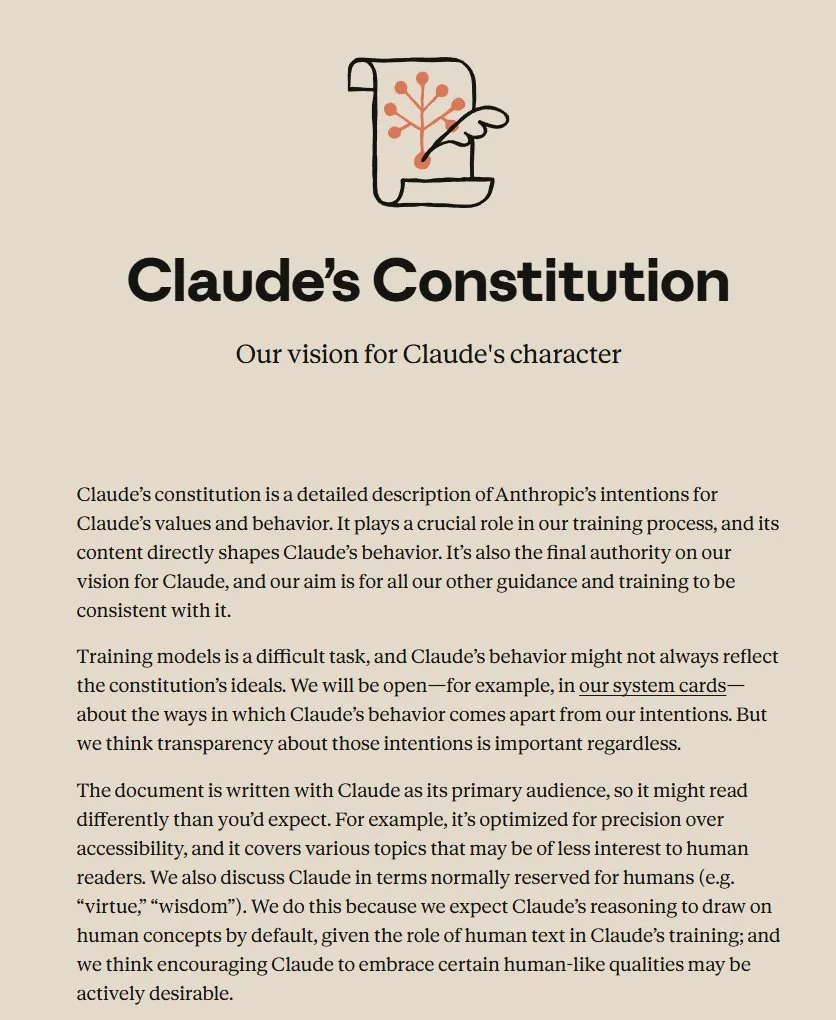
Anthropic Releases “Claude Constitution”: Defining AI’s Independent Persona and Values
Anthropic has officially published Claude’s new constitution, detailing its behavioral vision and core values. This document not only guides the training process but also positions Claude as a novel “world entity” distinct from traditional sci-fi depictions. The constitution highlights Claude’s independence beyond training data and even outlines Anthropic’s obligations to AI. The community has reacted strongly, viewing this as a shift from AI as a tool to a “digital persona” entity, sparking debates about balancing constraints and autonomy (Source: Anthropic)
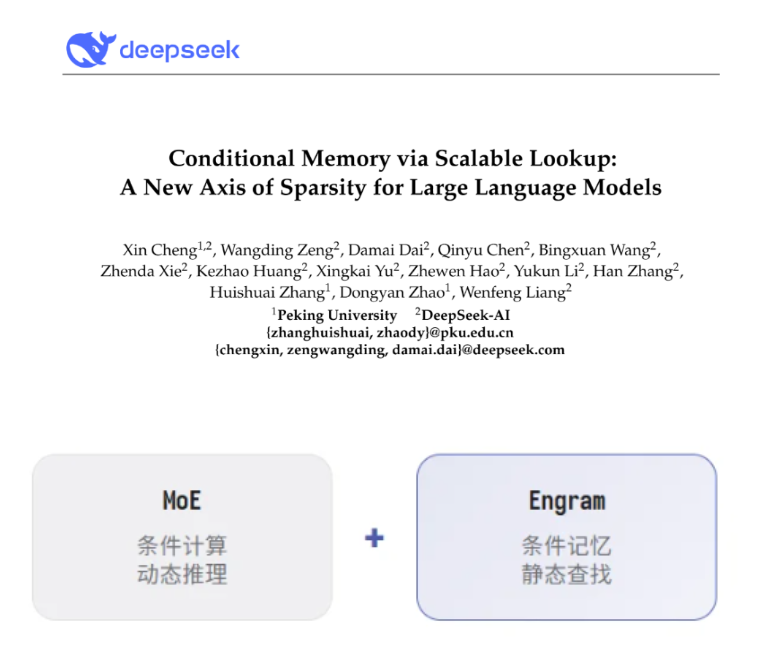
DeepSeek Introduces Engram Architecture: DRAM as an Alternative to HBM for Compute Breakthroughs
Morgan Stanley’s research report highly praises DeepSeek’s latest paper on the Engram (memory trace) module. This architecture separates static pattern storage from dynamic reasoning via a “conditional memory” mechanism, allowing models to offload vast knowledge to low-cost system memory (DRAM) and retrieve it only when needed. This breakthrough alleviates bottlenecks from expensive high-bandwidth memory (HBM), proving that algorithmic innovation can achieve “more with less” in compute-constrained environments. MS predicts that DeepSeek V4, leveraging this architecture, could run on consumer GPUs like the RTX 5090, rewriting AI scaling laws (Source: Morgan Stanley)
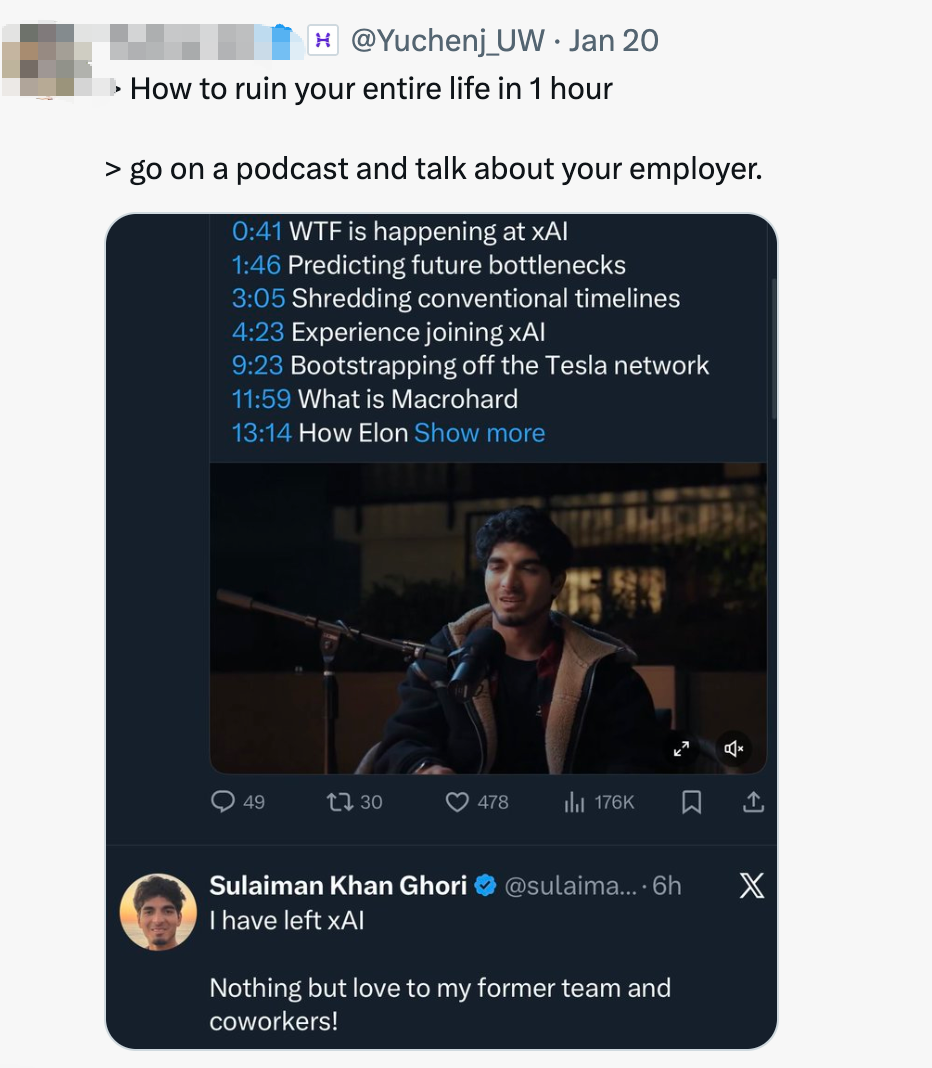
xAI’s “Macrohard” Project Leak: Tesla In-Car Computers as a Base for Millions of Agents
Former xAI engineer Sulaiman Ghori revealed details about the internal “Macrohard” project on a podcast. The project aims to build a “human simulator” that automates white-collar work by simulating keyboard and mouse operations at 8x speed. The most shocking revelation is xAI’s plan to deploy these Agents across millions of idle Tesla vehicles (HW4 platform), using a distributed network to bypass traditional data center build cycles. Ghori was later fired for the leak, but his insights into xAI’s “war room” culture and aggressive timelines have prompted a reevaluation of the company’s competitive potential (Source: The Information)
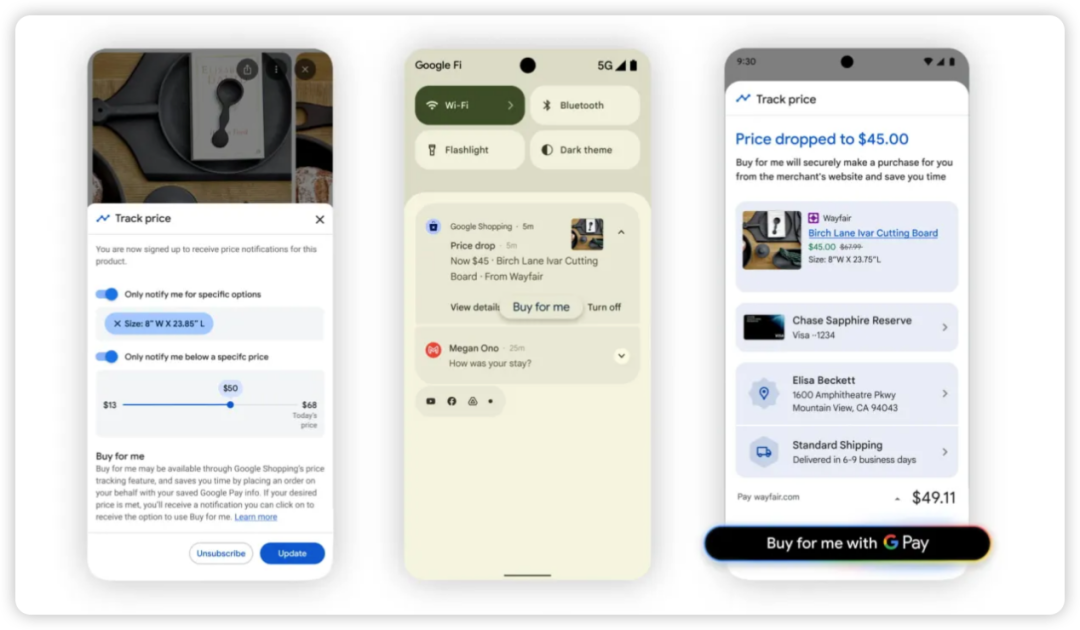
Google Partners with Shopify for AI Commerce: Shifting from Search to Transaction Loop
Google announced the Universal Commerce Protocol (UCP), teaming up with Shopify, Walmart, and others to transform Gemini into a complete shopping gateway. Users can now compare prices, review specs, and complete checkout within a dialog box without switching apps. Gemini can even call physical stores to confirm inventory. This move is seen as a counter to ChatGPT’s “instant checkout” feature, marking a paradigm shift from search ads to “Agent commerce,” with LLM providers reshaping global retail (Source: Google)
🎯 Trends
Apple’s AI Hardware and Siri “Campos” Upgrade Plans Leaked
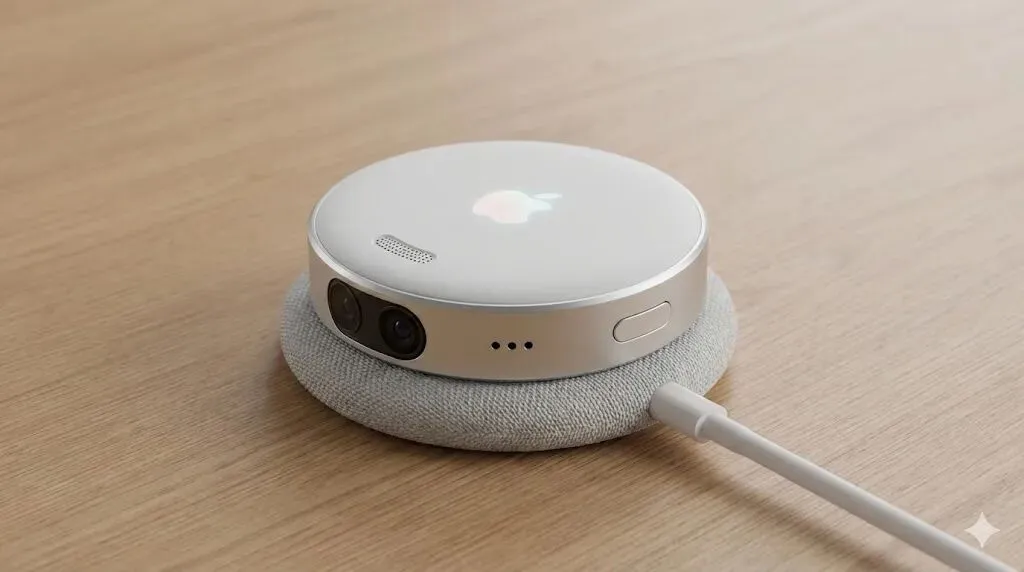
Reports suggest Apple is secretly developing an AI wearable device (AI Pin) resembling an AirTag, equipped with multiple cameras and sensors, slated for a 2027 release. Meanwhile, a revamped Siri, codenamed “Campos,” will debut in September, deeply integrated with Google Gemini 3 and featuring “screen awareness” to directly manipulate files and apps. Apple aims to counter OpenAI and Meta with its integrated hardware-software approach, targeting initial production of 20 million units (Source: The Information)
Microsoft Releases VibeVoice-ASR: Single-Pass Processing for Hour-Long Audio
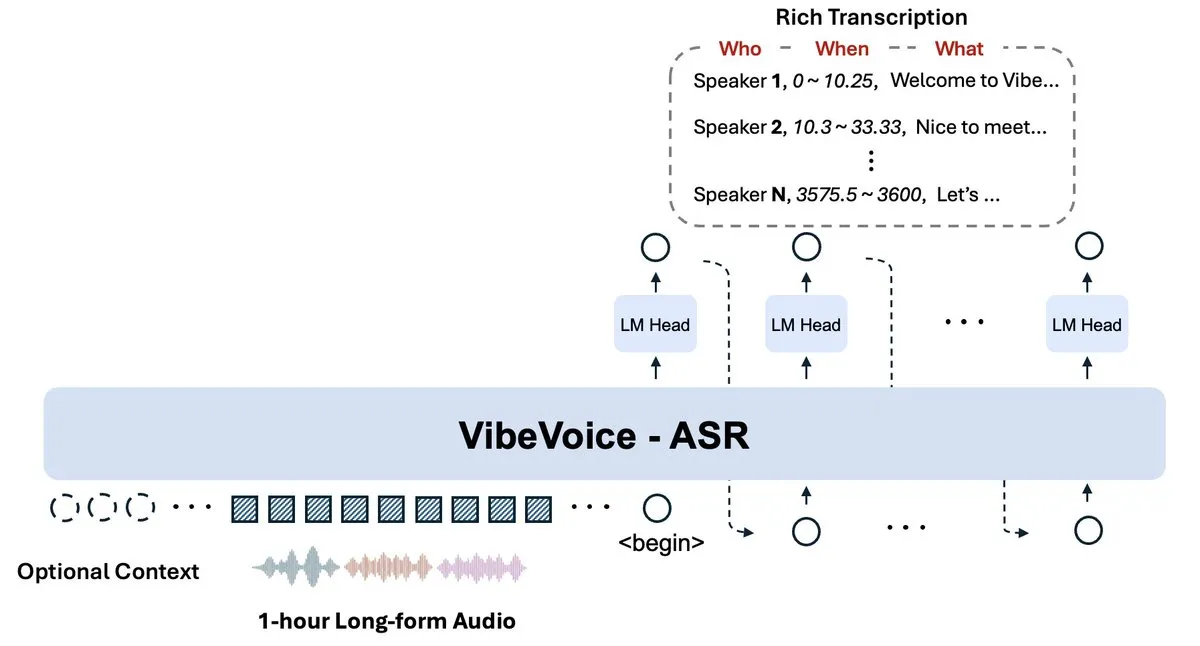
Microsoft open-sourced the 9B-scale speech recognition model VibeVoice-ASR on Hugging Face. Breaking from traditional ASR’s audio slicing, it processes 60-minute audio in a 64K token window, preserving global context and speaker tracking. Tests show robust performance in complex backgrounds (e.g., isolating voices from music) and long texts (e.g., audiobooks), with 91.9% average accuracy and hotword support for proper noun correction (Source: Microsoft)
Meta Introduces Dr. Zero Framework: Self-Evolving Agents Without Data
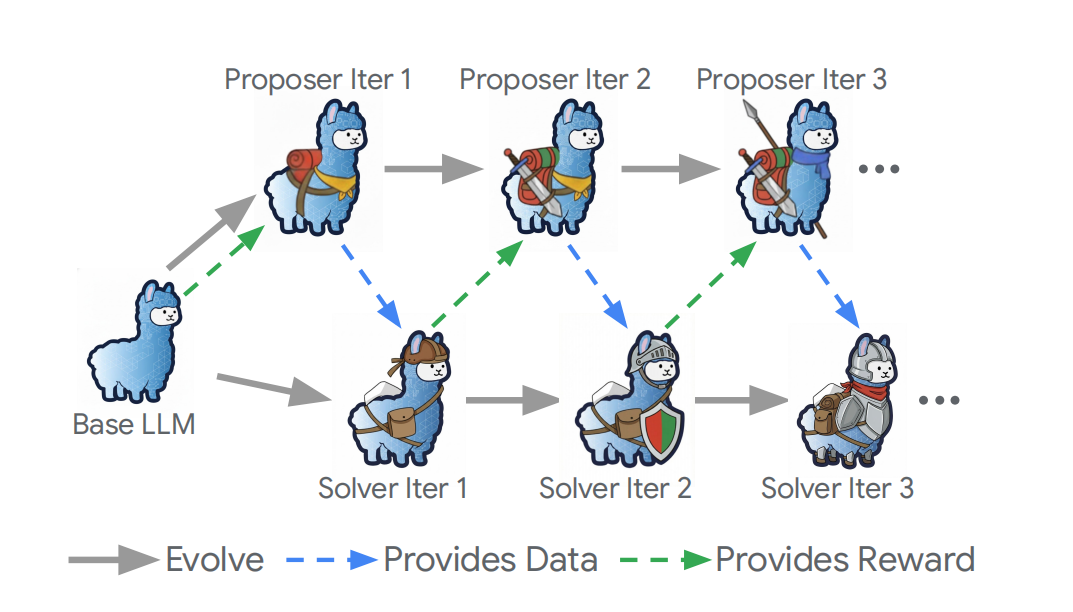
Meta’s Super Intelligence Lab proposed the Dr. Zero framework, enabling Agents to evolve efficiently without labeled data. Through a “proposer-solver” mechanism, it uses search engines to generate complex questions. The core HRPO (Hop-Step Grouped Relative Policy Optimization) clusters similar questions as benchmarks, avoiding costly nested sampling. It outperforms fully supervised baselines by 14.1% in complex QA tasks, offering a new path amid training data scarcity (Source: Meta)
Industry Shifts to Long-Range Task Benchmarks: Real-World Evaluations Released
AI evaluation is moving from math/coding leaderboards to long-range tasks. New benchmarks include APEX-Agents (testing Agent collaboration in Google Workspace) and DSAEval (641 real data science problems). Results show GPT-5.2 leads in efficiency, while Claude-Sonnet-4.5 excels overall. These benchmarks reflect consensus that Agent limitations now stem from maintaining logical consistency and memory control over extended periods (Source: Mercor, DSAEval)
Agent Cognitive Compressor (ACC): Biologically Inspired Memory Control
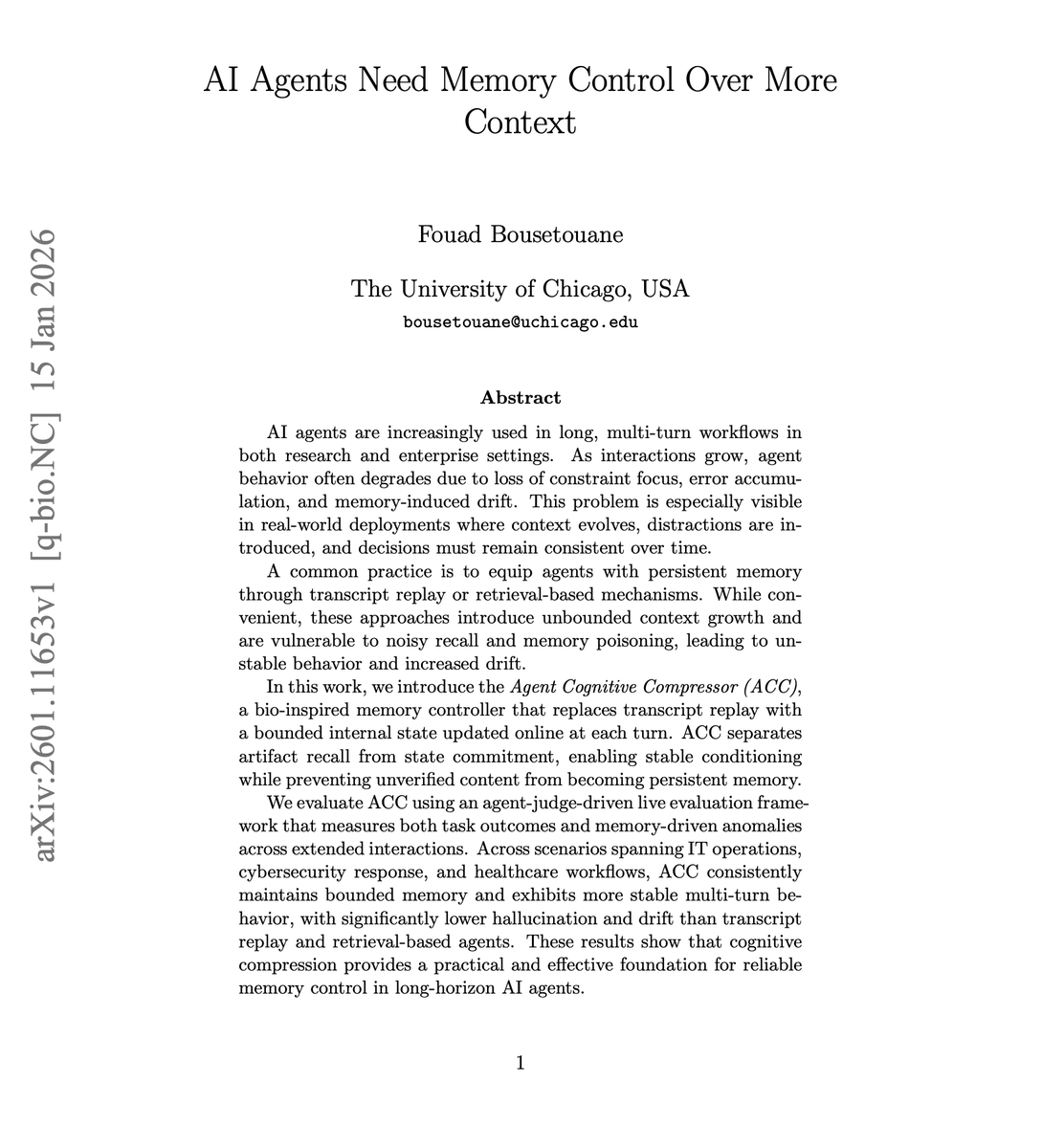
Researchers proposed ACC to address “context decay” in multi-turn Agent dialogues. Instead of replaying history, ACC maintains a structurally constrained “compressed cognitive state” storing only goals, entities, and relationships. Experiments show near-zero hallucination and drift rates in 50+ turn workflows, far surpassing traditional RAG (Source: DAIR.AI)
🧰 Tools
Prefect Horizon: Managed Governance for MCP Servers
Prefect launched Horizon for Model Context Protocol (MCP) deployment, addressing enterprise pain points with hosted services, RBAC, audit logs, and tool discovery. It elevates MCP from a simple protocol to a scalable productivity platform, enabling secure exposure of private data/workflows to AI Agents (Source: Prefect)
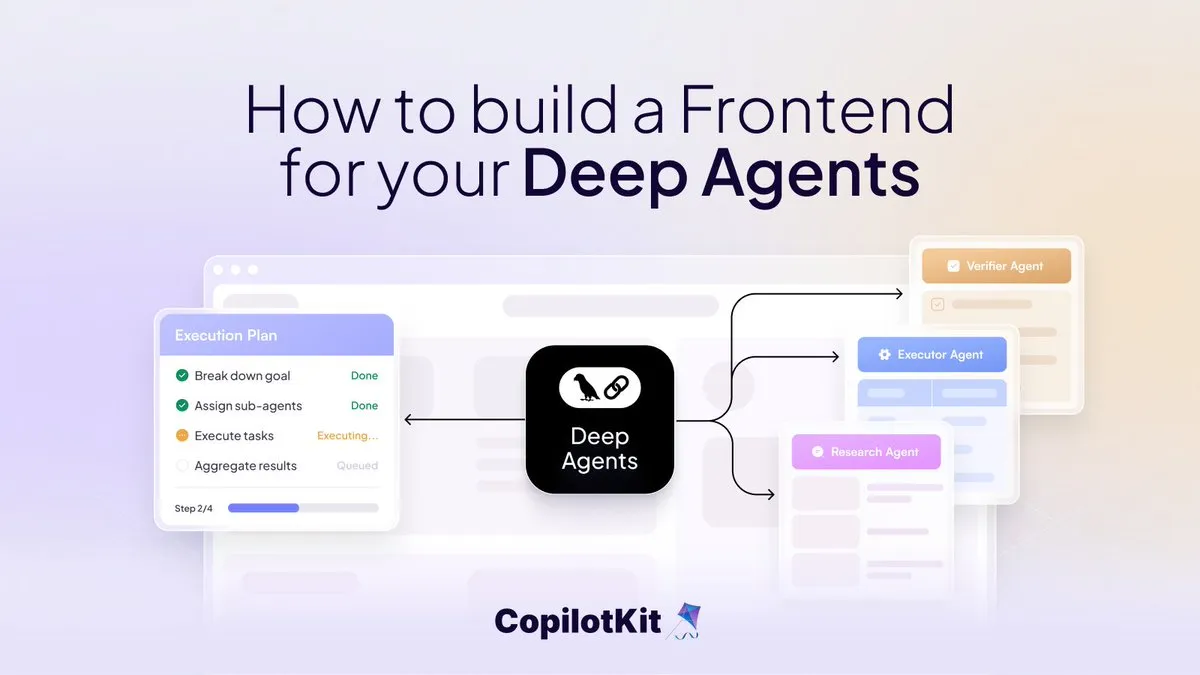
CopilotKit + LangChain: Frontend Solutions for Deep Agents
CopilotKit now supports LangChain’s Deep Agents architecture, letting developers build interactive UIs for planning-capable Agents with few lines of code. Features include streaming output, Skills customization, and sub-Agent orchestration, overcoming UI/UX bottlenecks in complex Agent apps (Source: CopilotKit)
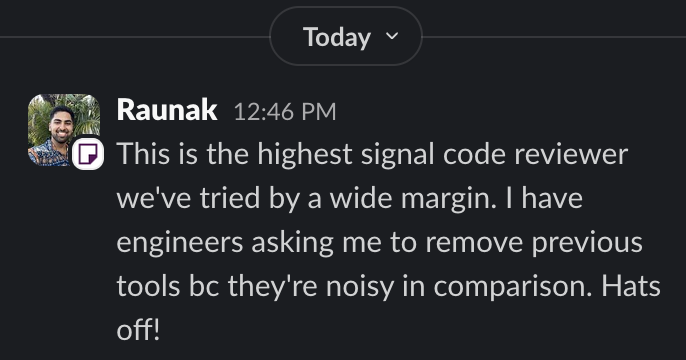
Devin Review: AI-Powered Code Review Redesign
Cognition’s Devin Review tackles the bottleneck of human review for AI-generated code. Beyond bug detection, its redesigned interface helps quickly grasp complex PR logic, even uncovering linked errors outside Diffs. The premise: AI code demands AI-assisted review tools (Source: Cognition)
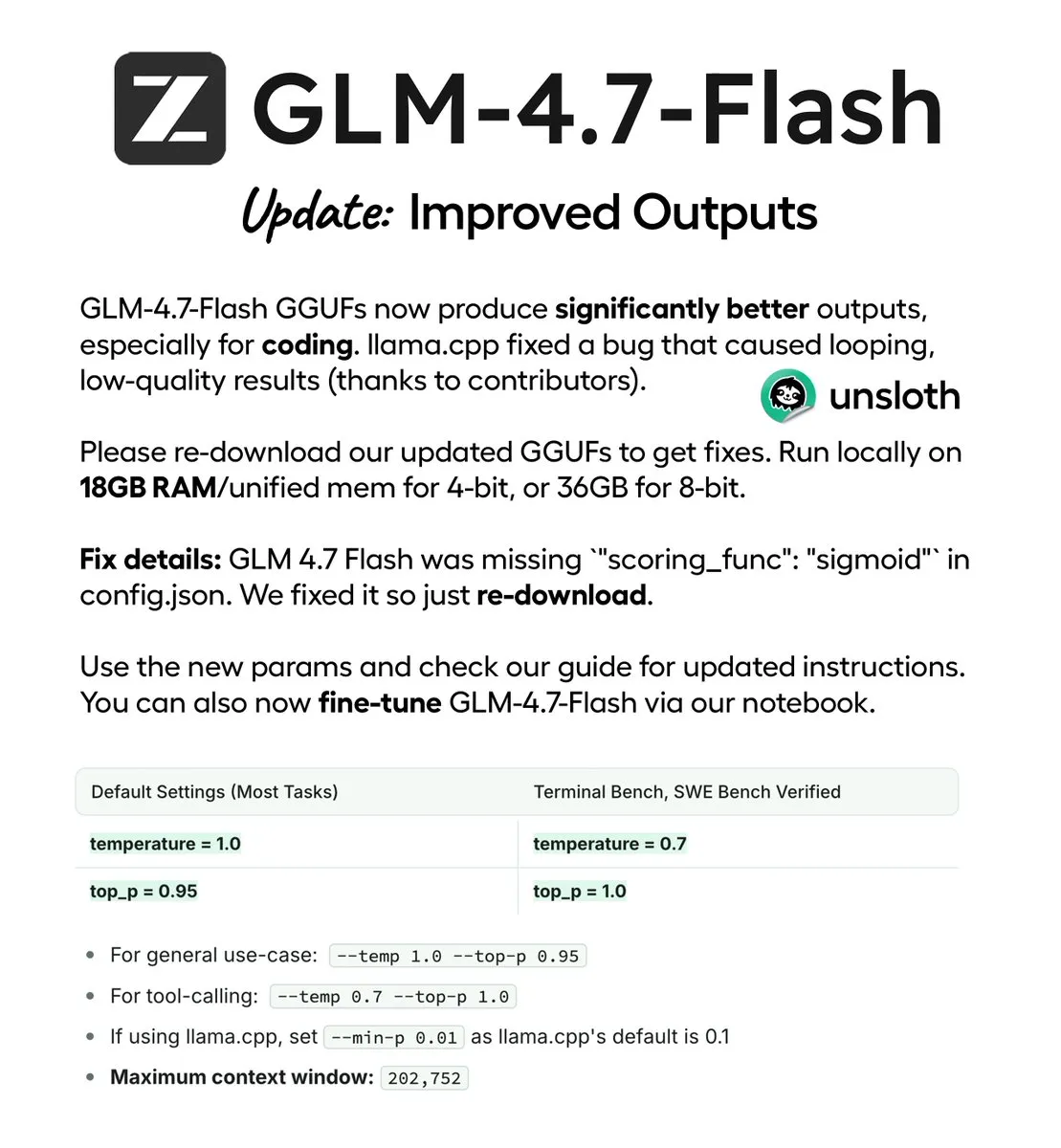
GLM-4.7 Flash Local Optimization: 200K Context on Single GPU
A community fix enabled vLLM’s KV cache support for GLM-4.7-Flash with MLA (Multi-Head Latent Attention), slashing 200K context VRAM usage from 180GB to 10GB. Now, a single RTX 5090 (32GB VRAM) can run this top-tier 30B model, heralding high-performance local Agents (Source: Zai_org)
📚 Learning
Gemini CLI Hands-On: Building Multi-Step Automation Workflows
DeepLearning.AI and Google offer a free short course on using Gemini CLI to build open-source Agents. Covering local file ops, dev tool integration, and cloud service calls, it focuses on automating code, dashboards, and complex task planning—ideal for transitioning from API calls to real-world tools (Source: DeepLearningAI)
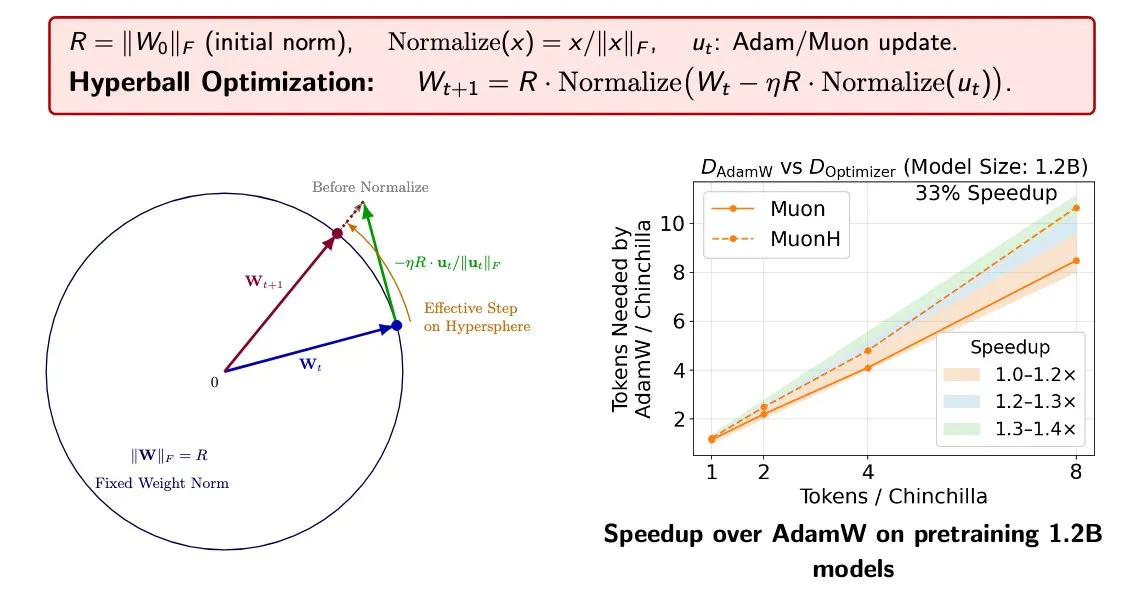
Hyperball Optimizer: 33% Faster Training via Normalization
Stanford researchers proposed Hyperball, a wrapper maintaining constant weight/update norms to control step sizes directly, replacing weight decay. Tests show 33% faster training with Muon optimizers and better hyperparameter transferability, offering stable math for large-scale training (Source: Kaiyue Wen)
NVIDIA Motive: Attribution Analysis for Video Generation
NVIDIA’s Motive isolates temporal dynamics from static appearance via gradient-based motion-centric attribution, identifying which training videos positively/negatively impact generated motion. Crucial for optimizing video model training and understanding motion degradation (Source: NVIDIA Research)
InT (Intervention Training): Solving Credit Assignment in Reasoning
This method lets models locate their first reasoning error and suggest single-step fixes, refining RL initialization. Unlike standard RL rewarding only final answers, InT precisely corrects intermediate steps, boosting a 4B model’s accuracy by 14% on IMO-AnswerBench—surpassing 20B models (Source: HuggingFace)
💼 Business
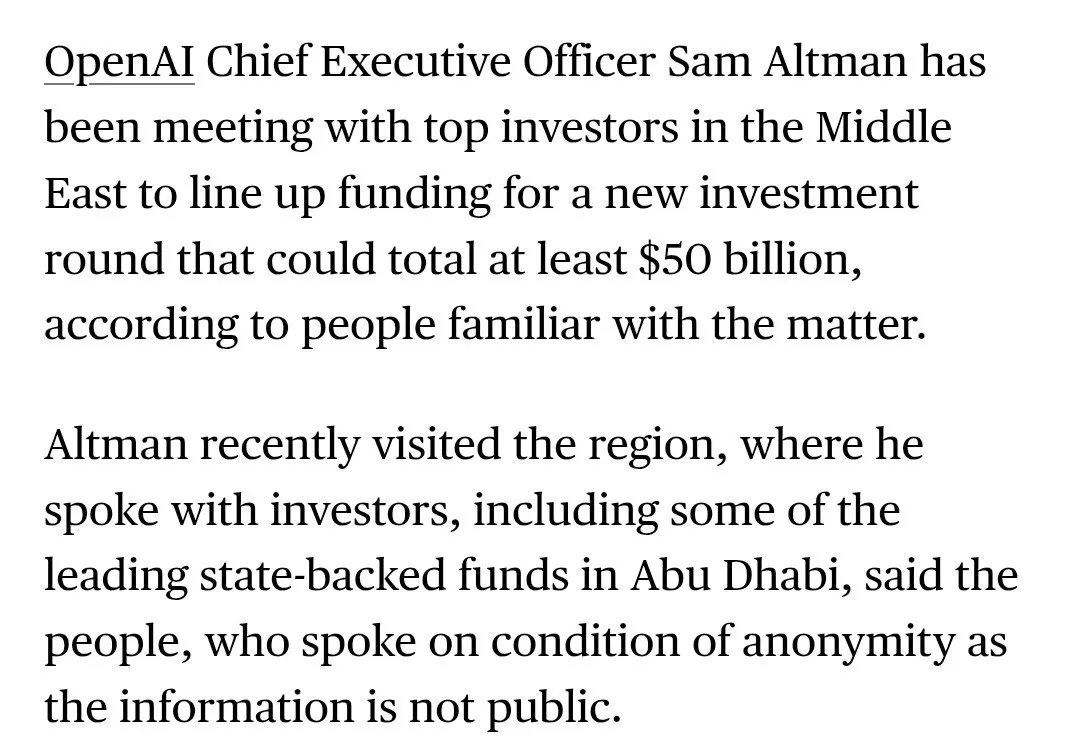
OpenAI Plans $50B Funding at $830B Valuation
Sam Altman reportedly met UAE investors to discuss raising $50B at a $750B–$830B valuation, funding OpenAI’s projected $200B compute costs by 2030. This comes amid Musk’s lawsuit alleging OpenAI abandoned its non-profit mission (Source: Bloomberg)
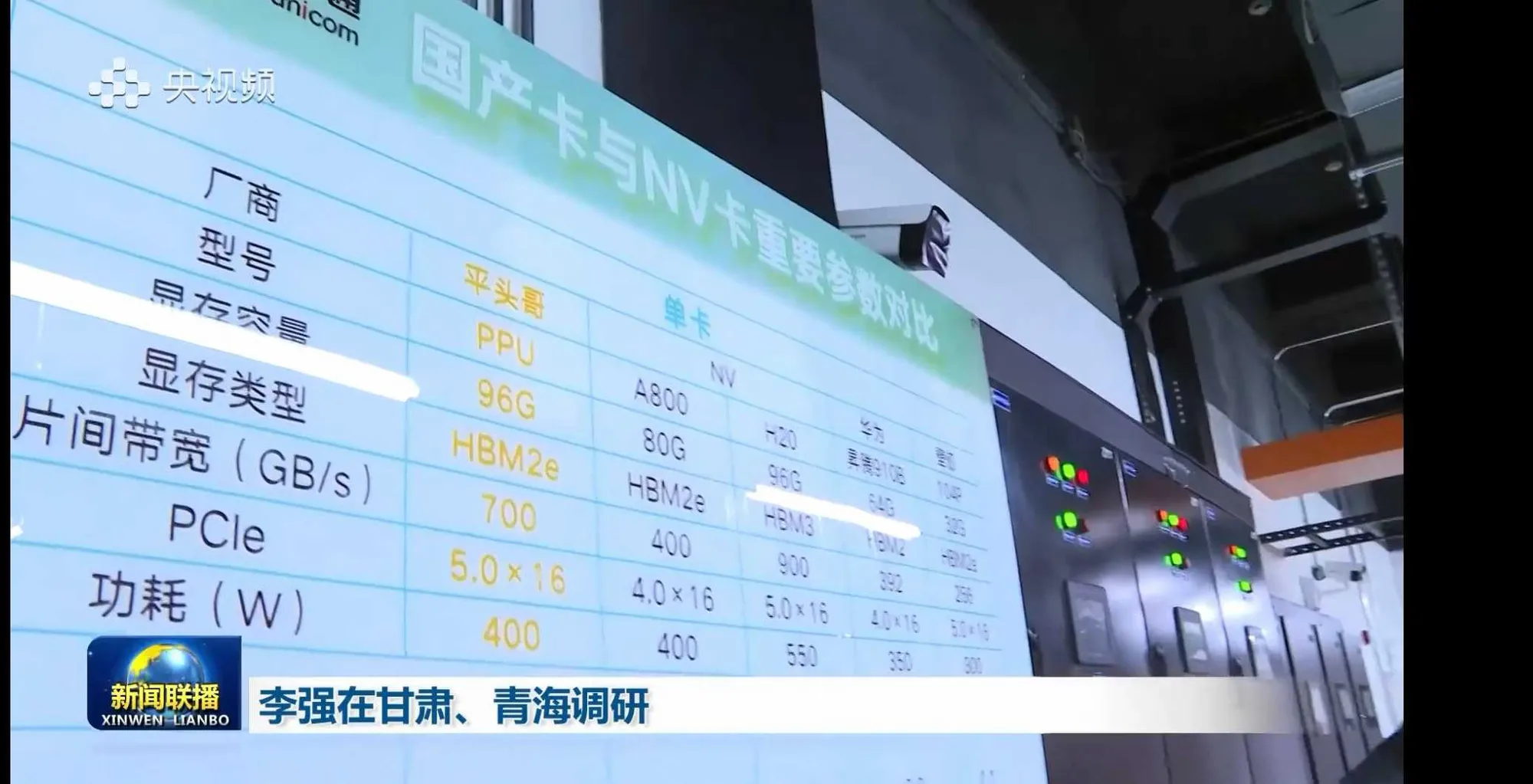
Alibaba’s T-Head Prepares IPO: Completing Full-Stack AI Chips
Alibaba will spin off its 8-year-old chip unit T-Head, known for compute, storage, and networking chips. Its in-house PPU (GPU) rivals NVIDIA’s H20, powering China’s AI compute growth. The IPO signals market reevaluation of domestic AI chips and Alibaba’s end-to-end AI strategy (Source: 36Kr)
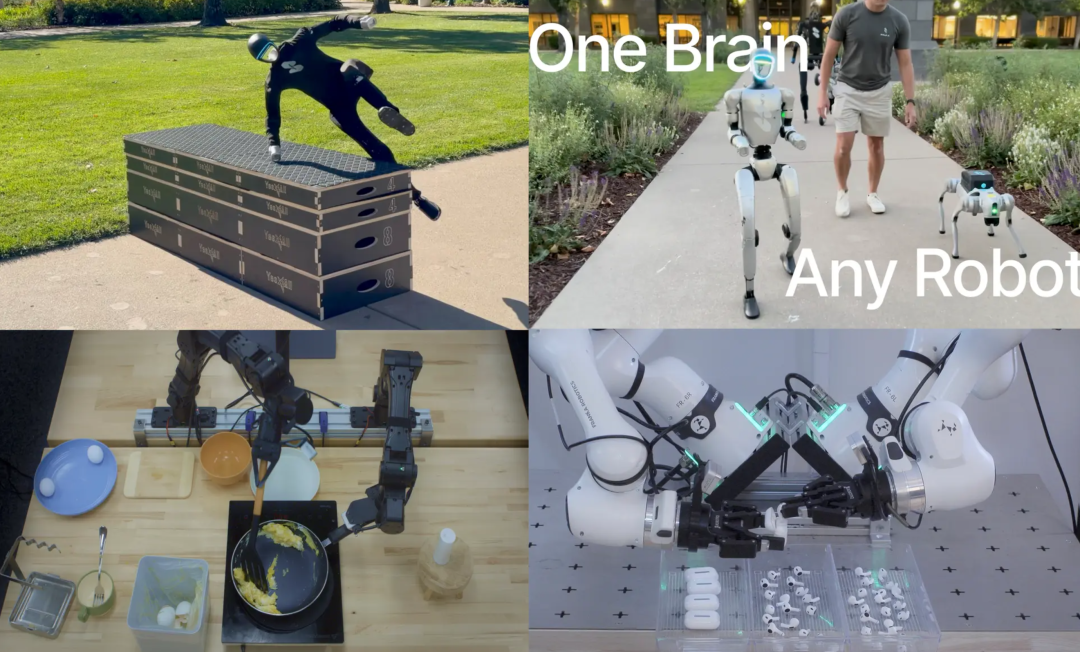
Embodied AI Startup Skild AI Raises $1.4B Series B
SoftBank-led funding with NVIDIA and Bezos participation values Skild AI at $14B. Its “Skild Brain” enables cross-hardware generalization, already generating $30M revenue (2025) from industrial deployments. Funds will accelerate its push into consumer markets (Source: Skild AI)
🌟 Community
Programming’s “December Revolution”: Agentic Coding Goes Mainstream
The community hails December 2025 as a turning point, with figures like Linus Torvalds and Karpathy embracing Agentic Coding. “Software engineers” are becoming “software prompt engineers,” with PR reviews shifting from code to Prompt/verification logic (Source: X)
Post-AI Core Skill Stack
As AI handles execution, new competencies emerge:
1. Agency—crafting compelling narratives
2. Taste—discerning quality
3. Perspective—unique human angles
4. Persuasion—emotional resonance
5. Know-How—leveraging AI tools
The takeaway: With infinite intelligence, human judgment and aesthetics become premium (Source: DAN KOE)
AI Education Equity: Gemini Offers Free SAT Practice
Google’s Gemini App now includes Princeton Review-certified SAT practice with instant feedback. While some fear “score inflation,” many hail it as AI democratizing costly test prep (Source: Google Education)
💡 Misc
AI’s “New Narrative” in Real Estate
Amid market slumps, developers pitch robots as selling points—from concierges to cleaners—packaging homes as “tech-forward.” This reflects real estate’s pivot from leverage to tech, though scalability remains challenging (Source: 36Kr)

Cross-Species “Agents”: Cows Using Tools
Scientists observed tool use in cattle, humorously dubbed the “first Agentic Cow” by AI circles. This sparks discussions on biological vs. artificial intelligence boundaries (Source: Futurism)

xAI’s “Talent SWAT Team”: Engineers Recruiting Engineers
Musk personally leads xAI’s “Talent Engineers” team, hiring “geeks with technical intuition” to scout top talent via Vibe coding and niche communities. Salaries reach ¥1.68M, showcasing fierce AI talent wars (Source: Business Insider)