



Anahtar Kelimeler:AI Manhattan Projesi, Gemini 3 Flash, GPT-5.2-Codex, Kontrollü Füzyon, AI Araştırma Mühendisliği, AI Ajan, Çok Modelli Model, Açık Kaynak AI Modeli, ABD Enerji Bakanlığı Genesis Görevi, Gemini 3 Flash Kodlama Testi, GPT-5.2-Codex Siber Güvenlik Savunması, T5Gemma 2 Çok Modelli Model, Perception Encoder Görsel-İşitsel Ses Ayrıştırma
🔥 Spotlight
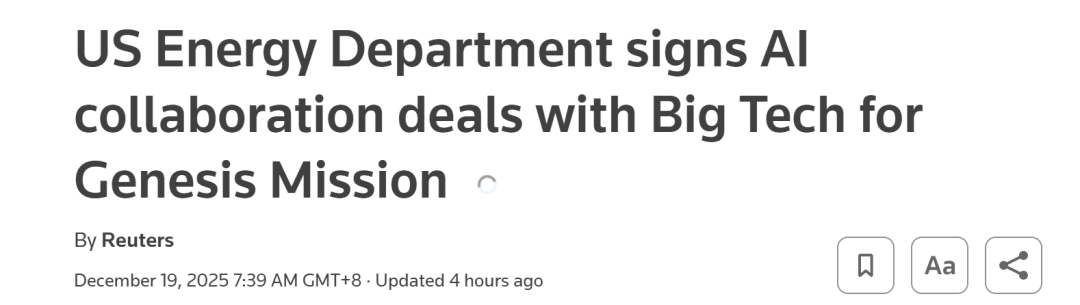
US ‘AI Manhattan Project’ Launched : The U.S. Department of Energy officially launched the “Genesis Mission,” a national-level AI research project aimed at combining cutting-edge AI technology with national laboratory research capabilities to accelerate scientific discovery. The plan brings together 24 tech giants, including Microsoft, Google, NVIDIA, OpenAI, DeepMind, and Anthropic, to apply AI models and supercomputing capabilities to areas such as controlled nuclear fusion, energy materials, and climate simulation. The goal is to double U.S. scientific productivity by 2030, marking a national strategic shift in U.S. technology. (Source: 36氪, nvidia, AnthropicAI, GoogleDeepMind, OpenAI Newsroom)
Hinton and Jeff Dean Discuss Modern AI : Geoffrey Hinton, a pioneer of neural networks, and Jeff Dean, Google’s Chief Scientist, conversed at the NeurIPS conference, discussing key factors for modern AI’s transition from labs to billions of users. They believe that AI breakthroughs are not singular miracles but the collective result of the systematic maturity of algorithms (e.g., Transformer), hardware (e.g., GPU, TPU), and engineering (e.g., JAX, Pathways). The conversation also highlighted three major hurdles for AI scaling: energy efficiency, memory (long context), and creativity (associative ability), emphasizing the importance of fundamental research and continuous investment. (Source: 36氪, JeffDean, geoffreyhinton)
Sam Altman Interview: OpenAI Strategy and Funding : In a recent interview, Sam Altman stated that Google remains OpenAI’s biggest threat, but OpenAI will solidify its advantage through AI-native software, personalization and memory features, accelerated enterprise market expansion, and $1.4 trillion in infrastructure investment. He predicted that GPT-6 might debut in Q1 next year and emphasized that AI will reshape software usage in the future, becoming an indispensable “digital companion” rather than merely being embedded in old products. (Source: 36氪, sama)
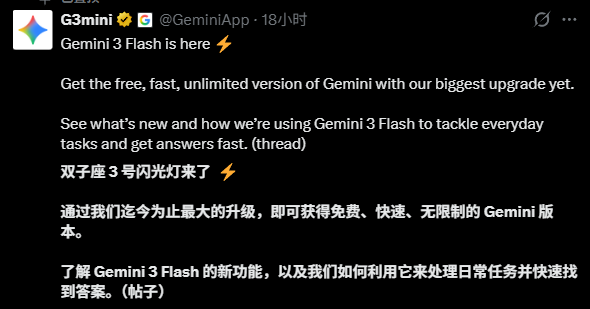
Google Releases Gemini 3 Flash Model : Google launched Gemini 3 Flash, a model that performs exceptionally well in multiple benchmarks with extremely high cost-effectiveness and speed, even surpassing GPT-5.2 in SWE-bench coding tests. Google plans to deeply integrate it into ecosystem products like Search, YouTube, and Gmail, aiming to reshape the AI market landscape through ecosystem advantages rather than mere model parameter competition. This release is seen as a “precision strike” against OpenAI, sparking widespread industry discussion on model competition and AI application popularization. (Source: 36氪, MS_BASE44, GeminiApp, scaling01)
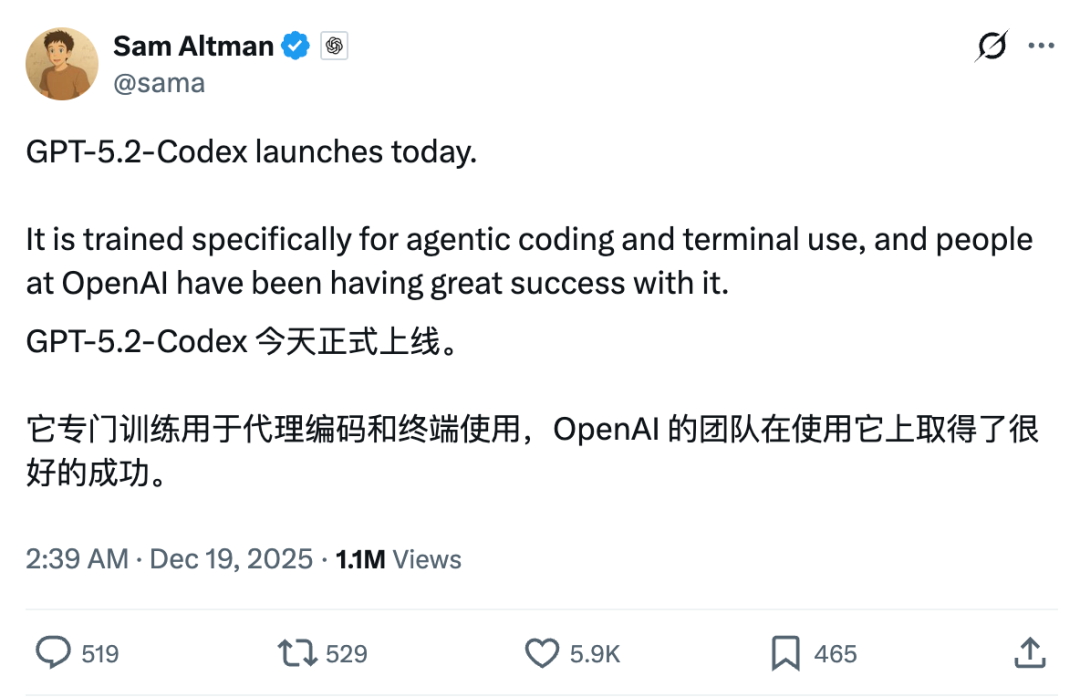
OpenAI Releases GPT-5.2-Codex Programming Model : OpenAI released GPT-5.2-Codex, touted as its strongest AI agent programming model to date, optimized for complex software engineering and cybersecurity. The model enhances long-range task execution, large-scale code changes, Windows environment compatibility, and cybersecurity defense capabilities. Despite strong performance in benchmarks, some users’ practical tests showed it underperformed Gemini 3 Flash in certain tasks, sparking market discussion about its true effectiveness and competitiveness. (Source: 36氪, sama, scaling01)
🎯 Trends
Google Open-Sources T5Gemma 2 and FunctionGemma : Google open-sourced T5Gemma 2 and FunctionGemma, two small models, both based on the Gemma 3 family. T5Gemma 2 is the first multimodal long-context encoder-decoder model, with a minimum size of 270M-270M, focusing on architectural efficiency and multimodal capabilities. FunctionGemma is a 270M model optimized for function calling, runnable on edge devices like mobile phones, aiming to solve the “can talk but can’t act” problem in large model deployment, providing a dedicated brain for agents and tool use. (Source: 36氪, huggingface, osanseviero, ImazAngel, danielhanchen)
ByteDance Doubao 1.8 Model Hands-on Test : ByteDance released its Doubao large model 1.8, its new generation flagship model, which demonstrates leading performance in evaluations across various scenarios such as education, customer service, finance, and law. Hands-on tests show Doubao 1.8 excels in Agent capabilities (multi-tool calling, multi-turn instruction following, OS Agent), 256K ultra-long context management, and multimodal understanding (video understanding capability extended to 20 minutes). It is particularly suitable for building complex Agents and running real-world processes, seen as a crucial step in advancing enterprise-level and edge-side Agents. (Source: WeChat)

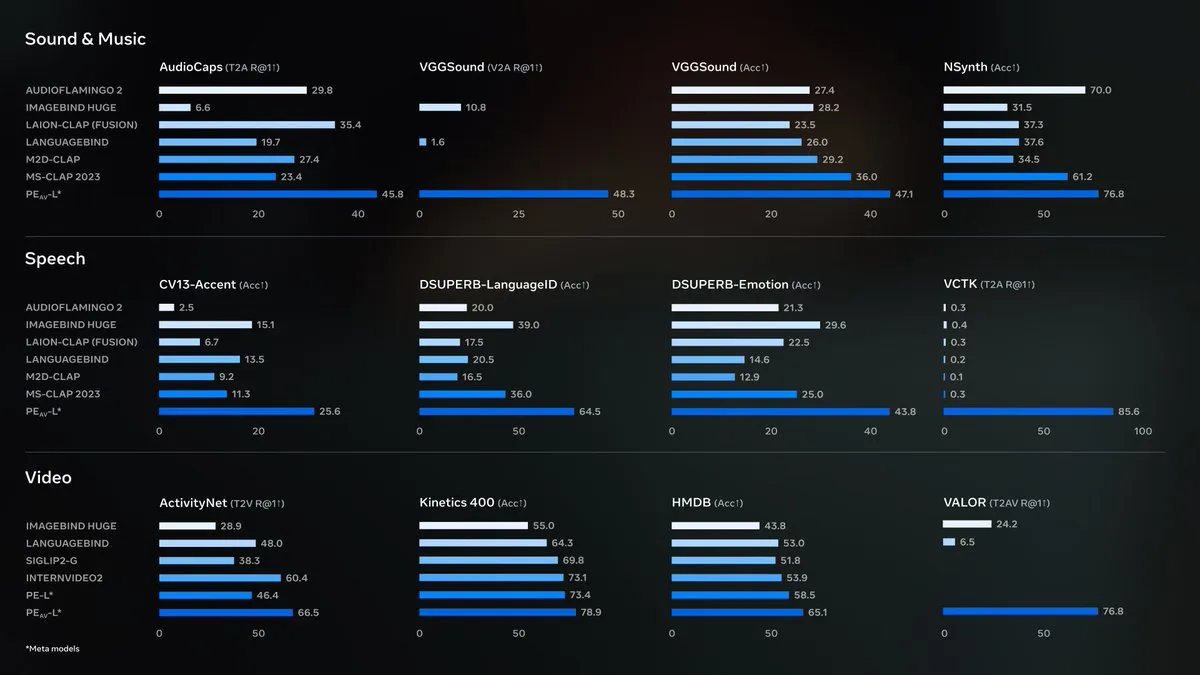
Meta Open-Sources Perception Encoder Audiovisual (PE-AV) : Meta open-sourced Perception Encoder Audiovisual (PE-AV), the core technical engine behind SAM Audio, designed to achieve state-of-the-art audio separation. PE-AV is based on Meta’s previously released Perception Encoder model, deeply integrating audio and visual perception. It has achieved top results in extensive audio and video benchmarks, and is expected to enhance sound detection and audiovisual scene understanding capabilities through multimodal support. (Source: AIatMeta, Reddit r/LocalLLaMA)
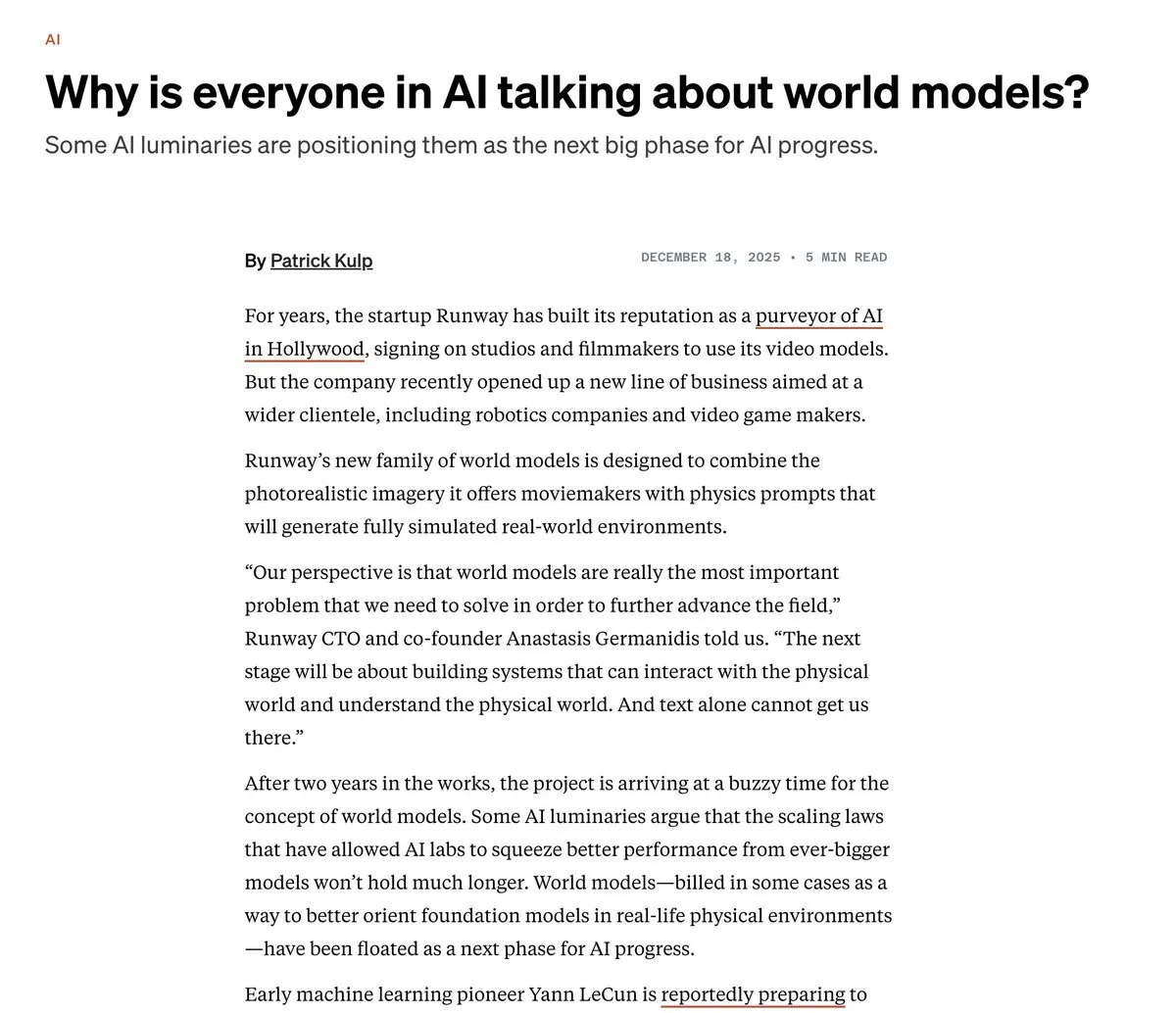
Runway Launches Gen-4.5 and GWM-1 Models : Runway released its Gen-4.5 video generation model, adding audio and multi-shot editing features. Simultaneously, it launched the GWM-1 (General World Model) series, including GWM Worlds (navigable scenes), GWM Robotics (robot perspective simulation), and GWM Avatars (lip-sync characters), aiming to achieve real-time, controllable world model video generation, signaling a significant leap in video generation technology towards general simulation. (Source: c_valenzuelab, DeepLearningAI)
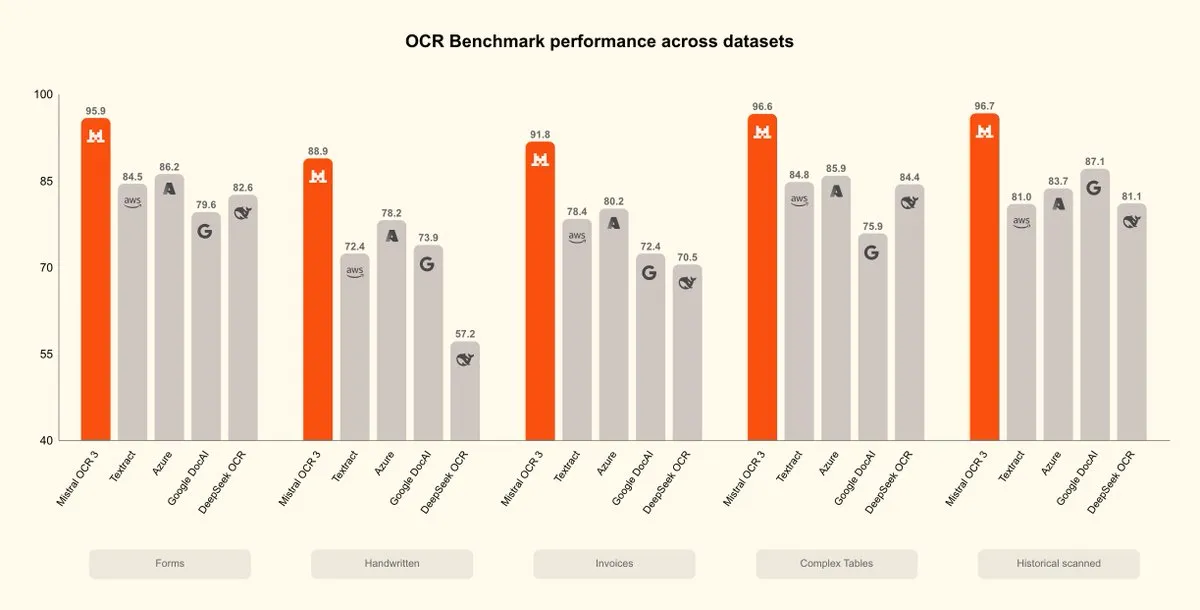
Mistral OCR 3 Released, New Breakthrough in Document Intelligence : Mistral AI released the Mistral OCR 3 model, setting a new benchmark in accuracy and efficiency, surpassing existing enterprise document processing solutions and AI-native OCR. The model has undergone extensive optimization for handling handwritten content, low-quality scans, and complex tables and forms commonly found in enterprise documents, marking new progress in the field of document intelligence. (Source: qtnx_, GuillaumeLample)
Hugging Face Transformers v5 Tokenization Rearchitected : Hugging Face’s Transformers v5 has undergone a significant redesign of how its tokenizers work. The new version separates the tokenizer architecture from the trained vocabulary, improving transparency, modularity, and simplifying the process of training model-specific tokenizers from scratch. This improvement makes tokenizers easier to inspect, customize, and train, addressing the opaque and tightly coupled issues of tokenizers in v4. (Source: HuggingFace Blog, huggingface)
Firefox Announces AI Transformation, Sparks User Controversy : Firefox browser announced its transformation into an AI browser, supporting a range of new software. This move sparked widespread dissatisfaction among users in communities like Reddit, especially hardcore users who value privacy and minimalism, who believe Firefox is deviating from its core values. This transformation reflects Mozilla’s strategy to seek new growth points in an era where “search is dead,” but balancing AI features with user privacy remains a significant challenge. (Source: 36氪)

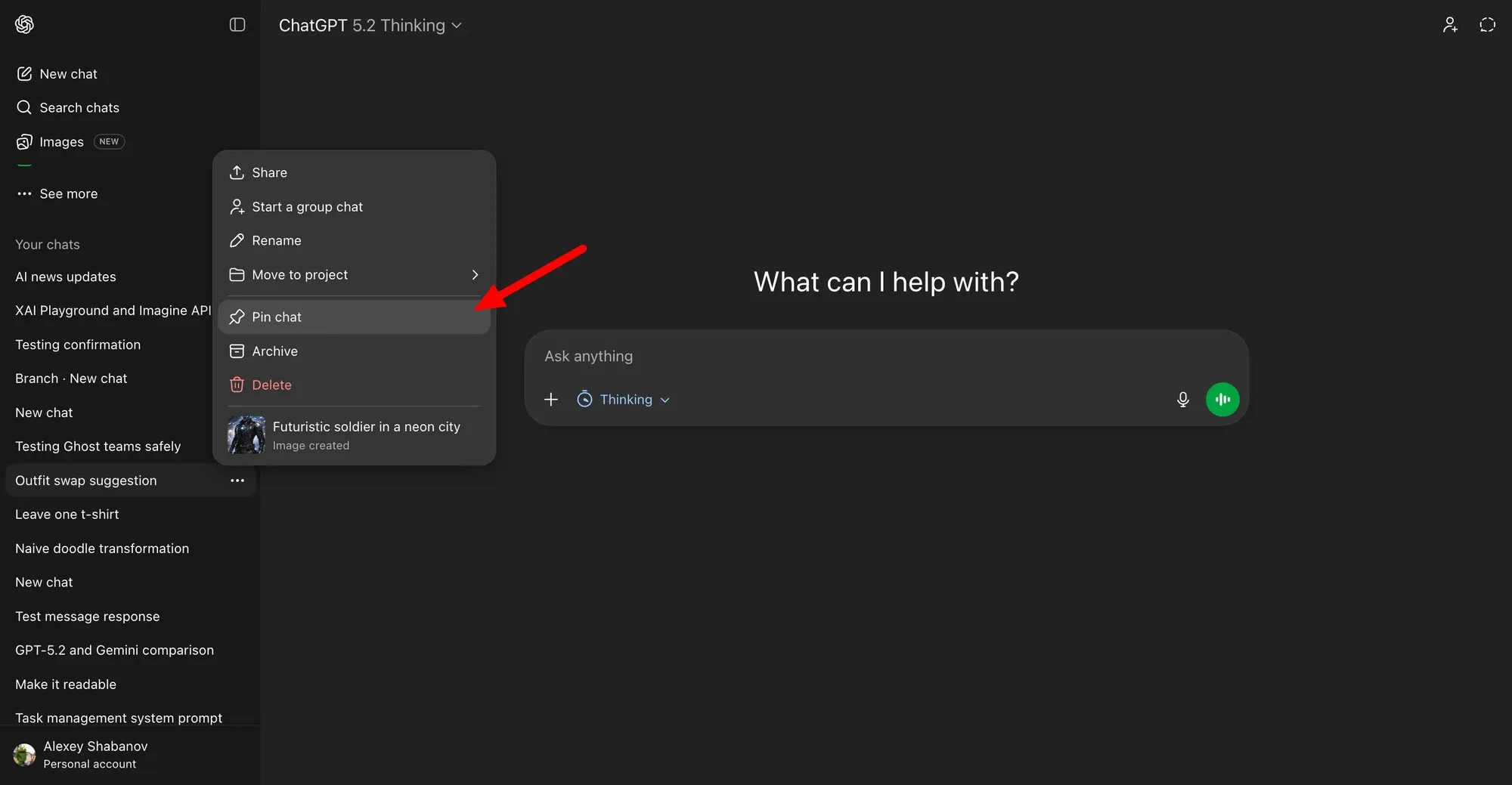
ChatGPT Introduces Chat Pinning Feature : OpenAI announced that ChatGPT now features a chat pinning function, allowing users on iOS, Android, and Web to pin important conversations for quick access. This update aims to enhance user experience and simplify conversation management. (Source: openai, Reddit r/ChatGPT)
Claude for Chrome Extension Features Upgraded : The Claude for Chrome extension is now available to all paid users and integrates Claude Code functionality. Users can now test and debug code directly in the browser using Claude Code, without leaving the current page. This update aims to enhance developer productivity and experience, while Anthropic also emphasized safety considerations in its design and testing. (Source: Reddit r/ClaudeAI, Reddit r/ClaudeAI)

🧰 Tools
Agent Skills Becomes Open Standard : Anthropic’s Agent Skills has now become an open standard, allowing AI Agents to learn and execute repeatable workflows across platforms. This initiative aims to simplify the deployment, discovery, and building of skills, fostering interoperability within the AI tool ecosystem. Developers can now create a skill once and use it across multiple AI platforms, thereby enhancing Agent specialization and efficiency. (Source: omarsar0, code, Reddit r/ClaudeAI)

LangChain Academy Launches New Course : LangChain Academy released a new course, “LangChain for Beginners (Python),” aimed at helping developers learn how to build AI Agents using the LangChain framework. The course covers Agent creation, the use of core building blocks (models, messages, memory, tools), and how to debug behavior using LangSmith, with the ultimate goal of enabling students to assemble a complete personal assistant team. (Source: LangChainAI, hwchase17)
Claude Code CLI Advanced Development Setup : A developer shared their “over-engineered” Claude Code CLI setup, which combines an MCP server, custom skills, and a strict CLAUDE.md file to achieve “Vibe Coding” for production-grade code. This method effectively prevents Agents from going off-track and enables efficient refactoring through quality gates, iterative loops, and in-browser testing, addressing pain points encountered with traditional Agents in actual development. (Source: Reddit r/ClaudeAI)

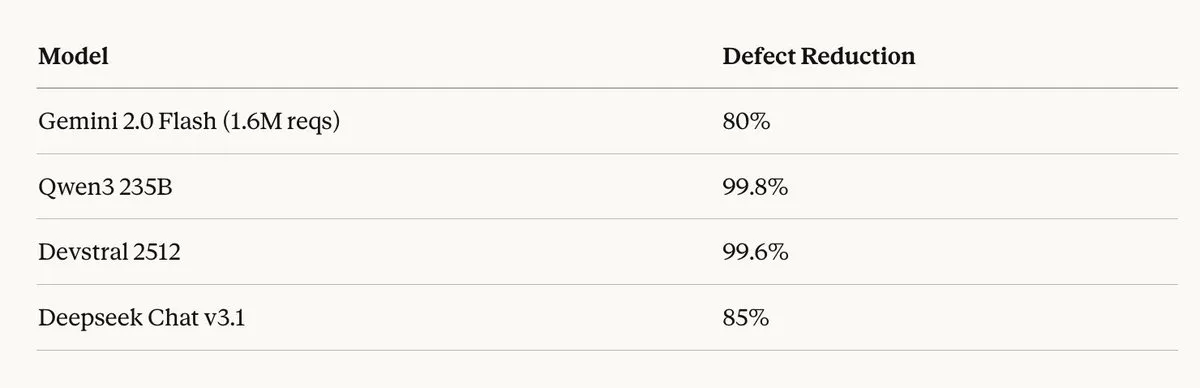
OpenRouter Introduces LLM JSON Output Healing Feature : OpenRouter introduced a “Response Healing” feature that automatically fixes errors in structured JSON output generated by Large Language Models (LLMs). This feature significantly reduces the defect rate of models like Gemini 2 Flash and Qwen3 235B, improving the reliability of LLMs in scenarios requiring precise JSON formatted output. (Source: xanderatallah)
AssemblyAI Audio Transcription Tool Supports URL Input : AssemblyAI Playground has been updated to support audio transcription directly from URLs. Users can now test podcasts, cloud audio, or large files (such as earnings calls) without downloading them, greatly simplifying prototyping and integration verification processes, and improving the testing efficiency of Speech AI capabilities. (Source: AssemblyAI)
jax-js: Browser-Side Machine Learning Library : jax-js is an open-source machine learning library that reimplements JAX in pure JavaScript and supports JIT compilation to WebGPU, enabling it to run neural networks in the browser. The library provides features like automatic differentiation and JIT compilation, aiming to offer an efficient and flexible programming model similar to PyTorch and JAX, and its interactivity has been verified through self-contained demos such as MNIST training and MobileCLIP inference. (Source: Vtrivedy10, Reddit r/MachineLearning)
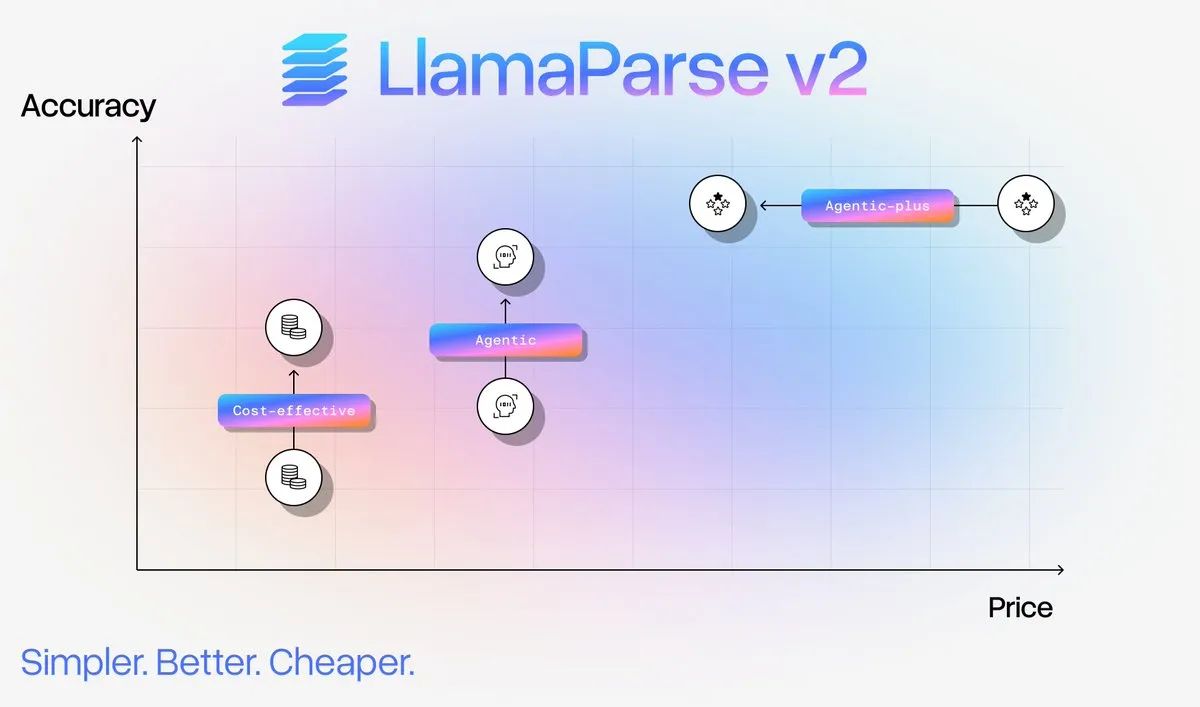
LlamaParse v2 Document Parsing Service Upgrade : LlamaIndex released LlamaParse v2, significantly simplifying document parsing configuration, boosting performance, and offering up to a 50% cost reduction for complex document parsing. The new version introduces four fixed tiers: Fast, Cost Effective, Agentic, and Agentic Plus, enhancing the accuracy of multimodal content and reducing hallucinations, allowing users to achieve production-grade document ingestion without being parsing experts. (Source: jerryjliu0)
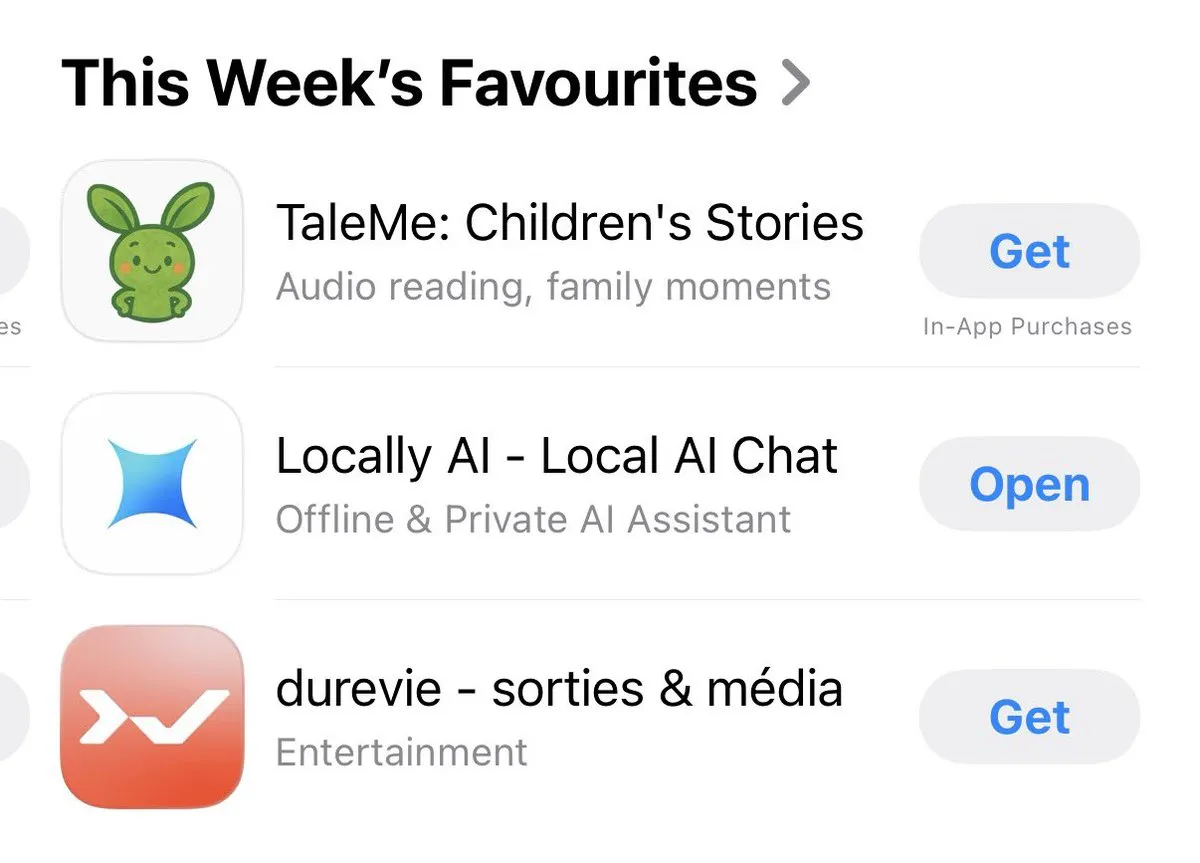
Locally AI: An Application for Running AI Models Locally : Locally AI is an application that allows users to run AI models locally on their everyday devices, and its convenience has earned it a spot on the App Store’s “App of the Week” list. The app aims to lower the barrier to AI use, enabling more people to easily interact with local AI models, emphasizing the ease of use and accessibility of local AI. (Source: adrgrondin)
Google Flow Image Generation Supports High-Resolution Downloads : Google Flow’s Nano Banana Pro feature now supports downloading AI-generated images in 2K and 4K resolutions. This update meets user demand for higher-resolution images, providing clearer and more detailed AI-generated content for creative assets, frame sequences, or visual effects. (Source: op7418)

OpenWebUI Users Report RAG Feature Issues : OpenWebUI users reported issues with the RAG (Retrieval-Augmented Generation) feature, particularly when processing PDF files larger than 1MB, where the model fails to pass file content into the context, resulting in a “source not found” error. Although file upload, text extraction, and embedding are successful, the query generation step fails, preventing PDF content from being used for model inference and impacting tasks like structured data extraction. (Source: Reddit r/OpenWebUI, Reddit r/OpenWebUI)
AI Text Adventure Game Glif Agent : Glif agent offers a text adventure game experience where users can immerse themselves directly without complex guides. This AI tool demonstrates the potential of LLMs in creating interactive narratives and immersive experiences, allowing players to explore virtual worlds through natural language instructions. (Source: NerdyRodent)
Cass: Coding Agent Session Search Tool : The Cass tool is hailed as a “lifesaver” for coding Agents, significantly saving time and effort. It automatically detects, ingests, and indexes all coding CLI sessions, providing instant search and “robot mode,” allowing users to quickly find, manage, and reuse Agent traces, greatly enhancing the efficiency of using coding Agents. (Source: doodlestein)
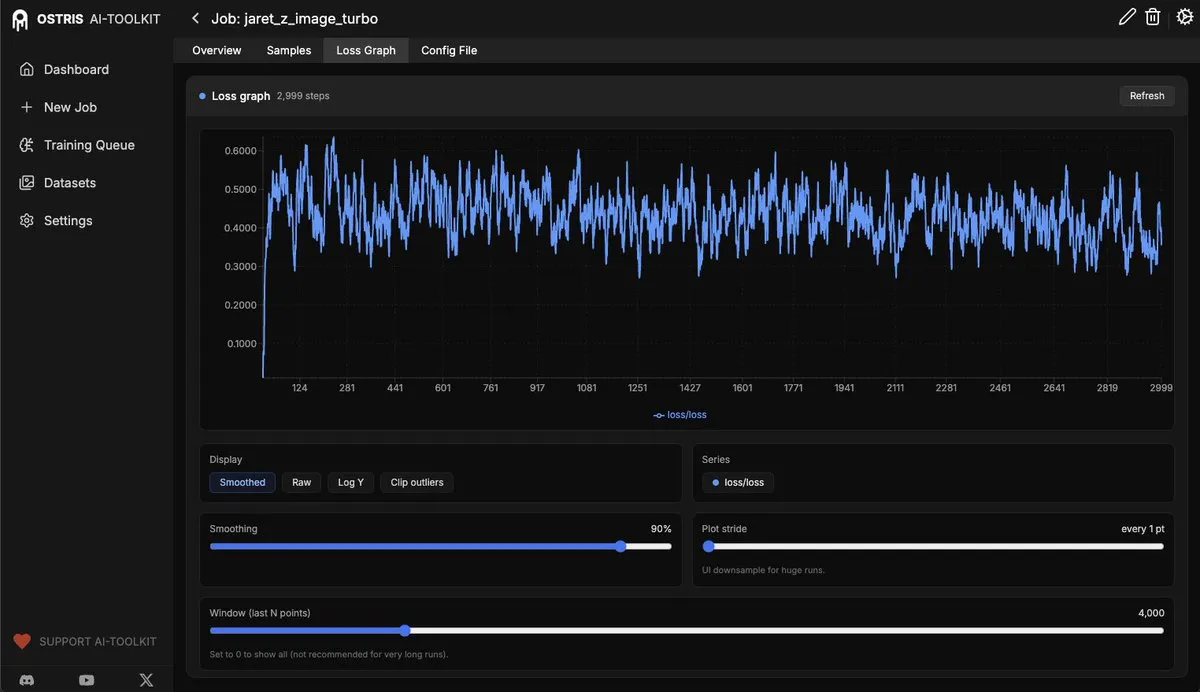
AI Toolkit UI Adds Loss Graph Feature : The AI Toolkit UI has been updated with a new loss graph feature for monitoring the fine-tuning process of diffusion models. This feature will provide users with more intuitive feedback on model training, with more functionalities to be added in the future to improve the efficiency of AI model development and debugging. (Source: ostrisai)
📚 Learning
Nvidia NeMo Agent Toolkit New Course : DeepLearning.AI launched a new Nvidia NeMo Agent Toolkit course, taught by NVIDIA expert Brian, on how to build reliable, production-grade AI Agents using the toolkit. The course covers configuration-driven workflows, achieving observability through tracing, system evaluation using golden standard datasets, and deploying multi-Agent systems, aiming to help developers transform Agent prototypes into reliable production systems. (Source: AndrewYNg)
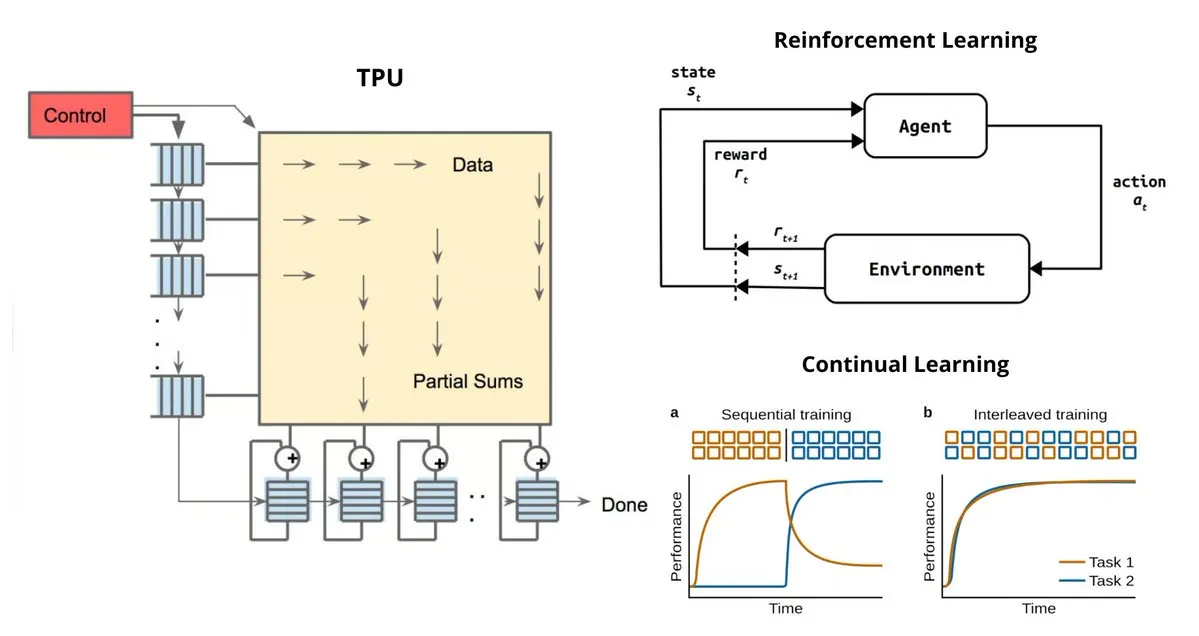
AI Learning Resources and Concept Review : A series of AI learning resources were shared, including the latest Deep Learning Weekly, covering self-optimizing Agents, bugs in AI benchmarks, RL training guides, etc. Additionally, there’s a roadmap to mastering Agentic AI, a review of core AI concepts for 2025 (Reinforcement Learning, RLHF variants, Continual Learning, Neuro-Symbolic AI, AI Hardware, etc.), and the latest advancements in AI safety research. (Source: dl_weekly, TheTuringPost, Ronald_vanLoon, AndrewYNg, ajeya_cotra)
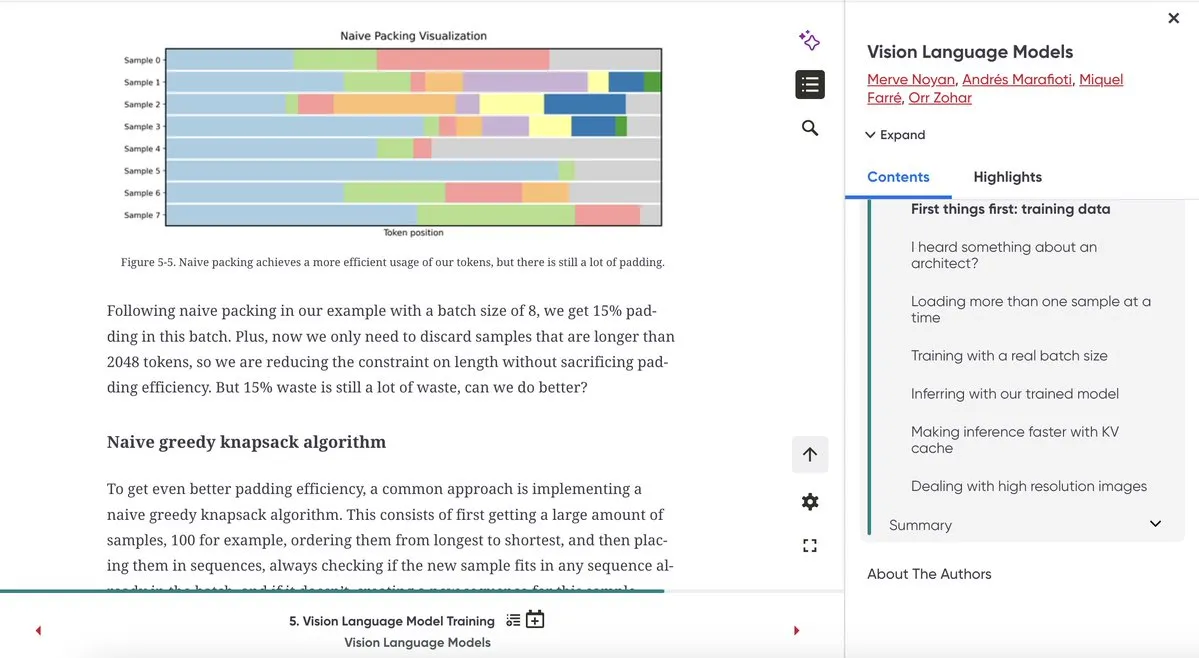
Chapter of ‘Visual Language Models’ Book Released : Chapter 5 of the book “Visual Language Models” has been released, focusing on pre-training and providing illustrations and practical guidance. This offers valuable resources for AI learners to deeply understand the pre-training mechanisms of visual language models. (Source: algo_diver)
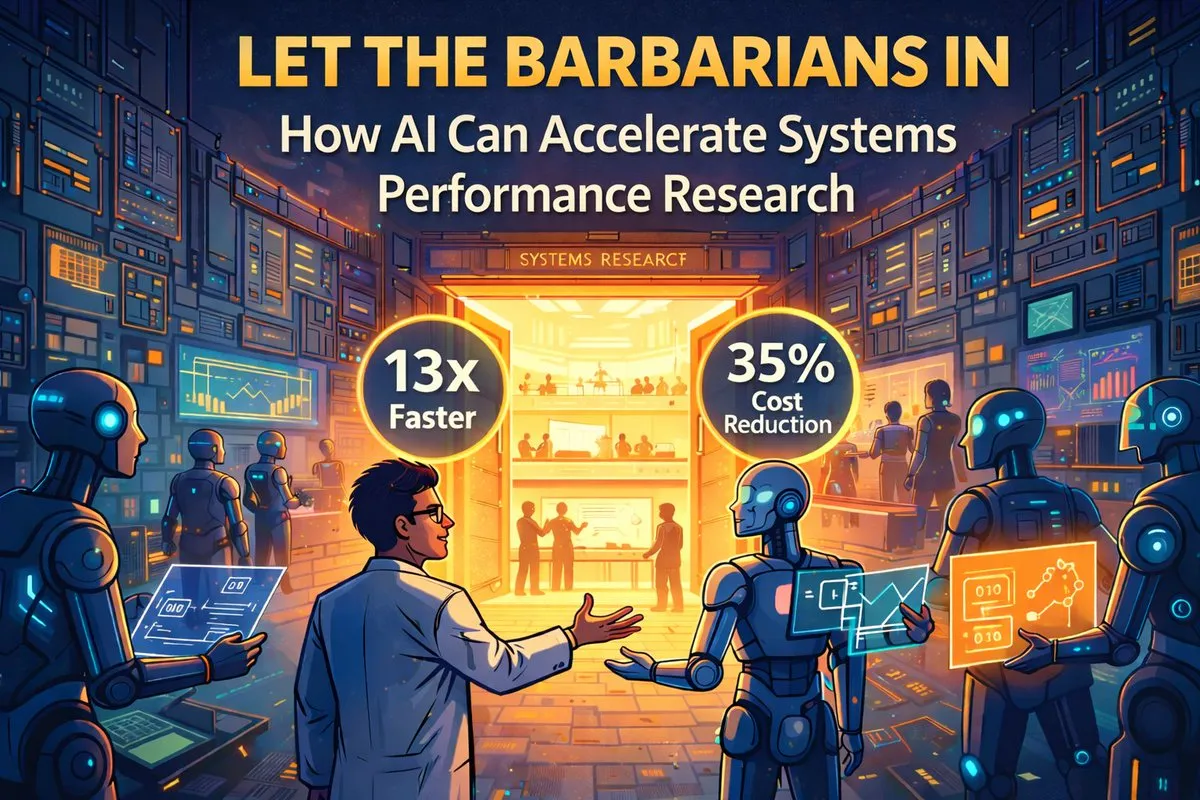
AI-Driven Research Systems (ADRS) Paper Updated : AI-Driven Research Systems (ADRS) released an updated paper evaluating the performance of three open-source frameworks in solving 10 real-world system performance problems. The study shows that AI-generated solutions can achieve a 13x speedup in load balancing and a 35% cost saving in cloud scheduling, even outperforming human experts, providing strong evidence for AI’s application in system research. (Source: matei_zaharia)
💼 Business
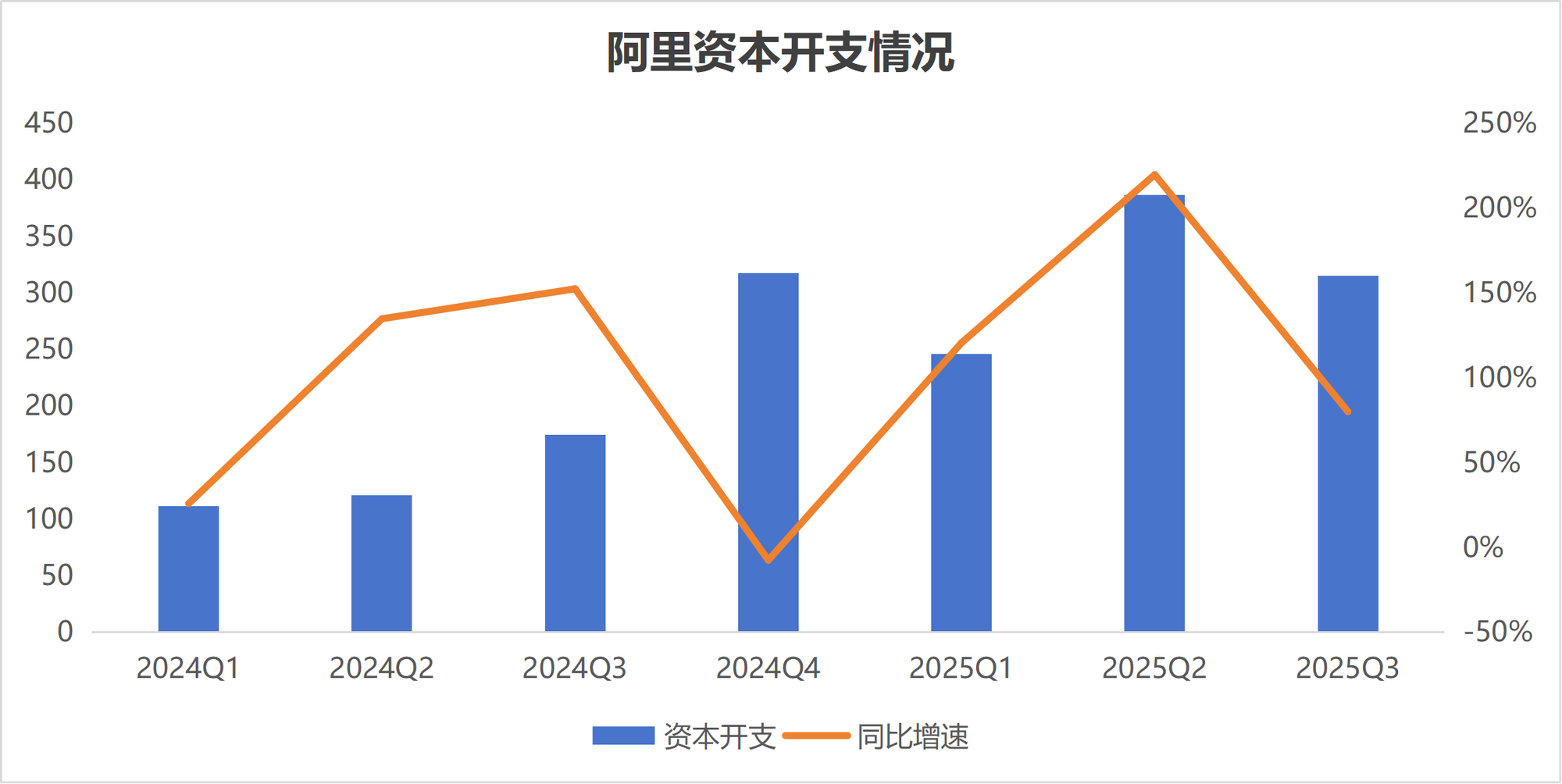
AI Investment Divergence: Alibaba and Tencent’s Contrasting Strategies : Facing the AI wave, China’s two tech giants, Alibaba and Tencent, show clear divergence in their investment strategies. Alibaba is accelerating investment in AI infrastructure, planning to invest over 380 billion yuan in the next three years, aiming to become an infrastructure company providing AI “utilities” (water, electricity, coal). Tencent, on the other hand, is taking a “calmer” approach, lowering its capital expenditure guidance and focusing more on AI empowerment at the application level, and has brought in former OpenAI scientist Yao Shunyu to strengthen its AI strategy towards applications. This divergence reflects their differing judgments on the commercialization paths in the AI era. (Source: 36氪)
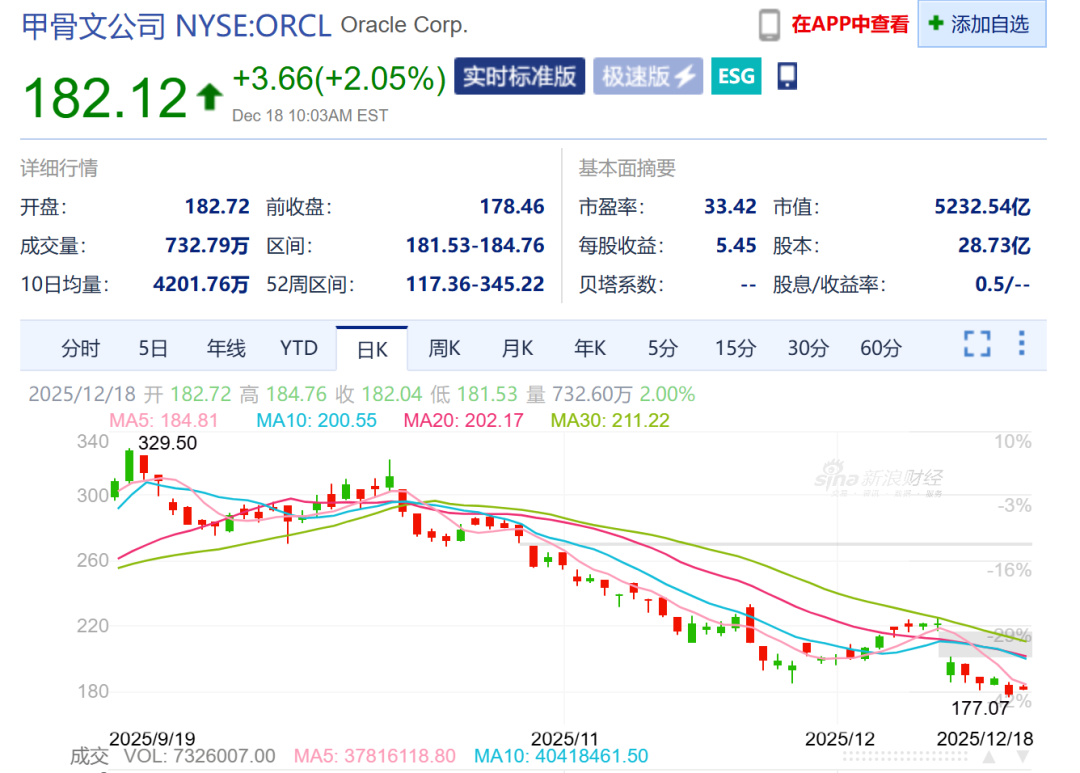
Oracle’s Multi-Billion Dollar Project Funding ‘Falls Through,’ Sparking AI Bubble Concerns : Oracle’s multi-billion dollar funding for its U.S. data center project “fell through,” with key backer Blue Owl Capital withdrawing, sparking market fears of an AI bubble. This incident highlights investor uncertainty regarding massive investment costs and monetization timelines during the AI infrastructure cycle. Analysts question whether OpenAI can fulfill its compute payment commitments to Oracle and the issue of Oracle’s rapidly expanding balance sheet, signaling that AI competition is entering a “cash flow test period.” (Source: 36氪)
Brett Adcock Establishes New AI Lab, Hark : Brett Adcock, CEO of Figure AI, announced the establishment of a new AI lab, Hark, investing $100 million of his personal funds. Hark Lab will focus on “human-centric AI” research, while Adcock will continue his role at Figure AI. This move signifies continued attention to human-computer interaction and ethics in the AI field, and injects new private capital into AI research. (Source: steph_palazzolo)
🌟 Community
LLM Performance and User Experience Controversy : There is widespread controversy on social media regarding the actual performance of GPT-5.2, with many users complaining about poor daily usage experience, hallucinations, or mediocre performance in simple tasks, contrasting with its “smarter” benchmark results. This disconnect has sparked discussions on the direction of AI model development: whether to pursue competition-level intelligence or everyday practicality? Meanwhile, users have shared concerns about the declining performance of the Opus 4.5 model, and challenges LLMs face in debugging and understanding user intent, such as Claude Code’s difficulties in handling complex code. (Source: VictorTaelin, aidan_mclau, 36氪, dbreunig, Reddit r/ChatGPT, Reddit r/artificial)
AI’s Impact on Work and Society : Social media widely discusses AI’s impact on the job market, including concerns about the potential “collapse” of white-collar jobs and AI’s potential to boost productivity. At the same time, public understanding of AI varies, with many mistakenly believing ChatGPT searches databases for answers. Furthermore, AI technology has lowered the barrier for misinformation and fraud, raising concerns about platform moderation mechanisms and the cost of individual self-verification. Some also argue that AI’s progress is more like “new trains running on old tracks,” with bottlenecks in practical application being more social, economic, and political factors. (Source: random_walker, Reddit r/ArtificialInteligence, Plinz, doodlestein, amasad, 36氪, gfodor, Reddit r/ArtificialInteligence)
AI Ethics and Safety : Discussions around AI ethics and safety are fervent on social media. This includes accusations of plagiarism against AI pioneers like Hinton, cases of AI models leading to wrongful arrests in applications like facial recognition, and risks posed by AI-generated content (e.g., WSJ’s test of an out-of-control AI vending machine). OpenAI released “Model Specifications” to guide model behavior, while Google DeepMind introduced SynthID watermarking technology to detect AI-generated videos. Furthermore, AI’s significant environmental footprint (water and carbon emissions) has also garnered attention, as well as ethical considerations when AI provides emotional support. (Source: SchmidhuberAI, Reddit r/artificial, Reddit r/ArtificialInteligence, Reddit r/ArtificialInteligence, Ronald_vanLoon, AnthropicAI, ajeya_cotra, Reddit r/MachineLearning)
AI Agent Development and Challenges : The development and application of AI Agents have become a hot topic, with discussions covering their architecture (composable modules, memory management), open standards (Agent Skills), and practical applications in robotics (Reachy Mini, Grek robot, Bipedal Gait robot, autonomous mobile robots) and programming (Claude MCP Agent). Challenges include how to enhance Agent trustworthiness, handle long contexts, optimize infrastructure to support multi-Agent collaboration, and ensure Agent stability in complex tasks while avoiding “dead loops.” (Source: Vtrivedy10, julesagent, LangChainAI, TheTuringPost, Ronald_vanLoon, Sentdex, ClementDelangue, doodlestein, corbtt, Ronald_vanLoon)
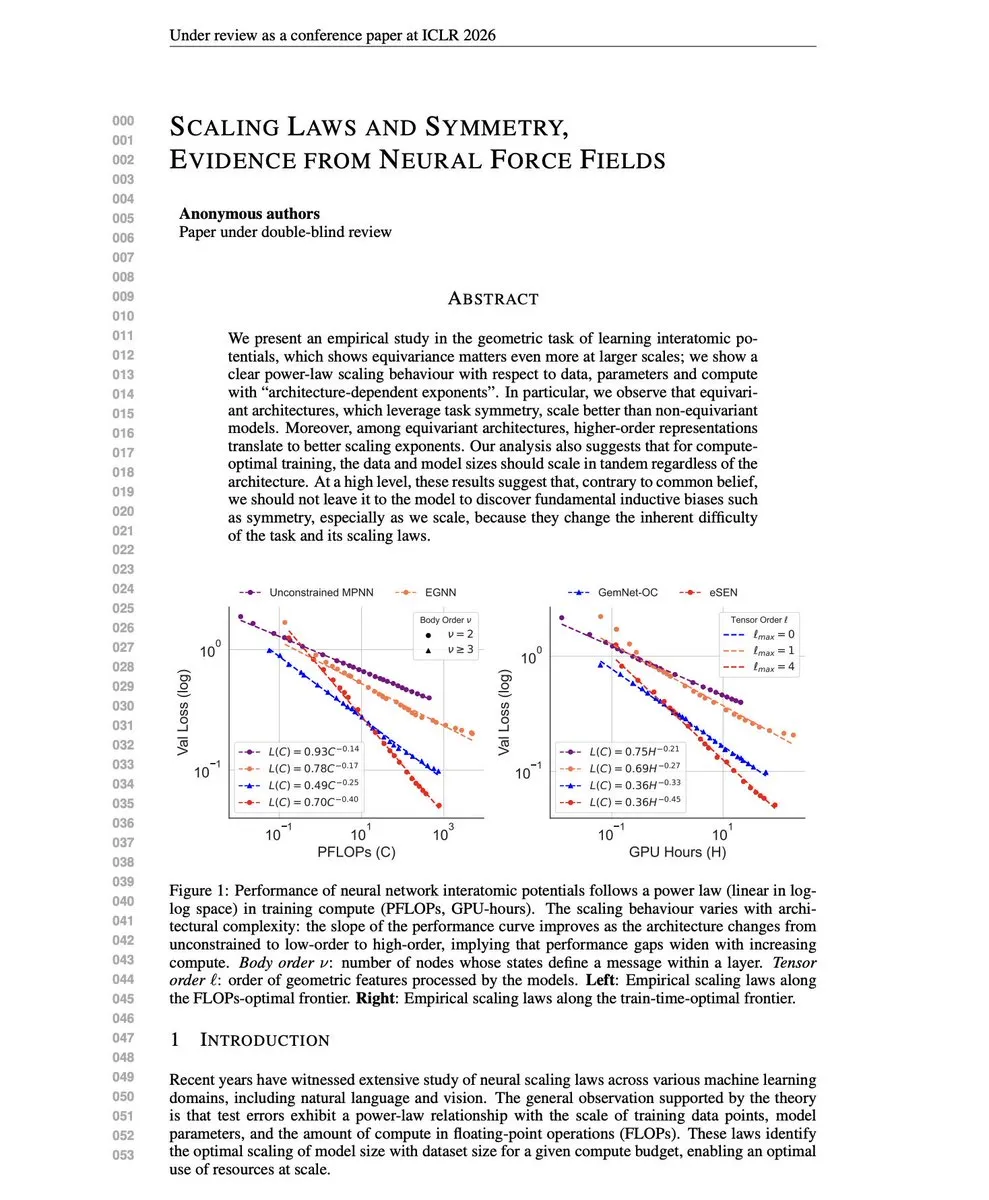
LLM Research and Model Characteristics : Discussions within the AI community on LLM research cover value functions in Reinforcement Learning (RL), the practicality of LoRA RL, GPT-4’s capability assessment, debates on RL vs. post-training LLMs, LLM applications in mathematical research, and philosophical explorations of AI consciousness and “food for thought.” Additionally, attention is given to new LLM architectures (e.g., Diffusion LLMs, DexWM world models), model density laws, challenges in long-context processing, and performance evaluations of specific models like Kimi K2 and MiMo-V2. (Source: natolambert, vllm_project, SebastienBubeck, sarahcat21, karpathy, riemannzeta, _akhaliq, code_star, DeepLearningAI, ollama, gdb, yacinelearning, ylecun, pmddomingos, matei_zaharia, TheTuringPost, yacinelearning, MiniMax__AI, Reddit r/deeplearning, Reddit r/deeplearning, Reddit r/deeplearning, Reddit r/LocalLLaMA)
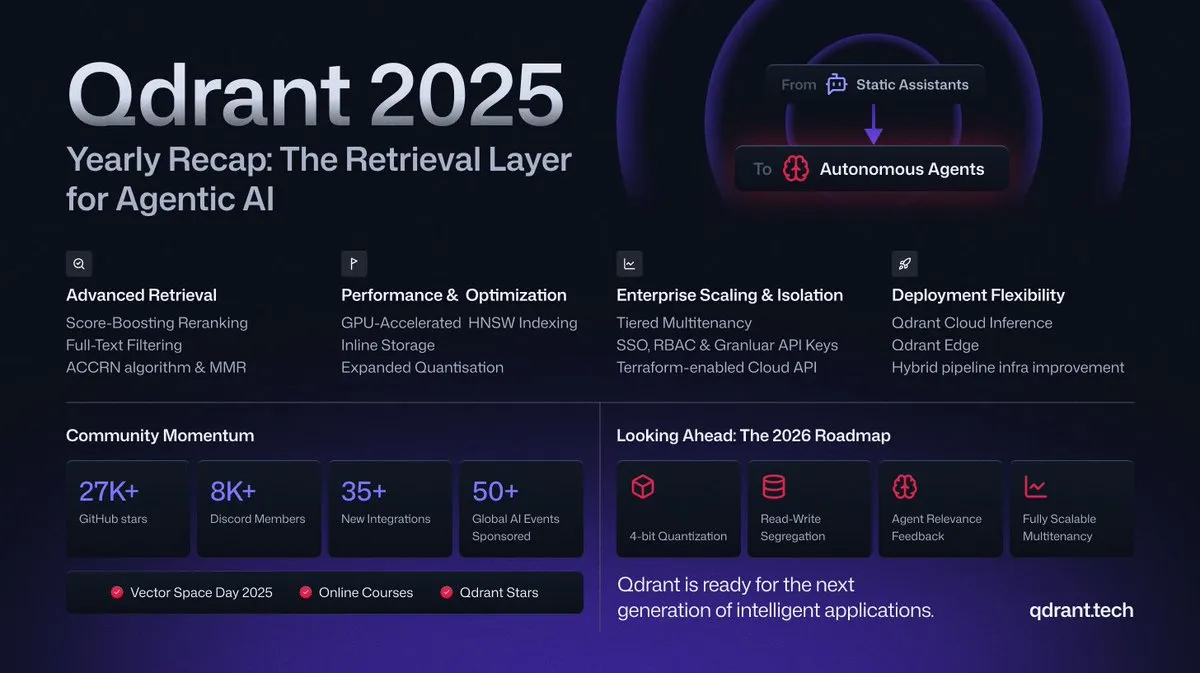
AI Infrastructure and Hardware : AI infrastructure and hardware are hot topics, including the MLX framework enabling low-latency tensor parallel inference on Mac, the importance of vector databases like Qdrant and Turbopuffer in the Agentic era, and the costs and challenges of building GPU clusters (e.g., 8x B200 or Mac Studio clusters). Discussions also cover distributed training optimization (SonicMoE), serverless backend bottlenecks for Agents, and concerns about AI data center energy consumption. (Source: awnihannun, qdrant_engine, TheEthanDing, Dorialexander, halvarflake, matei_zaharia, togethercompute, andersonbcdefg, idavidrein, Reddit r/deeplearning, Reddit r/MachineLearning, Reddit r/LocalLLaMA, Reddit r/MachineLearning, StasBekman, HuggingFace Daily Papers)
Generative AI Art and Applications : Discussions revolve around the advancements of generative AI in art and application fields. Runway Gen-4.5 and GWM-1 models are driving video generation towards general world simulation, while DALL-E 3 and Gemini are used for image generation, including enhancing image realism, 3D content creation, and art style transfer. The community also discussed the perception of AI-generated content (AIGC), for instance, whether it’s praise or offense when AI-created media is of such high quality that viewers question if it’s AI-generated. Furthermore, AI’s research applications in mathematical problem-solving and code conversion are also gaining attention. (Source: c_valenzuelab, BlackHC, nptacek, yupp_ai, nptacek, claud_fuen, dotey, ylecun, Reddit r/ChatGPT, Reddit r/ChatGPT, Reddit r/ChatGPT)
💡 Others
AI Engineering Principles : Social media discussions emphasize that AI engineering should adhere to core principles of traditional engineering, such as version control, testing, and production observability. The view is that the use of LLMs should not alter these fundamental practices but rather integrate them into the AI development process to ensure system reliability and quality. (Source: imjaredz)
LLM Large-Scale Data Processing : This discusses the underestimated topic of large-scale data processing with LLMs. It emphasizes that when processing massive amounts of data, LLMs should be treated as database operators, employing techniques like semantic mapping, filtering, and reduction. Concurrently, cost optimization strategies such as task cascading can significantly reduce the cost of LLM data processing while maintaining accuracy, achieving a balance between efficiency and economy. (Source: HamelHusain)
AI Insights into Human Cognition and Learning : An AI researcher, drawing on 5,000 hours of Tekken gaming experience, explores how humans build predictive models under extreme time constraints and its connection to AI world models and predictive learning. He argues that fighting games force players to predict rather than merely react, which mirrors the challenges in AI research of building internal world models, inferring patterns from partial information, and adapting to prediction failures, offering a unique perspective for understanding intelligence beyond game AI. (Source: Reddit r/MachineLearning, Reddit r/ArtificialInteligence)